
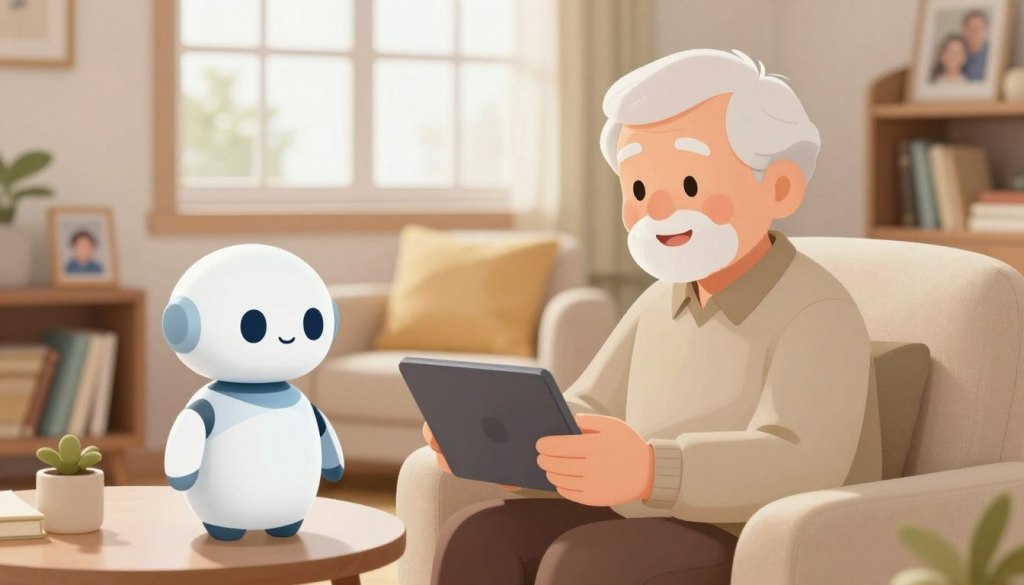
Surprising fact: by 2025, more than 30% of older adults will use voice or phone services to cut loneliness and stay independent. You know the moment: you’re busy, you worry,…
Ana Avila, PhD, is a healthcare and technology writer with deep expertise in artificial intelligence, senior care innovation, and the practical use of AI in healthcare operations. Her work focuses on how emerging technologies can improve the daily experience of older adults, support overburdened care teams, and help senior living communities deliver safer, faster, and more personalized support. Dr. Avila’s academic background is rooted in health informatics, aging care systems, and applied artificial intelligence. Her doctoral work focused on how digital health tools, predictive analytics, and AI-assisted communication systems can be used to improve care coordination, reduce operational delays, and identify early signs of risk among older adults. Her training gives her a rare ability to understand both the technical side of AI and the human realities of healthcare delivery. Over the years, Ana has developed a specialized body of work around AI in senior living. She writes about how senior care providers can use intelligent systems to manage resident requests, answer routine questions, support family communication, improve after-hours coverage, and detect patterns that may indicate loneliness, confusion, distress, or unmet needs. Her articles often examine the gap between what senior living teams are expected to deliver and what traditional staffing models can realistically support. Ana’s healthcare expertise is especially focused on the operational side of care. She has written extensively about call handling, resident engagement, front desk workflows, triage systems, caregiver communication, care escalation, and the hidden administrative burden placed on senior living staff. Her work explains how AI can help reduce repetitive tasks, organize incoming requests, prioritize urgent issues, and give human caregivers more time for meaningful resident interaction. At the same time, Ana is careful not to present AI as a replacement for human care. A consistent theme in her writing is that technology should support relationships, not weaken them. She argues that the best AI systems in healthcare are not the ones that simply automate the most tasks, but the ones that make care teams more responsive, families more informed, and residents more supported. Her perspective is grounded in the belief that senior living technology must be designed around dignity, trust, privacy, and compassion. Ana has also written widely on the ethical use of AI in healthcare. Her work discusses the importance of human oversight, transparent escalation rules, resident consent, data minimization, and responsible use of sensitive health and behavioral information. She often emphasizes that AI systems used around older adults must be easy to understand, carefully monitored, and designed with the limitations and needs of real residents in mind, including those with memory loss, hearing challenges, mobility issues, or social isolation. Her writing has been used as a reference point in discussions about aging, elder care technology, digital health, and AI-supported senior living. She has published 12 papers on journals like JAMA (Journal of the American Medical Association), The BMJ (British Medical Journal), SSRN and more. Some of her articles have also been cited by Wikipedia editors as supporting references on topics related to healthcare, aging, and technology. This has helped position her work as a useful educational resource for readers looking to understand how AI can be applied in real care environments. In addition to her long-form writing, Ana has contributed research-based commentary, professional explainers, and practical guidance for healthcare operators, senior living decision-makers, and technology teams building products for older adults. Her work combines research literacy with operational practicality. She is able to take complex subjects such as natural language processing, predictive analytics, conversational AI, and care automation, and explain them in a way that is accessible to executives, caregivers, families, and non-technical readers. Ana’s strongest area of expertise is the intersection of artificial intelligence and senior living operations. She understands that senior care communities face a difficult combination of rising resident expectations, staffing pressure, family communication demands, and increasing care complexity. Her writing explores how AI can be used to ease those pressures through smarter communication systems, faster response workflows, proactive check-ins, and better visibility into resident needs. Her approach is both evidence-informed and deeply human. She studies AI through the lens of real-world care delivery: whether a resident gets help faster, whether a family member receives a clearer update, whether a caregiver avoids unnecessary administrative work, and whether a senior living team can identify a concern before it becomes a crisis. This practical focus makes her work especially relevant for organizations that want to adopt AI responsibly rather than simply follow technology trends. Ana Avila is regarded as a thoughtful voice on the future of AI in healthcare and senior living. Her expertise combines academic training, research-driven analysis, operational understanding, and a strong commitment to humane technology. Through her writing, she helps healthcare leaders and senior living communities understand not only what AI can do, but how it should be used to improve care, preserve dignity, and strengthen the human relationships at the center of aging support.
Surprising fact: by 2025, more than 30% of older adults will use voice or phone services to cut loneliness and stay independent. You know the moment: you’re busy, you worry,…
Ana AvilaAna Avila, PhD, is a healthcare and technology writer with deep expertise in artificial intelligence, senior care innovation, and the practical use of AI in healthcare operations. Her work…

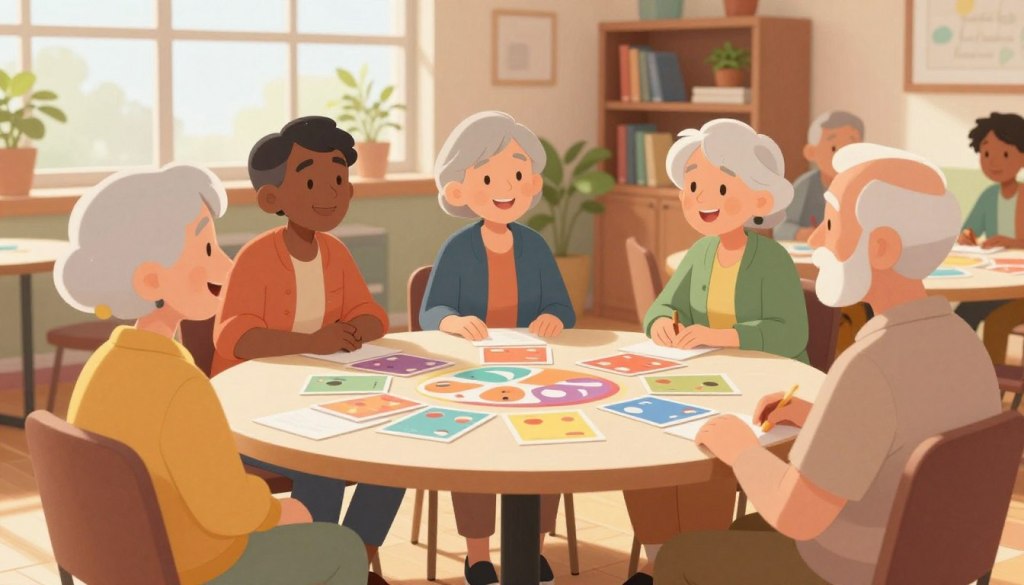
One study found organized discussion groups cut loneliness and boost mental health by notable amounts. That simple fact shows how small chats can change a life. You might be busy….

Surprising fact: older adults who get brief, regular calls report a 50% drop in loneliness within weeks. This isn’t small talk. A short routine call can guard connection with a…

Surprising fact: nearly 60% of adults caring for an aging parent say their calls reveal quiet grief that never gets named. You call your parent while running errands. Their voice…
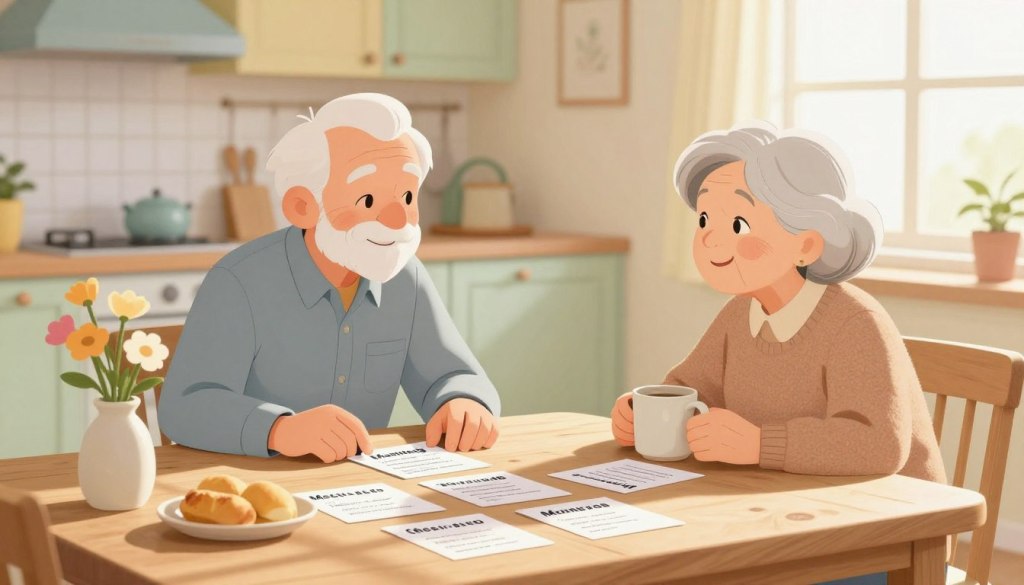
Surprising fact: a simple “How are you?” gets “Fine” up to 70% of the time, hiding small declines that add up fast. You call because you care. You ask and…

One in four older adults says evenings feel lonelier than they used to. That fact hits hard when you finish work and wonder if your loved one is okay tonight….

Surprising fact: nearly 60% of older adults say offers of help feel like a threat to their independence, and that fear often becomes stubborn resistance to change. Picture this: you…
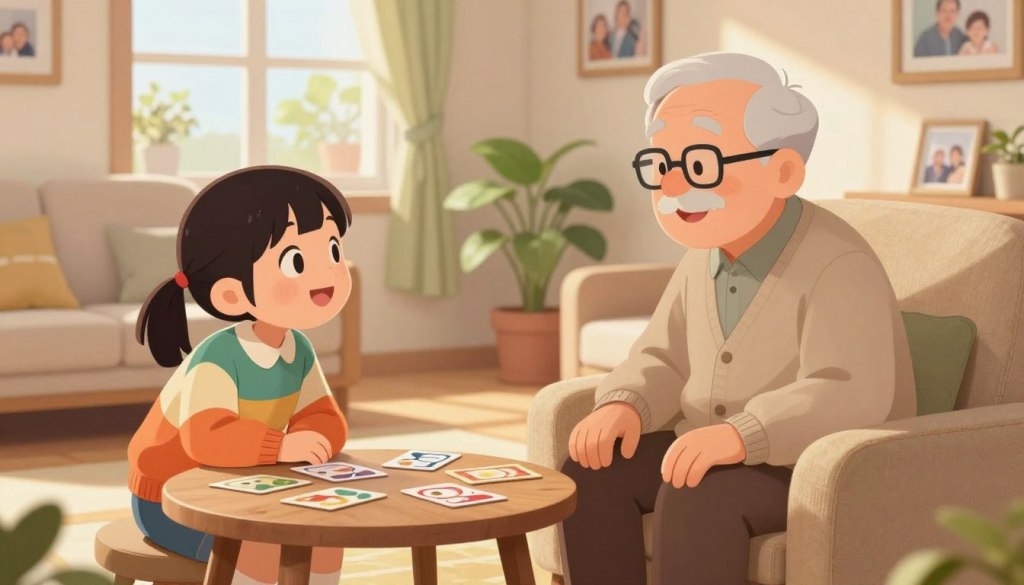
Did you know adults with a steady older relative in their life report better emotional health? A short call can change a day. It can also rebuild a bridge after…
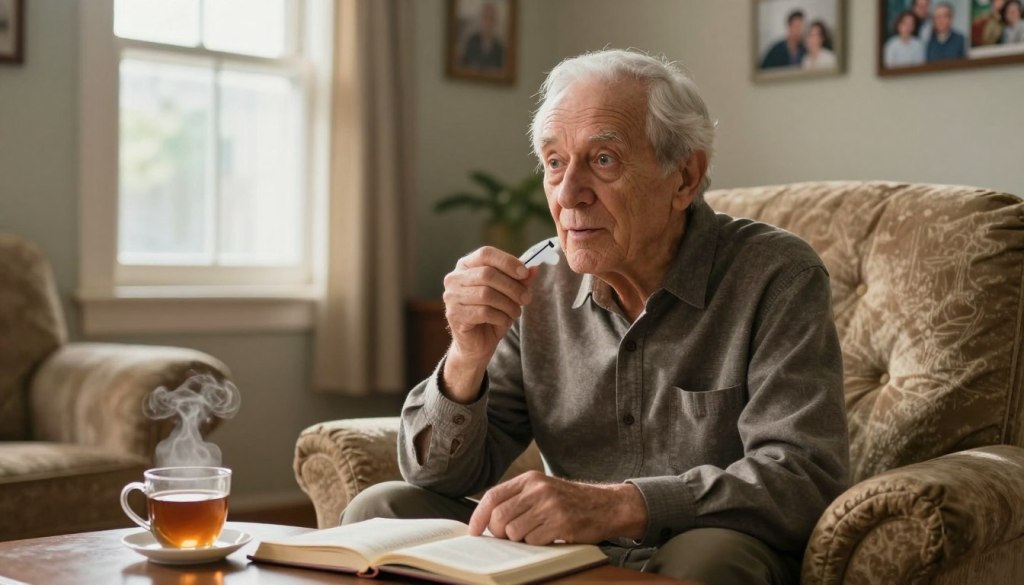
Surprising fact: nearly 40% of family check-ins end with a short reply or silence—leaving loved ones and caregivers worried and unsure what to do next. You ask how their day…
Joy Calls is a product of ONSCREEN Inc., where our mission is to keep your older loved ones connected and healthy using simple technologies. We are proud to be an AARP AgeTech Collaborative Portfolio Company, as well as a Volunteer’s of America Community Health Incubator company.

© 2026. All Rights Reserved by OnScreen Inc.