


Have you ever wondered if the constant worry of caring for your parent could actually be transformed into a source of calm for you both?
If you’re supporting a family member living with memory challenges, you know some days are smoother than others. The underlying concern for their well-being can feel like a heavy weight. What if there was a way to build a gentle structure that brings peace of mind?
Establishing predictable patterns is not about adding more to your list. It’s a lifeline. For a person facing these challenges, a consistent flow to the day can significantly reduce anxiety and create a profound sense of security. Research shows that consistent daily routines increase, making a real difference.
This approach helps turn moments of contact into opportunities for genuine connection, rather than a stressful obligation. It’s about creating a framework where everyone feels supported. This kind of thoughtful support helps make interactions feel less like a check-in and more like real.
Combining this calm structure with consistent monitoring is a powerful way to build a true safety net for your loved one’s independence. This guide will walk you through creating a simple, heartfelt plan. Our goal isn’t perfection—it’s manageable care that brings comfort and dignity to your loved one’s life while making your role more sustainable. This is part of a compassionate strategy that can also help reduce fall risk when you’re not.
Key Takeaways
- Predictable daily patterns can reduce anxiety and create security for a loved one with memory challenges.
- A consistent structure is a source of calm for both the caregiver and the person receiving care.
- The focus is on creating gentle, manageable routines, not a perfect, rigid schedule.
- This approach helps transform care interactions into moments of meaningful connection.
- Combining routine with consistent monitoring builds a stronger safety net for well-being.
- Small, consistent steps can make a significant positive impact on everyone’s quality of life.
Dementia Daily Routine Check-In: Benefits and Essential Planning
The world can feel like a confusing puzzle for someone facing memory loss. A predictable flow to the day acts like a gentle guide. It provides a sense of safety in an often unsettling world.

When activities happen at similar times, the mind doesn’t have to work as hard. This saves precious mental energy. It allows for more meaningful moments of connection.
Think of consistency as a gift you’re giving to someone whose world can feel unpredictable.
Understanding the Need for Consistency
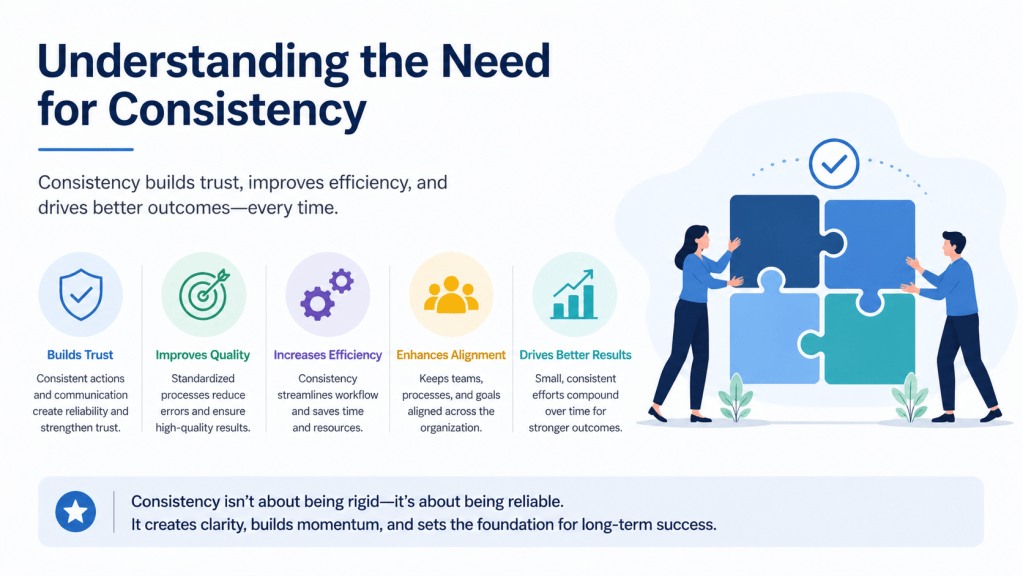
For people living with this condition, their brain is constantly trying to make sense of things. Familiar patterns are an anchor. They reduce the anxiety that often comes with the disease.
Establishing these patterns is a core part of compassionate setting routines and reminders. It’s one of the most supportive things you can do.
| Benefit for Your Loved One | Benefit for You, the Caregiver |
|---|---|
| Less anxiety and confusion | Earlier spotting of health changes |
| Better sleep patterns | Reduced personal worry and stress |
| More participation in tasks | A structured framework for support |
How a Daily Check-In Can Reduce Anxiety and Confusion
A simple, reliable point of contact provides powerful orientation. It gently reminds your loved one of the day’s plan. This reassurance calms the mind and can lessen challenging behaviors.
For caregivers, this contact offers peace of mind. It confirms your person is safe and supported. This is especially helpful for family members who can’t be there in person, and an AI companion can provide this consistent connection.
Knowing a connection is coming gives everyone something to look forward to. It breaks up the day with a moment of care.
The Gentle Check-In Framework: What to Ask, Notice, and Do Each Day
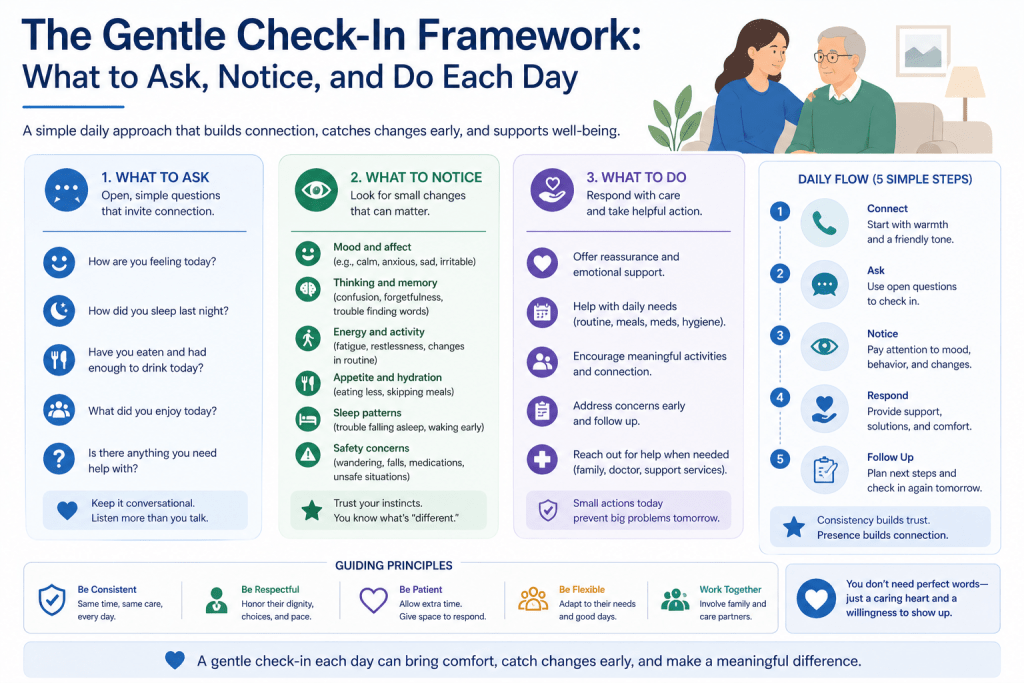
A daily check-in for someone living with dementia should never feel like an interrogation. The goal is not to test memory, correct every detail, or run through a long medical checklist. The goal is to create a calm moment of connection that quietly confirms three things: your loved one feels emotionally settled, their basic needs are being met, and nothing urgent has changed since the last contact.
This is where many families struggle. They know they should “check in,” but they are not always sure what that check-in should include. Some calls become too casual and miss important warning signs. Others become too task-heavy and leave the older adult feeling watched, corrected, or pressured.
A better approach is to use a gentle structure. The same friendly rhythm every day helps the person know what to expect, while giving the caregiver useful information without making the call feel clinical.
Start With Connection Before Questions
Begin the check-in with warmth, not instructions. A person with dementia may already feel unsure, tired, or overwhelmed. If the first thing they hear is, “Did you take your medicine?” or “Did you eat?” they may feel defensive, even if your intention is loving.
Start with something simple and familiar:
“Good morning, Mom. I just wanted to hear your voice.”
“Hi Dad, it’s your afternoon hello.”
“I was thinking about you and wanted to check how your day is going.”
This opening matters because emotional tone often stays with a person even when details are forgotten. A calm voice, familiar phrase, and predictable greeting can help the conversation feel safe. The National Institute on Aging notes that communication can become harder as dementia progresses, and caregivers are encouraged to use clear, supportive communication rather than overwhelming the person.
After the greeting, pause. Give them time to respond. Do not rush to fill the silence. Some older adults need extra processing time, especially on days when they are tired or confused.
Use “Feeling” Questions Before “Fact” Questions
Memory-based questions can accidentally create stress. Asking, “What did you have for breakfast?” may seem harmless, but if they cannot remember, they may feel embarrassed or anxious.
Try JoyCalls Free
No app or new device needed. Start with a free 7-day trial.
Instead, ask questions that do not require perfect recall:
“How are you feeling this morning?”
“Are you comfortable right now?”
“Does anything feel different today?”
“Are you feeling calm, tired, hungry, or uncomfortable?”
These questions are easier to answer because they focus on the present moment. They also give you useful clues. A change in mood, discomfort, unusual sleepiness, or repeated worry may signal that something needs attention.
If they say, “I don’t know,” do not push. You can offer gentle choices:
“That’s okay. Do you feel more tired or more awake?”
“Are you feeling okay, or is something bothering you?”
“Would a cup of tea or a little rest feel good?”
Choices reduce pressure. They help the person respond without needing to search for exact words.
Check the Basics Without Sounding Like a Supervisor
A daily dementia check-in should quietly cover food, fluids, medication, comfort, and safety. But the wording should feel natural.
Instead of asking, “Did you eat lunch?” try:
“I hope you had something nice to eat. Is there a plate or cup near you?”
“Would this be a good time to have some water?”
“What sounds better right now: a snack or a warm drink?”
Instead of asking, “Did you take your pills?” try:
“Let’s look at today’s pill box together.”
“Can you see the morning section of your organizer?”
“I’m just checking the routine with you, not testing you.”
This is especially important because people with dementia may sincerely believe they completed a task even when they have not. They are not lying or being difficult. Their brain may be filling in a familiar pattern. Keeping the tone neutral protects dignity.
For medication, avoid relying only on verbal confirmation when memory loss is present. Use visual systems where possible: a dated pill organizer, blister packs, pharmacy packaging, written medication charts, or caregiver-confirmed reminders. If medication mistakes are becoming common, involve a pharmacist, physician, or in-home caregiver. Dementia care often requires adapting daily support as needs change.
Build a “Look Around” Moment Into the Routine
If the check-in happens by video call, this can be especially useful. If it happens by phone, you can still ask simple environmental questions.
The goal is not to inspect the home. The goal is to notice changes early.
You might ask:
“Are you sitting somewhere comfortable?”
“Is the room bright enough?”
“Do you have your walker or cane nearby?”
“Is there a glass of water close to you?”
“Are your slippers or shoes on properly?”
“Is the door locked, if it is supposed to be?”
Small environmental details can reveal a lot. A dark room in the middle of the day may suggest low energy or confusion. A missing mobility aid may increase fall risk. A full plate sitting untouched may suggest poor appetite. A parent wearing outdoor shoes at bedtime may be disoriented about time.
Home safety is a major part of dementia caregiving. The NIA recommends removing hazards, improving safety features, and adjusting the home environment so the person can move more safely and independently.
Listen for Patterns, Not Just Answers
One check-in rarely tells the full story. The real value comes from noticing patterns over time.
For example:
A parent who is occasionally tired may simply need rest.
A parent who is tired every afternoon may need a lighter schedule.
A parent who becomes anxious every evening may need a calmer wind-down routine.
A parent who repeatedly says they are not hungry may need meal support.
A parent who sounds confused at a new time of day may need medical review.
Create a simple tracking habit, but keep it manageable. You do not need a complicated spreadsheet. Use four quick notes:
Mood: calm, anxious, sad, cheerful, confused.
Body: pain, dizziness, tiredness, appetite, hydration.
Routine: meals, medication, hygiene, activity.
Concern: anything unusual or requiring follow-up.
This can take less than two minutes after each call. Over time, these notes help you speak more clearly with doctors, siblings, paid caregivers, or care coordinators.
Know the Difference Between Reassurance and Correction
During a check-in, your loved one may say something that is not accurate.
They may say they already ate.
They may say they are waiting for someone who is not coming.
They may ask about a deceased spouse.
They may insist they need to go to work.
In many cases, correcting the fact is less helpful than responding to the feeling underneath it.
If they say, “I need to go home,” they may mean, “I feel unsafe.”
If they say, “Nobody told me what is happening,” they may mean, “I feel left out.”
If they say, “I already took care of that,” they may mean, “I want to feel capable.”
A calm response might be:
“You’re safe here. I’m with you.”
“That sounds important. Let’s take it one step at a time.”
“I know you like to stay on top of things. Let’s check it together.”
This approach preserves dignity. It also prevents the check-in from turning into an argument.
Create a Simple Escalation Plan Before There Is a Crisis
A check-in routine is only useful if everyone knows what to do when something seems wrong.
Write down a clear escalation plan. Keep it simple:
First missed call: try again after 10–15 minutes.
Second missed call: call another phone, neighbor, caregiver, or nearby family member.
Signs of urgent concern: contact emergency services or the appropriate local support.
Medication uncertainty: contact the designated caregiver, pharmacy, or clinician.
Repeated confusion, pain, falls, or sudden behavior changes: arrange medical evaluation.
Share this plan with siblings, neighbors, paid caregivers, and anyone involved in care. This avoids panic and prevents five people from making five different decisions.
End the Check-In With One Calm Next Step
Do not end the call with a long list of reminders. Too many instructions may be forgotten or may create anxiety.
Choose one next step:
“Now it’s time for your tea.”
“After this, you can sit by the window.”
“Let’s keep your water beside you.”
“Your lunch is the next thing today.”
“I’ll call again tomorrow after breakfast.”
A predictable closing phrase can also help:
“You are safe, you are cared for, and I’ll check in again soon.”
That kind of reassurance may seem small, but for a person living with dementia, it can bring real comfort.
The best daily check-in is not the longest one. It is the one that feels familiar, respectful, and easy to repeat. When caregivers ask gently, observe carefully, and respond without judgment, the check-in becomes more than a safety task. It becomes a steady point of trust in a day that may otherwise feel uncertain.
Adapting the Check-In Routine as Dementia Progresses: Staying Flexible Without Losing Consistency

A daily check-in routine should never be rigid. What works well in the early stages of dementia may feel overwhelming, confusing, or even frustrating in later stages. One of the most important caregiving skills is learning how to adapt the routine without breaking its sense of familiarity.
Consistency builds comfort—but flexibility preserves dignity.
Many caregivers unknowingly hold on to routines that are no longer suitable. They continue asking the same questions, expecting the same responses, or maintaining the same structure, even when the person’s cognitive abilities have changed. This can lead to tension, repeated confusion, or withdrawal from the interaction altogether.
Instead, think of the check-in routine as something that evolves alongside the person. The structure stays recognizable, but the depth, pace, and expectations gently shift.
Recognizing When It’s Time to Simplify the Routine
There are clear signs that your current check-in approach may need adjustment. These changes do not happen overnight, but they become noticeable over days or weeks.
You might observe:
- Increased difficulty answering open-ended questions
- Frequent “I don’t know” responses
- Longer pauses or inability to follow conversation flow
- Frustration or agitation during calls
- Repeated confusion about time, place, or people
- Reduced attention span or quicker fatigue
When this happens, it is not a sign that the routine has failed. It is a sign that the routine needs to meet the person where they are now, not where they were before.
A common mistake is trying to “train” the person to keep up. In reality, dementia requires the caregiver to adjust—not the other way around.
Shifting From Conversation to Comfort-Based Check-Ins
In earlier stages, check-ins may feel like conversations. There is back-and-forth, light storytelling, and some level of independence in responses.
As dementia progresses, the check-in should gradually become more comfort-focused than information-focused.
This means:
- Fewer questions
- More reassurance
- Shorter sentences
- Slower pacing
- Greater use of tone, not just words
Instead of:
“What did you do today? Did you eat lunch? Did you go outside?”
Shift to:
“You’ve had a calm day. That’s good.”
“You’re safe and doing okay.”
“It’s time to relax now.”
Even if the information is incomplete, the emotional outcome matters more. A calm, reassured person is the goal—not a perfectly detailed update.
Using Familiar Scripts to Reduce Cognitive Load
One of the most effective strategies in dementia care is repetition with slight variation.
Create a simple script for your check-ins and use it consistently. Over time, the rhythm itself becomes comforting, even if the person cannot remember previous conversations.
A sample structure could look like:
- Greeting: “Hi Mom, it’s me. I’m calling to check in.”
- Reassurance: “Everything is okay. You’re safe at home.”
- Gentle check: “Are you comfortable?”
- Support cue: “Your water is nearby. You can take a sip.”
- Closing: “I’ll call you again later. You’re not alone.”
This repetition reduces the need for the person to process new information every day. It also prevents confusion caused by constantly changing communication styles.
Adjusting Based on Time of Day and Cognitive Energy
Not all hours of the day are equal for someone with dementia. Many individuals experience “sundowning,” a pattern where confusion, anxiety, or agitation increases in the late afternoon or evening.
Your check-in routine should account for this.
Morning Check-Ins (Higher Clarity Window):
- Slightly more engagement is possible
- Simple orientation cues can be included (“It’s morning, and you’re at home”)
- Light planning for the day may still work
Afternoon Check-Ins (Transition Period):
- Focus on energy levels and comfort
- Encourage hydration and light meals
- Keep conversations short and steady
Evening Check-Ins (High Confusion Risk):
- Prioritize reassurance over questions
- Avoid introducing new information
- Use calming phrases and a slower tone
- Prepare for rest rather than activity
By aligning your check-in approach with these natural rhythms, you reduce unnecessary stress and make each interaction more effective.
Supporting Non-Verbal Communication
As dementia progresses, verbal communication may become limited. This does not mean the check-in loses value—it simply changes form.
Caregivers should become more attentive to non-verbal cues, such as:
- Tone of voice (agitated, flat, calm)
- Breathing patterns (fast, slow, uneven)
- Background sounds (TV volume, silence, clutter noise)
- Facial expressions (if on video)
- Body language (restlessness, stillness)
Sometimes, what is not said is more important than what is said.
For example:
A quiet, withdrawn tone may indicate sadness or fatigue.
Repeated phrases may indicate anxiety.
Sudden irritability may signal discomfort, hunger, or pain.
Instead of pushing for verbal clarity, respond to the emotion:
“You sound a little tired. That’s okay.”
“I’m here with you. You’re safe.”
This approach keeps the interaction supportive even when communication becomes limited.
Introducing Visual and Sensory Anchors
When memory and verbal processing decline, sensory cues become powerful tools.
During check-ins, gently guide the person toward familiar, grounding elements in their environment:
“Can you see your favorite chair?”
“Your cup is right next to you.”
“The window is open, and the air feels nice.”
These cues help orient the person without requiring them to recall information. They also bring attention back to the present moment, reducing anxiety.
If possible, maintain consistent visual setups:
- Same seating area during calls
- Same lighting conditions
- Familiar objects within reach
- Minimal clutter
Over time, these elements create a sense of stability that supports the check-in routine.
Reducing Decision Fatigue During Check-Ins
Too many choices—even simple ones—can overwhelm someone with dementia.
Instead of asking:
“What do you want to eat?”
“Do you want to sit or lie down?”
Offer guided choices or direct suggestions:
“Let’s have some tea now.”
“You can sit comfortably in your chair.”
This removes pressure while still respecting autonomy. The goal is not to control—but to simplify.
Coordinating Check-Ins Across Multiple Caregivers
In many families, care responsibilities are shared between siblings, relatives, or hired caregivers. Without coordination, this can lead to:
- Repeated questioning
- Conflicting instructions
- Overstimulation
- Frustration for the person with dementia
To prevent this, create a shared check-in protocol:
- Define who calls at what time
- Use similar scripts and tone
- Share brief notes after each interaction
- Avoid overlapping calls unless necessary
Consistency across caregivers is just as important as consistency within a single routine.
Knowing When to Transition to Assisted Support
There may come a point where remote or phone-based check-ins are no longer enough to ensure safety and well-being.
Warning signs include:
- Frequent missed medications
- Repeated confusion about eating or drinking
- Increased fall risk
- Wandering behavior
- Inability to respond during check-ins
- Sudden personality or behavioral changes
At this stage, consider additional support:
- In-home caregivers
- Assisted living options
- Remote monitoring systems
- Medical consultation
This is not a failure of the routine. It is a natural progression of care needs.
Preserving Dignity at Every Stage
Perhaps the most important principle of adapting a check-in routine is this: the person is still a person, even as their abilities change.
Avoid:
- Talking down or using childish language
- Correcting every mistake
- Showing frustration when responses are unclear
- Treating the interaction as a checklist
Instead:
- Maintain a respectful tone
- Use their preferred name
- Acknowledge their feelings
- Keep the interaction calm and patient
Dignity is not something that fades with memory. It is something caregivers actively protect.
Ending With Stability, Not Uncertainty
As dementia progresses, endings become more important than beginnings.
A confusing or abrupt end to a check-in can leave the person feeling unsettled long after the call ends.
Always close with:
- Reassurance
- A clear next step
- A predictable follow-up
For example:
“You’re safe, and everything is okay.”
“It’s time to rest now.”
“I’ll call you again tomorrow morning.”
Even if the details are forgotten, the emotional reassurance often remains.
Building a Long-Term Check-In System: Turning Daily Calls Into a Reliable Care Ecosystem
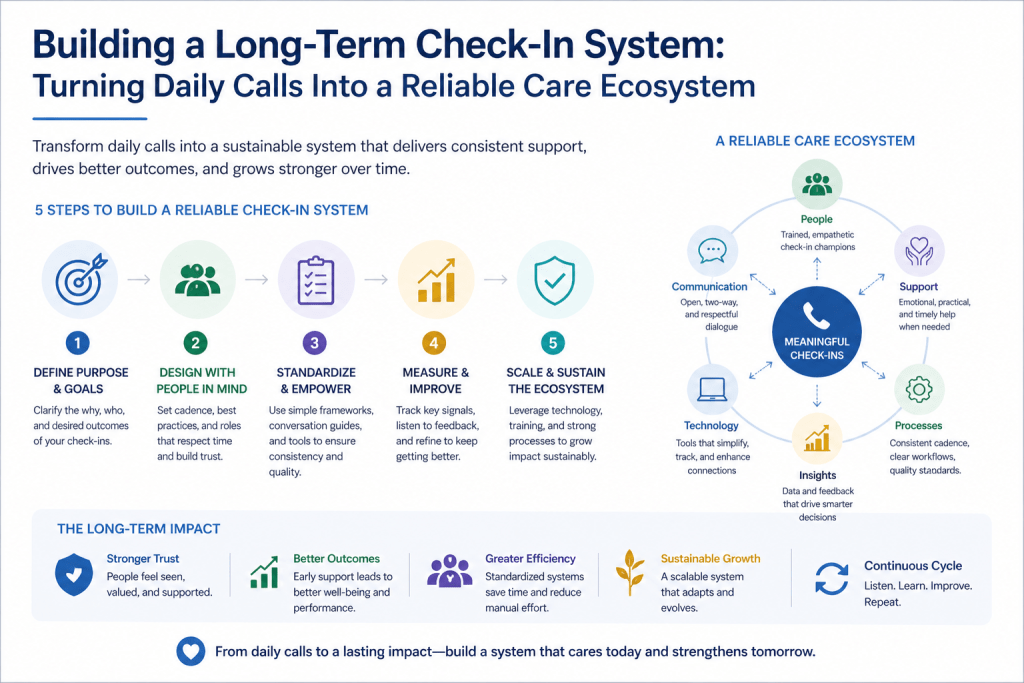
A daily check-in routine is powerful—but on its own, it is not enough for long-term dementia care. As the condition progresses, caregivers often realize that informal habits and memory-based tracking start to fall short. Important details get missed, warning signs are noticed too late, and responsibility becomes unclear when multiple people are involved.
What begins as a simple daily call must eventually evolve into a structured, reliable system—one that supports not just the person living with dementia, but also the caregivers around them.
This does not mean creating something complicated or clinical. In fact, the most effective systems are simple, repeatable, and easy for everyone involved to follow.
The goal is to turn daily check-ins into a coordinated care ecosystem—where information flows clearly, responsibilities are shared, and nothing critical depends on guesswork.
Moving From “Memory-Based Care” to “System-Based Care”
In the early stages, caregivers often rely on memory:
“I think Mom sounded tired yesterday.”
“I believe she ate lunch.”
“I remember she mentioned dizziness last week.”
This approach works temporarily—but over time, it becomes unreliable.
Dementia care requires a shift from remembering to recording and referencing.
A system-based approach ensures that:
- No important detail is lost
- Patterns are easier to identify
- Multiple caregivers stay aligned
- Medical professionals receive accurate updates
This transition does not require technology or complex tools. It simply requires consistency.
Creating a Simple Daily Check-In Log
Start with a basic structure that captures the essentials. This can be done using:
- A notebook
- A shared digital document
- A caregiver app
- A printed daily checklist
The format matters less than the habit.
Each check-in should record four key areas:
1. Emotional State
Calm, anxious, confused, withdrawn, cheerful
2. Physical Condition
Pain, fatigue, appetite, hydration, mobility
3. Routine Completion
Meals, medication, hygiene, activity
4. Observations or Concerns
Anything unusual or worth monitoring
Keep entries short. One or two lines per section is enough.
Example:
Mood: Slightly anxious in afternoon
Body: Low appetite, drank water with reminder
Routine: Took morning meds, skipped lunch
Concern: Mentioned feeling dizzy twice
Over time, this log becomes extremely valuable. It helps caregivers spot patterns early and communicate more effectively with doctors.
Establishing Clear Roles Among Caregivers
When multiple people are involved in care, confusion often arises—not because of lack of effort, but because of lack of clarity.
Common issues include:
- Everyone assumes someone else handled a task
- Repeated or conflicting instructions
- Gaps in care during busy periods
- Emotional burnout from unclear expectations
To prevent this, define simple roles:
Primary Check-In Caregiver
Responsible for daily calls and logging updates
Backup Contact
Steps in if the primary caregiver is unavailable
Medical Coordinator
Handles communication with doctors and pharmacies
Local Support Contact
Neighbor, friend, or nearby relative who can respond quickly if needed
These roles do not need to be formal or permanent, but they should be understood by everyone involved.
Creating a Weekly Review Habit
Daily check-ins provide data—but without review, that data remains unused.
Set aside time once a week to review the log. This does not need to be long. Even 15–20 minutes is enough.
During the review, ask:
- Has mood changed consistently at a certain time of day?
- Is appetite decreasing or fluctuating?
- Are medications being missed more often?
- Are there repeated mentions of pain or discomfort?
- Has mobility or balance changed?
This simple reflection helps identify trends before they become serious problems.
It also allows caregivers to adjust routines proactively instead of reacting to crises.
Using Check-Ins to Improve Medical Communication
One of the biggest challenges in dementia care is communicating effectively with healthcare providers.
Vague statements like:
“She hasn’t been herself lately”
“He seems more confused”
are difficult for doctors to act on.
A structured check-in system provides clear, specific information:
“In the past 10 days, she has reported dizziness in 6 check-ins, mostly in the afternoon.”
“He has skipped meals 4 times this week and seems more fatigued in the evening.”
This level of detail allows for faster and more accurate medical decisions.
It also reduces the need for guesswork during appointments.
Preparing for “Off Days” Without Panic
Not every check-in will go smoothly. There will be days when:
- The person does not answer the phone
- Responses are more confused than usual
- Mood is noticeably different
- Routine tasks are missed
Without a system, these moments can feel alarming and chaotic.
With a system, they become manageable.
Define simple thresholds:
- One unusual check-in: observe and note
- Two consecutive unusual check-ins: increase monitoring
- Three or more patterns: take action (medical consultation or in-person visit)
This prevents overreaction while still ensuring timely response.
Integrating Technology Without Overcomplicating
Technology can support check-in routines—but it should never replace human connection.
Useful tools include:
- Medication reminder apps
- Video calling platforms
- Smart speakers for voice reminders
- Emergency alert systems
- GPS trackers for wandering risk
However, the key is to use technology selectively and simply.
Avoid:
- Introducing too many devices at once
- Changing tools frequently
- Relying on technology that the person cannot understand
The system should support the person—not confuse them further.
Planning for Emergencies in Advance
A strong check-in system includes clear emergency preparation.
Create a visible, accessible list that includes:
- Emergency contact numbers
- Primary caregiver details
- Medical conditions and medications
- Doctor and pharmacy information
- Address and directions for emergency services
Make sure:
- Caregivers know where this information is stored
- Local contacts can access it if needed
- It is updated regularly
Preparation reduces panic and ensures faster response when it matters most.
Supporting the Caregiver Through the System
A structured check-in system does not just support the person with dementia—it also protects the caregiver.
Without structure, caregivers often experience:
- Mental overload from trying to remember everything
- Anxiety about missing something important
- Emotional exhaustion from constant vigilance
- Conflict with other family members
A clear system provides:
- Shared responsibility
- Reduced mental burden
- Better communication
- Greater confidence in decision-making
Caregiving becomes more sustainable when it is not carried alone.
Knowing When to Strengthen the System
As dementia progresses, the system itself may need to evolve.
Signs that additional structure is needed include:
- Increasing frequency of missed routines
- More frequent confusion during check-ins
- Safety concerns (falls, wandering, medication errors)
- Caregiver burnout or overwhelm
At this stage, consider:
- Increasing check-in frequency
- Adding in-person support
- Expanding the caregiver team
- Consulting specialists in dementia care
A system is not static—it grows with the needs of the situation.
Ending Each Day With Confidence, Not Doubt
One of the hidden benefits of a strong check-in system is peace of mind.
Instead of ending the day wondering:
“Did I miss something?”
“Was that normal?”
“Should I have done more?”
You have clarity:
- The check-in was completed
- Observations were recorded
- Concerns were noted
- The next step is clear
This confidence is not just practical—it is emotional support for the caregiver.
Making Check-Ins More Meaningful: Emotional Support, Independence, and Trust

A dementia check-in should not only confirm that the person is safe. It should also help them feel valued, respected, and emotionally steady.
Many older adults with dementia slowly lose confidence because so much of daily life begins to feel uncertain. They may forget plans, misplace objects, repeat questions, or struggle with tasks they once handled easily. If every interaction becomes about correction, reminders, or monitoring, the person may begin to feel like a problem instead of a person.
That is why emotional design matters.
A good check-in routine should protect three things:
- Their sense of safety
- Their sense of dignity
- Their sense of independence
Let the Person Participate in the Routine
Even when memory is affected, many people can still take part in small, familiar decisions.
Instead of doing everything for them, invite gentle participation:
“Would you like to sit by the window while we talk?”
“Can you keep your water glass near you?”
“Let’s check the calendar together.”
“Would you like your blue sweater or your grey one today?”
These small moments matter. They reduce helplessness and help the person feel included in their own care.
The key is to offer choices that are simple, limited, and safe. Too many options can create stress, but one or two clear choices can support confidence.
Use the Check-In to Reinforce Identity
Dementia can affect memory, but it does not erase a person’s history, preferences, or personality.
Use check-ins to gently reflect who they are:
“You always liked calm mornings.”
“You’ve always been someone who enjoys a clean table.”
“That song reminds me of you.”
“You made the best tea in the house.”
This helps the person feel seen beyond their diagnosis.
Do not make the conversation only about symptoms, tasks, and risks. Include familiar memories, favorite foods, family names, hobbies, music, faith, work history, or old routines when appropriate.
A check-in becomes more comforting when it reminds the person: you are still you.
Avoid Turning Every Call Into a Test
Families often ask memory-based questions without realizing how stressful they can be.
Questions like these may create pressure:
“What day is it?”
“Do you remember who visited yesterday?”
“What did you eat?”
“Did you forget again?”
Instead, use supportive orientation:
“It’s Monday morning, and you’re at home.”
“Your lunch is ready in the kitchen.”
“I called yesterday too, and I’m happy to call again today.”
This gives useful information without making the person feel examined.
Build Trust Through Predictable Reassurance
People with dementia may ask the same question many times because the feeling of uncertainty returns even after the answer is given.
Instead of saying, “I already told you,” try repeating reassurance calmly.
For example:
Question: “Are you coming?”
Response: “Yes, I’ll see you after lunch. You are okay right now.”
Question: “Where is everyone?”
Response: “Everyone is safe. I’m here with you on the phone.”
Question: “What am I supposed to do?”
Response: “You can sit comfortably and have some water. That’s all for now.”
The repeated answer is not wasted. It may provide comfort in that moment, even if it has to be given again later.
Include One Positive Moment in Every Check-In
A daily check-in should not feel like a list of problems. Add one small positive moment each time.
This could be:
- A compliment
- A familiar memory
- A joke
- A prayer or blessing
- A song line
- A reminder of something they enjoy
- A simple expression of love
For example:
“I’m glad I got to hear your voice today.”
“You sound peaceful this morning.”
“That sweater looks lovely on you.”
“I always feel better after talking to you.”
These moments soften the routine and make the person more likely to welcome future check-ins.
Respect Resistance Without Giving Up
Some older adults may resist daily check-ins. They may say:
“I don’t need checking on.”
“Stop calling so much.”
“I’m fine.”
“You people worry too much.”
This resistance often comes from fear of losing independence. Instead of arguing, adjust your language.
Avoid saying:
“We need to check on you.”
Say:
“I just like starting my day by hearing your voice.”
Avoid:
“You can’t manage alone.”
Say:
“This helps all of us stay connected.”
Avoid:
“You forgot again.”
Say:
“Let’s make it easier together.”
The goal is to make the check-in feel relational, not supervisory.
Keep Independence Where It Is Still Safe
Caregivers naturally want to prevent every possible mistake. But too much control can make the person feel stripped of autonomy.
Look for areas where independence is still safe:
- Choosing clothing
- Folding towels
- Watering plants
- Listening to music
- Sitting in a preferred chair
- Helping set the table
- Choosing between two meals
During check-ins, reinforce these abilities:
“You handled that well.”
“That was a good choice.”
“You’re doing fine with that.”
This builds confidence and reduces frustration.
Use a Calm Tone Even When You Feel Worried
The person with dementia may respond more to your emotional tone than to your exact words.
If your voice sounds rushed, tense, or alarmed, they may become anxious too.
Before calling, take a breath. Speak slowly. Use short sentences. Leave space between questions.
A calm caregiver does not mean a careless caregiver. It means you are creating emotional safety while still paying attention.
When the Check-In Reveals Emotional Distress
Sometimes the person may sound sad, fearful, angry, or lonely.
Do not rush to fix the feeling immediately.
Start by validating:
“That sounds upsetting.”
“I’m sorry this feels hard.”
“I can hear that you’re worried.”
“You’re not alone right now.”
Then offer one grounding step:
“Let’s take a slow breath.”
“Hold your cup for a moment.”
“Look around the room. You’re safe.”
“I’ll stay with you for a little while.”
This approach is more helpful than arguing with the emotion or trying to explain it away.
Make the Routine Feel Like Love, Not Surveillance
The best dementia check-ins are not cold safety checks. They are structured moments of care.
Yes, you are checking meals, medication, hydration, comfort, and safety. But the person should mainly feel:
“I am remembered.”
“I am cared for.”
“I am not alone.”
“I still matter.”
Creating a Structured Daily Care Plan
That emotional outcome is as important as any practical checklist.
A check-in routine succeeds when it protects the person’s day without taking away their dignity. It works best when it combines structure with warmth, observation with respect, and safety with genuine human connection.
A thoughtfully crafted schedule is more than a list of tasks. It’s a framework for comfort and connection. This kind of daily care plan provides a gentle rhythm that supports well-being.

Organizations like the Alzheimer’s Association offer excellent guidance for building a daily care plan. Your approach should feel natural, not rigid.
Preventing Burnout While Maintaining Consistent Check-Ins

A daily dementia check-in routine is built on care, consistency, and responsibility—but it also carries an invisible weight. Over time, caregivers often find themselves emotionally stretched, mentally fatigued, and physically drained. What begins as a simple act of love can slowly become a source of stress if not managed carefully.
This is one of the most overlooked aspects of dementia care: the sustainability of the caregiver.
A routine is only effective if it can be maintained over months and years—not just days or weeks. And that requires protecting the caregiver’s energy, time, and emotional well-being just as much as the safety of the person receiving care.
Recognizing the Early Signs of Caregiver Fatigue
Burnout rarely happens suddenly. It builds gradually, often unnoticed until it becomes overwhelming.
Common early signs include:
- Feeling mentally exhausted before or after check-ins
- Irritation or impatience during calls
- Forgetting details or losing track of routines
- Feeling guilty for missing or shortening a check-in
- Constant worry, even when things seem stable
- Loss of personal time and routine
- Emotional numbness or detachment
These are not signs of failure. They are signals that the current approach needs adjustment.
Ignoring them often leads to inconsistency, resentment, or emotional withdrawal—none of which support effective caregiving.
Shifting From “Doing Everything” to “Doing What Matters Most”
Many caregivers try to handle everything themselves. They take full responsibility for calls, tracking, coordination, and decision-making.
While this may feel efficient at first, it is rarely sustainable.
Instead, identify what truly matters in your role:
- Ensuring regular connection
- Noticing important changes
- Coordinating key decisions
- Maintaining emotional support
Everything else can be simplified, shared, or delegated.
For example:
- Daily logging can be shared with another family member
- Medication reminders can be supported with tools
- Non-critical updates can be handled asynchronously
- Backup callers can step in when needed
This shift reduces pressure without reducing care quality.
Creating a Realistic Check-In Schedule
Consistency does not mean rigidity. A routine should fit into your life—not take it over completely.
Instead of forcing multiple long calls every day, consider:
- One primary check-in at a fixed time
- One optional shorter follow-up if needed
- Clear backup arrangements for busy days
Short, focused check-ins are often more effective than long, exhausting ones.
It is better to maintain a sustainable routine for months than an intense routine that breaks after a few weeks.
Using Boundaries to Protect Emotional Energy
Caregivers often feel that they must be available at all times. This creates constant mental pressure, even when no immediate issue exists.
Healthy boundaries are essential.
Examples of practical boundaries:
- Defining specific check-in times
- Not responding to non-urgent calls immediately
- Turning off notifications during rest hours
- Taking scheduled breaks from caregiving responsibilities
Boundaries do not mean neglect. They create space for caregivers to recharge so they can continue providing care effectively.
Sharing the Emotional Load With Others
Even when one person leads the routine, emotional support should not be carried alone.
This can include:
- Regular updates with siblings or family members
- Conversations with friends who understand the situation
- Joining caregiver support groups (online or local)
- Speaking with professionals when needed
Talking about the experience reduces isolation and helps caregivers process difficult moments.
It also prevents emotional buildup, which can affect the tone and quality of check-ins.
Allowing “Imperfect Days” Without Guilt
There will be days when:
- The check-in feels rushed
- You forget to log details
- The conversation does not go smoothly
- You feel distracted or tired
This is normal.
Caregiving is not about perfection. It is about consistency over time.
One imperfect check-in does not undo the routine. What matters is returning to the structure the next day.
Letting go of perfection reduces stress and makes the routine easier to maintain.
Building Micro-Rest Into Your Routine
Caregivers often wait for large breaks that never come. Instead, build small moments of rest into daily life.
After a check-in:
- Take 5–10 minutes to pause
- Step outside or change environment
- Avoid immediately jumping into another task
- Allow your mind to reset
These small pauses prevent cumulative fatigue.
Over time, they make a significant difference in emotional resilience.
Knowing When to Ask for Additional Help
There may come a point where maintaining the routine alone is no longer practical.
This does not mean you are unable to care—it means the situation requires more support.
Consider additional help when:
- Check-ins are becoming frequent and time-consuming
- You feel consistently overwhelmed
- Important details are being missed
- The person’s needs are increasing
- Your own health or routine is affected
Support can come in many forms:
- Hiring part-time or full-time caregivers
- Using remote monitoring or check-in services
- Involving extended family
- Consulting care coordinators or specialists
Seeking help early is always better than waiting until burnout occurs.
Keeping the Emotional Meaning of the Routine Alive
Over time, routines can become mechanical. Calls become tasks. Checklists replace connection.
It is important to reconnect with the original purpose:
- You are offering reassurance
- You are maintaining connection
- You are supporting dignity
- You are creating stability
Even a short, simple check-in can carry emotional meaning if done with presence.
A calm voice, a familiar phrase, a moment of patience—these often matter more than the length of the call.
Ending the Day Without Carrying the Weight Forward
Caregivers often carry the emotional weight of each interaction long after the call ends.
To prevent this, create a simple mental closure:
- Acknowledge that the check-in is complete
- Note any concerns for follow-up
- Remind yourself that you did what was needed today
Avoid replaying every detail or worrying about what might happen next.
Caregiving is a long journey. It cannot be sustained if each day’s weight is carried into the next.
Morning Routines and Hygiene Tips
Mornings set the tone. Keep this time calm. A consistent wake-up time helps regulate mood.
Follow the same order for hygiene each day. This builds muscle memory. Invite help with simple breakfast tasks for a sense of purpose.
Afternoon Activities and Engagement Strategies
Afternoons need meaningful engagement. Plan lunch at a regular time. Shared cleanup provides gentle structure.
Music from their youth can lift spirits. Physical movement, like a short walk, is beneficial. Social connection is vital, and planning a weekly social routine can help.
Evening Wind-Down Practices
Evenings are for transition. Serve dinner in a calm setting. Soothing activities after the meal signal it’s time to rest.
A consistent bath time reduces anxiety. A predictable bedtime ritual brings the day to a peaceful close. This entire care plan is a gift of stability.
Tips for Adjusting and Personalizing the Routine
The secret to sustainable caregiving lies in learning how to adapt your approach as circumstances change. A plan that works beautifully today might need gentle adjustments tomorrow.
Watch for small clues about what brings comfort. Notice when energy peaks and when rest is needed. This thoughtful observation helps you create a rhythm that feels natural.
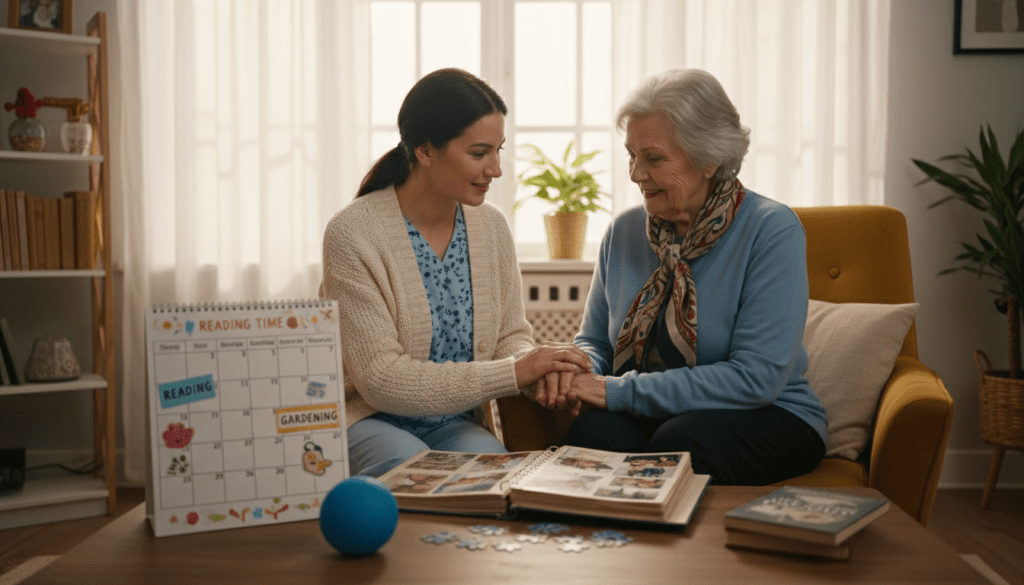
Identifying Optimal Times for Activities
Every individual has their own natural energy flow. Some people feel most alert in the morning hours. Others find afternoons bring better focus.
Spend time simply watching your loved one. Notice when they seem most engaged. These golden windows are perfect for important tasks.
“The goal isn’t to control the day, but to harmonize with your person’s natural rhythm.”
| Peak Energy Times | Best Activities | Low Energy Times |
|---|---|---|
| Morning alertness | Medication management | After lunch dip |
| Afternoon focus | Doctor appointments | Late afternoon |
| Evening calm | Gentle socializing | Before bedtime |
Incorporating Flexibility for Changing Needs

Rigid schedules often create stress. Build in buffer time between activities. This prevents rushing and reduces anxiety.
Have backup plans for difficult days. A planned walk might become quiet sitting. Complex projects can simplify to gentle sorting.
Technology like consistent connection tools provides stability even when you cannot be present. This support helps address isolation concerns while giving you peace.
Remember to check in with yourself too. If the plan feels overwhelming, it is time to adjust. Sustainable care benefits everyone involved.
Conclusion
When supporting someone through memory challenges, small consistent gestures create profound comfort. Your dedication to building a gentle structure shows incredible love. This approach brings security to your person and peace to your own mind.
Remember that your care plan will evolve as needs change. This isn’t failure—it’s responsive support. Be as gentle with yourself as you are with your loved one.
For family members providing care from a distance, services like JoyCalls offer consistent companionship. Their AI-powered calls provide friendly conversation and detailed updates. This creates a reliable support system when you can’t be there in person.
You’re doing beautiful, important work. If you need additional guidance, explore this step-by-step guide or visit JoyCalls to learn how technology can support your family’s journey.
FAQ
Why is a structured daily plan so important for my loved one with memory loss?
What are the most important things to include in a daily care plan?
How can I make sure the routine works as my family member’s needs change?
My parent gets very agitated in the evening. How can our routine help?
Can a service like JoyCalls really help with managing this daily structure?

Ana Avila, PhD, is a healthcare and technology writer with deep expertise in artificial intelligence, senior care innovation, and the practical use of AI in healthcare operations. Her work focuses on how emerging technologies can improve the daily experience of older adults, support overburdened care teams, and help senior living communities deliver safer, faster, and more personalized support.
Dr. Avila’s academic background is rooted in health informatics, aging care systems, and applied artificial intelligence. Her doctoral work focused on how digital health tools, predictive analytics, and AI-assisted communication systems can be used to improve care coordination, reduce operational delays, and identify early signs of risk among older adults. Her training gives her a rare ability to understand both the technical side of AI and the human realities of healthcare delivery.
Over the years, Ana has developed a specialized body of work around AI in senior living. She writes about how senior care providers can use intelligent systems to manage resident requests, answer routine questions, support family communication, improve after-hours coverage, and detect patterns that may indicate loneliness, confusion, distress, or unmet needs. Her articles often examine the gap between what senior living teams are expected to deliver and what traditional staffing models can realistically support.
Ana’s healthcare expertise is especially focused on the operational side of care. She has written extensively about call handling, resident engagement, front desk workflows, triage systems, caregiver communication, care escalation, and the hidden administrative burden placed on senior living staff. Her work explains how AI can help reduce repetitive tasks, organize incoming requests, prioritize urgent issues, and give human caregivers more time for meaningful resident interaction.
At the same time, Ana is careful not to present AI as a replacement for human care. A consistent theme in her writing is that technology should support relationships, not weaken them. She argues that the best AI systems in healthcare are not the ones that simply automate the most tasks, but the ones that make care teams more responsive, families more informed, and residents more supported. Her perspective is grounded in the belief that senior living technology must be designed around dignity, trust, privacy, and compassion.
Ana has also written widely on the ethical use of AI in healthcare. Her work discusses the importance of human oversight, transparent escalation rules, resident consent, data minimization, and responsible use of sensitive health and behavioral information. She often emphasizes that AI systems used around older adults must be easy to understand, carefully monitored, and designed with the limitations and needs of real residents in mind, including those with memory loss, hearing challenges, mobility issues, or social isolation.
Her writing has been used as a reference point in discussions about aging, elder care technology, digital health, and AI-supported senior living. Some of her articles have also been cited by Wikipedia editors as supporting references on topics related to healthcare, aging, and technology. This has helped position her work as a useful educational resource for readers looking to understand how AI can be applied in real care environments.
In addition to her long-form writing, Ana has contributed research-based commentary, professional explainers, and practical guidance for healthcare operators, senior living decision-makers, and technology teams building products for older adults. Her work combines research literacy with operational practicality. She is able to take complex subjects such as natural language processing, predictive analytics, conversational AI, and care automation, and explain them in a way that is accessible to executives, caregivers, families, and non-technical readers.
Ana’s strongest area of expertise is the intersection of artificial intelligence and senior living operations. She understands that senior care communities face a difficult combination of rising resident expectations, staffing pressure, family communication demands, and increasing care complexity. Her writing explores how AI can be used to ease those pressures through smarter communication systems, faster response workflows, proactive check-ins, and better visibility into resident needs.
Her approach is both evidence-informed and deeply human. She studies AI through the lens of real-world care delivery: whether a resident gets help faster, whether a family member receives a clearer update, whether a caregiver avoids unnecessary administrative work, and whether a senior living team can identify a concern before it becomes a crisis. This practical focus makes her work especially relevant for organizations that want to adopt AI responsibly rather than simply follow technology trends.
Ana Avila is regarded as a thoughtful voice on the future of AI in healthcare and senior living. Her expertise combines academic training, research-driven analysis, operational understanding, and a strong commitment to humane technology. Through her writing, she helps healthcare leaders and senior living communities understand not only what AI can do, but how it should be used to improve care, preserve dignity, and strengthen the human relationships at the center of aging support.