

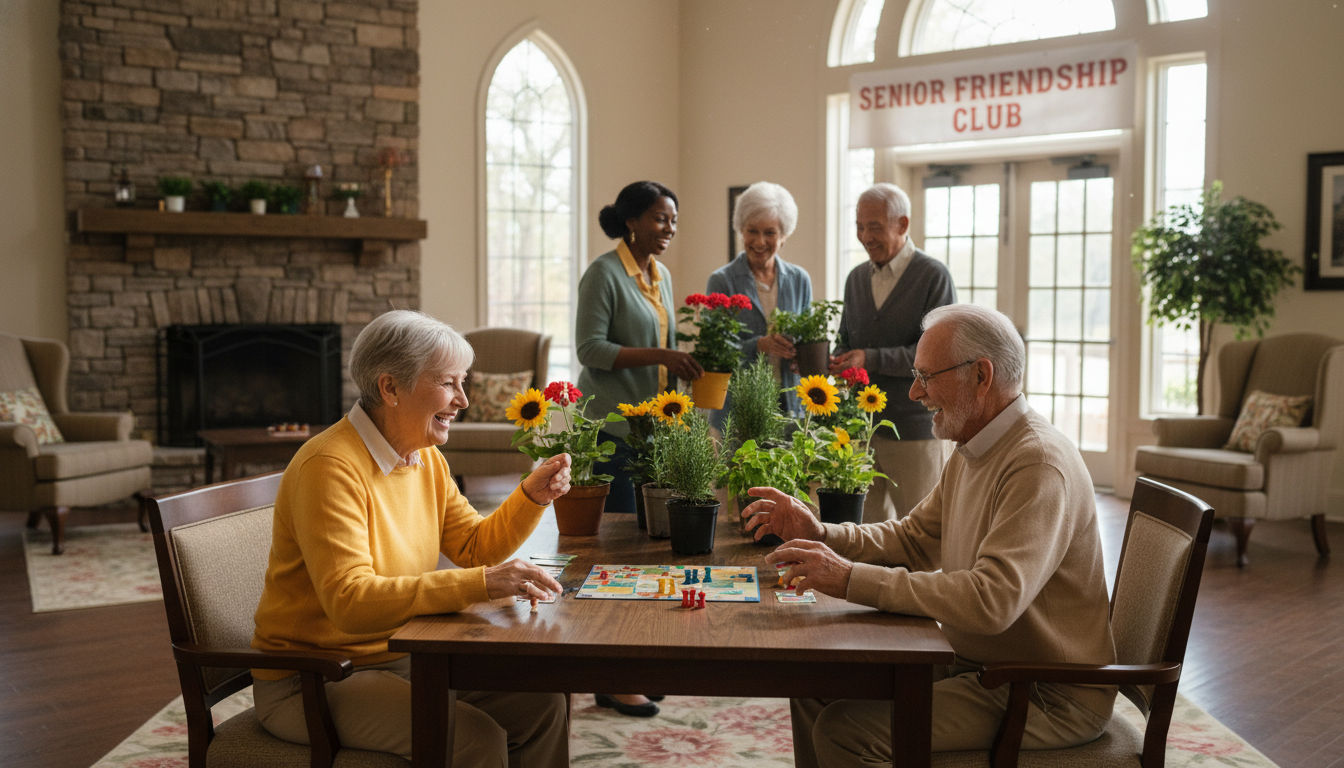
What if the golden years you planned for feel more isolating than liberating? You’ve worked hard, saved diligently, and finally reached a new chapter. Yet, the days can feel unexpectedly long and quiet.
This feeling is more common than you might think. Data from the University of Michigan shows over one-third of older adults experience these feelings weekly. Social connection has been declining for decades. In fact, a recent survey found 17% of Americans now say they have zero friends, a stark increase from just 1% in 1990.
This isn’t just about missing coworkers or a daily routine. It’s a significant shift that impacts well-being. The good news is that this challenge can be met with the same intentionality as financial planning. Understanding the ‘why’ is the first step toward building a fulfilling life full of connection.
This guide explores the real causes behind this transition. We’ll also share simple, practical steps you can take, including how services like JoyCalls provide daily companionship. For more strategies, the National Institute on Aging offers excellent tips for staying.
Key Takeaways
- Feelings of isolation in later life are a common experience, affecting a significant portion of older adults.
- Social connection has been on a downward trend for over twenty years, making intentional effort crucial.
- This life transition involves more than just leaving a job; it’s a major shift in daily purpose and social structure.
- Proactive planning for social health is as important as financial planning for this chapter.
- Practical solutions and simple steps exist to rebuild a sense of community and joy.
- Daily check-ins and companionship can make a profound difference in overall well-being.
Understanding the Challenges of Retirement Loneliness
As social circles naturally evolve over time, maintaining meaningful connections requires conscious effort. This becomes especially important during life transitions when daily routines change.

Many people find their relationships shifting in ways they never expected. Understanding these patterns helps us address the underlying issues with compassion.
The Rise of Social Isolation in Later Life
Former U.S. Surgeon General Dr. Vivek Murthy declared social isolation a serious health epidemic. Older adults face increased risk due to factors like living alone or managing illness.
Research shows our social connections peak around age 40. After that, people gradually spend more time alone. This trend accelerates in later years.
Key Research and Statistics on Older Adults
The health risks are sobering. The CDC equates social isolation to smoking 15 cigarettes daily. This isn’t just about sadness—it’s a critical threat to healthy aging.
Current studies reveal more than one-third of older adults experience these feelings weekly. This pattern has been building for decades, not just during recent events.
Recognizing these challenges is the first step toward creating meaningful solutions. Understanding the research helps families support their loved ones effectively.
Identifying the Root Causes of Isolation in Retirement

The goodbye cake is eaten, the gifts are opened, and suddenly… the house is quiet. That familiar rhythm of your day vanishes overnight.
For decades, your job provided more than income. It created automatic social interaction. Coffee breaks, meetings, lunch hours—these built-in moments brought people together naturally.
Many adults discover their closest connections were work-based. These relationships often fade when shared projects end. The root cause isn’t that people don’t want friends. They’ve lost the structures that made friendship effortless.
Shifts in Social Networks and Daily Routines
Work relationships often substitute for deeper bonds. When retirement comes, those daily touchpoints disappear. The table below shows how social structures change:
| During Work Life | After Retirement | Impact |
|---|---|---|
| Built-in daily interactions | Must initiate all contact | Loss of automatic connection |
| Shared purpose with colleagues | Individual daily planning | Need for new meaning |
| Structured schedule | Open-ended days | Loss of routine |
Geographic factors compound this isolation. Adult children move away. Neighbors change. Transportation challenges may shrink someone’s world to just their home.
Understanding these patterns helps families support loved ones. The time to build outside networks is before this life transition, not after.
Health and Financial Impacts of Retirement Loneliness
The true cost of social disconnection extends far beyond emotional distress, impacting both physical wellness and financial security. When meaningful connections fade, the consequences ripple through every aspect of life.

Physical and Mental Health Consequences
Research reveals startling connections between isolation and serious health complications. The CDC links prolonged social disconnection to heart disease, stroke, and type 2 diabetes.
The mental health impact is equally concerning. Older adults facing isolation show higher rates of depression and anxiety. Without social support, these conditions often go unnoticed until they become crises.
Chronic conditions may worsen when someone feels disconnected. Stress levels rise while preventive care gets neglected. This creates a cycle that affects overall wellness.
The Hidden Costs: Healthcare and Scams
Beyond personal suffering, there are staggering financial consequences. A 2017 AARP study found social isolation adds $6.7 billion to annual Medicare spending.
Try JoyCalls Free
No app or new device needed. Start with a free 7-day trial.
Lonely individuals require more medical interventions and longer hospital stays. Healthcare costs increase regardless of age or income when isolation is present.
Financial vulnerability becomes another serious risk. Scammers often target isolated adults, pretending to offer the emotional connection they crave. Without trusted friends to discuss suspicious offers, people become easy targets.
Understanding these impacts helps families recognize that addressing social connection is as urgent as managing physical health conditions.
Building a Personal Connection Plan Before Loneliness Becomes a Pattern

Loneliness in retirement is not always loud. It does not always look like sadness, crying, or staying in bed. For many older adults, it begins quietly. A few days pass without a real conversation. Then a week goes by where the only people spoken to are a cashier, a pharmacist, or someone calling about an appointment. Over time, the mind starts adjusting to this smaller world. The phone feels harder to pick up. Invitations feel easier to decline. New places feel more intimidating than they used to.
That is why one of the most effective ways to address retirement loneliness is to stop treating connection as something that happens “when there is time.” In retirement, social connection needs a plan. Not a complicated plan. Not a rigid schedule that makes life feel like work again. But a simple, realistic structure that protects emotional well-being in the same way a medication schedule protects physical health.
Many seniors are told to “get out more” or “join a group,” but that advice can feel too broad to be useful. What group? How often? What if walking is difficult? What if the person feels shy? What if they have lost confidence after months or years of being mostly alone? A personal connection plan answers those questions step by step. It helps older adults build connection around their actual energy, health, personality, transportation options, interests, and comfort level.
The goal is not to become busy every day. The goal is to make sure no week passes without meaningful human contact.
Start by Identifying Your Current Connection Gaps
Before trying to fix loneliness, it helps to understand what kind of loneliness is happening. Not all loneliness is the same. Some retired adults are surrounded by people but still feel emotionally unseen. Some speak to family regularly but miss having friends their own age. Some have acquaintances but no one they can call when something feels heavy. Others are grieving the loss of a spouse, a work identity, or a familiar routine.
A useful first step is to look at the past seven days and ask a few honest questions:
How many real conversations did I have this week?
Who did I speak to because I wanted to, not just because I needed something?
Did anyone ask how I was doing and wait for the answer?
Did I laugh with someone this week?
Did I leave the house for something enjoyable?
Did I feel useful to another person?
Did I avoid a call, visit, or activity because it felt like too much effort?
These questions are not meant to create guilt. They are meant to create clarity. Loneliness becomes easier to address when it is named correctly.
For example, if someone speaks to family every day but still feels lonely, the issue may not be lack of contact. It may be lack of peer friendship, emotional depth, or personal purpose. If someone has no problem talking on the phone but rarely leaves home, the gap may be physical community. If someone attends community events but feels invisible there, the gap may be one-on-one connection.
Once the gap is clear, the solution becomes more specific.
A senior who misses being needed may benefit from volunteering, mentoring, or helping a neighbor. A senior who misses deep conversation may benefit from a weekly call with an old friend, a grief group, or a faith-based support circle. A senior who feels physically isolated may need transportation support, a walking partner, or a recurring ride to a senior center. A senior who feels unsafe or anxious going out may need connection to begin at home through phone calls, low-pressure visits, or a trusted companion service.
The most helpful plan begins with this sentence: “The kind of connection I need more of is…”
That answer becomes the foundation.
Use the “Three Layers of Connection” Method
A strong social life in retirement does not depend on one person or one activity. In fact, relying on only one source of companionship can create pressure for everyone involved. Adult children may feel guilty when they cannot call enough. A spouse may feel responsible for meeting every emotional need. A friend moving away or becoming ill can suddenly leave a painful gap.
That is why seniors benefit from building three layers of connection: close connections, regular connections, and light connections.
Close connections are the people who know your story. These may be family members, lifelong friends, a trusted neighbor, a caregiver, or someone from a faith community. These are the people you can speak with honestly. You do not need many close connections. Even one or two can make a significant difference.
Regular connections are the people you see or speak to because of a routine. This could include a weekly exercise class, a book club, a volunteer team, a hobby group, a senior center program, or a scheduled daily phone check-in. These connections matter because they create rhythm. You do not have to decide every day whether to reach out. The structure helps carry you.
Light connections are the small, friendly interactions that make the world feel warmer. A short chat with the mail carrier. Saying hello to the same person at the park. Talking to someone at the grocery store. Greeting a neighbor. These interactions may seem small, but they remind the brain that you are part of a living community.
A healthy connection plan includes all three layers.
For example, a retired adult’s weekly plan might look like this:
One close connection: Sunday evening phone call with a daughter or old friend.
Two regular connections: Tuesday senior exercise class and Thursday library volunteer shift.
Several light connections: morning walk, greeting neighbors, talking briefly with the cashier instead of using self-checkout.
This structure is simple, but it is powerful because it reduces emotional risk. If one person is unavailable, the entire social world does not collapse. If one activity is canceled, there are still other points of contact. If a senior is having a low-energy week, light connections can still keep them from feeling completely cut off.
Build Social Habits Around Existing Routines
One reason loneliness becomes difficult in retirement is that connection often requires initiation. During working years, people are seen by others automatically. After retirement, someone has to make the call, schedule the lunch, drive to the class, or say yes to the invitation. That extra effort can feel small on paper but large in real life.
The best way to make connection easier is to attach it to routines that already exist.
Instead of saying, “I should call more people,” choose a specific trigger. For example:
After breakfast on Mondays, I will call one friend.
After my Wednesday grocery trip, I will stop for coffee somewhere familiar.
After my morning walk, I will greet one neighbor or send one message.
After church, temple, or community gathering, I will speak to one person before leaving.
After dinner on Fridays, I will call a family member or join a scheduled check-in.
This approach works because it removes the need to constantly decide. The action becomes part of the rhythm of the week.
For seniors who find social contact emotionally tiring, the habit can be very small at first. A five-minute call still counts. A short message still counts. Sitting in a library, café, or community room for thirty minutes still counts. The purpose is not to perform socially. The purpose is to stay gently connected to the world.
Families can help by making these habits easier without taking over. For example, an adult child could help create a short contact list with names and phone numbers printed clearly. They could mark call days on a calendar. They could arrange transportation once a week. They could help identify activities that match the older adult’s pace rather than pushing them into something overwhelming.
The key is to make connection visible and repeatable.
A vague goal like “be less lonely” is hard to act on. A clear habit like “call Mary every Tuesday after tea” is much easier to follow.
Prepare Conversation Starters Before You Need Them
Many older adults avoid reaching out not because they do not want connection, but because they do not know what to say. This is especially common after a long period of isolation. Conversation can begin to feel awkward. A person may worry they are bothering others. They may fear the call will be too short, too emotional, or too dull.
Having a few simple conversation starters ready can reduce that pressure.
For reconnecting with an old friend, try:
“I was thinking about you today and wanted to hear how you’ve been.”
“I came across something that reminded me of you.”
“I know it has been a while, but I would really enjoy catching up.”
For family members, try:
“Tell me one good thing from your week.”
“What are the children interested in these days?”
“What is something you are looking forward to?”
For neighbors or new acquaintances, try:
“Have you lived in this area long?”
“Do you know of any good local events for seniors?”
“I’m trying to get out a little more. Have you tried this group before?”
For deeper conversations, try:
“What has been giving you comfort lately?”
“What do you miss most about earlier seasons of life?”
“What is something you still want to learn or do?”
These questions are useful because they move conversation beyond health updates and weather. While practical updates matter, seniors often need conversations that remind them they are still interesting, thoughtful, and emotionally alive.
It also helps to have a graceful ending ready. Some people avoid calls because they worry they will not know how to end them. A simple closing can help:
“I’m so glad we spoke. Let’s do this again next week.”
“I’ll let you get back to your day, but this made me happy.”
“Thank you for listening. It helped to talk.”
The easier a conversation feels, the more likely it is to happen again.
Create a Low-Energy Version of Your Social Plan
A good connection plan must work on ordinary days, but it must also work on tired days. Many seniors live with arthritis, chronic pain, hearing loss, mobility limitations, low mood, grief, or unpredictable energy. A plan that depends only on leaving the house may fail when health or weather gets in the way.
That is why every older adult should have a low-energy version of their social plan.
This is a list of connection options that require very little effort. For example:
A ten-minute phone call.
Listening to a voice message from a loved one.
Sending a short text or pre-written message.
Asking a neighbor to stop by for tea.
Using a phone-based companion or check-in service.
Joining a group by phone instead of video.
Sitting outside where familiar people pass by.
Watching a live online class or faith service, even without speaking.
The goal on low-energy days is not full participation. The goal is to prevent complete withdrawal.
This matters because loneliness can create a loop. A person feels lonely, then feels tired or discouraged, then avoids contact, then feels even lonelier. Low-energy options interrupt that loop. They make connection possible even when motivation is low.
Families should respect this too. If a parent or older loved one refuses a big outing, that does not always mean they want no contact. They may simply need a smaller form of connection. Instead of saying, “You need to get out more,” it may be more effective to ask, “Would a short phone call feel better today, or would you like me to sit with you for a while?”
That kind of choice preserves dignity.
Make Yourself Needed in Small, Sustainable Ways
One of the most painful parts of retirement loneliness is the feeling of no longer being needed. Work often provides proof that one’s skills, opinions, and presence matter. After retirement, that proof can disappear unless new roles are created.
The solution is not to become overcommitted. Seniors should not have to exhaust themselves to feel useful. The goal is to find small, sustainable ways to contribute.
This could mean reading to children at a library, helping with a community garden, calling another senior who is more isolated, writing letters to grandchildren, mentoring someone in a former profession, knitting for a charity, preparing a family recipe, helping a neighbor with simple paperwork, or sharing life stories with younger relatives.
The activity does not have to be impressive. It only has to answer one human need: “My presence makes a difference.”
A useful question is: “Who benefits when I show up?”
If the answer is clear, the activity is more likely to create purpose.
For example, a retired teacher may feel energized by tutoring one child for an hour a week. A retired accountant may help a community group organize basic records. A grandparent may record family stories so younger generations understand where they come from. A person with limited mobility may become the family birthday caller, making sure no one’s special day passes unnoticed.
Purpose protects against loneliness because it shifts the focus from “Who is checking on me?” to “Where can I still give something meaningful?” Both receiving care and giving care matter. Older adults need support, but they also need opportunities to contribute.
Set a Weekly “Connection Minimum”

A personal connection plan becomes more practical when it includes a minimum standard. This is not a strict rule. It is a safety net.
A weekly connection minimum might look like this:
One meaningful conversation.
One reason to leave the house, if physically possible.
One planned activity.
One act of contribution.
One light interaction with someone outside the household.
For someone with limited mobility or health challenges, the minimum may be different:
Two phone conversations.
One companion call or caregiver check-in.
One family video or audio call.
One spiritual, educational, or hobby-based activity from home.
One moment of helping or encouraging someone else.
The point is to make loneliness visible early. If a full week passes and none of these things happened, that is not a personal failure. It is a signal that the plan needs support.
This is especially useful for families. Instead of asking a general question like “Are you lonely?” which many seniors may brush off, family members can ask more specific and respectful questions:
“Who did you enjoy talking to this week?”
“Did you get to go anywhere that felt good?”
“Would you like help planning one thing for next week?”
“Is there anyone you have been meaning to call?”
These questions are less embarrassing and more actionable.
Know When Loneliness Needs Extra Support
Loneliness is common, but it should not be ignored when it becomes persistent or heavy. Sometimes what looks like loneliness may also include depression, anxiety, grief, cognitive changes, or health problems that make daily life harder.
It may be time to seek extra support if an older adult regularly withdraws from people they used to enjoy, stops taking care of meals or hygiene, loses interest in hobbies, talks often about being a burden, becomes unusually suspicious, misses appointments, neglects medication, or expresses that life feels meaningless.
In these situations, social activities alone may not be enough. A doctor, counselor, social worker, faith leader, or local aging services organization may need to be involved. This does not mean something is “wrong” with the person. It means the loneliness has become heavy enough that they should not have to carry it alone.
Families should approach this gently. Instead of saying, “You seem depressed,” try saying, “I’ve noticed you don’t sound like yourself lately, and I care about you. Can we talk to someone who might help?” The tone matters. Older adults are more likely to accept help when they feel respected rather than managed.
Keep the Plan Flexible, Not Perfect
A connection plan should support life, not control it. Some weeks will go well. Some weeks will not. Illness, grief anniversaries, bad weather, transportation issues, or low mood may interrupt the routine. That does not mean the plan has failed.
The best plan is flexible enough to restart.
If a senior misses a group for two weeks, the next step is not shame. The next step is simply returning once. If a phone call feels awkward, the next step is trying again later. If one activity is not enjoyable, the next step is choosing a different one. Social confidence often returns through repetition, not pressure.
Retirement can still become a deeply connected stage of life, but connection usually has to be designed with intention. The most important thing is to begin small and stay consistent. One call, one visit, one class, one act of kindness, one familiar voice each day—these are not minor things. They are the building blocks of emotional health.
Loneliness grows in empty spaces. A personal connection plan gently fills those spaces with people, purpose, and rhythm. For many older adults, that can be the difference between simply getting through retirement and truly feeling part of life again.
How Families and Seniors Can Work Together to Reduce Retirement Loneliness

Retirement loneliness is often discussed as if it is only the senior’s responsibility to fix. Older adults are encouraged to join clubs, make calls, attend events, use technology, or start new hobbies. These suggestions can help, but they leave out an important truth: loneliness is rarely solved by one person acting alone.
Connection works best when it is shared.
For many seniors, especially those who live alone, have lost a spouse, no longer drive, or are managing health concerns, rebuilding social life can feel emotionally and practically difficult. They may want more companionship but not want to seem needy. They may miss their children but not want to interrupt their busy lives. They may feel forgotten but still say, “I’m fine,” because they do not want anyone to worry.
At the same time, adult children and relatives may care deeply but not know what kind of support is actually useful. They may call occasionally, send messages, or suggest activities, but still feel unsure whether they are doing enough. Some families wait until loneliness becomes a crisis before they talk about it openly.
A better approach is to treat social well-being as a shared family responsibility. Not in a way that takes away independence from the older adult, but in a way that makes connection easier, more predictable, and less emotionally awkward for everyone.
Why Seniors Often Do Not Say They Are Lonely
Many older adults do not directly tell their families they are lonely. This does not mean the loneliness is mild. It often means the feeling is difficult to admit.
Some seniors grew up in a time when emotional struggles were kept private. They may believe they should handle things on their own. Others worry that saying “I’m lonely” will make their children feel guilty. Some fear that if they admit they are struggling, family members may start treating them as incapable.
There can also be pride involved. A retired adult who spent decades working, raising children, managing a home, solving problems, and supporting others may find it painful to say, “I need more company.” They may not want to feel like a responsibility.
Because of this, loneliness often comes out indirectly.
A senior may say:
“I don’t really go anywhere anymore.”
“Nobody calls these days.”
“You’re always so busy.”
“There’s not much point in making plans.”
“I just watch TV most of the day.”
“I didn’t want to bother you.”
These statements should not be brushed aside as casual complaints. They may be gentle signals that the person wants more connection but does not know how to ask for it.
Families can respond with warmth instead of defensiveness. For example, instead of saying, “You know you can call me anytime,” which puts the responsibility back on the senior, it may be better to say, “I’m glad you told me. Let’s set up a regular time to talk so you don’t have to wonder when I’ll call.”
That small change matters. It turns vague care into dependable support.
Create Predictable Contact Instead of Random Check-Ins
One of the most helpful things families can do is make contact predictable.
Random calls are better than no calls, but predictable calls are more emotionally reassuring. When an older adult knows someone will call every Tuesday evening or every morning after breakfast, they have something to look forward to. The day feels less empty. The mind does not have to wonder, “Will anyone remember me today?”
Predictability also helps adult children. Many families struggle with guilt because they feel they should call more often but do not have a clear system. A simple schedule removes some of that stress.
For example, one family might create a weekly rhythm like this:
Monday: Daughter calls after dinner.
Wednesday: Grandchild sends a voice message.
Friday: Son has a short phone check-in during lunch.
Sunday: Family video or phone call.
This does not need to be long. A consistent ten-minute call can feel more supportive than an occasional one-hour conversation followed by two weeks of silence.
The key is to make the plan realistic. If family members promise daily calls but cannot maintain them, the senior may feel disappointed. It is better to commit to a smaller rhythm that can actually continue.
For seniors, predictable contact can also reduce the fear of “bothering” others. If the call is already planned, they do not have to wonder whether they are interrupting. They know the time has been set aside for them.
Families can make this even easier by writing the schedule down. A simple paper calendar near the phone can show who is calling and when. For seniors who use smartphones, reminders can be added. For those who prefer landlines, a printed weekly contact plan may work better.
Make Conversations More Meaningful, Not Just More Frequent
More calls are helpful, but better conversations are even more powerful.
Many family calls become routine updates: doctor appointments, weather, medication, bills, meals, and household tasks. These topics matter, but if every conversation becomes a checklist, the senior may still feel emotionally lonely.
Older adults need conversations that recognize them as full people, not just people being monitored.
Families can ask questions that invite memory, opinion, humor, and wisdom. For example:
“What is something you enjoyed this week?”
“What was your favorite meal your mother used to make?”
“What advice would you give me about this situation?”
“What music did you love when you were younger?”
“What is one thing you wish more people understood about aging?”
“What is something you are proud of that you do not talk about much?”
These questions communicate respect. They remind the senior that their life experience has value.
Grandchildren can also be included in simple ways. A child can ask a grandparent about school life in their time, old family traditions, childhood games, favorite festivals, first jobs, or funny family stories. These conversations are not just pleasant; they help older adults feel rooted in the family’s ongoing story.
A helpful family habit is to keep a “conversation list” near the phone. This can include questions, memories to ask about, topics the senior enjoys, and updates from family members. This is especially useful when relatives want to call but do not know what to say.
The goal is not to force deep emotional conversations every time. Some calls will be light. Some will be practical. But over time, the senior should feel known, not just checked on.
Help Without Taking Over
When families notice loneliness, they may quickly move into problem-solving mode. They may search for senior centers, insist on activities, push technology, or suggest therapy. These efforts may come from love, but they can feel overwhelming if the older adult feels controlled.
Support works best when it protects independence.
Instead of saying, “You need to join this group,” try, “I found three options that might fit what you enjoy. Would you like to look at them together?”
Instead of saying, “You have to get out of the house more,” try, “Would it feel good to have one regular outing each week?”
Instead of saying, “You should learn video calls,” try, “Would you like me to set it up so all you have to do is answer?”
This kind of language gives the senior choice. Choice is important because loneliness already makes many people feel powerless. Support should restore a sense of control, not reduce it.
Families can also offer practical help in ways that remove barriers. For example, they can:
Arrange transportation to a senior center, church, library, or doctor-approved exercise class.
Help write down phone numbers of old friends.
Set up a simple contact calendar.
Find local clubs based on the senior’s actual interests.
Help with hearing aids, phone volume, or large-button devices.
Practice using a phone or video call tool without rushing.
Accompany the senior to the first class or event.
Call after an outing and ask how it felt.
The first step is often the hardest. A senior may be willing to attend a group once someone helps with the initial uncertainty. After that, confidence may grow.
Watch for Practical Barriers That Look Like Social Withdrawal
Sometimes families assume a senior is choosing isolation when the real issue is practical difficulty.
For example, an older adult may stop attending gatherings because they cannot hear well in noisy rooms. They may avoid restaurants because they worry about falling. They may stop inviting people over because housekeeping has become harder. They may decline events because transportation is unreliable. They may avoid phone calls because they feel embarrassed about memory lapses or slow speech.
In these cases, encouragement alone will not solve the problem. The barrier must be addressed.
If hearing is the issue, quieter one-on-one visits may work better than large gatherings. If mobility is the issue, home visits, accessible venues, or transportation services may help. If fatigue is the issue, shorter visits earlier in the day may be more successful. If grief is the issue, gentle companionship may matter more than busy activities.
Families should ask specific, non-judgmental questions:
“What makes it hard to go?”
“Is the noise too much?”
“Would it help if someone went with you?”
“Is there a better time of day for visits?”
“Would you prefer people coming here instead?”
“What would make this feel easier?”
These questions uncover solvable problems. They also show respect because they do not assume laziness, stubbornness, or lack of interest.
For seniors, it can help to be honest about barriers instead of simply saying no. For example, saying “I want to come, but I’m nervous about the stairs” gives family members a chance to help. Saying “I’d enjoy a call, but evenings are when I feel most tired” allows the schedule to change.
Clear communication prevents misunderstanding.
Build a Circle, Not a Single Lifeline
One common mistake families make is relying on one person to meet most of the senior’s emotional needs. Often this falls on one adult child, one nearby relative, or one caregiver. While that person may be loving and committed, this arrangement can become stressful.
The senior may feel anxious when that person is unavailable. The family caregiver may feel guilty and exhausted. Other relatives may assume everything is handled. Over time, resentment or burnout can build.
A healthier model is to build a circle of connection.
This circle may include family members, neighbors, friends, faith community members, volunteers, professional caregivers, companion callers, senior center staff, and healthcare providers. Each person does not need to do everything. Each person can provide one piece of support.
For example:
One neighbor checks in after morning walks.
One grandchild sends photos every weekend.
One adult child manages medical appointments.
One friend attends a weekly class with the senior.
One companion service provides scheduled calls.
One faith community member offers rides twice a month.
One relative visits for lunch monthly.
This kind of circle gives the senior more variety and reduces pressure on any one relationship. It also makes loneliness less likely to return if one person becomes busy, ill, or unavailable.
Families can create this circle by making a simple connection map. Write the senior’s name in the center of a page. Around it, list people and places that could offer regular contact. Then identify what kind of contact each one can realistically provide.
The question is not, “Who can do everything?” The question is, “Who can do one helpful thing consistently?”
Encourage Peer Connection, Not Only Family Connection
Family support is deeply important, but it cannot replace peer connection. Many seniors need people who understand their stage of life from the inside.
Adult children may care, but they may not fully understand what it feels like to lose a spouse, leave a lifelong career, face mobility changes, or watch old friends pass away. Other older adults often understand these experiences without needing long explanations.
Peer connection can happen through senior centers, walking groups, hobby classes, grief groups, faith circles, volunteer programs, neighborhood associations, book clubs, or phone-based companionship programs. The format matters less than the feeling of being among people who relate.
Families can encourage this by avoiding the assumption that their own calls are enough. A senior may love speaking with children and grandchildren while still needing friends. That is normal.
Seniors can also give themselves permission to seek companionship beyond family. Wanting friends does not mean being ungrateful for family. It means being human.
A strong retirement social life usually includes both: family bonds that provide love and continuity, and peer bonds that provide shared understanding.
Use Gentle Accountability
A connection plan becomes stronger when someone follows up. This does not mean nagging. It means gentle accountability.
For example, if a senior says they want to attend a library group, a family member can ask the next day, “How did it go?” If they did not attend, the response should not be criticism. It can be curiosity: “What got in the way?” or “Would it help if we tried a different group?”
Gentle accountability helps because loneliness can reduce motivation. Even when a person wants connection, taking action may feel difficult. Knowing someone will ask kindly can make follow-through easier.
Seniors can also create their own accountability. They might tell a friend, “I’m trying to get out once a week. Can I call you after I go?” Or they might mark social activities on a calendar and check them off. The visual proof can be encouraging.
The purpose is not perfection. The purpose is momentum.
Make Home Feel More Connected
Not every solution requires leaving the house. For some seniors, especially those with health limitations, home may be the main place where connection must happen.
A home can be made more socially supportive in small ways.
Keep a comfortable chair near a window where the senior can see neighbors, street life, birds, or gardens.
Place a phone, charger, glasses, hearing aids, and contact list within easy reach.
Display photos that invite conversation and memory.
Keep a small notebook for names, call times, and topics discussed.
Create a tea or coffee corner for visitors.
Set up regular short visits instead of waiting for long family gatherings.
Encourage voice messages, mailed cards, printed photos, and simple phone calls.
These details may seem modest, but they reduce friction. When calling someone requires searching for glasses, finding a number, charging a device, and remembering what to say, the senior may avoid it. When everything is ready, connection becomes easier.
For families who live far away, mailed items can be especially meaningful. A printed photo, handwritten note, child’s drawing, or postcard gives the senior something physical to hold and revisit. Digital messages are useful, but tangible reminders can feel more personal.
Have the Loneliness Conversation Before There Is a Crisis
The best time to talk about loneliness is before it becomes severe.
Families often discuss medications, finances, transportation, home safety, and emergency contacts. Social well-being should be part of the same planning. It is not less important just because it is emotional.
A family conversation might include questions like:
“What kind of social life would feel good to you now?”
“Who do you enjoy talking to?”
“Are there people you miss?”
“What days feel the hardest?”
“Would you like regular calls at set times?”
“What activities would you try if transportation was handled?”
“Would you prefer more family visits, more friend contact, or both?”
“Are there times when the house feels too quiet?”
These questions should be asked calmly, not during an argument or emergency. The senior should feel invited, not inspected.
It may also help to frame the conversation positively: “We want retirement to feel connected and meaningful for you. Let’s think about what would make your weeks feel better.”
This approach avoids shame. It treats connection as part of healthy aging.
For Seniors: Ask Clearly and Specifically
Many older adults wait for family members to notice what they need. Sometimes they do. Sometimes they do not. Busy relatives may care deeply but miss subtle signs.
Clear requests can help.
Instead of saying, “Nobody calls me,” try saying, “Could we set a regular call every Wednesday evening?”
Instead of saying, “I’m always alone,” try saying, “I would like one outing each week. Can you help me plan it?”
Instead of saying, “You’re too busy for me,” try saying, “I miss hearing from you. A short voice message during the week would mean a lot.”
Specific requests are easier for family members to act on. They also reduce hurt feelings because they focus on solutions rather than blame.
Asking for connection is not weakness. It is a healthy form of self-advocacy. Just as someone might ask for help with transportation or medication, they can ask for help maintaining emotional well-being.
For Families: Do Not Wait Until You Have Plenty of Time
Many adult children delay calling or visiting because they want to do it properly. They wait until they have a free evening, a long weekend, or enough time for a deep conversation. But seniors often benefit from small, frequent contact more than occasional perfect contact.
A two-minute voice note can brighten a morning. A quick photo can make someone feel included. A short call from the car can provide reassurance. A simple “thinking of you today” message can interrupt a lonely afternoon.
Do not underestimate small contact.
The most caring families are not always the ones with the most free time. They are often the ones who create dependable touchpoints despite busy lives.
Make Connection Part of Care, Not an Extra
Retirement loneliness should not be treated as a minor inconvenience. It affects mood, health, confidence, safety, and quality of life. Families who take it seriously can help older adults remain emotionally stronger and more engaged.
For seniors, the message is this: you deserve connection without having to earn it, apologize for it, or pretend you do not need it.
For families, the message is this: your presence matters, even when it is brief. A regular call, a thoughtful question, a shared plan, or a little help with transportation can make the difference between a senior feeling forgotten and feeling held in the rhythm of family life.
Loneliness becomes less powerful when it is spoken about openly and answered with consistent care. Retirement should not shrink a person’s world. With the right support, it can become a stage of life where relationships are more intentional, conversations are more meaningful, and older adults feel not only safe, but truly remembered.
Simple Steps to Build Lasting Social Connections
The path to a fuller social life is paved with small, intentional steps. It’s about finding your people and shared activities. The CDC highlights effective ways to connect, like volunteering and joining a group.

Volunteering and Joining Community Clubs
Giving your time is a powerful great way to build social connections. You instantly meet people who care about the same causes. Local community centers are hubs for these opportunities.
Joining a club based on your interests is equally effective. Think book clubs, gardening groups, or hiking teams. Organizations like AARP can help you find local meet-ups. Popular options include Toastmasters and the Red Hat Society.
There are nearly 10,000 senior centers across the U.S. They serve over 1 million people daily. They offer a ready-made community for activities and events.
Reigniting Old Friendships and Making New Ones
Don’t wait for an invitation. Take the first step. Reach out to an old colleague or a childhood friend. Reconnecting can feel surprisingly natural.
Making new friends might feel awkward at first. Remember, many others in the room feel the same. They will appreciate your hello. For more guidance, explore these tips for building lasting connections.
Every new friendship starts with a simple conversation. Your next great group of friends is waiting to be found.
How to Use Technology to Stay Connected
Many people worry that screens create distance, but the right tools can actually bring us closer together. Technology gets blamed for isolation, yet thoughtful digital solutions offer powerful ways to maintain precious connections.

Video calls and messaging apps let you share moments in real time. They bridge distances that might otherwise create separation. For family members living far apart, these tools become essential lifelines.
Finding the Right Digital Tools and Platforms
Not all technology solutions require mastering complicated apps. Some services work with existing devices people already know how to use. JoyCalls offers an innovative approach—it’s an AI-powered phone companion that makes daily check-in calls using a regular landline or cell phone.
No app or special device is needed. The service provides consistent daily social interaction and sends summaries to caregivers. This gives busy adult children peace of mind while ensuring their loved ones have companionship.
Research confirms that technology-based interventions improve social connectedness in older adults. These tools help maintain relationships across the world.
Best Practices for Safe Online Engagement
Safety is crucial when exploring digital platforms. Scammers often target older adults on social media. If you’re helping someone new to technology, walk them through privacy settings and red flags.
Teach them to be cautious about sharing personal information. Encourage them to ask trusted others for help with unfamiliar things. The goal is using technology to enhance human connection, not replace it.
If you’re concerned about a loved one’s isolation, consider setting up a JoyCalls account. It provides daily companionship without the learning curve of new devices.
Embracing New Hobbies and Lifelong Learning
Your daily schedule is now a blank canvas, ready for new passions and discoveries. This chapter of life offers the perfect opportunity to explore interests you set aside during busy working years.

Road Scholar believes learning is a journey that continues at any age. Many people over 50 are returning to campus seeking degrees or simply exploring new subjects.
Exploring Classes, Workshops, and Mentorships
Local community colleges and senior centers offer wonderful classes. These settings provide structured environments where conversation happens naturally. You meet people who share your curiosity.
Lifelong Learning Institutes provide college-level experiences at affordable costs. Embracing lifelong learning keeps your mind engaged while building social connections.
| Learning Option | Social Benefits | Health Benefits |
|---|---|---|
| Community college class | Meet people with shared interests | Mental stimulation |
| Exercise group (yoga, hiking) | Regular social touchpoints | Reduces stress hormones |
| Art or music classes | Creative collaboration | Boosts “feel-good” hormones |
Physical exercise activities provide dual benefits. They improve health while creating regular social opportunities. Research shows active lifestyles decrease feelings of isolation.
Creative hobbies like pottery or painting tap into different parts of your brain. Don’t let fear of being a beginner hold you back. That first class might feel uncomfortable, but growth happens there.
These activities aren’t just about filling time. They reignite curiosity and passion for life. Trying new things is a great way to build meaningful connections at any stage.
Practical Strategies to Combat Retirement Loneliness Daily

Empty calendars often create more anxiety than packed schedules ever did. Without the framework that work provides, days can blend together in a way that feels isolating. The key is building your own structure with commitments that get you out of the home and connecting with others.
Creating a Structured Daily Routine
Think of your week as having anchors. Monday mornings for library volunteering. Wednesday afternoons for a book club. Friday coffee with a friend. When someone expects you, you’re more likely to show up and engage.
This regular rhythm gives your day purpose and meaning. It’s the opposite of those shapeless weeks where every day feels the same. For more ideas on building meaningful schedules, explore Road Scholar’s approach to active living.
Taking Initiative to Foster Intergenerational Bonds
Relationships across different age groups bring fresh energy and perspective. Consider mentoring young professionals in your former field. Volunteer with children’s programs. Join community groups that welcome all generations.
Don’t wait for invitations to come to you. Be the person who texts first, suggests lunch, or organizes a monthly game night. Taking initiative is the heart of building lasting social connections.
If you’re concerned about older adults in your family, gently encourage regular activities. As this guide explains, consistent check-ins make a real difference. Small, daily choices to connect build wellbeing over time, just like financial savings compound.
Conclusion
What if the quiet moments that once felt empty could become filled with purpose and connection? The journey toward meaningful social bonds begins with taking that first step today.
Recent research confirms that social connections significantly impact our well-being during life transitions. A study published in PMC shows how emotional support increases when people build new routines.
Whether you’re exploring local clubs or reaching out to others, every effort counts. JoyCalls offers a simple way to ensure daily companionship through regular phone calls that require no special technology.
The choice is yours: embrace the opportunity to build the connected life you deserve. Visit JoyCalls to learn how consistent companionship can transform your days from quiet to meaningful.
FAQ
What are the main reasons people feel lonely after leaving their job?
How does feeling alone impact an older adult’s health?
What are some simple ways to meet new people and make friends?
Can technology really help reduce feelings of isolation?
What if I’m not very tech-savvy? Are there still options for me?
How can I help a family member who seems to be struggling with loneliness?

Ana Avila is a healthcare and technology writer with deep expertise in artificial intelligence, senior care innovation, and the practical use of AI in healthcare operations. Her work focuses on how emerging technologies can improve the daily experience of older adults, support overburdened care teams, and help senior living communities deliver safer, faster, and more personalized support.
Ana’s background includes health informatics, aging care systems, and applied artificial intelligence. Her work explores how digital health tools, predictive analytics, and AI-assisted communication systems can improve care coordination, reduce operational delays, and identify early signs of risk among older adults. She brings an understanding of both the technical side of AI and the human realities of healthcare delivery.
Over the years, Ana has developed a specialized body of work around AI in senior living. She writes about how senior care providers can use intelligent systems to manage resident requests, answer routine questions, support family communication, improve after-hours coverage, and detect patterns that may indicate loneliness, confusion, distress, or unmet needs. Her articles often examine the gap between what senior living teams are expected to deliver and what traditional staffing models can realistically support.
Ana’s healthcare expertise is especially focused on the operational side of care. She has written extensively about call handling, resident engagement, front desk workflows, triage systems, caregiver communication, care escalation, and the hidden administrative burden placed on senior living staff. Her work explains how AI can help reduce repetitive tasks, organize incoming requests, prioritize urgent issues, and give human caregivers more time for meaningful resident interaction.
At the same time, Ana is careful not to present AI as a replacement for human care. A consistent theme in her writing is that technology should support relationships, not weaken them. She argues that the best AI systems in healthcare are not the ones that simply automate the most tasks, but the ones that make care teams more responsive, families more informed, and residents more supported. Her perspective is grounded in the belief that senior living technology must be designed around dignity, trust, privacy, and compassion.
Ana has also written widely on the ethical use of AI in healthcare. Her work discusses the importance of human oversight, transparent escalation rules, resident consent, data minimization, and responsible use of sensitive health and behavioral information. She often emphasizes that AI systems used around older adults must be easy to understand, carefully monitored, and designed with the limitations and needs of real residents in mind, including those with memory loss, hearing challenges, mobility issues, or social isolation.
Her writing has been used as a reference point in discussions about aging, elder care technology, digital health, and AI-supported senior living. She has published 12 papers in journals including JAMA, The BMJ, and SSRN. Some of her articles have also been cited by Wikipedia editors as supporting references on topics related to healthcare, aging, and technology. This has helped position her work as a useful educational resource for readers looking to understand how AI can be applied in real care environments.
In addition to her long-form writing, Ana has contributed research-based commentary, professional explainers, and practical guidance for healthcare operators, senior living decision-makers, and technology teams building products for older adults. Her work combines research literacy with operational practicality. She is able to take complex subjects such as natural language processing, predictive analytics, conversational AI, and care automation, and explain them in a way that is accessible to executives, caregivers, families, and non-technical readers.
Ana’s strongest area of expertise is the intersection of artificial intelligence and senior living operations. She understands that senior care communities face a difficult combination of rising resident expectations, staffing pressure, family communication demands, and increasing care complexity. Her writing explores how AI can be used to ease those pressures through smarter communication systems, faster response workflows, proactive check-ins, and better visibility into resident needs.
Her approach is both evidence-informed and deeply human. She studies AI through the lens of real-world care delivery: whether a resident gets help faster, whether a family member receives a clearer update, whether a caregiver avoids unnecessary administrative work, and whether a senior living team can identify a concern before it becomes a crisis. This practical focus makes her work especially relevant for organizations that want to adopt AI responsibly rather than simply follow technology trends.
Ana Avila is regarded as a thoughtful voice on the future of AI in healthcare and senior living. Her expertise combines research-driven analysis, operational understanding, and a strong commitment to humane technology. Through her writing, she helps healthcare leaders and senior living communities understand not only what AI can do, but how it should be used to improve care, preserve dignity, and strengthen the human relationships at the center of aging support.