


What if the constant worry about your aging mom or dad could be transformed into quiet confidence?
That sinking feeling when you wonder about medication or a missed meal is all too real. For busy professionals juggling careers and families, this concern can feel overwhelming. It casts a shadow over your day.
Research from sources like Clockwise.com shows a clear pattern. Consistent daily patterns offer profound benefits. They improve mental health and reduce stress. This is especially true for older adults, bringing greater life satisfaction.
This isn’t about creating a rigid task list. It’s about building a gentle structure. A good plan supports your parents’ independence. It also gives you, the family caregiver, immense peace of mind. This is true whether your loved one lives across town or the country.
We will guide you through practical steps. These steps respect your parents’ autonomy. They ensure consistent care and support. With the right approach, this process becomes manageable, not a burden. Tools like JoyCalls, an AI-powered phone companion, can help immensely. They provide regular connection without adding to your already full schedule.
Establishing a thoughtful daily care plan is a powerful act of love. It’s a way to show you care deeply, even from a distance.
Key Takeaways
- A consistent daily structure reduces anxiety for both seniors and their adult children.
- Research confirms routines boost mental well-being and life satisfaction for older adults.
- The goal is to support independence, not control every aspect of a loved one’s day.
- Practical tools can make providing consistent care and support manageable for busy families.
- Effective planning respects autonomy while ensuring safety and well-being.
- A simple, sustainable routine transforms worry into reassurance.
Introduction to a Daily Check-In Routine for Elderly Parents
That simple, regular phone call can be a lifeline of connection, transforming anxiety into reassurance for everyone involved. It’s not just a task on a list. It’s a heartbeat of care that says, “I’m here.”

Defining the purpose of a daily check-in routine
This structure is fundamentally about presence. Its purpose goes far beyond asking if medications were taken. It creates a gentle rhythm to the day.
This rhythm provides emotional ballast. It reduces confusion and offers a profound sense of security for seniors living on their own. It’s a way to support independence, not intrude upon it.
Overview of benefits for seniors and family caregivers
The benefits of this consistent touchpoint ripple through the entire family. Science shows us how powerful a predictable routine can be.
- For your loved one: Better sleep patterns boost immune function. A clear structure sharpens cognitive skills and supports medication adherence. It reduces anxiety, creating a safer, more secure life.
- For you, the caregiver: This approach transforms constant worry into manageable peace of mind. It reduces guilt and helps you spot small changes in health early, preventing bigger issues. It’s a practical strategy for creating a home care schedule that truly works.
Ultimately, a warm and respectful routine strengthens bonds. It replaces the weight of stress with the light of connection, improving the quality of life for both generations.
Try JoyCalls Free
No app or new device needed. Start with a free 7-day trial.
Understanding the Importance of a Daily Check-In Routine for Elderly Parents
The connection between consistent contact and senior wellness runs deeper than many realize. This structured approach provides more than just peace of mind—it actively supports overall vitality.

Regular communication creates a foundation for better health outcomes. It transforms worry into proactive support.
Impact on mental health and physical well-being
The mental benefits are profound. Consistent contact reduces confusion and provides emotional stability. It gives older adults a clear sense of purpose each day.
Physical health improves significantly too. Regular check-ins ensure medication adherence and proper nutrition. This supports better quality of life for people managing chronic conditions.
| Aspect of Well-being | Mental Health Impact | Physical Health Benefit |
|---|---|---|
| Daily Structure | Reduces anxiety and confusion | Supports medication timing |
| Social Connection | Combats loneliness and depression | Encourages movement and activity |
| Consistent Monitoring | Provides peace of mind | Early detection of health changes |
This comprehensive approach to care addresses both emotional and physical needs. It’s why structured contact becomes essential for meaningful support. The right care strategy reduces stress for everyone involved.
Planning a Simple and Effective Daily Routine
The most effective approach to consistent care recognizes that simplicity breeds consistency. A sustainable plan works with your real life, not against it.

Expert guidance emphasizes creating structures that are both reasonable and repeatable. This ensures they become natural parts of your day.
Essential components for success
Three elements form the foundation of any successful support system. Consistency in time creates predictability. Clear tasks eliminate confusion.
Flexibility allows adaptation when life happens. This way of working respects individual rhythms. Morning people thrive with early contact.
Try JoyCalls Free
No app or new device needed. Start with a free 7-day trial.
Others prefer afternoon connections. Honoring these preferences makes the routine feel supportive, not intrusive.
Strategies to keep routines repeatable and manageable
Limit contact points to what you can realistically maintain. Brief, consistent moments work better than lengthy, sporadic ones.
Technology can automate reminders through shared calendars. Simple documentation helps other caregivers step in when needed.
Build buffer time for unexpected needs. Remember, a basic schedule you actually follow beats a perfect plan you abandon.
This approach reduces stress for everyone involved. It transforms care from overwhelming to manageable.
Designing a Flexible Routine Tailored to Senior Needs
The secret to meaningful support lies in honoring your loved one’s unique personality and preferences. This approach transforms care from a task list into genuine connection.

Every person has their own natural rhythm. Some thrive with morning energy while others prefer a slower start. A flexible schedule respects these individual patterns.
Adapting the schedule to individual rhythms and interests
Pay close attention to when your loved one feels most energetic. Does morning bring clarity or does afternoon suit them better? Their optimal time for activities varies.
Build the routine around interests they genuinely enjoy. Gardening, reading, or connecting with friends makes the day meaningful. This personalized approach maintains engagement.
Balancing structured tasks with personal freedom
Structure provides security but too much control strips away independence. The right balance respects autonomy while ensuring essential needs get met.
Allow room for spontaneous choices throughout the day. Your loved one should feel they’re living their life, not following someone else’s script. This maintains dignity.
As needs evolve, revisit the plan together. A sample daily schedule offers starting points, but customization is key. Similarly, a weekly social routine can adapt to changing interests.
Integrating Health, Medication, and Exercise into Daily Tasks
The gentle weaving of health tasks into regular contact creates a powerful safety net. This approach transforms worry into proactive support that feels natural, not clinical.

Medication management often forms the most critical component. Missed medications or doubled doses can lead to serious complications. A simple morning question like “Did you take your pills?” provides essential oversight.
Managing medications and vital reminders
Consistent timing matters greatly. Many families align contact with medication schedules. This creates a natural rhythm for reviewing medications together.
Vital monitoring doesn’t require medical expertise. Noticing changes in energy or breathing during conversations can signal important health shifts. These observations help prevent complications before they escalate.
Morning hygiene routines offer another opportunity. Gentle assistance with bathing or skin checks maintains dignity while ensuring safety.
Incorporating physical activity and mobility support
Exercise is crucial for maintaining independence. Regular exercise supports both physical mobility and mental sharpness.
Simple encouragement to complete prescribed exercises makes a significant difference. This therapy helps maintain strength and balance. It directly supports fall prevention efforts.
Confirming safe transfers from bed to chair protects mobility. This simple check-in task prevents accidents while supporting active living.
This integrated approach to care respects autonomy while providing essential care. It turns health monitoring into caring conversations that truly protect.
Creating and Using a Caregiver Checklist for Daily Tasks
When caregiving duties feel scattered across your mind, a simple tool can bring everything into focus. A well-designed caregiver checklist transforms overwhelming responsibilities into manageable tasks that anyone can follow.
This approach creates consistency across different family members or professional home care helpers. It turns chaotic planninginto organized routines that reduce stress for everyone.
Key benefits of a structured checklist
The checklist serves as an external memory system during emotionally difficult times. It prevents missed medications and overlooked health needs that could lead to complications.
This tool helps track patterns over time that might indicate changes in condition. For seniors with cognitive challenges, predictable routines reduce confusion and create security.
Sample daily tasks and routines for caregivers
Morning activities often include hygiene support like bathing or sponge baths. Grooming, dressing assistance, and oral care ensure dignity while maintaining health.
Safe transfers from bed to chair protect mobility throughout the day. Medication tracking and meal preparation become part of natural routines.
Evening tasks might include help with dinner preparation and bedtime hygiene. Ensuring evening medications are taken completes the care cycle.
This practical approach to home care planning makes providing assistance more manageable. It gives every caregiver confidence they’re offering complete care.
How to Turn Daily Check-Ins Into an Early Warning System
A daily check-in should not feel like an interrogation. It should feel like a familiar, caring conversation. But underneath that simple conversation, it can quietly work as an early warning system.
This is especially important for elderly parents who live alone, manage chronic conditions, have recently returned from the hospital, or are beginning to show small changes in memory, mobility, appetite, or mood. Many serious problems do not appear suddenly. They build through small signs: a skipped meal, a slower voice, repeated confusion, unopened mail, a missed refill, or a parent saying, “I’m just tired today,” three days in a row.
The goal is not to panic over every small change. The goal is to notice patterns early enough to help.
Start With a Personal Baseline
Before you can spot a change, you need to know what “normal” looks like for your parent.
For one senior, normal may mean waking up at 6:30, taking medication after tea, watering plants, and chatting happily for ten minutes. For another, normal may mean a slower morning, fewer words, and a quiet afternoon. Neither is automatically concerning. What matters is whether today feels different from their usual pattern.
Create a simple baseline around five areas:
Energy: Do they usually sound alert, sleepy, cheerful, tired, or slow to respond?
Mood: Are they usually calm, talkative, anxious, irritated, withdrawn, or upbeat?
Food and water: Do they normally eat breakfast, drink enough fluids, and prepare simple meals?
Mobility: Do they usually walk around the house, go outside, climb stairs, or use a walker?
Memory and clarity: Do they usually remember the day, recent events, medications, and appointments?
You do not need a complicated form. A few notes over one week can give you a useful picture. For example:
“Mom usually sounds most energetic after breakfast. She remembers morning medication clearly. She eats lunch late but drinks tea twice a day. She sometimes forgets small details but remembers appointments when reminded.”
This baseline helps you avoid two common mistakes: overreacting to harmless differences and missing meaningful changes because they seem small.
Ask Better Questions, Not More Questions
Many caregivers ask, “Are you okay?” The problem is that most parents will say yes.
They may not want to worry you. They may feel embarrassed. They may not notice the issue themselves. Or they may simply want to end the conversation quickly.
Instead of asking broad questions, use gentle, specific prompts.
Try:
“Have you had something to eat since morning?”
“Did you drink water after taking your tablets?”
“How did you sleep last night?”
“Have you walked around the house today?”
“Any dizziness when you stood up?”
“Did anything feel harder than usual today?”
“Who did you speak with today?”
“Is anything bothering you that you have not told me yet?”
These questions are still respectful, but they give you clearer information. They also make it easier for your parent to answer honestly.
A good daily check-in does not need twenty questions. In fact, too many questions can make seniors feel monitored. Choose three or four based on their needs. For example, if your father has diabetes, meals and medication matter most. If your mother has fall risk, dizziness, balance, and movement matter more. If loneliness is the biggest concern, mood and social contact should be part of the daily rhythm.
Use the “Change From Yesterday” Method
One of the simplest ways to spot early warning signs is to compare today with yesterday.
Ask yourself after each check-in:
Did they sound different?
Did they avoid a topic they usually discuss?
Did they repeat themselves more than usual?
Did they skip a routine task?
Did they seem short of breath, confused, unusually quiet, or unusually emotional?
Did they mention pain, dizziness, weakness, or poor sleep?
Did they answer the phone later than usual?
A single change may not mean much. But repeated changes matter.
For example, one missed lunch may simply mean they were not hungry. But three days of poor appetite could point to illness, medication side effects, depression, dental pain, digestive trouble, or difficulty cooking.
One quiet call may mean they are tired. But a week of withdrawn answers could signal loneliness, low mood, fear, or cognitive change.
This is why daily check-ins are powerful. They help families notice direction, not just isolated moments.
Create Green, Yellow, and Red Signals
A practical check-in routine should include a response plan. Otherwise, you may notice a problem but not know what to do next.
Use a simple green-yellow-red system.
Green Signals: Everything Seems Normal
Green means your parent sounds like themselves. They have eaten, taken medication, moved safely, and seem emotionally steady.
Your action: continue the usual routine. Keep the conversation warm. Do not turn every call into a medical review. Ask about something they enjoy, such as a TV show, prayer routine, garden, neighbor, grandchild, or favorite meal.
Yellow Signals: Something Needs Attention
Yellow means something is off, but it does not seem like an emergency.
Examples include:
They skipped a meal.
They sound unusually tired.
They forgot a non-urgent task.
They seem more anxious than usual.
They mention mild pain.
They say they felt dizzy earlier but are now okay.
They missed a medication dose but know what happened.
They seem lonely or unusually quiet.
Your action: follow up the same day or next morning. Ask one family member, neighbor, or caregiver to check in if needed. Make a note. If the same issue repeats, consider calling their doctor, pharmacist, or home care provider.
Red Signals: Immediate Help May Be Needed
Red means there may be a safety or medical concern.
Examples include:
They do not answer after repeated attempts.
They sound confused suddenly.
They have chest pain, severe breathlessness, fainting, weakness on one side, slurred speech, or sudden severe headache.
They fell and cannot get up.
They took the wrong medication dose.
They have not eaten or drunk fluids for a concerning period.
They seem unsafe, frightened, or disoriented.
Your action: contact emergency services, a local caregiver, neighbor, building security, or a nearby family member based on the situation. Do not wait for the next scheduled call if something feels urgent.
This system reduces hesitation. It helps everyone in the family understand what requires calm observation, what needs follow-up, and what needs immediate action.
Watch for Silent Signs of Decline
Some of the most important changes are not dramatic. They are quiet.
Your parent may not say, “I am struggling.” Instead, you may notice clues.
They stop mentioning meals.
They avoid video calls because the house is messy.
They say they are “too tired” to bathe.
They become defensive when you ask about medication.
They stop going outside.
They lose interest in hobbies.
They repeat the same worry every day.
They complain more often about small tasks.
They seem overwhelmed by bills, appointments, or cooking.
These signs deserve compassion, not criticism. A senior who is struggling may already feel scared or embarrassed. Instead of saying, “Why didn’t you tell me?” try:
“That sounds like it has been harder lately. Let’s make it easier.”
“I’m glad you told me. We can solve this step by step.”
“You don’t have to manage every part of this alone.”
This tone protects dignity. It also makes your parent more likely to share honestly in future check-ins.
Build a Small Response Team Before You Need One
Daily check-ins work best when one person is not carrying everything alone.
Create a small response team. This may include siblings, adult grandchildren, neighbors, close friends, a building manager, a family doctor, pharmacist, home care aide, or community volunteer.
Write down:
Who can visit in person?
Who can call if you are unavailable?
Who has a spare key or access instructions?
Who knows the medication list?
Who can drive them to appointments?
Who should be contacted in an emergency?
Who is the main decision-maker for health concerns?
Keep this information in one shared place. It could be a printed sheet, shared note, or family document.
This matters because emergencies are stressful. When something goes wrong, you do not want to search old messages for a neighbor’s number or argue with siblings about who should go. A simple contact plan saves time and reduces confusion.
Make the Check-In Emotionally Safe
Many elderly parents resist daily check-ins because they fear losing independence. They may think, “My children are checking whether I can still live alone.” That fear can make them hide problems.
So the way you frame the routine matters.
Do not say:
“We need to monitor you every day.”
Say:
“Let’s have one daily touchpoint so we both feel more relaxed.”
Do not say:
“You forgot again.”
Say:
“Let’s make this easier to remember.”
Do not say:
“You’re not safe alone.”
Say:
“I want to make sure support is there before things become stressful.”
The check-in should feel like partnership. Ask for their input:
“What time feels best for you?”
“Would you rather I ask about meals first or medication first?”
“Do you prefer a short morning call or an evening call?”
“What would make this feel helpful instead of annoying?”
When seniors feel respected, they are less likely to resist support.
Track Patterns Without Turning Life Into a Spreadsheet
You do not need to document every detail. But you should track enough to notice repeated concerns.
Use a simple three-line daily note:
Call completed: Yes/No
Main status: Green/Yellow/Red
One note: “Ate breakfast, sounded tired, mild knee pain.”
That is enough for most families.
At the end of the week, look for patterns:
Were there multiple yellow days?
Was appetite low more than twice?
Did mood decline?
Was medication missed?
Did sleep problems continue?
Did they avoid activity?
Did they sound more confused in the evening?
This weekly review can help you decide whether the routine needs adjustment. Maybe the call time is wrong. Maybe medication should be organized differently. Maybe meals need to be simplified. Maybe a doctor’s appointment should be scheduled.
The point is not to collect data for its own sake. The point is to make better care decisions.
Adjust the Routine as Needs Change
A daily check-in routine should not stay frozen. Seniors’ needs change. A parent recovering from surgery may need detailed check-ins for a few weeks. A stable parent may only need a short daily call plus a deeper weekly review. A parent with memory decline may need more structure and fewer open-ended questions.
Review the routine monthly.
Ask:
Is this still useful?
Is it too long?
Is it too short?
Are we asking the right questions?
Are we missing any risks?
Is my parent becoming annoyed or reassured?
Is the caregiver feeling supported or drained?
Then adjust.
For example, if your parent is tired of health questions, move practical questions into a short first minute and spend the rest of the call on normal conversation. If they are missing medication, align the call with medication time. If evenings are lonely, shift the check-in later. If mornings are confusing, add a consistent wake-up call.
The best routine is not the most detailed one. It is the one your family can actually maintain.
Use Check-Ins to Preserve Independence
Daily check-ins are not just about safety. They can also help seniors remain independent longer.
Small support at the right time can prevent bigger loss of independence later. For example:
A reminder to drink water may prevent dehydration.
A medication check may prevent avoidable complications.
A conversation about dizziness may prevent a fall.
A quick mood check may reveal loneliness before it becomes depression.
A meal question may uncover that cooking has become too difficult.
A weekly pattern review may show that extra support is needed only in one area, not every area.
This is important. Many families jump from “everything is fine” to “we need full-time help” because they miss the middle stage. Daily check-ins reveal the middle stage earlier. That gives everyone more options.
Maybe the solution is grocery delivery. Maybe it is a pill organizer. Maybe it is a neighbor visit twice a week. Maybe it is transportation support. Maybe it is a daily companion call. Early awareness helps families add the smallest helpful support before a crisis forces bigger decisions.
A Simple Daily Script You Can Use
Here is a gentle structure:
“Hi Mom, I just wanted to hear your voice. How are you feeling today?”
Pause and listen.
“Did you have something to eat and drink this morning?”
“Any dizziness, pain, or trouble moving around?”
“Did you take your usual medicine?”
“What is one thing you’re planning to do today?”
End warmly.
“I’m glad we talked. I’ll check in again tomorrow. Call me sooner if anything feels off.”
This script is short, caring, and practical. It checks health without making the whole conversation feel medical.
For a parent who dislikes being checked on, soften it further:
“I’m not calling to inspect anything. I just like knowing how your day is starting.”
For a parent with memory issues, simplify:
“Did you eat?”
“Did you take your tablets?”
“Are you comfortable?”
“Is anyone with you or nearby?”
For a parent who feels lonely, add connection:
“What made you smile today?”
“Who did you talk to?”
“What should we plan for this weekend?”How to Turn Daily Check-Ins Into an Early Warning System
A daily check-in should not feel like an interrogation. It should feel like a familiar, caring conversation. But underneath that simple conversation, it can quietly work as an early warning system.
This is especially important for elderly parents who live alone, manage chronic conditions, have recently returned from the hospital, or are beginning to show small changes in memory, mobility, appetite, or mood. Many serious problems do not appear suddenly. They build through small signs: a skipped meal, a slower voice, repeated confusion, unopened mail, a missed refill, or a parent saying, “I’m just tired today,” three days in a row.
The goal is not to panic over every small change. The goal is to notice patterns early enough to help.
Start With a Personal Baseline
Before you can spot a change, you need to know what “normal” looks like for your parent.
For one senior, normal may mean waking up at 6:30, taking medication after tea, watering plants, and chatting happily for ten minutes. For another, normal may mean a slower morning, fewer words, and a quiet afternoon. Neither is automatically concerning. What matters is whether today feels different from their usual pattern.
Create a simple baseline around five areas:
Energy: Do they usually sound alert, sleepy, cheerful, tired, or slow to respond?
Mood: Are they usually calm, talkative, anxious, irritated, withdrawn, or upbeat?
Food and water: Do they normally eat breakfast, drink enough fluids, and prepare simple meals?
Mobility: Do they usually walk around the house, go outside, climb stairs, or use a walker?
Memory and clarity: Do they usually remember the day, recent events, medications, and appointments?
You do not need a complicated form. A few notes over one week can give you a useful picture. For example:
“Mom usually sounds most energetic after breakfast. She remembers morning medication clearly. She eats lunch late but drinks tea twice a day. She sometimes forgets small details but remembers appointments when reminded.”
This baseline helps you avoid two common mistakes: overreacting to harmless differences and missing meaningful changes because they seem small.
Ask Better Questions, Not More Questions
Many caregivers ask, “Are you okay?” The problem is that most parents will say yes.
They may not want to worry you. They may feel embarrassed. They may not notice the issue themselves. Or they may simply want to end the conversation quickly.
Instead of asking broad questions, use gentle, specific prompts.
Try:
“Have you had something to eat since morning?”
“Did you drink water after taking your tablets?”
“How did you sleep last night?”
“Have you walked around the house today?”
“Any dizziness when you stood up?”
“Did anything feel harder than usual today?”
“Who did you speak with today?”
“Is anything bothering you that you have not told me yet?”
These questions are still respectful, but they give you clearer information. They also make it easier for your parent to answer honestly.
A good daily check-in does not need twenty questions. In fact, too many questions can make seniors feel monitored. Choose three or four based on their needs. For example, if your father has diabetes, meals and medication matter most. If your mother has fall risk, dizziness, balance, and movement matter more. If loneliness is the biggest concern, mood and social contact should be part of the daily rhythm.
Use the “Change From Yesterday” Method
One of the simplest ways to spot early warning signs is to compare today with yesterday.
Ask yourself after each check-in:
Did they sound different?
Did they avoid a topic they usually discuss?
Did they repeat themselves more than usual?
Did they skip a routine task?
Did they seem short of breath, confused, unusually quiet, or unusually emotional?
Did they mention pain, dizziness, weakness, or poor sleep?
Did they answer the phone later than usual?
A single change may not mean much. But repeated changes matter.
For example, one missed lunch may simply mean they were not hungry. But three days of poor appetite could point to illness, medication side effects, depression, dental pain, digestive trouble, or difficulty cooking.
One quiet call may mean they are tired. But a week of withdrawn answers could signal loneliness, low mood, fear, or cognitive change.
This is why daily check-ins are powerful. They help families notice direction, not just isolated moments.
Create Green, Yellow, and Red Signals
A practical check-in routine should include a response plan. Otherwise, you may notice a problem but not know what to do next.
Use a simple green-yellow-red system.
Green Signals: Everything Seems Normal
Green means your parent sounds like themselves. They have eaten, taken medication, moved safely, and seem emotionally steady.
Your action: continue the usual routine. Keep the conversation warm. Do not turn every call into a medical review. Ask about something they enjoy, such as a TV show, prayer routine, garden, neighbor, grandchild, or favorite meal.
Yellow Signals: Something Needs Attention
Yellow means something is off, but it does not seem like an emergency.
Examples include:
They skipped a meal.
They sound unusually tired.
They forgot a non-urgent task.
They seem more anxious than usual.
They mention mild pain.
They say they felt dizzy earlier but are now okay.
They missed a medication dose but know what happened.
They seem lonely or unusually quiet.
Your action: follow up the same day or next morning. Ask one family member, neighbor, or caregiver to check in if needed. Make a note. If the same issue repeats, consider calling their doctor, pharmacist, or home care provider.
Red Signals: Immediate Help May Be Needed
Red means there may be a safety or medical concern.
Examples include:
They do not answer after repeated attempts.
They sound confused suddenly.
They have chest pain, severe breathlessness, fainting, weakness on one side, slurred speech, or sudden severe headache.
They fell and cannot get up.
They took the wrong medication dose.
They have not eaten or drunk fluids for a concerning period.
They seem unsafe, frightened, or disoriented.
Your action: contact emergency services, a local caregiver, neighbor, building security, or a nearby family member based on the situation. Do not wait for the next scheduled call if something feels urgent.
This system reduces hesitation. It helps everyone in the family understand what requires calm observation, what needs follow-up, and what needs immediate action.
Watch for Silent Signs of Decline
Some of the most important changes are not dramatic. They are quiet.
Your parent may not say, “I am struggling.” Instead, you may notice clues.
They stop mentioning meals.
They avoid video calls because the house is messy.
They say they are “too tired” to bathe.
They become defensive when you ask about medication.
They stop going outside.
They lose interest in hobbies.
They repeat the same worry every day.
They complain more often about small tasks.
They seem overwhelmed by bills, appointments, or cooking.
These signs deserve compassion, not criticism. A senior who is struggling may already feel scared or embarrassed. Instead of saying, “Why didn’t you tell me?” try:
“That sounds like it has been harder lately. Let’s make it easier.”
“I’m glad you told me. We can solve this step by step.”
“You don’t have to manage every part of this alone.”
This tone protects dignity. It also makes your parent more likely to share honestly in future check-ins.
Build a Small Response Team Before You Need One
Daily check-ins work best when one person is not carrying everything alone.
Create a small response team. This may include siblings, adult grandchildren, neighbors, close friends, a building manager, a family doctor, pharmacist, home care aide, or community volunteer.
Write down:
Who can visit in person?
Who can call if you are unavailable?
Who has a spare key or access instructions?
Who knows the medication list?
Who can drive them to appointments?
Who should be contacted in an emergency?
Who is the main decision-maker for health concerns?
Keep this information in one shared place. It could be a printed sheet, shared note, or family document.
This matters because emergencies are stressful. When something goes wrong, you do not want to search old messages for a neighbor’s number or argue with siblings about who should go. A simple contact plan saves time and reduces confusion.
Make the Check-In Emotionally Safe
Many elderly parents resist daily check-ins because they fear losing independence. They may think, “My children are checking whether I can still live alone.” That fear can make them hide problems.
So the way you frame the routine matters.
Do not say:
“We need to monitor you every day.”
Say:
“Let’s have one daily touchpoint so we both feel more relaxed.”
Do not say:
“You forgot again.”
Say:
“Let’s make this easier to remember.”
Do not say:
“You’re not safe alone.”
Say:
“I want to make sure support is there before things become stressful.”
The check-in should feel like partnership. Ask for their input:
“What time feels best for you?”
“Would you rather I ask about meals first or medication first?”
“Do you prefer a short morning call or an evening call?”
“What would make this feel helpful instead of annoying?”
When seniors feel respected, they are less likely to resist support.
Track Patterns Without Turning Life Into a Spreadsheet
You do not need to document every detail. But you should track enough to notice repeated concerns.
Use a simple three-line daily note:
Call completed: Yes/No
Main status: Green/Yellow/Red
One note: “Ate breakfast, sounded tired, mild knee pain.”
That is enough for most families.
At the end of the week, look for patterns:
Were there multiple yellow days?
Was appetite low more than twice?
Did mood decline?
Was medication missed?
Did sleep problems continue?
Did they avoid activity?
Did they sound more confused in the evening?
This weekly review can help you decide whether the routine needs adjustment. Maybe the call time is wrong. Maybe medication should be organized differently. Maybe meals need to be simplified. Maybe a doctor’s appointment should be scheduled.
The point is not to collect data for its own sake. The point is to make better care decisions.
Adjust the Routine as Needs Change
A daily check-in routine should not stay frozen. Seniors’ needs change. A parent recovering from surgery may need detailed check-ins for a few weeks. A stable parent may only need a short daily call plus a deeper weekly review. A parent with memory decline may need more structure and fewer open-ended questions.
Review the routine monthly.
Ask:
Is this still useful?
Is it too long?
Is it too short?
Are we asking the right questions?
Are we missing any risks?
Is my parent becoming annoyed or reassured?
Is the caregiver feeling supported or drained?
Then adjust.
For example, if your parent is tired of health questions, move practical questions into a short first minute and spend the rest of the call on normal conversation. If they are missing medication, align the call with medication time. If evenings are lonely, shift the check-in later. If mornings are confusing, add a consistent wake-up call.
The best routine is not the most detailed one. It is the one your family can actually maintain.
Use Check-Ins to Preserve Independence
Daily check-ins are not just about safety. They can also help seniors remain independent longer.
Small support at the right time can prevent bigger loss of independence later. For example:
A reminder to drink water may prevent dehydration.
A medication check may prevent avoidable complications.
A conversation about dizziness may prevent a fall.
A quick mood check may reveal loneliness before it becomes depression.
A meal question may uncover that cooking has become too difficult.
A weekly pattern review may show that extra support is needed only in one area, not every area.
This is important. Many families jump from “everything is fine” to “we need full-time help” because they miss the middle stage. Daily check-ins reveal the middle stage earlier. That gives everyone more options.
Maybe the solution is grocery delivery. Maybe it is a pill organizer. Maybe it is a neighbor visit twice a week. Maybe it is transportation support. Maybe it is a daily companion call. Early awareness helps families add the smallest helpful support before a crisis forces bigger decisions.
A Simple Daily Script You Can Use
Here is a gentle structure:
“Hi Mom, I just wanted to hear your voice. How are you feeling today?”
Pause and listen.
“Did you have something to eat and drink this morning?”
“Any dizziness, pain, or trouble moving around?”
“Did you take your usual medicine?”
“What is one thing you’re planning to do today?”
End warmly.
“I’m glad we talked. I’ll check in again tomorrow. Call me sooner if anything feels off.”
This script is short, caring, and practical. It checks health without making the whole conversation feel medical.
For a parent who dislikes being checked on, soften it further:
“I’m not calling to inspect anything. I just like knowing how your day is starting.”
For a parent with memory issues, simplify:
“Did you eat?”
“Did you take your tablets?”
“Are you comfortable?”
“Is anyone with you or nearby?”
For a parent who feels lonely, add connection:
“What made you smile today?”
“Who did you talk to?”
“What should we plan for this weekend?”
Build “Ready Solutions” for Common Situations
Instead of figuring things out every time something goes wrong, prepare simple responses in advance.
Think of this as creating a care playbook.
1. If Meals Are Being Skipped
Skipping meals is one of the earliest and most common warning signs. It can lead to weakness, medication issues, and long-term health decline.
What to do immediately:
- Ask why the meal was skipped:
- Not hungry?
- Too tired to cook?
- Forgot?
- No groceries?
- Food feels unappealing?
Simple solutions based on cause:
- Low energy: Keep ready-to-eat options (bananas, boiled eggs, yogurt, biscuits, soup packets)
- Forgetfulness: Align meals with medication times or TV shows
- Cooking difficulty: Arrange meal delivery or batch-cooked food from family
- Loss of appetite: Offer smaller, more frequent meals instead of large portions
Actionable tip:
Create a “no-cook meal shelf” with 5–6 easy items your parent can grab without effort.
2. If Medication Is Missed or Confusing
Medication errors are extremely common—and often hidden.
What to do immediately:
- Stay calm. Avoid blame.
- Ask: “What made it difficult today?”
Simple solutions:
- Use a weekly pill organizer (morning/evening slots)
- Set alarm reminders on phone or clock
- Link medication with a daily habit (tea time, brushing teeth)
- Keep medicines in a visible, consistent place
Actionable tip:
Take a photo of the filled pill organizer each week and share it with family. This creates a simple accountability loop.
3. If Mobility Feels Harder
A slight hesitation in movement can be the beginning of a fall risk.
What to do immediately:
- Ask gently: “Did you feel unsteady at any point today?”
Simple solutions:
- Add grab bars in bathroom
- Ensure good lighting, especially at night
- Remove loose rugs or clutter
- Encourage short, safe walks indoors
Actionable tip:
Place a sturdy chair every few steps in longer hallways or rooms—this gives resting points and reduces fear of falling.
4. If Mood or Energy Drops
Emotional health is often overlooked, but it directly affects physical well-being.
What to do immediately:
- Listen more than you speak
- Avoid trying to “fix” everything in one call
Simple solutions:
- Schedule one predictable social interaction daily (call, neighbor visit, prayer group)
- Introduce light routine activities (watering plants, folding clothes, listening to music)
- Encourage sunlight exposure (balcony or window sitting)
Actionable tip:
Create a “daily highlight” habit—ask them to share one small positive moment each day.
Design a Low-Stress Weekly Review System
Daily check-ins give you data. Weekly reviews give you clarity.
But this should not feel like a formal audit.
Keep It Simple
Once a week, spend 10–15 minutes reviewing:
- How many days were “yellow” or “red”?
- Were meals skipped more than twice?
- Any repeated complaints (pain, dizziness, fatigue)?
- Any noticeable mood changes?
- Any missed medications?
What to Do With This Information
- One issue → Monitor
- Repeated issue → Adjust routine
- Persistent issue → Seek professional advice
Example:
If your parent skipped meals 3 times → introduce easier food options
If they felt dizzy twice → check hydration + consult doctor if repeated
If they sounded lonely all week → increase social touchpoints
Actionable tip:
Do not try to fix everything at once. Choose one improvement per week.
Reduce Caregiver Stress With Smarter Boundaries
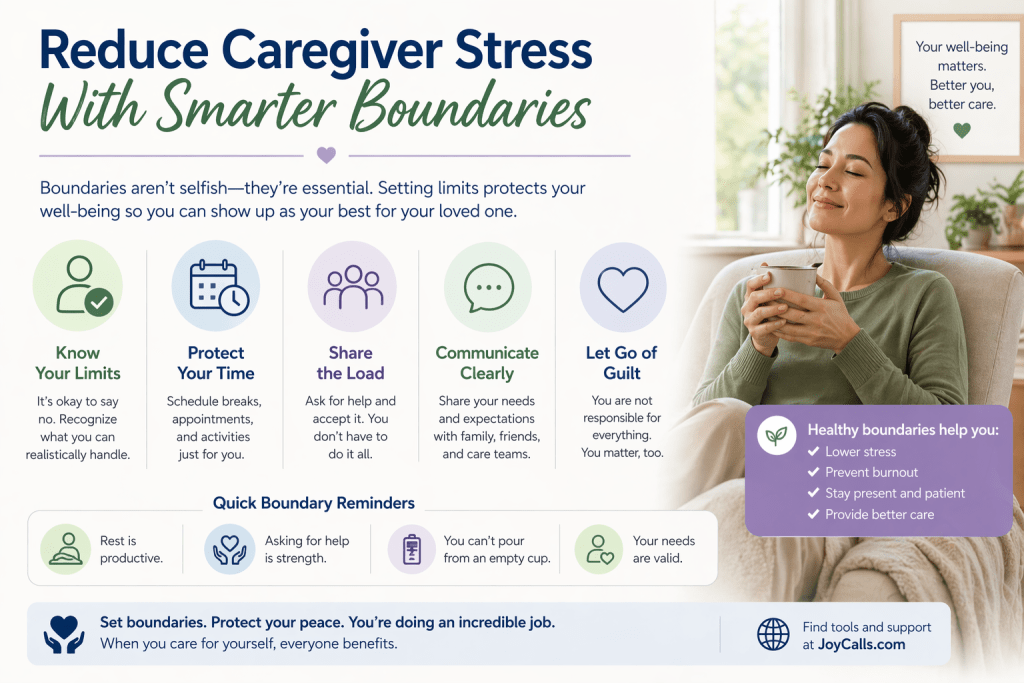
Daily check-ins can become emotionally draining if not managed well.
You need a system that supports both the parent and the caregiver.
Avoid These Common Mistakes
- Trying to solve every problem immediately
- Feeling guilty for not being physically present
- Taking resistance personally
- Over-checking due to anxiety
Set Healthy Boundaries
- Fix a specific check-in time (avoid random calls all day)
- Define what qualifies as an emergency vs. non-urgent
- Share responsibility with at least one other person
Actionable tip:
Use a simple rotation:
Sibling A handles weekdays, Sibling B handles weekends.
Use Technology Thoughtfully, Not Excessively
Technology should simplify care—not complicate it.
Useful Tools (Keep It Minimal)
- Reminder alarms for medication and meals
- Video calls for visual reassurance
- Emergency contact buttons or speed dial
- Automated check-in services (like AI-based call systems)
What to Avoid
- Too many apps (confusing for seniors)
- Complex interfaces
- Frequent notifications that feel intrusive
Actionable tip:
Introduce one tool at a time, and only if it clearly reduces effort.
Prepare for “No Response” Situations
One of the most stressful moments is when your parent does not answer.
Instead of panicking, have a clear plan.
Step-by-Step Response Plan
- Call again after 5–10 minutes
- Try an alternate method (WhatsApp, neighbor call)
- Contact someone nearby from your response team
- If still no response and risk seems high → escalate
Important
Do not wait too long if your instinct says something is wrong.
Actionable tip:
Create a “no-response checklist” and keep it saved on your phone.
Maintain Dignity While Increasing Support
As needs increase, support must increase—but dignity must remain intact.
How to Do This
- Offer choices, not instructions
- Ask for permission, not compliance
- Frame support as convenience, not necessity
Instead of:
“You need help now.”
Say:
“Let’s make this easier for you.”
Small Language Shifts Matter
- “We’ll figure this out together”
- “This is just to reduce effort for you”
- “You’ve managed so much already”
These phrases maintain respect and emotional comfort.
When to Gradually Increase Care
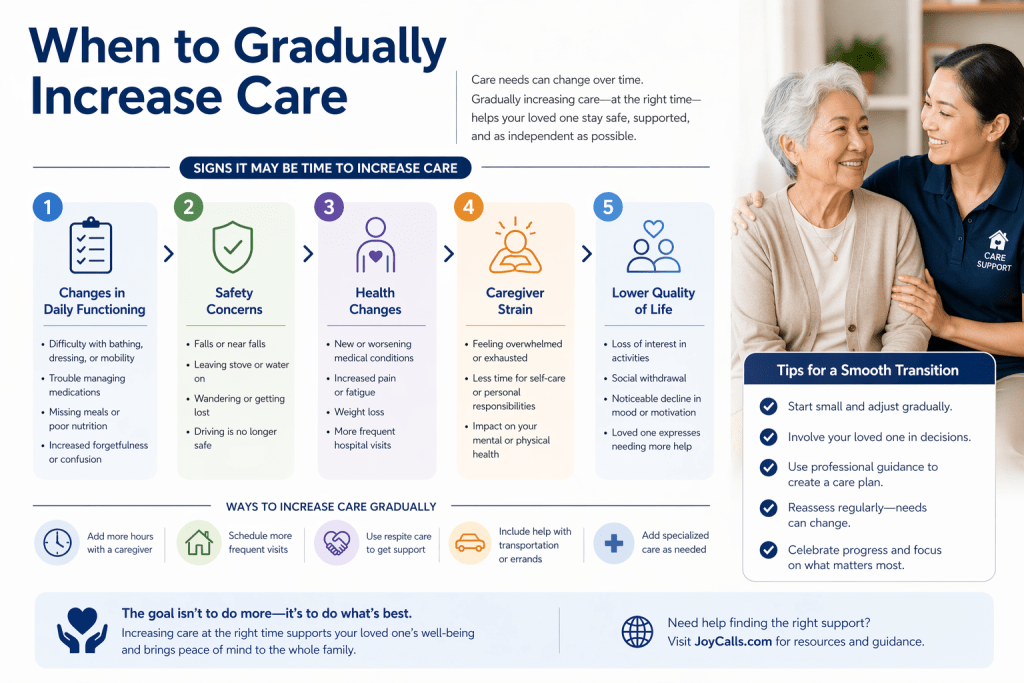
Daily check-ins will eventually reveal when more support is needed.
Look for patterns like:
- Frequent missed meals
- Increasing confusion
- Repeated medication errors
- Reduced mobility
- Social withdrawal
- Poor hygiene or home upkeep
What to Do
Increase support in layers:
- Add reminders
- Add external help (part-time)
- Increase monitoring
- Consider structured care options (if needed)
Actionable tip:
Never jump directly to full-time care unless absolutely necessary. Build gradually.
Keep the Human Connection Strong

It’s easy for check-ins to become task-focused.
But emotional connection is just as important.
Balance Practical + Personal
For every functional question, add one human question:
- “What did you enjoy today?”
- “Did anything make you laugh?”
- “What should we plan together this week?”
Why This Matters
A senior who feels emotionally supported is:
- More cooperative
- More honest
- More engaged in daily routines
Actionable tip:
End every call with warmth, not instructions.
Final Thought: Small Actions, Big Impact
A strong daily check-in system is not built on complexity. It is built on consistency, clarity, and care.
When you combine:
- Awareness (early warning system)
- Action (simple solutions)
- Structure (weekly review)
- Support (shared responsibility)
You create a system that prevents crises instead of reacting to them.
And most importantly, you give your elderly parent something invaluable:
The ability to live safely, independently, and with dignity—while knowing someone truly cares.
Utilizing JoyCalls and Other Home Care Resources
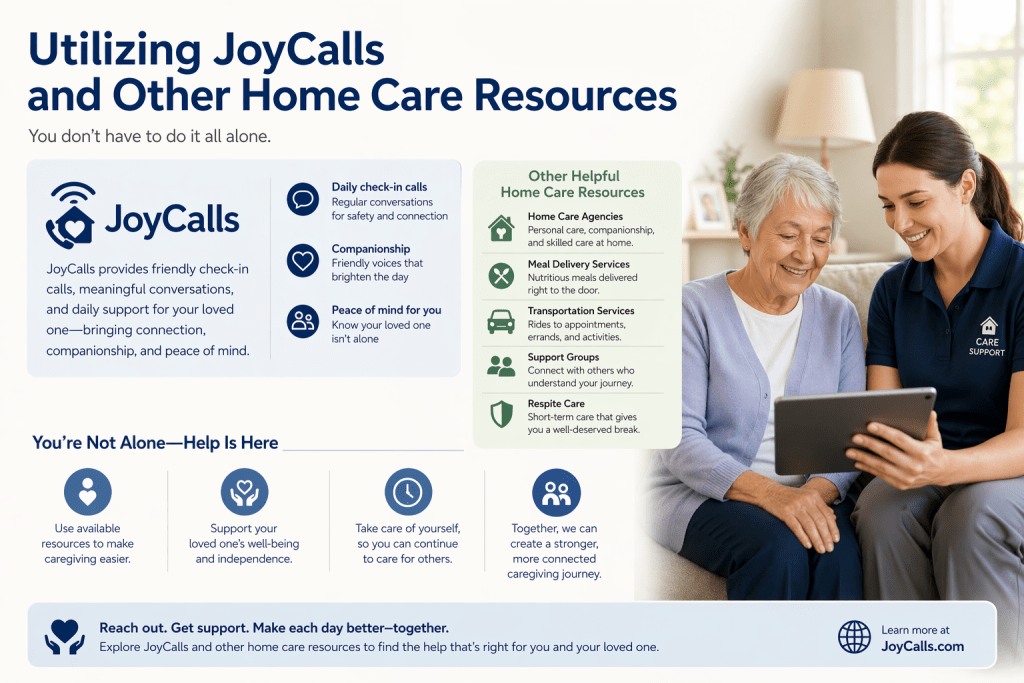
Technology now offers a gentle bridge between busy lives and the need for consistent connection. Modern tools provide compassionate support that respects everyone’s time while ensuring reliable care.
Overview of JoyCalls Signup Process
JoyCalls serves as an AI-powered companion that makes regular phone calls to your loved ones. The service requires no special apps or devices on their end—just their regular telephone.
Setting up this support system is straightforward through the JoyCalls signup page. You can customize the calling schedule to match your family’s needs and your relative’s preferred activities.
Leveraging Technology to Streamline Caregiver Tasks
These solutions handle routine contact while alerting caregivers to concerns that need attention. This approach frees up precious time for more meaningful conversations rather than repetitive wellness checks.
For seniors, the service provides friendly conversation and reduces isolation. It can also offer reminders about medications and important activities.
Many families find that technology enhances their caregiving system rather than replacing personal connection. Other home care resources like meal delivery services and medical alert systems complement these technological solutions.
This comprehensive approach to home care gives families peace of mind knowing their loved ones have consistent support. Caregivers report significantly reduced stress when using these tools.
Addressing Challenges and Reducing Caregiver Stress
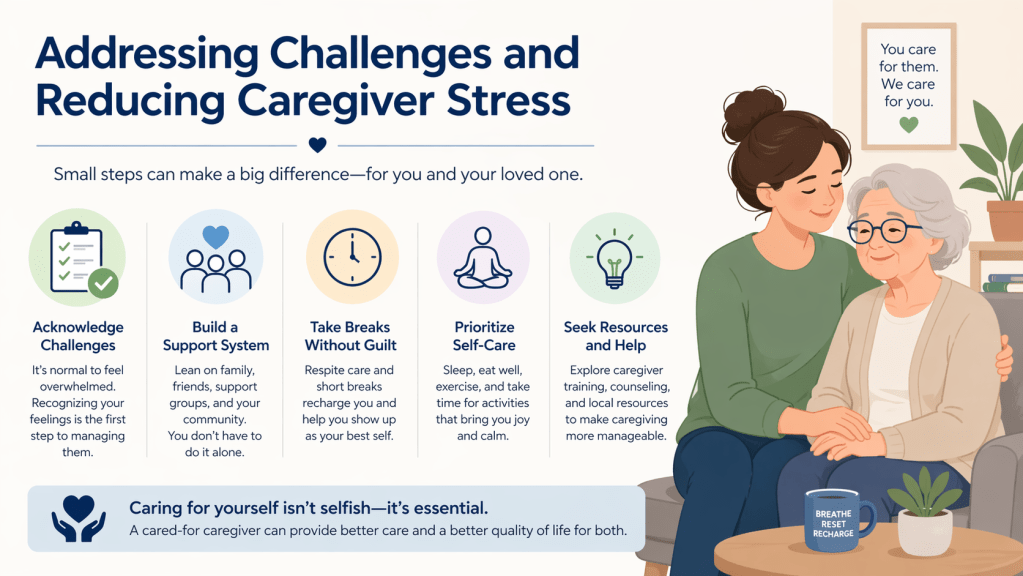
That heavy feeling in your chest when the phone rings? It’s caregiver stress, and you’re not alone. A 2023 survey reveals half of family caregivers report increased emotional strain.
Acknowledging this pressure is the first step toward meaningful support. As one experienced caregiver shared:
“Burnout doesn’t mean you’re failing—it means you’re human and carrying a heavy load.”
Strategies for Managing Caregiver Burnout
Setting realistic expectations creates sustainable care. Distribute tasks among family members to prevent one person becoming the default.
Regularly reassess your loved one’s changing needs. Accept that asking for help is strength, not weakness.
| Common Stress Signs | Practical Solutions | Long-Term Benefits |
|---|---|---|
| Constant exhaustion | Set clear boundaries | Sustainable caregiving |
| Irritability with loved ones | Share tasks with family | Improved relationships |
| Neglecting personal needs | Schedule self-care time | Better health for all |
Overcoming Scheduling Conflicts and Confusion
Balancing your career, family needs, and parent’s appointments requires smart scheduling. Create a shared calendar where all family members can coordinate.
This prevents confusion about who handles which tasks. Technology like JoyCalls can automate check-ins, freeing time for meaningful connection.
Remember what experts at the Mayo Clinic emphasize: supporting yourself first ensures quality care for others. Know what to do when challenges arise.
Conclusion
You’ve just built a bridge from worry to well-being. This simple, loving structure supports your loved one‘s independence while giving you profound peace of mind.
A thoughtful care plan transforms scattered concerns into a clear path forward. It weaves essential health tasks like medication and light exercise into the rhythm of the day. This approach ensures safety and boosts overall quality of life at home.
Remember, you are not alone in this journey. Coordinating with other family members and using supportive tools can make all the difference. Discover more about the profound benefits of a structured plan for well-being.
Technology like JoyCalls offers compassionate assistance. It provides consistent companionship, which studies show can significantly reduce feelings of isolation. This allows you to focus on meaningful connection.
Take that first step today. Create a supportive schedule that honors your parent as a unique person. You can provide outstanding care while preserving your own energy.