

What if you could ensure your loved one’s well-being without feeling like you’re constantly hovering over them?
That quiet worry in the back of your mind is real. Did they remember their morning pills? Are they taking the right ones at the right time? You want them to stay healthy, but asking again feels like you’re treating them like a child.
This gentle struggle is something many families face. You love your parents or spouse deeply. The last thing you want is to create tension around something as important as their health.
A thoughtful approach to daily wellness isn’t about control or surveillance. It’s about creating a system that supports independence while giving everyone peace of mind. When medications are taken as prescribed, they work effectively. When they’re not, they can cause dizziness, sickness, or worse outcomes.
This guide will show you how to build supportive habits that work naturally and feel respectful. Whether you’re supporting an aging parent from across town or managing your own health, you’ll discover practical strategies that reduce anxiety.
We’ll explore how to create systems that feel supportive rather than intrusive. Staying healthy shouldn’t come with a side of guilt or frustration. By the end, you’ll have a clear path for establishing connections that protect health while honoring dignity.
Key Takeaways
- Supporting medication adherence can be done respectfully without nagging
- Proper medication timing is crucial for effectiveness and safety
- Creating predictable systems reduces stress for everyone involved
- Independence and health support can work together harmoniously
- Practical strategies exist for both local and long-distance caregiving
- The goal is peace of mind without micromanagement
- Respectful check-ins maintain dignity while ensuring wellness
Understanding Medication Adherence and Compliance
The relationship between you and your healthcare team is built on trust and partnership, not just instructions. When everyone works together, health outcomes improve significantly.
What Does Compliance Mean?
Compliance might sound like a strict rulebook, but it’s really about teamwork. It means following the agreed-upon path you’ve created with your doctors and pharmacists.
This partnership approach turns health management into a collaborative effort. You’re an active participant in decisions about your well-being.
| Proper Adherence | Improper Adherence | Long-term Impact |
|---|---|---|
| Medications work as designed | Reduced effectiveness | Better symptom control |
| Consistent health monitoring | Unpredictable results | Stable condition management |
| Clear communication with team | Missed warning signs | Stronger patient-provider relationship |

The Importance of Following Your Treatment Plan
Sticking to your health regimen creates reliability that medications need to function properly. Consistency helps prevent complications and maintains quality of life.
When doses are missed or taken incorrectly, the carefully balanced system can become unstable. Research shows that proper adherence reduces health risks significantly.
Try JoyCalls Free
No app or new device needed. Start with a free 7-day trial.
Understanding each component of your plan helps you see the bigger picture. This knowledge transforms daily habits into meaningful actions that support long-term wellness and reduce potential risks.
Your active participation makes all the difference in achieving the health outcomes you deserve.
Building a Consistent Medication Check-In Routine
Imagine a system that quietly supports your loved one’s health, woven so seamlessly into their day it feels like a gentle reminder, not a constant question. This is the heart of a supportive routine.

Designing Your Daily Check-In
The secret is linking pill-taking to habits you already have. Think morning coffee or brushing your teeth. This creates a powerful anchor.
Your system should fit your life. A simple calendar near your pills lets you mark each dose. This small act makes a big difference.
Consistency is key. Taking your prescriptions at the same time every day builds reliability. It turns a task into a natural part of your way of living. For more detail, see this guide on creating a personalized schedule.
Benefits of a Regular Routine
A steady pattern offers real peace of mind.
- Fewer mistakes: It reduces the risk of missed or doubled doses.
- Better results: Your prescriptions work more effectively.
- Less worry: You feel confident your health is managed.
For caregivers, a predictable pattern means support feels helpful, not like hovering. Tools like supportive daily calls can integrate smoothly into this structure. Good management protects health and independence together.
Creating a Personalized Medication Schedule
When every pill has its proper place and time, taking your prescriptions becomes a natural part of your day rather than a chore. A thoughtful approach starts with understanding your unique needs.

Try JoyCalls Free
No app or new device needed. Start with a free 7-day trial.
Documenting Medications, Dosages, and Timing
Begin by gathering all your health products in one spot. Create a complete list that includes every item you take regularly or occasionally.
Write down each product’s name, the exact amount you need, and when it should be taken. Note any special instructions about food or timing restrictions.
Some products work best with meals while others need empty stomachs. Proper spacing between certain doses prevents unwanted reactions.
Grouping Medications by Time of Day
Once you understand timing requirements, organize your list by time blocks. Common categories include morning, midday, evening, and bedtime doses.
Match these groups to your existing habits. Morning products can align with breakfast or tooth brushing. Evening doses might fit with dinner preparation.
Your daily rhythm matters most. If you skip breakfast, find another morning anchor that works for you. This personalized schedule should flow with your life, not against it.
Leveraging Tools and Reminders for Medication Management
Finding the right support system doesn’t have to feel complicated or overwhelming. Simple tools can turn daily health tasks into smooth, automatic habits.

The right aids work quietly in the background. They provide gentle nudges when needed most.
Digital Reminder Apps and Smart Devices
Your phone can be a powerful ally. Apps send timely reminders for each dose. Some even track your progress.
For those who prefer different approaches, smartwatch vibrations or voice alerts from smart speakers offer gentle prompts. These work well when your phone isn’t nearby.
Pill Organizers and Pharmacy Packaging Solutions
Weekly organizers with daily compartments let you prepare in advance. You can see at a glance if today’s pills are taken.
Many pharmacies offer specialized packaging. They bundle all your needs by date and time into individual packets.
| Tool Type | Best For | Key Benefit |
|---|---|---|
| Weekly Pill Box | Visual learners | See daily progress |
| Phone Reminders | Tech-friendly users | Customizable alerts |
| Pharmacy Packaging | Complex routines | No guesswork needed |
Timer caps that beep or simple sticker systems add extra layers of support. Choose what fits your lifestyle best.
Adjusting Your Routine to Lifestyle Changes and Seasonal Shifts
Summer’s warm breeze and spontaneous fun shouldn’t mean your health plan takes a vacation too. Life moves forward with beautiful changes—travel, family visits, seasonal shifts. Your daily rhythm needs to adapt without losing consistency.

Travel especially tests your system. Time zones change. Regular meal times disappear. Those reliable cues like morning coffee or evening news might not happen. Suddenly it’s easy to lose track.
Managing Disruptions During Vacation or Summer
Planning ahead makes all the difference. Before trips, talk to your pharmacist about schedule adjustments for time changes. Pack extra doses in case of delays.
Always carry your health products in original labeled bottles in your carry-on bag. Never pack them in checked luggage. Set a phone reminder before hotel checkout specifically for packing your items.
“The key to consistency during change is attaching your habits to anchors that travel with you—like brushing teeth or bedtime rituals—rather than location-dependent cues.”
Heat can damage your supplies. Keep them in cool, dry places away from direct sunlight. Consider insulated pouches for hot weather outings.
| Travel Scenario | Challenge | Adaptation Strategy |
|---|---|---|
| Time zone changes | Dose timing confusion | Pharmacist schedule adjustment |
| Summer heat exposure | Product degradation risk | Cool storage solutions |
| Irregular meal times | Missed dose cues | Habit anchoring to personal routines |
Integrating Medication Reminders into Daily Habits
Your daily patterns provide natural reminders. Link your schedule to habits that stay consistent regardless of location. Morning hygiene rituals or bedtime preparation work well.
This approach turns health management into a seamless part of your day rather than a separate task. It’s about creating a system that moves with you through life’s changes.
For those supporting loved ones from afar, establishing a quick daily wellness habit can maintain connection without intrusion. Our long-distance caregiving essentials guide offers additional support strategies.
With thoughtful preparation, you can enjoy life’s adventures while keeping your health on track. The goal is flexibility without compromise.
Working with Pharmacists and Caregivers for Success
Behind the pharmacy counter stands one of your most valuable allies in health management. Your pharmacist offers expertise that goes far beyond filling prescriptions.
Getting Expert Guidance from Your Pharmacist
Your pharmacist can review your entire list of health products. They check for potential interactions and suggest better timing strategies.
Ask about tools like weekly organizers or blister packs. They can even coordinate refills for the same day each month.
Before buying any over-the-counter products, check with your pharmacist. Even simple cold tablets can interfere with your current prescriptions.
Support Strategies for Caregivers
For caregivers, your role is vital but comes with emotional weight. The secret is framing reminders as teamwork rather than surveillance.
Instead of “Did you forget again?” try “How can we make this easier together?” A friendly text can make all the difference. This approach preserves dignity and strengthens relationships.
Creating a supportive personalized schedule works best when everyone collaborates. For long-distance support, consider a daily connection system that feels natural, not intrusive.
How to Make Daily Medication Check-Ins Feel Respectful, Calm, and Actually Effective
A medication check-in routine only works when the person receiving it still feels like an adult with choices, preferences, and dignity. That is where many families get stuck. They may have the right tools, the right schedule, and even the right intentions, but the daily interaction itself starts to feel tense. One person feels worried. The other feels watched. And over time, even a well-designed system can begin to sound like pressure.
That is why the real goal is not just consistency. It is cooperation without friction.
For older adults, especially those who value their independence, medication reminders can quickly feel personal. A simple “Did you take your pills?” may sound harmless to the caregiver asking it, but to the person hearing it every day, it may feel like a test, a correction, or a sign that they are no longer trusted. Once that emotional layer enters the routine, adherence often becomes harder, not easier. People may become defensive, vague, irritated, or less likely to answer honestly. The reminder is still happening, but the relationship around it is getting weaker.
A better approach is to treat medication check-ins as a support conversation, not a compliance interrogation.
That means every daily touchpoint should do three things at once:
1. Protect dignity
The older adult should feel respected, not monitored.
2. Reduce decision fatigue
The interaction should make it easier to follow the plan, not add more pressure.
3. Surface problems early
The check-in should help reveal confusion, side effects, refill gaps, or routine breakdowns before they become serious.
When a check-in is designed this way, it becomes more than a reminder. It becomes a reliable moment of support. It can help uncover subtle issues such as “I stopped taking that one because it upset my stomach,” or “I wasn’t sure if I already took the evening dose,” or “The bottle is hard to open now.” These are the kinds of problems that often stay hidden when families focus only on whether the answer is yes or no.
In practice, the most effective routines are calm, short, predictable, and emotionally safe. They do not sound suspicious. They do not assume failure. And they do not force the older adult to defend themselves every day.
Instead of building the routine around the question, build it around the person.
That means asking:
What kind of communication helps this person stay open?
Some people want cheerful conversation. Others want a quick and efficient check-in. Some appreciate light humor. Others respond best to a warm, steady tone with no extra fuss.
What time of day leads to the least stress?
A reminder during a rushed morning may feel irritating even if it is well-intended. The same person may respond much better later, when they are settled.
What kind of phrasing feels respectful to them?
Some people dislike being asked directly whether they “remembered.” Others are more comfortable talking about how the day is going and naturally mentioning medications within that flow.
What usually causes missed doses for them?
The problem may not be memory. It may be nausea, fatigue, arthritis, poor vision, confusion about instructions, disrupted sleep, or simply not liking how the medicine makes them feel.
This is where many families improve dramatically: not by adding more reminders, but by improving the quality of the conversation.
Start With Permission, Not Assumption
One of the simplest ways to lower resistance is to make the routine collaborative from the beginning. Do not present the check-in system as something being imposed “for their own good.” Instead, invite them into shaping it.
This can sound like:
“I want to make this easier, not more annoying. What kind of reminder feels okay to you?”
That question changes the dynamic immediately. It signals partnership.
“Would you rather have a quick check-in in the morning, or something later in the day?”
Now they have control over timing.
“What wording feels best to you? I do not want this to sound like I am policing you.”
This shows emotional awareness and maturity. It also gives them room to be honest.
“What tends to get in the way on the days it is harder?”
This shifts the focus away from blame and toward problem-solving.
When older adults feel they had a say in how the routine was built, they are much more likely to cooperate with it. The system starts to feel like support they chose, not supervision they are resisting.
If the person says, “I do not need reminders,” do not argue immediately. That usually creates a power struggle. Instead, stay neutral and move to shared goals.
For example:
“I hear you. I know independence matters to you. I am not trying to take that away. I just want us to have a simple system that keeps things smooth and avoids mix-ups.”
This preserves dignity while still protecting the purpose of the routine.
Use Language That Lowers Defensiveness
Words matter more than most people realize. The same reminder can feel caring or controlling depending on how it is phrased.
Here is the rule: avoid language that sounds like checking, testing, correcting, or catching. Use language that sounds like supporting, confirming, or making the day easier.
Phrases that often create tension
- “Did you take your pills yet?”
- “You did not forget again, did you?”
- “You are supposed to take that in the morning.”
- “Are you sure?”
- “You need to stay on top of this.”
- “The doctor said you have to.”
- “I keep reminding you.”
These phrases may be factually correct, but they can sound parental, frustrated, or accusatory.
Better alternatives
- “How is your morning routine going today?”
- “Is everything set for your medications today?”
- “Do you have what you need for your next dose?”
- “Any trouble with your meds today?”
- “Would it help to walk through today’s schedule together?”
- “Anything feel off or harder than usual?”
- “How can we make this easier?”
These alternatives open the door without cornering the person. They also give you more information than a simple yes or no.
Build a Check-In Script That Is Short and Repeatable
A good daily check-in should not feel like a health interview. In most homes, the sweet spot is brief, kind, and familiar. If every conversation is too long, it becomes tiring. If it is too abrupt, it can sound clinical.
A practical structure is:
Step 1: Warm opening
Start with the person, not the medication.
Examples:
- “Good morning. How are you feeling today?”
- “Hi, just checking in. How is your day going so far?”
- “How are things this afternoon?”
This helps the interaction feel human first.
Step 2: Gentle medication prompt
Move naturally into the routine.
Examples:
- “Have you had a chance to do your morning meds?”
- “Is your evening routine all set?”
- “Anything you need help sorting for today’s medications?”
Step 3: Quick barrier check
This is where the real value often appears.
Examples:
- “Any side effects today?”
- “Any confusion about what to take or when?”
- “Are you running low on anything?”
- “Any trouble opening bottles or reading labels?”
Step 4: Calm close
End with reassurance, not pressure.
Examples:
- “Perfect. Glad that part of the day is handled.”
- “Thanks for checking in with me.”
- “Let’s keep it easy. Reach out if anything feels off.”
- “Glad we have a simple system.”
This four-part structure is especially effective because it normalizes the check-in without making it heavy.
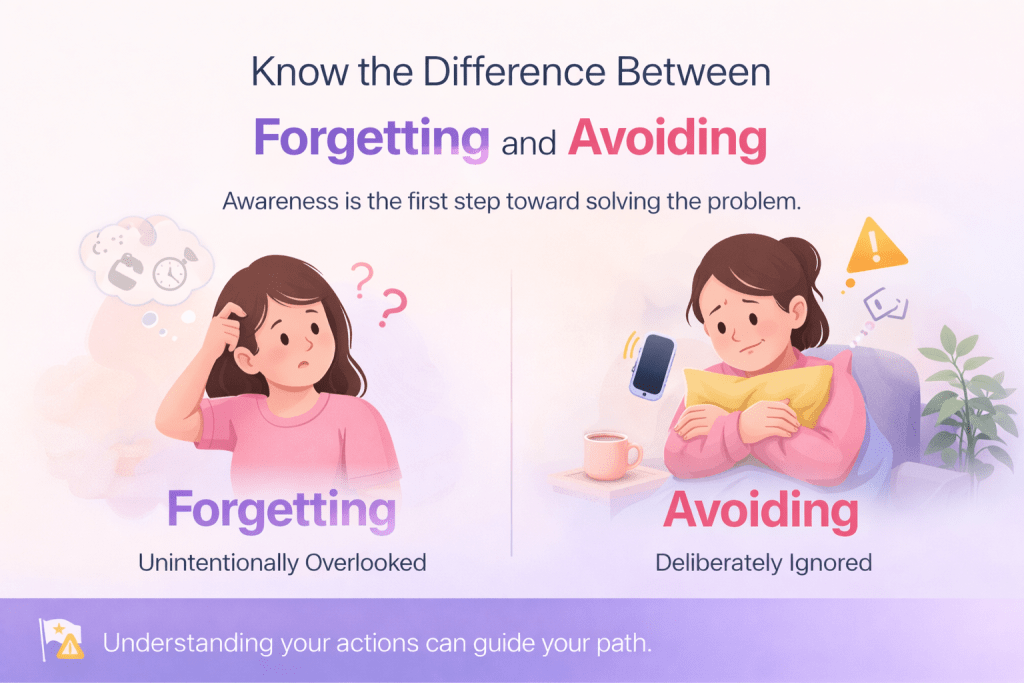
Know the Difference Between Forgetting and Avoiding

Not every missed dose comes from memory problems. This is one of the most important things caregivers can understand.
Sometimes the person did not forget at all. They made a quiet decision not to take the medication, and they may not say so unless they feel safe enough to be honest.
Common hidden reasons include:
Side effects
The medication may cause dizziness, constipation, stomach upset, fatigue, or bathroom urgency.
Fear
They may worry that taking too many pills is harmful, or they may have heard something alarming from a friend or online.
Confusion
They may not fully understand which medication is for what, especially if the regimen is complex.
Burden
Opening containers, splitting tablets, reading labels, or coordinating meals can become physically exhausting.
Identity and independence
Some older adults dislike anything that makes them feel “old,” “sick,” or dependent.
Cost or refill concerns
They may be spacing out doses to make medications last longer.
If you assume forgetfulness every time, you may miss the real problem. That is why a strong daily routine includes emotional listening, not just reminders.
A useful question is:
“Is it hard to remember, or is something about this medication bothering you?”
That question is respectful, direct, and often reveals what is really happening.
What to Do When the Person Gets Irritated
Resistance does not always mean the routine is failing. Sometimes it means the routine needs adjustment.
If an older adult snaps, shuts down, or says, “Stop asking me,” do not respond with more pressure. The goal in that moment is to reduce heat, not win the argument.
First, do not take the reaction personally
Caregiver stress is real, but defensiveness usually makes things worse. Irritation often means the person feels embarrassed, cornered, or tired of being reminded in the same way.
Second, validate before redirecting
Try:
- “I get it. I do not want this to feel annoying.”
- “I know this gets repetitive.”
- “I am not trying to hassle you.”
Validation lowers the emotional temperature.
Third, shift into problem-solving
Then say:
- “Let’s change the system so it works better.”
- “Maybe the timing is wrong.”
- “Maybe the wording is not helping.”
- “Would another format feel better than a direct reminder?”
This keeps the routine alive while removing unnecessary friction.
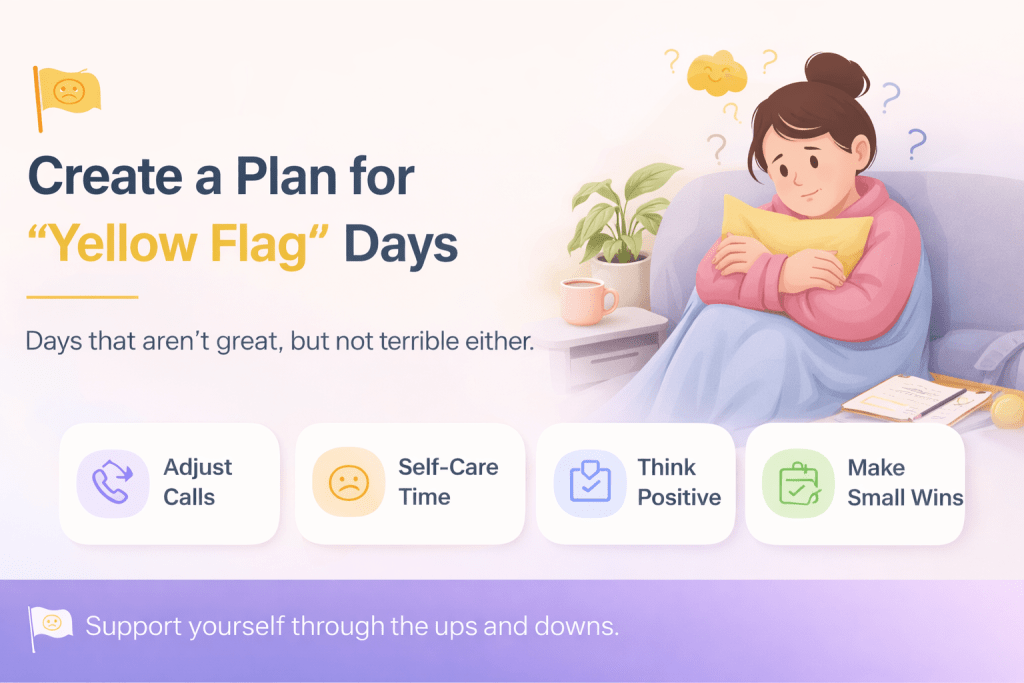
Create a Plan for “Yellow Flag” Days

The best check-in routines do not just ask whether medications were taken. They also prepare for the days when something feels slightly off.
A yellow flag day is when the answer is not exactly a crisis, but something clearly needs attention.
Examples include:
- “I skipped it because I felt nauseous.”
- “I am not sure if I already took it.”
- “I was confused by the new bottle.”
- “I think I am almost out.”
- “It has been making me dizzy.”
- “I missed yesterday too.”
These moments need a calm response plan.
A simple three-step yellow flag response
1. Stay nonjudgmental
Say:
- “Thanks for telling me.”
- “Good catch.”
- “Let’s sort it out calmly.”
2. Clarify the issue
Ask:
- “Do you know which medication it was?”
- “When was the last dose you are certain about?”
- “What exactly felt confusing or difficult?”
3. Take the next practical step
Depending on the issue, that might mean:
- checking the schedule,
- calling the pharmacy,
- writing a clearer label,
- contacting the prescriber,
- setting up refill reminders,
- switching to easier packaging,
- or adjusting the check-in format.
This kind of response teaches the older adult that honesty leads to help, not criticism. That is crucial. If every problem leads to frustration, people become less truthful. If every problem leads to support, they become more open.
Make It Easier to Tell the Truth
Medication adherence improves when honesty feels safer than pretending.
That means the person should be able to say:
- “I forgot.”
- “I skipped it.”
- “I do not like taking this one.”
- “I got confused.”
- “I think I made a mistake.”
without feeling scolded.
A practical phrase to use regularly is:
“I care more about knowing what really happened than hearing the perfect answer.”
That sentence can completely change the tone of the routine. It tells the person that transparency matters more than appearances.
You can reinforce this by thanking them when they mention problems:
- “I’m glad you told me.”
- “That helps us fix it early.”
- “Thank you for being honest.”
These small responses build trust over time.
Match the Check-In Style to the Person
There is no single script that works for every family. The routine should match personality, cognition, hearing ability, tech comfort, and emotional style.
For highly independent older adults
Keep the tone peer-to-peer. Focus on coordination, not reminding.
Use phrases like:
- “Just confirming your routine is on track.”
- “Anything you need, or are you all set?”
For people who get overwhelmed easily
Keep it very simple. One question at a time. No long explanations.
Try:
- “Are your morning meds done?”
- “Any trouble today?”
For older adults who are lonely or isolated
The check-in may work best when it includes a little warmth and conversation before the medication topic.
Try:
- “What has been the best part of your day so far?”
- then,
- “And is your medication routine all set?”
For people with mild memory challenges
Consistency matters more than variety. Use the same time, same wording, and same sequence each day.
For hearing difficulties
Keep language clear, slow, and direct. Avoid layered questions.
Matching style to the person often matters more than choosing the “best” wording on paper.
Keep the Routine From Becoming the Entire Relationship
One hidden risk in caregiving is that medication check-ins slowly become the main tone of the relationship. Every call starts to feel functional. Every conversation becomes about whether something was done. Over time, warmth gets replaced by management.
That is not good for adherence, and it is not good for the relationship either.
A useful rule is this:
Not every interaction should be about health
If you speak daily, some moments should simply be relational.
Ask about:
- meals,
- weather,
- grandchildren,
- TV shows,
- sleep,
- hobbies,
- neighbors,
- favorite memories,
- or what they are looking forward to.
This matters because people respond better to support when they do not feel reduced to a problem to be managed. The medication check-in should be one part of connection, not the whole identity of the relationship.
Review the Routine Every Few Weeks

Even a good system can get stale. That is why a medication check-in routine should be reviewed periodically, especially after medication changes, illnesses, travel, hospital visits, or noticeable mood shifts.
Ask:
- Is the current time still working?
- Is the wording still being received well?
- Are there more missed doses lately?
- Is the person getting irritated more often?
- Have side effects changed?
- Are refills staying on track?
- Would another format now work better?
A short review can prevent bigger problems later.
You might say:
“We have been doing this for a while. Do you want to keep it the same, or make it easier somehow?”
This keeps the routine collaborative and respectful.
A Strong Check-In Routine Should Feel Like Support, Not Surveillance
At its best, a medication check-in should feel calm, brief, and reassuring. It should help the older adult stay independent, not make them feel managed. It should help caregivers stay informed, not exhausted. And it should make room for real life: bad days, confusion, side effects, changing schedules, and human emotion.
The most effective daily routines are not the ones with the most reminders. They are the ones with the most trust.
When the tone is respectful, the system is easier to sustain. When the questions are gentle, the answers are more honest. When the routine is collaborative, adherence becomes more realistic.
And when support feels natural instead of nagging, everyone breathes a little easier.
Enhancing Your Routine with JoyCalls Signup

What if your daily support system could come from a friendly voice, not a constant reminder from you? JoyCalls offers a compassionate solution that respects independence while ensuring wellness.
This AI-powered phone companion makes daily connections feel natural. Instead of app downloads or new devices, your loved one receives regular phone calls at their preferred time.
Utilizing JoyCalls for Streamlined Medication Check-Ins
The service gently asks about health habits in conversation. “Have you taken your morning meds today?” feels like caring concern rather than clinical questioning.
Responses are automatically tracked and summarized for caregivers. You receive simple updates without direct questioning. This preserves dignity while providing peace of mind.
| Traditional Approach | JoyCalls Solution | Family Impact |
|---|---|---|
| Caregiver as reminder source | Friendly AI companion | Reduces relationship tension |
| Uncertainty about adherence | Automated tracking system | Provides confidence |
| Isolation for seniors | Daily companionship | Fights loneliness |
Setting up is straightforward at the JoyCalls signup page. Choose call times that match your loved one’s schedule. Customize questions to fit their specific needs.
For busy families, this service reduces stress significantly. It’s one less thing to worry about while keeping your parent safe. As highlighted in OC’s coverage of JoyCalls, the technology supports both health and emotional well-being.
Learn more about this innovative approach at JoyCalls.ai. Transform daily health management into a supportive conversation that benefits everyone involved.
What to Do When the Medication Routine Starts Breaking Down
Even the best medication routine will have off days.
A senior may sleep later than usual. A refill may run out at the wrong time. A new prescription may create confusion. A family caregiver may be traveling, busy, or simply tired. An older adult who usually follows a routine very well may suddenly start skipping doses, saying “I already took it,” or avoiding the topic altogether. None of this automatically means the system has failed. It usually means the routine needs a calmer reset.
This is one of the most important realities for families to understand: medication adherence is not built by perfection. It is built by recovery.
The strongest routines are not the ones that never go off track. They are the ones that can get back on track quickly, safely, and without turning a rough day into a long argument.
That matters because many medication routines do not break down dramatically. They break down quietly. A missed pill here. A delayed refill there. A few days of uncertainty after a doctor changes instructions. A little more resistance than usual. A little less honesty in the answers. Over time, these small issues can become bigger ones if no one notices the pattern early.
That is why families need more than a reminder system. They need a recovery system.
A recovery system answers practical questions like:
What should we do if a dose is missed?
What if the person is not sure whether they took it?
What if they keep saying they are “fine” but the routine is clearly slipping?
What if they do not want help?
What if the real problem is not memory at all, but discomfort, confusion, or burnout?
When you have clear answers to those questions in advance, the routine feels steadier and less emotionally loaded. There is less panic. Less blame. Less improvising. Everyone knows what the next step is.
That is especially helpful for seniors and older adults who may already feel frustrated by how often health routines interrupt normal life. When problems are handled calmly and respectfully, the routine feels manageable. When every disruption turns into stress, the person may pull away even more.
A good recovery system should do four things well:
1. Catch small problems early
Do not wait until multiple doses are missed or a serious medical issue develops. The sooner a pattern is noticed, the easier it is to correct.
2. Reduce shame
Many older adults feel embarrassed admitting confusion or missed doses. A strong routine makes honesty safer than pretending.
3. Protect safety
Some medication mistakes are minor. Others are not. The routine should make it easy to pause, check instructions, and involve a pharmacist or doctor when needed.
4. Get the routine back to normal quickly
The goal is not to dwell on the mistake. The goal is to stabilize the next step and restore confidence.
If families treat every medication problem as a moral failure, the system becomes emotionally exhausting. If they treat problems as normal signals that need a response, the routine becomes sustainable.
Learn to Spot the Earliest Signs of Breakdown
Medication routines rarely collapse without warning. In many cases, there are small clues first.
These clues may not sound dramatic, but they are worth paying attention to:
The person starts giving vague answers
Instead of a clear “Yes, I took them,” you hear things like:
- “I think so.”
- “Probably.”
- “I took something earlier.”
- “I’m pretty sure I did.”
- “I’ll do it in a minute.”
A vague answer does not always mean the medication was missed, but it often means the routine is becoming less clear.
Check-ins start feeling more rushed or irritated
If someone who was usually calm starts sounding defensive, short, or dismissive, the issue may not be attitude. It may be fatigue, confusion, side effects, or frustration with the routine.
Medication supplies start becoming inconsistent
Perhaps the refill timing does not match expected usage. Perhaps there are too many pills left. Or perhaps they run out earlier than expected. These are practical clues that the routine may not be happening as intended.
New medications create disruption
Every time a new prescription is added, stopped, or adjusted, there is a fresh chance for misunderstanding. This is a very common point where otherwise stable routines begin to wobble.
The person starts avoiding the subject
Changing the topic, delaying the conversation, or minimizing concerns can be a sign that something feels harder than they want to admit.
The earlier these signs are noticed, the easier it is to step in supportively rather than react after a pattern has already formed.
Respond to Missed Doses Calmly, Not Emotionally
One of the fastest ways to damage a medication check-in routine is to react strongly every time something goes wrong.
If the person says they missed a dose and the response is frustration, disappointment, or panic, they may be much less honest next time. That creates more risk, not less.
A better response is calm, steady, and practical.
Start with:
“Thank you for telling me.”
This protects honesty.
Then move to:
“Let’s figure out the safest next step.”
This protects safety.
And then:
“We’ll also make it easier for tomorrow.”
This protects the routine going forward.
That sequence matters. First remove shame, then address the situation, then improve the system.
What you should not do is jump straight into blame:
- “Why didn’t you take it?”
- “I remind you every day.”
- “You know this is important.”
- “This keeps happening.”
Even if those reactions come from concern, they rarely help. The older adult already knows the medication matters. What they need now is clarity and support.
Create a Simple “If This Happens, Then We Do This” Plan
One of the most useful things a family can do is create a short response guide for common medication problems. This avoids guesswork and prevents stressful conversations in the moment.
Here is a practical framework.
If a dose was missed
Do not automatically double the next one unless a healthcare professional has said that is appropriate. Different medications have very different instructions.
Immediate action:
- Check the prescription instructions.
- If the instructions are unclear, call the pharmacist.
- Write down what happened so the timing is not forgotten later.
Routine fix:
- Ask what caused the miss.
- Adjust the reminder timing, visibility, or format.
If the person is not sure whether they took it
This is extremely common, especially when the day feels repetitive.
Immediate action:
- Stop and verify before taking more.
- Use a pill organizer, medication log, or marked checklist if available.
- Contact the pharmacist if there is uncertainty and the medication is time-sensitive or high-risk.
Routine fix:
- Add a clearer “taken” signal such as:
- flipping a card,
- checking a box,
- moving the bottle to a different spot,
- or using a daily organizer.
If the person skipped the medication on purpose
Do not treat it like disobedience. Treat it like useful information.
Immediate action:
- Ask what made them decide not to take it.
- Listen for side effects, fear, confusion, cost concerns, or frustration.
Routine fix:
- Bring the issue to the pharmacist or prescriber.
- Clarify what the medication does and whether adjustments are needed.
If they keep delaying doses
Sometimes the medication is not fully missed, but it keeps getting postponed.
Immediate action:
- Identify the time pressure or friction point.
- Ask whether the current timing fits real daily life.
Routine fix:
- Tie the dose to a more reliable anchor like breakfast, brushing teeth, a TV program, or bedtime.
If refills are becoming a problem
This is often a logistics issue, not a motivation issue.
Immediate action:
- Count remaining supply.
- Check whether automatic refills, delivery, or caregiver coordination can help.
Routine fix:
- Add a “low supply” check into the weekly routine.
- Do not wait until the last day.
A written guide like this can reduce stress immediately. It helps caregivers feel less reactive and helps seniors feel less judged.
Focus on the Friction Point, Not Just the Missed Pill
When a routine starts slipping, families often focus only on the visible problem: the dose was late, skipped, or uncertain. But the real improvement comes from finding the friction point.
The friction point is the exact part of the process that is making follow-through harder.
For example:
Is the packaging too difficult?
Arthritis, weakness, or reduced grip strength can turn child-safe caps into a daily struggle.
Is the timing awkward?
A medication scheduled during a busy or sleepy time of day may keep getting delayed.
Is the label hard to read?
Small print, similar bottle shapes, or unclear instructions can create avoidable confusion.
Is the medicine unpleasant?
Bad taste, stomach irritation, frequent urination, dizziness, or drowsiness can all make adherence harder.
Is the emotional burden building up?
Sometimes the person is simply tired of feeling like life revolves around medications.
When you solve the friction point, adherence often improves much faster than when you just repeat reminders more often.
A very useful question is:
“What is the hardest part of this routine right now?”
That one question often produces more useful answers than repeatedly asking whether the medicine was taken.
Reset the Routine Without Making It Feel Like Failure
When routines slip, people often feel embarrassed. Families may feel disappointed. The word “restart” can sound discouraging if it suggests the entire system has fallen apart.
A gentler mindset is to frame it as a reset, not a failure.
A reset says:
- routines need adjustment,
- life changes,
- people get tired,
- systems can be simplified,
- and support can be improved.
A good reset conversation might sound like this:
“It seems like this setup is not as easy as it needs to be anymore. Let’s make it simpler.”
That statement is respectful and practical. It does not accuse anyone. It names the issue and points toward a solution.
Here are a few effective reset actions:
Reduce complexity
If there are too many steps, simplify where possible with professional guidance. Ask the pharmacist whether timing can be coordinated more clearly.
Re-anchor the medication
Link it to something that happens consistently every day.
Refresh the visual system
Use larger print, clearer labels, better lighting, or a more obvious organizer.
Shorten the check-in
If the person is irritated, the routine may need to feel lighter.
Increase support briefly
Sometimes a few days of closer follow-up can help stabilize the routine again without making that intensity permanent.
Plan for “I Don’t Want to Talk About It” Days
Some days, an older adult may simply not want to discuss medications. They may feel tired, moody, private, or annoyed by the whole subject. That does not always mean there is a serious problem, but it does mean the caregiver should respond thoughtfully.
On those days, pushing harder is often the wrong move.
A better approach is to keep the contact calm and low-pressure while still protecting safety.
You might say:
“No problem. I’ll keep this quick. Are you all set for today, or is there anything practical you need?”
This gives them room without dropping the purpose of the check-in entirely.
If the answer is still vague, you can add:
“We don’t have to talk about it in detail. I just want to make sure nothing is getting in your way.”
That phrasing protects dignity and leaves the door open.
The goal is not to win full cooperation in every moment. The goal is to keep the relationship steady enough that support remains possible.
When Resistance Keeps Repeating, Look for the Pattern
A one-time difficult day is not the same as a recurring pattern.
If the same issue keeps happening, do not just label the person as stubborn or forgetful. Step back and look at the pattern more carefully.
Ask:
Does this happen more in the morning or evening?
The time may be the problem.
Does it happen more with one particular medication?
That medication may be causing discomfort or confusion.
Does it happen after appointments or prescription changes?
Transitions may need more support.
Does it happen more when the person feels rushed, lonely, or unwell?
Emotional and physical context matters more than many families realize.
Does it happen when one certain caregiver checks in?
The tone or style of communication may need adjusting.
Pattern recognition is what turns a frustrating routine into a strategic one.
Keep a Very Simple Adherence Note System
Families do not need a complicated chart to improve medication routines. In fact, overly detailed systems often get abandoned. A very simple note structure is usually enough.
Track only what helps:
Date
Whether the medication routine was completed as expected
Any issue that came up
What action was taken
For example:
- April 18 — evening dose delayed — felt nauseous after dinner — monitor and ask pharmacist
- April 19 — uncertain if morning pill was taken — checked organizer — added clearer visual marker
- April 21 — running low — refill requested
This kind of note-taking helps in three important ways:
- it reveals patterns,
- it prevents the same issue from being forgotten,
- and it gives useful information to pharmacists or doctors if help is needed.
The key is to keep it light. This is not meant to become another burden. It is just enough information to guide better decisions.
Know When the Routine Needs Professional Input
Not every medication problem should be solved at home. Some situations clearly need a pharmacist, nurse, or prescriber involved.
Reach out for professional support when:
- side effects are becoming a reason for skipping doses,
- the person is regularly confused about instructions,
- multiple medications are being changed,
- the routine is becoming too complex,
- the older adult seems unusually sleepy, dizzy, or disoriented,
- or adherence issues are happening repeatedly despite a good support system.
Families sometimes wait too long because they feel they should be able to solve it themselves. But getting expert input early can save a great deal of stress.
A pharmacist can often help clarify:
- best timing,
- food-related instructions,
- packaging options,
- refill coordination,
- medication organization,
- and possible interactions or side effects.
That kind of support can turn a fragile routine into a stable one.
Give the Older Adult Wins They Can Feel
Medication routines can feel boring, repetitive, and thankless. For seniors, especially those managing several health issues, daily adherence can start to feel like nothing but maintenance. That emotional weight is real.
One helpful strategy is to notice and affirm the wins.
Not in a childish or exaggerated way. Just in a respectful, adult way.
For example:
- “You’ve been really steady with this routine lately.”
- “I can tell this setup is working better.”
- “You handled that medication change well.”
- “I’m glad we found a rhythm that feels easier.”
These comments matter because they shift the experience from constant correction to visible progress.
A Good Recovery Routine Protects Confidence
At the heart of all this is one very important truth: seniors do better when the medication routine protects not only health, but confidence.
Confidence matters because people are more likely to stick with systems that make them feel capable. If the routine constantly reminds them of what is hard, they may pull away from it emotionally. If it helps them feel organized, supported, and respected, they are more likely to engage.
That is why the best medication routines are not rigid. They are resilient.
They allow for real life.
They recover from mistakes.
They reduce shame.
They respond to patterns.
They get smarter over time.
And most importantly, they help older adults stay involved in their own care without feeling pushed, managed, or nagged.
When the routine begins to break down, that is not the time to add pressure. It is the time to add clarity.
Because a calm reset today can prevent a much bigger problem tomorrow.
Conclusion
Taking control of your health journey starts with small, consistent steps that build confidence day by day. A well-planned schedule helps you stay organized and avoid missed doses.
Remember to review your system whenever life brings changes. Work with your pharmacy team annually to ensure everything works smoothly. Research shows that proper medication management approaches can make a real difference in outcomes.
Whether you’re managing your own health or supporting someone else, the goal is peace of mind. Tools like gentle remote monitoring can provide support without intrusion.
Your health deserves a approach that honors independence while providing security. Start building your supportive system today at JoyCalls.ai—because everyone deserves to feel confident about their wellness journey.