


Have you ever hung up the phone after talking to your mom or dad and felt a tiny knot in your stomach? That subtle feeling that something is just a little bit “off”? You’re not overreacting. That’s your instinct telling you to pay closer attention.
For our aging parents, asking for help can feel like admitting defeat. They fiercely protect their independence and often don’t want to worry the family. This means the small shifts in their daily life are the most honest indicators of their well-being.
Daily check-ins are more than just a “hello.” They are your window into understanding if your loved one is thriving or if familiar routines are becoming a struggle. When you review these moments over a week, a clearer story emerges. A pattern, like forgetting meals or mentioning fatigue, becomes visible.
This process isn’t about hovering. It’s about loving someone enough to notice the subtle warning signs and being ready to offer support. A weekly review connects the dots, turning isolated comments into meaningful insights. This empowers you to start compassionate conversations and help maintain their quality of life.
Whether you live nearby or far away, learning to spot these patterns gives you the power to help. Tools like an AI-powered phone companion can provide daily check-ins and summaries, making it easier to see the bigger picture and ensure your parent’s safety and independence.
Key Takeaways
- Your gut feeling that something is “off” with an aging parent is often a valid instinct worth exploring.
- Older adults may not ask for help directly, making subtle daily changes your most reliable source of information.
- A weekly review of check-ins reveals patterns that a single day’s observation can easily miss.
- Spotting these patterns is an act of love, enabling you to provide support before small struggles become larger health concerns.
- Technology can assist in consistent monitoring, giving you peace of mind and your loved one greater independence.
Overview of Daily Check-Ins and Observing Patterns
Consistent daily check-ins create a rhythm that helps you understand what ‘normal’ looks like for your loved one’s daily life. These regular touchpoints build a baseline of their typical energy, mood, and habits.
When you notice deviations from this baseline, you gain valuable insights. Patterns emerge that single conversations might miss entirely.
The Importance of Routine in Monitoring Well-Being
Establishing a daily connection routine provides stability for both you and your parent. It creates a comfortable space for natural conversation about meals, sleep, and daily activities.
This consistency is crucial because mental health conditions in older adults are often overlooked. Symptoms can resemble normal aging or overlap with other medical issues.

Major life transitions like retirement or loss can affect emotional health. Regular monitoring helps catch these subtle shifts before they become larger concerns.
Utilizing the JoyCalls Signup Page for Effective Tracking
Busy schedules make consistent check-ins challenging. That’s where technology provides essential support for families.
Try JoyCalls Free
No app or new device needed. Start with a free 7-day trial.
By signing up at JoyCalls, you create a reliable daily touchpoint. The AI companion calls your parent naturally, without requiring any apps or devices on their end.
These daily conversations capture important details about meals, mood, and mobility. The system sends you summaries highlighting any concerning patterns.
This approach complements your personal calls while ensuring no day goes unmonitored. It’s particularly valuable for long-distance caregiving situations where daily visits aren’t possible.
The collected data helps healthcare providers make informed decisions. It transforms vague worries into concrete observations that support better behavioral health monitoring and care planning.
Recognizing Early Warning Signs Elderly Routine Changes
When you visit your parent’s home, the little details often speak louder than words about how they’re really doing. These subtle shifts in daily patterns can reveal important information about their overall wellbeing.

Understanding what to look for helps you provide better support. Here’s a quick guide to different types of shifts families often notice:
| Area to Watch | What to Look For | Why It Matters |
|---|---|---|
| Physical Movement | Shuffling feet, holding walls, unexplained bruises | Could indicate balance issues or fall risk |
| Mental Sharpness | Repeating questions, misplaced items, confusion | May signal memory concerns or cognitive changes |
| Daily Habits | Skipped meals, clutter, personal care changes | Often reflects mood or physical health shifts |
Physical and Mobility Shifts to Watch For
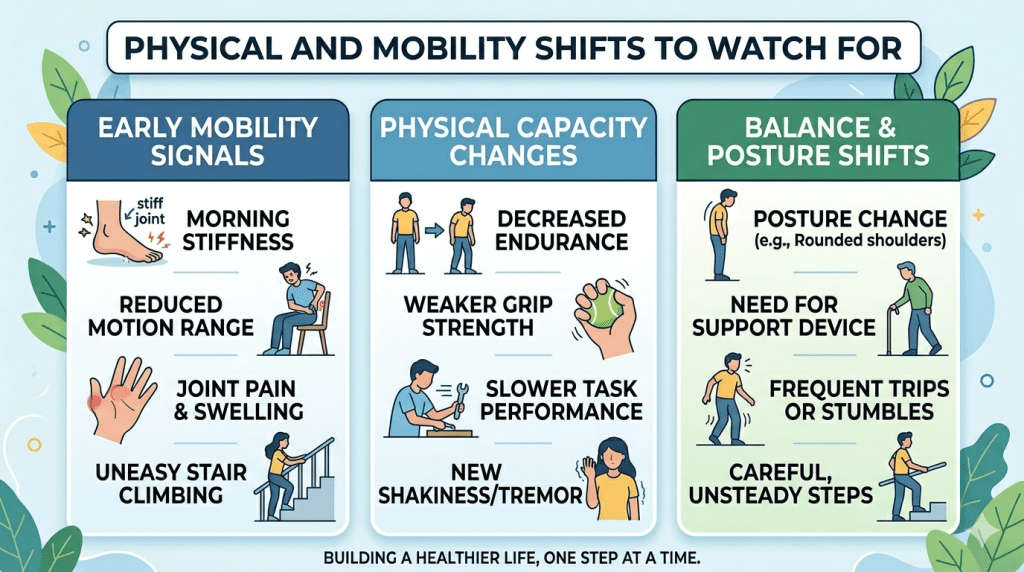
Notice how your loved one moves around their space. Are they gripping furniture for support? Do you see unexplained bruises on their arms?
These physical changes might indicate balance concerns. Mobility issues can affect safety and independence.
Cognitive and Emotional Shifts in Daily Behavior
Memory lapses that go beyond normal forgetfulness deserve attention. Repeating the same question multiple times is different from occasionally misplacing glasses.
Mood changes matter too. If your usually cheerful parent seems consistently irritable, it could signal depression or other health concerns.
Try JoyCalls Free
No app or new device needed. Start with a free 7-day trial.
Noticeable Changes in Personal Hygiene and Nutrition
The state of their home tells a story. Piles of unopened mail or spoiled food in the refrigerator may indicate overwhelm.
Weight loss and changes in eating habits often reflect deeper issues. These shifts in self-care can impact overall health significantly.
Practical Strategies for Supporting Loved Ones
What happens when your weekly review reveals patterns that concern you? Moving from observation to action requires thoughtful approaches that respect your parent’s independence while addressing safety needs.

Starting Compassionate Conversations
Begin discussions with observations, not accusations. Say, “I’ve noticed you mentioned tiredness several times this week” instead of “You need to rest more.” This opens dialogue without creating defensiveness.
Frame concerns around maintaining independence. Ask, “What could make daily tasks easier while keeping you in charge?” This collaborative approach yields better results than directives.
Implementing Simple Home and Health Adjustments
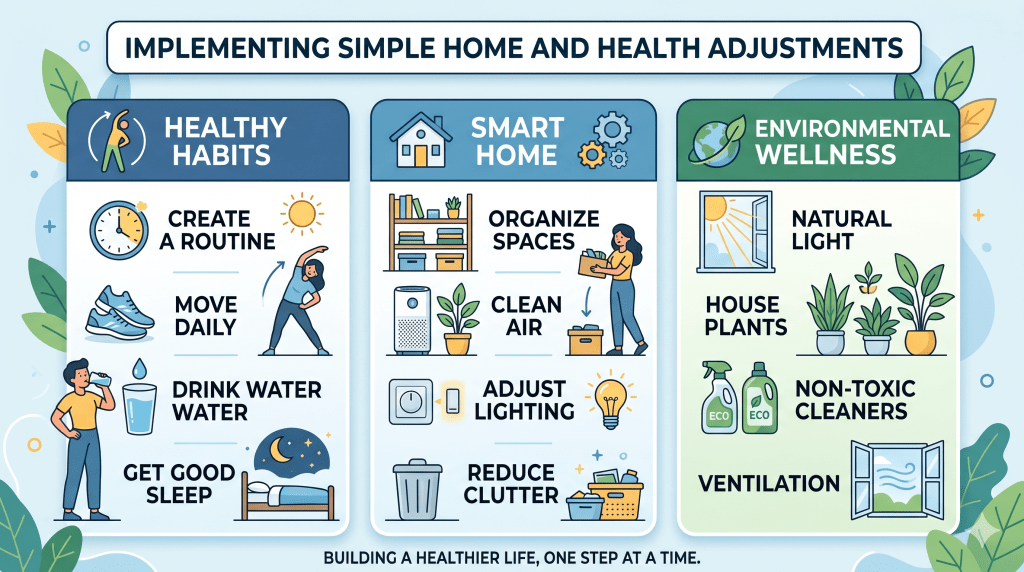
Small modifications can significantly reduce risk while preserving dignity. Consider this comparison of effective support strategies:
| Support Area | Simple Solution | Benefit |
|---|---|---|
| Home Safety | Grab bars, improved lighting | Reduces fall risk dramatically |
| Nutrition | Meal delivery services | Ensures consistent healthy meals |
| Medication | Weekly pill organizers | Prevents missed doses |
| Social Connection | Regular phone check-ins | Combats isolation and depression |
Leveraging Technology and Community Resources
Technology like daily companion calls provides consistent monitoring without burdening your parent. These tools capture important health patterns while offering companionship.
Community resources provide tremendous support. Local senior centers offer activities that maintain social connections. Professional guidance helps families navigate complex care decisions.
Building a network with other family members shares the responsibility. This prevents caregiver burnout while ensuring comprehensive support for your loved one’s quality of life.
Turning Weekly Check-Ins Into a Simple Action Plan
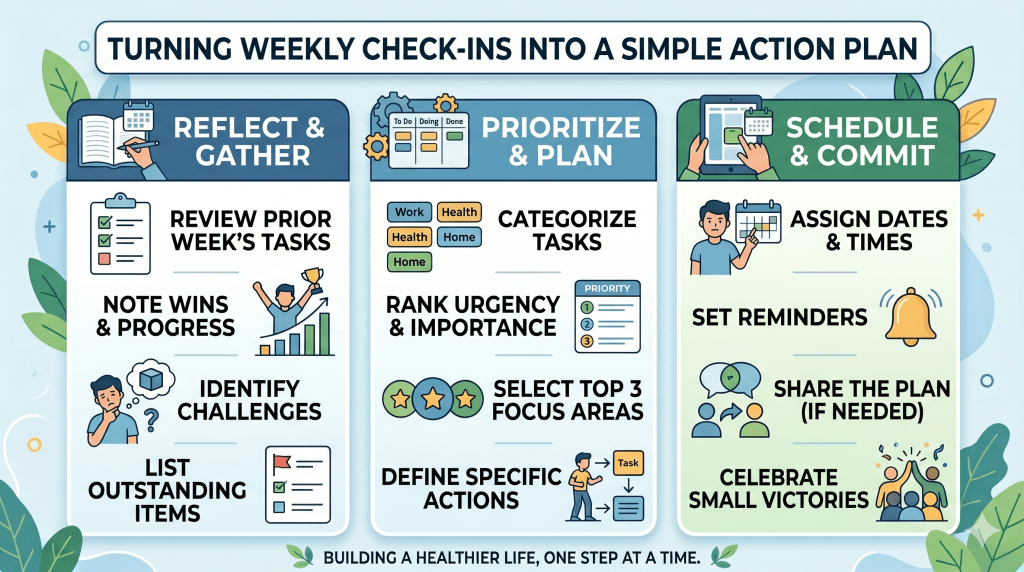
Not every pattern you notice during daily check-ins means there is a crisis. But every repeated pattern means something. The real value of a weekly review is not just that it helps you “see more.” It helps you respond more wisely.
That is where many families get stuck. They may notice that a parent sounds more tired, mentions skipping lunch, seems less interested in going out, or repeats the same concern several times in one week. But then uncertainty takes over. Is this just a rough week? Is it normal aging? Is it stress? Should you step in now, wait, or call a doctor?
A more useful approach is to stop thinking in extremes. You do not need to jump from “everything is fine” to “something is seriously wrong.” Instead, use your weekly review to sort what you notice into clear levels of response. This helps you stay calm, act early, and avoid both overreacting and underreacting.
For older adults, small functional changes matter because they often show up in everyday life before anyone uses medical language for them. Changes in eating, sleep, mobility, memory, medication handling, and social engagement can point to issues that affect independence and safety. Health organizations focused on aging and caregiving consistently emphasize watching for changes in daily functioning, maintaining care plans, tracking medications, and noticing cognitive or behavioral shifts that affect ordinary life.
The goal of a weekly review is not to diagnose. It is to make better caregiving decisions. When you use a simple action plan, the process becomes more manageable for you and less intrusive for your parent.
Step One: Separate One-Time Comments From Real Patterns
A single off day is just a data point. A repeated change is a pattern.
For example, one comment like “I didn’t sleep well last night” may mean very little. But hearing some version of poor sleep four times in a week tells a different story. The same is true for comments about appetite, low mood, dizziness, forgetfulness, loneliness, or avoiding errands.
A useful rule is this: if the same concern appears two to three times in a week, pay attention; if it continues into the following week, make a plan.
This is especially important because older adults often minimize problems. They may say things in passing that sound casual, such as:
- “I just wasn’t hungry.”
- “I stayed home today.”
- “I forgot where I put that again.”
- “I didn’t feel like cooking.”
- “I’ll do it tomorrow.”
None of these statements automatically signals danger. But repetition changes the meaning. Weekly review gives you context. Context is what makes a caring response possible.
Step Two: Use Five Practical Categories During Your Review
To make your review easier, sort the week’s check-ins into five categories. This gives structure to what might otherwise feel vague or emotional.
1. Energy and Physical Strength
Ask yourself:
- Did they sound more tired than usual?
- Did they mention being slower, sore, weak, dizzy, or short of breath?
- Did they stop doing routine tasks they usually handle?
Declines in energy often affect everything else. A parent who is more tired may cook less, clean less, move less, and socialize less. Families sometimes misread this as laziness or mood when it may actually reflect illness, dehydration, pain, poor sleep, medication side effects, or heat stress. Older adults are at higher risk for dehydration and heat-related problems, and those issues can show up as fatigue, weakness, confusion, or dizziness.
Actionable move: create a weekly “energy snapshot.” At the end of the week, label energy as:
- steady
- slightly lower than usual
- clearly declining
If energy is clearly declining for more than one week, that should move from “watch” to “follow up.”
2. Eating, Hydration, and Daily Nourishment
The original article mentions skipped meals, which is important. But for many families, the issue is broader than simply whether someone ate. The better question is: are they still managing nourishment reliably?
Look for patterns like:
- eating very little
- relying only on tea, toast, or snacks
- not having groceries
- saying cooking feels like “too much work”
- forgetting whether they already ate
- drinking very little water
- avoiding meals because chewing, appetite, or mood has changed
Nutrition problems in older adults rarely stay isolated. They affect energy, strength, balance, recovery, medication tolerance, and mood.
Actionable move: during your weekly review, note not just meals, but the system around meals:
- Did they shop?
- Did they cook?
- Did they have easy food available?
- Did they sound interested in eating?
If two parts of the system are breaking down at once, such as no groceries and no appetite, step in sooner rather than later.
3. Thinking, Memory, and Follow-Through
Families often focus only on memory, but follow-through is just as important.
Instead of asking only, “Are they forgetting things?” ask:
- Are they completing normal tasks?
- Are they following conversations the same way they usually do?
- Are they keeping appointments, paying bills, or handling medications?
- Are they repeating concerns because they forgot, or because the issue is bothering them?
The National Institute on Aging notes that cognitive health is closely tied to a person’s ability to manage everyday activities effectively. That is why functional changes matter so much. A parent may still sound socially pleasant on the phone and yet be struggling with details that support daily independence.
Actionable move: make a distinction between:
- memory slips with recovery: “I misplaced my glasses, then found them.”
- memory slips with disruption: “I missed my medicine again,” “I forgot my appointment,” or “I’m confused about what day it is.”
That distinction is far more useful than vague worry.
4. Mood, Motivation, and Social Withdrawal
One of the easiest mistakes in caregiving is to wait for a dramatic emotional sign. In reality, mood changes in older adults often look subtle at first. They may sound flatter, less engaged, more irritable, or less interested in ordinary routines.
Notice patterns like:
- shorter conversations
- less enthusiasm
- withdrawing from usual people or activities
- sounding hopeless, discouraged, or “done with everything”
- increased anxiety about small tasks
- loss of initiative
This matters because emotional health affects eating, sleep, self-care, mobility, and willingness to accept help. NIA caregiving guidance also emphasizes the importance of helping older adults stay socially connected and supported, because isolation and reduced engagement can affect overall well-being.
Actionable move: at the end of each week, ask:
Did they sound connected to life, or mostly shut down from it?
That question often reveals more than trying to judge “good mood” versus “bad mood.”
5. Safety, Reliability, and Home Function
Some of the most important patterns are practical. Can they still run their life safely and reliably?
Watch for signs like:
- unopened mail piling up
- bills becoming confusing
- medication routines getting messy
- increased clutter or spoiled food
- avoiding stairs, bathing, laundry, or going outside
- mention of nearly falling, stumbling, or grabbing furniture
- trouble hearing the phone or following instructions
Medication management is especially important. MedlinePlus and NIA caregiver materials both stress keeping an updated medicine list and watching for difficulties related to hearing, vision, dexterity, and keeping track of doses. These are not minor issues. They often create preventable problems.
Actionable move: do one “reliability check” every week. Ask yourself:
- What tasks are still happening consistently?
- What tasks are becoming occasional?
- What tasks seem at risk of being missed?
That gives you a much clearer picture than asking whether they are “doing okay.”
A Three-Level Response System Families Can Actually Use
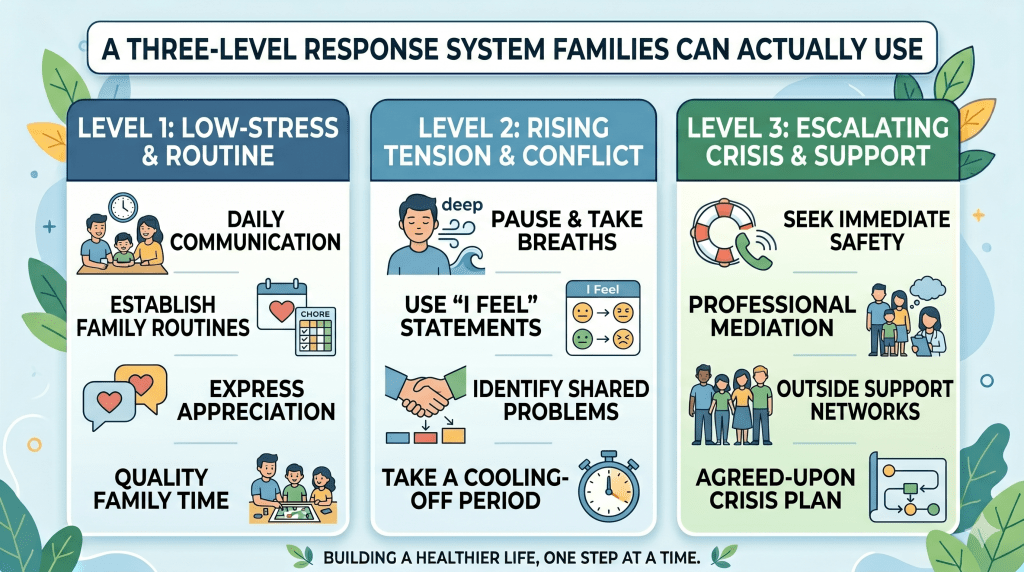
Once you have sorted the week into categories, decide what level of response makes sense.
Level 1: Watch Closely
Use this when the change is new, mild, or inconsistent.
Examples:
- a few mentions of poor sleep
- one skipped errand
- slight decrease in energy
- a mildly flatter mood for several days
What to do:
- keep daily check-ins consistent
- ask one or two more specific questions next week
- do not overwhelm them with solutions yet
- compare against their usual baseline
This level is about observation with intention.
Level 2: Make a Small Support Change
Use this when a pattern is clear, but not urgent.
Examples:
- repeated skipped meals
- low energy for over a week
- repeated confusion about medication times
- more isolation and loss of motivation
- increased difficulty with chores or errands
What to do:
- introduce one support at a time
- make the change practical, not dramatic
- frame support as making life easier, not taking over
Examples of useful small changes:
- grocery delivery or prepared meals
- a larger-print medication list
- weekly pill setup help
- brighter lighting in a hallway
- a standing family call after lunch
- ride support for appointments
- a simple hydration reminder routine
This is the most important level because it is where early action can preserve independence.
Level 3: Escalate Promptly
Use this when there is a safety issue, a sharp decline, or multiple concerns at once.
Examples:
- sudden confusion
- multiple missed medications
- significant weakness or dizziness
- not eating for an extended period
- near-falls or unexplained bruising
- signs of dehydration
- abrupt change in mood or behavior
- inability to manage basic daily tasks safely
What to do:
- contact their doctor or appropriate healthcare professional
- document specific examples from the week
- involve key family members quickly
- prioritize immediate safety over comfort with the routine
The most helpful thing here is specificity. Instead of saying, “Mom seems off,” say, “Over the last seven days she skipped meals repeatedly, sounded dizzy twice, and became confused about her medications.” Concrete observations support better medical conversations and better family decisions. That is exactly why structured caregiver tracking and care planning are recommended by trusted aging resources.
How To Talk About Patterns Without Making Your Parent Feel Watched

Even when your concern is valid, delivery matters. Older adults are far more likely to engage when they feel respected.
Try these approaches:
Use patterns, not judgments
Say:
- “I noticed this came up a few times this week.”
- “You’ve mentioned being tired several days in a row.”
- “It sounds like meals have felt harder lately.”
Avoid:
- “You’re not taking care of yourself.”
- “You always forget.”
- “You can’t manage this anymore.”
Patterns sound observational. Judgments sound threatening.
Focus on ease, safety, and dignity
Most older adults do not want to feel managed. But many are open to solutions that reduce hassle.
Try:
- “What would make this easier?”
- “Would it help if we simplified this part?”
- “Let’s make this less tiring, not more complicated.”
That keeps the conversation collaborative.
Solve one problem at a time
Families sometimes bring up food, memory, mobility, pills, loneliness, and housekeeping all in one conversation. That usually leads to resistance.
Choose the issue with the highest impact and the lowest friction.
For example:
- If meals are slipping, start with food support.
- If medication confusion is growing, solve that first.
- If isolation is the main issue, build more connection before pushing other changes.
Strategic caregiving is often about sequencing, not intensity.
A Weekly Review Template Readers Can Start Using Right Away

A useful weekly review can be done in 10 to 15 minutes. Keep it simple.
Ask these seven questions every week:
- What sounded normal this week?
- What came up more than once?
- What felt harder for them than usual?
- What daily task seems less reliable right now?
- Did mood improve, worsen, or stay flat?
- Is there any sign of rising safety risk?
- What is one helpful action to take this week?
That final question matters most. End every review with one next step.
Not five. Not ten. One.
Examples:
- schedule a medication review
- arrange meal help
- ask about dizziness
- set up a grocery system
- talk to siblings about sharing support
- book a doctor visit
- increase check-ins temporarily
A weekly review only becomes useful when it leads to one concrete move.
The Real Goal: Earlier Support, Not More Control
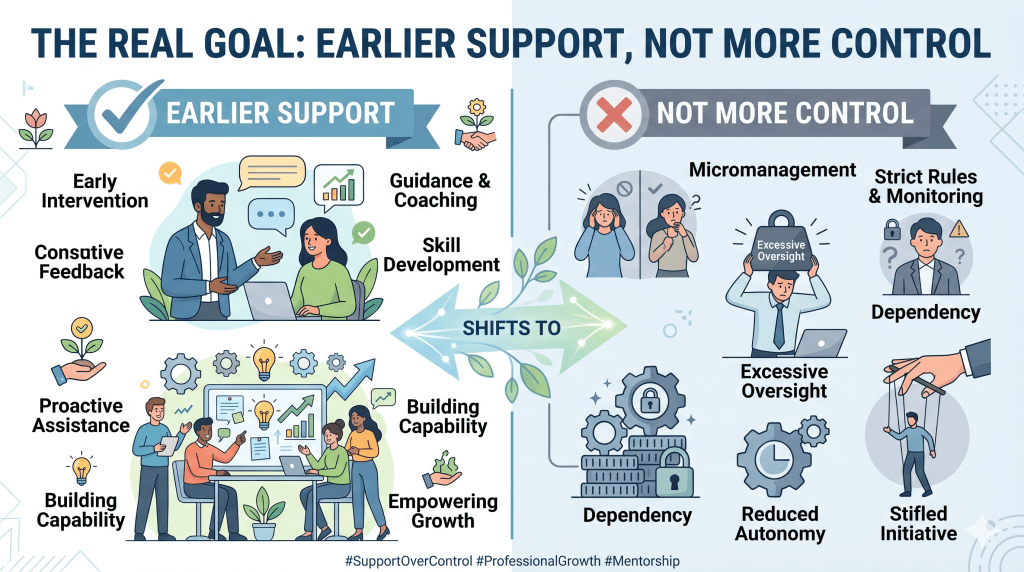
The deepest value of reviewing daily check-ins is not surveillance. It is preservation.
When families notice patterns early, they can often address small problems while the older adult is still able to participate in decisions, preferences, and routines. That is the ideal moment for support. Not after a preventable fall. Not after severe weight loss. Not after medication mistakes pile up. Not after isolation becomes a crisis.
Early support protects autonomy.
That is why this kind of review is so powerful. It helps families move from vague concern to thoughtful action. It also helps older adults stay safer, more comfortable, and more independent for longer.
And just as importantly, it helps you respond with less panic and more clarity.
You do not need to know everything. You just need to notice what is repeating, understand what category it belongs in, and choose the next right step.
That is what a strong weekly review is really for.
How to Build a Weekly Review Habit That Actually Helps Over Time
Spotting patterns is important. Acting on them is even more important. But there is one more piece that often gets overlooked: consistency.
Many families begin daily check-ins with good intentions. They call regularly, ask the right questions, and try to stay involved. For a while, things feel manageable. Then life gets busy. One week is rushed. Notes are not written down. Details blur together. A concern that seemed small gets forgotten. Someone assumes another family member is handling it. The older adult says, “I’m fine,” and no one wants to push. Before long, the value of those check-ins starts slipping away.
This is why a weekly review should not just be something you do when you are worried. It should become a light, repeatable habit. A dependable rhythm. Something simple enough to continue during normal weeks, but structured enough to help you catch changes when they begin.
For older adults, especially those who are aging independently, the biggest risks often develop gradually. A drop in appetite, more trouble keeping track of medication, less confidence leaving the house, more hesitation in conversation, a growing sense of loneliness, or reduced follow-through with daily tasks may not stand out on a single day. But they do stand out when someone reflects weekly in an organized way. Caregiver guidance from the National Institute on Aging encourages using structured planning tools and routine observation because ongoing caregiving decisions become easier when information is tracked clearly instead of remembered vaguely.
A weekly review habit does not need to feel clinical. It does not need to turn your relationship into a checklist. And it does not need to be time-consuming. In fact, the best systems are the ones that feel human, respectful, and realistic enough to keep using for months, not just days.
The goal is simple: make sure daily check-ins lead to steady insight, better support, and fewer preventable problems.
Why Good Intentions Are Not Enough
Families often assume that if they are talking often, they are already “keeping up.” But regular contact and effective review are not the same thing.
You can speak to someone every day and still miss the trend.
That happens for a few common reasons.
Familiarity can make change harder to detect
When you hear from someone often, slow changes can start to feel normal. A parent who sounds slightly more tired each week may not trigger alarm because the difference is gradual. The mind adjusts. What would seem clearly different to an outsider can feel subtle to a close family member.
This is one reason why deliberate weekly reflection matters. It helps you step back from the day-to-day flow and ask, “Compared to two weeks ago, are things actually the same?”
Emotional closeness can blur judgment
Caregivers and adult children often carry emotion into these conversations, and that is natural. Sometimes concern makes every small issue feel urgent. Other times love makes us downplay what we do not want to be true.
A short weekly review creates enough structure to reduce emotional guesswork. It gives you something better than a vague feeling. It gives you examples, frequency, and direction.
Memory is not a reliable tracking system
Most people think they will remember the important things. Usually, they do not. Not because they are careless, but because life is full.
A comment like “I nearly lost my balance getting out of bed” can seem memorable in the moment. But a few days later, you may only recall that “something seemed off.” And that is exactly how useful details disappear.
A sustainable weekly review habit protects against that. It turns loose impressions into usable information.
What a Sustainable Weekly Review Really Looks Like
A strong review process should feel light enough to maintain and strong enough to be useful.
It does not require long reports, constant worry, or highly detailed tracking every single day.
It does require four things:
- a fixed review time
- a simple structure
- a small place to record observations
- a clear next step each week
That is all.
When those four elements are in place, your check-ins become far more valuable.
Choose a review day and keep it consistent
The easiest way to lose momentum is to review “whenever there is time.” That usually means it gets delayed until concern becomes urgent.
Instead, choose one day each week for your review. It can be Sunday evening, Monday morning, Friday afternoon, or any time that reliably works for you. What matters is repetition.
A fixed review day helps in three ways:
First, it creates a rhythm. You stop having to decide each week whether to do it.
Second, it helps you compare weeks more clearly.
Third, it reduces mental burden. The review becomes part of the routine, not another decision.
For families sharing caregiving responsibilities, consistency is even more important. A predictable day gives everyone a chance to contribute or stay informed.
Keep the review short on purpose
The best weekly reviews usually take 10 to 20 minutes. That may sound too short to be useful, but shorter is often better.
A brief review is more likely to happen. A review that requires too much writing, too much analysis, or too much emotional energy tends to collapse after a few weeks.
The purpose is not to produce a full record of everything said. The purpose is to ask the right questions consistently enough that changes become easier to see.
Use the same categories every week
When people review without categories, they tend to focus only on the most dramatic moment of the week. But the most dramatic moment is not always the most important trend.
Use the same review areas every week, such as:
- physical energy and strength
- eating and hydration
- mood and social engagement
- memory and follow-through
- home safety and daily functioning
When these categories stay the same, your thinking gets clearer over time. You start noticing not just isolated events, but shifts in patterns.
A Simple Weekly Review Template Families Can Reuse
Here is a practical format that works well for most readers.
Part 1: What stayed steady?
Begin by asking what looked normal.
This matters because caregiving should not become a search for problems only. Older adults deserve to be seen in a full and balanced way. Starting with stability also prevents panic-based interpretation.
You might note:
- she sounded warm and engaged on most calls
- appetite was normal early in the week
- no medication confusion mentioned
- he kept his walking routine
- she sounded more like herself by Thursday
This gives you a baseline of what is still working.
Part 2: What repeated?
Now ask what came up more than once.
This is the most important part of the review. Repetition is what turns an isolated comment into something meaningful.
Examples:
- mentioned poor sleep three times
- said cooking felt tiring on several days
- brought up dizziness twice
- avoided going out all week
- sounded more forgetful in two conversations
- seemed less interested in talking than usual
This part should stay factual. Do not interpret too early. Just identify the repeats.
Part 3: What got harder?
Next, ask which parts of everyday life seemed more difficult.
This may include:
- preparing meals
- remembering schedules
- climbing stairs
- hearing on the phone
- paying attention in conversation
- taking medicine on time
- leaving the house confidently
- handling errands
This section matters because older adults often describe change through difficulty rather than diagnosis. They may not say, “I am declining.” They may say, “It just feels like a lot today.”
That sentence deserves attention.
Part 4: What matters most right now?
Not every pattern deserves the same level of response.
At this stage, choose the issue that currently has the greatest impact on health, safety, independence, or emotional well-being.
For one person, that may be skipped meals.
For another, it may be growing isolation.
For someone else, it may be confusion about medication or fear of falling.
Choosing one priority each week keeps your support focused and realistic.
Part 5: What is the next best action?
End the review with one action.
Examples:
- ask more directly about hydration this week
- set up grocery delivery
- schedule a doctor appointment
- start a family medication check routine
- encourage one social outing or visitor
- review lighting and fall risks at home
- ask a sibling to share check-in duties
This is what turns review into support.
Without a next step, a weekly review becomes reflection only. With a next step, it becomes care.
How to Document Without Turning the Relationship Into a Report
One common concern is this: “I do not want to start writing everything down and make it feel impersonal.”
That concern is understandable. No one wants their loved one to feel monitored.
The answer is not to avoid documentation. The answer is to document lightly and respectfully.
Write short notes, not transcripts
You do not need to record full conversations. A few brief notes are enough.
Good examples:
- Tue: sounded tired, skipped lunch
- Wed: normal mood, went out for groceries
- Thu: repeated concern about pills
- Fri: seemed lonely, said house feels quiet
- Sat: better energy, but no appetite
These notes are short, readable, and useful.
Capture direct phrases when they matter
Sometimes the exact words someone uses are important.
For example:
- “I just don’t feel hungry lately.”
- “I get nervous going down the steps.”
- “It’s hard to keep track of all these pills.”
- “I’m too tired to bother cooking.”
Direct phrases help preserve meaning. They are especially useful when a pattern may need to be discussed with a doctor, caregiver, or family member later.
Focus on function, not criticism
Document what seems harder, less frequent, or less reliable. Avoid judgmental language.
Better:
- needed more reminders this week
- sounded less confident walking outside
- did not mention seeing friends at all
Avoid:
- becoming careless
- lazy about food
- no longer managing properly
The first style helps. The second style hardens assumptions.
How Seniors and Older Adults Can Use This Process Themselves
This kind of weekly review is not only for adult children or caregivers. It can also be very useful for older adults who want to stay more aware of their own routines and well-being.
That matters because many seniors want support without losing control. A self-review approach can make the process feel more empowering.
An older adult can ask themselves each week:
- What felt easy this week?
- What felt more tiring?
- Did I eat and drink well enough?
- Did I keep up with medications and appointments?
- Did I feel connected to people?
- Was there anything I avoided because it felt difficult?
- What would make next week easier?
This kind of reflection supports independence rather than threatening it.
It can also improve communication with family. Instead of being asked broad questions like “How are you?” an older adult may be able to say, “This week I noticed I’m getting tired earlier,” or “I’m fine overall, but groceries are becoming more of a chore.”
That level of specificity makes help feel more practical and less intrusive.
How to Involve Family Without Creating Confusion
Many caregiving situations involve more than one person. Siblings, spouses, neighbors, or family friends may all be checking in to some extent. That can be helpful, but only if the communication is clear.
Without structure, shared caregiving often creates three problems:
- duplicated effort
- false reassurance
- missed responsibility
One person assumes another is tracking the issue. Another thinks things are improving because one conversation sounded good. Important details remain scattered.
A weekly review habit can solve this.
Assign one person to hold the weekly overview
Even if several people help, one person should be responsible for keeping the main picture in view.
That does not mean doing all the work. It means gathering observations, summarizing what repeated, and making sure the next action is clear.
This reduces confusion and prevents patterns from getting lost in separate conversations.
Share observations, not opinions first
When updating family members, begin with what was observed.
For example:
- Dad mentioned dizziness twice this week.
- He skipped cooking on three days.
- He sounded less steady about his medication schedule.
Then discuss interpretation.
This keeps family discussions calmer and more productive. People respond better to specifics than to emotionally loaded summaries like “I’m really worried” or “I think he’s getting much worse.”
Keep the family response proportional
Not every concern needs a big family meeting. Not every shift needs urgent intervention.
Some weeks require only closer monitoring. Other weeks call for a practical support change. Only some situations require immediate escalation.
A weekly review system helps families match their response to the actual pattern instead of reacting to fear alone.
How to Avoid the Most Common Weekly Review Mistakes
Even good systems can become less useful if certain habits creep in.
Mistake 1: Looking only for dramatic warning signs
Many people think they are being attentive because they are watching for emergencies. But early-stage decline rarely arrives dramatically. It usually arrives quietly.
Notice inconvenience. Notice hesitation. Notice inconsistency. Those are often the first signs that support is needed.
Mistake 2: Ignoring improvements
A review should also capture what gets better.
If appetite improved after a grocery change, note that.
If mood lifted after more social contact, note that.
If a new medication routine reduced confusion, note that.
Improvement tells you what is helping. That is just as valuable as identifying what is wrong.
Mistake 3: Taking over too quickly
Some families notice a pattern and immediately start fixing everything.
That can create resistance, especially when the older adult still wants agency. A better approach is to make the smallest helpful change first.
Start with support, not control.
Mistake 4: Waiting too long because the pattern is “not serious enough”
The opposite mistake is delay.
A pattern does not need to be dramatic before it matters. Repeated skipped meals, reduced mobility, worsening fatigue, or increased isolation may not look urgent on paper, but they deserve timely attention because they often grow into larger problems.
Mistake 5: Failing to connect weekly review to action
The review is not the finish line. It is the decision point.
If each week ends with no adjustment, no follow-up, and no clearer focus, then useful information is being gathered but not used.
Making the Weekly Review Feel Caring, Not Clinical
The success of this habit depends partly on tone.
Older adults are far more likely to stay open when they feel that check-ins are about support, connection, and dignity rather than surveillance.
Here are a few ways to keep the process humane:
- stay curious instead of corrective
- ask open questions before offering solutions
- respect the difference between preference and risk
- give credit for what they are still managing well
- use patterns to support conversation, not to win arguments
For example, instead of saying, “You have not been eating properly,” try:
“You’ve mentioned food feeling like a lot of effort this week. What part feels hardest right now?”
Instead of:
“You keep forgetting your medication.”
Try:
“It sounds like the medicine schedule has been annoying lately. Would it help to simplify it somehow?”
This matters because older adults often accept support more easily when it feels collaborative.
The Long-Term Benefit of Doing This Well
When families maintain a weekly review habit, they often notice a shift over time.
They become less reactive.
They communicate more clearly.
They stop relying only on instinct.
They become better at seeing what is changing and what is still strong.
And most importantly, they can intervene earlier and more thoughtfully.
That early action often protects quality of life.
It may mean solving meal problems before weight loss becomes serious.
It may mean addressing mobility concerns before a fall happens.
It may mean recognizing loneliness before it deepens into isolation.
It may mean adjusting support while the older adult can still take part in the decision.
That is the true strength of a weekly review habit. It does not simply help you notice decline. It helps you preserve stability.
And that is a far more hopeful goal.
The purpose of this practice is not to search for everything that might go wrong. It is to stay close enough, thoughtful enough, and organized enough that everyday life becomes easier to support.
That is what makes daily check-ins valuable.
And that is what makes the weekly review worth doing.
How to Handle Gray Areas, Mixed Signals, and Difficult Weeks Without Overreacting
One of the hardest parts of caring for an aging parent or older loved one is this: not every week gives you a clear answer.
Some weeks are easy to interpret. A repeated complaint, a visible decline, or a practical problem stands out quickly. But many weeks are messier than that. One day your parent sounds cheerful and independent. The next day they seem tired, forgetful, or withdrawn. They may insist everything is fine, even when your instincts tell you something is changing. You might hear a concerning detail on Tuesday, then nothing unusual on Wednesday. By the end of the week, you are left wondering whether you are noticing a real pattern or simply reacting to an off day.
This is where many adult children, caregivers, and family members get stuck. Not because they do not care, but because uncertainty is exhausting. It can make you second-guess your judgment, delay action, or swing too far in the other direction and respond too intensely. Neither extreme is helpful. If you dismiss every small concern, you may miss the beginning of a real issue. If you treat every unclear signal as an emergency, you can create stress, resistance, and unnecessary tension.
A more practical approach is to accept that some of the most important caregiving decisions happen in the gray area. Not in crisis. Not in total certainty. In the middle.
That means your weekly review should do more than help you notice what changed. It should help you stay steady when the picture is incomplete. It should help you ask better questions, choose proportionate next steps, and respond with both care and restraint.
For seniors and older adults, life rarely changes in a straight line. Energy can fluctuate. Appetite can vary. Mood can shift with sleep, pain, loneliness, weather, medication, and routine disruptions. One low-energy day may mean very little. A cluster of low-energy days, paired with less interest in meals and more withdrawal from normal activities, means something very different. The challenge is not just noticing individual changes. It is learning how to interpret uneven weeks without losing clarity.
That is what this section is for.
Why Gray Areas Feel So Hard for Families
When you care deeply about someone, uncertainty rarely feels neutral. It usually feels personal.
You may think:
- “What if I am missing something important?”
- “What if I am worrying too much?”
- “What if I push too hard and damage trust?”
- “What if I stay quiet and regret it later?”
These thoughts are common because caregiving is not a purely practical role. It is emotional. History, family dynamics, guilt, distance, and responsibility all shape how people interpret what they see.
Love can make it harder to judge change clearly
When you know someone well, you often notice small changes before anyone else. That is a strength. But closeness also creates bias.
You may minimize issues because you do not want them to be true. Or you may become hyper-alert because you have seen decline before and do not want to repeat a past mistake. Both reactions are understandable. Neither one is a reliable decision-making system.
A weekly review helps because it gives shape to what would otherwise stay emotional and vague. It turns “I feel worried” into “This came up three times, and daily functioning seems harder than last week.”
Mixed signals create false reassurance
Families often feel calmer after one “good day.” A parent sounds upbeat, says they slept better, mentions cooking dinner, or seems more engaged on the phone. That improvement matters, but it does not automatically erase the rest of the week.
The opposite also happens. A single concerning conversation can overshadow a mostly stable week.
The wiser move is to resist the urge to let one conversation define everything. Weekly review is valuable precisely because it protects you from over-weighting the loudest moment.
Older adults may protect family members from concern
Many seniors and older adults do not hide problems out of dishonesty. They do it out of love, pride, privacy, habit, or a desire to remain independent. They may downplay symptoms, joke about difficulties, or give short reassuring answers because they do not want to alarm anyone.
This means the gray area is often real. You are not imagining it. A loved one may be giving partial information because they are still trying to understand the change themselves.
That is why your role is not to interrogate. It is to notice gently, compare carefully, and support respectfully.
The Difference Between Normal Variation and Meaningful Change
One of the most useful caregiving skills is learning to distinguish ordinary fluctuation from a trend that deserves action.
Not every change is a problem. But some changes are only visible because they repeat in slightly different forms.
A normal variation is usually short-lived and self-correcting
Examples:
- one poor night of sleep followed by a normal day
- one missed meal with no ongoing appetite issue
- a temporary bad mood after an upsetting event
- a day of fatigue after a busy outing
- occasional forgetfulness with no disruption to routines
These shifts may be worth noting, but they often settle without intervention.
A meaningful change usually affects function, consistency, or confidence
Examples:
- poor sleep on multiple nights that affects appetite and energy
- repeated hesitation about cooking, showering, or leaving the house
- more frequent confusion around appointments or medications
- reduced interest in talking, socializing, or routine activities
- increasing comments that suggest discouragement, fear, or overwhelm
Meaningful change rarely announces itself dramatically. More often, it appears as repeated friction in everyday life.
A useful question is:
Is this making ordinary life harder than it was recently?
That question is often more helpful than asking whether a symptom sounds “serious enough.”
How to Read a Difficult Week More Accurately
When a week feels confusing, use a simple filter. Instead of asking “Is something wrong?” ask four smaller questions.
1. Is the issue repeating?
Repetition matters more than intensity alone.
A parent who casually mentions dizziness once may simply be tired or dehydrated that day. A parent who mentions feeling “a little off” three different times in a week deserves closer attention, even if none of those comments sounded dramatic on their own.
When something repeats, it has earned a place in your review.
2. Is the issue spreading into other areas?
This is one of the clearest signs that a change deserves more than observation.
For example:
- poor sleep becomes low appetite and low patience
- low energy becomes skipped errands and less movement
- forgetfulness becomes medication confusion and missed plans
- loneliness becomes less motivation, shorter calls, and less self-care
When one issue starts affecting multiple parts of daily life, the pattern is becoming more significant.
3. Is confidence changing?
Families often focus on behavior alone. But confidence is a powerful signal.
Listen for phrases like:
- “That feels like too much.”
- “I don’t really want to deal with that.”
- “I’m not sure I can manage it.”
- “I’d rather just stay home.”
- “I get nervous doing that now.”
A drop in confidence often appears before a major functional decline. If someone is becoming less sure of themselves with stairs, errands, medications, cooking, or social interactions, that deserves attention even before a clear failure happens.
4. Is recovery getting slower?
Everyone has off days. What matters is whether they bounce back.
If your parent seems tired one day but sounds fully like themselves the next day, that is different from a week where energy, interest, or clarity never quite return to baseline.
Recovery time matters. Slower recovery often means the issue is no longer isolated.
When the Problem Is Not One Big Thing, but Several Small Things
Some of the most important weekly reviews do not reveal one obvious issue. Instead, they show a cluster of smaller changes that may not seem urgent individually.
For example:
- a little less appetite
- a little more tiredness
- a little more forgetfulness
- a little less enthusiasm
- a little more avoidance of chores or errands
Each of these alone might be dismissed. Together, they tell a story.
Clusters matter because older adults often experience change in layers. A practical difficulty can affect mood. Low mood can affect eating. Reduced eating can affect strength. Lower strength can reduce mobility and confidence. What begins as one manageable issue can gradually touch many parts of life.
This is why your weekly review should always include a final question:
What changed together this week?
That question helps you catch emerging patterns earlier.
What To Do When Your Parent Says “I’m Fine,” but the Pattern Says Otherwise
This is one of the most common and emotionally difficult caregiving situations.
You hear repeated warning signs, but when you bring them up, your parent says:
- “I’m fine.”
- “You worry too much.”
- “It’s nothing.”
- “I’m just getting older.”
- “I don’t need help.”
In many families, this creates a frustrating loop. The adult child feels dismissed. The parent feels pressured. Nothing gets resolved.
A better strategy is to stop trying to win the argument and start lowering the friction.
Do not argue with the reassurance directly
If someone says they are fine, saying “No, you are not” almost never leads anywhere good.
Instead, respond to the specific pattern.
Try:
- “I hear you. I just noticed meals have sounded harder this week.”
- “I understand. I also noticed you mentioned being tired several days in a row.”
- “You may be right. I’d still like to make this part a little easier.”
This keeps the conversation grounded in care rather than control.
Offer support in the smallest acceptable form
People are more likely to accept small support than broad interventions.
Instead of:
- “You need more help.”
- “You can’t keep doing this.”
- “We need to make changes right away.”
Try:
- “Would it help if I handled grocery delivery this week?”
- “Would it be useful to simplify the pill routine?”
- “What would make this one part easier?”
That reduces resistance while still moving the situation forward.
Respect identity, not just need
Older adults often resist help because it feels symbolic. Help may sound like dependency, loss of privacy, or loss of competence. That is why tone matters.
Frame support as:
- reducing hassle
- preserving energy
- protecting independence
- making routines smoother
- keeping them in charge
The more support feels like a tool rather than a takeover, the more likely it is to work.
How to Avoid Overreacting Without Becoming Passive
Many caregivers are told not to panic. That is good advice, but incomplete. The real goal is not to stay passive. It is to respond proportionately.
Here is a useful mental model:
Observe calmly
Do not rush to interpret every signal in the moment.
Compare carefully
Ask whether the concern is repeating, spreading, or affecting function.
Respond lightly at first
Introduce the smallest useful support when the pattern is present but not urgent.
Escalate when the pattern earns it
Act more directly when the issue becomes persistent, multi-layered, or safety-related.
This approach protects both relationships and decision quality.
It also helps you avoid two common mistakes:
- waiting for certainty that may come too late
- acting so strongly, so early, that the older adult begins resisting even reasonable help
How to Handle Weeks When You and Other Family Members Disagree
Caregiving often becomes more difficult when siblings or relatives interpret the same situation differently.
One person says:
- “This is a real problem.”
Another says:
- “You’re reading too much into it.”
Another says:
- “Dad has always been like this.”
Disagreement is common because not everyone sees the same moments, and not everyone has the same tolerance for uncertainty.
The solution is not to argue from emotion. It is to bring the discussion back to concrete weekly patterns.
Share observations before conclusions
Start with:
- “She mentioned skipping meals three times this week.”
- “He sounded uncertain about his medication routine twice.”
- “She has stopped mentioning church, neighbors, or outings.”
- “He seems less confident about walking outside.”
Then ask:
- “What do you think this suggests?”
- “Do you think we should watch, support, or follow up?”
This creates a more useful conversation than:
- “I think something is seriously wrong.”
Focus on the next action, not total agreement
You do not need full agreement on the interpretation before taking a small practical step.
For example, even if family members disagree about whether appetite changes are serious, they may still agree to:
- arrange easier meals
- check hydration more closely
- ask about groceries
- review medication side effects
- watch patterns for one more week
Small actions build clarity.
When Uncertainty Itself Is the Signal
Sometimes the most important thing your weekly review reveals is not one specific issue. It is that things no longer feel predictable.
That matters.
If you find yourself saying:
- “I can’t quite explain it, but she doesn’t sound like herself.”
- “Nothing is dramatic, but several things feel off.”
- “He’s not exactly confused, but he’s not tracking the way he used to.”
- “I can’t point to one problem, but daily life sounds harder.”
Pay attention.
A loss of ease, steadiness, or predictability is often meaningful, even before a single clear explanation emerges.
In caregiving, uncertainty is not always a sign that there is no issue. Sometimes it is the first sign that a transition is underway.
That does not mean panic. It means closer observation, better questions, and thoughtful support.
Better Questions To Ask During a Gray Week
When the picture is unclear, broad questions are rarely enough.
Instead of:
- “How are you?”
- “Are you okay?”
- “Everything fine?”
Try more useful questions like:
- “What felt easy this week, and what felt more tiring?”
- “Did anything feel harder than usual at home?”
- “How have meals been going the last few days?”
- “Have you been feeling more tired, or just busy?”
- “What part of the day has felt most frustrating lately?”
- “Is there anything you’ve been putting off because it feels like too much?”
- “What would make next week run more smoothly?”
These questions are respectful, practical, and easier to answer honestly.
They also help seniors and older adults talk about lived experience rather than defending themselves against concern.
What a Good Response Looks Like in Real Life
When your weekly review reveals a gray-area concern, the best response is usually modest, specific, and easy to implement.
Here are examples.
If meals seem less reliable
Do not begin with a lecture about nutrition. Start with convenience.
- send prepared meals
- simplify shopping
- ask what foods feel easiest right now
- reduce effort before trying to increase motivation
If energy seems lower
Do not jump straight to major assumptions.
- ask when the tiredness shows up most
- notice whether sleep, hydration, or routine changed
- reduce unnecessary strain for a week
- see if the pattern continues or improves
If social withdrawal is growing
Do not frame it as a personality problem.
- add one meaningful touchpoint
- encourage one familiar activity
- focus on connection that feels easy, not demanding
If memory concerns are appearing
Do not argue about whether something was forgotten.
- simplify routines
- reduce the number of moving parts
- write things down more clearly
- watch whether the issue is occasional or disruptive
If confidence is dropping
Do not wait for an incident.
- make the environment easier
- offer practical backup
- talk about safety without dramatizing loss of independence
The point is not to solve everything at once. It is to reduce strain where the pattern is appearing.
A Calm Weekly Review Creates Better Long-Term Decisions
The families who manage caregiving best are not usually the ones who never worry. They are the ones who learn how to worry more usefully.
They do not ignore gray areas.
They do not let them become panic.
They turn them into better observation, better conversation, and better timing.
That is what a strong weekly review allows you to do.
It teaches you to:
- notice without rushing
- care without controlling
- respond without dramatizing
- act before small problems grow larger
That is especially valuable for aging parents and older adults who want support that still feels respectful and dignified.
In the end, caregiving is rarely about having perfect certainty. It is about building enough clarity that you can choose the next right step.
And very often, that next step is not dramatic. It is simply wise.
Conclusion
Trusting your instincts is the most powerful tool you have. That feeling that something is different is your cue to look closer. Your weekly review turns those feelings into a clear picture of your loved one’s well-being.
This process is an act of love. It helps you offer support that preserves dignity and independence. Understanding behavioral shifts allows for compassionate conversations.
Every family finds their own rhythm. Whether it’s a combined approach or simple daily calls, consistency is key. It helps you see beyond the “I’m fine” response.
Start your review today. Your attention makes a profound difference in the quality of life for your aging parent. You are their most important advocate.