

Does the hour of your call truly shape the story of your loved one’s day? For countless families, this simple question carries immense emotional weight. When miles separate you from aging parents, every phone call becomes a precious window into their world. You’re not just catching up; you’re quietly assessing, caring from a distance.

Many of us save our major visits for holidays. Thanksgiving and Christmas gatherings are joyful, but they can also be crucial opportunities to observe daily life. Research shows that seniors often hesitate to share struggles. They fear becoming a burden or losing their cherished independence. This makes the timing of our regular contact even more significant.

This article explores a gentle approach to connecting. We’ll help you understand whether a morning chat or an evening recap offers clearer insight into your family member’s wellbeing. It’s about turning routine calls into meaningful moments of support. Checking on the elderly is a common concern, and you are not alone in navigating this journey.

Key Takeaways

  • Regular connection is vital for monitoring the health and safety of senior family members.
  • The timing of your contact can reveal different aspects of a loved one’s daily life and mood.
  • Holiday visits are important opportunities to observe routines and living conditions firsthand.
  • Many older adults may hide concerns to maintain their sense of independence.
  • Establishing a consistent check-in routine can reduce anxiety for both caregivers and seniors.
  • Practical tools and a thoughtful approach can make long-distance caregiving more manageable.

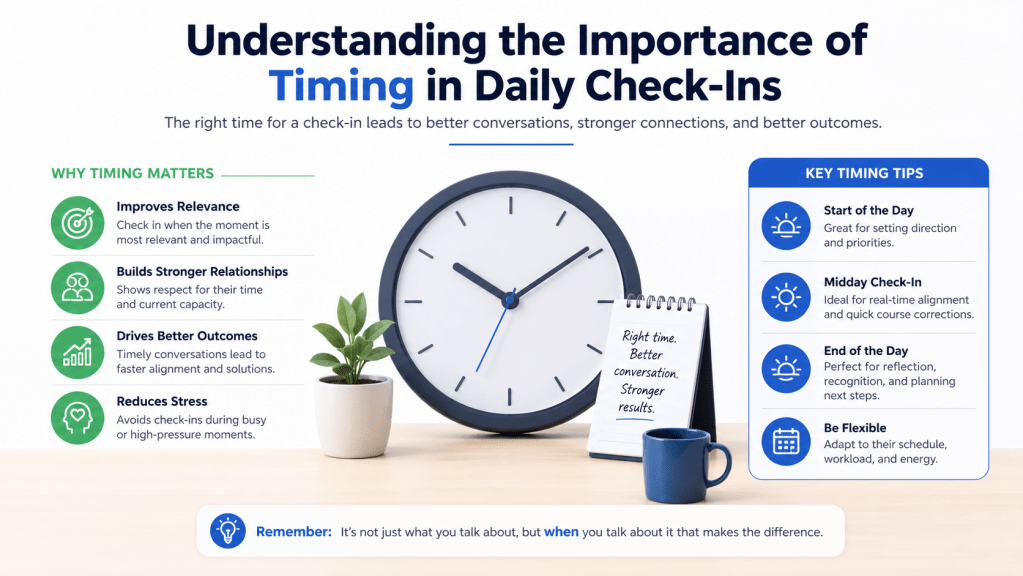
Understanding the Importance of Timing in Daily Check-Ins

Your observant eye during visits can reveal more than casual conversation ever could. The hour you connect matters because different signs become visible at various times. Morning interactions might show how someone starts their day. Evening chats can reveal fatigue or daily struggles.

Recognizing Changes in Home Environment and Health

Look around the living space with care. Notice if the home feels different than before. Is there spoiled food in the refrigerator? Are piles of laundry growing? These changes might signal that daily tasks are becoming challenging.

A warm, inviting home interior scene depicting a cozy living room for seniors, featuring a comfortable armchair and a small side table with a cup of tea. In the foreground, an elderly woman in modest casual clothing is seen engaging with a digital tablet, her expression showing curiosity and contentment. In the middle ground, a large window allows soft morning light to flood the room, casting gentle shadows. A clock on the wall indicates it’s morning time. In the background, family photographs and plants add personal touches, suggesting a nurturing environment. The overall atmosphere is calm and uplifting, showcasing the importance of a supportive home for seniors during daily check-ins.

Safety issues in the house need attention. Look for tripping hazards like loose rugs. Check for scorched pans on the stove. These signs suggest help with meal preparation might be needed. A good daily wellness check includes observing these details.

Identifying Signs of Cognitive and Behavioral Shifts

Memory loss that goes beyond normal forgetfulness warrants attention. If your family member seems confused about common household objects, take note. Behavioral changes can also be important signs.

A once-patient person becoming easily irritated might indicate underlying health concerns. These shifts often follow patterns. They might be more noticeable during certain times of day. The Alzheimer’s Association offers guidance on tracking these patterns.

Remember, being observant shows you care. It helps you create a meaningful support system for your loved one’s journey with aging.

Best Time to Check on Elderly Parents: Morning or Evening?

When you reach out matters because each moment tells a distinct story about wellbeing. Your connection rhythm reveals different aspects of daily care needs.

Consider your family member’s unique patterns. Some thrive in morning light while others share more during evening quiet.

A cozy living room scene split into two distinct sections: on the left, a bright and cheerful morning setting with sunlight streaming through a large window, illuminating a smiling elderly woman in modest casual clothing enjoying breakfast with her adult child, who is dressed in professional business attire. On the right, an inviting evening atmosphere with warm, soft lighting, where the same elderly woman is calmly watching television with her adult child, now in more relaxed attire. The contrast emphasizes the morning and evening check-ins, with details like a clock showing the time in each section. The overall mood should convey warmth, care, and connection, highlighting the nurturing relationship between seniors and their caregivers.

Evaluating the Benefits of Morning Check-Ins

Early connections show how your aging parents begin their day. You can observe medication routines and breakfast habits.

Morning reveals overnight concerns. It helps spot confusion or self-care struggles that might fade by afternoon.

Assessing the Advantages of Evening Visits

Evening contact shows how well your elderly parents managed throughout the day. You see meal preparation success and accumulated fatigue.

This timing works well for working family members. It fits naturally after their own daily responsibilities.

Comparing Effects on Mood and Daily Routines

Mood often changes throughout the day. Some experience “sundowning” with increased confusion later.

Consistency matters most. Regular contact at the same hour helps track patterns over weeks.

AspectMorning ContactEvening Contact
Energy LevelsObserve starting vitalityAssess daily fatigue
Medication RoutineMonitor morning dosesCheck evening compliance
Meal PatternsBreakfast habitsDinner preparation
Cognitive FunctionMorning clarityEvening confusion risks
Practical for CaregiversBefore work scheduleAfter daily commitments

The ideal approach depends on individual circumstances. Consider scheduling home visits that match specific health concerns.

For consistent support, AI companion technology can maintain daily connections between personal visits.

How to Choose the Right Check-In Time Based on Your Loved One’s Real-Life Needs

Choosing between a morning and evening check-in should not be treated like a fixed rule. For many seniors, the “best” time depends less on the clock and more on what the family is trying to understand, support, or prevent. A healthy, socially active older adult may only need a light emotional check-in. Someone recovering after hospitalization may need a more structured safety call. A senior with memory changes, medication concerns, poor appetite, loneliness, or fall risk may need a different rhythm altogether.

The most helpful approach is to match the check-in time to the senior’s actual daily vulnerabilities. In other words, ask: What are we trying to catch early? Once you know that, the right timing becomes much clearer.

Start With the Main Purpose of the Check-In

Before deciding on morning or evening, families should identify the primary reason for calling. A check-in can serve many purposes, but trying to cover everything in one conversation often makes the call feel heavy or intrusive.

For example, a morning call is often better when the goal is to confirm that the senior is awake, oriented, safe after the night, and ready for the day. It can gently reveal whether they slept well, took morning medication, ate breakfast, remembered an appointment, or feels unusually weak or confused.

An evening call is often better when the goal is to understand how the day went. It can reveal whether meals were eaten, energy lasted through the day, loneliness increased, pain worsened, or confusion appeared later in the afternoon.

A useful family exercise is to complete this sentence:

“The one thing we most need to know each day is whether Mom/Dad has…”

Examples may include:

“…taken morning medication safely.”

“…eaten enough during the day.”

“…had any dizziness, falls, or near-falls.”

“…felt lonely or anxious.”

“…made it through the day without confusion.”

“…followed the post-discharge care plan.”

Once the main concern is clear, the timing becomes more strategic.

Use Morning Check-Ins When the Day Needs a Safe Start

Morning check-ins work especially well when the senior’s biggest risks appear early in the day. This includes older adults who wake up stiff, dizzy, disoriented, dehydrated, or unsure about the day’s schedule.

For many seniors, the first hour after waking can set the tone for everything that follows. If they miss breakfast, skip medication, forget an appointment, or start the day feeling weak, the rest of the day can become harder. A short morning call can act as a calm reset.

A helpful morning check-in does not need to sound like a checklist. Instead of asking, “Did you take your medicine? Did you eat? Did you sleep?” all at once, use warm, natural questions.

Try:

“Good morning. How did you sleep last night?”

“What are you having for breakfast today?”

“What’s on your plan for today?”

“Are you feeling steady on your feet this morning?”

“Do you have any appointments or errands today?”

These questions are simple, but they reveal a lot. If the senior cannot recall the day, sounds unusually tired, has no plan for food, or mentions dizziness, the family can respond early instead of discovering the problem at night.

Morning calls are also useful after medication changes. Many older adults take important prescriptions early in the day. If the family is worried about missed doses or double dosing, morning may be the best time to reinforce the routine gently.

The key is to avoid sounding like a supervisor. Seniors are more likely to accept a morning check-in when it feels like companionship, not inspection. Keep the tone light, respectful, and steady.

Use Evening Check-Ins When the Main Concern Is Fatigue, Food, Mood, or Loneliness

Evening check-ins are often more revealing when families want to understand how well the senior managed the full day. Some older adults sound fine in the morning but become tired, anxious, lonely, or confused by late afternoon or evening.

An evening call can uncover issues that a morning call may miss. Did they eat lunch and dinner? Did they leave the house safely? Did they feel too tired to bathe, cook, or clean? Did they spend the whole day alone? Did pain increase? Did they become confused after sunset?

This timing is especially helpful for seniors who tend to minimize problems. In the morning, they may say, “I’m fine,” because the day has not challenged them yet. By evening, the truth may be easier to hear in their voice.

Good evening questions include:

“How did your day go?”

“What was the best part of today?”

“What did you have for lunch or dinner?”

“Did anything feel harder than usual today?”

“Are you feeling settled for the night?”

“Do you have everything you need before bedtime?”

Evening check-ins can also provide emotional comfort. Many seniors feel more lonely at night, especially after dinner when the house becomes quiet. A predictable evening call can give them something to look forward to and help them end the day feeling remembered.

However, evening calls should not become stressful. Avoid raising complicated topics late at night, such as finances, moving, legal planning, or family disagreements. If the goal is emotional reassurance, keep the conversation calm and supportive.

Consider a Split Check-In for Higher-Risk Situations

Some seniors may benefit from both a morning and evening touchpoint, but that does not mean two long calls every day. A split check-in can be simple and low-pressure.

For example, the morning check-in may be a quick safety confirmation:

“Good morning. Just wanted to hear your voice and see how you’re starting the day.”

The evening check-in can be more reflective:

“How did everything go today?”

This approach works well during temporary high-risk periods, such as:

After a hospital discharge

After a fall

After a new diagnosis

After a medication change

During illness

During grief or emotional distress

When a caregiver is away

When the senior has started living alone

The goal is not to make the senior feel watched. The goal is to create a safety net during a vulnerable period. Families can explain it kindly:

“Let’s do this for two weeks while you’re getting back into your routine. After that, we can adjust.”

This makes the plan feel temporary, respectful, and collaborative.

Match the Call Time to the Senior’s Natural Energy Pattern

Not every senior has the same rhythm. Some older adults are bright and talkative in the morning. Others need time to wake up and prefer not to speak until later. Some enjoy evening conversations; others become tired or irritated after dinner.

Families should pay close attention to when the senior sounds most like themselves. The best check-in time is often the time when the conversation is easiest, not the time that is most convenient for the caregiver.

Ask:

When do they sound most alert?

When are they least rushed?

When do they seem most open to talking?

When do they become tired or short-tempered?

When are they most likely to answer the phone?

When does the call feel supportive rather than disruptive?

If a senior has always been a morning person, a morning check-in may feel natural. If they enjoy winding down with conversation, evening may work better. If they attend morning activities, therapy, religious services, or exercise classes, afternoon or early evening may be more practical.

The right time should support the senior’s dignity and routine. A check-in that constantly interrupts breakfast, bathing, prayer, therapy, or rest may create resistance over time.

Build a Weekly Pattern Instead of Guessing Every Day

Families often ask, “Should we call in the morning or evening?” A better question may be, “What pattern gives us the clearest picture over a full week?”

A senior’s needs can change from day to day. One call time may not show the whole story. For example, morning calls may reveal medication habits, while evening calls may reveal loneliness or fatigue. Instead of choosing only one forever, families can create a weekly rhythm.

For example:

Monday, Wednesday, Friday: morning check-ins

Tuesday, Thursday: evening check-ins

Saturday or Sunday: longer relaxed conversation

This rotating pattern can be especially useful when the senior is mostly independent but the family wants better insight. It avoids over-monitoring while still showing patterns across different parts of the day.

Families can also use a “primary plus backup” model. For example, the main check-in may happen every morning, but one evening call is added each week to understand mood, meals, and end-of-day fatigue.

This gives families more complete information without making every day feel clinical.

Use the “Change From Normal” Rule

The most important information from a check-in is not always what the senior says. It is whether something has changed from their normal pattern.

A senior who is naturally quiet in the morning may not be concerning. But if a usually cheerful parent suddenly sounds flat, confused, breathless, or unusually irritable, that matters.

Families should listen for changes in:

Voice strength

Mood

Memory

Word choice

Energy

Breathing

Patience

Interest in usual activities

Appetite

Confidence

Sense of time

A single unusual call does not always mean there is a serious problem. Everyone has off days. But repeated changes should be tracked.

For example:

If a parent sounds confused every evening, evening support may need to increase.

If they regularly skip breakfast, the morning routine may need adjustment.

If they become anxious before bedtime, they may need reassurance, a calming routine, or medical review.

If they sound tired after errands, the family may need to reduce the day’s demands.

This is where consistent timing helps. Calling at roughly the same time makes changes easier to notice.

Keep the Call Short Enough to Stay Welcome

A common mistake families make is turning every check-in into a long conversation. While connection is valuable, not every call needs to be deep. In fact, shorter calls are often easier to sustain.

A daily check-in can be effective in five minutes when it has a clear purpose.

A simple structure can be:

Warm greeting

One open-ended question

One practical safety question

One emotional connection point

Gentle close

For example:

“Good morning, Dad. How did you sleep? What’s your plan for breakfast? I hope your walk feels nice today. I’ll talk to you later.”

Or:

“Hi Mom, I wanted to hear how your day went. What did you have for dinner? Are you feeling settled for the night? I’m glad we got to talk.”

This kind of call feels human. It gives the family useful information without overwhelming the senior.

Longer conversations can happen once or twice a week. Daily calls should be easy to accept.

Create an Escalation Plan Before There Is a Crisis

A check-in routine is only useful if the family knows what to do when something feels wrong. Seniors and caregivers should agree on a simple escalation plan in advance.

For example, decide what happens if:

The senior does not answer

They sound confused or distressed

They mention a fall

They have not eaten

They missed medication

They report chest pain, shortness of breath, or sudden weakness

They seem unusually sleepy or disoriented

The plan might include calling again after 10 minutes, contacting a neighbor, calling another family member, reaching out to a doctor, or using emergency services when symptoms are urgent.

This plan should be written down and shared with trusted family members. It should include phone numbers for nearby relatives, neighbors, doctors, pharmacies, building managers, and emergency contacts.

The senior should know the plan too. This prevents them from feeling surprised or embarrassed if someone checks in after a missed call.

A gentle explanation helps:

“If you don’t answer, we won’t panic. We’ll just follow the plan we agreed on, so everyone stays calm.”

Respect Independence While Still Creating Safety

The best check-in routine protects safety without taking away control. Many seniors resist check-ins because they fear being treated like a child. Families should be careful with language.

Instead of saying:

“We need to monitor you.”

Say:

“We want to stay connected and make sure support is there if you ever need it.”

Instead of:

“You have to answer every morning.”

Say:

“What time feels easiest for you?”

Instead of:

“We’re worried you can’t manage.”

Say:

“This helps us worry less and helps you stay independent longer.”

This framing matters. A check-in should feel like a partnership. Seniors are more likely to cooperate when they have a voice in the schedule, the type of call, and the backup plan.

Give them choices:

Morning or evening?

Phone call or voice message?

Daily short call or rotating schedule?

Family member, friend, or service?

Weekday calls only or seven days a week?

Choice preserves dignity. And dignity makes routines last.

Review the Routine Every Month

A check-in schedule should not be permanent without review. Seniors’ needs change. A routine that worked after surgery may be too much three months later. A once-a-day call may become insufficient if memory, mobility, or mood changes.

Families should review the routine every month by asking:

Is this call time still working?

Is the senior answering comfortably?

Are we getting the information we need?

Are we noticing any patterns?

Is the call creating stress?

Do we need more support, less support, or a different time?

This review does not need to be formal. It can be a simple family conversation.

“Mom, we’ve been doing evening calls for a few weeks. Does this still feel okay for you, or would mornings be easier?”

This keeps the routine flexible and respectful.

The Best Check-In Time Is the One That Reveals What Matters Most

Morning and evening check-ins both have value. The best choice depends on the senior’s health, habits, risks, and emotional needs. Morning calls are often best for starting the day safely. Evening calls are often best for understanding how the day truly went. A rotating or split schedule may work better during higher-risk periods.

Families should avoid choosing based only on convenience. Instead, choose based on what needs to be noticed early, what kind of support the senior accepts, and when the conversation feels most natural.

A well-timed check-in does more than confirm safety. It builds trust. It protects independence. It gives families a clearer view of daily life. Most importantly, it reminds older adults that they are not alone, without making them feel managed.

Integrating AI-Powered Solutions for Easier Daily Check-Ins

Why the Way You Ask Matters

Many older adults value independence deeply. Even when they need support, they may not want to feel watched. Questions like “Did you take your medicine?” or “Did you eat properly?” may be well-intentioned, but repeated daily, they can sound parental.

A better approach is to ask questions that open conversation while still revealing useful information.

Instead of:

“Did you take your pills?”

Try:

“How did your morning routine go today?”

Instead of:

“Did you eat dinner?”

Try:

“What did you feel like having for dinner tonight?”

Instead of:

“Are you lonely?”

Try:

“Did you get to speak with anyone today?”

The goal is not to avoid practical questions. The goal is to ask them in a way that protects dignity.

A Gentle Morning Check-In Script

A morning call should help the senior start the day with confidence. Keep it calm, positive, and brief.

Sample script:

“Good morning, Mom. I just wanted to hear your voice before the day starts. How did you sleep? What are you planning for breakfast today? Is there anything on your schedule that you want help remembering?”

This script checks sleep, food, energy, and plans without sounding clinical.

You can adjust it based on need:

For medication support:
“Are you following your usual morning routine today?”

For fall risk:
“Are you feeling steady as you move around this morning?”

For appointments:
“What time are you heading out today?”

For emotional support:
“What would make today feel like a good day?”

A Calm Evening Check-In Script

An evening call should help the senior feel seen and settled. It is also useful for spotting fatigue, low mood, poor appetite, or confusion.

Sample script:

“Hi Dad, I wanted to check how your day went. What was the nicest part of today? Did anything feel harder than usual? Are you comfortable and settled for the night?”

This keeps the tone personal while still giving the family important clues.

You can adapt it:

For meals:
“What did you end up having for lunch or dinner?”

For mood:
“Did today feel peaceful, tiring, or somewhere in between?”

For loneliness:
“Did you get a chance to talk to anyone or step outside today?”

For bedtime safety:
“Do you have your phone, water, and anything else you need nearby?”

What to Say When They Sound “Off”

Sometimes a senior may answer the phone but sound different. They may seem confused, unusually tired, irritated, tearful, breathless, or vague.

Avoid panic in your voice. Start with gentle observation.

Try:

“You sound a little more tired than usual today. Is everything okay?”

“I may be wrong, but you sound a bit different tonight. How are you feeling?”

“You seem quieter than usual. Did something happen today?”

If the answer is unclear, ask one simple follow-up:

“Are you feeling safe right now?”

“Have you eaten today?”

“Did you have any dizziness, pain, or a fall?”

“Would you like me to call again in a little while?”

If something feels seriously wrong, follow the family’s escalation plan.

What to Say When They Resist Check-Ins

Resistance does not always mean the senior dislikes the family. It may mean they feel controlled, embarrassed, interrupted, or afraid of losing independence.

Avoid arguing. Reframe the purpose.

Instead of:

“You need these calls.”

Say:

“I know you manage a lot on your own. This is just a simple way for us to stay connected.”

Instead of:

“We worry about you.”

Say:

“Hearing your voice helps me feel close to you, especially when I can’t visit.”

Instead of:

“You must answer every day.”

Say:

“Let’s choose a time that feels comfortable for you.”

The more choice the senior has, the less the check-in feels like surveillance.

A Simple 5-Minute Structure

Families do not need long calls every day. A dependable five-minute call can be more useful than an occasional long conversation.

Use this structure:

Minute 1: Warm connection
“Good morning, I was thinking of you.”

Minute 2: Open question
“How are you feeling today?”

Minute 3: Practical cue
“What’s your plan for food, medicine, or appointments?”

Minute 4: Emotional cue
“What are you looking forward to today?” or “What was the best part of today?”

Minute 5: Gentle close
“I’m glad we spoke. I’ll check in again tomorrow.”

This keeps the call focused, kind, and sustainable.

Questions That Give Useful Answers

Some questions lead to automatic replies like “I’m fine.” Better questions invite detail.

Use:

“What did you do after breakfast?”

“What did you have to eat today?”

“Who did you speak with today?”

“What felt easy today?”

“What felt difficult today?”

“What are you planning to do next?”

“Is anything bothering you more than usual?”

These questions reveal memory, appetite, mood, mobility, social contact, and planning ability naturally.

Questions to Avoid Using Too Often

Some questions can make seniors defensive when repeated daily.

Avoid overusing:

“Did you fall?”

“Did you forget?”

“Did you take your medicine?”

“Are you sure?”

“Why didn’t you answer?”

“What’s wrong with you today?”

These may be necessary sometimes, but they should not define every call. Balance safety questions with warmth.

How to End the Call Well

The ending matters because it shapes how the senior feels after the call.

Good endings include:

“I’m glad I got to hear your voice.”

“That sounds like a good plan for the day.”

“Rest well tonight.”

“Call me anytime if you need me.”

“I’ll speak with you tomorrow.”

Avoid ending with worry-heavy comments like:

“Please don’t forget again.”

“Make sure nothing happens.”

“You really need to be careful.”

A calm ending helps the senior feel supported, not burdened.

Keep the Language Personal, Not Clinical

The best check-ins sound like family, not paperwork. Use the senior’s name. Mention small details. Ask about familiar routines, pets, neighbors, hobbies, prayers, shows, meals, plants, or walks.

For example:

“Did the jasmine plant bloom today?”

“Did you watch your favorite program?”

“Was the weather nice enough for your walk?”

“Did Mrs. Rao stop by?”

These details make the call feel caring and specific. They also help families notice changes without asking direct health questions every time.

What if technology could lend a helping hand when your busy schedule makes daily connections challenging? Many caregivers want consistent contact but struggle with limited hours. Modern tools now offer compassionate support without adding to your already full plate.

How to Build a Sustainable Check-In System That Works Even When Family Members Are Busy

A warm and inviting living room scene featuring a senior couple engaging with an AI-powered digital device for their daily check-in. In the foreground, a smart tablet on a coffee table displays a user-friendly interface with graphs and reminders. The middle layer shows the seniors, a man and a woman, dressed in modest casual clothing, smiling and interacting with the device. The background includes a cozy atmosphere with soft, natural lighting filtering through large windows, potted plants, and framed family photos on the walls. The overall mood is positive and serene, illustrating comfort and reassurance in daily communication through technology. The angle is slightly elevated, capturing both the users’ expressions and the tech interaction effectively.

Even with the best intentions, many families struggle to maintain consistent check-ins over time. Work schedules change, time zones differ, emergencies arise, and emotional fatigue can set in. What begins as a well-meaning daily routine can slowly become irregular—and that inconsistency is where gaps in safety often appear.

This section can be placed after the “Practical Check-In Scripts” section and before “Integrating AI-Powered Solutions for Easier Daily Check-Ins.” It acts as a bridge between manual family efforts and the eventual introduction of technology.

Why Consistency Matters More Than Frequency

Families often believe that more calls automatically mean better care. In reality, consistency is far more valuable than frequency. A predictable, reliable check-in—even once a day—is more effective than multiple irregular calls that the senior cannot anticipate.

Consistency creates:

A sense of emotional security (“Someone will call me at this time”)

A baseline for detecting changes in voice, mood, and cognition

A habit that becomes part of the senior’s daily rhythm

Reduced anxiety for family members who know exactly when they will connect

For example, a daily 9:00 AM call that always happens is more useful than random calls throughout the day. Over time, even small changes—like delayed answers or low energy—become easier to notice.

Step 1: Assign Clear Responsibility (Avoid the “Someone Will Call” Trap)

One of the biggest breakdowns in family care routines is unclear responsibility. When multiple family members assume someone else is calling, check-ins can be missed entirely.

To prevent this, assign clear ownership.

Instead of:

“We’ll all check in when we can.”

Use:

“Riya calls every morning.”
“Amit checks in every evening.”
“Sunday is a longer family call.”

If multiple siblings are involved, create a simple rotation:

Monday: Daughter
Tuesday: Son
Wednesday: Grandchild
Thursday: Daughter
Friday: Son

This ensures coverage without overloading one person.

The key is clarity. Every day should have a designated caller.

Step 2: Match the Schedule to Real-Life Constraints

A routine only works if it fits into real life. Families should build the check-in schedule around existing habits instead of forcing unrealistic timing.

For example:

If a daughter commutes at 8:30 AM, a 7:45 AM call may be ideal

If a son finishes work at 7 PM, an evening call at 7:30 PM may work better

If a grandchild is in school, weekend calls may be more practical

The goal is not perfection. The goal is sustainability.

Ask:

“When can I realistically do this every day without stress?”

If the routine feels like a burden, it will not last.

Step 3: Use Backup Systems for Missed Calls

Even the most disciplined routines will occasionally fail. Phones may be on silent, calls may be missed, or schedules may shift.

Families should create a simple backup plan.

For example:

If the primary caller cannot call, they send a message to the backup person

If the senior does not answer, call again after 10–15 minutes

If there is still no response, contact a neighbor or another family member

If something feels urgent, escalate to emergency contacts

This backup plan should be written down and shared among all involved.

It removes confusion and prevents overreaction.

Step 4: Keep a Light Tracking System (Without Making It Feel Clinical)

Tracking does not mean creating a medical chart. It simply means noticing patterns over time.

Families can use a simple method:

A shared WhatsApp group

A small notebook

A notes app

A shared Google Sheet

After each call, the caller can write a brief update:

“Spoke to Mom. Slept well. Ate breakfast. Sounds normal.”

“Dad sounded tired today. Skipped lunch. Will check tomorrow.”

“Mom seemed confused about the date. Monitor.”

These short notes help identify trends that may not be obvious from a single call.

For example:

Repeated missed meals

Increasing confusion in evenings

Declining energy over several days

Mood changes

This information becomes valuable when speaking to doctors or making care decisions.

Step 5: Respect Boundaries While Staying Present

A sustainable system must balance involvement with respect. Too many calls can feel intrusive. Too few can feel neglectful.

Families should agree on boundaries:

How long should each call be?

What topics are okay daily vs occasionally?

When should calls be avoided (nap time, prayer time, TV time)?

How should missed calls be handled?

Also, allow the senior to guide some of these decisions.

Ask:

“Do you prefer shorter daily calls or fewer longer ones?”

“Is morning or evening more comfortable for you?”

“Is there a time when you don’t want to be disturbed?”

Respecting these preferences increases cooperation.

Step 6: Recognize Caregiver Fatigue Early

Even short daily calls can become emotionally draining over time—especially if the senior is unwell, resistant, or emotionally dependent.

Signs of caregiver fatigue include:

Feeling irritated before calls

Rushing through conversations

Avoiding calls

Feeling guilty after missing calls

Emotional exhaustion

Families should normalize sharing the responsibility.

Instead of one person doing everything, rotate roles. Even small breaks can help.

For example:

One sibling handles weekdays, another handles weekends

A cousin or trusted friend calls once a week

A neighbor checks in physically once a week

Caregiving should not become a one-person burden.

Step 7: Blend Check-Ins Into Daily Life (Not Separate From It)

The most sustainable routines feel natural, not forced.

Instead of treating check-ins as a task, integrate them into daily life.

For example:

Call during your morning tea or coffee

Call while commuting (hands-free)

Call during an evening walk

Call while preparing dinner

This reduces mental resistance. The call becomes part of your day—not an extra responsibility.

Step 8: Prepare for Gradual Changes Over Time

A system that works today may not work six months later. Seniors’ needs evolve.

Families should be ready to adjust:

Increase frequency after illness or falls

Shift timing if sleep patterns change

Add evening calls if confusion appears late in the day

Reduce calls if the senior becomes more independent

Introduce additional support if needed

Flexibility is essential.

A rigid system may fail when circumstances change.

Step 9: Involve Local Support When Possible

Family check-ins are powerful, but they are even more effective when combined with local support.

If possible, identify:

A neighbor who can check in occasionally

A nearby relative

A building security guard or manager

A local caregiver

A pharmacist who knows the senior

A doctor or clinic nearby

This creates a support network beyond phone calls.

For example, if a senior does not answer calls, a nearby contact can physically check on them.

This is especially important for seniors living alone.

Step 10: Know When Manual Systems Are Not Enough

There comes a point where manual family check-ins may not be sufficient.

This may happen when:

Family members are in different time zones

Calls are frequently missed

The senior forgets to answer

There are increasing health concerns

The family needs more consistent monitoring

Emotional reassurance is needed more than once a day

At this stage, families should consider adding structured support systems that can supplement human calls without replacing them.

This is where tools, services, or automated check-in systems can play a role—not as a replacement for family connection, but as a safety net.

When to Change the Check-In Time: Warning Signs Families Should Not Ignore

Even if a morning or evening check-in works well today, it may not remain the right choice forever. Seniors’ routines, health, sleep patterns, mood, and support needs can change gradually. Families should treat check-in timing as something to review and adjust, not something to set once and forget.

This section can be placed after the “How to Build a Sustainable Check-In System” section and before “Integrating AI-Powered Solutions for Easier Daily Check-Ins.”

Why Check-In Timing Should Stay Flexible

A check-in routine should follow the senior’s real life. If the senior’s needs change but the call schedule stays the same, families may miss important warning signs.

For example, a morning call may confirm that the senior woke up safely, but it may miss evening confusion or loneliness. An evening call may reveal mood and meals, but it may not catch missed morning medication or dizziness after getting out of bed.

The right question is not only:

“Is morning or evening better?”

It is also:

“Is this still the right time based on what we are noticing now?”

Families should review the timing whenever there is a change in health, behavior, mood, memory, mobility, or daily routine.

Sign 1: The Senior Sounds Fine in the Morning but Struggles Later

Some older adults start the day well but become tired, confused, lonely, or anxious by evening. If morning calls always sound positive but family later hears about missed meals, low mood, poor sleep, or late-day confusion, the check-in may need to move later.

This is especially important when the senior says things like:

“I felt fine in the morning, but by evening I was exhausted.”

“I did not feel like making dinner.”

“I got a little confused later in the day.”

“The evenings feel very long.”

In this case, an evening check-in may reveal more useful information than a morning call.

Sign 2: The Senior Is Missing Morning Medication or Breakfast

If the main concern is missed medication, poor hydration, skipped breakfast, dizziness, or weakness after waking, then evening check-ins may be too late.

By evening, the problem has already affected the day.

Families should consider shifting to morning check-ins when they notice:

Missed morning doses

Skipped breakfast

Low fluid intake early in the day

Confusion about appointments

Dizziness after waking

Weakness before bathing or walking

A simple morning call can help the senior start the day safely.

Sign 3: The Senior Often Does Not Answer at the Current Time

A missed call does not always mean something is wrong. The senior may be bathing, resting, praying, cooking, watching television, or simply away from the phone.

But if missed calls become frequent, the timing may not fit their routine.

Instead of becoming frustrated, ask:

“Is this a bad time for you?”

“Would another time feel easier?”

“Are you usually resting or busy when I call?”

A check-in that respects the senior’s routine is more likely to last.

Sign 4: Calls Are Becoming Irritating or Stressful

If the senior becomes defensive, short-tempered, or withdrawn during calls, the issue may not be the call itself. It may be the timing, tone, frequency, or content.

Families should look for signs such as:

Short answers

Repeated “I’m fine” responses

Avoiding the phone

Sounding annoyed

Changing the topic quickly

Saying “You don’t need to keep checking on me”

This may mean the senior feels monitored rather than supported.

Try adjusting the routine before abandoning it. Shorter calls, fewer direct questions, or a different time of day may help.

Sign 5: Health Has Recently Changed

Any major health change should trigger a review of the check-in schedule.

This includes:

A fall

Hospital discharge

New medication

Surgery

New diagnosis

Worsening mobility

Recent infection

Changes in sleep

New pain

Loss of appetite

During these periods, the family may need more frequent or differently timed calls. A senior recovering after hospitalization may need morning support for medication and evening support for fatigue. Someone recovering from a fall may need check-ins around the times they move most often.

The schedule should match the risk period.

Sign 6: The Senior’s Sleep Pattern Has Shifted

Many older adults experience changes in sleep. Some wake very early. Some nap during the day. Some feel alert at night. Others become tired before dinner.

If the check-in happens when the senior is sleepy, groggy, or rushed, the conversation may not give an accurate picture.

Families should watch for:

Morning grogginess

Late-night wakefulness

Daytime naps

Early evening fatigue

Complaints of poor sleep

Repeated missed calls during rest periods

If sleep changes, call timing should change too.

Sign 7: Loneliness Is Showing Up at a Specific Time

Loneliness is not always constant. It often appears more strongly at certain times, especially after dinner, on weekends, during holidays, or after visitors leave.

If the senior seems most emotionally low in the evening, an evening call may be more helpful than a morning one.

Signs include:

Saying the house feels quiet

Calling family repeatedly at night

Losing interest in hobbies

Sounding sad after dinner

Mentioning that days feel long

Saying “I don’t want to trouble anyone”

A warm evening check-in can offer emotional reassurance before bedtime.

Sign 8: The Family Is Not Getting Useful Information

Sometimes a check-in happens consistently, but it does not reveal what the family needs to know.

For example, if every morning call gets the answer “Everything is fine,” but the senior is still skipping dinner, feeling lonely, or struggling with bedtime, the call timing is not serving its purpose.

Families should ask:

“What are we trying to understand?”

“Are we learning that from this call?”

“Would another time reveal more?”

If the current check-in does not help the family notice real needs, it should be adjusted.

How to Change the Schedule Without Upsetting the Senior

Changing a check-in routine should feel collaborative. Avoid saying:

“This timing is not working.”

That may sound critical.

Instead, say:

“Let’s try a slightly different time and see if it feels easier.”

Or:

“I’ve noticed evenings are sometimes harder, so maybe I’ll call then for a few days.”

Or:

“Would mornings be better so we can start the day together?”

Use a trial period:

“Let’s try this for one week.”

This makes the change feel flexible, not permanent.

Use a Simple Review Rule

Families can review check-in timing once a month or after any noticeable change.

Ask three questions:

Is this time still comfortable for the senior?

Is this time helping us notice what matters?

Is this routine easy enough for the family to maintain?

If the answer to any of these is no, adjust the schedule.

How JoyCalls Simplifies Caregiver Communication

JoyCalls creates gentle phone conversations that feel natural to older adults. The system requires no apps or technical skills from your family members. You receive meaningful updates about their wellbeing and mood.

This approach complements personal visits beautifully. Research shows that consistent social interaction significantly benefits senior health. JoyCalls provides that regular connection between your visits.

AspectTraditional Check-InsAI-Powered Support
FrequencyLimited by caregiver availabilityDaily consistent contact
Technology RequiredOften complex devicesStandard telephone only
Information QualitySelf-reported by seniorObjective mood and pattern tracking
Caregiver BurdenTime-intensive callsBrief summary reports
Senior ExperienceMay feel like “checking up”Friendly companion conversation

Streamlining Check-Ins with AI and Digital Tools

These services work within existing routines. Calls can be scheduled for when your family member is most receptive. The system gathers important information through natural dialogue.

For families seeking a comprehensive daily check-in system, JoyCalls offers peace of mind. It’s designed to spot subtle changes that might otherwise be missed. The technology supports your care efforts rather than replacing them.

Ready to experience this supportive approach? Begin your journey with a service that understands both your needs and your loved one’s comfort.

Conclusion

The gentle art of supporting older adults from a distance requires both consistency and flexibility in how we maintain contact. Remember that resistance often stems from fear—fear of losing independence or becoming a burden. Approach conversations with empathy, listening more than directing. When parents won’t listen, it’s not failure but an opportunity to plant seeds for future talks.

Stay observant for subtle changes in home maintenance, mood, or memory. These can signal when more support is needed. It’s also wise to have important conversations about legal documents before a crisis occurs. Being a good advocate for aging parents means respecting their autonomy while ensuring safety.

Consider blending personal visits with supportive technology. Tools like smartwatch or phone check-ins can provide peace of mind without overwhelming anyone. Setting healthy caregiving boundaries helps maintain dignity for all involved.

Seeking help is an act of love, not admission of defeat. Your consistent, caring presence—whether morning or evening—creates the foundation for meaningful connection throughout their later years.

FAQ

Why is the timing of a daily check-in so important for my aging parent?

The timing can reveal different things about their well-being. A morning call can help assess if they’ve had a good night’s rest and are starting their day safely. An evening visit might show if they’ve eaten properly or are feeling lonely at night. Consistent timing helps you notice small changes in routine, which can be early signs of health or memory issues.

What are some signs I should look for during a check-in that might indicate a problem?

Pay close attention to changes in their home environment. Is there spoiled food in the fridge? Is the house unusually messy? Also, watch for shifts in their behavior or mood. Are they forgetting recent conversations? Have they lost weight unexpectedly? These can be subtle clues that they might need more support to maintain their independence and quality of life.

How can an AI-powered service like JoyCalls help with daily check-ins?

JoyCalls acts like a friendly, AI companion that makes a simple phone call to your loved one every day. It doesn’t require them to use any apps or new devices. After the call, you get a gentle summary of the conversation and any alerts about concerns. This provides peace of mind and helps streamline communication, making it easier to stay connected with their daily life.

My parent values their independence. How can I check on them without being intrusive?

The key is framing check-ins as caring conversations, not inspections. Using a service that feels like a friendly chat, rather than a formal check-up, can help. JoyCalls, for example, provides companionship while discreetly ensuring their well-being. This approach supports their independence while giving you the information you need to address any potential problems early.

What if I notice a concerning change during a check-in? What should I do next?

First, have a gentle, supportive conversation with your loved one about your concerns. Then, consider reaching out to their doctor to discuss the changes you’ve observed. Exploring community services or in-home care options can provide additional support. The goal is to address health issues early to help maintain their safety and quality of life.


Other Articles related to this article:

Medication Adherence Tips From Pharmacists (Simple, Proven)
Medication Reminders for Diabetes, BP, and Heart Meds (Systems That Stick)
Remote Medication Monitoring for Elderly Parents (What’s Realistic)
Medication Errors at Home: The Most Common Mistakes (And Fixes)
Side Effects vs Nonadherence: What Caregivers Should Watch For
The Best Time to Take Meds: Building a Habit Around Meals
Automatic Pill Dispensers: Do They Really Improve Adherence?
Medication Refills: Simple System to Never Run Out
How to Talk to a Stubborn Parent About Taking Meds
Polypharmacy in Seniors: Managing Too Many Meds Safely
Medication Reminders for Vision or Hearing Problems (Easy Fixes)
Medication Adherence for Dementia: Routines That Reduce Stress
Blister Packs and Bubble Packs: Are They Worth It for Seniors?
Pharmacy Sync: How to Align Refills on the Same Day
How to Keep an Updated Medication List (Template + Tips)
Text Message Medication Reminders for Seniors (Pros and Cons)
AI Medication Reminders: What They Can and Can’t Do
Medication Adherence for Seniors: Why Doses Get Missed
Post-Hospital Medication Plan: Avoiding Confusion After Discharge
Best Medication Reminder Methods (No Smartphone Needed)
Phone Call Medication Reminders: Do They Work Better Than Apps?
Pill Organizer 101: How to Choose the Right One for Seniors
Medication Management for Seniors Living Alone (Safety Plan)
Weekly Pill Planner Setup (Step-by-Step, 10 Minutes)
Daily Check-In Routine for Seniors Who Hate Being Checked On
How to Create a Medication Schedule That Actually Works
Medication Adherence Checklist for Caregivers (Fully Explained + Printable)
What to Do When Your Parent Says “I Already Took The Medicine”
How to Prevent Double Dosing in Seniors
Medication Reminder Apps for Seniors: What’s Actually Easy
How to Help Elderly Parents Remember Their Meds (Simple System)
Daily Check-In Routine for Seniors With Hearing Issues (Make It Easier)
Weekly Review: How to Spot Patterns From Daily Check-Ins
How to Start a Daily Check-In Routine in One Day (Fast Setup)
Daily Phone Check-In Services for Seniors: What to Look For
AI Check-In Calls for Seniors: How They Work (And What They Don’t Do)
The Best Daily Check-In Apps and Tools (And Simple No-App Options)
Daily Check-In Routine That Builds Real Connection (Not Just Monitoring)
How to Share Daily Caregiving Updates With Siblings (Without Miscommunication or Drama)
How to Set Boundaries With Daily Check-Ins (So It Doesn’t Take Over Your Life)
Daily Mood Check-Ins for Seniors: What to Watch For
Daily Check-In Routine After Hospital Discharge (First 14 Days)
How Often Should You Check In on Elderly Parents?
Daily Check-In Routine for Meals and Hydration (Quick Method)
Daily Check-In Routine for Seniors Living Alone (Safety + Connection)
How to Track Daily Check-Ins Without Feeling Like a Spreadsheet
Daily Check-In Routine for Medication Adherence (Without Nagging)
How to Build a Check-In Routine That Seniors Won’t Resist
Caregiver Check-In Schedule Template (Daily + Weekly)
Daily Check-In Routine for Elderly Parents (Simple Plan)
The 2-Minute Daily Check-In Script (No Awkward Talk)
The “No Answer” Escalation Plan for Daily Check-Ins
Daily Check-In Routine for Chronic Conditions (BP, Diabetes, COPD)
Daily Check-In Routine for Fall Risk (What to Ask Daily)
Daily Wellness Check Calls: What to Ask (7 Questions)
Daily Check-In Routine for Long-Distance Caregivers
What to Do If Your Parent Misses a Check-In (Step-by-Step)
Daily Check-In Routine for Dementia: Simple, Calm, Consistent
Daily Check-In Text vs Phone Call: Which Is Better for Seniors?
Morning vs Evening Check-Ins: What Works Best for Seniors
Caregiver Guilt: When You Can’t Be There to Keep Them Company
Senior Loneliness and Anxiety: Why They Feed Each Other
Does an AI Companion Help Senior Loneliness? What to Expect
How to Build a “Circle of Care” to Reduce Isolation (Neighbors, Friends, Family)
Volunteering for Seniors: The Best Way to Feel Connected Again
Loneliness in Men vs Women After 65: What Changes?
Senior Centers vs Community Groups: What Works Better for Loneliness?
“No One Needs Me”: How Purpose Reduces Loneliness in Aging
How to Make Phone Calls Feel Less “Check-In” and More Like Real Connection
Loneliness in Assisted Living: Why It Still Happens and What Helps
Loneliness or Depression? How to Spot the Difference in Older Adults
The Health Risks of Loneliness in Seniors (Heart, Brain, Immunity)
Loneliness in Older Adults: Signs, Causes, and What Helps
Loneliness in Seniors Without Smartphones: Low-Tech Ways to Stay Connected
Best Hobbies for Lonely Seniors (Easy to Start, Low Energy)
Social Isolation vs Loneliness: What’s the Difference in Seniors?
Retirement Loneliness: Why It Happens and How to Fix It
How to Help Seniors Make Friends After 60 (Practical Steps)
How to Create a Weekly Social Routine for an Elderly Parent
After a Spouse Dies: Loneliness in Widowhood (What Actually Helps)
How to Tell If Your Aging Parent Is Lonely (Even If They Say They’re Fine)
The “Quiet Withdrawal” Problem: When Seniors Stop Calling Back
How Often Should You Talk to Your Elderly Parents to Prevent Loneliness?
How to Help a Parent Who Refuses Social Activities
How to Help a Lonely Elderly Parent When You Live Far Away
Social Isolation in Seniors Living Alone: A Safety + Loneliness Plan
Senior Loneliness at Night: Why Evenings Feel Worse
Daily Check-In Calls for Seniors: Do They Reduce Loneliness?
Conversation Ideas for Seniors Who Feel Lonely (No Awkward Small Talk)
Loneliness and Dementia: Does Being Alone Speed Up Memory Loss?
Best Low-Tech Safety Devices for Seniors Living Alone
Home Safety Setup for Long-Distance Caregiving (Room-by-Room)
How to Track Meals and Hydration From Another City
Caregiver Guilt When You Live Far Away (How to Cope)
Smartwatch vs Phone Check-Ins: What Works Better for Seniors?
Scams Targeting Seniors: How to Protect Parents Remotely
When It’s Time for Assisted Living (Long-Distance Decision Guide)
How to Choose a Paid Caregiver When You Live Far Away
Weekly Care Plan Template for Aging Parents
Fall Risk: How to Reduce It When You’re Not There