


What if the simple act of checking in could be the difference between a health scare and continued independence for your aging parent?
That morning worry is real. Many adult children wonder if their mom or dad, living on their own, is remembering to eat and drink enough. It’s a quiet concern that can shadow your entire day. A UCLA School of Nursing study reveals a startling fact: up to 40% of older adults may be chronically underhydrated. This can lead to serious issues like urinary tract infections and heart problems.
This guide is about creating a simple, compassionate system. It’s not about micromanaging. It’s about offering gentle support that protects health and gives you peace of mind. We’ll show you how to build a daily routine that fits into real life, taking less than five minutes but offering huge benefits.
You’ll learn to spot early warning signs and discover how technology can be a caring partner. For instance, you can learn more about how to track meals and hydration from another city with modern tools. This approach helps maintain dignity while ensuring well-being.
Key Takeaways
- Chronic underhydration is a significant, hidden risk for many older adults.
- A daily check-in provides peace of mind and supports your parent’s independence.
- This quick method is designed to be simple, respectful, and effective.
- Technology can automate gentle daily check-ins, saving you time and worry.
- The goal is proactive health protection, catching small issues before they become big problems.
Introduction to a Senior Hydration Check Routine
The natural changes of aging can make it surprisingly easy for our parents to miss the body’s subtle cues for nourishment. That moment of realization—seeing a full water glass or an untouched lunch—can bring a wave of concern. You’re not alone in feeling this.

Research shows that between 17-28% of older adults experience chronic dehydration. This happens because the thirst signal weakens over time. Appetite can also diminish. Even when their body needs fluids, many seniors might not feel the urge to drink.
A daily routine is a simple, compassionate response. It’s a consistent way to offer support. This practice is about gentle care, not control. It helps protect your loved one’s health and independence.
Think of it as a safety net. It catches small issues before they grow. This approach transforms worry into manageable action. It provides peace of mind for you and supports your parent’s well-being.
Establishing this habit is straightforward. It quickly becomes a natural part of the day. This simple step makes a profound difference in maintaining good health for seniors.
Understanding the Importance of Hydration in Older Adults
The quiet truth about aging is that water becomes more essential, yet harder to maintain. As our loved ones grow older, their bodies undergo changes that make proper fluid intake absolutely critical for their well-being.
Role of Water in Bodily Functions
Water isn’t just a drink—it’s the foundation of life itself. Every system in your parent’s body relies on adequate fluids to operate smoothly. From joint lubrication to proper blood circulation, water enables essential bodily functions.
Try JoyCalls Free
No app or new device needed. Start with a free 7-day trial.
Think of it as the oil that keeps the engine running. Without enough fluids, the body struggles to perform even basic tasks. Proper hydration supports cognitive function, digestion, and temperature regulation.
Health Risks Associated with Dehydration
When the body doesn’t get enough water, the consequences can be serious. Dehydration puts significant strain on vital organs and systems. This risk increases with age as the body’s water reserves naturally decrease.
Even mild fluid deficiency can lead to confusion, fatigue, and increased fall risk. More severe cases may result in urinary tract infections or kidney problems. The body’s ability to fight infections and heal properly becomes compromised.
| Bodily Function | With Proper Hydration | With Dehydration |
|---|---|---|
| Brain Performance | Clear thinking, good memory | Confusion, dizziness |
| Joint Health | Smooth, pain-free movement | Stiffness, discomfort |
| Heart Function | Steady blood pressure | Strain, palpitations |
| Kidney Operation | Efficient waste removal | Toxins buildup, infections |
| Temperature Control | Stable body temperature | Overheating risk |
Understanding these connections helps you appreciate why consistent fluid intake matters so much. It’s about supporting your loved one’s quality of life through simple, daily attention to their needs.
Recognizing Signs and Symptoms of Dehydration in Seniors
Your dad seems more irritable than usual, or your mom complains of a headache she can’t explain—these subtle shifts might be telling you something crucial. The earliest symptoms of dehydration in seniors are often mistaken for normal aging.

Early Warning Signs to Watch For
Watch for fatigue that seems unusual. Headaches that don’t have a clear cause. Irritability that’s out of character. These could be your parent’s body signaling it needs fluids.
A simple visual check can help. Urine color is a reliable indicator. Pale and clear means good fluid levels. Dark yellow or amber suggests dehydration may be developing.
Physical changes to notice include dizziness when standing. Muscle cramps, especially at night. Dry mouth or cracked lips. Decreased bathroom visits are another red flag.
| Mild Symptoms | Severe Symptoms | Action Needed |
|---|---|---|
| Fatigue, mild headache | Extreme confusion | Increase fluids, monitor |
| Dark yellow urine | No urination for 12+ hours | Seek medical advice |
| Dry mouth | Rapid heartbeat | Emergency care |
| Muscle cramps | Fainting or extreme lethargy | Immediate medical attention |
Understanding When to Seek Medical Advice
Cognitive changes are particularly concerning. Sudden confusion or difficulty concentrating can indicate the brain needs more fluids. This is especially important for older adults who may already have cognitive concerns.
If symptoms don’t improve after increasing fluid intake, contact a healthcare provider. Trust your instincts when something feels wrong. Recognizing these warning signs early can prevent more serious health issues.
Try JoyCalls Free
No app or new device needed. Start with a free 7-day trial.
Remember that dehydration in adults can escalate quickly. When in doubt, seeking medical care is always the right choice for your parent’s health and safety.
Establishing a Daily Check-In Routine for Meals and Hydration
A thoughtful daily rhythm can transform worry into meaningful connection and health protection. This approach creates gentle consistency without overwhelming your loved one.
Building these habits takes just minutes but offers lasting benefits. It’s about creating a natural flow that supports well-being.
Step-by-Step Routine to Follow
Start each morning with a full glass of water placed bedside overnight. This simple act sets a positive tone for the entire day.
Mid-morning, offer specific beverage choices rather than vague suggestions. “Would you prefer water, herbal tea, or juice?” makes decision-making easier.

The afternoon is crucial for maintaining momentum. Pair a hydrating snack like watermelon or cucumber slices with fluids during this natural slowdown period.
“Consistency in small actions creates the foundation for lasting health and independence.”
Integrating Hydration Checks with Meal Times
Make fluids automatic by including them with every meal. Place a water glass beside each plate, just like utensils.
Evening reviews celebrate progress while planning for tomorrow. Acknowledging successes builds confidence in the process.
For caregivers at a distance, services like daily phone check-ins provide consistent support. These tools maintain connection without constant physical presence.
| Time of Day | Fluid Goal | Support Strategy |
|---|---|---|
| Morning (7-9 AM) | 2 glasses | Bedside water, breakfast beverage |
| Mid-day (10 AM-12 PM) | 1-2 glasses | Specific choice offering, reminder |
| Afternoon (1-4 PM) | 2 glasses | Hydrating snacks, visible pitcher |
| Evening (5-8 PM) | 1-2 glasses | Meal pairing, daily review |
| Bedtime (9-10 PM) | Small glass | Next day preparation |
This structured approach fits seamlessly into existing daily patterns. It respects independence while ensuring consistent care.
How to Make a Daily Check-In Actually Work: What to Ask, What to Notice, and When to Step In
A daily meals-and-hydration check-in sounds simple on paper. In real life, though, many families discover that the routine only works when it feels natural, respectful, and easy to repeat. That is where many good intentions fall apart. A son may text, “Did you drink water?” and get no reply. A daughter may call during lunch, but her parent may feel interrupted or irritated. A caregiver may ask the same vague questions every day and never get a useful answer.
The issue usually is not a lack of love. It is usually a lack of structure.
For a check-in to be helpful, it has to do three things at once. First, it has to feel kind and non-intrusive to the older adult. Second, it has to produce useful information instead of vague reassurance. Third, it has to be simple enough that the caregiver can keep doing it consistently even on busy days.
That is why a better approach is not just “remember to check in.” A better approach is to create a repeatable method: ask the right questions, notice the right patterns, and respond in the right way. This helps you move from random reminders to a system that protects health, preserves dignity, and reduces stress for everyone involved.
The goal is not to turn family life into a clinical routine. It is to make sure that small daily problems do not quietly become bigger ones. A missed glass of water here and there may not sound serious. A light breakfast skipped occasionally may not seem urgent. But when these things repeat over several days, they often affect energy, mood, balance, appetite, medication tolerance, and overall well-being. What families need most is not perfection. They need a calm, dependable way to catch patterns early.
Start With the Right Mindset: You Are Checking for Patterns, Not Policing Behavior
One of the fastest ways to make an older adult resist check-ins is to make the conversation feel like a test. Many seniors value independence deeply. Even loving reminders can feel like criticism if they sound like surveillance.
That is why tone matters just as much as the questions themselves.
Instead of approaching the call or conversation as “I need to make sure you did everything right,” approach it as “I want to understand how your day is going and support what helps you feel your best.” That subtle shift changes everything. It keeps the interaction collaborative instead of controlling.
A useful daily check-in is not about demanding proof that someone drank six glasses of water or finished every bite of lunch. It is about noticing direction. Are they eating less than usual? Are they drinking less in the afternoon? Are they sounding more tired than normal? Are mealtimes becoming irregular? Are they repeatedly saying they are “just not hungry” or “not thirsty”? Those are the kinds of patterns that matter.
This also means you do not need to ask ten questions every day. In fact, that can backfire. A shorter, warmer, more focused conversation is usually more effective than a long list. The person on the receiving end should feel cared for, not managed.
A helpful phrase to keep in mind is: curious, not corrective.
That means:
- ask with warmth
- listen for changes
- avoid arguing
- keep your voice calm
- focus on what will help next, not what should have happened earlier
For example, instead of saying, “Why didn’t you drink enough water again?” you might say, “It sounds like today got away from you a bit. Let’s make the evening easier. What would feel good right now—water, tea, or soup?”
That response preserves dignity and still moves the person toward action.
Ask Better Questions So You Get Useful Answers
Many family check-ins fail because the questions are too broad.
“How are you?”
“Did you eat?”
“Did you drink water?”
These questions often lead to one-word answers. “Fine.” “Yes.” “Some.” That does not tell you much. It also makes it hard to know whether things are truly on track.
A better strategy is to ask questions that are easy to answer and tied to real moments in the day.
Here are examples of stronger questions:
Questions That Work Better in the Morning
Morning is the best time to set the tone for the day and prevent problems later.
Try questions like:
- “What did you have after you woke up today?”
- “Did you get anything to drink with breakfast?”
- “What sounds easiest for lunch today?”
- “Do you have water nearby right now?”
These questions do two things well. They help you find out what has already happened, and they gently prompt the next good choice.
Questions That Work Better in the Afternoon
Afternoon is often where routines slip. Energy dips. Meals get delayed. Water intake slows down.
Try:
- “What have you had to drink since lunch?”
- “Have you had anything fresh today like fruit, soup, yogurt, or tea?”
- “Would a light snack be helpful this afternoon?”
- “What is easiest for dinner tonight?”
These questions are especially useful because they help identify whether the person is drifting through the day without enough nourishment.
Questions That Work Better in the Evening
Evening is ideal for a quick review without making it feel like a report card.
Try:
- “What ended up working well for meals today?”
- “Was there a time today you felt especially tired, dizzy, or low on energy?”
- “What should we set up tonight to make tomorrow easier?”
- “Would it help to put water by the bed or prep breakfast now?”
Evening questions are powerful because they connect observation with preparation. You are not only checking what happened. You are reducing friction for the next day.
Use Choice-Based Questions Instead of Open-Ended Pressure
Older adults often respond better when the check-in includes simple choices.
For example:
- “Would you rather have warm tea or cold water?”
- “Does soup sound better than a sandwich today?”
- “Would fruit feel easier than a full snack?”
- “Do you want to keep a bottle in the living room or near the bed?”
Choices lower effort. They also reduce the feeling of being told what to do. This is especially helpful for seniors who feel overwhelmed by too many decisions, who are tired, or who have reduced appetite.
Notice the Signals Around the Answer, Not Just the Answer Itself
One of the most important caregiver skills is learning to hear what is underneath the response.
An older adult may say, “I’m fine,” but their voice may sound weak. They may say, “I ate,” but cannot easily say what they ate. They may say, “I’ll drink some later,” every single day. That is information.
Listen for:
- hesitation
- confusion
- unusual irritability
- repeated vagueness
- lower energy than usual
- changes in speech pace
- forgetting what they have eaten or drunk
- comments like “I just didn’t feel like it”
You are not looking for perfection in memory or mood. You are looking for change from that person’s normal.
This is why consistency matters. The more regularly you check in, the easier it becomes to spot when something is off. You begin to learn what their “good day” sounds like. Then the subtle differences stand out sooner.
Keep a Very Small Tracking System So You Can See Patterns Clearly
Families often skip tracking because they imagine spreadsheets, charts, or detailed logs. That is not necessary. In fact, the best tracking method is usually the one you will actually use.
A simple note on your phone is enough.
Track only a few things:
- meals: normal, light, skipped
- fluids: good, fair, low
- mood/energy: usual, tired, off
- symptoms: dizziness, headache, confusion, constipation, nausea
- action taken: encouraged fluids, arranged grocery help, scheduled doctor call
That is it.
You are not trying to build a medical file. You are creating a pattern log.
For example:
Monday
Breakfast light, lunch normal, fluids fair, sounded okay, reminded to keep water nearby
Tuesday
Breakfast skipped, lunch light, fluids low, sounded tired, encouraged soup and water
Wednesday
Breakfast light, lunch skipped, fluids low, mild dizziness reported, called sibling to check in person
This kind of simple note becomes extremely valuable. Without it, several “small” days blur together and you may miss that intake has been poor for three or four days in a row. With it, you can step in sooner and more confidently.
What to Treat as a Yellow Flag
Not every off day is an emergency. Seniors can have ordinary fluctuations in appetite and fluid intake just like anyone else. The key is knowing what deserves extra attention.
Yellow flags are signs that the routine needs support, closer watching, or practical adjustments.
Examples include:
- eating much less than usual for a day or two
- drinking noticeably less than usual
- repeated comments about not being thirsty
- mild headache
- dry mouth complaints
- low energy
- darker urine
- increased sleepiness
- missing meals because cooking feels like too much effort
- trouble remembering whether they ate or drank
When you see yellow flags, the best response is usually not panic. It is simplification.
Ask:
- Is meal prep becoming too hard?
- Is reaching water inconvenient?
- Are drinks unappealing?
- Is there worry about using the bathroom too often?
- Is the person feeling lonely, tired, or low?
Then solve the barrier, not just the symptom.
That might mean:
- placing drinks in two or three common rooms
- switching from large glasses to smaller cups
- offering warm drinks instead of cold ones
- setting up easy foods that require no preparation
- arranging grocery delivery
- shifting the main meal earlier in the day
- checking whether new medications are affecting appetite
What Should Trigger a More Serious Response
There are times when a check-in should lead to faster action rather than another reminder.
Take concerns more seriously when you notice:
- sudden confusion
- extreme weakness
- very little urination
- repeated dizziness
- inability to keep fluids down
- a major drop in responsiveness
- signs that the person cannot safely manage daily intake on their own
- symptoms that are clearly worse than their usual baseline
In those moments, do not keep the routine at the level of “just drink a little more and see how you feel.” Escalate appropriately based on the situation. That may mean contacting a nearby relative, speaking with a healthcare provider, arranging an urgent in-person check, or seeking emergency help when symptoms are severe.
A good family rule is this: if the person seems significantly different from their normal self, treat that as important. You do not need to wait until you are completely certain.
Build the Environment So Good Habits Require Less Effort
One reason check-ins fail is that the daily environment is working against the person.
If the only water pitcher is in the kitchen, but the older adult spends most of the day in the living room, access is too inconvenient. If healthy snacks require peeling, chopping, or bending down to low shelves, they may never get eaten. If the person dislikes plain water and there are no alternatives available, reminders will not solve the problem.
A strategic routine always includes environmental setup.
Make the home easier by:
- keeping drinks visible, not hidden in the fridge
- placing water near the chair, bed, and dining area
- using light cups that are easy to grip
- storing preferred snacks at eye level
- preparing single-serve portions
- labeling containers clearly
- keeping a simple “eat first” shelf in the fridge
- pairing fluids with existing habits, like pills, TV time, or reading time
The less effort required, the more likely the routine will happen naturally.
This matters especially for seniors who live alone, tire easily, have arthritis, or feel overwhelmed by too many steps.
Use Meal Anchors Instead of Clock-Based Rules
Telling someone to drink water “every two hours” sounds neat, but it often does not fit real life. Many older adults do better with habit anchors than time rules.
A habit anchor ties drinking or eating to something that already happens.
Examples:
- after waking up
- with morning medication
- during breakfast
- after the morning bathroom trip
- before the afternoon TV program
- with lunch
- after a walk
- with the evening news
- before bedtime
This works because it removes the need to remember the clock. The routine becomes part of the day’s rhythm.
You can use the same idea with food:
- yogurt after morning pills
- fruit with afternoon tea
- soup with evening medications
- crackers and cheese before a favorite show
These pairings are practical because they are easier to repeat than abstract goals.
When a Senior Resists Check-Ins, Change the Format Before You Give Up
Resistance does not always mean refusal. Sometimes it means the format is wrong.
If your parent dislikes direct questioning, try making the conversation more casual. Start with everyday life, then fold in meals and hydration naturally.
Instead of:
“Did you eat lunch? Did you drink water?”
Try:
“What have you been up to this afternoon? I just had a late lunch myself. What sounded good to you today?”
That feels less clinical and often gets better information.
If phone calls feel tiring, try:
- one consistent call per day instead of several
- a brief morning check-in instead of evening
- a warm automated call if human timing is difficult
- involvement from another family member on certain days
- a written daily checklist on the fridge for self-reporting
The point is to preserve the purpose while adjusting the method.
Create a “Good Day” Backup Plan and a “Low Energy” Backup Plan
One of the smartest things a family can do is prepare for two types of days.
A good day plan might include:
- breakfast and tea
- water bottle filled by 9 AM
- fruit or yogurt in the afternoon
- regular dinner
- water at bedside
A low energy day plan should be even easier:
- soup instead of cooking
- yogurt or nutrition shake instead of a full meal
- fruit cup instead of chopped fruit
- tea, diluted juice, or flavored water instead of plain water
- simple snacks within reach
This matters because many seniors do not struggle every day in the same way. Some days they may do very well. Other days, fatigue, poor sleep, pain, low mood, or weather can reduce appetite and motivation. A flexible routine works better than a rigid one.
On difficult days, the goal should not be “follow the ideal plan.” The goal should be “make sure something nourishing and hydrating still happens.”
Involve the Older Adult in the System So It Feels Respectful
The best routines are not imposed. They are built with the person, not for the person.
Ask:
- “What time of day feels easiest for eating?”
- “What drinks do you actually enjoy?”
- “What foods feel manageable when you are not very hungry?”
- “Where would it help to keep water?”
- “What kind of reminder feels okay and not annoying?”
These questions communicate respect. They also improve results because the routine becomes more realistic.
A parent may tell you:
- they dislike cold water but enjoy warm tea
- they eat better earlier in the day
- they avoid drinking because they worry about bathroom urgency
- they are tired of preparing meals for one
- they forget to drink when they are watching television
Every one of those answers points to a practical solution.
A Strong Routine Is Measured by Consistency, Not Perfection
Families often give up too early because they expect a clean, ideal system. That is not how caregiving works. There will be days when the call is missed, the meal is light, the person is irritable, or the routine goes off track.
That does not mean the system failed.
A strong system is one that helps you recover quickly. It gives you enough structure to notice problems, enough flexibility to adapt, and enough warmth that the older adult does not feel reduced to a checklist.
That is the real goal of a daily meals-and-hydration check-in: not control, not guilt, not a perfect routine, but a compassionate rhythm that helps older adults stay safer, stronger, and more comfortable at home.
When done well, a five-minute check-in becomes much more than a reminder. It becomes an early-warning tool, a source of connection, and a practical way to protect independence without adding unnecessary pressure.
And that is exactly what families need most: a method that is simple enough to sustain, gentle enough to be accepted, and smart enough to catch trouble before it grows.
Turning Check-Ins Into a Sustainable System: How to Stay Consistent Without Burnout

Creating a strong check-in routine is one thing. Sustaining it over weeks, months, and years is something entirely different. Many families begin with energy and intention, but gradually the routine weakens. Calls become irregular. Questions become rushed. Important details get missed. Eventually, the system turns into occasional reminders instead of a reliable support structure.
This is not a failure of commitment. It is usually a failure of design.
A daily check-in routine must work not only for the senior but also for the caregiver. If it depends entirely on one person’s time, memory, and emotional energy, it will eventually become inconsistent. That inconsistency is where risk begins to increase.
The goal, therefore, is to shift from a person-dependent routine to a system-supported routine. That means building small supports, distributing responsibility when possible, and reducing the effort required to maintain consistency.
This section focuses on how to make that shift in a practical, realistic way.
Reduce Decision Fatigue for Caregivers
One of the most overlooked challenges in caregiving is decision fatigue. Every day, caregivers must decide:
- when to call
- what to ask
- how to respond
- whether something is serious
- what action to take next
Over time, this constant decision-making becomes exhausting. When that happens, even simple tasks like a daily check-in start to feel heavy.
The solution is to standardize small parts of the routine so you are not reinventing the process every day.
For example:
- Fix a consistent check-in time window (e.g., morning between 9–10 AM)
- Use a repeatable question pattern (morning, afternoon, evening)
- Keep a simple response rule (normal → continue, low intake → encourage, repeated issue → escalate)
By reducing variability, you conserve mental energy. You are not thinking from scratch every day—you are following a light framework.
This makes consistency much easier.
Use “Micro Check-Ins” Instead of Long Conversations
Many caregivers believe a check-in needs to be a full conversation. In reality, shorter and more frequent touchpoints often work better.
A micro check-in is:
- 2–5 minutes long
- focused on one or two key questions
- warm but not draining
For example:
- “Just checking in—did you get something to drink this morning?”
- “Quick check—what did you have for lunch?”
- “Before I forget—have you had anything warm to drink this evening?”
These short interactions reduce pressure on both sides. They are easier to fit into busy schedules and less tiring for older adults.
Over time, these micro check-ins add up to a strong safety net without feeling intrusive.
Build a Shared Responsibility Model (If Possible)
When one person carries the entire responsibility of check-ins, burnout becomes likely. If there are siblings, relatives, or even trusted neighbors available, it helps to distribute the role.
This does not mean creating a complicated schedule. It can be as simple as:
- one person handles morning check-ins
- another checks in during the afternoon
- someone else connects in the evening
Even alternating days can make a big difference.
The benefit is not just workload reduction. It also creates:
- multiple observation points
- better continuity
- stronger emotional support for the senior
However, clarity is important. Everyone involved should understand:
- what questions to ask
- what signs to watch for
- when to escalate concerns
Without clarity, shared responsibility can become fragmented. With clarity, it becomes a strong support system.
Recognize When the Routine Needs Adjustment
No routine stays perfect forever. As health, mobility, and lifestyle change, the check-in system must evolve as well.
Watch for signs that your current approach is no longer working:
- repeated missed meals despite reminders
- increasing resistance to check-ins
- confusion about daily intake
- growing gaps between meals and fluids
- caregiver fatigue or inconsistency
When you notice these patterns, do not push harder with the same method. Instead, adjust the system.
Possible adjustments include:
- switching check-in timing
- simplifying meal options
- increasing environmental support
- introducing gentle automation (like reminder calls)
- involving additional people
The key is flexibility. A system that adapts will always outperform one that stays rigid.
Integrate Technology Thoughtfully (Without Overcomplicating)
Technology can be extremely helpful—but only when it remains simple and reliable.
Avoid introducing too many tools at once. Instead, focus on solutions that reduce effort rather than add complexity.
Helpful options include:
- automated call check-ins for consistency
- simple reminder alarms for meals or water
- voice assistants for verbal prompts
- shared notes apps for tracking
For example, an automated daily call that asks, “Have you eaten and had water today?” can act as a dependable baseline. It ensures that even on busy days, the senior receives a prompt.
The goal is not to replace human connection, but to support it with consistency.
Plan for “Disruption Days” in Advance
Even the best routine will be interrupted. Travel, illness, social events, or unexpected situations can break the flow.
Instead of reacting each time, create a simple backup plan.
Ask yourself:
- What happens if I cannot call today?
- Who is the fallback contact?
- What is the simplest version of the check-in?
A disruption plan might look like:
- a backup family member sends a quick message
- an automated system handles the check-in
- a neighbor does a brief in-person visit
Having this in place prevents gaps that could otherwise go unnoticed.
Balance Care With Independence
One of the most delicate parts of this routine is maintaining independence while ensuring safety.
Too little involvement can lead to missed warning signs. Too much involvement can feel intrusive.
The balance comes from how you engage.
Support independence by:
- offering choices instead of instructions
- encouraging self-reporting
- respecting preferences
- focusing on support, not control
For example:
- “What worked best for you today?” instead of “Did you follow the plan?”
- “What would make tomorrow easier?” instead of “You need to do better tomorrow”
This keeps the senior involved in their own care, which improves both cooperation and well-being.
Know When to Transition to More Structured Support
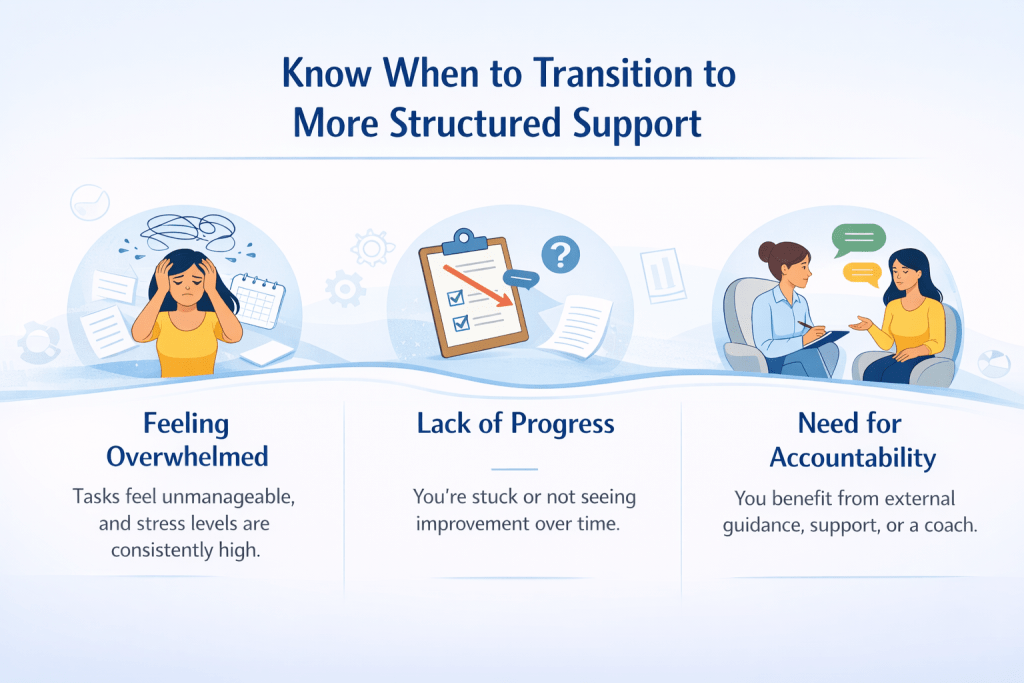
There may come a point when daily check-ins are no longer enough on their own.
This does not mean failure. It simply means needs have changed.
Consider additional support when:
- intake is consistently low despite reminders
- cognitive changes affect memory and routine
- physical limitations make eating or drinking difficult
- safety concerns increase
At that stage, the system may need:
- more frequent monitoring
- in-person assistance
- professional caregiving support
- structured meal planning
The earlier this transition is recognized, the smoother it will be.
Keep the Emotional Connection Strong
Finally, it is important to remember that a check-in is not just a health tool. It is also a moment of connection.
For many seniors, especially those living alone, these interactions are part of their daily emotional rhythm.
A routine that feels mechanical may be followed—but a routine that feels human will be appreciated.
Small touches make a difference:
- asking about their day
- sharing a brief story
- acknowledging effort
- expressing care without pressure
For example:
- “I’m glad you had something warm today—that usually helps you feel better.”
- “It sounds like today was a bit slow. Let’s keep things easy this evening.”
These moments build trust. And trust is what makes the entire system work.
The Real Goal of a Sustainable Check-In System
At its core, a daily meals-and-hydration check-in is not just about tracking intake. It is about creating a reliable rhythm of care.
When done well, it:
- reduces health risks
- prevents small issues from escalating
- supports independence
- strengthens relationships
- lowers caregiver stress
The most effective systems are not the most complex ones. They are the ones that are:
- simple
- consistent
- adaptable
- respectful
If your routine meets those four criteria, it will continue to work even as circumstances change.
And that is what truly matters—not perfection, but continuity.
Real-Life Situations and What to Do: Practical Responses to Common Meal and Hydration Challenges

Even with the best routine in place, real life rarely follows a perfect pattern. Seniors may skip meals unexpectedly, forget to drink water, lose appetite, or simply feel “off” without a clear reason. These situations can feel confusing for caregivers—especially when everything seemed fine just a day before.
This is where most routines break down—not because the system is weak, but because there is no clear plan for what to do when things don’t go as expected.
This section focuses on real, common scenarios and how to respond calmly, effectively, and without creating stress or resistance.
Scenario 1: “I’m Not Hungry” — When Appetite Drops Suddenly
This is one of the most common responses caregivers hear.
An older adult may say:
- “I’m just not hungry today.”
- “I ate a little earlier.”
- “I’ll eat later.”
While occasional appetite dips are normal, repeated low intake can quickly affect energy, hydration, and overall health.
What’s Really Happening
Loss of appetite can be caused by:
- fatigue or poor sleep
- medication side effects
- mild dehydration (which reduces hunger signals)
- loneliness or low mood
- difficulty preparing food
- digestive discomfort
The key is to avoid forcing a full meal. Instead, focus on reducing effort and increasing ease.
What to Do Instead
Shift from “meal thinking” to “intake thinking.”
Try:
- offering small, easy options (yogurt, fruit, soup, smoothies)
- suggesting liquid nutrition (milk, buttermilk, light shakes)
- pairing food with an existing habit (tea + biscuit, TV + fruit)
- encouraging just a few bites instead of a full plate
For example:
Instead of: “You need to eat lunch.”
Say: “Let’s just start with something small—maybe a bowl of soup or some fruit?”
This lowers resistance and often leads to better intake overall.
Scenario 2: “I Forgot to Drink Water” — When Hydration Slips
Many seniors do not feel thirst as strongly as younger adults. Others simply get distracted or avoid drinking to reduce bathroom trips.
You may hear:
- “I didn’t feel thirsty.”
- “I forgot.”
- “I’ll drink later.”
Why This Matters
Hydration often declines quietly. Unlike missed meals, it’s harder to notice immediately—but it affects:
- energy levels
- mental clarity
- digestion
- balance
What to Do Instead
Avoid relying on thirst signals. Instead, create visible and automatic cues.
Practical steps:
- place water in multiple locations (bedside, living room, dining area)
- switch to smaller cups for easier sipping
- offer variety (lemon water, coconut water, herbal tea)
- tie drinking to habits (after bathroom use, before TV, with medications)
During check-ins, make it immediate:
- “Do you have water nearby right now?”
- “Can you take a few sips while we’re talking?”
This turns intention into action in real time.
Scenario 3: Meals Are Being Skipped Due to Effort, Not Intent
Sometimes the issue is not appetite or memory—it’s effort.
Cooking, chopping, cleaning, and even standing for a few minutes may feel tiring.
You may notice:
- meals becoming irregular
- reliance on tea or biscuits instead of proper food
- repeated statements like “I didn’t feel like cooking”
What’s Really Happening
Energy is being conserved. The person is choosing the easiest available option.
What to Do Instead
Reduce preparation effort as much as possible.
Solutions include:
- pre-prepared meals or meal delivery
- ready-to-eat healthy options (curd, fruits, boiled eggs, soaked nuts)
- batch cooking with family support
- keeping “no-cook meals” available
Examples of low-effort meals:
- yogurt + fruit
- peanut butter sandwich
- vegetable soup
- boiled potatoes with salt
- banana + milk
The goal is not perfect nutrition—it is consistent nourishment with minimal effort.
Scenario 4: “I Don’t Feel Like Drinking Because I’ll Have to Use the Bathroom”
This is a very common but often unspoken concern.
Many seniors intentionally reduce fluid intake to avoid:
- frequent bathroom trips
- discomfort at night
- fear of falls
Why This Needs Attention
While understandable, this behavior increases the risk of:
- dehydration
- urinary issues
- weakness and dizziness
What to Do Instead
Address the concern directly and practically.
Options include:
- encouraging steady intake earlier in the day instead of late evening
- ensuring safe, easy bathroom access
- using night lights or assistive devices
- discussing concerns openly without dismissing them
You can say:
“I understand why you don’t want to go too often. Let’s try having more fluids earlier in the day so evenings are easier.”
This validates the concern while still improving hydration.
Scenario 5: “Everything Feels Fine” — But Something Feels Off
Sometimes the answers sound normal, but something feels different.
You may notice:
- slower responses
- low energy in voice
- slight confusion
- lack of detail in answers
What This Might Indicate
These subtle changes can sometimes be early signs of:
- low hydration
- poor nutrition
- fatigue or illness
What to Do Instead
Do not ignore instinct. Ask slightly deeper but still gentle questions:
- “What did you have to drink since morning?”
- “Have you felt a little more tired than usual today?”
- “Would something warm help right now?”
If the pattern continues for a day or two, increase observation and consider involving someone nearby.
Scenario 6: Resistance to Check-Ins
Sometimes seniors push back:
- “You don’t need to keep asking me.”
- “I’m fine.”
- “Stop worrying so much.”
Why This Happens
Resistance is often about:
- feeling monitored
- wanting independence
- fatigue from repeated questioning
What to Do Instead
Adjust the tone and format—not the intention.
Strategies:
- reduce frequency but improve quality
- make conversations more natural
- involve them in designing the routine
- shift from questions to shared updates
Example:
Instead of: “Did you drink water?”
Say: “I just had some tea—reminded me to check if you’ve had anything yet.”
This feels less like checking and more like sharing.
Scenario 7: Good Days Followed by Sudden Low Days
Many seniors experience fluctuations:
- one day: normal meals and hydration
- next day: low intake, low energy
Why This Happens
Possible reasons include:
- sleep quality
- weather changes
- emotional state
- physical discomfort
What to Do Instead
Avoid overreacting to one low day—but do not ignore patterns.
Use a two-day rule:
- one low day → support gently
- two consecutive low days → increase attention
- three days → take more active steps
This prevents both overreaction and neglect.
Scenario 8: Living Alone Without Immediate Support
When a senior lives alone, small issues can go unnoticed longer.
This increases the importance of:
- consistency
- clarity
- simplicity
What to Do Instead
Strengthen the system by:
- ensuring daily check-ins (human or automated)
- keeping food and water easily accessible
- involving nearby contacts if possible
- maintaining a simple tracking habit
Even small improvements in structure can significantly reduce risk.
A Simple Decision Framework for Caregivers
To make daily responses easier, use this quick framework:
1. Observe
What changed today compared to usual?
2. Understand
Is the issue appetite, effort, memory, mood, or environment?
3. Simplify
What is the easiest possible next step?
4. Act Immediately
Encourage small, real-time action (a few sips, a small snack)
5. Monitor
Check if the pattern continues over the next day or two
This keeps responses calm, structured, and effective.
The Bigger Picture: Why These Small Responses Matter
Most serious health issues related to nutrition and hydration do not appear suddenly. They build gradually through small, repeated gaps.
A missed glass of water here. A skipped meal there. A day of low energy. Then another.
What makes a real difference is not one perfect day—it is the ability to notice small changes early and respond simply.
That is what transforms a daily check-in from a reminder into a protective system.
Choosing High Water Content Foods and Beverages
The secret to consistent fluid intake might be sitting right in your parent’s fruit bowl or vegetable drawer. When drinking plain water feels like a chore, delicious alternatives can make all the difference.
About 20% of daily fluid needs come from foods. This means every meal becomes a hydration opportunity. You’re not just serving nutrition—you’re providing essential fluids.

Top Water-Rich Fruits and Vegetables
Think of cucumbers, watermelon, and celery as “hydration heroes.” These fruits vegetables are over 90% water. A simple snack becomes a significant fluid source.
Keep these high water content options stocked: watermelon (92% water), strawberries (91%), peaches (89%), and oranges (88%). They provide natural sweetness that appeals to older adults.
Don’t overlook vegetables like lettuce, celery, and tomatoes. A fresh salad isn’t just food—it’s substantial fluid intake. These choices also support digestive health with natural fiber.
Hydration Boosters Beyond Plain Water
During colder months, warm options like soups and stews provide comfort and fluids. Choose low-sodium versions for heart health.
Make water more appealing with simple additions. Lemon slices, cucumber rounds, or frozen berries create refreshing infused water. Herbal teas and seltzer water offer pleasant variety.
For those with diminished appetite, nutritional shakes serve double duty. They provide both hydration and essential nutrition in easy-to-consume form. Learn more about proper fluid intake strategies that support overall well-being.
Creating simple snack patterns makes hydration automatic. Pair apple slices with water or enjoy tomato and cucumber on crackers. These combinations turn fluid intake into enjoyable moments rather than chores. Discover how variety in daily life can combat isolation while supporting health.
Leveraging AI with JoyCalls for Daily Hydration Checks
Modern technology now offers a compassionate solution to the daily worry that plagues many adult children with parents living independently. That constant concern about whether your loved one is drinking enough doesn’t have to shadow your busy schedule anymore.

JoyCalls provides consistent, caring support that fits seamlessly into your parent’s life. This innovative approach maintains dignity while ensuring well-being.
How JoyCalls Enhances Senior Safety
The system calls your loved one on their regular phone—no apps or new devices required. It engages in warm, natural conversations about their day.
During each call, JoyCalls gently asks about fluid intake and meal patterns. If responses suggest potential concerns, it provides encouragement and alerts you immediately.
You receive detailed summaries after every conversation. This allows early intervention before small issues become emergencies. The technology acts as your eyes and ears when distance separates you.
Accessing the JoyCalls Signup Page: Sign Up Here
Getting started takes just minutes. Visit the JoyCalls signup page to create your account.
Set your parent’s preferred call schedule and conversation topics. Within moments, your automated care system begins operating smoothly.
“Technology should support human connection, not replace it. JoyCalls bridges the gap between independence and safety.”
This solution offers peace of mind while respecting your loved one’s autonomy. They continue living comfortably in their own home with consistent support.
Adjusting Your Hydration Routine for Individual Needs
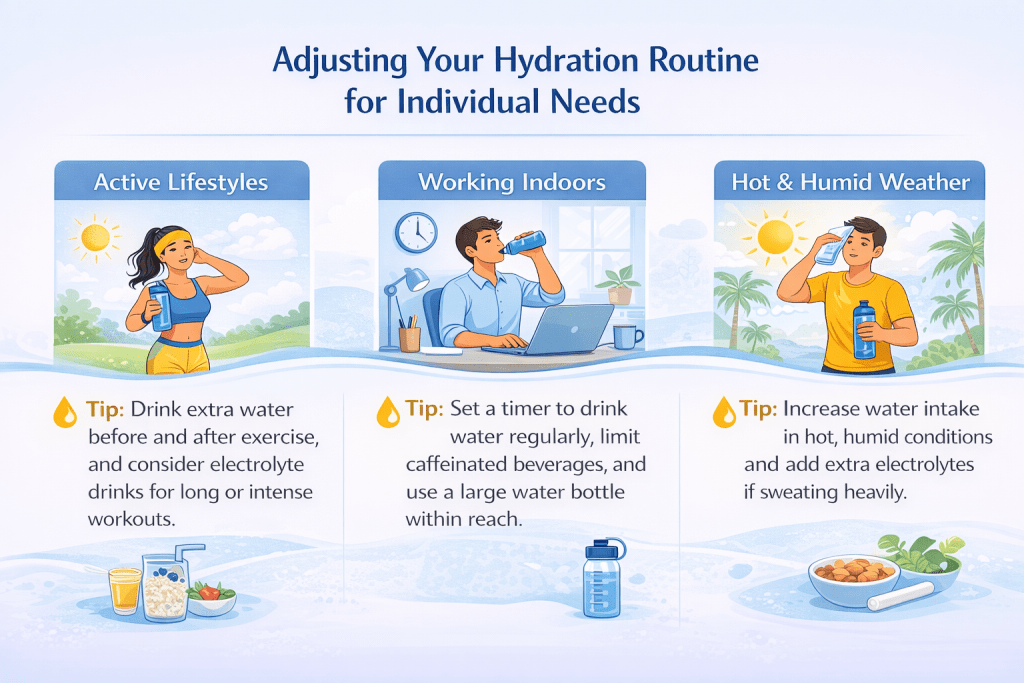
Your mom’s daily water needs might look completely different from her neighbor’s, and that’s perfectly normal. Personalizing fluid intake makes the difference between generic advice and truly effective care.
Forget the “eight glasses a day” rule. A better starting point is this simple formula: take one-third of body weight in pounds. That number in ounces represents minimum daily fluid needs. A 150-pound person needs about 50 ounces.
Considerations for Medications and Health Conditions
Many prescriptions dramatically impact fluid balance. Diuretics increase fluid loss. Some diabetes medications affect kidney function. Even common antihistamines can have drying effects.
Review your parent’s medication list with their doctor. This helps understand specific hydration requirements. Certain health conditions require careful attention to fluid intake in both directions.
While most people benefit from more water, those with congestive heart failure or advanced kidney disease may need to limit fluids. Always get personalized guidance from healthcare providers.
Tailoring Fluid Intake with Changing Weather and Activity Levels
Weather and seasons significantly affect hydration needs. Summer heat waves can double requirements due to sweating. Winter’s heated indoor air causes dehydration through respiration.
Activity levels matter more than many realize. Gardening, walking, or even running errands on warm days increase fluid demands. Create a flexible routine that acknowledges these variables.
| Factor | Effect on Fluid Needs | Adjustment Strategy |
|---|---|---|
| Hot Weather | Significantly increases | Offer fluids hourly |
| Physical Activity | Moderately increases | Extra glass per hour of activity |
| Illness (fever/diarrhea) | Dramatically increases | Focus on electrolyte drinks |
| Air Travel | Moderately increases | Extra fluids before/during flight |
| Kidney Conditions | May require reduction | Follow medical guidance strictly |
Remember that staying hydrated supports overall well-being. Meanwhile, understanding how to reduce fall risk connects directly to proper fluid balance.
The goal isn’t perfection. It’s creating a responsive routine that meets your parent’s actual, current needs. Regular conversations with their healthcare team ensure the approach evolves with their changing circumstances.
Overcoming Common Barriers to Staying Hydrated

Have you ever heard your parent say, ‘I’m just not thirsty’ and wondered if that’s really the problem? This isn’t forgetfulness—it’s physiology. The body’s thirst signals weaken with age.
Many older adults genuinely don’t feel the urge to drink water even when their body needs fluids. Here are compassionate tips to help them stay hydrated.
When taste changes: Plain water might seem bland. Offer flavored options like herbal tea or fruit-infused drinks. These count toward daily fluid intake.
For physical challenges: Arthritis or mobility issues make drinking difficult. Use lightweight bottles with handles or straws. Keep water accessible in every room.
- Set gentle reminders—technology like JoyCalls can provide friendly prompts
- Frame proper hydration as a choice for independence, not a chore
- Address medication side effects with strategic timing of drinks
Social connection matters too. Regular calls create accountability. They make drinking part of daily interaction rather than a solitary task.
These simple ways help overcome barriers throughout the day. They support well-being while respecting independence.
Conclusion
Looking back six months from now, you’ll see today as the turning point when simple care became your family’s safety net.
This daily approach to fluid intake supports every system in your loved one’s body. Proper hydration helps maintain overall health and prevents serious complications. Research shows that water intervention programs significantly improve well-being for older adults.
You’re joining millions of families who’ve discovered that consistent support makes independent living sustainable. Simple daily actions create profound protection against isolation and health risks.
Start today with one visible change—a water pitcher on the counter. Then explore how automated daily connections can provide gentle reminders and peace of mind.
Your commitment to this routine honors your parent’s independence while ensuring their safety. That’s the beautiful balance of compassionate care.