

“Did Mom drink any water today?” a busy child wonders. “I’m fine… I just forgot,” a senior living alone might say.
This short piece offers a simple, no-stress daily plan that fits real life at home. It is not about rules. It is about small sips and small wins that build a gentle habit.
Water supports many systems in the body. The goal is feeling steadier and safer, not perfection.
You will learn why dehydration sneaks up, how to spot early signs, how much is enough, and a step-by-step plan that really works for people who live alone.
If you need extra peace of mind, JoyCalls can help with consistent check-ins and friendly reminders. Talk to Joy now: 1-415-569-2439. Or Sign up for JoyCalls.
Read a quick method and daily check ideas at daily check-in routine & tips.
Key Takeaways
- Up to 40% of older adults may be underhydrated; simple steps help prevent it.
- Short, regular sips beat big gulps—make water visible and within reach.
- Watch for fatigue, dark urine, dizziness, and dry mouth as early signs.
- A practical daily plan fits life at home and supports steady wellbeing.
- JoyCalls offers friendly check-ins and alerts to give caregivers peace of mind.
Why staying hydrated matters more as you age
A steady supply of fluids quietly keeps many body systems working well as we age. Small losses add up faster when thirst signals fade.
How fluids help key body functions
Heart and blood: Liquids help the heart pump and keep blood flowing smoothly. That matters when activity drops or a hot day raises fluid needs.
Joints and comfort: Fluids support joint cushioning. Drinking enough can ease stiffness and make everyday movement less painful.
Digestion: The gut uses fluids to move food along. Staying steady with drinks helps regularity and reduces belly discomfort.
Temperature control: Older adults often struggle to adapt to heat. Simple sipping is one of the easiest ways to stay safer on warm days.
Try JoyCalls Free
No app or new device needed. Start with a free 7-day trial.

Why living alone raises the stakes
When no one is nearby to notice changes, low fluid levels can escalate quickly. Fatigue or dizziness may raise fall risk.
- Serious problems can follow: UTIs, heat stroke, blood clots, heart issues, or kidney failure.
- Staying steady with fluids helps adults feel more alert and confident at home.
Small, regular sips protect independence and everyday wellbeing.
Why older adults are at higher risk of dehydration at home
Many small changes with age quietly raise the chance of not getting enough fluids at home. These shifts often go unseen until someone feels weak or dizzy.
Lower thirst signals and appetite changes
Thirst fades with age. An older adult may not feel the urge to drink, even when the body needs water. That makes simple sipping less likely.
Kidney changes and more frequent urination
Kidney function can decline. People may urinate more and lose fluids faster. That makes steady top-ups important.
Medications that increase fluid loss
Diuretics for blood pressure and some diabetes medications raise urine output. Ask a clinician how meds affect daily fluid needs.
Try JoyCalls Free
No app or new device needed. Start with a free 7-day trial.
Chronic conditions and mobility barriers
Heart disease and diabetes disrupt balance. Pain, arthritis, stairs, or a cane make getting a drink a real task throughout day.
Caregivers: if you don’t live together, these quiet barriers can be easy to miss. Small cues and planned check-ins help.

| Cause | What happens | Practical note | Who to tell |
|---|---|---|---|
| Lower thirst | Drink less | Offer visible drinks | Caregiver |
| Kidney change | More urination | Replace fluids regularly | Clinician |
| Medications | Increased output | Review meds with doctor | Pharmacist |
| Mobility | Hard to fetch drinks | Keep water nearby | Family |
Next: Now let’s talk about how to spot hydration status quickly—without guessing.
How to tell if you’re getting enough fluids
A simple look at your urine color gives a practical clue about daily fluid balance.

Urine color check: pale vs. dark amber
Look at the color. Pale or near-clear urine often means you are well-hydrated. Dark amber to brown can signal dehydration and the need to top up.
Quick caveat: Vitamins, supplements, and some medications can change urine color. Use this check as a fast signal, not a medical diagnosis.
Early signs to act on today
Watch for these early symptoms and signs:
- Dark urine or urinating less than usual.
- Fatigue, dizziness, or headaches.
- Cramps, dry mouth, or confusion.
If you notice dizziness or confusion: sit down right away. Sip water and wait 30–60 minutes. If things do not improve or symptoms are severe, seek care.
Caregivers: confusion plus dizziness increases fall risk, especially when someone is alone. Write down “what I noticed today” and share it with a clinician if patterns repeat.
Next: Once you can spot these signs, hitting a realistic daily target becomes much easier.
How much daily fluid intake do seniors need?
Knowing a simple number to aim for takes the stress out of sipping all day.
National guidance you can use
Quick rule: The National Academy of Medicine suggests about 13 cups per day for men aged 51+ and about 9 cups per day for women. This total counts foods and beverages together, not just plain water.

A fast way to personalize your goal
Try a one-third rule: ounces equal to one-third of body weight. Example: 150 lb → ~50 oz daily. That gives a clear, personal target you can track.
When to check with a clinician
Needs vary by activity, heat, medications, and chronic conditions. Ask a clinician if a person has kidney disease or heart failure. More drink is not always better in those cases.
| Group | Guideline (cups/day) | Notes |
|---|---|---|
| Men 51+ | ~13 cups | Includes foods and drinks |
| Women 51+ | ~9 cups | Adjust with activity and heat |
| Personal rule | 1/3 body weight (oz) | 150 lb → ~50 oz as example |
Practical tip: Aim for steady intake across the day, not big pours at night. Put the goal on a sticky note by the sink or fridge. Need more detail? See how much water should seniors drink.
Hydration routine for seniors: a simple daily plan you can follow
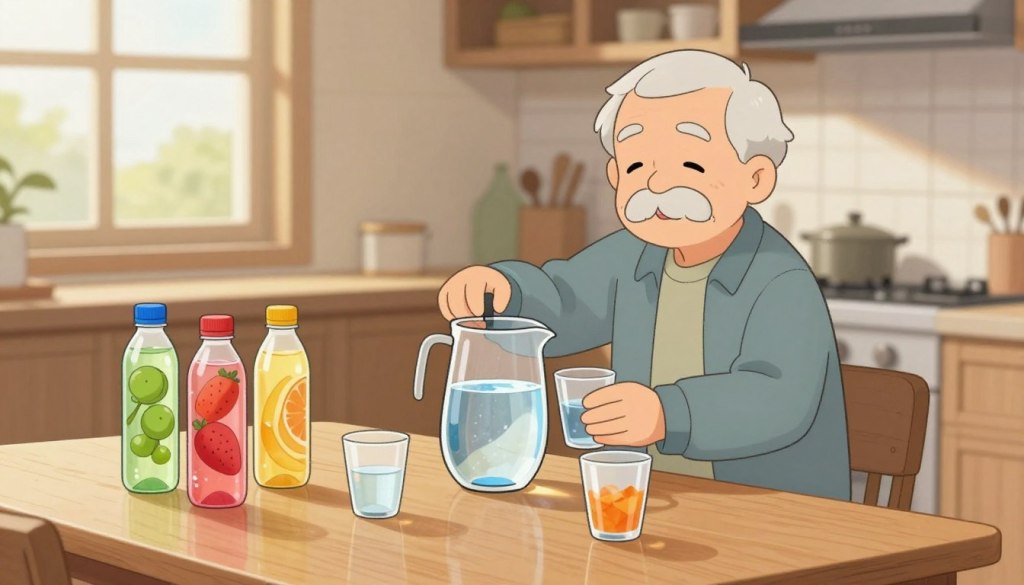
A simple, visible cue can turn small sips into a steady habit all day long. This short plan lays out friendly prompts you can try today. It fits living at home and helps prevent low fluid levels without pressure.
Morning anchor
One glass on waking: drink water before coffee or distractions. This sets the tone and makes the first check easy.
With meals
Link a glass to breakfast, lunch, and dinner. Making a drink with every meal helps reach daily targets without thinking hard.
Between meals
Keep a water bottle near your favorite chair and sip small amounts throughout day. A nearby bottle reduces effort and boosts follow-through.
Quick cues: bathroom, activity, evening
- After bathroom use — replace what you lost.
- Before and after walks or chores — sip to lower fatigue and help the heart cope with movement.
- Evening — right-size the last glass so sleep stays comfortable.
Caregiver tip: When you call, ask: “Did you have your morning glass and your meal drinks today?” Small checks add up to big safety gains.
Make drinking water easier and more enjoyable every day
Small changes to the home can make sipping water feel effortless all day.

Set up the space: place a pitcher by your favorite chair, a bottle by the bed, and pack one “on the go” for short errands. When a drink is within reach, people drink more without thinking about it.
Simple taste upgrades that keep sugar low
Add a slice of lemon, cucumber ribbons, or a few berries to plain or filtered water. Try plain seltzer for a bubbly option that feels special but stays low in sugar.
Tools that boost follow-through
Straws help with steady sipping and reduce spills. A lightweight cup or a well-designed water bottle makes drinks easier to hold.
Consider a smart bottle or a tracking app if adult children want gentle remote support. These tools give friendly reminders and logs without pressure.
- Quick tips: chill water to make it more inviting.
- Use a small phone reminder mid-morning or after lunch.
- Choose the cup you like most—consistency beats perfection.
| Setup | Why it helps | Easy buys |
|---|---|---|
| Pitcher by chair | Visible cue drives more sips | Large glass pitcher, infuser |
| Bottle by bed | Top-up without a trip | Lightweight bottle, straw lid |
| One to go | Keeps fluids on hand during errands | Insulated travel bottle, clip |
| Smart tracking | Gentle reminders and progress | Hidrate Spark Pro or app |
The best choice is the water you will actually drink. Small, reachable changes are the part of daily life that build a lasting habit.
Get more hydration from foods and smarter drink choices
Eating certain fruits and veggies quietly adds up to a helpful part of your fluids. About 20% of daily fluid intake can come from foods. That makes food an easy tool when drinking feels hard.
High water-content foods to add at each meal
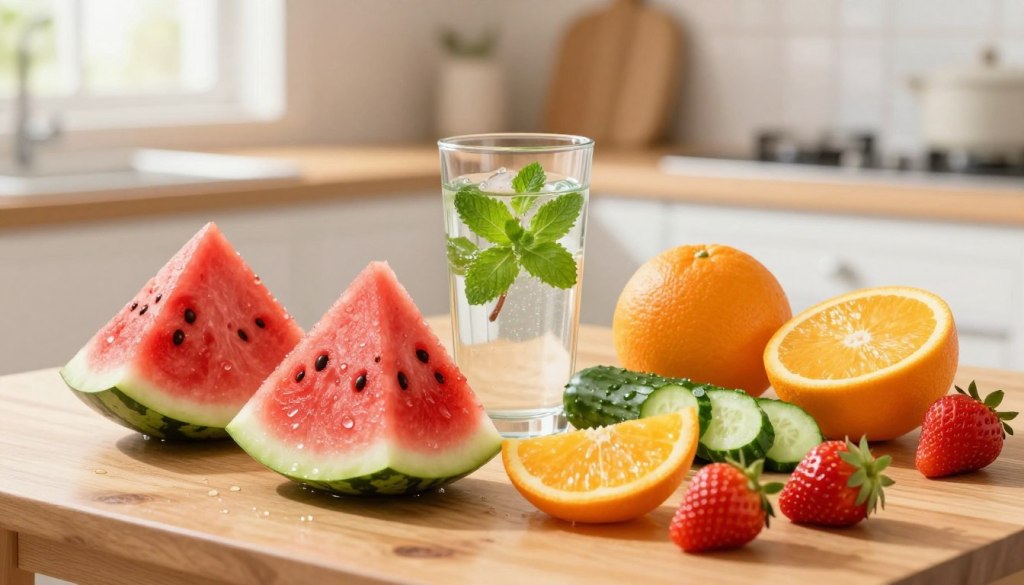
Add one item per meal: cucumber, watermelon, strawberries, tomatoes, or celery.
Try strawberries with breakfast, a tomato on your lunch sandwich, and cucumber in an evening salad. Small choices like these raise total water content without extra effort.
Soups, broths, and stews
Warm soups and broths are an easy source of extra fluids. Stews count, too — especially when they include vegetables.
Tip: choose low-sodium options when health needs require it. Ready-to-heat soup cups make the healthy choice the easy choice.
What to limit: alcohol and why it matters
Alcohol acts as a diuretic. That means it can raise dehydration risk, especially for older adults living alone.
Keep drinks moderate and talk with a clinician if medications or health issues are involved.
- Caregiver note: keep pre-cut fruit and ready soups in the fridge. Easy access makes better choices more likely.
- Safety transition: certain conditions and medicines change what “smart choices” look like — check with a clinician when unsure.
| Food or drink | Typical water content | Practical idea |
|---|---|---|
| Cucumber | ~95% | Sliced in salads or with hummus |
| Watermelon | ~92% | Fruit cup at breakfast or snack |
| Tomatoes | ~94% | Slice on sandwiches or into soups |
| Soup/Broth | Varies, high | Low-sodium ready-to-heat cups |
Safety tips for seniors with medications or health conditions
Some days ask for careful limits, not extra sips — especially with certain heart or kidney conditions. Yes, fluids matter. But safety comes first when a clinician has set limits.
When “drink more water” isn’t one-size-fits-all
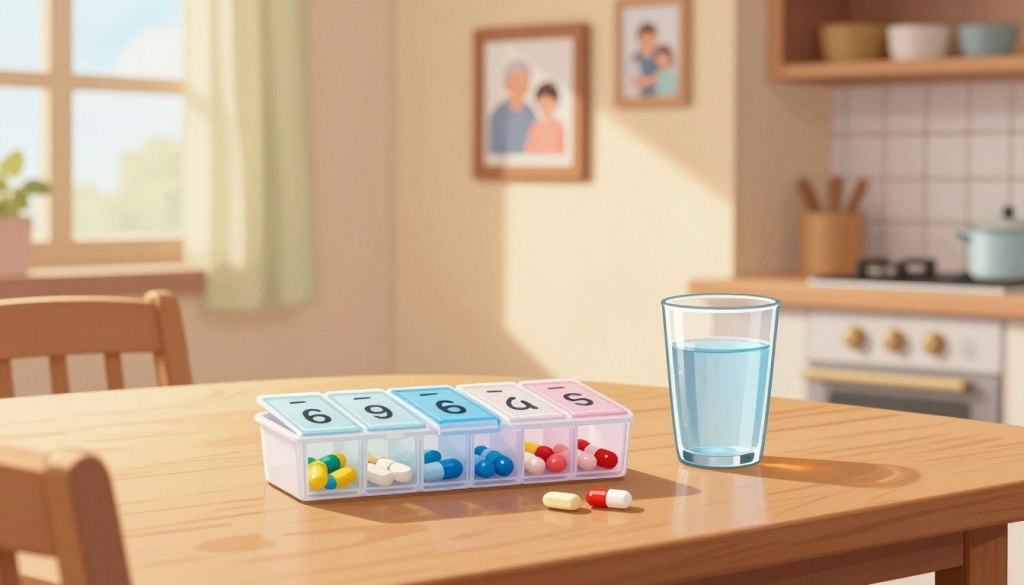
People with congestive heart failure or advanced kidney disease may need to limit fluids. Ask a doctor for an individualized target if a clinician has advised limits.
Quick caregiver script: “What did your doctor recommend for fluids per day?” and “Are you on a diuretic?” If meds are involved, review guidance at taking medicines safely.
Heat, sweating, and preventing problems on hot days
Older adults regulate temperature less well. Heat and sweating can raise dehydration risk quickly.
- Drink earlier in the day and use shade breaks.
- Wear lighter clothing and sip small amounts throughout day after activity.
- Have a simple check-in system during heat waves—phone calls or a neighbor visit.
| Situation | Action | Who to ask |
|---|---|---|
| Doctor-ordered fluid limit | Follow the prescribed target | Clinician |
| Hot weather / sweating | Small, frequent sips; cool environment | Caregiver |
| Dizziness, confusion, fatigue | Sip, sit, seek care if persistent | Emergency contact |
Warning signs to act on: dizziness, unusual fatigue, confusion, or very dark urine. These symptoms need prompt attention.
Daily check-ins help spot early signs. JoyCalls can make friendly calls and alert family when something looks off. Talk to Joy now: 1-415-569-2439. Sign up for JoyCalls: start JoyCalls. Learn what to do if a parent insists they already took meds at what to do when your parent says “I already took the.
Build a Personal Hydration Safety System at Home
For many older adults, dehydration is not caused by one big mistake. It usually happens through small daily gaps: the glass is out of reach, the bathroom feels too far away, water tastes boring, the person avoids drinking before leaving home, or no one notices that yesterday’s tiredness has become today’s dizziness.
That is why the best hydration plan is not just “drink more water.” A better approach is to build a simple home system that makes drinking easier, safer, and more automatic.
This section shows seniors, families, and caregivers how to create that system step by step.
Start With a Hydration Barrier Check
Before adding reminders or buying bottles, ask one practical question:
What is making drinking harder than it should be?
For some older adults, the barrier is physical. Arthritis makes it painful to unscrew bottle caps. A heavy pitcher feels unsafe. A trip to the kitchen takes effort. For others, the barrier is emotional. They worry about needing the bathroom too often, especially at night or when they are outside the home. Some simply dislike the taste of plain water.
A useful first step is to walk through the day and look for friction points.
Ask:
- Is water visible from the bed, favorite chair, and dining table?
- Can the person lift the cup easily?
- Is the cup stable enough to prevent spills?
- Is the path to the bathroom safe and well-lit?
- Does the person avoid drinking because of bladder concerns?
- Do they forget drinks when watching TV, reading, or resting?
- Do they drink less on days when they feel lonely, low, or tired?
This turns hydration from a vague health goal into a practical home design issue. Once the barriers are clear, the solutions become much easier.
Create Three “Drink Zones” in the Home
A strong hydration routine should not depend on memory alone. The home should quietly remind the person to sip.
Set up three drink zones:
1. The morning zone
Place a lightweight cup, bottle, or small carafe near the bed or bathroom sink. The goal is to make the first drink easy before the day becomes busy.
This first drink does not need to be large. Even a few steady sips can help start the routine.
2. The comfort zone
This is the place where the person spends the most time: a recliner, sofa, reading chair, prayer space, or TV area. Keep a filled bottle or covered cup within arm’s reach.
Choose something easy to hold. A straw cup, handled mug, or spill-resistant tumbler can work better than a standard glass.
3. The meal zone
Keep water, herbal tea, diluted juice, soup, or another suitable drink connected to meals. Meals are natural anchors because they already happen every day.
A simple rule helps: one drink starts with the meal, and a few extra sips finish the meal.
This removes pressure and makes hydration feel like part of normal eating rather than a separate chore.
Use “Sip Triggers” Instead of Random Reminders
Random reminders can feel annoying. Sip triggers feel more natural because they are attached to something the person already does.
Try linking small sips to daily actions such as:
- After brushing teeth
- After taking morning medication, if allowed
- Before sitting down to watch TV
- After every bathroom visit
- Before a phone call with family
- After opening the fridge
- Before and after a short walk
- With each meal and snack
- When taking a break from reading or crafts
The goal is not to drink a full glass every time. The goal is to create repeated small moments. For many seniors, small sips throughout the day are easier and safer than trying to drink large amounts at once.
Address the Bathroom Worry Directly
Many older adults drink less because they do not want more bathroom trips. This concern is real and should be treated respectfully.
Instead of saying, “You need to drink more,” try:
“Let’s make drinking easier earlier in the day, so evenings are more comfortable.”
A practical plan can look like this:
- Drink more steadily from morning through mid-afternoon.
- Keep evening drinks smaller.
- Reduce large drinks close to bedtime.
- Make the bathroom path safer with lighting, clear floors, and stable footwear.
- Keep mobility aids within reach.
- Talk to a clinician if frequent urination, urgency, or nighttime bathroom trips are disrupting sleep.
This approach protects hydration without ignoring comfort, dignity, or fall risk.
Make Drinks Easier for Hands, Mouth, and Swallowing
Some seniors do not avoid fluids by choice. Drinking may be physically difficult.
If hand strength is limited, use cups with handles, lightweight bottles, or easy-open lids. Avoid heavy pitchers or slippery glasses. If spills are a concern, use a stable cup with a straw or secure lid.
If dry mouth is common, small sips may help more than occasional large drinks. Sugar-free lozenges, ice chips, or mouth-moistening products may also be worth discussing with a clinician or dentist.
If coughing, choking, or trouble swallowing happens during drinking, do not ignore it. That may need medical guidance. Some people require texture-modified fluids or swallowing support. In that case, families should not guess. A doctor or speech-language pathologist can help choose safer options.
Hydration should always be safe, not forced.
Build a Simple “Today I Drank” Tracking Method
Tracking does not need to feel like homework. The best system is the one the person will actually use.
Here are easy options:
The rubber band method
Place 4 to 6 rubber bands around a bottle in the morning. Each time the bottle is finished or a set amount is consumed, move one band to the other side.
The fridge magnet method
Put a small checklist on the fridge:
Morning drink
Lunch drink
Afternoon drink
Dinner drink
Evening sip
The person checks off each one with a marker.
The cup-count method
Use the same cup each day and decide on a simple target, such as 5 or 6 cups, unless a clinician has given a different limit.
The caregiver call method
During a daily call, ask one gentle question:
“Which drink has been easiest today?”
This feels less like policing and more like support. It also opens the door to useful details. If the person says, “I only had tea,” or “I forgot after lunch,” the family knows where the routine needs help.
Know When to Escalate From Reminder to Action
Families should have a clear plan for what to do when something seems off.
A mild issue may only need encouragement. For example, if urine is darker than usual but the person feels well, encourage small sips and check again later.
A moderate concern needs closer attention. If the person feels weak, dizzy, unusually tired, or has a headache, they should sit down, avoid rushing around, and take small sips if safe. A caregiver should check in again soon.
A serious concern needs medical help. Do not wait if there is confusion, fainting, chest pain, severe weakness, inability to keep fluids down, very little urination, rapid heartbeat, or worsening symptoms.
A simple family rule can help:
If hydration concerns come with confusion, fainting, or sudden weakness, treat it as urgent.
This is especially important for seniors living alone because small problems can become dangerous when no one is nearby.
Prepare for High-Risk Days Before They Happen
Some days require extra planning. These include hot days, travel days, medical appointment days, days after poor sleep, days with diarrhea or vomiting, and days when appetite is low.
For these days, prepare in advance:
- Fill bottles the night before.
- Keep easy fluids ready, such as soup, herbal tea, or oral rehydration options if approved.
- Schedule an extra family check-in.
- Encourage earlier drinking rather than waiting until evening.
- Keep the home cool during heat.
- Avoid long outdoor errands during peak heat.
- Bring water to appointments and car rides.
- Watch for behavior changes, not just thirst.
Many older adults will not say, “I am dehydrated.” They may say, “I feel off,” “I’m tired,” “I don’t feel hungry,” or “I just want to lie down.” Families should listen for those softer signals.
Make Hydration Feel Like Care, Not Control
The way hydration is discussed matters. Seniors may resist reminders if they feel watched, corrected, or treated like children.
Use respectful language.
Instead of:
“You didn’t drink enough again.”
Try:
“Would it help if we made drinks easier to reach?”
Instead of:
“You have to drink water.”
Try:
“Let’s find a drink that feels good today.”
Instead of:
“I’m checking whether you followed the plan.”
Try:
“I just want to make sure you’re feeling steady.”
A caring tone protects independence. It also makes the routine more likely to last.
A 7-Day Hydration Reset Plan
Families can use this simple one-week reset to build a better routine without overwhelming anyone.
Day 1: Observe
Do not change everything yet. Notice when drinks happen naturally and when they are missed.
Day 2: Set up drink zones
Place drinks near the bed, favorite chair, and meal area.
Day 3: Choose the easiest cup
Test different cups, bottles, straws, or lids. Pick the one that feels safest and most comfortable.
Day 4: Add sip triggers
Attach small sips to meals, bathroom visits, TV time, or phone calls.
Day 5: Improve taste
Try lemon, cucumber, berries, mint, herbal tea, or chilled water. Keep sugar and medical restrictions in mind.
Day 6: Add a simple tracker
Use a checklist, bottle bands, or a caregiver check-in question.
Day 7: Review and adjust
Ask: What worked? What felt annoying? What was easy? What should we remove?
The best hydration plan is not the most perfect plan. It is the plan that fits the person’s real life.
Final Thought: Hydration Is a Daily Safety Habit
For older adults, hydration is not only about water. It is about steadiness, comfort, energy, clear thinking, safer movement, and confidence at home.
A good system should make the right action easy. Keep drinks visible. Use cups that feel safe. Link sips to normal routines. Respect bathroom concerns. Watch for early warning signs. And when a senior lives alone, make hydration part of a warm daily check-in, not a stressful interrogation.
Small sips, repeated gently, can become one of the simplest ways to protect health and independence at home.
When Dehydration Doesn’t Look Like Dehydration: The Hidden Warning Signs Families Often Miss

One of the biggest challenges with dehydration in older adults is that it rarely announces itself clearly.
Many people imagine dehydration as extreme thirst, dry lips, or obvious weakness. In reality, older adults frequently experience dehydration in ways that look completely unrelated to water intake. A senior may seem unusually irritable, forgetful, sleepy, unsteady, or withdrawn long before anyone thinks about hydration.
This is one reason dehydration often goes unnoticed in homes, assisted living communities, and even among attentive families. The symptoms can mimic normal aging, stress, medication side effects, poor sleep, or other health concerns.
Understanding these subtle warning signs can help families intervene earlier and potentially prevent more serious complications.
Why Older Adults May Not Realize They Are Becoming Dehydrated
The body’s thirst mechanism naturally changes with age.
In younger adults, even a small drop in fluid balance often triggers noticeable thirst. Older adults may not receive the same strong signal. As a result, they may not feel thirsty until dehydration has already progressed.
Many seniors also become accustomed to drinking less over time.
They may say things like:
- “I’m just not thirsty.”
- “I’ve never been a big water drinker.”
- “I don’t need much.”
- “I forgot.”
- “I don’t like drinking before going out.”
Unfortunately, the absence of thirst does not mean the body has enough fluid.
This creates a dangerous situation where dehydration develops quietly, often without obvious warning.
Behavioral Changes That May Signal a Hydration Problem
Families are often the first people to notice subtle changes.
A normally cheerful parent may seem unusually quiet. A grandparent who enjoys conversation may suddenly appear disengaged. Someone who is usually organized may begin forgetting small things.
These changes may have many causes, but hydration should always be considered.
Watch for:
Increased irritability
Small frustrations may suddenly seem larger than usual.
A senior who is normally patient may become easily annoyed, short-tempered, or emotionally reactive.
Reduced interest in activities
Someone who usually enjoys reading, gardening, puzzles, social calls, or television may begin withdrawing from those activities.
Lack of motivation
Dehydration can contribute to fatigue and mental sluggishness, making everyday tasks feel more difficult.
Increased confusion
Family members sometimes describe this as:
- “They just seem off.”
- “They’re not quite themselves today.”
- “They’re more forgetful than usual.”
Even mild dehydration can affect concentration and mental clarity.
The Connection Between Hydration and Balance
Falls remain one of the most significant health risks for older adults.
While many people focus on environmental hazards such as rugs, stairs, or poor lighting, hydration is often overlooked as a fall-prevention strategy.
When fluid levels drop, blood pressure may become less stable. Some seniors experience dizziness when standing up, particularly after sitting or lying down.
Watch for signs such as:
- Holding onto furniture more frequently
- Moving more slowly than usual
- Complaints of feeling lightheaded
- Hesitation when standing
- Increased stumbling
- Fear of walking independently
Hydration alone does not prevent falls, but it is an important part of maintaining balance, strength, and stability.
Fatigue That Appears “Out of Nowhere”
One common misconception is that dehydration always causes dramatic symptoms.
In reality, many older adults simply feel tired.
A family member may hear:
- “I just don’t have much energy today.”
- “I feel drained.”
- “I think I’ll lie down for a while.”
Because fatigue has many possible causes, dehydration can easily be missed.
If a senior suddenly seems more tired than usual, consider reviewing:
- Fluid intake over the previous 24 hours
- Exposure to hot weather
- Recent illness
- Appetite changes
- Medication changes
- Physical activity levels
Looking at the full picture often reveals whether hydration may be playing a role.
Why Appetite Changes Can Sometimes Be a Clue
Hydration and appetite are closely connected.
Some older adults become less interested in food when they are underhydrated. Others feel full quickly or simply lose interest in eating.
This creates a cycle:
- Less drinking leads to reduced appetite.
- Reduced appetite leads to less fluid-rich food intake.
- Lower fluid intake worsens dehydration.
Families should pay attention when a senior unexpectedly skips meals or shows little interest in foods they normally enjoy.
While many factors can influence appetite, hydration should remain part of the conversation.
Monitoring Without Micromanaging
Many family members struggle to find the right balance.
They want to help, but they do not want every conversation to become a lecture about water.
A better approach is observation combined with supportive communication.
Instead of asking:
“How many glasses of water did you drink?”
Try asking:
- “How has your energy been today?”
- “Have you been feeling steady when walking?”
- “What have you had to drink today?”
- “How are you feeling compared to yesterday?”
- “Anything feeling different today?”
These questions create dialogue rather than resistance.
The Daily Check-In Framework for Families
For seniors living independently, a short daily check-in can provide valuable information.
You do not need a long conversation.
A simple two-minute call can reveal important clues.
Consider asking:
Question 1: How is your energy today?
This helps identify fatigue or unusual weakness.
Question 2: What have you eaten and drank so far?
This naturally brings hydration into the conversation.
Question 3: Have you been outside today?
Heat exposure may increase fluid needs.
Question 4: Have you felt dizzy or unsteady?
This helps identify early warning signs.
Question 5: What are your plans for the rest of the day?
This provides insight into activity levels and potential hydration opportunities.
The goal is not surveillance. The goal is connection and awareness.
Building Hydration Awareness During Seasonal Changes
Many people associate dehydration with summer.
However, dehydration risk exists throughout the year.
Winter
People often drink less because they do not feel hot.
Indoor heating can contribute to fluid loss without obvious sweating.
Spring
Increasing outdoor activity may raise fluid needs.
Summer
Higher temperatures create the most obvious risk.
Fall
Routine changes, travel, and fluctuating temperatures can affect hydration habits.
Families should avoid thinking about hydration as a seasonal concern.
It is a year-round health habit.
Signs That May Appear During Social Gatherings
Family events can provide an opportunity to notice changes that might otherwise go unnoticed.
Watch for:
- Repeatedly declining beverages
- Appearing unusually tired
- Sitting down more often than usual
- Difficulty concentrating during conversations
- Complaints of headaches
- Reduced participation in activities
Gatherings often reveal subtle differences because relatives can compare current behavior with previous visits.
Supporting Seniors Who Live Alone
Older adults living independently often face unique challenges.
There may be no one nearby to notice:
- A decrease in fluid intake
- Increasing fatigue
- Growing confusion
- Reduced mobility
This is where routine communication becomes valuable.
A combination of:
- Daily phone calls
- Video check-ins
- Medication reminders
- Hydration reminders
- Community support
can help create a protective safety net.
Even one meaningful daily conversation can make a difference.
Technology Can Help—but It Should Not Replace Human Connection
Technology offers useful tools for hydration support.
Examples include:
- Smart water bottles
- Reminder apps
- Smart speakers
- Health monitoring devices
- Wellness check systems
These tools can support consistency.
However, technology works best when combined with human relationships.
A reminder notification cannot notice:
- Changes in mood
- New confusion
- Unsteady walking
- Social withdrawal
Family members, friends, neighbors, and caregivers remain essential.
Creating a “Hydration Emergency Plan”
Most families have plans for falls, medical emergencies, and severe illness.
Few have plans for dehydration.
A simple hydration response plan can reduce uncertainty.
Include:
Warning signs to watch for
Write down symptoms that require attention.
Important contact numbers
Keep healthcare providers and emergency contacts accessible.
Preferred fluids
List drinks the senior enjoys and can safely consume.
Medical considerations
Include any fluid restrictions or health conditions.
Escalation steps
Clarify when to encourage fluids, when to call a caregiver, and when to seek medical help.
Having a plan reduces hesitation during stressful situations.
Turning Hydration Into a Daily Wellness Habit
The most effective hydration strategies are rarely complicated.
They are built around consistency.
Successful routines often include:
- Drinking at regular times
- Keeping fluids visible
- Making beverages enjoyable
- Connecting hydration to existing habits
- Monitoring changes in energy and mood
- Staying socially connected
Small actions repeated daily often provide greater benefit than occasional efforts to “catch up.”
A Mindset Shift for Families
Perhaps the most important lesson is this:
Do not wait for thirst.
Do not wait for a crisis.
Do not assume that feeling tired, forgetful, or unsteady is simply part of aging.
Instead, think of hydration the same way you think about nutrition, sleep, medication adherence, or physical activity.
It is a foundational part of healthy aging.
When families recognize the subtle signs early, create supportive routines, and maintain regular communication, hydration becomes less about preventing dehydration and more about protecting independence, comfort, confidence, and quality of life.
That shift can make a meaningful difference in the everyday lives of older adults.
Beyond Water: How Food Can Become One of the Most Powerful Hydration Tools for Older Adults
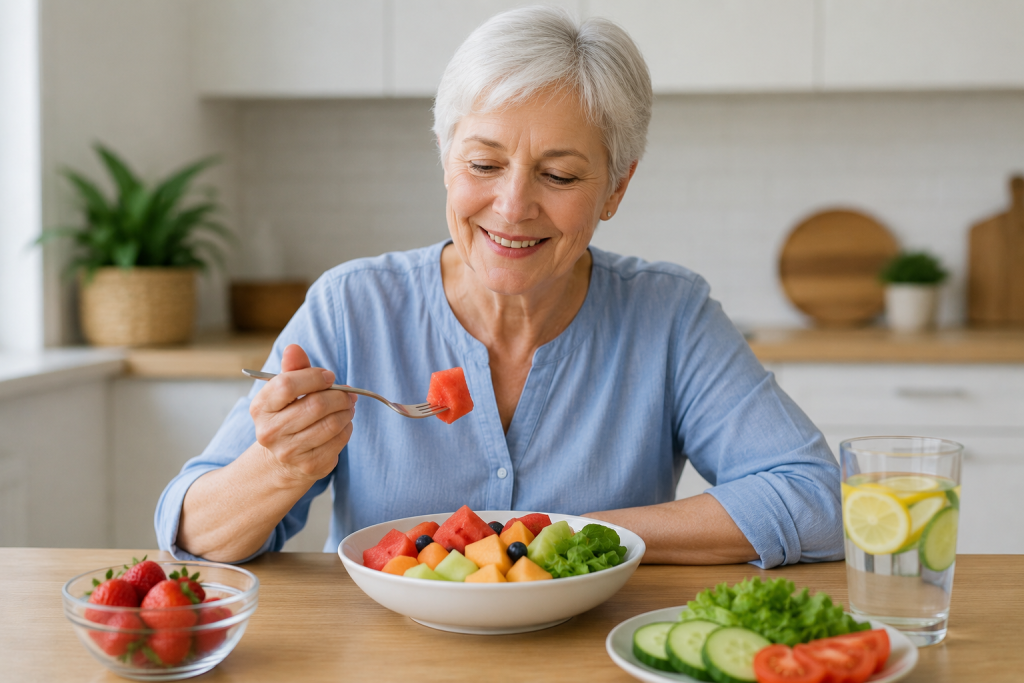
When most people think about hydration, they think about drinking water.
While water is important, many older adults are surprised to learn that a significant portion of daily fluid intake can come from food. In fact, for seniors who struggle to remember to drink, dislike plain water, have swallowing difficulties, or simply don’t feel thirsty often, hydration-rich foods can become a valuable part of staying healthy.
This is especially important because hydration is not just about replacing water. The body also relies on electrolytes, nutrients, and consistent fluid intake throughout the day to maintain proper function.
For many families, focusing exclusively on beverages can make hydration feel like a constant battle. Expanding the conversation to include meals and snacks creates more opportunities to support healthy fluid levels without pressure or frustration.
Why Hydration Through Food Matters More With Age
Older adults often face several challenges that make traditional hydration difficult:
- Reduced thirst sensation
- Decreased appetite
- Medication side effects
- Dental issues
- Swallowing difficulties
- Mobility limitations
- Memory concerns
- Chronic health conditions
As a result, relying entirely on drinking water may not always be realistic.
Hydration-rich foods offer several advantages:
- They provide fluid gradually.
- They often contain vitamins and minerals.
- They can feel more satisfying than plain water.
- They are easier to incorporate into existing routines.
- They support both hydration and nutrition simultaneously.
For seniors who frequently say, “I don’t feel like drinking,” food can become an important backup strategy.
The Best Hydrating Foods for Older Adults
Many fruits and vegetables contain significant amounts of water.
These foods can contribute meaningfully to daily hydration while also supporting overall health.
Watermelon
Watermelon is one of the most water-rich foods available.
Benefits include:
- High fluid content
- Easy to chew
- Naturally sweet flavor
- Refreshing during warmer weather
Serve as:
- Small cubes
- Fruit bowls
- Chilled snacks
- Smoothie ingredients
Cucumbers
Cucumbers contain a large amount of water and can be eaten in many ways.
Ideas include:
- Sliced with meals
- Added to salads
- Paired with yogurt-based dips
- Added to infused water
Oranges and Citrus Fruits
Citrus fruits provide both fluid and nutrients.
They can also help stimulate appetite in some older adults due to their fresh taste and aroma.
Berries
Strawberries, blueberries, raspberries, and blackberries contribute both hydration and antioxidants.
These can be added to:
- Yogurt
- Oatmeal
- Smoothies
- Fruit salads
Tomatoes
Tomatoes are frequently overlooked as a hydration food.
They can be enjoyed:
- Raw
- In salads
- In soups
- In cooked dishes
Soups: An Underrated Hydration Resource
Soup is often one of the easiest hydration tools available.
For seniors who struggle to drink large amounts of fluid, soup offers hydration in a comfortable and familiar form.
Benefits include:
- Warm and soothing
- Easy to consume
- Nutrient-rich
- Helpful during illness
- Suitable for colder months
Examples include:
- Vegetable soup
- Lentil soup
- Chicken soup
- Tomato soup
- Broth-based soups
Many older adults who resist drinking water willingly consume soup without realizing how much fluid they are receiving.
The Role of Smoothies
Smoothies can be particularly helpful for seniors who:
- Have reduced appetite
- Need additional calories
- Experience chewing difficulties
- Prefer sweeter flavors
A balanced smoothie may include:
- Fruit
- Yogurt
- Milk or fortified alternatives
- Nut butter
- Oats
The goal is not to create sugary drinks but to provide hydration alongside nutrition.
Small Meals Can Support Better Hydration
Many seniors eat less than they did earlier in life.
Large meals may feel overwhelming.
Instead of focusing on three large meals, consider:
- Smaller meals
- Hydration-rich snacks
- Consistent eating opportunities
Examples include:
- Yogurt with fruit
- Cottage cheese and melon
- Vegetable soup
- Fruit smoothies
- Applesauce
- Soft fruits
These options contribute fluids while reducing the burden of consuming large portions.
Making Water More Appealing
Not everyone enjoys plain water.
This is particularly common among older adults who describe water as tasting bland or uninteresting.
Simple enhancements may increase willingness to drink.
Examples include:
Fruit Infusions
Add:
- Lemon
- Orange slices
- Strawberries
- Cucumber
- Mint
These ingredients add flavor without requiring large amounts of sugar.
Temperature Preferences
Some seniors prefer:
- Ice-cold drinks
- Room-temperature beverages
- Warm beverages
Experiment to determine what feels most comfortable.
Attractive Drinkware
Something as simple as a favorite cup or attractive bottle can increase use.
Behavioral research consistently shows that convenience and visual appeal influence habits.
Understanding Electrolytes
Hydration is not solely about water volume.
Electrolytes help regulate:
- Fluid balance
- Nerve function
- Muscle function
During illness, excessive sweating, vomiting, or diarrhea, electrolyte balance may become more important.
However, not every senior needs sports drinks.
Many commercial products contain substantial amounts of sugar.
Families should consult healthcare professionals when hydration concerns are complicated by medical conditions such as:
- Kidney disease
- Heart failure
- Diabetes
- Blood pressure concerns
The safest hydration plan is often the one tailored to the individual’s health needs.
The Social Side of Hydration
People tend to eat and drink more consistently when meals are social.
Loneliness can affect both appetite and fluid intake.
A senior who eats alone every day may:
- Skip meals
- Delay eating
- Forget beverages
- Lose interest in food
Simple social strategies can help:
- Shared meals with family
- Community dining programs
- Video meal check-ins
- Senior center lunches
- Coffee or tea gatherings
Sometimes the solution is not another water bottle—it is another conversation.
Creating a Hydration-Friendly Kitchen
Environment influences behavior.
If hydration-friendly foods are difficult to access, they are less likely to be consumed.
Try organizing the kitchen so that:
- Fresh fruit is visible
- Water is easy to reach
- Soup is readily available
- Favorite beverages are accessible
- Cups are stored conveniently
The easier hydration becomes, the more likely it is to happen consistently.
A One-Day Hydration-Friendly Meal Example
Breakfast
- Oatmeal with berries
- Yogurt
- Tea or water
Mid-Morning Snack
- Orange slices
- Water
Lunch
- Vegetable soup
- Whole grain toast
- Water or herbal tea
Afternoon Snack
- Watermelon
- Yogurt
Dinner
- Lean protein
- Steamed vegetables
- Side salad
- Water
Evening
- Small hydration-friendly snack
- Herbal tea if appropriate
This approach spreads fluid intake naturally throughout the day.
The Goal Is Consistency, Not Perfection
Families sometimes worry about exact numbers:
“Did Mom drink enough?”
“Did Dad finish every glass?”
While fluid intake matters, obsessing over perfect measurements can create stress.
A more sustainable approach focuses on:
- Consistent hydration opportunities
- Balanced meals
- Accessible beverages
- Regular monitoring
- Enjoyable routines
Small improvements maintained over time often produce better outcomes than strict plans that are difficult to sustain.
Hydration and Nutrition Work Best Together
Hydration should not be viewed as a separate health goal.
It works alongside:
- Good nutrition
- Physical activity
- Medication management
- Social connection
- Quality sleep
When meals, snacks, beverages, and daily routines all support hydration, older adults are more likely to maintain energy, independence, mobility, and overall well-being.
For many seniors, the path to better hydration starts not with drinking more water—but with building a lifestyle where fluids naturally appear throughout the day in enjoyable, practical, and sustainable ways.
What to Do When an Older Adult Refuses to Drink More Water
Sometimes the biggest hydration challenge is not access, awareness, or reminders. It is resistance.
A senior may understand that fluids matter and still refuse more water. They may say, “I’m fine,” “Stop reminding me,” “I don’t want to keep going to the bathroom,” or “Water makes me feel full.” For families and caregivers, this can be frustrating and worrying.
But refusal is rarely just stubbornness. Often, there is a practical reason behind it.
The goal is not to pressure an older adult into drinking. The goal is to understand what is getting in the way and make hydration feel easier, safer, and more respectful.
First, Find the Real Reason Behind the Refusal
Before offering solutions, listen carefully.
Common reasons include:
- Fear of nighttime bathroom trips
- Fear of falling on the way to the bathroom
- Embarrassment about bladder leaks
- Dislike of plain water
- Trouble swallowing
- Nausea or bloating
- Difficulty holding cups
- Forgetfulness
- Depression or low motivation
- Worry about being controlled
A helpful question is:
“What makes drinking more difficult for you?”
This sounds very different from:
“Why won’t you drink water?”
The first question invites honesty. The second can feel like criticism.
Offer Choices, Not Commands
Older adults are more likely to cooperate when they feel in control.
Instead of saying:
“Drink this now.”
Try:
“Would you prefer warm tea, lemon water, or a few pieces of watermelon?”
Choice protects dignity. It also gives families useful information about what the person actually enjoys.
Even small choices matter:
- Hot or cold?
- Cup or straw?
- Water or soup?
- Now or after the TV show?
- Lemon or plain?
- Small sips or half a cup?
Hydration works better when it feels collaborative.
Use Smaller Portions
A full glass can feel overwhelming.
For some seniors, a large glass of water creates pressure. They may reject it before they even start.
Try offering smaller amounts more often.
A small cup, half-filled glass, or a few sips may feel manageable. Over a full day, these small amounts can add up.
This is especially useful for seniors with:
- Low appetite
- Nausea
- Early fullness
- Swallowing concerns
- Anxiety around drinking
The message should be:
“You don’t have to finish a big glass. Just take a few comfortable sips.”
Avoid Turning Hydration Into an Argument
Repeated reminders can quickly become conflict.
If every conversation becomes about water, the senior may begin resisting even more.
Try using a calm, low-pressure approach:
- Place a drink nearby without demanding it.
- Take a drink together.
- Offer fluids during pleasant moments.
- Praise effort, not perfection.
- Change the subject after offering.
For example:
“I made some tea. I’ll leave a cup here for you.”
Then move on.
This keeps hydration present without making it feel like a battle.
Use Familiar Drinks and Routines
New routines can feel irritating or unnecessary.
It may be easier to build hydration around familiar habits.
Examples:
- Tea with the morning newspaper
- Soup with lunch
- Buttermilk or lassi with meals, if suitable
- Warm water after brushing teeth
- Herbal tea during evening relaxation
- Fruit after a walk
- A small drink before a favorite TV program
The more familiar the pattern, the less resistance it creates.
Make Water Taste Better
Many seniors do not like plain water.
Some say it tastes metallic, bland, or unpleasant. This can be related to medications, dental issues, dry mouth, or changes in taste.
Try gentle flavor options:
- Lemon slices
- Orange slices
- Cucumber
- Mint
- Berries
- Herbal teas
- Diluted fruit juice
- Coconut water, if medically appropriate
- Clear soups or broths
The best drink is often the one the person will actually drink safely and consistently.
Respect Bladder Concerns
Bathroom worries are one of the most common reasons older adults restrict fluids.
Instead of dismissing this concern, address it directly.
Helpful steps include:
- Encourage more fluids earlier in the day.
- Keep evening drinks smaller.
- Improve bathroom lighting.
- Remove trip hazards.
- Keep slippers or walking aids close.
- Discuss urgency, leakage, or frequent urination with a healthcare professional.
A senior may be more willing to drink when they feel the bathroom routine is safer and more manageable.
Watch for Swallowing Problems
Some seniors avoid fluids because drinking is uncomfortable or scary.
Warning signs include:
- Coughing while drinking
- Wet or gurgly voice after sipping
- Throat clearing
- Avoiding thin liquids
- Taking a long time to swallow
- Fear around drinking
If these signs appear, families should not force fluids. A medical evaluation is important. Safer textures, swallowing therapy, or specific drinking strategies may be needed.
Use Social Drinking
People often drink more when others are drinking too.
Instead of reminding a senior to drink alone, join them.
Say:
“I’m having tea. Let’s sit together.”
or
“Let’s both have a few sips before we go.”
This turns hydration into companionship rather than correction.
For seniors who live alone, phone or video calls can help. A family member might say:
“I’ve got my water here too. Let’s both drink.”
It may sound simple, but shared habits often feel warmer and less clinical.
Use Positive Identity
Many older adults respond better when hydration is connected to independence.
Instead of framing fluids as a medical instruction, connect them to what matters personally:
- Staying steady while walking
- Having energy for grandchildren
- Avoiding hospital visits
- Keeping the mind clear
- Feeling confident at home
- Enjoying daily routines
Try:
“Drinking a little more in the morning may help you feel steadier during your walk.”
This feels more meaningful than:
“You need to drink because dehydration is dangerous.”
Know When Refusal Needs Medical Attention
Occasional resistance is common. Persistent refusal can be serious.
Seek medical guidance if the senior:
- Drinks very little for a full day
- Has vomiting or diarrhea
- Seems confused or unusually sleepy
- Becomes dizzy or faints
- Has very dark urine or very little urination
- Cannot safely swallow
- Has fever or heat exposure
- Shows sudden weakness
In these cases, families should not rely only on home strategies. Professional help may be needed.
Build Trust Before Building Habits
Hydration routines work best when seniors feel respected.
That means:
- Asking, not ordering
- Listening, not lecturing
- Offering choices, not forcing
- Supporting independence, not taking control
- Solving practical barriers, not blaming the person
When an older adult refuses to drink more water, the most helpful response is curiosity.
The question is not, “How do we make them obey?”
The better question is:
“How do we make hydration feel safe, comfortable, and worth doing?”
That shift can turn resistance into cooperation and make daily hydration far easier for everyone involved.
Conclusion
A few easy cues each day can prevent low fluid levels and keep health on track at home.
Keep it simple: one morning glass, a drink with meals, small sips between, replace after bathroom breaks, sip around activity, and a modest evening drink. This short plan helps protect independence and keeps the body steadier day to day.
Thirst is not always reliable with age, so watch simple checkpoints: urine color and clear early signs like dizziness, unusual fatigue, or confusion. Read a concise research review that links these signs to risks to the heart and blood circulation.
If someone has heart or kidney limits, ask a clinician about personalized fluid intake. You’re not alone in this. JoyCalls can help with regular check-ins; learn a practical check-in schedule, call 1-415-569-2439, or Sign up for JoyCalls for steady support.