

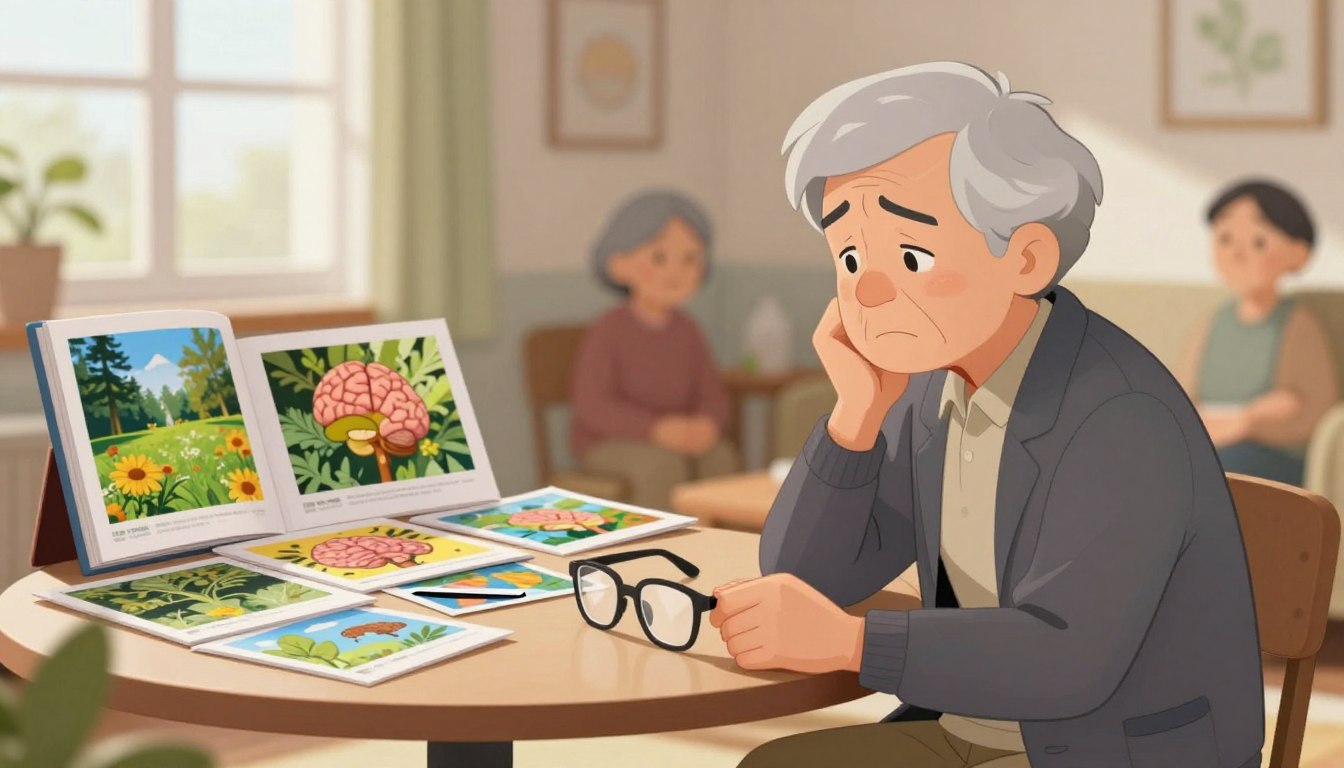
Surprising fact: people with vision impairment are about 50% more likely to develop dementia than those without, a finding that turns a small change in eyesight into a big family concern.
“Mom says the print is getting blurry… and she’s also forgetting little things.” That simple line captures why we pay attention now. Small changes at home can signal bigger shifts in brain health over time.
This article is a timely update. New surveys and eye–brain research, plus public health data, point to links between sight changes, social withdrawal, and higher risk for later problems.
You’re not alone. If daily check-ins would help, Talk to Joy now: 1-415-569-2439 or Sign up for JoyCalls. For more on isolation and health, see why regular contact matters.
Key Takeaways
- Early sight changes often coincide with memory shifts; notice both.
- Data show higher dementia risk when eye problems appear.
- Less time out can mean more health stress over months and years.
- Small daily supports help—phone check-ins, friendly routines, family notes.
- Immediate actions: call 1-415-569-2439 or sign up at JoyCalls to start regular check-ins.
Why this story matters for older adults in the United States
Simple tasks—like dialing a phone or spotting steps—often reveal when help is needed. Small changes at home can ripple into less confidence, fewer outings, and more missed care.

Vision impairment and brain health as a growing public health concern
The CDC reports about 3.22 million persons in the U.S. live with vision impairment. BRFSS defines this as being blind or having serious difficulty seeing even with glasses.
How sight changes affect independence and safety at home
- Reading labels, using a phone, and paying bills become hard.
- Tripping hazards and missed medication raise home safety risks.
- Many people pull back from social life when driving or lighting feels unsafe.
| Impact | Example | Simple action |
|---|---|---|
| Daily tasks | Misread meds or bills | Large-print labels, pill organizers |
| Safety | Trips on stairs | Home lighting, remove rugs |
| Social | Stops visiting friends | Daily check-ins to connect |
| Caregiver stress | Adult children juggling work | Summaries and alerts for families |
If you worry about a parent, Talk to Joy now: 1-415-569-2439. JoyCalls can call your loved one (no app needed) and send summaries to help keep them safe. See recent findings and Sign up for JoyCalls: https://app.joycalls.ai/signup.
What the latest evidence says about vision loss and cognitive decline
A large CDC survey found that people with poorer sight were far more likely to say memory problems got in the way of daily life.
CDC BRFSS findings: vision impairment tied to higher SCD-related functional limitations
The BRFSS survey (2015–2017) included 208,601 adults age 45+ across 49 states, Puerto Rico, and DC. After adjusting for age, race, education, and smoking, 18% of adults with vision impairment reported SCD-related functional limitations versus 4% without impairment. That is about 3.5 times higher.
Try JoyCalls Free
No app or new device needed. Start with a free 7-day trial.

Key numbers and what SCD feels like
More confusion. More forgetfulness. And it seems worse than a year ago. SCD means people notice worsening memory or confusion in the past 12 months. Functional limits included giving up cooking, missing meds, stopping driving, or skipping social plans.
Why this matters and where research is headed
This cross-sectional study does not prove cause, but it is strong public health evidence that sight problems often coexist with memory symptoms linked to higher dementia risk. Researchers are studying the eyes—using OCT and OCT-A scans—to spot retinal signs that may mirror small-vessel brain changes. Those eye examinations are noninvasive and more available than MRI or PET.
If you worry about a parent, Talk to Joy now: 1-415-569-2439 or Sign up for JoyCalls: https://app.joycalls.ai/signup.
Understanding the link between vision impairment, isolation, and dementia risk
Small hesitations—turning down a visit, stopping driving at dusk—often start a chain reaction. That chain ties eyesight changes to fewer outings, fewer talks, and growing solitude.

How social isolation and depression can rise after sight changes—and why that matters
When people face vision impairment, they may avoid crowds or stop hobbies. Social contact drops. Mood falls. These shifts raise the risk of depression and add to known dementia risk factors.
Isolation is a common, predictable response—not a personal failing. With support, it can be reversed.
“She said she’s fine, yet she stopped going out.”
Functional limitations: daily activities that become harder
Memory blips plus vision loss make tasks harder in two ways: less visual cues, and more trouble planning. Adult children often miss the slow shrinking of a parent’s world.
Try JoyCalls Free
No app or new device needed. Start with a free 7-day trial.
- Cooking and cleaning
- Managing medications and bills
- Driving and social activities
This double hit affects quality of life at home. Simple supports help. A friendly daily call can be a soft bridge back to connection. Talk to Joy now: 1-415-569-2439 or Sign up for JoyCalls.
For more on social links and risk, see a study on isolation and dementia and practical tips about loneliness at loneliness in older adults.
Which eye conditions are most associated with cognitive decline risk
Some eye conditions show stronger ties to later memory problems; knowing which helps families act.
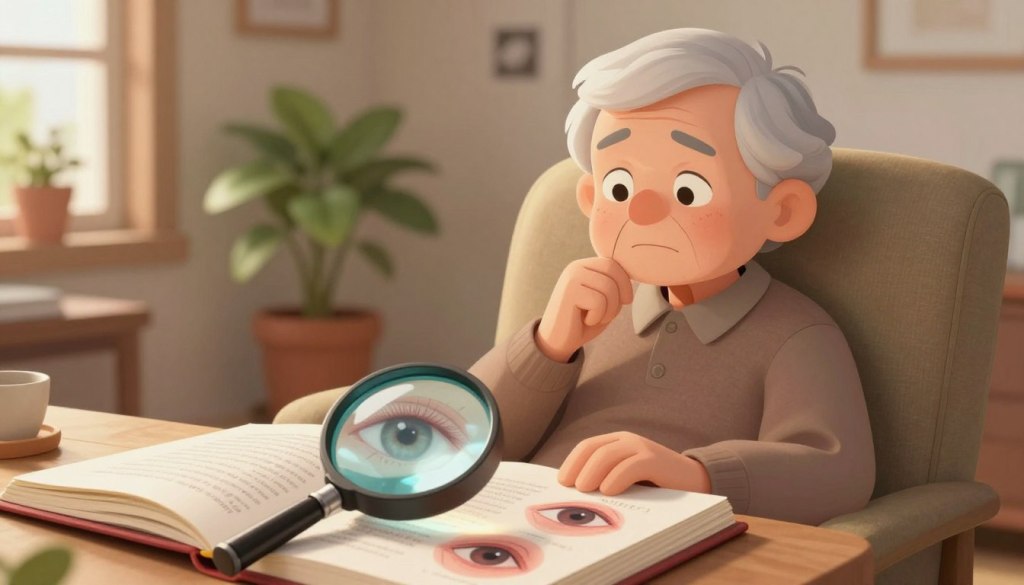
Uncorrected versus corrected problems
Research shows uncorrected vision carries higher dementia risk, while corrected sight often does not. Fixable issues matter. Updated glasses, timely exams, and treatment reduce everyday barriers.
Cataracts and diabetic retinopathy
Studies link cataracts and diabetic retinopathy to higher dementia rates. Diabetes also raises risk. Treating eye disease and managing blood sugar are practical steps caregivers can push for.
Glaucoma and macular degeneration
Some studies do not find the same link with glaucoma or age-related macular degeneration. The evidence varies. Doctors watch each case closely because every person differs.
Neurological causes and what to watch for
- Sudden change in one eye
- New trouble recognizing faces
- Vision complaints with new memory symptoms
| Condition | Study link to dementia | Care action |
|---|---|---|
| Cataracts | Associated with higher risk | Discuss surgery option |
| Diabetic retinopathy | Associated with higher risk | Manage diabetes; retinal care |
| Glaucoma | Mixed evidence | Monitor nerve tests |
| Macular degeneration | Mixed evidence | Low-vision supports |
Caregiver takeaway: You do not need a diagnosis. Notice patterns, note dates, and help arrange an exam. For support, Talk to Joy now: 1-415-569-2439 or Sign up for JoyCalls: https://app.joycalls.ai/signup. For more context on vision loss and risk, see this guide.
Ways to reduce risk: prevention, eye care, and supportive interventions
Start with one simple step: book a full eye exam for your parent this month. A comprehensive exam checks more than sight on a chart. It reviews eye health, disease risk, and changes over time.
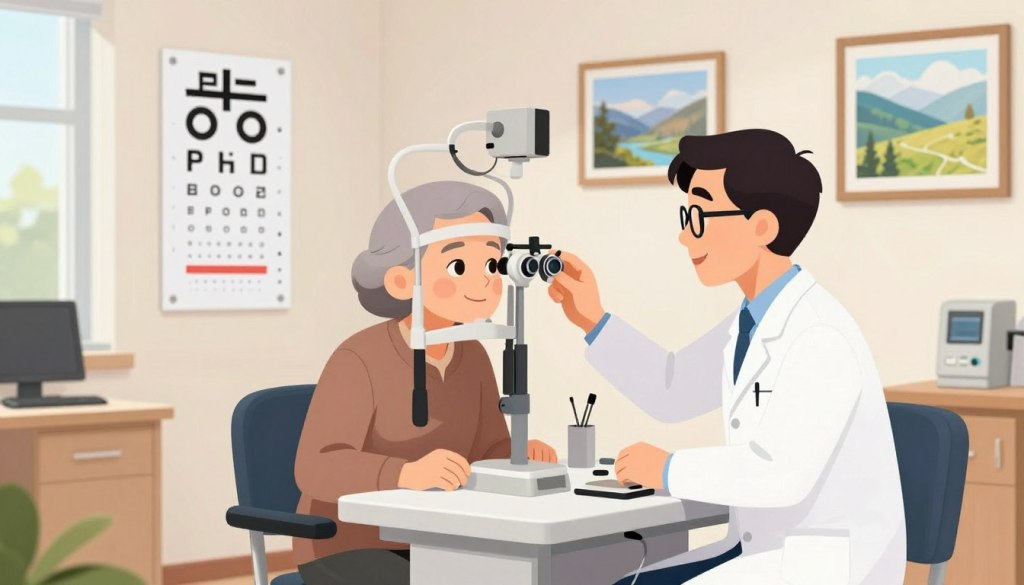
Corrective care that helps
Updated glasses or contacts, brighter home lighting, and magnifiers often restore confidence for older adults. If diabetes is present, timely retinal care matters.
Cataract surgery and what studies say
Some research finds cataract removal linked with about a 30% lower dementia risk in one study. Other work shows risk may then match people without cataracts. Surgery looks promising, but it is not a guarantee.
Low-vision rehabilitation and everyday safety
Rehab is life support, not just eye help. Training, device fitting, and home strategies keep cooking, meds, and movement safer.
- ✔ Improve lighting and contrast
- ✔ Use large-print labels and medication organizers
- ✔ Declutter walkways and mark stairs
| Action | Why it helps | Example |
|---|---|---|
| Comprehensive exam | Detects treatable problems | Annual retinal check |
| Corrective aids | Restores function at home | New glasses, magnifier |
| Low-vision rehab | Teaches safe routines | Cooking and med training |
| Daily check-ins | Reduces isolation, flags trouble | caregiver check-in schedule |
For practical support, Talk to Joy now: 1-415-569-2439. When you’re ready, Sign up for JoyCalls: https://app.joycalls.ai/signup. Small steps add up: healthy habits, protective eyewear, and contact hygiene help too.
Conclusion
Noticing more missed steps or forgotten names can be the gentle cue families should act on. The CDC BRFSS study found a clear gap: 18% versus 4% for adults with sight trouble who reported daily limits. That number matters.
Treat new symptoms as prompts, not blame. Simple fixes — updated glasses, brighter lighting, steady social contact, and small home supports — can protect day-to-day function. Researchers continue to study retinal signs as early signals, but this work is still evolving.
Keep a short log of memory moments and sight challenges (what, when, what helped). If a steady voice would help at home, JoyCalls offers daily check-ins and family summaries. Talk to Joy now: 1-415-569-2439. Sign up for JoyCalls: https://app.joycalls.ai/signup. For spotting mood vs loneliness, see spot the difference.