

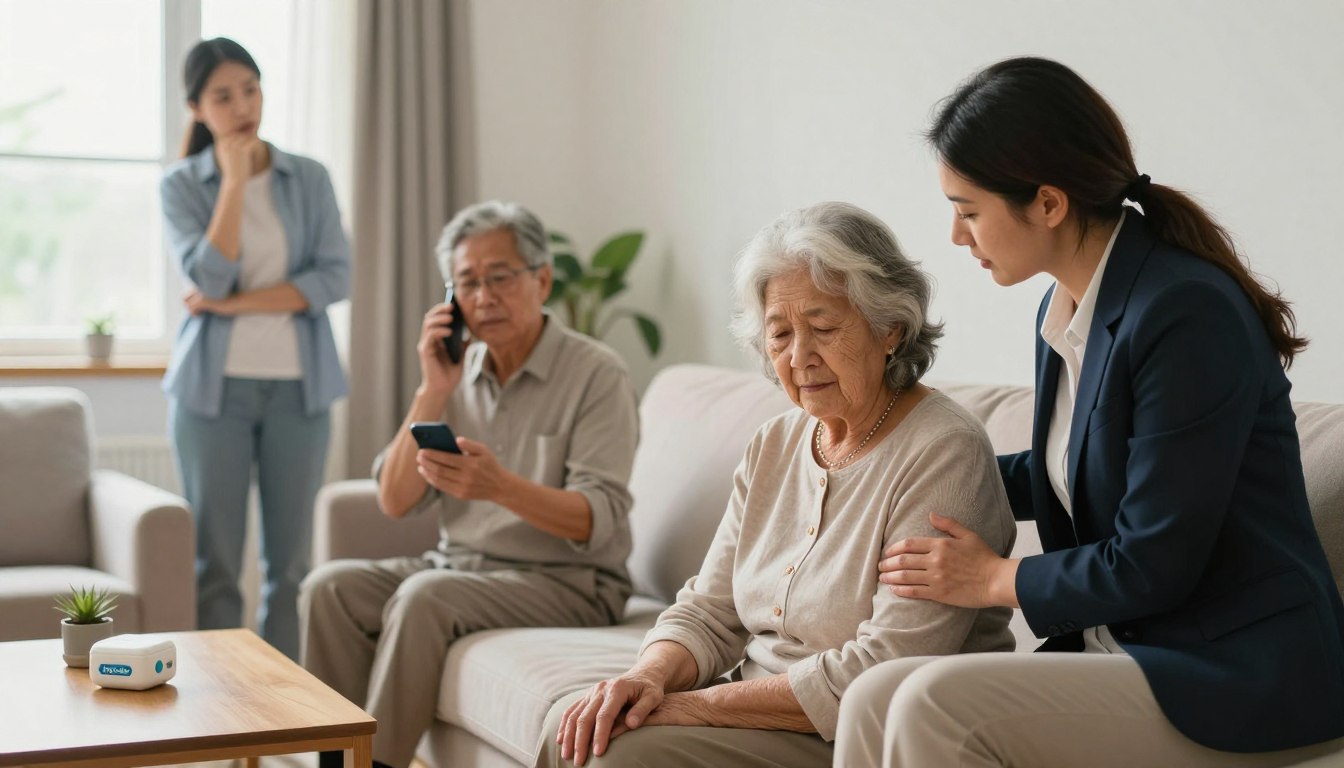
Imagine getting a call from a neighbor while you’re at work. They say your elderly parent has fallen and needs help. You feel panicked, wondering who to call first. Having a plan can really help in these moments.
Emergencies can happen anytime. It’s important to know who to call for help. Whether it’s a medical issue, a fall, or another crisis, having support is key. JoyCalls offers a safety net with daily check-in calls to seniors and alerts to caregivers. This ensures help is always just a call away.
Knowing who to call first can save time and reduce stress. It’s about being ready and having the right support.
Key Takeaways
- Having an emergency plan is crucial for seniors living independently.
- Identify key contacts such as family, neighbors, and emergency services.
- Services like JoyCalls can provide an additional layer of support.
- Daily check-ins can help prevent or quickly respond to emergencies.
- Caregivers can receive alerts and summaries to stay informed.
Understanding Elder Emergencies
Knowing how to handle elder emergencies is key to keeping them safe. Older people face many dangers because of health issues, mobility problems, and age. It’s important to be ready for these risks.
Common Types of Elder Emergencies
Elder emergencies can be falls, medical issues, or home safety problems. Falls are a big worry for seniors, caused by slippery floors, uneven paths, or bad lighting. Getting ready for emergencies means knowing these dangers and taking steps to avoid them.
Recognizing Warning Signs
Spotting the signs of an elder emergency is very important. Look for sudden changes, unexplained injuries, or signs of wrong medication use. Caregivers need to watch their elderly loved ones closely.
The Critical First Minutes of Response
The first minutes of a response are very important in elder emergencies. Fast action can make a big difference, like calling 911, giving first aid, or just being there until help comes. Having a plan, including caregiving emergency contacts, is key to a good response.
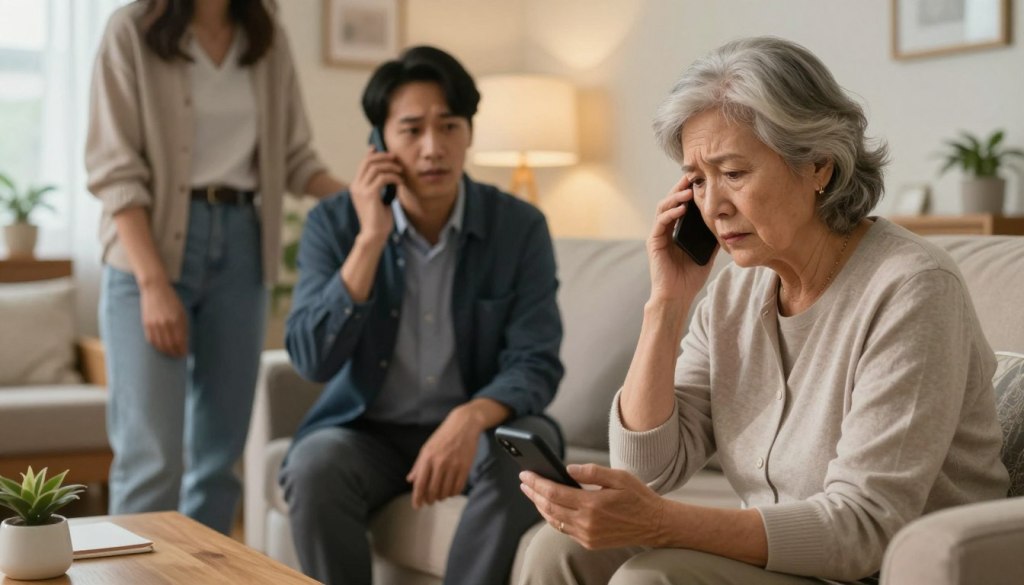
Why Having an Emergency Response Strategy Matters
A good emergency plan is key for families with elderly loved ones. It brings peace of mind and quick action when needed. Everyone knows who to call and what to do in an emergency.
Reducing Response Time
Every minute is crucial in an emergency. A solid plan can cut down response time. This means the elderly get help fast.
Ensuring Appropriate Care
A plan ensures the elderly get the right care in a crisis. Families can pick the best contacts for each emergency. This could be a medical issue or something else.
Providing Peace of Mind for Everyone
Having a plan gives peace of mind to everyone. It reduces stress and makes everyone feel more secure and ready.
| Benefits of an Emergency Response Strategy | Description |
|---|---|
| Reduced Response Time | Timely medical attention or intervention |
| Appropriate Care | Suitable contacts for different emergencies |
| Peace of Mind | Reduced stress and increased security for all |
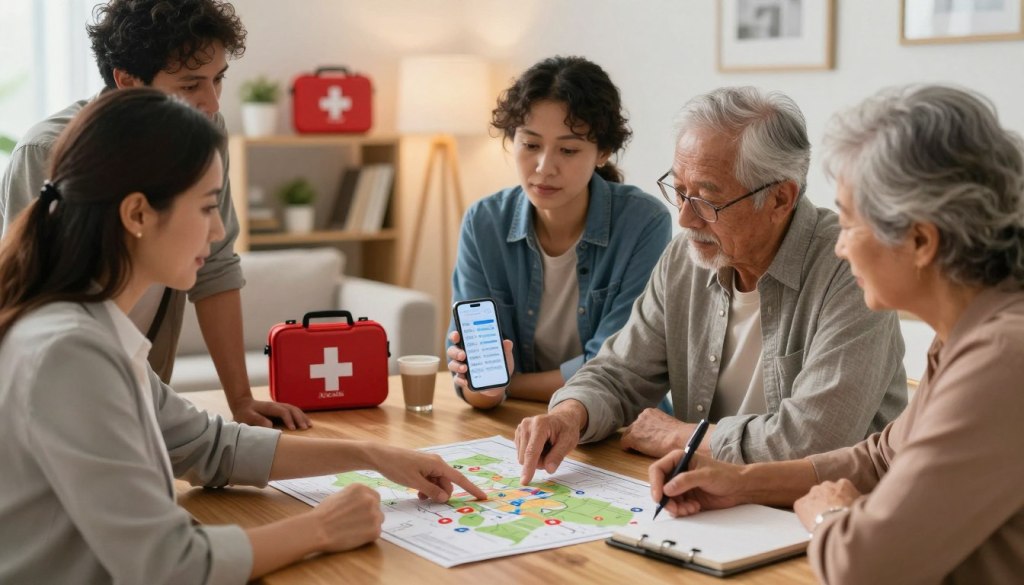
Creating a detailed emergency plan helps families deal with caregiving challenges. It ensures loved ones get the care they need. It also helps keep the family’s well-being in check.
Assessing the Severity of an Emergency
Knowing how serious an emergency is is key for caregivers. It helps keep their elderly loved ones safe. Being able to quickly figure out the situation’s severity is very important.
First, you need to know how serious the emergency is. Some emergencies are very urgent and need quick action. Others are not as urgent and can wait a bit.
Life-Threatening Emergencies
Life-threatening emergencies need fast action to avoid serious harm or death. Examples include:
- Severe chest pain or trouble breathing
- Severe injury or bleeding
- Stroke or heart attack symptoms
- Severe allergic reactions
In these cases, call 911 or your local emergency number right away. Stay calm and give the dispatcher all the details you can.
Urgent But Non-Life-Threatening Situations
Some emergencies are urgent but not life-threatening. These might include:
- Minor injuries that need medical help
- Medication problems
- Big changes in condition or behavior
For these, it’s best to call a doctor or go to urgent care. Having a list of emergency contacts is very helpful.
Non-Urgent Concerns
Non-urgent concerns are things that don’t need immediate medical help but should still be looked at. Examples are:
- Scheduling routine check-ups
- Managing chronic conditions
- Talking to healthcare providers about concerns
| Emergency Type | Examples | Recommended Action |
|---|---|---|
| Life-Threatening | Severe chest pain, severe injury | Call 911 |
| Urgent But Non-Life-Threatening | Minor injuries, medication issues | Contact primary care physician or urgent care |
| Non-Urgent | Routine check-ups, chronic condition management | Schedule appointment with healthcare provider |
Understanding emergency severity helps caregivers act fast. This ensures their loved ones get the care they need quickly.
When to Call 911 First
Elder emergencies can happen without warning. Knowing when to call 911 is key. It’s important to know when to get immediate medical help.
Clear Indicators for Immediate Medical Response
If your elderly loved one shows any of these signs, call 911 right away:
- Severe chest pain or trouble breathing
- Severe injury or fall that could be very harmful
- Sudden confusion, dizziness, or loss of balance
- Severe pain or sudden numbness
- Uncontrolled bleeding
What Information to Provide to Dispatchers
When you call 911, be ready to give the dispatcher important details:
- Your location and what’s happening
- The elderly person’s condition and any health history
- Any special needs or concerns, like dementia or mobility issues
What to Do While Waiting for Emergency Services
While waiting, stay on the line and do what the dispatcher says. Make the area safe by removing dangers. And stay calm to comfort your loved one.
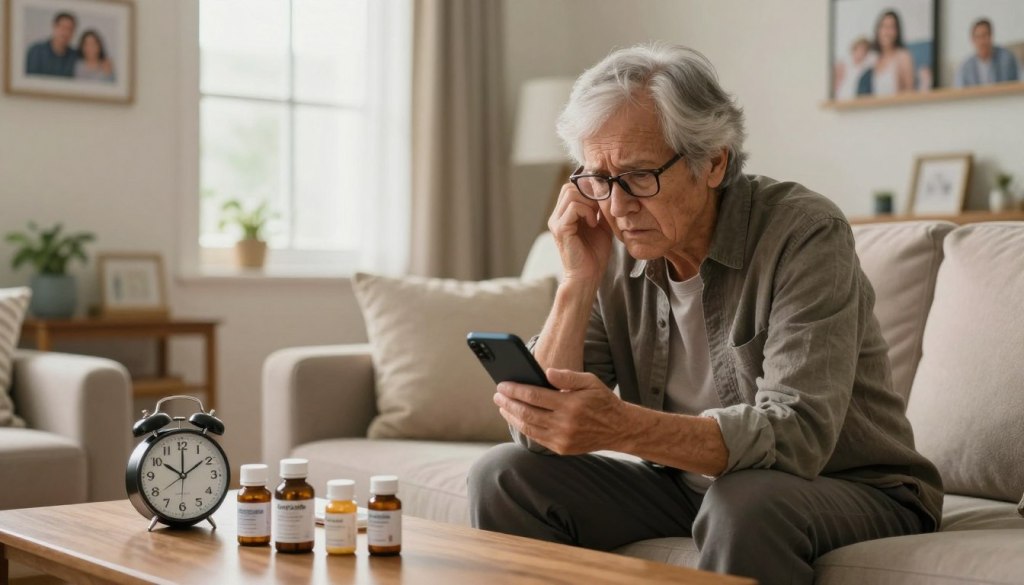
When Family Members Should Be the First Call
Family members are often the best first call in elder emergencies. They know the senior’s needs, medical history, and likes.
Situations Best Handled by Family
Not every emergency needs a doctor right away. Family can offer emotional support and figure out what to do next. For example, if a senior has a minor fall or mixes up their medicine, family can help first.
Designating Primary Family Contacts
It’s key to pick who to call in an emergency. Make a list of family contacts and share it with the senior and others. The Administration for Community Living says having a plan helps get the right people notified fast.
Creating a Family Communication Chain
Setting up a family communication chain is smart. Choose a main contact who will tell others, keeping everyone in the loop. 
With a good plan, family can help in emergencies. They can offer the support and care needed.
The Role of Neighbors in Elder Emergencies
In many communities, neighbors are heroes in elder emergencies. They are close by and can spot problems first. This makes them key in quick responses.
When Neighbors Are the Best First Response
Neighbors are great for non-life-threatening emergencies, like falls or power outages. They can help right away until others arrive.

Building a Neighborhood Support Network
To build a support network, find willing neighbors and plan how to communicate. This includes regular checks and knowing how to call for help. For more tips, check out emergency preparedness guides.
Training Neighbors on Basic Emergency Procedures
Teaching neighbors CPR and first aid helps them respond better. You can do this through community programs or local workshops.
With neighbor support and emergency contacts, seniors get help fast. This keeps them safe and happy.
Developing Your Elder Emergency Contact Plan
Creating a detailed emergency contact plan is key to keeping elderly loved ones safe. It acts as a guide for caregivers and family in emergencies. This ensures quick and correct actions.
Essential Components of an Effective Plan
An effective plan should have:
- Primary Emergency Contacts: Family or caregivers to call first.
- Medical Professionals: Doctors and healthcare experts.
- Emergency Services: Local emergency numbers like 911.
- Neighborhood Support: Reliable neighbors for help.
- Important Documents: Where to find medical records and insurance.
Prioritizing Contacts Based on Emergency Type
Each emergency needs a different response. For serious emergencies, call 911 first. For less urgent issues, reach out to a family member or caregiver. This way, the right people are informed at the right time.
Updating and Maintaining Your Plan
Keeping an emergency plan up to date is crucial. This means:
- Checking and updating contact info often.
- Making sure everyone knows the plan.
- Testing the plan to see if it works.
By regularly updating and checking your plan, caregivers can help their elderly loved ones in tough times.
Technology Solutions for Elder Emergency Response
Technology is key in helping seniors in emergencies. It makes their safety and security better. Caregivers use new tech to keep their elderly family members safe.
Medical Alert Systems and Wearable Devices
Seniors living alone use medical alert systems and wearable devices. They can call for help quickly by pressing a button. A review shows these devices have cool features like fall detection and GPS tracking.
Smartphone Emergency Features
Smartphones have great emergency features for seniors. For example, many have SOS buttons. These buttons quickly send alerts to family or emergency services.
JoyCalls: Automated Check-in Service
JoyCalls is a new way to check on seniors. It makes regular phone calls to check if they’re okay. Seniors can also talk to an AI friend.
How JoyCalls Monitors Elder Safety
JoyCalls calls seniors regularly. If they answer and say they’re fine, it updates caregivers. But if they need help, JoyCalls alerts family or emergency services.
Setting Up JoyCalls
Setting up JoyCalls is easy. Caregivers just sign up on the JoyCalls website. They can choose how often to call and who to contact in emergencies.
| Feature | Medical Alert Systems | JoyCalls |
|---|---|---|
| Emergency Response | Immediate alert to emergency services or family | Automated check-ins with escalation to family or emergency services |
| Ease of Use | Simple button press on wearable device | No device required; automated phone calls |
| Additional Features | Fall detection, GPS, medication reminders | AI companion interaction, customizable check-in schedules |
Preparing Your Emergency Contacts
Preparing your emergency contacts is key in elder emergency planning. It makes sure people know who to call in an emergency. They also know how to help right away.
Information to Share with All Contacts
Share important details with your emergency contacts. This includes medical history, current meds, and allergies. Also, give them a list of important phone numbers, like the doctor’s office.
Training Family Members on Emergency Procedures
Teach family members about basic emergency steps, like CPR and first aid. You can find classes online or locally. Make sure they know how to call for help and stay calm in emergencies.
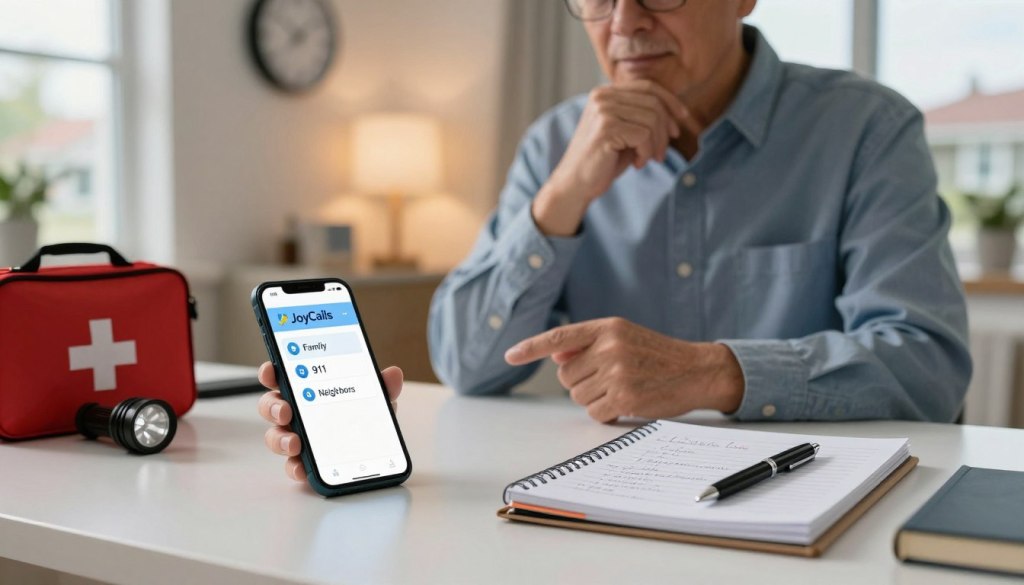
Establishing Clear Roles and Responsibilities
Make sure everyone knows their role in an emergency. Decide who will be the main contact and who will handle medical issues. This way, everyone knows what to do and there’s no confusion.
Preparing your emergency contacts well can really help in an elder emergency. It ensures your loved one gets the care they need quickly.
Communication Strategies During an Emergency
Effective communication is key during emergencies. It helps caregivers stay focused. This ensures their loved ones get the care they need. A study shows “clear communication is critical in emergency situations, reducing confusion and improving response times” (Source: Third-party research on emergency communication).
Clear and Concise Communication Techniques
Being clear and concise is vital when talking during emergencies. This means:
- Stating the purpose of the call right away
- Sharing important info clearly and briefly
- Listening well to what’s said back
Managing Emotions During Crisis Calls
It’s important to manage your emotions during crisis calls. Caregivers should:
- Take a deep breath before calling
- Speak calmly and clearly
- Focus on the key info to share
One caregiver said, “Staying calm under pressure makes all the difference in ensuring that you get the help you need.”
Ensuring Information Accuracy Across Multiple Contacts
When calling many people in an emergency, keeping info accurate is crucial. You can do this by:
- Having all important info ready
- Repeating key points to each person
- Keeping track of who you’ve called and when
Using these communication strategies can make caregivers better at handling emergencies. This ensures their loved ones get the care they need quickly and correctly.
Legal Considerations for Elder Emergency Response
Acting fast in elder emergencies is key. But being legally ready is just as important. Knowing the law helps caregivers make smart choices.
Medical Power of Attorney
A Medical Power of Attorney (POA) lets someone make health choices for the elder if they can’t. It’s vital for quick decisions in emergencies.
- Choose a trusted person as the POA.
- Make sure the POA knows the elder’s health wishes.
- Keep the POA document where it’s easy to find.
Advance Directives and DNR Orders
Advance Directives tell what medical care an elder wants if they can’t speak. A Do Not Resuscitate (DNR) Order means no CPR if the heart stops.
Key considerations include:
- Talk about and write down the elder’s wishes.
- Make sure doctors can see these documents.
- Check and update these wishes often.
HIPAA Considerations for Information Sharing
The Health Insurance Portability and Accountability Act (HIPAA) controls sharing medical info. Caregivers must know how to share info legally in emergencies.
Best practices include:
- Get the elder to sign a HIPAA form.
- Keep a list of who can get medical info.
- Know what info can be shared and with whom.
By tackling these legal points, caregivers can respond better and legally to elder emergencies.
Creating Emergency Information Packets
Creating an emergency information packet is key for unexpected situations. It’s a place for important info that caregivers, family, and emergency teams can quickly find.
Essential Medical Information to Include
Your emergency packet should have vital medical info, like:
- Medical conditions and diagnoses
- Current medications and dosages
- Allergies and sensitivities
- Contact info for healthcare providers
Medication Lists and Allergies Documentation
It’s important to keep a current list of medications. Include the name, dosage, and how often to take it. Also, list any allergies or bad reactions to meds. For tips on emergency prep, check out this resource for older adults.
Where to Store Emergency Information for Quick Access
Put your emergency packet somewhere easy to reach, like near your alert device or fridge. Make sure family and caregivers know where it is.
Preventing Common Elder Emergencies
Keeping seniors safe is more than just reacting to emergencies. It’s about preventing them. Families can take steps to lower the risk of common emergencies. This ensures seniors stay safe and healthy.
Home Safety Modifications
Modifying the home to reduce fall risks is key. Installing grab bars in bathrooms and improving lighting are good starts. Removing tripping hazards like loose rugs also helps.
Medication Management Strategies
Medication errors are a big worry for seniors. Using pill organizers and setting reminders can help. Regular checks with healthcare providers are also important.
Regular Health Check-ins and Monitoring
Regular health check-ups can spot problems early. This includes regular visits to healthcare providers and using telehealth services. Monitoring health at home is also crucial.
By focusing on prevention, families can improve their seniors’ lives. It’s about creating a supportive space for health, safety, and independence.
Post-Emergency Follow-up Procedures
After an emergency, it’s important to focus on medical follow-up and care coordination. You might need to adjust your emergency plan too. Taking care of your loved one involves many steps, just as important as the first response.
Medical Follow-up and Care Coordination
It’s crucial to make sure your loved one gets the right medical care after an emergency. This might include:
- Scheduling appointments with healthcare providers
- Coordinating with specialists
- Ensuring adherence to medication regimens
Care coordination is key to avoiding more problems and helping with recovery. It’s also important to talk to healthcare providers about the emergency and any care given since then.
Adjusting the Emergency Plan Based on Experience
Every emergency teaches us something about our emergency plan. Reviewing what worked well and what didn’t helps us make changes for better responses in the future.
Supporting Recovery and Preventing Recurrence
Helping your loved one recover means more than just medical care. It also includes emotional support and making their living space safer to avoid future emergencies. Services like Senior Call Check can offer extra support with regular calls.
By focusing on these areas, you can improve your emergency readiness. This way, you can give your loved one the best care possible.
Special Considerations for Long-Distance Caregiving
Long-distance caregiving has its own set of challenges, like during emergencies. Caregivers face the task of caring for loved ones from far away. They often need to rely on others for help in urgent situations.
Building a Local Support Network
Creating a local support network is key for long-distance caregivers. This network can include:
- Neighbors who can check in on the senior
- Local friends or family members who can provide immediate assistance
- Professional caregivers who can offer regular check-ins and support
Having this network helps ensure that seniors get the help they need quickly.
Technology for Remote Monitoring
Technology is crucial for long-distance caregiving. It lets caregivers keep an eye on their loved ones from afar. Tools like medical alert systems, smartphone apps, and remote monitoring services offer peace of mind and quick help when it’s needed.
Professional Services for Emergency Response
Professional services are also vital for emergency help. Services like JoyCalls send automated check-in calls to seniors. They send updates and alerts to caregivers. This is very helpful for long-distance caregivers who want to stay updated on their loved ones’ health.
Conclusion: Ensuring Elder Safety Through Proper Planning
Planning is key for keeping elderly people safe, mainly in emergencies. A good emergency contact plan helps caregivers act fast in crisis situations.
Good planning means knowing who to call first, like family or neighbors. Using tech like medical alert systems helps too. They make sure someone checks in often and can help quickly.
For more tips on keeping seniors safe in emergencies, check out emergency preparedness for seniors. With these steps, families can build a strong safety net. This gives everyone peace of mind.