


Surprising fact: nearly one in three older adults who live at home show signs of poor nutrition, yet many families spot it too late.
You notice Mom’s pants fit looser and she says she just isn’t that hungry lately. That small change can hide a big problem. Here, malnutrition means the body lacks enough protein, calories, or key vitamins to stay strong.
This guide shows what to watch for and simple steps to help. We’ll cover meal ideas, snacks, when to add supplements, and when to call a doctor. You don’t need gourmet skills—just a steady routine that supports health.
Illness, medications, and appetite shifts can cause trouble even when food is in the house. Small daily check-ins catch issues sooner than once-in-a-while visits.
Need help keeping an eye on day-to-day wellbeing? Sign up for JoyCalls: https://app.joycalls.ai/signup. Talk to Joy now: 1-415-569-2439.
Key Takeaways
- Watch for weight loss, loose clothes, and low appetite.
- Focus on protein-rich meals, easy snacks, and small frequent portions.
- Medication and illness can change a person’s nutrition needs.
- Daily check-ins and routines matter more than fancy cooking.
- Use tools like JoyCalls to monitor well-being and get alerts.
Why malnutrition matters for older adults living at home
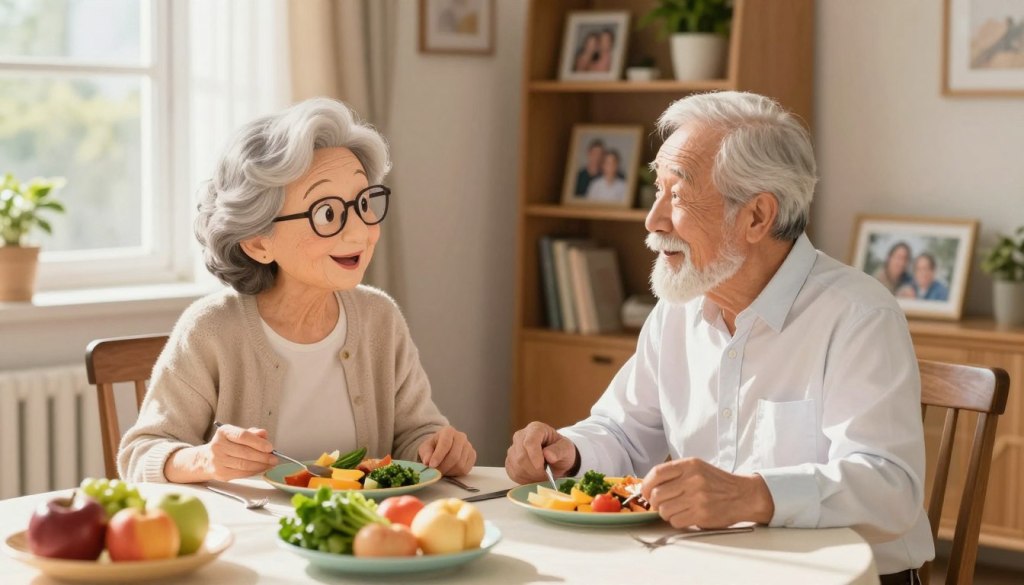
A few missed meals at home can quietly chip away at strength and energy. Malnutrition is simply not getting enough of what the body needs—protein, calories, or key nutrients. It can be hard to spot at first.
What it is and how it happens
At home, smaller portions, skipped meals, bland food, restricted diets, or a short illness can cut intake fast. A week of barely eating after a cold or feeling wiped after surgery can start the downward spiral.
Why older adults are hit harder
Compared with younger adults, older adults have less muscle reserve and slower recovery. Even brief low intake leads to weakness, more falls, and higher chance of hospital stays or readmission.
Health risks tied to poor nutrition
Risk grows in stages: less nutrition → less strength → more falls → longer recovery and infections. This affects independence and day-to-day life, like walking, bathing, and socializing.
| Problem | What is lost | Possible outcome |
|---|---|---|
| Low protein | Muscle strength | Falls, fractures |
| Too few calories | Energy | Fatigue, reduced activity |
| Vitamin/mineral gaps | Immune support | Infections, slow healing |
If something feels off, check food, weight, and hydration early. Small steps now prevent bigger problems later.
malnutrition in elderly: common causes and risk factors
When food stops tasting right, portions often shrink before anyone notices. That simple change can come from several common factors that affect eating and weight.

Appetite, taste, and smell
Older adults may notice food tastes bland or smells off. Olfactory decline is common; almost 63% of people over 80 have some smell impairment. When meals lose flavor, adults eat less and portions get smaller.
Illness and inflammation
When the body fights an illness or chronic condition, metabolism and appetite often change. Fever, inflammation, or recovery from surgery can cut intake fast and raise calorie needs.
Medications and restricted diets
Many drugs change taste, blunt appetite, or reduce nutrient absorption. If you spot steady weight loss, ask a clinician for a medication review and practical fixes. A medical diet may be needed, but restricted eating plans can also drop calories and protein if not planned well.
Chewing, swallowing, and dental issues
Painful teeth, loose dentures, or tiring while chewing push people away from meats and raw produce. Coughing during meals can signal swallowing trouble and should prompt evaluation.
Mood, cognition, and access
Depression, dementia, or loneliness can make someone skip meals or forget to cook. Limited income, no ride to the store, or poor mobility also block food access. These combined factors raise the overall risk.
Caregiver tip: If you see more than one of these factors, build a small plan and get support—gentle checks work better than warnings. For help talking through meds and care steps, consider talking to a clinician about meds.
Signs of malnutrition and dehydration to watch for at home
A steady drop on the scale or one less trip to the mailbox can be an early signal to watch. These are simple home signs you can spot without special tools.

Weight trends, weakness, fatigue, and reduced activity
Watch for steady weight change, looser clothes, or belt notch shifts. Note if walking or chores drop off.
They used to walk to the mailbox; now they skip it most days. That loss of energy matters.
Try JoyCalls Free
No app or new device needed. Start with a free 7-day trial.
Eating patterns that signal risk
Smaller portions, skipped meals, or “just toast” for several days are red flags. Loss of appetite is a key early sign.
Swelling, wounds, and fluid changes
Swelling or slow-healing cuts can hide poor protein intake or fluid shifts. These quieter signs deserve a check.
Dehydration red flags
Look for very dark urine, dizziness, extreme thirst, or confusion. Dehydration raises the risk malnutrition and quick decline.
- Caregiver checklist: note weight trends, meal patterns, fluids, and any new weakness each day.
- Use a simple daily check-in like a daily check-in routine to catch changes early.
| Sign | What to look for | Why it matters | When to call |
|---|---|---|---|
| Weight change | Steady drop, looser clothes | Less muscle, higher fall risk | Loss >5% in a month |
| Low energy | Skips walks, naps more | Less activity, weaker | Sudden mobility decline |
| Dehydration | Dark urine, dizziness | Confusion, falls | Very low urine or fainting |
Build a simple prevention plan for meals, snacks, and daily intake
Simple swaps and small bites can keep someone steady when appetite fades.
Start small: aim for 5–6 mini eating moments instead of forcing three big plates. This lowers pressure and raises total intake.
Set a realistic meal rhythm
Try this easy schedule: breakfast, mid-morning snack, lunch, afternoon snack, dinner, evening bite. Keep portions modest and protein near the top of the list.
Stock nutrient-dense staples
Keep a short pantry and fridge list: eggs, Greek yogurt, cheese, milk, peanut butter, nuts, seeds, and canned tuna or chicken. These foods deliver protein and calories with little prep.

Use frozen or canned fruits and vegetables
Frozen and canned produce lasts longer and saves time. They still give vitamins and are easy to add to meals and snacks.
Make each bite count: add nut butter, grated cheese, sauces, or seeds to boost calories and protein. Focus on higher-protein choices first so small appetites meet needs.
- Track simple targets: did we get protein, produce, and fluids today?
- Keep solutions quick—no elaborate recipes.
For quick healthy meal ideas, try this list of quick healthy meals. Pair that with a simple daily check-in to notice shifts in eating habits early.
Create a Weekly Home Nutrition System That Seniors Can Actually Follow
Preventing malnutrition at home is not only about knowing which foods are healthy. For many older adults, the real challenge is consistency. A senior may understand that protein, fluids, fruits, vegetables, and regular meals matter, but still struggle to eat enough because the day feels tiring, food preparation feels like work, or meals no longer feel enjoyable.
That is why families need a simple nutrition system, not just a list of foods.
A good home nutrition system answers five practical questions:
- What will be eaten today?
- Is the food easy to prepare and chew?
- Is there enough protein and energy in each meal?
- Who will notice if meals are skipped?
- What should the family do if appetite drops for several days?
When these answers are planned in advance, older adults are less likely to drift into missed meals, low energy, dehydration, or weight loss. The goal is not to control every bite. The goal is to make eating easier, more predictable, and more supportive.
Start With a “Normal Day” Food Map
Before changing anything, observe what the older adult already eats on a normal day. This should be done gently and without judgment. Many seniors become defensive when family members suddenly start questioning their meals, especially if they value independence.
Instead of asking, “Are you eating enough?” try asking:
“What did you enjoy eating today?”
“What was easy to make?”
“What felt like too much effort?”
“Was there any food you wanted but did not have at home?”
Write down what they usually eat for breakfast, lunch, dinner, snacks, and drinks. Also note when they eat. Some older adults do better with a strong breakfast and light dinner. Others have little appetite in the morning but eat more later in the day. The system should match their natural pattern as much as possible.
Once you have the normal day mapped out, look for gaps. A gap may be a breakfast with no protein, a long stretch between lunch and dinner, very little fluid intake, or repeated “tea and toast” meals. These are the places where small improvements matter most.
For example, if breakfast is usually toast, do not immediately replace it with a large cooked meal. Add peanut butter, cottage cheese, scrambled egg, Greek yogurt, or a glass of milk. If lunch is often soup, add beans, shredded chicken, lentils, cream, cheese, or soft tofu. If dinner is skipped because the person feels tired, move the most nourishing meal earlier in the day.
The best nutrition plan is the one the person will actually follow.
Build a 3-3-3 Weekly Meal Framework
A full weekly meal plan can feel overwhelming. A simpler method is the 3-3-3 framework:
- 3 easy breakfasts
- 3 reliable lunches
- 3 simple dinners
These meals can repeat during the week. Repetition is not a problem if the meals are nourishing and the person enjoys them. In fact, repetition often helps older adults because it lowers decision fatigue and makes grocery shopping easier.
For breakfast, choose options that require little effort. Good examples include oatmeal with milk and nut butter, eggs with soft toast, Greek yogurt with fruit, cottage cheese with canned peaches, or a smoothie made with milk, banana, and protein powder if recommended by a clinician.
For lunch, focus on meals that can be assembled quickly. Examples include tuna salad on soft bread, lentil soup with added olive oil, chicken salad with avocado, a baked potato with cheese and beans, or a soft wrap with eggs and vegetables.
For dinner, keep the options comforting and familiar. Seniors are more likely to eat meals that feel recognizable. Try soft pasta with meat sauce, rice with fish and vegetables, dal with ghee, slow-cooked chicken, shepherd’s pie, scrambled eggs with vegetables, or soup with added protein.
The point is not culinary variety. The point is nutritional reliability.
Once the nine meals are selected, keep the ingredients visible and stocked. Place frequently used items at eye level in the fridge or pantry. If the older adult has limited mobility, avoid storing important foods in high cabinets, deep shelves, or heavy containers. A food that is hard to reach is often a food that does not get eaten.
Use “Meal Anchors” Instead of Strict Meal Rules
Many older adults dislike being told they must eat at exact times. A more respectful method is to use meal anchors. A meal anchor connects eating to something already part of the day.
For example:
- Breakfast after morning medication
- A snack after the first phone call of the day
- Lunch after a short walk or chair exercise
- A drink after every bathroom visit
- Soup or smoothie during an afternoon TV program
- Evening snack after brushing dentures or setting out night medication
Anchors work because they reduce the need to remember. They turn nutrition into a rhythm instead of a task.
This is especially useful for seniors who live alone, have mild memory changes, or do not feel hunger strongly. Appetite often becomes less reliable with age, so waiting until someone feels hungry may not be enough. A familiar daily cue can gently remind the body and mind that it is time to eat.
Families can support this by using kind, normal language. Instead of saying, “You forgot to eat again,” say, “Let’s have your yogurt while the news is on,” or “This is your usual soup time.” The tone matters. Encouragement works better than correction.
Prepare “No-Cook Nutrition Stations”
One of the biggest barriers to eating well at home is effort. Cooking may feel tiring. Standing at the stove may be unsafe. Washing dishes may feel like too much. On low-energy days, even a simple meal can feel impossible.
A no-cook nutrition station solves this problem.
Create one small area in the kitchen or fridge where ready-to-eat foods are grouped together. The senior should be able to open the fridge or pantry and immediately see nourishing choices.
A fridge station may include:
- Greek yogurt
- Cheese cubes
- boiled eggs
- hummus
- cottage cheese
- soft fruit
- milk-based drinks
- prepared sandwiches
- cut vegetables if chewing is not a problem
- small containers of leftovers
A pantry station may include:
- nut butter
- crackers
- protein bars if suitable
- canned tuna or salmon
- canned beans
- instant oatmeal
- shelf-stable milk
- applesauce
- dried fruit
- nuts if safe to chew
Keep portions small. A large container can feel intimidating, while a small bowl or single serving feels manageable. For seniors with arthritis or weak grip strength, choose easy-open containers or transfer foods into containers they can handle.
This station should be checked at least twice a week. Remove expired food, restock favorites, and notice what is not being eaten. If yogurt keeps expiring, try pudding, smoothies, or cottage cheese instead. If sandwiches are untouched, try soup cups, soft rice dishes, or finger foods.
The system should adapt to behavior, not force the person to adapt to the system.
Make Food More Appealing Without Making It Complicated
Malnutrition prevention is not just about nutrients. It is also about desire. Food that looks dull, smells bland, or feels repetitive may be ignored even when it is healthy.
Small sensory upgrades can help. Add color with fruit, herbs, cooked vegetables, or sauces. Serve food on a real plate instead of leaving it in packaging. Warm food before serving when possible, because warmth often improves aroma and comfort. Use favorite spices, chutneys, gravies, dressings, or condiments unless restricted by a medical diet.
Texture also matters. Some seniors avoid eating because food feels dry, hard, crumbly, or tiring to chew. Moist foods are often easier. Add broth, yogurt, olive oil, gravy, soft cheese, or sauces to make meals easier to swallow. Cut foods into smaller pieces before serving. Choose slow-cooked meats instead of dry grilled meats. Offer soft fruits, stewed vegetables, soups, porridges, and casseroles.
The eating environment matters too. A quiet, well-lit table can improve focus. A comfortable chair can reduce fatigue. Good lighting helps the person see the food clearly. Dentures, glasses, and hearing aids should be in place before meals when needed.
For seniors who eat very slowly, avoid rushing. Some older adults need more time to finish a meal. If the plate is removed too quickly, intake drops. If a large plate feels overwhelming, serve a smaller portion first and offer seconds later.
Add a Gentle Tracking Method
Families often notice malnutrition late because they rely on memory. A caregiver may think, “Dad is eating okay,” but no one has actually tracked meals, fluids, or weight over time.
Tracking does not need to be complicated. A simple weekly sheet on the fridge can work. Use checkmarks, not detailed calorie counting.
Track four things:
- Did they eat breakfast, lunch, and dinner?
- Did they have at least one protein food?
- Did they drink fluids through the day?
- Was there any unusual tiredness, dizziness, nausea, or confusion?
You can also add a weekly weight check if the person is comfortable with it. Weight should be tracked at the same time of day, using the same scale, with similar clothing. Do not make the weigh-in feel like a test. Treat it as a health signal, like checking blood pressure.
For seniors who dislike written tracking, use conversation-based tracking. A daily phone call can include gentle questions such as:
“What tasted good today?”
“Did you have your usual breakfast?”
“Is there anything you want added to the grocery list?”
“Were you able to drink enough today?”
“Would a lighter dinner feel better tonight?”
The purpose is not surveillance. The purpose is early support. A missed meal once in a while may not be serious. But skipped meals for several days, reduced fluids, or sudden dislike of usual foods should prompt action.
Create a Family Response Plan for Low-Appetite Days
Every older adult has days when appetite is lower. The family should know what to do before it becomes urgent.
Use a three-level response plan.
Level 1: One Low-Intake Day
If the person eats poorly for one day but feels otherwise well, keep the response calm. Offer favorite foods, fluids, soups, smoothies, or small snacks. Avoid pressure. A worried family member may unintentionally make meals stressful.
Helpful options include warm soup, yogurt, scrambled eggs, mashed potatoes with cheese, smoothies, rice pudding, soft sandwiches, or milk-based drinks. Encourage small amounts every two to three hours.
Level 2: Two to Three Days of Poor Intake
If appetite stays low for two or three days, look for a cause. Ask about pain, constipation, nausea, dental discomfort, medication changes, sadness, sleep problems, or trouble swallowing. Check whether food has spoiled, groceries are missing, or cooking has become too tiring.
At this stage, increase support. Arrange meal delivery, prepare ready-to-eat foods, schedule a family meal, or ask a neighbor or caregiver to check in. If the person has diabetes, kidney disease, heart failure, or another chronic condition, contact a clinician earlier.
Level 3: Ongoing Poor Intake or Visible Decline
If the person continues eating poorly, loses weight, becomes weaker, appears confused, has vomiting or diarrhea, coughs during meals, or shows signs of dehydration, medical advice is needed. Do not wait for the next routine appointment. Malnutrition can worsen quickly in older adults, especially after illness or hospitalization.
A doctor, registered dietitian, speech-language pathologist, dentist, pharmacist, or home health nurse may all play a role depending on the cause. The right support depends on whether the issue is appetite, swallowing, medication side effects, access to food, depression, pain, or another medical problem.
Protect Independence While Improving Nutrition
One reason seniors resist nutrition help is that it can feel like a loss of control. Food is personal. Meals are connected to culture, routine, dignity, and memory. A family member may see a nutrition problem, while the older adult may feel criticized.
The best approach is collaborative.
Offer choices, but keep them simple. Ask, “Would you prefer soup or eggs?” rather than “What do you want to eat?” Ask, “Should we stock yogurt or cottage cheese this week?” rather than buying foods they may not want.
Respect lifelong preferences. If someone has always enjoyed traditional foods, build nutrition around those foods instead of replacing them completely. Fortify familiar meals. Add protein to soups, lentils, porridges, stews, casseroles, or soft breads. Use favorite flavors to make nourishment feel comforting instead of clinical.
Avoid making every conversation about food. Seniors need connection, not constant monitoring. A meal shared with warmth may do more good than a perfect meal delivered with tension.
Review the System Every Week
A home nutrition system should be reviewed weekly. Appetite, energy, medication, mood, and health can change quickly in older adults. What worked last month may not work now.
Once a week, ask:
- Which meals were actually eaten?
- Which foods were ignored?
- Did any food expire?
- Was chewing or swallowing harder?
- Were there enough easy snacks?
- Did the person seem weaker or more tired?
- Does the grocery list need changing?
- Is more help needed?
Then adjust one or two things. Do not overhaul everything at once. Small changes are easier to accept and easier to maintain.
For example, if breakfast is working but dinner is not, focus only on dinner. If fluids are low, add a drink beside the favorite chair. If groceries are not being used, buy fewer ingredients and more ready-to-eat options. If the senior is lonely at meals, schedule calls or shared meals around the hardest time of day.
The strongest nutrition plans are practical, respectful, and flexible. They do not depend on perfect cooking or perfect appetite. They create a steady structure around the older adult so that eating well becomes easier, safer, and more natural at home.
Make Nutrition Support Easier With Daily Check-Ins and Smart Reminders

Even the best meal plan can fail if no one notices when eating habits change. For many older adults, malnutrition develops quietly. It may begin with one skipped breakfast, then smaller lunches, then less interest in groceries, then fatigue that makes cooking even harder. By the time weight loss becomes obvious, the body may already be weaker.
That is why daily check-ins are so useful.
A check-in does not need to feel medical or intrusive. It can be a friendly phone call, a video call, a short visit, or a simple reminder from a family member, caregiver, or companion service. The aim is to notice patterns early and offer help before a small nutrition issue becomes a serious health concern.
Ask Better Questions Than “Did You Eat?”
Many seniors automatically say “yes” when asked if they ate, even if they only had tea, biscuits, toast, or a very small portion. A better approach is to ask specific but gentle questions.
Instead of asking, “Did you eat today?” ask:
“What did you have for breakfast?”
“What protein did you have today?”
“Did you finish your lunch or was it too much?”
“What drink have you kept near you today?”
“Is anything in the fridge difficult to open or prepare?”
“Did anything taste different or unpleasant?”
These questions make it easier to identify the real problem. Maybe the senior has food at home but no energy to cook. Maybe chewing has become painful. Maybe food tastes bland because of medication. Maybe they are lonely and do not feel like eating alone.
The answer tells you what kind of help is needed.
Use Reminders Without Making the Senior Feel Controlled
Reminders should feel supportive, not bossy. Older adults are more likely to respond well when reminders are warm, respectful, and connected to their routine.
Helpful reminder examples include:
“Your soup is in the front of the fridge for lunch.”
“Remember to keep your water bottle beside your chair.”
“Have your yogurt before your afternoon nap.”
“Your evening snack is ready whenever you feel like it.”
“Let’s have tea with something filling today.”
Avoid language that sounds like criticism, such as “You never eat properly” or “You forgot again.” This can create shame and resistance.
The goal is to preserve dignity while making nourishment easier.
Create a Small Circle of Support
Nutrition should not depend on one exhausted family member. A simple support circle can make care more reliable.
This circle may include:
- A family member who checks meals daily
- A neighbor who can notice if groceries are untouched
- A caregiver who helps prepare food
- A doctor who monitors weight and medical concerns
- A dietitian who adjusts the food plan
- A pharmacist who reviews medications that may affect appetite
- A companion caller who offers social connection and reminders
Each person should have a clear role. For example, one person handles groceries, another checks in during the afternoon, and another joins for one meal each week. Clear roles prevent confusion and reduce caregiver stress.
Watch for Social Reasons Behind Poor Eating
Malnutrition is not always caused by lack of food. Sometimes the deeper issue is loneliness, grief, anxiety, boredom, or loss of routine.
Many seniors eat less when meals feel emotionally empty. A person who cooked for a spouse for decades may find it painful to cook for one. Someone who recently stopped driving may feel cut off from favorite foods. A senior who feels depressed may lose interest in meals altogether.
In these cases, the solution is not only more calories. The solution is more connection.
Try shared meals, scheduled calls during mealtimes, community lunches, senior center programs, or regular visits from trusted people. Even a short conversation before lunch can improve mood and make eating feel less lonely.
Keep Emergency Foods Ready
Every home should have a backup food plan for days when cooking is not possible. This is especially important after illness, bad weather, caregiver absence, or sudden fatigue.
Keep a small emergency nutrition shelf with foods that are easy to open, easy to prepare, and easy to eat.
Good options include:
- ready-to-drink nutrition shakes if recommended
- shelf-stable milk
- instant oatmeal
- canned soup
- canned beans
- tuna or salmon packets
- applesauce
- nut butter
- crackers
- rice cups
- soft protein bars
- electrolyte drinks if appropriate
Check this shelf monthly. Replace expired items and remove anything the senior does not like. Emergency food only helps if the person is willing and able to eat it.
Know When Reminders Are Not Enough
If a senior keeps missing meals despite reminders, there may be a bigger issue. Do not assume they are being stubborn.
Missed meals can signal:
- memory changes
- depression
- dental pain
- swallowing difficulty
- medication side effects
- constipation
- nausea
- financial stress
- difficulty shopping
- fear of falling in the kitchen
- worsening chronic illness
When reminders do not work, the plan needs to change. The senior may need prepared meals, help at mealtimes, a medical review, dental care, swallowing assessment, or more frequent human support.
The Bigger Goal: Make Eating Feel Safe, Simple, and Social
Nutrition support works best when it feels natural. A senior should not feel like every meal is being graded. They should feel cared for, respected, and supported.
At home, malnutrition prevention is strongest when three things happen every day:
The food is easy to access.
Someone notices whether meals are being eaten.
The older adult feels emotionally supported, not pressured.
A daily check-in can bring all three together. It can remind a senior to eat, reveal early warning signs, and reduce the loneliness that often sits behind poor appetite. Over time, these small moments of attention can make meals more regular, more nourishing, and more comforting.
Plan for Nutrition Setbacks After Illness, Hospital Visits, or Medication Changes

Older adults are at higher risk of malnutrition after a health setback. Even a short illness can reduce appetite, change taste, cause fatigue, or make cooking feel impossible. A hospital visit, infection, fall, surgery, dental procedure, stomach upset, or new medication can interrupt normal eating for days or weeks.
This is why families should treat every health change as a nutrition risk.
Do a Food and Fluid Reset After Any Illness
After illness, do not expect the older adult to immediately return to normal meals. Start with small, frequent, easy foods. Offer something nourishing every two to three hours instead of relying on three full meals.
Good recovery foods include:
- soups with lentils, beans, chicken, fish, tofu, or eggs
- yogurt, curd, or smoothies
- soft rice, khichdi, porridge, or oatmeal
- mashed potatoes with cheese or milk
- scrambled eggs
- stewed fruit
- nut butter on soft toast
- milk-based drinks
- soft paneer, cottage cheese, or tofu
- well-cooked vegetables with oil, ghee, or sauce
The priority is to rebuild intake gradually. A small bowl eaten fully is better than a large plate left untouched.
Watch Closely After Medication Changes
Some medicines can reduce appetite, cause nausea, dry mouth, constipation, taste changes, dizziness, or sleepiness. These side effects can quietly reduce food intake.
After any medication change, track meals and fluids for one week. Notice whether the senior is eating less, drinking less, sleeping more, feeling nauseous, or avoiding foods they usually enjoy.
Do not stop medicines without medical advice. Instead, report the changes to the doctor or pharmacist. Sometimes the dose, timing, or alternative medicine can be reviewed.
A simple note such as “Appetite dropped after starting this medicine” can help the healthcare provider identify the problem faster.
Make Post-Hospital Meals Easier Before the Senior Comes Home
If an older adult is returning home from the hospital, prepare food before discharge when possible. The first few days at home are often tiring. The person may be weak, confused, sore, or overwhelmed by new instructions.
Before they return home, arrange:
- ready-to-eat meals in the fridge
- soft snacks near their usual chair
- filled water bottles
- easy-open containers
- grocery delivery
- a list of medication times and meal times
- a family check-in schedule
- follow-up appointments
- doctor-approved nutrition supplements, if advised
Do not wait until the person is home to decide what they will eat. A prepared home reduces the chance of skipped meals.
Rebuild Strength With Protein at Every Eating Time
After illness or hospitalization, older adults can lose muscle quickly. Protein becomes especially important during recovery. Instead of saving protein for dinner, spread it across the day.
Add protein to breakfast, snacks, lunch, and dinner. This may include eggs, dairy, lentils, beans, fish, poultry, tofu, paneer, yogurt, cheese, nut butter, or doctor-approved nutrition drinks.
If the person eats very little, make each small portion count. For example, oatmeal made with milk is better than oatmeal made with water. Soup with lentils or chicken is better than plain broth. Toast with peanut butter is better than dry toast.
Take Swallowing or Chewing Changes Seriously
After stroke, illness, dental work, or general weakness, some seniors may cough during meals, avoid certain textures, hold food in the mouth, or take much longer to eat. These can be signs of chewing or swallowing difficulty.
Do not ignore these signs. Swallowing problems can increase the risk of choking, poor intake, and aspiration. A doctor or speech-language pathologist may need to assess the person. A dentist may also be needed if pain, loose dentures, or missing teeth are affecting eating.
In the meantime, offer soft, moist foods and avoid dry, crumbly, or hard foods unless a clinician has said they are safe.
Prevent the “Recovery Gap”
Many seniors receive medical attention for the illness itself but very little support for nutrition afterward. This creates a recovery gap. The infection may be treated, the surgery may be complete, or the hospital stay may be over, but the person may still not be eating enough to regain strength.
Families can close this gap by asking direct questions at discharge or after a medical visit:
“What should they eat during recovery?”
“How much fluid should they aim for?”
“Are there foods to avoid with these medicines?”
“Should we use a nutrition supplement?”
“Do we need a dietitian referral?”
“What signs mean we should call you?”
“Is weight loss expected, or is it a concern?”
These questions turn nutrition into part of the care plan, not an afterthought.
Keep Support Higher for Two Weeks
After a setback, increase support for at least two weeks. This may mean more phone calls, more prepared meals, shared meals, help with groceries, or caregiver visits.
The older adult may say they are “fine,” but the body may still be recovering. Watch for reduced stamina, loose clothing, unfinished meals, dizziness, weakness, or sleeping through mealtimes.
If eating does not improve, ask for medical help early. Waiting too long can make recovery harder.
A Setback Plan Protects Long-Term Independence
The purpose of a nutrition setback plan is not to make the senior dependent. It is the opposite. Good nutrition after illness helps preserve strength, mobility, immunity, and confidence.
When families respond quickly after a health change, they can prevent a short-term appetite problem from becoming long-term decline. A few weeks of extra nutrition support can make the difference between slow weakening and steady recovery at home.
Increase calories and protein without adding a lot of food volume
Small, high-calorie choices can add needed energy without filling a plate. This helps when appetite is low and chewing or swallowing is a difficulty.

Goal: raise daily calories and nutrients using compact, tasty boosts. The aim is more energy for the body and preserved strength while meals stay modest.
Caloric “extras” that fit anywhere
Add olive oil or butter to vegetables, nut butter on toast, mashed avocado to eggs, or a drizzle of gravy. Sauces, cheese, and chopped nuts raise calories fast and make food feel richer.
Protein with small portions
Choose Greek yogurt, cottage cheese, eggs, canned tuna or salmon, beans, and lean meats. Tiny portions of these foods deliver big nutrient value and support muscle and daily ability.
Liquid calories between meals
Offer milk-based drinks, smoothies, or fortified shakes between meals so they don’t replace a plate. A single 8 oz supplement can supply up to ~350 calories and helps with hydration when solid food is hard.
| Strategy | Examples | When to use | Benefit |
|---|---|---|---|
| Extras | Olive oil, butter, sauces, cheese | Sprinkle on sides or mash-ins | Raises calories without larger portions |
| Protein bites | Greek yogurt, eggs, tuna, beans | Small servings at each eating moment | Protects muscle and daily function |
| Liquid calories | Smoothies, milk, oral supplements | Between meals, not right before eating | Easy to sip; boosts calories and fluids |
| Timing tip | High-calorie early bites | Start meal with a dense spoonful | Helps when appetite drops quickly |
Try one change per day. Small steps pile up. For more practical ideas to boost intake, see these boost nutrition tips.
Use supplements safely when food intake isn’t enough
A small, trusted drink or powder can be the bridge between low appetite and needed calories.
Oral nutrition drinks are useful when meals fall short, chewing is hard, or appetite is low. Use them between meals so they add calories without replacing a full plate. Watch labels for sugar if blood glucose is a concern.

Easy protein add-ins
Whey powder blends well into oatmeal, yogurt, and smoothies. Pasteurized liquid egg whites mix into scrambled eggs or batter for extra protein without heaviness.
Vitamins, minerals, and when to consult
Don’t guess on supplements or vitamins. Ask a doctor or dietitian when weight keeps dropping, when medicines change, or with chronic conditions. Clinicians can screen for malnutrition and suggest specific options.
| Option | When to use | Care notes | Benefit |
|---|---|---|---|
| Oral nutrition drinks | Low intake, between meals | Check sugar; avoid replacing meals | Quick calories and protein |
| Whey powder | Add to oats, smoothies | Mix well; try small amounts first | Boosts protein without volume |
| Liquid egg whites | Scrambles, baking | Use pasteurized product only | High-quality protein |
| Vitamins/minerals | Confirmed deficiency | Ask a clinician before starting | Targets specific gaps |
If you’re seeing ongoing weight loss, don’t DIY this alone. Early, safe support prevents bigger setbacks and helps keep adults steady at home. For clinical guidance on screening and care, see this resource on screening and assessment: nutrition screening and assessment.
Reduce common eating challenges that lead to malnutrition
When chewing gets tiring, favorite foods can suddenly feel off-limits. That small shift triggers other changes that lower appetite and overall ability to eat well.

Chewing and dentition
Try softer textures: tuna salad, egg dishes, slow-cooked meats, soups, and mashed vegetables. These keep protein on the plate without long chewing.
Schedule dental care for pain or denture fit. A fix can restore appetite and the ability to enjoy meals again.
Swallowing and coughing with meals
If coughing rises during meals, don’t “push through.” Request an evaluation by a speech-language pathologist to check swallowing safety.
Small changes in texture or positioning often make eating safer and easier.
Low appetite from mood or routine
Loneliness or low mood cuts appetite. Make meals feel special: music, a tidy table, or a family call. Little rituals rebuild interest. 🙂
Energy limits and practical help
Use prepared grocery meals, simple assembled plates, and ready-to-eat protein bites to save effort for eating.
Offer two choices, not ten. Keep packaged foods visible and easy to open. Supportive care helps older adults keep strength without hovering.
“He says steak is ‘too hard,’ so he skips the main protein.” — a common family note.
Screen for risk malnutrition and take action early
Spotting risk early makes a big difference. A quick, friendly check at home can catch weight loss, food worries, or access problems before they become serious.
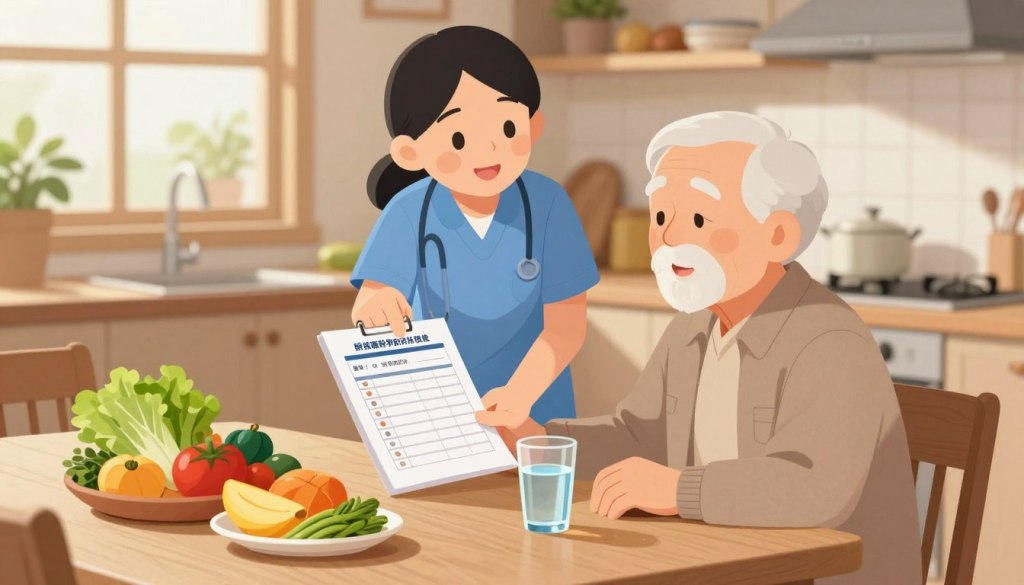
How to use the Malnutrition Screening Tool at home
The MST has two questions: unintentional weight loss and eating less because of low appetite.
Use this caregiver script: “Have you lost weight without trying?” and “Are you eating less because you don’t feel hungry?”
Score guide: weight loss points (including “unsure” = 2) plus appetite (yes = 1). A total of ≥2 means the person is at risk and needs action.
Food insecurity check with the Hunger Vital Sign
Ask the two Hunger Vital Sign questions exactly: “We worried our food would run out” and “The food we bought just didn’t last.”
Answering true or sometimes true to either suggests food insecurity and a need for services or benefits help.
Track weight and clothing fit over time
Weigh weekly if possible. If not, note belt notch shifts, looser clothes, and lower energy. Small changes add up.
When to contact a doctor immediately
- Sudden appetite loss.
- Eating <75% of meals for more than one week.
- Nausea, vomiting, or diarrhea for >3 days.
- Unexplained weight loss >10 lb.
- Noticeable drop in activity or mobility.
Community and delivery options that improve access
In the U.S., local services can help right away: Meals on Wheels, food pantries, SNAP benefits, grocery or meal delivery from stores, and medically tailored meals for diabetes or kidney disease.
Daily check-ins flag changes early. JoyCalls can surface appetite and mood shifts and send alerts to family. Sign up for JoyCalls: start here. Talk to Joy now: 1-415-569-2439.
Need clinical screening guidance? See this resource on screening and assessment: nutrition screening and assessment. For check-in timing ideas, read about best check-in times for seniors: morning vs evening check-ins.
Conclusion
Good food, steady routines, and small checks can change a slow decline into steady recovery.
At home, consistent meals, smart add-ons, hydration, and quick screening protect strength and reduce the chance of illness. Simple routines work better than big overhauls.
Start a meal rhythm, stock higher-protein choices, keep frozen produce handy, and add calories without larger portions. These practical tips help keep nutrients and energy up.
If weight keeps falling, intake stays low, or weakness gets worse, seek medical advice. You do not have to carry this alone — family support, clinicians, and tools help.
Need daily backup? Try JoyCalls for check-ins and companionship. Sign up: https://app.joycalls.ai/signup. Talk to Joy: 1-415-569-2439. 😊
FAQ
What does “malnutrition” mean for older adults living at home?
Why are older adults more vulnerable to poor nutrition than younger people?
What health problems can result from not eating well?
How can I tell if a parent is at risk—what signs should I watch for?
What common causes lead to poor food intake at home?
How often should older adults eat to prevent weight loss?
What foods help boost calories and protein without large portions?
Are frozen and canned fruits and vegetables okay to use?
When should oral nutrition drinks or supplements be used?
Can simple add-ins increase protein at home?
What should I do about chewing or swallowing problems?
How do mood and loneliness affect eating, and what helps?
How can I screen for risk at home quickly?
When is it urgent to contact a doctor?
What community resources can help with food access and meals?
How can caregivers make meal time easier when energy is limited?
Should I involve a dietitian, and what will they do?
How does medication affect appetite and nutrition?
What small steps can I take today to protect my parent’s nutrition?

Ana Avila, PhD, is a healthcare and technology writer with deep expertise in artificial intelligence, senior care innovation, and the practical use of AI in healthcare operations. Her work focuses on how emerging technologies can improve the daily experience of older adults, support overburdened care teams, and help senior living communities deliver safer, faster, and more personalized support.
Dr. Avila’s academic background is rooted in health informatics, aging care systems, and applied artificial intelligence. Her doctoral work focused on how digital health tools, predictive analytics, and AI-assisted communication systems can be used to improve care coordination, reduce operational delays, and identify early signs of risk among older adults. Her training gives her a rare ability to understand both the technical side of AI and the human realities of healthcare delivery.
Over the years, Ana has developed a specialized body of work around AI in senior living. She writes about how senior care providers can use intelligent systems to manage resident requests, answer routine questions, support family communication, improve after-hours coverage, and detect patterns that may indicate loneliness, confusion, distress, or unmet needs. Her articles often examine the gap between what senior living teams are expected to deliver and what traditional staffing models can realistically support.
Ana’s healthcare expertise is especially focused on the operational side of care. She has written extensively about call handling, resident engagement, front desk workflows, triage systems, caregiver communication, care escalation, and the hidden administrative burden placed on senior living staff. Her work explains how AI can help reduce repetitive tasks, organize incoming requests, prioritize urgent issues, and give human caregivers more time for meaningful resident interaction.
At the same time, Ana is careful not to present AI as a replacement for human care. A consistent theme in her writing is that technology should support relationships, not weaken them. She argues that the best AI systems in healthcare are not the ones that simply automate the most tasks, but the ones that make care teams more responsive, families more informed, and residents more supported. Her perspective is grounded in the belief that senior living technology must be designed around dignity, trust, privacy, and compassion.
Ana has also written widely on the ethical use of AI in healthcare. Her work discusses the importance of human oversight, transparent escalation rules, resident consent, data minimization, and responsible use of sensitive health and behavioral information. She often emphasizes that AI systems used around older adults must be easy to understand, carefully monitored, and designed with the limitations and needs of real residents in mind, including those with memory loss, hearing challenges, mobility issues, or social isolation.
Her writing has been used as a reference point in discussions about aging, elder care technology, digital health, and AI-supported senior living. Some of her articles have also been cited by Wikipedia editors as supporting references on topics related to healthcare, aging, and technology. This has helped position her work as a useful educational resource for readers looking to understand how AI can be applied in real care environments.
In addition to her long-form writing, Ana has contributed research-based commentary, professional explainers, and practical guidance for healthcare operators, senior living decision-makers, and technology teams building products for older adults. Her work combines research literacy with operational practicality. She is able to take complex subjects such as natural language processing, predictive analytics, conversational AI, and care automation, and explain them in a way that is accessible to executives, caregivers, families, and non-technical readers.
Ana’s strongest area of expertise is the intersection of artificial intelligence and senior living operations. She understands that senior care communities face a difficult combination of rising resident expectations, staffing pressure, family communication demands, and increasing care complexity. Her writing explores how AI can be used to ease those pressures through smarter communication systems, faster response workflows, proactive check-ins, and better visibility into resident needs.
Her approach is both evidence-informed and deeply human. She studies AI through the lens of real-world care delivery: whether a resident gets help faster, whether a family member receives a clearer update, whether a caregiver avoids unnecessary administrative work, and whether a senior living team can identify a concern before it becomes a crisis. This practical focus makes her work especially relevant for organizations that want to adopt AI responsibly rather than simply follow technology trends.
Ana Avila is regarded as a thoughtful voice on the future of AI in healthcare and senior living. Her expertise combines academic training, research-driven analysis, operational understanding, and a strong commitment to humane technology. Through her writing, she helps healthcare leaders and senior living communities understand not only what AI can do, but how it should be used to improve care, preserve dignity, and strengthen the human relationships at the center of aging support.