

Nearly 1 in 4 older adults can be chronically underhydrated, yet many families only notice when a loved one feels dizzy or tired.

Imagine juggling work and worry and asking, “Did Mom drink anything today besides a few sips of water?” That scene is common and painful.

This short guide promises a practical list of grab-and-go beverage ideas that help with hydration and add nutrients—without pouring on sugar or excess salt.

We’ll cover smoothies and shakes, milk and kefir, teas and coffee, broths and diluted juices, plus coconut water and electrolyte options. Safety matters: if your parent has kidney or heart issues, discuss choices with their clinician.

If you’re not nearby every day, routines slip. JoyCalls offers gentle daily check-ins and sends summaries so caregivers know if fluid goals are being met.

Need support now? Call Joy at 1-415-569-2439 or sign up at JoyCalls signup. Learn quick routines in our hydration plan: daily check-in routine.

Key Takeaways

  • Hydration slips are common; simple beverage swaps can help.
  • Choose fluids that add nutrients and avoid high sugar or sodium.
  • Health conditions and meds may change safe options—talk to a clinician.
  • Small routines and check-ins boost staying hydrated and independence.
  • JoyCalls can provide daily calls and caregiver alerts for peace of mind.

Why hydration changes with age for older adults

As we age, the body’s “drink me” signal grows quieter, so many older adults take in less fluid without noticing.

“Just drink when you’re thirsty” stops being good advice for some people. Thirst cues fade, and a person may already be low on fluids before they feel thirsty. That makes regular sipping more important than waiting for a cue.

Common barriers make it worse:

  • Trouble reaching the kitchen or getting a cup.
  • Forgetting to drink during the day.
  • Not wanting to wake at night to use the bathroom.
  • Swallowing pain or sensitive teeth that make cold drinks unpleasant.

Dehydration shows up fast as dizziness, confusion, and a higher chance of falls—scary when someone lives alone. It also strains the kidney. If a person already has kidney disease, fluid needs are more individual and may require a clinician’s plan.

Some meds increase urination or change electrolytes, so choices may need medical guidance. This isn’t blame—staying hydrated is harder with age, and gentle routines support better health and steady days.

A warm and inviting kitchen setting featuring older adults engaging in a light-hearted conversation while preparing healthy drinks. In the foreground, a smiling elderly woman with short gray hair wearing a comfortable yet modest blouse holds a colorful fruit smoothie in a glass. Beside her is an older man in a neat polo shirt, slicing fresh fruits like oranges and berries on a wooden cutting board. In the middle ground, a table is adorned with various drink options, like herbal teas and infused waters, surrounded by fresh herbs. The background showcases soft morning light filtering through a window with light curtains, creating a cozy atmosphere. The mood is friendly and healthy, emphasizing the importance of hydration for seniors.

Because plain water isn’t always appealing, the next section looks at other options that help the body stay steady day to day.

How to choose healthy drinks for seniors besides water

Choosing the right fluids can feel overwhelming in a busy grocery run—let’s make it simple.

Start with a clear order: hydration first, then nutrient value, then a quick label check. That way you pick a helpful option without dwelling on every bottle.

Prioritize hydration plus nutrients

Look for protein, calcium, and vitamins minerals when appetite is low. Liquid options can fill gaps and support energy.

Watch sugar and added sugar

Even 100% juice can spike blood sugar. If diabetes or blood sugar levels are a concern, choose low-sugar options or dilute juice and check labels.

Mind sodium and potassium

Vegetable juice and broth can be high in sodium. Coconut water and electrolyte options may be high in potassium. Ask the clinician if kidney health or heart issues apply.

Taste and temperature

Warm or room-temp sips suit sensitive teeth. Fruit infusions or herbal tea ice cubes add flavor without extra sweeteners.
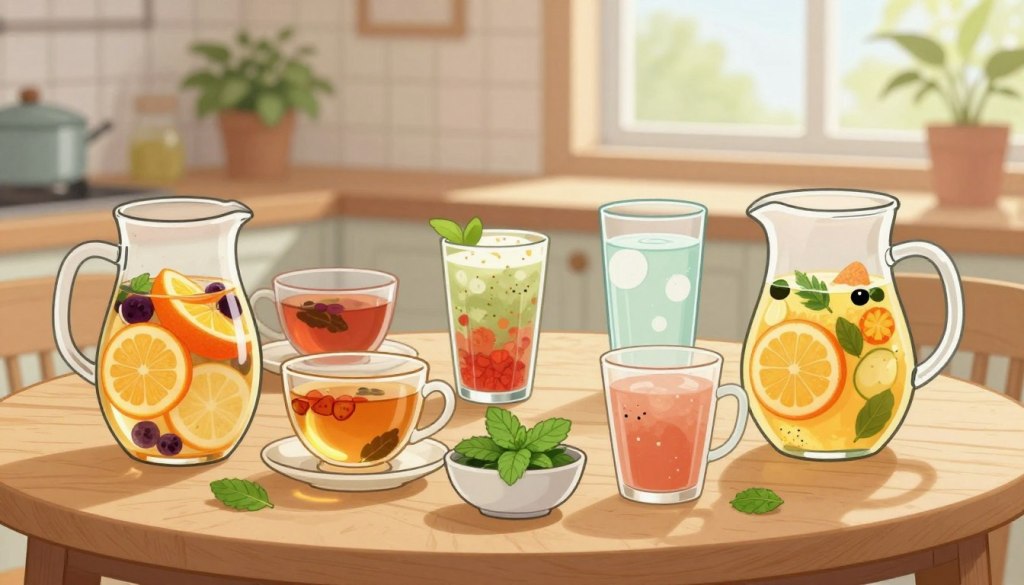
A cozy kitchen setting filled with natural light, showcasing a wooden table laden with an assortment of colorful, healthy drink options ideal for seniors. In the foreground, a clear glass pitcher of infused fruit water with slices of citrus and berries, alongside a small bowl of fresh herbs like mint. In the middle, various healthful drinks, such as herbal teas, low-sugar smoothies in clear cups, and a tall glass of coconut water, are artfully arranged. The background features soft-focus elements like green plants and a sunny window, creating a warm, inviting atmosphere. The overall mood is friendly and encouraging, embodying healthy lifestyle choices without any clutter. Capture this scene with a soft focus lens to enhance the inviting ambiance.

Type Common concern Quick tip
Fruit juice Sugar spike Mix 50/50 with water
Vegetable juice Sodium Choose low-sodium brands
Coconut water Potassium Use sparingly with kidney issues
Milk/kefir Calories/protein Good source of calcium and protein

If a parent refuses a choice, pivot. A comforting sip that gets steady intake wins over perfect labels.

For more quick, evidence-based options, see a useful guide on healthy beverage options.

Best drinks for seniors that deliver the most nutrition per sip

For older adults who tire through a meal, liquids that carry protein and calories help steady the day. Smoothies and shakes are top picks when chewing or appetite is low. They pack nutrition in a small, easy-to-drink serving.

Homemade smoothies use simple whole ingredients: fruit + leafy greens + yogurt + oats or chia. Add milk or a plant base. Fiber from oats or chia helps digestion and keeps energy steady.

Watch the sugar trap. Using juice or sweetened mixes can add a lot of sugars fast. Stick to plain yogurt, whole fruit, and no added sugar or artificial flavors.
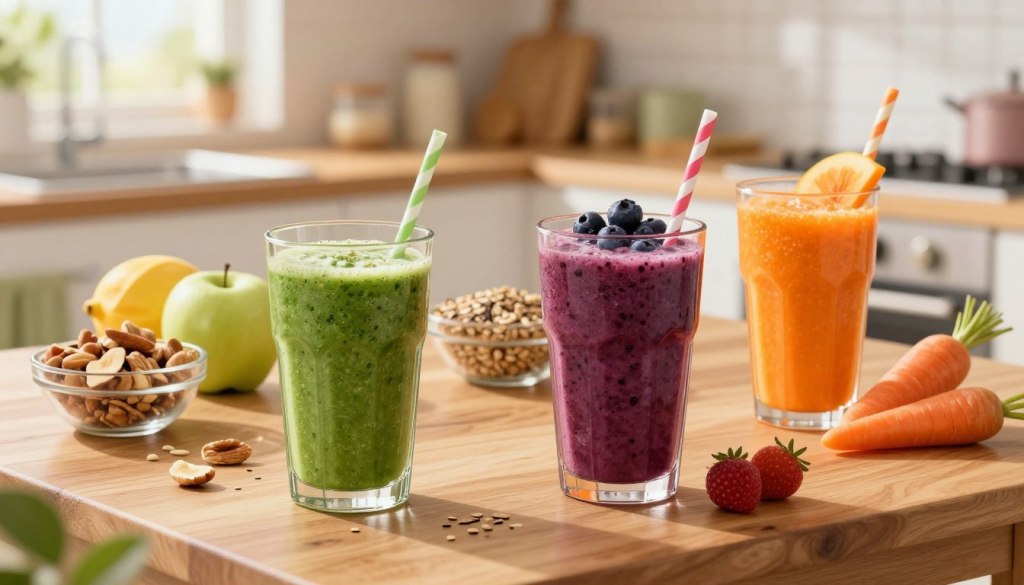
A vibrant arrangement of nutritional smoothies displayed on a wooden kitchen table, featuring a variety of colors and ingredients. The foreground includes three smoothies in clear glasses: a green kale and apple smoothie, a deep purple berry blend, and a bright orange carrot and ginger mix, topped with fresh fruits. In the middle ground, small bowls of nuts, seeds, and fresh fruits are artfully placed, emphasizing healthy ingredients. The background features a softly blurred sunny kitchen scene with light streaming through a window, creating an inviting atmosphere. The image should use natural lighting with a warm tone, captured from a slightly elevated angle to enhance the visual appeal and focus on the smoothies. The overall mood is cheerful, approachable, and health-oriented.

Smoothie formula to try

  • 1 cup frozen fruit (berries or banana)
  • 1 handful spinach or kale
  • 1/2 cup yogurt or kefir
  • 2 tbsp oats or 1 tbsp chia
  • 1/2 cup milk or water to blend

Premade options and nutritional shakes

Premade smoothies can help caregivers keep a steady intake. Read labels to avoid artificial flavors and added sugar. Some ready-made bottles are convenient but vary a lot in calories and sugar.

Nutritional shakes like Ensure or Boost give consistent portions and protein. Ensure Clear has 8g protein, 15 essential vitamins and minerals, and zero fat — useful during recovery or low appetite days.

Diabetes-friendly and diet notes

“Low sugar” labels can be misleading. Check total carbs and watch blood sugar response. Sugar alternatives may suit some diets, but measuring intake and observing blood levels matters most.

Option Key benefit Caregiver tip
Homemade smoothie Whole-food nutrition & fiber Control sugars; freeze portions
Premade smoothie Convenience and consistency Read for added sugar and flavors
Nutritional shake (Ensure/Boost) Measurable protein and vitamins Track servings for daily intake
“Low sugar” diet option Fewer simple sugars Check carbs and monitor blood levels

Try pairing a morning shake with a brief check-in call or reminder. Small routines make a big difference in daily intake and peace of mind.

Milk, lactose-free milk, and kefir for hydration, calcium, and protein

A simple glass of milk can do more than quench thirst—it can refill lost fluids and add a lift of protein and calcium.

Why milk helps hydrate better than plain water: Research shows milk may replace lost fluids more effectively than water. The small amount of sodium and the mix of carbohydrates and protein help the body hold on to fluid. That makes milk a helpful sip after light activity or when appetite is low.

A close-up of a glass of creamy milk hydration kefir placed on a wooden kitchen table, surrounded by fresh, vibrant green herbs and scattered oats to emphasize health and nutrition. The kefir is frothy with tiny bubbles forming at the top, highlighting its freshness. In the background, soft natural light streams through a window, illuminating the scene and creating a warm, inviting atmosphere. A faint hint of blurred fruits, such as bananas and berries, can be seen, suggesting delicious pairing options. The angle is slightly overhead to capture the details of the kefir and its surroundings, evoking a sense of vitality and wellness perfect for seniors seeking hydration and nourishment.

Pick the right milk to match diet and energy needs

  • Skim: lower calories, same protein for people watching weight.
  • Whole: more calories and energy if appetite is low.
  • Lactose-free: gentle on digestion when regular milk causes discomfort.

Kefir: gentle gut support and simple labels

Kefir is a fermented milk with probiotics. Look for plain versions that list live and active cultures on the label. That keeps it simple and avoids extra sugars.

“Start small: 2 oz per day, then build to 4–8 oz as tolerated.”

Caregiver tip: keep single-serve cartons or an easy-grip cup in the fridge. Place kefir with breakfast or an afternoon snack to make hydration feel natural and steady.

Tea and coffee options that support healthy aging

A warm cup can soothe worry and make sipping feel like comfort, not a chore.

Herbal teas such as chamomile or lemon balm are gentle, caffeine-free choices that may ease stress and help sleep. Try one cup in the evening to calm the body and mind. Keep it plain to avoid added sugar.

A cozy and inviting café table setting featuring an array of tea and coffee options ideal for older adults. In the foreground, a beautifully arranged selection of herbal teas in delicate porcelain cups, with options like chamomile and green tea alongside a steaming mug of light roast coffee. In the middle, a rustic wooden table adorned with a small plate of healthy snacks, such as almonds and dried fruit, enhancing the wellness theme. The background features soft natural light filtering through a large window, illuminating the scene and creating a warm atmosphere. The overall mood is friendly and soothing, emphasizing health and comfort. No people are present, allowing the focus to remain on the beverage choices.

Green and black tea benefits

Green tea contains antioxidants like EGCG that may lower inflammation and help steady blood sugar levels. Aim for 2–3 cups a day, steeped 2–3 minutes, and stop by mid-afternoon.

Black tea has polyphenols that act as prebiotics for the gut. One to two cups daily, steeped 4–5 minutes, can add variety and gentle support to the microbiome.

Coffee: timing, benefit, and sugar tips

Coffee offers antioxidants and may protect brain and liver health. Most people tolerate 2–4 cups a day if they stop by 2 p.m.

Avoid sugar overload: skip flavored syrups and heavy cream. Use a splash of milk or cinnamon instead to keep coffee a healthful sip, not a dessert.

Option Daily guide Quick tip
Herbal tea (chamomile/lemon balm) 1 cup in evening Helps sleep; caffeine-free
Green tea 2–3 cups before 2 p.m. Steep 2–3 min; supports blood sugar
Black tea 1–2 cups before 2 p.m. Steep 4–5 min; good for microbiome
Coffee 2–4 cups before 2 p.m. Balance each cup with a glass of water

Hydration strategy: pair every caffeinated cup with a glass of water to help the body hold fluids. This simple swap protects hydration and energy during the day.

Caregiver tip: if taste is a barrier, try decaf blends, lighter steeps, or iced tea without sugar to keep variety and preserve sleep.

For more options and practical ideas, see this short guide on healthy aging beverages.

Warm, savory drinks that count toward hydration

Savory beverages offer a gentle, food-like way to keep fluid and nutrients moving through the day.

Some older adults dislike sweet sips. A warm, salty cup can feel more like real food. That makes it easier to take small, steady gulps.

Bone broth is a great option here. Dietitians often suggest 3–4 cups per week as a simple routine. Use it at lunch or as an afternoon “tea time” substitute.
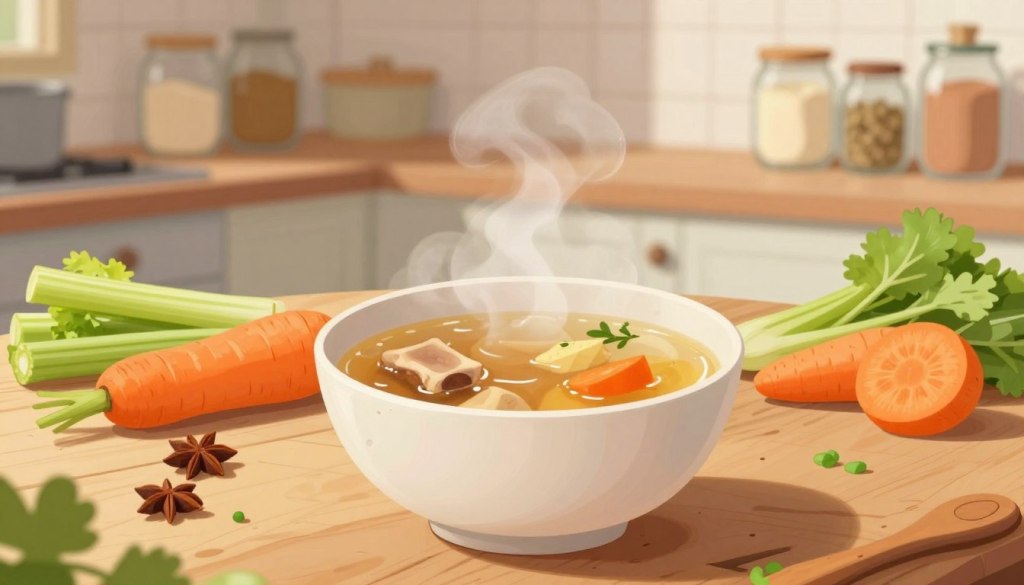
A warm and inviting kitchen scene featuring a steaming bowl of bone broth, surrounded by fresh, colorful ingredients like carrots, celery, and herbs. In the foreground, a rustic wooden table holds the bowl, with droplets of steam gently rising, emphasizing the warmth and richness of the broth. In the middle ground, ingredients like whole spices and vegetables are artfully arranged, hinting at their nutritional benefits. The background showcases shelves lined with jars of minerals and nutrients, subtly suggesting a healthful theme. Soft, natural lighting illuminates the scene, creating a cozy atmosphere that conveys comfort and nourishment, ideal for seniors seeking hydration options. The angle is slightly elevated, capturing the inviting essence of the bowl of bone broth without any distracting elements.

Bone broth: minerals, amino acids, and routine tips

Bone broth contains amino acids like glutamine, glycine, proline, histidine, and arginine. It also offers minerals such as calcium, phosphorus, potassium, magnesium, and zinc. These nutrients may help the gut lining and support bone strength.

Label tip: choose broth simmered at least eight hours for higher nutrient release. Packaged broths vary a lot. Check sodium on the label—many are quite salty.

  • Keep single-serve containers or microwaveable mugs to make servings easy.
  • Aim for 3–4 cups a week, split across meals or quiet evenings.
  • If there are heart or kidney concerns, ask the clinician about sodium and potassium limits.

“A nightly broth can comfort the body and pair nicely with a quick check-in call.”

Simple routines help keep hydration steady and bring calm at the end of the day. A warm cup, a short call, and a friendly voice can make a big difference in daily health and connection.

Juice choices for seniors: fruit juice vs. vegetable juice

Choosing juice is about why you pour it. A small glass can hydrate and add vitamins minerals. But it can also add a lot of natural sugar fast.

When 100% fruit juice helps: A 4–6 oz serving can top up fluids and give vitamin C and phytonutrients. Use it after a missed meal or when appetite is low. Families watching blood sugar should note that even pure fruit juice can raise levels.

Vegetable juice option: Carrot, tomato, and V8 give nutrients with less sugar. They taste savory and can sit well with a light meal. Check labels—many bottled blends are high in sodium.

A bright and inviting kitchen setting, showcasing a beautifully arranged selection of juice options tailored for seniors. In the foreground, a wooden table holds an assortment of glass juice containers filled with vibrant colors: fresh orange juice, deep red beet juice, and a refreshing green vegetable juice blend. Around the glasses, a few whole fruits like oranges, apples, and beets are scattered, hinting at their freshness. The middle ground features a softly lit countertop with a juicer, emphasizing the idea of freshly made juices. In the background, a serene window allows natural light to flood the scene, creating a warm and welcoming atmosphere. The overall mood is healthy and cheerful, inviting viewers to explore nutritious juice choices.

Smart serving and at-home vs. bottled

Small cups, half juice/half water, or ice dilute sugar content and stretch flavor. At-home juicing lets you control ingredients and taste. Add cucumber, celery, parsley, or a bit of fruit to balance sweetness.

“Juice is useful. Use small pours and read the label.”

Choice Benefit Caregiver tip
100% fruit juice Vitamin boost, hydration Limit to 4–6 oz; mix with water
Vegetable juice Lower sugar, savory nutrients Choose low-sodium brands; check sodium
Fresh-pressed at home Control ingredients & taste Keep whole fruit nearby for fiber

Coconut water and electrolyte drinks: who benefits and who should be cautious

On hot days or after a short walk, a light, electrolyte-rich sip can feel more helpful than another glass of plain water. These options add minerals that help the body hold on to fluid and keep nerves and the heart working well.

A refreshing, chilled coconut water drink, elegantly displayed in a clear glass with condensation, sits on a rustic wooden table in a bright kitchen setting. The foreground features the glass filled with coconut water, adorned with a slice of fresh lime and a green paper straw, while a whole coconut, partially cracked open, shows its white flesh beside it. In the middle, a light, airy atmosphere is created by soft, natural sunlight filtering through a window, casting gentle shadows that evoke a sense of warmth. In the background, lush green plants and a hint of tropical decor add a serene vibe, emphasizing the health benefits of coconut water. The image should be captured at eye-level, focusing on the drink to convey a sense of refreshment and vitality, with a soft focus that enhances the overall mood of wellness.

Electrolytes and potassium: hydration perks and kidney disease red flags

Electrolytes are minerals that help the body keep fluids where they belong and support normal heart and nerve function. Coconut water is mild, tasty, and an easy way to add electrolytes when water feels boring.

Key caution: coconut water is high in potassium. That can be risky for people with kidney disease. Talk with a clinician before making it a daily habit.

Shopping tips: added sugars, single-serve cartons, and storage after opening

  • Choose unsweetened labels and compare sugar content. Watch for added sugar on the label.
  • Single-serve cartons cut waste and lower the chance of a long-open container going bad.
  • Once opened, use quickly and refrigerate. Leave a short note on the fridge about opened items to help caregivers.
Option Why use it Quick tip
Coconut water Electrolyte boost Check potassium, use sparingly
Electrolyte drink Replaces salts after activity Pick low-sugar content brands
Water + a pinch of salt Simple, safe Rotate with other options each day

Caregiver note: rotate these options with plain water to keep intake steady. The goal is steady, realistic choices that prevent slips — not perfection.

Conclusion

Adding gentle variety can make staying hydrated feel doable, not like a chore.

Water stays essential, but small swaps help older adults sip more each day. Smoothies and shakes add nutrition. Milk and kefir bring protein and calcium. Teas and coffee offer comfort and routine. Warm broth and mindful juice or electrolyte options fill other needs.

Safety note: watch sugar, sodium, and potassium. If diabetes, heart, or kidney issues exist, ask a clinician before changing choices.

Tomorrow plan: pick 2–3 favorite options, stock them, and set gentle reminders. Aim for drinking enough water and other fluids each day, not perfection.

If distance or time is a barrier, Talk to Joy now at 1-415-569-2439 or sign up: https://app.joycalls.ai/signup. JoyCalls can help with steady check-ins and peace of mind.

FAQ

Why does thirst change as people get older?

As we age, the brain’s thirst signals often weaken and medications can blunt the feeling of thirst. Mobility issues, memory problems, or worrying about nighttime bathroom trips also make some older adults drink less. That combo raises the chance of dehydration, so gentle reminders and easy-to-reach drinks help a lot.

How does dehydration increase health risks in older adults?

Dehydration can cause dizziness, low blood pressure, and slower reaction times — all of which raise fall risk. It strains the kidneys, can trigger urinary tract infections, and may worsen confusion or memory problems. Staying hydrated supports balance, circulation, and brain function.

When should someone limit fluid intake because of kidney disease or medications?

People with advanced kidney disease or certain heart conditions may need fluid limits. Some diuretics or blood pressure drugs also affect fluid balance. Always ask the nephrologist or primary care provider about a personalized fluid plan before increasing daily intake.

What should I look for on labels when choosing drinks at the grocery store?

Check the ingredient list for added sugars, syrups, and artificial flavors. Look at serving size, calories, sodium, potassium, and protein. For juice and electrolyte drinks, note total sugar per serving. For nutritional shakes, compare protein and calcium content and whether they fit diabetes needs.

How can drinks do more than just hydrate? What nutrients matter?

Choose beverages that add protein, calcium, vitamin D, and other minerals. Milk or fortified plant milks provide calcium and vitamin D. Smoothies with yogurt, oats, or nut butter add protein and fiber. Bone broth and kefir add minerals and gut-supporting nutrients.

Are premade smoothies and nutritional shakes a good option?

Premade smoothies and shakes are convenient and can deliver calories, protein, and vitamins. Check for added sugar and artificial ingredients. Brands like Ensure and Boost give predictable protein and calories, which helps people who need reliable nutrition, but compare labels for sugar and sodium.

How should someone with diabetes handle fruit juice and smoothies?

Fruit juice and sweet smoothies can raise blood sugar quickly. Choose whole-fruit smoothies with fiber (berries, greens, chia) and add protein or healthy fat to slow absorption. For juices, prefer small portions of 100% juice or dilute with water. Monitor blood glucose and consult a diabetes educator for portion guidance.

Is milk a good hydration choice compared to water?

Milk hydrates and supplies protein, calcium, and electrolytes, so it can be more nourishing than plain water after activity or between meals. Choose skim or low-fat if watching calories, or whole milk if extra calories and energy are needed. Lactose-free options work well for those with intolerance.

What is kefir and how often should it be consumed?

Kefir is a fermented milk drink rich in live cultures that support gut health and provide protein and calcium. Start with small servings (4–6 ounces) to assess tolerance, then increase to one cup a day if it suits digestion. Choose plain kefir to avoid added sugars.

Which teas and coffee choices help aging without harming hydration?

Herbal teas (chamomile, lemon balm) are calming and caffeine-free. Green and black teas offer antioxidants; drink them without sugar. Coffee can be part of a healthy routine if limited and not loaded with sweeteners or cream. Balance each caffeinated cup with water to maintain hydration.

Are warm savory drinks like bone broth useful?

Yes. Bone broth provides minerals, some protein, and a comforting hot option that counts toward daily fluids. Homemade or low-sodium store brands work best. Use it weekly as an easy way to increase nutrient-rich fluid intake.

When is fruit juice helpful, and when is it risky?

100% fruit juice can supply vitamins and fluids but also concentrates sugar. It helps when someone needs calories or quick hydration, but it can spike blood sugar. Limit portions (4–6 ounces), consider diluting with water, or choose vegetable-based juices for fewer sugars.

How can vegetable juice fit into a senior’s routine?

Vegetable juices offer vitamins and lower sugar than fruit juice, but watch sodium—some bottled blends are very salty. Choose low-sodium options or make fresh blends at home so you control salt and ingredients.

Is coconut water a safe electrolyte choice?

Coconut water provides potassium and mild electrolytes with less sugar than many sports drinks. It’s a good option after light activity, but people with kidney disease or those on potassium-sparing medications should check with their clinician before using it regularly.

How do electrolyte drinks differ and who should use them?

Electrolyte drinks vary in sodium, potassium, and sugar. Low-sugar, balanced formulas help with dehydration from heat or mild illness. Avoid high-sugar sports drinks unless you need quick calories. People with heart or kidney issues should follow a medical recommendation first.

How can caregivers encourage older adults to drink more without pressure?

Make fluids easy to reach, offer favorite warm or cold options, add ice or a straw, and set gentle reminders. Flavor water with cucumber, citrus, or mint. Small, frequent sips work better than large amounts at once. JoyCalls daily check-ins can help prompt regular drinking and share alerts with caregivers. ✅🙂

Other Articles related to this article:

Medication Adherence Tips From Pharmacists (Simple, Proven)
Medication Reminders for Diabetes, BP, and Heart Meds (Systems That Stick)
Remote Medication Monitoring for Elderly Parents (What’s Realistic)
Medication Errors at Home: The Most Common Mistakes (And Fixes)
Side Effects vs Nonadherence: What Caregivers Should Watch For
The Best Time to Take Meds: Building a Habit Around Meals
Automatic Pill Dispensers: Do They Really Improve Adherence?
Medication Refills: Simple System to Never Run Out
How to Talk to a Stubborn Parent About Taking Meds
Polypharmacy in Seniors: Managing Too Many Meds Safely
Medication Reminders for Vision or Hearing Problems (Easy Fixes)
Medication Adherence for Dementia: Routines That Reduce Stress
Blister Packs and Bubble Packs: Are They Worth It for Seniors?
Pharmacy Sync: How to Align Refills on the Same Day
How to Keep an Updated Medication List (Template + Tips)
Text Message Medication Reminders for Seniors (Pros and Cons)
AI Medication Reminders: What They Can and Can’t Do
Medication Adherence for Seniors: Why Doses Get Missed
Post-Hospital Medication Plan: Avoiding Confusion After Discharge
Best Medication Reminder Methods (No Smartphone Needed)
Phone Call Medication Reminders: Do They Work Better Than Apps?
Pill Organizer 101: How to Choose the Right One for Seniors
Medication Management for Seniors Living Alone (Safety Plan)
Weekly Pill Planner Setup (Step-by-Step, 10 Minutes)
Daily Check-In Routine for Seniors Who Hate Being Checked On
How to Create a Medication Schedule That Actually Works
Medication Adherence Checklist for Caregivers (Fully Explained + Printable)
What to Do When Your Parent Says “I Already Took The Medicine”
How to Prevent Double Dosing in Seniors
Medication Reminder Apps for Seniors: What’s Actually Easy
How to Help Elderly Parents Remember Their Meds (Simple System)
Daily Check-In Routine for Seniors With Hearing Issues (Make It Easier)
Weekly Review: How to Spot Patterns From Daily Check-Ins
How to Start a Daily Check-In Routine in One Day (Fast Setup)
Daily Phone Check-In Services for Seniors: What to Look For
AI Check-In Calls for Seniors: How They Work (And What They Don’t Do)
The Best Daily Check-In Apps and Tools (And Simple No-App Options)
Daily Check-In Routine That Builds Real Connection (Not Just Monitoring)
How to Share Daily Caregiving Updates With Siblings (Without Miscommunication or Drama)
How to Set Boundaries With Daily Check-Ins (So It Doesn’t Take Over Your Life)
Daily Mood Check-Ins for Seniors: What to Watch For
Daily Check-In Routine After Hospital Discharge (First 14 Days)
How Often Should You Check In on Elderly Parents?
Daily Check-In Routine for Meals and Hydration (Quick Method)
Daily Check-In Routine for Seniors Living Alone (Safety + Connection)
How to Track Daily Check-Ins Without Feeling Like a Spreadsheet
Daily Check-In Routine for Medication Adherence (Without Nagging)
How to Build a Check-In Routine That Seniors Won’t Resist
Caregiver Check-In Schedule Template (Daily + Weekly)
Daily Check-In Routine for Elderly Parents (Simple Plan)
The 2-Minute Daily Check-In Script (No Awkward Talk)
The “No Answer” Escalation Plan for Daily Check-Ins
Daily Check-In Routine for Chronic Conditions (BP, Diabetes, COPD)
Daily Check-In Routine for Fall Risk (What to Ask Daily)
Daily Wellness Check Calls: What to Ask (7 Questions)
Daily Check-In Routine for Long-Distance Caregivers
What to Do If Your Parent Misses a Check-In (Step-by-Step)
Daily Check-In Routine for Dementia: Simple, Calm, Consistent
Daily Check-In Text vs Phone Call: Which Is Better for Seniors?
Morning vs Evening Check-Ins: What Works Best for Seniors
Caregiver Guilt: When You Can’t Be There to Keep Them Company
Senior Loneliness and Anxiety: Why They Feed Each Other
Does an AI Companion Help Senior Loneliness? What to Expect
How to Build a “Circle of Care” to Reduce Isolation (Neighbors, Friends, Family)
Volunteering for Seniors: The Best Way to Feel Connected Again
Loneliness in Men vs Women After 65: What Changes?
Senior Centers vs Community Groups: What Works Better for Loneliness?
“No One Needs Me”: How Purpose Reduces Loneliness in Aging
How to Make Phone Calls Feel Less “Check-In” and More Like Real Connection
Loneliness in Assisted Living: Why It Still Happens and What Helps
Loneliness or Depression? How to Spot the Difference in Older Adults
The Health Risks of Loneliness in Seniors (Heart, Brain, Immunity)
Loneliness in Older Adults: Signs, Causes, and What Helps
Loneliness in Seniors Without Smartphones: Low-Tech Ways to Stay Connected
Best Hobbies for Lonely Seniors (Easy to Start, Low Energy)
Social Isolation vs Loneliness: What’s the Difference in Seniors?
Retirement Loneliness: Why It Happens and How to Fix It
How to Help Seniors Make Friends After 60 (Practical Steps)
How to Create a Weekly Social Routine for an Elderly Parent
After a Spouse Dies: Loneliness in Widowhood (What Actually Helps)
How to Tell If Your Aging Parent Is Lonely (Even If They Say They’re Fine)
The “Quiet Withdrawal” Problem: When Seniors Stop Calling Back
How Often Should You Talk to Your Elderly Parents to Prevent Loneliness?
How to Help a Parent Who Refuses Social Activities
How to Help a Lonely Elderly Parent When You Live Far Away
Social Isolation in Seniors Living Alone: A Safety + Loneliness Plan
Senior Loneliness at Night: Why Evenings Feel Worse
Daily Check-In Calls for Seniors: Do They Reduce Loneliness?
Conversation Ideas for Seniors Who Feel Lonely (No Awkward Small Talk)
Loneliness and Dementia: Does Being Alone Speed Up Memory Loss?
Best Low-Tech Safety Devices for Seniors Living Alone
Home Safety Setup for Long-Distance Caregiving (Room-by-Room)
How to Track Meals and Hydration From Another City
Caregiver Guilt When You Live Far Away (How to Cope)
Smartwatch vs Phone Check-Ins: What Works Better for Seniors?
Scams Targeting Seniors: How to Protect Parents Remotely
When It’s Time for Assisted Living (Long-Distance Decision Guide)
How to Choose a Paid Caregiver When You Live Far Away
Weekly Care Plan Template for Aging Parents
Fall Risk: How to Reduce It When You’re Not There