


Nearly 1 in 4 older adults can be chronically underhydrated, yet many families only notice when a loved one feels dizzy or tired.
Imagine juggling work and worry and asking, “Did Mom drink anything today besides a few sips of water?” That scene is common and painful.
This short guide promises a practical list of grab-and-go beverage ideas that help with hydration and add nutrients—without pouring on sugar or excess salt.
We’ll cover smoothies and shakes, milk and kefir, teas and coffee, broths and diluted juices, plus coconut water and electrolyte options. Safety matters: if your parent has kidney or heart issues, discuss choices with their clinician.
If you’re not nearby every day, routines slip. JoyCalls offers gentle daily check-ins and sends summaries so caregivers know if fluid goals are being met.
Need support now? Call Joy at 1-415-569-2439 or sign up at JoyCalls signup. Learn quick routines in our hydration plan: daily check-in routine.
Key Takeaways
- Hydration slips are common; simple beverage swaps can help.
- Choose fluids that add nutrients and avoid high sugar or sodium.
- Health conditions and meds may change safe options—talk to a clinician.
- Small routines and check-ins boost staying hydrated and independence.
- JoyCalls can provide daily calls and caregiver alerts for peace of mind.
Why hydration changes with age for older adults
As we age, the body’s “drink me” signal grows quieter, so many older adults take in less fluid without noticing.
“Just drink when you’re thirsty” stops being good advice for some people. Thirst cues fade, and a person may already be low on fluids before they feel thirsty. That makes regular sipping more important than waiting for a cue.
Common barriers make it worse:
- Trouble reaching the kitchen or getting a cup.
- Forgetting to drink during the day.
- Not wanting to wake at night to use the bathroom.
- Swallowing pain or sensitive teeth that make cold drinks unpleasant.
Dehydration shows up fast as dizziness, confusion, and a higher chance of falls—scary when someone lives alone. It also strains the kidney. If a person already has kidney disease, fluid needs are more individual and may require a clinician’s plan.
Some meds increase urination or change electrolytes, so choices may need medical guidance. This isn’t blame—staying hydrated is harder with age, and gentle routines support better health and steady days.
Try JoyCalls Free
No app or new device needed. Start with a free 7-day trial.

Because plain water isn’t always appealing, the next section looks at other options that help the body stay steady day to day.
How to choose healthy drinks for seniors besides water
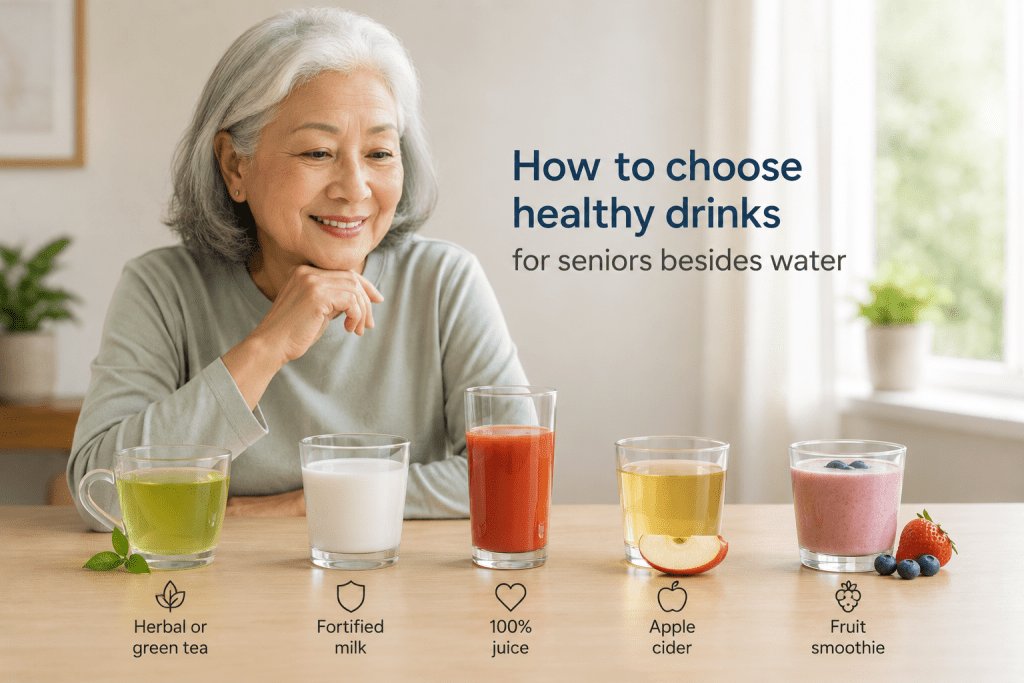
Choosing the right fluids can feel overwhelming in a busy grocery run—let’s make it simple.
Start with a clear order: hydration first, then nutrient value, then a quick label check. That way you pick a helpful option without dwelling on every bottle.
Prioritize hydration plus nutrients
Look for protein, calcium, and vitamins minerals when appetite is low. Liquid options can fill gaps and support energy.
Watch sugar and added sugar
Even 100% juice can spike blood sugar. If diabetes or blood sugar levels are a concern, choose low-sugar options or dilute juice and check labels.
Mind sodium and potassium
Vegetable juice and broth can be high in sodium. Coconut water and electrolyte options may be high in potassium. Ask the clinician if kidney health or heart issues apply.
Taste and temperature
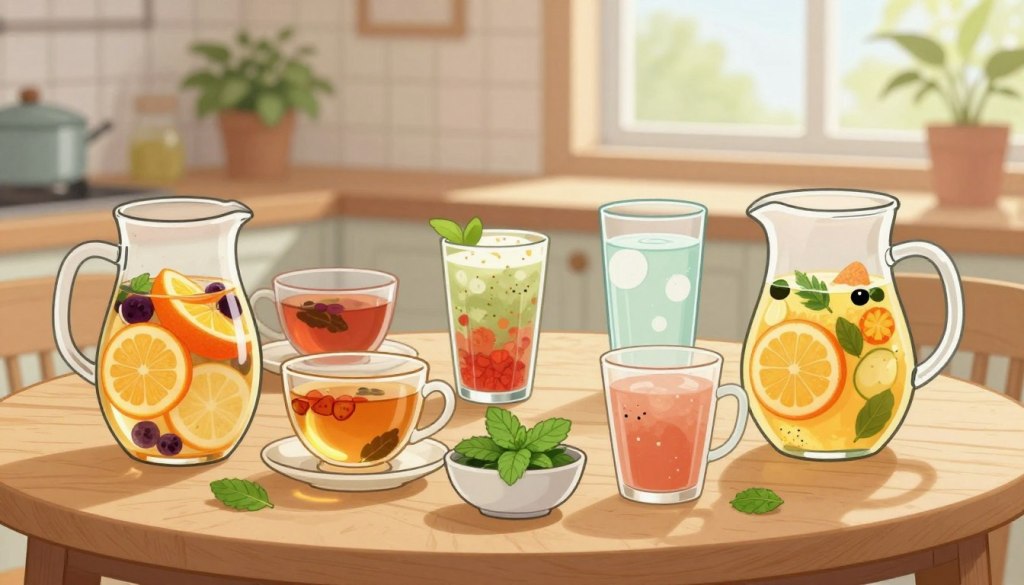
Warm or room-temp sips suit sensitive teeth. Fruit infusions or herbal tea ice cubes add flavor without extra sweeteners.
| Type | Common concern | Quick tip |
|---|---|---|
| Fruit juice | Sugar spike | Mix 50/50 with water |
| Vegetable juice | Sodium | Choose low-sodium brands |
| Coconut water | Potassium | Use sparingly with kidney issues |
| Milk/kefir | Calories/protein | Good source of calcium and protein |
If a parent refuses a choice, pivot. A comforting sip that gets steady intake wins over perfect labels.
For more quick, evidence-based options, see a useful guide on healthy beverage options.
Try JoyCalls Free
No app or new device needed. Start with a free 7-day trial.
How to Build a Safe Daily Drink Routine for Seniors
Choosing healthy drinks is helpful, but the real difference comes from turning those choices into a simple daily routine. Many older adults do not become underhydrated because they dislike healthy drinks. They become underhydrated because drinking does not happen at the right times, drinks are not easy to reach, or family members do not have a clear way to notice when intake is slipping.
A senior-friendly drink routine should be easy, predictable, and gentle. It should not feel like a strict medical schedule unless a doctor has prescribed one. The goal is to make healthy sipping part of the normal day, just like breakfast, medication, a favorite show, or an evening phone call.
This matters because older adults often drink less for very practical reasons. Some avoid fluids because they worry about bathroom trips. Some forget to drink when they are alone. Some feel full quickly. Some have dry mouth from medications but still do not think to sip often. Others may struggle with opening bottles, lifting heavy pitchers, or walking to the kitchen safely.
A good routine solves these everyday barriers before they become health problems.
Start With a “Drink Map” of the Day
Instead of telling an older adult to “drink more,” it is better to connect drinks to moments that already happen every day. This creates a drink map.
A drink map is a simple plan that answers three questions:
What will they drink?
When will they drink it?
Where will the drink be placed?
For example, a senior’s day may include a warm drink with breakfast, a protein-rich drink mid-morning, a small savory drink with lunch, a caffeine-free drink in the evening, and a bedside sip for dry mouth at night. The exact drinks can change based on taste, diet, and medical advice, but the structure stays familiar.
This is especially helpful for older adults who dislike being reminded constantly. Instead of a caregiver saying, “You need to drink more,” the day itself becomes the reminder.
A practical drink map might look like this:
Morning: one easy-to-finish drink with breakfast.
Mid-morning: one small nourishing drink near the favorite chair.
Lunch: one drink paired with the meal.
Afternoon: one refreshing drink before or after a walk, hobby, or TV program.
Evening: one calming drink that does not interfere with sleep.
Bedside: a small, safe amount available for dry mouth, if nighttime bathroom trips are not a major concern.
This approach works because it uses small portions. Many seniors feel overwhelmed by large glasses. A full tumbler can look like a chore. A small cup can feel manageable. For some older adults, four to six small drinks across the day are easier than two large ones.
Caregivers can make this even simpler by using the same cups each day. For example, a blue cup for morning, a handled mug for afternoon, and a small bedside cup in the evening. Familiar objects reduce decision fatigue and make the routine feel calm rather than clinical.
Use the “Reach Test” Before Blaming Motivation
When a senior is not drinking enough, families often assume the issue is stubbornness. Sometimes it is not. Sometimes the drink is simply not easy enough to reach.
The reach test is simple: sit where the older adult usually sits during the day and check whether a drink is visible, reachable, easy to lift, and easy to open.
If the drink is in the kitchen but the person spends most of the afternoon in the living room, the routine will fail. If the bottle cap is tight, the drink may sit untouched. If the glass is heavy, slippery, or filled too high, the person may avoid it because they fear spilling. If the drink is placed behind other items in the fridge, it may be forgotten.
A senior-friendly drink setup should remove friction.
Use lightweight cups with handles if grip strength is reduced. Choose cups with lids if spills are a concern. Keep drinks at waist or chest height in the fridge so the person does not need to bend or stretch. Avoid large containers that are hard to pour. If cartons are difficult to open, transfer safe portions into easier containers ahead of time.
For seniors with arthritis, tremors, weakness, or balance concerns, the best drink is not always the most nutritious one. It is the one they can actually access without strain.
A very practical setup is a small hydration station. This can be a tray on a side table, a section of the kitchen counter, or a shelf in the fridge. It should include two or three approved drink options, a favorite cup, napkins, and any needed straw or adaptive lid. The station should not be cluttered. Too many choices can create hesitation.
For older adults living alone, a visible drink station also gives family members something specific to check during visits or calls. Instead of asking a vague question like, “Are you drinking enough?” a caregiver can ask, “Did you finish the drink we left by your chair this morning?” That question is easier to answer and less likely to feel like nagging.
Match Drinks to Energy, Appetite, and Bathroom Patterns
The timing of drinks matters as much as the drink itself. A healthy beverage can still be poorly timed.
For seniors with low appetite, large drinks right before meals can make them feel too full to eat. In that case, smaller sips between meals may work better. A nourishing drink can be useful mid-morning or mid-afternoon, but it should not replace meals unless a clinician recommends it.
For seniors who wake often at night to use the bathroom, most fluid intake may need to happen earlier in the day. This does not mean cutting fluids too aggressively in the evening. It means shifting the main hydration window to morning and afternoon. A small evening drink may still be comforting, especially for dry mouth, but the larger servings should happen earlier.
For seniors who take morning medications, pairing the first drink with pills can be useful. However, this should be done carefully. Some medications require a full glass of water. Others have restrictions with dairy, calcium, grapefruit, caffeine, or certain supplements. Families should review medication instructions with a pharmacist before linking medications to specific beverages.
For seniors who feel dizzy when standing, a morning drink can be especially important. After a night without fluids, the body may need a gentle start. Keeping an approved drink near the breakfast area can help the day begin more steadily.
For seniors who nap in the afternoon, place a drink where they will see it after waking. Many older adults wake from naps with dry mouth but do not always get up to drink. A small, easy-to-hold cup nearby can make sipping automatic.
The key is to look for natural openings in the day. Drinks should support the person’s rhythm, not fight it.
Build a Safer Drink Plan Around Health Conditions
Healthy drinks are not one-size-fits-all for older adults. A drink that is helpful for one person may be inappropriate for another, especially when chronic conditions are involved.
For seniors with diabetes or blood sugar concerns, the main issue is how quickly a drink raises blood glucose. Sweet drinks, even natural ones, can affect blood sugar faster than solid foods because they are absorbed quickly. A better approach is to choose drinks with protein, fiber, or lower sugar, and to keep portions consistent. Families should also pay attention to how the person feels after drinking. Unusual sleepiness, shakiness, thirst, or frequent urination may be worth discussing with a clinician.
For seniors with kidney disease, potassium, phosphorus, sodium, and total fluid intake may need careful control. Some drinks that sound healthy can be too high in minerals for someone with reduced kidney function. This is why kidney-related drink choices should be individualized. Caregivers should not add daily electrolyte drinks, coconut water, high-potassium juices, or protein-heavy beverages without medical guidance if kidney disease is present.
For seniors with heart failure or fluid restrictions, “drink more” may be the wrong advice. Some people are told to limit daily fluids to prevent swelling, breathlessness, or strain on the heart. In that case, the goal is not simply more fluid. The goal is the right amount of fluid, spread carefully across the day. A written fluid limit from the clinician can help families avoid confusion.
For seniors with high blood pressure, sodium is the label detail to watch. Savory drinks, bottled vegetable drinks, broths, and electrolyte beverages can quietly add a lot of sodium. Low-sodium versions may be better, but the label should still be checked.
For seniors with swallowing difficulties, thin liquids can sometimes increase choking risk. Signs may include coughing during drinks, a wet-sounding voice after swallowing, frequent throat clearing, or avoiding liquids. In this situation, families should ask a doctor or speech-language pathologist for guidance. Some seniors need thickened liquids or special swallowing strategies. Do not guess, because the wrong texture can be unsafe.
For seniors with reflux, acidic drinks, carbonated drinks, caffeine, and large evening servings may worsen symptoms. Smaller portions and gentler options may be better tolerated.
For seniors with dementia or memory changes, the drink routine should be visual and repetitive. Use the same cup, same location, and same time of day. Avoid asking too many open-ended questions. Instead of “What do you want to drink?” try “Here is your afternoon drink.” Calm consistency usually works better than repeated persuasion.
Make Drinks More Appealing Without Adding Too Much Sugar
Many older adults drink less because water feels boring and some healthy drinks taste too plain. Flavor matters. A drink routine should be enjoyable enough to repeat.
The safest way to improve flavor is to add aroma, temperature variety, and small taste changes without turning every drink into a dessert.
Temperature can make a big difference. Some seniors prefer warm drinks because cold beverages bother sensitive teeth. Others find chilled drinks more refreshing. Some enjoy room-temperature drinks because they are easier to sip quickly. Families should not assume. Ask, observe, and adjust.
Aroma also helps. A warm cup with cinnamon, ginger, mint, lemon peel, or vanilla aroma can feel comforting even with little or no added sugar. For cold drinks, citrus slices, cucumber, berries, or herbs can make the drink feel more special.
Presentation matters too. A favorite mug, a clear glass with visible fruit, or a small cup served on a tray can make the drink feel cared for rather than prescribed. This is not about decoration. It is about dignity. Older adults are more likely to accept drinks that feel pleasant and adult, not childish or medical.
Sweetness should be handled carefully. If a senior is used to very sweet drinks, do not remove all sweetness overnight. Sudden changes often lead to refusal. A better strategy is gradual reduction. For example, dilute a sweet drink slightly more each week, or mix a sweet option with an unsweetened base. Over time, taste buds may adjust.
Caregivers can also use “flavor rotation.” Instead of offering the same drink every day until the person gets tired of it, rotate two or three familiar options. This keeps variety without overwhelming the person with constant new choices.
Watch for Early Signs That the Drink Routine Is Not Working
A drink plan should be reviewed regularly. The goal is not to create a perfect schedule and forget about it. The goal is to notice small problems before they become serious.
Possible signs of poor fluid intake include darker urine than usual, dry mouth, cracked lips, constipation, dizziness, headache, unusual tiredness, confusion, irritability, or fewer bathroom trips than normal. Some seniors may also have a faster heartbeat, low blood pressure, or increased risk of falls when dehydrated.
However, families should be careful. These signs can have many causes, including infections, medication side effects, blood sugar changes, or other medical issues. If symptoms are sudden, severe, or unusual, it is better to seek medical advice rather than assuming dehydration is the only explanation.
Caregivers can track patterns without making the older adult feel monitored. A simple method is the “three-point check”:
Did they have a drink with breakfast?
Did they have a drink between lunch and dinner?
Did they have a drink in the evening, if allowed?
This is easier than counting every ounce. It also fits naturally into phone calls or visits.
For seniors who need closer monitoring, a simple fridge chart may help. Use check marks, not complicated measurements. Another option is to prepare a set number of approved drinks each morning and see what remains by evening. This gives a rough picture without turning daily life into a spreadsheet.
Create a Caregiver Backup Plan for Low-Intake Days
Even with a good routine, some days will not go smoothly. A senior may sleep poorly, skip meals, feel unwell, or simply refuse drinks. Families need a backup plan for those days.
The backup plan should include three levels.
Level one is gentle encouragement. Offer smaller portions, a favorite cup, a different temperature, or a drink paired with a snack. Sit with the person for a few minutes if possible. Many older adults drink more when drinking feels social.
Level two is closer observation. If the person is drinking much less than usual, check for symptoms such as dizziness, confusion, fever, diarrhea, vomiting, pain, or signs of infection. Also check whether a new medication was started or whether the person is avoiding fluids because of bathroom worries.
Level three is medical support. Call a clinician promptly if low intake continues, if the person cannot keep fluids down, if there is sudden confusion, if dizziness is severe, if there are signs of a urinary tract infection, or if the person has heart, kidney, or diabetes-related risks. Emergency help may be needed if there are serious symptoms such as fainting, chest pain, severe weakness, severe confusion, or difficulty breathing.
A written backup plan reduces panic. It also helps siblings, paid caregivers, neighbors, and family members respond consistently.
Use Conversation, Not Pressure
Many seniors resist hydration reminders because they feel controlled. The wording matters.
Instead of saying, “You have to drink this,” try, “Would you like this warm or chilled?” That gives choice while keeping the goal the same.
Instead of asking, “Why didn’t you drink anything?” try, “Was the drink too sweet, too cold, or hard to reach?” That turns the problem into something fixable.
Instead of saying, “You never drink enough,” try, “Let’s make this easier so you do not have to think about it all day.”
Respect is especially important when adult children are caring for parents. Hydration is a health issue, but it is also a dignity issue. Older adults should feel supported, not managed.
A helpful script might be:
“I know drinking more can feel annoying, especially when you are not thirsty. Let’s not force big glasses. Let’s just keep a few small drinks nearby and find the ones that feel good to you.”
This kind of language lowers resistance and invites cooperation.
A Simple 3-Day Reset for Better Hydration
Families do not need to overhaul everything at once. A three-day reset can reveal what works.
On day one, observe. Notice when the older adult naturally drinks, what they refuse, what they finish, and where they spend most of the day. Do not push too hard. Just learn the pattern.
On day two, adjust the environment. Place drinks where they are visible and reachable. Use easier cups. Reduce container size. Offer drinks at natural moments like breakfast, after a walk, during TV time, or with medication if appropriate.
On day three, build the routine. Choose two or three drinks that were accepted and assign them to simple times of day. Write the plan in plain language. For example: “Morning mug with breakfast. Small cold drink by the chair after lunch. Warm evening drink after the news.”
After three days, review what changed. Did the senior drink more? Were there fewer reminders? Did any drink cause stomach upset, coughing, bathroom concerns, or blood sugar issues? Keep what worked and remove what did not.
This is how a healthy drink routine becomes sustainable. It is not built through pressure. It is built through comfort, access, timing, safety, and repetition.
For many families, the best hydration plan is not the most complicated one. It is the one an older adult can follow on an ordinary day, even when no one is standing beside them.
Smart Drink Swaps for Seniors Who Want Better Hydration Without Extra Sugar
Many seniors are told to drink more fluids, but the advice often stops there. In real life, the challenge is not just drinking more. It is choosing drinks that support hydration without creating new problems such as blood sugar spikes, excess calories, stomach discomfort, poor sleep, or frequent nighttime urination.
That is where smart drink swaps become useful.
A smart drink swap does not ask an older adult to give up everything they enjoy. Instead, it keeps the comfort, flavor, and habit of a familiar drink while making it safer or more nourishing. This approach is especially helpful for seniors who already have strong beverage preferences. A person who has enjoyed sweet tea for 40 years may not suddenly love plain water. A person who looks forward to a fizzy drink every afternoon may not respond well to being told to stop completely.
The better strategy is gradual improvement.
Swap Large Sugary Drinks for Smaller, Slower Sips
For seniors who enjoy sweet beverages, portion size is often the first thing to adjust. A smaller serving can reduce sugar intake without making the person feel deprived.
Instead of a large glass of sweetened drink, serve a smaller cup alongside a snack or meal. The drink still feels satisfying, but the sugar load is lower. This is especially important for older adults with diabetes, prediabetes, weight concerns, or low activity levels.
Another useful method is the slow-sip rule. Rather than finishing a sweet drink quickly, encourage sipping it slowly over 20 to 30 minutes. This can make the drink feel more satisfying and may reduce the desire for a second serving.
Families can also try gradual dilution. Start by reducing sweetness only slightly. For example, mix three parts of the usual drink with one part unsweetened liquid. After a week or two, adjust again. Sudden changes often lead to refusal, but small changes are easier to accept.
Replace “Empty-Calorie” Drinks With Drinks That Add Something Useful
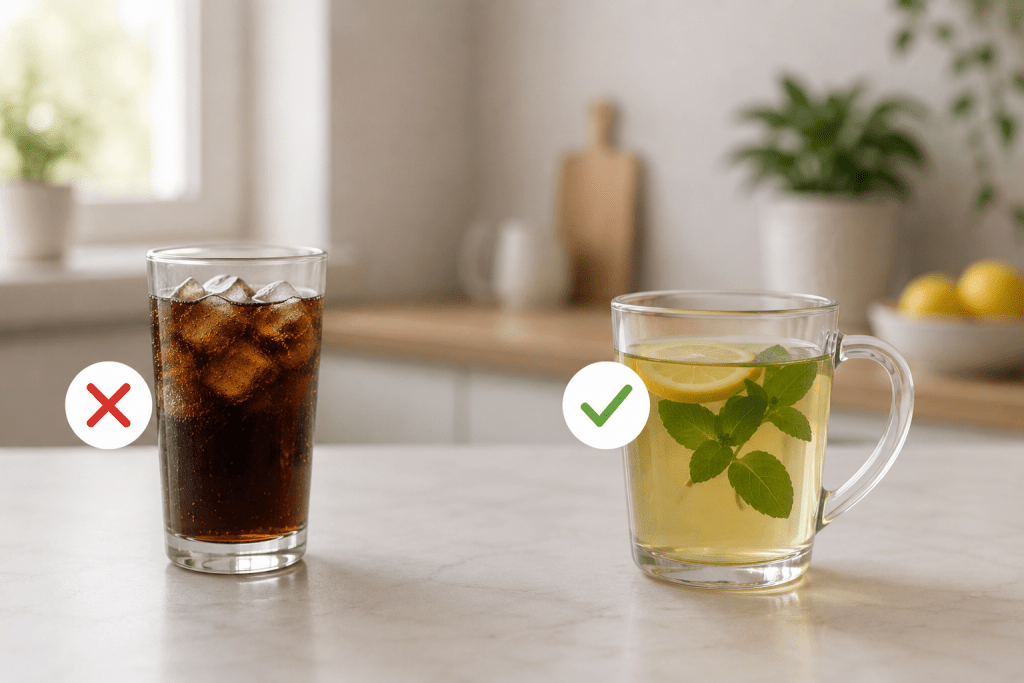
Some drinks provide calories but very little nutrition. For seniors with small appetites, this can be a missed opportunity. Every drink does not need to be a nutritional powerhouse, but at least some daily beverages should contribute something useful.
A helpful question is: “What does this drink give the body besides taste?”
A better drink may provide protein, calcium, probiotics, antioxidants, electrolytes, warmth, comfort, or appetite support. This does not mean every drink must be heavy or filling. Even a light beverage can be chosen with purpose.
For example, if a senior likes a creamy drink, choose one that also provides protein. If they enjoy something warm, choose a caffeine-free option in the evening. If they like savory flavors, use a low-sodium option rather than a salty packaged drink. If they like fruit flavor, use a small serving and avoid turning it into an all-day sugar source.
The goal is not perfection. The goal is to make more drinks do more work.
Choose Evening Drinks That Protect Sleep
Evening drinks need special attention for seniors. Poor timing can lead to sleep disruption, reflux, or repeated bathroom trips.
A good evening drink should be gentle, low in caffeine, not too acidic, and served in a modest portion. Seniors who wake often at night may do better with most fluids earlier in the day and only a small drink after dinner.
Avoid making the evening drink too sweet. Sugar late in the day can be unhelpful for some older adults, especially those with blood sugar concerns. Also be careful with carbonated drinks at night if the person has bloating or reflux.
For many seniors, the best evening drink is one that feels calming rather than stimulating. The routine matters as much as the beverage. A warm mug after dinner, served at the same time each day, can signal comfort and closure without becoming a heavy fluid load before bed.
Make Social Drinking Part of the Plan
One overlooked hydration strategy is companionship. Many older adults drink more when someone joins them.
This can be as simple as a family member having tea with them during a visit, a caregiver offering a drink during conversation, or a daily phone call that gently includes, “I’m having my afternoon drink too.” For seniors who live alone, hydration can improve when drinking becomes part of a social ritual rather than a task.
This is especially useful for older adults who resist reminders. “Let’s have something together” feels warmer than “You need to drink.”
Families can create small rituals:
An afternoon drink during a favorite TV show.
A warm drink during a daily phone call.
A nourishing drink after a walk.
A small drink after morning prayer, reading, or medication.
These rituals make hydration emotional, not just medical. That can be powerful for seniors who value independence and routine.
Keep a “Safe Favorites” List
Every senior should ideally have a short list of safe favorite drinks. This list should include drinks they enjoy, drinks that match their health needs, and drinks that are easy to prepare.
The list can be placed on the fridge, shared with caregivers, or saved in a family WhatsApp group. It should be simple and practical.
Include:
Morning drink options.
Afternoon drink options.
Evening drink options.
Drinks to avoid or limit.
Medical notes, such as low sodium, low sugar, thickened liquids, fluid restriction, or kidney-related limits.
This prevents confusion when multiple people are helping. It also protects the senior from well-meaning but unsuitable choices.
For example, one caregiver may think a fruit drink is healthy, while another knows it raises the senior’s blood sugar. One family member may bring a sports drink, not realizing the person has sodium restrictions. A safe favorites list keeps everyone aligned.
Review the Drink Routine After Illness or Medication Changes
A drink routine that worked last month may not work after illness, hospitalization, dental work, medication changes, or a new diagnosis.
After any major health change, review beverage choices. Ask:
Is the senior drinking less than before?
Are they coughing while drinking?
Are they avoiding cold or hot drinks?
Are they having more reflux, bloating, or nausea?
Has their doctor changed fluid, sugar, sodium, potassium, or protein advice?
Are they waking more often at night?
Have new medications caused dry mouth?
These changes can affect hydration quickly. Families should not assume the old routine still fits.
The safest approach is to treat hydration as a living plan. Update it when the senior’s body, appetite, mobility, or medical needs change.
The Best Drink Swap Is the One the Senior Will Actually Keep
The healthiest drink on paper is not helpful if it stays untouched. Seniors need drink choices that respect their taste, health conditions, independence, and daily comfort.
A good swap should feel realistic. It should not make the older adult feel punished. It should reduce risk while preserving enjoyment.
Start with one change. Make the afternoon drink lower in sugar. Move larger drinks earlier in the day. Replace one empty-calorie beverage with a more nourishing option. Put an easier cup near the favorite chair. Add a safe evening ritual.
Small changes repeated every day are more powerful than a perfect plan followed for only a week.
When families think this way, hydration becomes less stressful. It becomes a caring daily rhythm that helps seniors feel supported, comfortable, and in control.
Best drinks for seniors that deliver the most nutrition per sip
For older adults who tire through a meal, liquids that carry protein and calories help steady the day. Smoothies and shakes are top picks when chewing or appetite is low. They pack nutrition in a small, easy-to-drink serving.
Homemade smoothies use simple whole ingredients: fruit + leafy greens + yogurt + oats or chia. Add milk or a plant base. Fiber from oats or chia helps digestion and keeps energy steady.
Watch the sugar trap. Using juice or sweetened mixes can add a lot of sugars fast. Stick to plain yogurt, whole fruit, and no added sugar or artificial flavors.
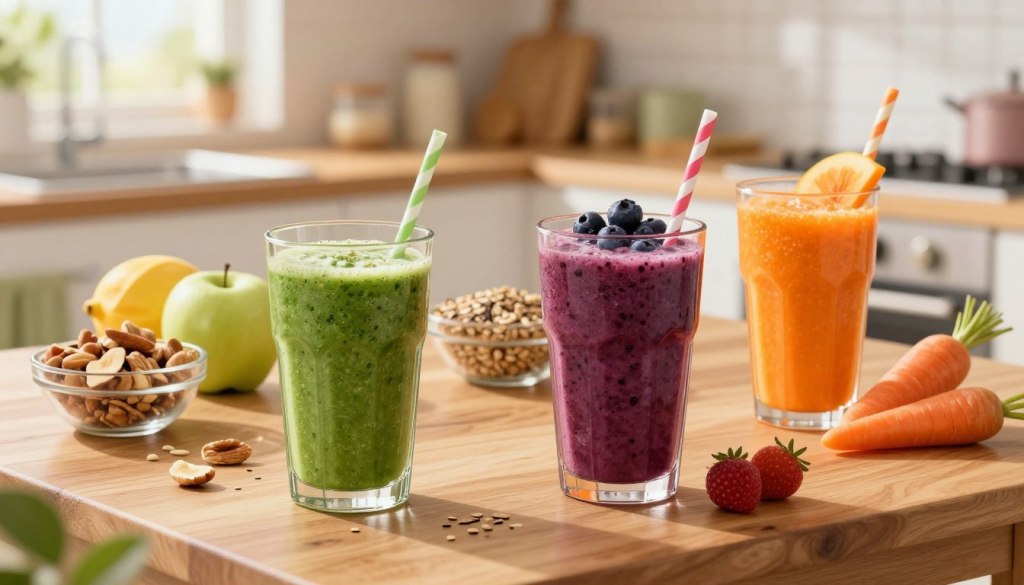
Smoothie formula to try
- 1 cup frozen fruit (berries or banana)
- 1 handful spinach or kale
- 1/2 cup yogurt or kefir
- 2 tbsp oats or 1 tbsp chia
- 1/2 cup milk or water to blend
Premade options and nutritional shakes
Premade smoothies can help caregivers keep a steady intake. Read labels to avoid artificial flavors and added sugar. Some ready-made bottles are convenient but vary a lot in calories and sugar.
Nutritional shakes like Ensure or Boost give consistent portions and protein. Ensure Clear has 8g protein, 15 essential vitamins and minerals, and zero fat — useful during recovery or low appetite days.
Diabetes-friendly and diet notes
“Low sugar” labels can be misleading. Check total carbs and watch blood sugar response. Sugar alternatives may suit some diets, but measuring intake and observing blood levels matters most.
| Option | Key benefit | Caregiver tip |
|---|---|---|
| Homemade smoothie | Whole-food nutrition & fiber | Control sugars; freeze portions |
| Premade smoothie | Convenience and consistency | Read for added sugar and flavors |
| Nutritional shake (Ensure/Boost) | Measurable protein and vitamins | Track servings for daily intake |
| “Low sugar” diet option | Fewer simple sugars | Check carbs and monitor blood levels |
Try pairing a morning shake with a brief check-in call or reminder. Small routines make a big difference in daily intake and peace of mind.
Milk, lactose-free milk, and kefir for hydration, calcium, and protein
A simple glass of milk can do more than quench thirst—it can refill lost fluids and add a lift of protein and calcium.
Why milk helps hydrate better than plain water: Research shows milk may replace lost fluids more effectively than water. The small amount of sodium and the mix of carbohydrates and protein help the body hold on to fluid. That makes milk a helpful sip after light activity or when appetite is low.

Pick the right milk to match diet and energy needs
- Skim: lower calories, same protein for people watching weight.
- Whole: more calories and energy if appetite is low.
- Lactose-free: gentle on digestion when regular milk causes discomfort.
Kefir: gentle gut support and simple labels
Kefir is a fermented milk with probiotics. Look for plain versions that list live and active cultures on the label. That keeps it simple and avoids extra sugars.
“Start small: 2 oz per day, then build to 4–8 oz as tolerated.”
Caregiver tip: keep single-serve cartons or an easy-grip cup in the fridge. Place kefir with breakfast or an afternoon snack to make hydration feel natural and steady.
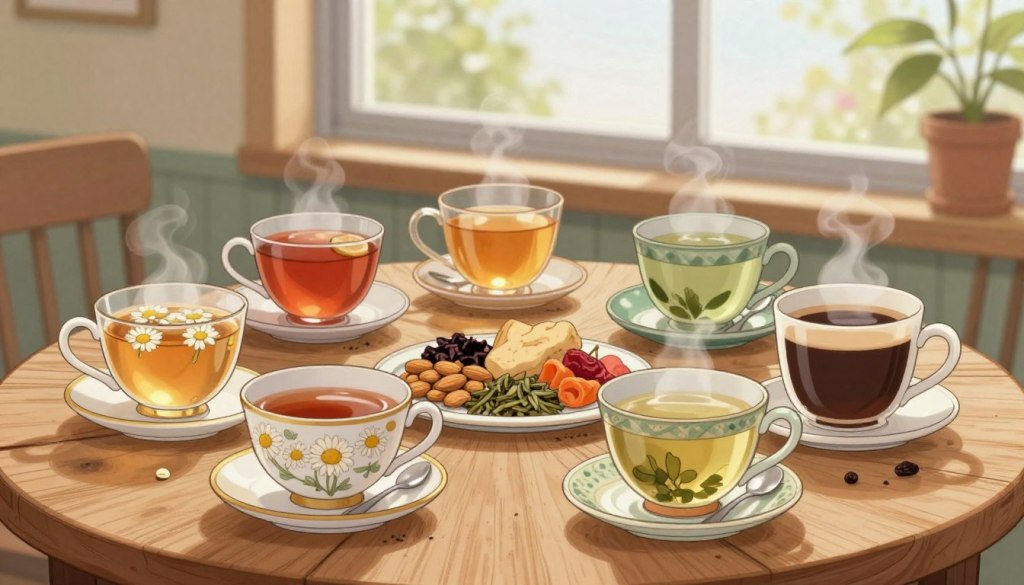
Tea and coffee options that support healthy aging
A warm cup can soothe worry and make sipping feel like comfort, not a chore.
Herbal teas such as chamomile or lemon balm are gentle, caffeine-free choices that may ease stress and help sleep. Try one cup in the evening to calm the body and mind. Keep it plain to avoid added sugar.
Green and black tea benefits
Green tea contains antioxidants like EGCG that may lower inflammation and help steady blood sugar levels. Aim for 2–3 cups a day, steeped 2–3 minutes, and stop by mid-afternoon.
Black tea has polyphenols that act as prebiotics for the gut. One to two cups daily, steeped 4–5 minutes, can add variety and gentle support to the microbiome.
Coffee: timing, benefit, and sugar tips
Coffee offers antioxidants and may protect brain and liver health. Most people tolerate 2–4 cups a day if they stop by 2 p.m.
Avoid sugar overload: skip flavored syrups and heavy cream. Use a splash of milk or cinnamon instead to keep coffee a healthful sip, not a dessert.
| Option | Daily guide | Quick tip |
|---|---|---|
| Herbal tea (chamomile/lemon balm) | 1 cup in evening | Helps sleep; caffeine-free |
| Green tea | 2–3 cups before 2 p.m. | Steep 2–3 min; supports blood sugar |
| Black tea | 1–2 cups before 2 p.m. | Steep 4–5 min; good for microbiome |
| Coffee | 2–4 cups before 2 p.m. | Balance each cup with a glass of water |
Hydration strategy: pair every caffeinated cup with a glass of water to help the body hold fluids. This simple swap protects hydration and energy during the day.
Caregiver tip: if taste is a barrier, try decaf blends, lighter steeps, or iced tea without sugar to keep variety and preserve sleep.
For more options and practical ideas, see this short guide on healthy aging beverages.
Warm, savory drinks that count toward hydration
Savory beverages offer a gentle, food-like way to keep fluid and nutrients moving through the day.
Some older adults dislike sweet sips. A warm, salty cup can feel more like real food. That makes it easier to take small, steady gulps.
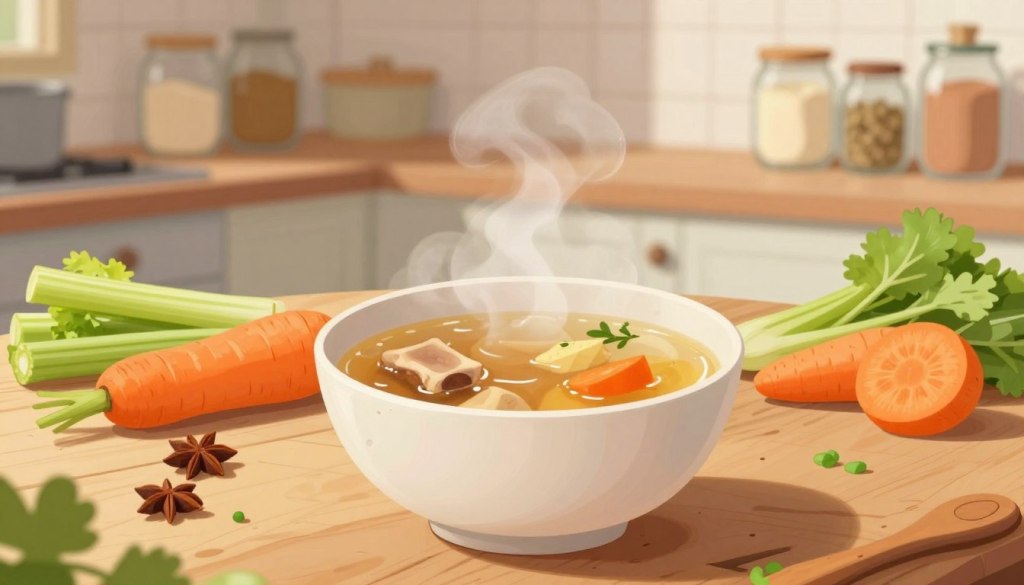
Bone broth is a great option here. Dietitians often suggest 3–4 cups per week as a simple routine. Use it at lunch or as an afternoon “tea time” substitute.
Bone broth: minerals, amino acids, and routine tips
Bone broth contains amino acids like glutamine, glycine, proline, histidine, and arginine. It also offers minerals such as calcium, phosphorus, potassium, magnesium, and zinc. These nutrients may help the gut lining and support bone strength.
Label tip: choose broth simmered at least eight hours for higher nutrient release. Packaged broths vary a lot. Check sodium on the label—many are quite salty.
- Keep single-serve containers or microwaveable mugs to make servings easy.
- Aim for 3–4 cups a week, split across meals or quiet evenings.
- If there are heart or kidney concerns, ask the clinician about sodium and potassium limits.
“A nightly broth can comfort the body and pair nicely with a quick check-in call.”
Simple routines help keep hydration steady and bring calm at the end of the day. A warm cup, a short call, and a friendly voice can make a big difference in daily health and connection.
Juice choices for seniors: fruit juice vs. vegetable juice
Choosing juice is about why you pour it. A small glass can hydrate and add vitamins minerals. But it can also add a lot of natural sugar fast.
When 100% fruit juice helps: A 4–6 oz serving can top up fluids and give vitamin C and phytonutrients. Use it after a missed meal or when appetite is low. Families watching blood sugar should note that even pure fruit juice can raise levels.
Vegetable juice option: Carrot, tomato, and V8 give nutrients with less sugar. They taste savory and can sit well with a light meal. Check labels—many bottled blends are high in sodium.

Smart serving and at-home vs. bottled
Small cups, half juice/half water, or ice dilute sugar content and stretch flavor. At-home juicing lets you control ingredients and taste. Add cucumber, celery, parsley, or a bit of fruit to balance sweetness.
“Juice is useful. Use small pours and read the label.”
| Choice | Benefit | Caregiver tip |
|---|---|---|
| 100% fruit juice | Vitamin boost, hydration | Limit to 4–6 oz; mix with water |
| Vegetable juice | Lower sugar, savory nutrients | Choose low-sodium brands; check sodium |
| Fresh-pressed at home | Control ingredients & taste | Keep whole fruit nearby for fiber |
Coconut water and electrolyte drinks: who benefits and who should be cautious
On hot days or after a short walk, a light, electrolyte-rich sip can feel more helpful than another glass of plain water. These options add minerals that help the body hold on to fluid and keep nerves and the heart working well.

Electrolytes and potassium: hydration perks and kidney disease red flags
Electrolytes are minerals that help the body keep fluids where they belong and support normal heart and nerve function. Coconut water is mild, tasty, and an easy way to add electrolytes when water feels boring.
Key caution: coconut water is high in potassium. That can be risky for people with kidney disease. Talk with a clinician before making it a daily habit.
Shopping tips: added sugars, single-serve cartons, and storage after opening
- Choose unsweetened labels and compare sugar content. Watch for added sugar on the label.
- Single-serve cartons cut waste and lower the chance of a long-open container going bad.
- Once opened, use quickly and refrigerate. Leave a short note on the fridge about opened items to help caregivers.
| Option | Why use it | Quick tip |
|---|---|---|
| Coconut water | Electrolyte boost | Check potassium, use sparingly |
| Electrolyte drink | Replaces salts after activity | Pick low-sugar content brands |
| Water + a pinch of salt | Simple, safe | Rotate with other options each day |
Caregiver note: rotate these options with plain water to keep intake steady. The goal is steady, realistic choices that prevent slips — not perfection.
Conclusion
Adding gentle variety can make staying hydrated feel doable, not like a chore.
Water stays essential, but small swaps help older adults sip more each day. Smoothies and shakes add nutrition. Milk and kefir bring protein and calcium. Teas and coffee offer comfort and routine. Warm broth and mindful juice or electrolyte options fill other needs.
Safety note: watch sugar, sodium, and potassium. If diabetes, heart, or kidney issues exist, ask a clinician before changing choices.
Tomorrow plan: pick 2–3 favorite options, stock them, and set gentle reminders. Aim for drinking enough water and other fluids each day, not perfection.
If distance or time is a barrier, Talk to Joy now at 1-415-569-2439 or sign up: https://app.joycalls.ai/signup. JoyCalls can help with steady check-ins and peace of mind.