


What if the simple act of forgetting one pill could change everything? For the millions of Americans caring for aging parents, that question carries a heavy weight. You’re balancing your own life while ensuring your loved one’s well-being. It’s a lot to handle.
According to the CDC, nearly 70% of people aged 40-79 use at least one prescription drug. About one in five Americans takes five or more. The more prescriptions someone manages, the harder it is to track everything. This is where a solid system becomes essential.
We created a practical, printable tool to lift this burden. This isn’t just another form. It’s a reliable partner in your caregiving journey. It helps you coordinate with doctors and pharmacies, ensuring nothing is missed.
Think about the last emergency visit. Could you recall every detail? This tool eliminates that panic. It provides the confidence and control you need. Keeping a current medication list is a lifesaving step, and it’s a core part of a comprehensive safety strategy for seniors living independently.
Key Takeaways
- A significant number of adults manage multiple prescriptions, making organization critical.
- A dedicated tracking system provides peace of mind and reduces errors.
- Having all health information in one place is vital during emergencies.
- This printable tool is designed to be simple, adaptable, and shareable with family.
- Proper organization is a key part of ensuring senior safety and well-being.
- Modern tools can work alongside traditional checklists to support caregivers.
Understanding the Importance of a Medication Adherence Checklist
Picture this: your mom is rushed to the hospital, and in the chaos, no one knows what prescriptions she’s on. This single moment shows why tracking is so vital. You are not being overprotective. You are being a smart, responsible coordinator of care.
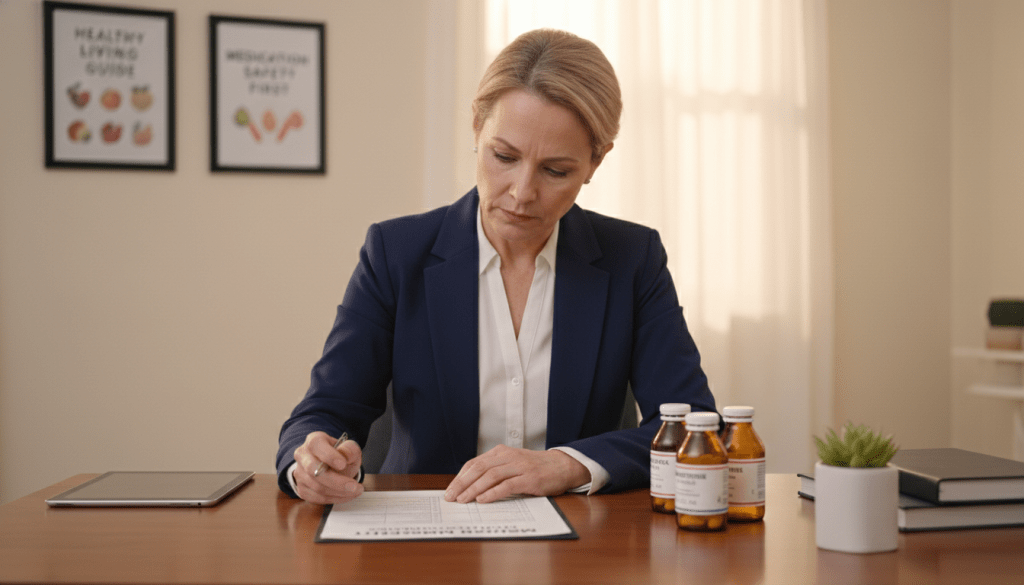
Why Tracking Medications Matters for Caregivers
When a loved one sees several specialists, information can get lost. A cardiologist, an endocrinologist, and others may prescribe treatments without the full picture. Your accurate list becomes the bridge. It prevents dangerous combinations and ensures every provider has the correct information.
This is especially true in an emergency. If your family member cannot communicate, your list tells paramedics exactly what they are taking. This knowledge helps avoid harmful drug interactions and guides correct treatment immediately. Studies confirm that proper documentation significantly improves patient safety.
How Accurate Medication Lists Improve Health Outcomes
Getting the right medicine at the right time is what leads to real results. Blood pressure stabilizes. Diabetes stays under control. This consistent routine is only possible with a clear, shared record.
Bringing your list to appointments saves time and reduces confusion. It helps doctors make the best decisions. The emotional peace of mind you gain is priceless. It turns worry into confidence. For more support, see our long-distance caregiving guide.
| Situation | Without a Current List | With a Current List |
|---|---|---|
| Emergency Room Visit | Risk of incorrect treatment due to unknown drug history. | First responders have immediate, life-saving information. |
| Specialist Appointment | Potential for conflicting prescriptions and side effects. | Clear coordination between all healthcare providers. |
| Daily Routine | Confusion over doses and times, leading to mistakes. | Structured schedule that supports stability and well-being. |
Your effort in maintaining this list is a powerful act of love. It protects the health of someone who depends on you.
Using the Medication Adherence Checklist Effectively
Your role as a caregiver becomes much smoother when you have a clear system for tracking health information. This tool transforms overwhelming details into manageable steps.
Printable Checklist Overview and Benefits
Our printable format offers immediate organization. You can place copies where they’re needed most—near the medicine cabinet, in your wallet, and with family helpers.

The checklist creates a single source of truth. It includes space for emergency contacts, allergies, and detailed instructions for each prescription. This comprehensive approach supports better medication management across multiple providers.
Step-by-Step Guide to Tracking Medications Prescribed
Start by noting each pill’s appearance alongside its name. Your loved one might recognize their “small white pill” faster than the formal drug name.
Group medicines by health condition rather than alphabetically. This helps spot potential duplicates during doctor visits.
Update your list immediately after appointments. Take a photo of the current version for quick access on your phone. This method works well alongside modern check-in solutions for comprehensive care.
Schedule an annual review where you bring all actual bottles to appointments. This gives providers complete visibility into the treatment plan.
Practical Tips and Digital Tools for Medication Management
Between your job, your family, and caring for your parent, managing prescriptions can feel like a second full-time job. The good news is that a few smart habits, combined with modern tools, can bring immense relief.
Best Practices for Medication Reconciliation and Safety
Medication reconciliation is a simple safety check. Compare the list from the doctor with what your loved one actually takes. Then, confirm it’s the correct plan. This three-way check prevents dangerous mistakes.
Your pharmacy is a powerful ally. Ask about automatic refills and 90-day supplies to avoid running out. A pharmacist can explain each drug in plain language, making the safe medication practices at home much clearer for everyone.
- Build a relationship with your pharmacist. Share your list and ask them to watch for interactions.
- Use a weekly pill organizer. It makes missed doses obvious and simplifies the daily routine.

Enhancing Adherence with Technology
For long-distance support, technology creates a vital connection. While apps and smart dispensers exist, they can be confusing for seniors.
JoyCalls offers a beautifully simple alternative. It’s an AI phone companion that makes daily calls. It gently reminds your parent about their prescriptions and asks how they’re feeling.
The best part? It requires no new technology for your loved one. It’s just a friendly voice. You receive summaries, giving you peace of mind. This daily check-in system supports consistent treatment without adding to your busy schedule.
You can sign up for JoyCalls and customize the calls to fit their specific health plan. It’s like having a caring companion there when you can’t be.
Conclusion
Taking that first step to get organized is a powerful act of love. You’ve shown incredible care by seeking out ways to better support your family member. Remember, you’re not alone in this journey.
Your healthcare providers want to help. Don’t hesitate to reach out between visits if challenges arise. Research shows that addressing concerns early leads to better outcomes. Small adjustments can make a big difference in your loved one’s treatment.
Consider combining your new system with supportive technology. Tools like daily check-ins provide peace of mind without adding stress. Studies confirm that simple reminders significantly improve consistency.
You’re doing important work. Celebrate each small victory along the way. Your dedication creates a safety net that protects health and preserves independence.