


What if forgetting a pill wasn’t a simple mistake, but a sign of a much larger struggle? That untouched Tuesday compartment in the weekly pill organizer can feel like a quiet alarm bell. It’s a moment many families know well, sparking worry and a search for answers.
This challenge touches millions. In fact, over half of our older loved ones manage four or more prescriptions. Juggling this many pills can be overwhelming, confusing, and physically tough. It’s not about carelessness. It’s about a complex puzzle of daily life.
The stakes are high. Missed doses can lead to worsening health and preventable trips to the hospital. Understanding the real reasons behind these struggles is the first, most compassionate step toward a solution. This is about preserving independence and quality of life.
Research, like this systematic review, shows that factors like complex routines, multiple doctors, and even social isolation play a huge role. It’s a mix of personal, medical, and practical hurdles.
Whether you’re a busy adult child checking in or someone wanting to stay on top of your own well-being, you’re not alone. Here, we explore the ‘why’ with empathy, offering real support for the path ahead.
Key Takeaways
- Missing prescribed doses is rarely due to simple forgetfulness and is often a complex issue.
- Managing multiple prescriptions daily is a common and significant challenge for older individuals.
- The consequences of not following a treatment plan can seriously impact long-term health.
- Factors like complex routines, social isolation, and cognitive changes contribute to the difficulty.
- Understanding these challenges is the essential first step to finding effective, compassionate support.
- Practical solutions exist that can help maintain independence and peace of mind for everyone involved.
Introduction to Medication Adherence in Older Adults
Behind every skipped medication lies a complex web of real-life obstacles that deserve our understanding. This guide exists because you’re not alone in worrying about your aging parent’s well-being.
Purpose and Scope of the Guide
We’re here to explore why treatment plans sometimes fall short. It’s not about pointing fingers, but finding compassionate solutions. Individual choices are rarely the main issue when prescriptions aren’t followed.
As Kelly A. Thompson-Brazill from Georgetown University explains, “There are so many different things that underlie why someone may not be able to adhere to a medication regimen.”
| Traditional Approach | Modern Understanding | Better Outcomes |
|---|---|---|
| Focuses on forgetfulness | Addresses multiple barriers | Reduces health risks |
| One-size-fits-all solutions | Personalized support systems | Maintains independence |
| Blames the individual | Recognizes systemic challenges | Improves quality of life |
Understanding the Need for Better Management
Traditional methods often overlook aging realities like vision changes, stiff hands, and fixed incomes. Research from the National Institutes of Health shows that cost, health literacy, and communication gaps significantly impact treatment success.
Our purpose is practical: giving you knowledge and tools to make medication management safer. This includes addressing emotional challenges that come with caregiving. By understanding these barriers, you can help reduce health risks and support lasting independence.
Understanding Barriers to Medication Adherence
Many well-intentioned individuals face invisible hurdles that turn simple pill-taking into a daily battle against multiple obstacles. These challenges often have little to do with willingness or memory.
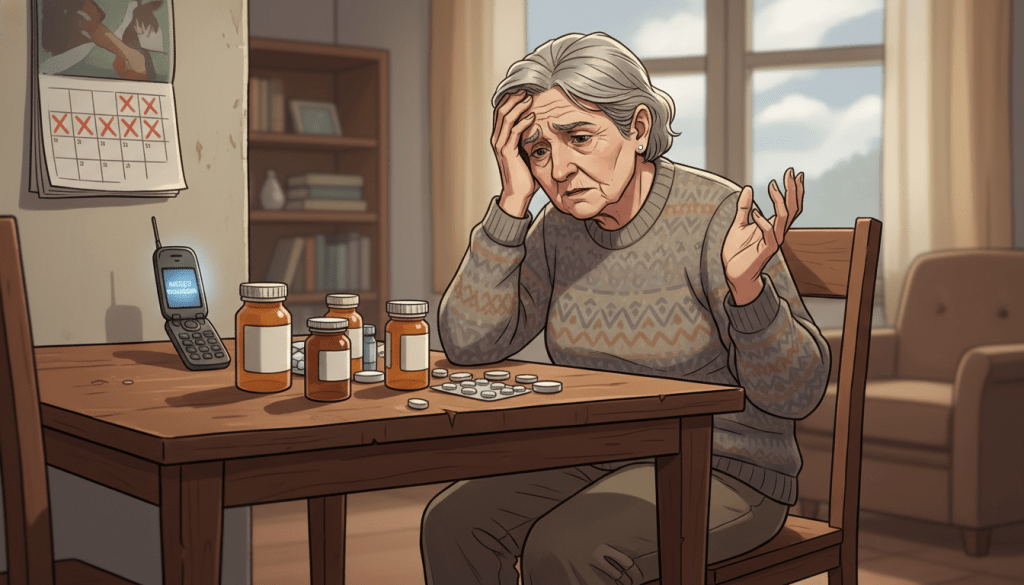
Instead, real-life circumstances create barriers that make consistent treatment difficult. Understanding these obstacles is the first step toward compassionate solutions.
Financial Constraints and Cost Issues
Money worries can directly impact health outcomes. According to the Kaiser Family Foundation, nearly one-quarter of people find prescription costs difficult to afford.
When a single medication costs more than a week’s groceries, some patients make heartbreaking choices. They might skip doses to stretch their supply, risking their well-being.
Health Literacy and Communication Challenges
Understanding medical instructions isn’t always easy. Some individuals nod politely at appointments but leave confused about their treatment plan.
Poor communication creates gaps where questions go unasked. Without clear information and support, even determined people struggle with treatment adherence.
Physical limitations like arthritis or vision changes add another layer of complexity. These daily frustrations make consistent care challenging for many older adults.
The Impact of Polypharmacy on Treatment Compliance
When the medicine cabinet starts to look like a pharmacy shelf, the simple act of taking prescribed treatments becomes overwhelming. This is polypharmacy—managing multiple prescriptions that each come with their own timing and rules.
Kelly A. Thompson-Brazill explains the reality: “If you have patients who have to take medicine once a day, they are a lot more likely to be adherent compared to someone who has to take medication three or four times a day.”
The numbers tell a sobering story. About half of older adults live with three or more chronic conditions. Nearly 40% of them manage five or more different medications daily.
This creates a perfect storm of complexity. Remembering which pill to take when becomes a mental puzzle. Should it be with food? In the morning or evening? What combinations are unsafe?
Research shows that 74% of people taking four or more daily medications say complexity itself is their biggest barrier. Each additional prescription multiplies the chances of confusion and missed doses.
The impact ripples through health outcomes. Missed treatments lead to poorly managed conditions. This often results in even more prescriptions being added. It becomes a difficult cycle to break without support.
Treatment compliance suffers not because older adults don’t care about their health. The system hands them an impossibly complicated routine to solve multiple times every day.
Effective Solutions for medication adherence seniors
Research reveals that targeted interventions have significant, measurable impacts on helping people stay on track with their health plans. A major analysis found that these approaches create a meaningful medium effect size of 0.500 for those with ongoing health conditions.
Face-to-face counseling stands out as particularly effective. Personalized behavioral strategies also show strong results. These methods work because they address individual barriers rather than offering generic advice.

The most successful approaches consider the whole person. They look at physical abilities, cognitive function, financial situation, and emotional needs. This comprehensive care leads to better health outcomes and fewer emergency visits.
Simple changes can make a big difference. Consolidating prescriptions or switching to once-daily formulas reduces daily burden. Building a support system with family and providers creates multiple safety nets.
When you improve medication adherence, you’re doing more than following a schedule. You’re helping maintain independence and quality of life. These solutions offer real hope for sustainable management of treatment plans.
Simplifying Complex Medication Regimens
The path to better health management might start with asking one simple question: ‘Do we really need all of these?’ When pill bottles crowd the counter, simplification becomes the kindest solution.
Open conversations with healthcare providers can reveal surprising opportunities to streamline treatment. Sometimes prescriptions from different specialists overlap or even work against each other.
Tips for Deprescribing and Combining Medications
Deprescribing—the careful reduction of unneeded prescriptions—can dramatically lighten the daily load. This isn’t about skipping vital treatments. It’s about eliminating what’s no longer necessary.
Ask providers directly about combination options. “Could any medications be combined into one pill?” or “Is there a once-daily version instead of multiple doses?” These questions can transform overwhelming routines.
Timing adjustments matter too. Grouping prescriptions that can be taken together reduces the number of separate moments to remember. This approach works beautifully with established daily routines.
The goal is reducing cognitive load and physical effort. Working with pharmacists and physicians creates care plans tailored to actual daily life. Streamlined regimens become manageable rather than overwhelming.
Improving Communication Between Providers and Patients
Have you ever left a doctor’s appointment feeling more confused than when you arrived? That quiet nod in the examination room often hides a world of uncertainty. When medical conversations become one-sided lectures instead of two-way dialogues, vital information gets lost.

As expert Kelly A. Thompson-Brazill emphasizes, “It is very important for providers, especially nurse practitioners, to ask their patients questions about their medication.” This simple shift transforms the entire dynamic.
Building Trust Through Open Dialogue
Creating space for your loved one to ask questions without embarrassment is crucial. Encourage them to voice concerns without fear of being dismissed. This builds the foundation for true partnership in health management.
Come prepared to appointments with specific questions: “What exactly will this treatment do?” “How will I know if it’s working?” “What should I do about side effects?” This proactive approach ensures nothing gets lost in translation.
When patients understand the purpose behind each prescription and feel their providers genuinely care about their circumstances, following treatment plans shifts from a chore to a collaborative goal. Research shows that effective communication strategies significantly impact treatment success.
Clear, jargon-free information provided both verbally and in writing makes all the difference. This approach, combined with supportive resources like conversation starters for meaningful connections, creates an environment where everyone feels heard and understood.
Educational Interventions for Better Medication Use
What happens when the ‘why’ behind a treatment gets lost in translation? A person might stop taking a pill because they still feel symptoms, not realizing the goal was management, not a complete cure. This frustration, not defiance, is a common reason plans fall apart.
True education goes beyond a handout. It builds understanding that empowers better health decisions. Studies show structured programs have a powerful impact, with an effect size of 0.883. They explain realistic outcomes and timelines.
These programs work best when tailored. Some adults learn from written materials. Others need visual aids or repeated conversations. The health belief model is effective. It helps patients grasp their personal risks and the real benefits of their regimen.
Practical skills are just as vital. Learning to read labels, track doses, and handle missed pills builds confidence. This comprehensive approach is key to improving medication adherence in older adults.
| Basic Information | Structured Education | Sustained Support |
|---|---|---|
| Hands out a prescription sheet | Explains the purpose and goals | Offers ongoing check-ins and updates |
| Assumes one-time understanding | Tailors to individual learning styles | Evolves with changing health needs |
| Focuses only on “how” | Teaches practical “what if” skills | Builds a long-term partnership in care |
Improving medication use is not a single event. It’s an ongoing conversation. As conditions change, so does the need for clear, compassionate education. This support turns confusion into confidence.
Leveraging Digital Health Solutions
Technology is quietly revolutionizing how we support our aging parents’ well-being from afar. These innovative tools transform daily health routines into supported, monitored processes that bring peace of mind to everyone involved.

Utilizing Mobile Apps and Telehealth
Mobile applications send gentle reminders at exactly the right time. They track which doses have been taken and alert family members if anything is missed.
Telehealth services bring healthcare providers directly into your loved one’s living room. Video calls make it easier to discuss concerns without transportation stress.
Barcode Scanning and Smart Device Integration
Barcode systems add a critical safety layer in healthcare settings. They ensure the right treatment reaches the right person and flag potential interactions.
Smart devices like electronic pill bottles create automatic tracking. They light up and beep at dose time without requiring tech skills.
| Traditional Methods | Digital Solutions | Family Benefits |
|---|---|---|
| Manual pill organizers | Smart reminders and tracking | Real-time peace of mind |
| In-person doctor visits | Telehealth consultations | Reduced transportation stress |
| Memory-dependent routines | Automated safety checks | Fewer missed doses |
For families seeking simple solutions, JoyCalls offers daily check-in calls using your parent’s regular phone. This AI companion provides medication reminders and sends updates to caregivers. These tools enhance human connection rather than replace it.
Recognizing and Managing Side Effects and Risks
When an unpleasant reaction makes someone want to stop their treatment, it’s not defiance but a cry for help that needs listening. Many people face this difficult choice between enduring discomfort and maintaining their health.
Not every new symptom means “just aging.” Sometimes it’s actually a reaction to a prescription that needs addressing. Dizziness, nausea, or confusion shouldn’t be dismissed as normal.
The risk comes when people stop treatments abruptly rather than seeking help. There are often alternative options that provide the same benefits without the troublesome side effects.
| Symptoms to Watch | Typical Duration | Right Response |
|---|---|---|
| Mild nausea, headache | 1-2 weeks | Monitor and report |
| Dizziness, confusion | Any duration | Contact provider immediately |
| Rash, breathing changes | Immediate | Seek emergency care |
“Empower your loved one to speak up when something doesn’t feel right. Early action prevents minor issues from becoming serious complications.”
Ask providers proactive questions before problems start. “What are the most common side effects of this drug?” “Which ones signal a genuine risk?” Understanding the difference between temporary adjustment effects and serious reactions helps patients stick with beneficial treatments.
For those managing multiple prescriptions, the risk of interactions multiplies. Having one provider who knows the complete list is essential for safe medication management. This vigilance protects against unexpected side effects.
The Role of Healthcare Professionals and Pharmacists in Adherence
Your local pharmacist does more than fill prescriptions—they’re your first line of defense against medication confusion. These dedicated professionals transform overwhelming routines into manageable daily habits.
They serve as educators and problem-solvers, not just pill dispensers. When you build a relationship with your pharmacy team, you gain advocates for safer, simpler medication routines.
Pharmacist-Led Interventions
Pharmacist-led programs have proven remarkably effective. Your pharmacist can organize pills into easy daily packs and recommend reminder systems that fit your lifestyle.

They simplify complex regimens by coordinating with prescribers. Regular medication reviews identify drugs that may no longer be necessary.
Team-Based Care Approaches
Team-based care brings doctors, nurses, and pharmacists together. This collaborative model ensures everyone understands your health goals.
Information doesn’t get lost between specialists. Duplicate prescriptions are caught before they’re filled. Someone always monitors the big picture of your treatment safety.
When providers build trusting relationships, they tailor guidance to what works in real life. This personalized approach makes following treatment plans feel like a partnership.
Caregiver Support and Family Involvement in Medication Management
Sometimes the most powerful medicine isn’t found in a bottle, but in the loving support of family members who help organize daily routines. When you’re the adult child checking in on aging parents, your role becomes a gentle partnership that preserves dignity while providing essential help.
Family involvement works best as a collaboration, not a takeover. This might mean organizing weekly pill boxes together or being the person your parent calls when they’re confused about a new prescription. Respecting their independence creates trust.
Getting formal access to health information (with permission) allows you to follow up with providers and spot potential issues early. Sharing observations about daily realities—like vision changes or stiff hands—helps doctors design workable treatment plans.
Caregivers can advocate for simpler regimens by asking, “Is there a way to reduce the number of daily doses?” Practical help with reminders, whether through phone calls or shared apps, creates consistent touchpoints. This approach is especially valuable for those managing long-distance caregiving situations.
The emotional support you provide matters just as much as the logistical help. Knowing someone cares and will help problem-solve reduces the isolation that often derails treatment consistency. Your presence becomes their safety net.
Practical How-To Guide: Step-by-Step Medication Management
Imagine transforming medication chaos into a peaceful daily rhythm that actually works with your parent’s real life. This isn’t about creating perfect systems on paper, but building routines that fit naturally into their world.
Creating a Personalized Medication Schedule
Start by gathering every prescription, vitamin, and supplement. Create one master list with dosages and purposes. This clarity is the foundation of good management.
Map out when each pill should be taken around daily anchors like meals or favorite TV shows. Use a simple chart showing morning, afternoon, evening, and bedtime slots.
Consider which treatments need food or empty stomachs. Build these requirements into the schedule. This turns constant decision-making into one smooth routine.
Invest in a quality weekly pill organizer with clear compartments. Filling it together becomes a ritual that ensures accuracy. It provides a visual check of what’s been taken.
Keep the schedule visible on the refrigerator with emergency contacts. Update this personalized plan whenever medications change. Share copies with all caregivers so everyone follows the same playbook.
Utilizing Reminder Tools and Digital Solutions
Technology now offers quiet companions that transform medication management from a chore into a supported routine. These tools provide gentle prompts exactly when needed, reducing the mental burden of remembering complex schedules.
Simple devices like pill containers with built-in alarms beep or flash at dose times. They offer a non-judgmental nudge without requiring smartphone skills or tech comfort.
For those comfortable with technology, mobile applications provide customizable alerts and tracking. These apps can notify family members about missed doses, creating a safety net for consistent medication use.
Some pharmacy services now offer prepackaged daily pouches labeled with dates and times. This eliminates sorting confusion and makes taking medications crystal clear.
For individuals who prefer traditional phones, JoyCalls provides warm, human-like check-ins through their regular landline. This AI companion offers medication reminders and friendly conversation without any technology learning curve.
The key is choosing tools that match personal comfort levels and daily habits. The best reminder system is the one that will be used consistently, supporting better treatment adherence through thoughtful design.
Accessing Resources and Assistance Programs
Did you know there are hidden resources that can dramatically reduce prescription expenses? Many people struggle with treatment costs without realizing help is available. These programs exist specifically to make essential health care more affordable.
Financial barriers shouldn’t prevent anyone from getting the care they need. Assistance programs can transform overwhelming costs into manageable expenses.
JoyCalls Signup and Additional Support Options
Beyond financial help, comprehensive support services address daily management challenges. Combining cost assistance with practical reminders creates a complete safety net.
| Resource Type | Key Benefits | Best For |
|---|---|---|
| NeedyMeds | Free cost reduction programs | Finding hidden assistance |
| GoodRx | Immediate pharmacy discounts | Quick savings without enrollment |
| Benefits CheckUp | Multiple program matching | Comprehensive benefit discovery |
“The right combination of financial assistance and daily support can transform treatment from a burden into a manageable routine.”
JoyCalls provides gentle medication reminders through regular phone calls. This service works alongside cost assistance programs to address both financial and practical barriers. The benefits include peace of mind for families and consistent support for older adults.
Easy access to these resources begins with a simple search or JoyCalls signup. Combining assistance creates sustainable health management that preserves independence and quality of life.
Evidence-Based Interventions and Research Insights
Recent studies have uncovered powerful insights about what really works when it comes to supporting consistent treatment plans. The research gives families confidence that certain approaches deliver measurable improvements.
Key Findings from Recent Studies
A major analysis revealed that well-designed support strategies have a meaningful impact. The average effect size was 0.500, showing medium but significant results for health outcomes.
The most effective approach combined personal meetings with ongoing telephone support. This method achieved an impressive effect size of 1.222, demonstrating how connection and follow-up create strong results.
Educational programs based on understanding personal health risks also showed strong effects. However, education or remote counseling alone weren’t as effective without personalization.
These findings confirm that tailored strategies addressing individual barriers make the real difference. The research provides clear guidance for achieving better health outcomes through evidence-based methods.
When implemented correctly, these interventions translate into improved quality of life for older adults. Patients experience fewer complications and maintain greater independence through consistent treatment.
Conclusion
The journey toward consistent health management begins with recognizing the human struggles behind each prescription. As Kelly A. Thompson-Brazill reminds us, “Medications do not work in patients who do not take them.” This simple truth carries profound weight for those managing chronic conditions.
Throughout this guide, we’ve explored how non-adherence stems from real barriers, not carelessness. Financial strain, confusing routines, and physical limitations create daily challenges that deserve compassionate solutions.
You now have practical strategies to support your loved one. Simplifying regimens, improving communication, and leveraging supportive technology can transform overwhelming routines into manageable habits. The most effective approach combines personalized attention with consistent follow-up.
Remember that improving medication adherence is an ongoing process requiring patience and flexibility. By addressing these challenges thoughtfully, you’re protecting independence and ensuring the best possible quality of life for years ahead.