


Surprising fact: Up to 28% of older adults are chronically underhydrated, and skipping fluids at night can make morning dizziness and fogginess much worse.
Picture this: you text your dad at 9 p.m. and he replies, “I’m not drinking anything tonight—I don’t want to be up all night.” That simple line hides a quiet worry.
Nighttime bathroom fear is not stubbornness. It’s worry about urgency, accidents, and falling on the walk to the bathroom.
Many people cut back on water and drinks late in the day. That can make urine more concentrated and irritate the bladder, which may raise UTI risk, according to clinicians.
We’ll show how to protect hydration and comfort without forcing chugging or wrecking sleep. For busy adult children, the plan gives simple steps and what to track so you’re not guessing.
If this feels urgent, talk to Joy now: 1-415-569-2439. Daily check-ins via JoyCalls can encourage earlier fluid habits and flag problems.
Key Takeaways
- Nighttime fluid skipping often stems from fear of urgency and falling.
- Less water late can concentrate urine and irritate the bladder.
- Simple routines and small evening sips protect hydration and sleep.
- Daily check-ins help build earlier drinking habits — see this routine for ideas: daily check-in routine.
- Learn more about dehydration risks after 65 here: dehydration over 65.
What’s Really Behind Nighttime Bathroom Fear and Frequent Urination
A single close call at night can change how someone plans their whole evening. That fear often starts with nocturia — waking one or more times at night to use the bathroom. Over time, those wake-ups teach a person to plan around the next trip.

Nocturia and bladder changes with age
As we age, the bladder can send sudden signals. Urgency may arrive fast. Holding on “just a little longer” gets harder.
Mobility, fall risk, and incontinence worries
Dark halls, loose rugs, or pain while walking turn a bathroom run into a hazard. After one accident or close call, many people change evening habits and cut fluids.
Common medical contributors
Some conditions raise frequency. In men, an enlarged prostate (BPH) can cause weak stream and urgency. Urinary tract issues and other tract problems can also increase night trips.
When to call a doctor
If frequency jumps suddenly, if there is pain, or if several symptoms stack up, it’s time for a medical check. This is rarely about willpower.
| Symptom | Common causes | Caregiver action |
|---|---|---|
| Frequent night trips | Nocturia, BPH, bladder changes | Track times and patterns; share notes with a doctor |
| Urgent, sudden need | Overactive bladder, tract irritation | Arrange safer night paths and check footwear/lighting |
| Accidents or leaks | Incontinence, mobility limits | Consider scheduled toileting and call for an evaluation |
Ready for a plan? Once we know the why, we can cut night trips while keeping hydration during the day. For tips on medication timing and tools that help with routine, see this guide on medication reminders and learn more about nighttime frequency here: why people wake to urinate.
Health Risks When Seniors Cut Back on Fluids
Cutting back on fluids can start a harmful cycle that affects health and daily life. Reduced intake concentrates urine, which can irritate the bladder and raise the chance of a urinary infection.
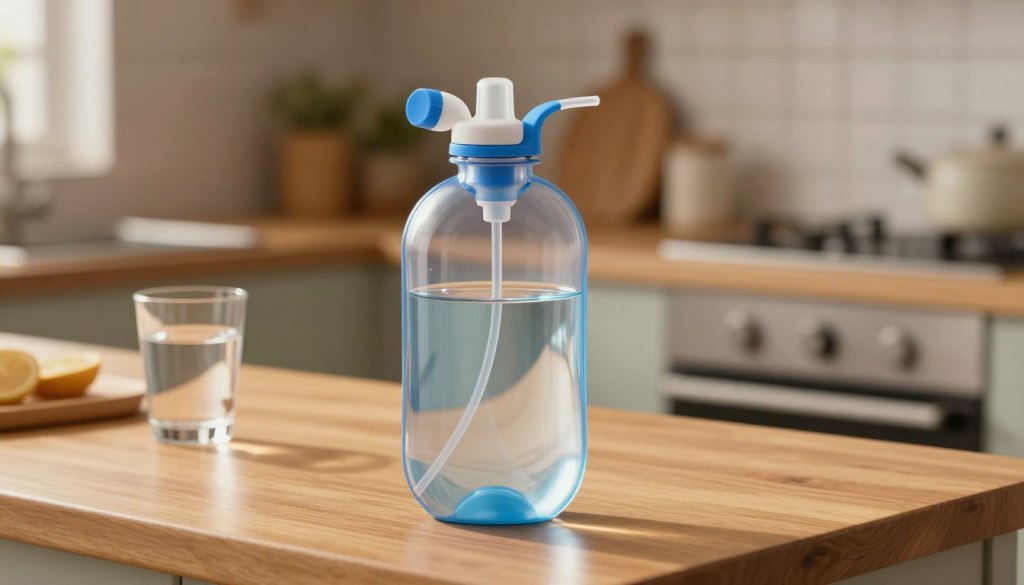
Dehydration, bladder irritation, and UTI risk
The cruel loop: less fluids → more concentrated urine → more bladder irritation → more urgency → more fear of the bathroom.
“UTIs in older adults often show up as sudden confusion or a change in behavior.”
Kidneys, constipation, and reflux
The body needs enough fluid for kidneys to filter waste. Low intake strains that system and raises long-term kidney risk.
Less fluid also makes constipation worse and can aggravate acid reflux or gastritis symptoms for some people.
Cognition, heart, and fall risk
Even a few hours without steady fluids can cause fogginess, irritability, or low energy. That can look like sudden confusion.
Dizziness, low blood pressure, or a fast heart rate raise fall risk when someone walks at night. Watch dark urine, dry mouth, or headaches as early symptoms.
- Care cue: treat these signs seriously — track urine color and symptoms and share notes with a clinician.
- Experts suggest about 1.7 liters/day from foods and drinks; steady fluid during the day beats gulping at bedtime. See dehydration research: dehydration research.
Reassurance: the goal is safe routines and steady hydration, not perfect intake. Next: a caregiver plan that keeps fluids steady without extra night trips.
seniors avoid drinking to not pee: A Caregiver’s How-To Plan for Hydration Without More Night Trips
You can protect sleep and still keep steady water intake with a few simple habits. Start with a clear, realistic goal and use daily cues so hydration happens without thinking about it.
Try JoyCalls Free
No app or new device needed. Start with a free 7-day trial.

Set a realistic daily target
Use cups or ounces: a common reference is about 7 cups (~57.5 oz or 1.7 liters) from all sources. Personalize this with the doctor based on size, meds, and health.
Front-load and taper
Give a bigger share of water earlier in the day and slowly cut back in the evening hours. That keeps hydration high during active hours and lowers night urination risk.
Make hydration automatic
- One glass with breakfast.
- Sips with medications and meals throughout day.
- A small cup during TV time or after a walk.
Tools, foods, and smart choices
Timed water bottles, smart bottles, and apps like Aqualert or Daily Water give gentle reminders. Offer hydrating foods—melon, cucumber, soups, popsicles—so fluids add up without chugging.
Choose friendly beverages: favor water, milk, and low-sugar options. Keep coffee and alcohol earlier and modest if used.
Track simply
Watch urine color, note frequency, and flag symptoms like dizziness or dry mouth. Short notes let you spot trends before they become problems.
“Small, steady steps beat big late-night gulps.”
Start with a caregiver “permission slip”: sleep and steady hydration can coexist. For help reinforcing routines, try a caregiver check-in schedule and ask Joy for support—call 1-415-569-2439 or sign up for JoyCalls at https://app.joycalls.ai/signup.
How to Reduce Nighttime Urination Without Getting Dehydrated
A few smart swaps and a simple toileting plan can cut nighttime urination without harming hydration. Start by spotting what triggers the bladder and then make small changes that fit daily life.

Limit common bladder irritants
Gentle rules: caffeine/coffee, alcohol, carbonation, citrus, chocolate, and spicy foods can poke at the bladder and raise urgency—especially later in the day.
Try one swap for 1–2 weeks. Track the nights and times you wake. Small tests show real change.
Plan bathroom timing and safer night paths
Schedule “go before dinner, go after dinner, go right before bed.” This simple routine cuts last-minute rushing.
- Bright nightlights and clear hallways.
- Non-slip socks or a bedside commode if life or mobility makes steps risky.
Safer paths ease fear and lower fall-related problems. For fall-proof ideas, see this guide on reducing fall risk: reducing fall risk.
Review medications and when to call the doctor
Ask the pharmacist or clinician about diuretics and timing of other medications. Never change doses without medical guidance.
Call your doctor if there is weak stream, trouble starting, fever, burning, new confusion, or a sudden change in bathroom times. Those signs can mean infections or other conditions that need care.
“Timing matters: the same total fluids can have very different effects depending on when you drink them.”
Rebuilding Confidence Around Hydration: A Practical Day-to-Night Strategy for Seniors
For many older adults, the fear of nighttime bathroom trips doesn’t develop overnight. It often starts with a few uncomfortable experiences—a near fall in the dark, disrupted sleep for several nights in a row, difficulty getting back to bed after using the bathroom, or simply the frustration of waking up multiple times.
Over time, many seniors begin making what seems like a logical adjustment: drinking less water.
The problem is that this solution often creates a new set of challenges. Dehydration can contribute to fatigue, constipation, confusion, dizziness, headaches, urinary tract infections, and even an increased risk of falls during the daytime.
The goal should not be drinking less water. The goal should be feeling safer and more confident while staying properly hydrated.
Instead of focusing only on reducing nighttime bathroom visits, seniors can benefit from a complete hydration confidence strategy—one that supports healthy fluid intake while minimizing anxiety about the night ahead.
Why Fear Changes Daily Habits More Than Most People Realize
When seniors begin worrying about nighttime urination, the effects often spread far beyond bedtime.
Many people unknowingly start:
- Skipping water during the afternoon
- Avoiding beverages during social outings
- Drinking only when they feel extremely thirsty
- Turning down healthy soups or water-rich foods
- Limiting activity because they are concerned about needing a restroom
These habits can gradually reduce overall quality of life.
The challenge is not simply physical. It is psychological.
When someone begins planning their entire day around avoiding a nighttime bathroom trip, fear starts making decisions that should be based on health and comfort.
Recognizing this pattern is an important first step.
Create a Personalized Hydration Schedule Instead of Guessing
One of the most effective strategies is replacing random drinking habits with a predictable routine.
Many seniors unintentionally alternate between drinking too little and then trying to “catch up” later in the day.
A structured schedule can help.
Morning Hydration Window
The first few hours after waking are ideal for hydration.
After several hours of sleep, the body naturally needs fluids.
Consider:
- Drinking a full glass of water shortly after waking
- Having another glass with breakfast
- Keeping a water bottle nearby during morning activities
This approach allows the body to process fluids during the most active part of the day.
Midday Hydration Window
Late morning and early afternoon should account for a significant portion of daily fluid intake.
This is often the safest time to drink more freely because the body has many hours to regulate fluids before bedtime.
Practical ideas include:
- Drinking water before meals
- Having fluids alongside medications when appropriate
- Consuming hydrating fruits and vegetables at lunch
Evening Hydration Window
The goal is not to stop drinking entirely.
Instead, seniors can become more intentional.
For example:
- Drink when thirsty
- Take medication as prescribed
- Avoid excessive “just in case” drinking before bed
This balanced approach helps maintain hydration without overwhelming the bladder overnight.
Conduct a Home “Nighttime Confidence Audit”
Many seniors fear bathroom trips not because of the bathroom itself but because of the journey to reach it.
A simple home safety review can dramatically reduce anxiety.
Walk the exact route from bed to bathroom and ask:
- Is the pathway completely clear?
- Are there loose rugs?
- Are electrical cords crossing the floor?
- Is furniture creating narrow walking spaces?
- Are there areas that become very dark at night?
Even small improvements can make a major difference.
Upgrade Lighting for Confidence, Not Just Visibility
Many older adults assume a single nightlight is enough.
Often it isn’t.
The goal is to create a comfortable path that requires minimal effort to navigate.
Helpful options include:
Motion-Activated Lights
These automatically illuminate when movement is detected.
Benefits include:
- No switches to find
- Reduced confusion
- Less fumbling in the dark
Bedside Touch Lamps
A simple touch lamp can help seniors orient themselves before standing.
This brief period of adjustment can reduce feelings of disorientation.
Hallway Path Lighting
Low-level lighting can guide movement without fully waking the individual.
The result is often greater confidence and a faster return to sleep.
Build a “Bathroom Readiness” Routine Before Bed
Many people have bedtime routines focused on sleep.
Few have routines focused on reducing nighttime stress.
Creating a predictable sequence can help both physically and mentally.
Step 1: Prepare the Route
Before getting into bed:
- Check pathway lighting
- Confirm mobility aids are nearby
- Ensure slippers are accessible
This eliminates unnecessary decisions during the night.
Step 2: Use the Bathroom Before Sleep
Even if the urge feels mild, a final bathroom visit before bed can sometimes reduce early-night awakenings.
Step 3: Reduce Sleep Disruptions
Many nighttime awakenings occur for reasons unrelated to the bladder.
Common triggers include:
- Room temperature changes
- Noise
- Anxiety
- Pain
- Sleep disorders
When people wake up, they often assume they must use the bathroom even when the urge is minimal.
Improving overall sleep quality can therefore reduce unnecessary trips.
Learn the Difference Between Thirst and Habit
Many seniors are surprised to discover they sometimes drink water at night out of routine rather than actual thirst.
Questions to ask include:
- Am I genuinely thirsty?
- Is my mouth dry because of medication?
- Am I drinking because I woke up?
Sometimes a small sip is sufficient.
Being mindful can help prevent unnecessary fluid intake without restricting hydration during the day.
Understand Medication Timing
Certain medications may contribute to nighttime bathroom visits.
Examples can include:
- Diuretics
- Some blood pressure medications
- Certain diabetes medications
Seniors should never adjust medications independently.
However, discussing timing with a healthcare provider may be worthwhile if nighttime urination is affecting sleep.
Questions to ask a physician include:
- Could my medication schedule contribute to nighttime bathroom trips?
- Is there a better time of day to take certain medications?
- Are there alternatives available?
A simple scheduling adjustment can sometimes make a meaningful difference.
Strengthen the Body’s Ability to Handle Nighttime Movement
Confidence often increases when mobility improves.
Even modest physical activity can support:
- Better balance
- Improved leg strength
- Greater stability
- Faster reaction times
Chair Exercises
For seniors with limited mobility:
- Seated leg raises
- Ankle rotations
- Seated marches
These exercises can often be performed safely at home.
Walking Practice
Short daily walks can improve endurance and confidence.
Even ten minutes per day may provide benefits when done consistently.
Balance Training
Under professional guidance, balance exercises can help reduce fear associated with standing and walking at night.
Create a Backup Plan for Difficult Nights
One reason anxiety grows is uncertainty.
Seniors often feel calmer when they know exactly what they will do if they wake up needing the bathroom.
A personalized plan might include:
- Turning on bedside lighting
- Sitting on the edge of the bed for a few moments
- Standing slowly
- Using mobility aids if needed
- Following a well-lit path
Having a clear sequence reduces stress and promotes safer movement.
Include Family Members in the Conversation
Many older adults quietly struggle with nighttime bathroom fears for months or years.
Family members often remain unaware.
Talking openly can lead to practical solutions such as:
- Installing better lighting
- Rearranging furniture
- Adding grab bars
- Reviewing medications
- Exploring mobility aids
Supportive conversations can replace worry with action.
Focus on Confidence, Not Perfection
The ultimate goal is not necessarily eliminating every nighttime bathroom trip.
Many healthy older adults will continue to wake occasionally during the night.
Success should instead be measured by questions like:
- Am I staying properly hydrated?
- Do I feel safe getting to the bathroom?
- Am I sleeping reasonably well?
- Do I feel confident in my nightly routine?
When seniors stop viewing hydration as the enemy and start focusing on safety, preparation, and confidence, they often find a healthier balance.
Water is not the problem. Fear is.
By creating a thoughtful hydration routine, improving nighttime safety, strengthening mobility, and building confidence step by step, older adults can protect both their health and their peace of mind—without sacrificing the hydration their bodies need every day.
Hidden Factors That Make Nighttime Bathroom Trips More Stressful—and How Seniors Can Address Them
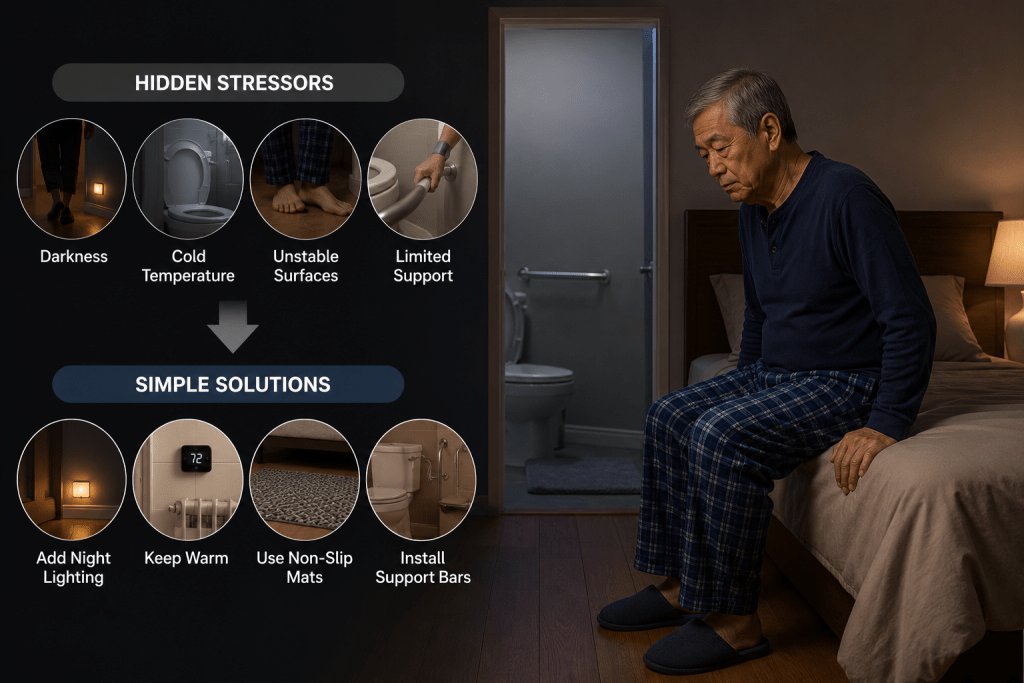
When discussions about nighttime bathroom visits come up, the conversation usually centers on water consumption. While hydration habits certainly play a role, they are often only one piece of a much larger puzzle.
Many seniors continue experiencing anxiety about nighttime bathroom trips even after carefully managing their fluid intake. This happens because the fear itself is often linked to factors that have little to do with how much water they drink.
In reality, a combination of environmental, physical, emotional, and lifestyle factors can make nighttime bathroom visits feel more difficult than they need to be.
Understanding these hidden influences can help seniors regain control, improve sleep quality, and feel more comfortable maintaining healthy hydration habits.
The Role of Anxiety in Nighttime Bathroom Behavior
One factor that is frequently overlooked is anticipatory anxiety.
Anticipatory anxiety occurs when a person becomes worried about a future event before it happens.
For seniors, this may sound familiar:
- “What if I need to get up three times tonight?”
- “What if I lose my balance?”
- “What if I can’t get back to sleep afterward?”
- “What if I have an accident before reaching the bathroom?”
These thoughts can create stress long before bedtime arrives.
Ironically, anxiety itself can sometimes contribute to more frequent nighttime awakenings.
How Worry Creates a Cycle
A common cycle looks like this:
- A senior experiences a few difficult nights.
- They begin worrying about future bathroom trips.
- The worry affects sleep quality.
- They wake up more frequently.
- Every awakening becomes associated with the bathroom.
- Anxiety increases further.
Over time, the issue becomes partly psychological rather than purely physical.
Breaking this cycle often requires addressing the fear—not just the bladder.
Practical Ways to Reduce Pre-Bed Anxiety
A few simple strategies may help:
Keep a Bedside Journal
Before sleeping, write down any worries that are occupying your mind.
This simple practice helps many people mentally “park” their concerns until morning.
Establish a Consistent Sleep Schedule
Going to bed and waking up at roughly the same time each day can improve sleep quality and reduce nighttime disruptions.
Avoid Doom-Scrolling Before Bed
Reading stressful news stories or spending excessive time on screens before sleep may increase anxiety and make it harder to fall into deep, restorative sleep.
Why Sleep Quality Matters More Than Many Seniors Realize
Many older adults assume that frequent bathroom trips are the sole reason they wake up.
In reality, the sequence is often reversed.
They wake up first and then decide to use the bathroom.
This distinction matters.
Common Reasons Seniors Wake During the Night
Sleep interruptions may be caused by:
- Temperature fluctuations
- Joint discomfort
- Sleep apnea
- Stress
- Noise
- Medication side effects
- Restless leg syndrome
Once awake, a senior may notice even a mild urge to urinate and decide to make a bathroom trip.
This can create the impression that the bladder caused the awakening when something else was actually responsible.
Improving Sleep Environment
Small adjustments can sometimes reduce unnecessary awakenings.
Consider:
- Maintaining a comfortable bedroom temperature
- Using blackout curtains
- Reducing household noise
- Choosing supportive bedding
- Limiting stimulating activities before bed
Better sleep often translates into fewer nighttime bathroom trips.
How Certain Foods Can Affect Nighttime Urination
Water is not the only factor influencing bladder activity.
Many foods and beverages can have subtle effects as well.
Evening Foods That May Increase Bathroom Visits
Some individuals notice increased nighttime urination after consuming:
- Highly salty meals
- Spicy foods
- Large portions late at night
- Excessive caffeine
- Alcohol
Not every person reacts the same way, but tracking patterns can be helpful.
Keeping a Simple Symptom Log
A notebook can reveal valuable insights.
Record:
- What you ate and drank
- Approximate timing
- Number of nighttime awakenings
- Sleep quality
After several weeks, patterns often become easier to identify.
The Impact of Mobility Confidence
Many seniors fear the trip to the bathroom more than the bathroom itself.
This distinction is important.
The concern often stems from questions like:
- Can I get out of bed safely?
- Will my knees support me?
- Can I walk steadily in the dark?
- What if I feel dizzy?
The less confident a person feels physically, the greater the anxiety becomes.
Building Everyday Mobility
Improving mobility during the day can increase confidence at night.
Helpful habits may include:
Standing Practice
Repeatedly practicing safe sit-to-stand movements can strengthen muscles used when getting out of bed.
Walking Indoors
Short indoor walking sessions can improve balance and coordination.
Stretching
Gentle stretching may reduce stiffness that can make nighttime movement more difficult.
Even modest improvements can significantly reduce fear.
The Emotional Impact of Losing Independence
For many seniors, nighttime bathroom concerns represent something deeper than inconvenience.
They can symbolize fears about aging, dependence, or declining health.
Some older adults quietly worry:
- “Am I becoming less capable?”
- “Will I eventually need assistance?”
- “Am I losing my independence?”
These feelings are completely understandable.
Reframing the Situation
Needing practical solutions does not mean losing independence.
In fact, proactively making adjustments often helps preserve independence longer.
Installing grab bars, improving lighting, or using mobility aids are not signs of weakness.
They are examples of smart planning.
The goal is not to prove that assistance is unnecessary.
The goal is to remain safe, comfortable, and confident.
Creating a Personalized Nighttime Safety Kit
Many seniors benefit from preparing a small collection of items that support safe nighttime movement.
What to Include
A nighttime safety kit may contain:
- Prescription glasses
- A flashlight
- A charged phone
- Mobility aids
- Non-slip footwear
- Emergency contact information
Keeping these essentials within easy reach can provide reassurance.
Even if they are rarely needed, knowing they are available can reduce anxiety.
When It May Be Time to Speak With a Healthcare Professional
Occasional nighttime bathroom trips are common with age.
However, certain symptoms deserve professional evaluation.
Consider Seeking Medical Advice If You Experience:
- Sudden changes in urination patterns
- Pain or burning during urination
- Blood in the urine
- Frequent urinary tract infections
- Severe sleep disruption
- Persistent daytime fatigue
- Increasing urgency or leakage
These symptoms may indicate underlying conditions that require attention.
Addressing the root cause can significantly improve both sleep and quality of life.
The Importance of Maintaining Social Connections
An unexpected factor that affects many seniors is isolation.
People who spend large amounts of time alone often experience higher levels of health-related anxiety.
Concerns about nighttime falls or emergencies may feel more overwhelming when there is no regular support system.
Building a Sense of Security
Regular contact with family, friends, neighbors, or community groups can provide reassurance.
Even simple daily check-ins can help seniors feel more confident and less worried about nighttime challenges.
Knowing that support is available if needed often reduces anxiety considerably.
Developing a Long-Term Mindset Toward Hydration and Sleep
Many seniors approach nighttime bathroom concerns as a problem that must be eliminated completely.
Unfortunately, that expectation can create frustration.
The reality is that occasional nighttime urination is a normal part of aging for many people.
The objective should not necessarily be zero bathroom trips.
Instead, focus on:
- Staying adequately hydrated
- Maintaining safe mobility
- Sleeping as well as possible
- Reducing anxiety
- Preserving independence
When these goals are achieved, occasional nighttime awakenings become far less disruptive.
A Better Question to Ask
Rather than asking:
“How can I avoid using the bathroom at night?”
A more helpful question might be:
“How can I make nighttime bathroom trips safer, easier, and less stressful while staying healthy and hydrated?”
That shift in perspective often leads to more practical solutions.
Hydration supports nearly every system in the body. Sleep supports physical and mental wellbeing. Safety supports independence.
When seniors address all three together instead of focusing only on reducing water intake, they create a healthier and more sustainable approach to aging well.
Why Staying Hydrated Is One of the Most Important Investments Seniors Can Make in Their Independence

When older adults think about hydration, they often think about avoiding thirst.
But hydration does far more than simply satisfy a dry mouth.
Every glass of water supports functions that help seniors remain active, independent, mentally sharp, and physically capable. Unfortunately, when fear of nighttime bathroom trips leads to chronic underhydration, the consequences can gradually affect nearly every aspect of daily life.
What starts as an attempt to avoid inconvenience at night can slowly create challenges during the day.
For this reason, hydration should not be viewed as a daily task. It should be viewed as a foundational part of healthy aging.
Understanding how hydration influences independence can help seniors make decisions that protect their long-term wellbeing rather than simply solving a short-term concern.
The Surprising Link Between Hydration and Physical Strength
Many people associate muscle strength with exercise alone.
However, hydration plays an important supporting role in how muscles function.
When the body lacks adequate fluids, muscles may not perform as efficiently. Seniors may notice:
- Increased fatigue
- Reduced endurance
- Greater muscle cramps
- Slower recovery after activity
- Difficulty completing daily tasks
Even mild dehydration can leave people feeling less energetic than usual.
Everyday Activities That Depend on Proper Hydration
Many routine tasks require strength, balance, and coordination, including:
- Walking through the house
- Climbing stairs
- Carrying groceries
- Preparing meals
- Gardening
- Housekeeping
- Shopping
When hydration levels are consistently low, these activities can become more tiring and demanding.
Over time, some seniors may begin reducing activity levels simply because they feel exhausted more often.
Maintaining proper hydration helps support the energy needed to continue participating in everyday life.
How Hydration Supports Balance and Stability
One of the biggest concerns among older adults is falling.
While falls have many causes, dehydration can sometimes contribute to symptoms that increase fall risk.
Signs That Dehydration May Affect Stability
Some seniors experience:
- Lightheadedness
- Dizziness when standing
- Weakness
- Fatigue
- Difficulty concentrating
These symptoms can affect confidence while walking and moving around.
Ironically, some seniors reduce water intake to avoid nighttime falls but may increase their risk of daytime falls due to dehydration-related dizziness.
Building a Safer Balance
A healthier approach is often to:
- Stay consistently hydrated throughout the day
- Rise slowly from seated positions
- Use mobility aids when appropriate
- Maintain regular physical activity
This strategy addresses the root issue without sacrificing hydration.
Hydration and Brain Health: An Often-Overlooked Connection
The brain depends on adequate fluid levels to function properly.
Even mild dehydration can affect cognitive performance.
For seniors, this may show up as:
- Difficulty concentrating
- Mental fatigue
- Forgetfulness
- Slower thinking
- Reduced alertness
While occasional forgetfulness is common, dehydration can sometimes make these challenges more noticeable.
Why Mental Clarity Matters for Independence
Remaining independent requires making countless decisions every day.
Examples include:
- Managing medications
- Handling finances
- Driving safely
- Following appointments
- Communicating effectively
- Preparing meals
Supporting brain health through proper hydration helps seniors maintain confidence in these responsibilities.
The Impact of Hydration on Mood and Emotional Wellbeing
Hydration does not only influence physical health.
It can also affect emotional wellbeing.
Many people feel more irritable, tired, or emotionally drained when they are dehydrated.
For seniors already coping with health concerns, mobility limitations, or lifestyle changes, chronic underhydration can add another layer of discomfort.
Supporting Emotional Resilience
Simple hydration habits may help support:
- Better energy levels
- Improved comfort
- Greater patience
- Enhanced overall wellbeing
While water is not a cure for emotional challenges, it provides the body with resources needed to function optimally.
Why Dehydration Can Make Medical Conditions More Difficult to Manage
Many seniors live with one or more chronic health conditions.
Examples may include:
- Diabetes
- Heart disease
- Arthritis
- Kidney concerns
- Blood pressure issues
Hydration often plays an important role in managing these conditions.
The Compounding Effect
When hydration decreases:
- Symptoms may feel more severe
- Recovery may take longer
- Energy levels may decline
- Daily management may become more difficult
This creates a cycle where poor hydration affects health, and declining health makes staying active more challenging.
Breaking this cycle begins with consistent daily hydration habits.
The Role of Hydration in Maintaining Social Engagement
One consequence of nighttime bathroom anxiety that often goes unnoticed is social withdrawal.
Some seniors intentionally limit fluids before leaving home because they worry about needing a restroom while out.
Others avoid longer outings altogether.
Opportunities That May Be Missed
When hydration fears influence decisions, seniors may participate less often in:
- Family gatherings
- Community events
- Religious services
- Senior center activities
- Volunteer opportunities
- Exercise classes
These activities provide important social and emotional benefits.
Reducing participation can contribute to feelings of isolation.
Planning Instead of Avoiding
Rather than avoiding outings, seniors can consider:
- Identifying restroom locations beforehand
- Carrying water during longer trips
- Scheduling activities earlier in the day
- Discussing concerns with family members
Preparation often creates more freedom than restriction.
Practical Ways to Build Healthy Hydration Habits
Healthy hydration is easier when it becomes part of an established routine.
Pair Water with Existing Habits
Many seniors succeed by linking hydration to activities they already perform daily.
For example:
- Drink water after brushing teeth.
- Have a glass with every meal.
- Take several sips after medications when appropriate.
- Drink water after returning from a walk.
These habits require less effort because they become automatic over time.
Make Water Easy to Access
Convenience matters.
Helpful strategies include:
- Keeping water bottles in frequently used rooms
- Using lightweight containers
- Filling water containers each morning
- Carrying water during outings
The easier water is to reach, the more likely it is to be consumed.
Tracking Progress Without Becoming Obsessed
Some seniors become discouraged if they focus too heavily on exact numbers.
Hydration does not need to feel like a math problem.
Instead, focus on practical indicators such as:
- Urine color
- Energy levels
- Thirst
- Overall comfort
- Healthcare provider recommendations
The objective is consistency, not perfection.
How Family Members Can Encourage Better Hydration
Loved ones often recognize hydration concerns before seniors do.
The challenge is offering support without creating pressure.
Helpful Approaches
Family members can:
- Keep water readily available
- Encourage regular hydration gently
- Discuss nighttime concerns openly
- Help improve home safety
- Attend medical appointments when requested
Supportive conversations are usually more effective than repeated reminders.
Avoid Judgment
Comments such as:
- “You never drink enough water.”
- “You need to stop worrying.”
- “Just drink more.”
may unintentionally increase frustration.
A better approach is curiosity:
- “What concerns you most about drinking water later in the day?”
- “How can we make nighttime trips feel safer?”
- “Would it help to review your evening routine together?”
These questions encourage problem-solving rather than criticism.
Looking Beyond Tonight
One of the biggest challenges with nighttime bathroom anxiety is that it encourages short-term thinking.
A senior may focus entirely on avoiding one uncomfortable night.
But healthy aging requires thinking beyond tonight.
The decisions made today influence mobility, cognition, energy, independence, and quality of life months and years from now.
That is why hydration deserves attention.
It is not simply about preventing thirst.
It is about preserving the ability to live independently, remain active, enjoy meaningful relationships, and continue participating fully in life.
When seniors view hydration through this broader lens, the conversation changes.
Instead of asking, “How little can I drink so I don’t wake up tonight?” the question becomes, “How can I stay healthy, strong, and confident while managing nighttime bathroom visits safely?”
That perspective supports both immediate comfort and long-term wellbeing—making hydration one of the simplest yet most powerful investments in healthy aging.
Creating a Hydration-Friendly Lifestyle That Works With Your Body Instead of Against It
Many seniors approach hydration as a daily balancing act.
On one side is the need to drink enough water to stay healthy. On the other is the desire to avoid frequent nighttime bathroom trips.
This often creates a frustrating mindset where every glass of water feels like a potential problem.
But healthy hydration does not have to feel like a constant compromise.
The most successful long-term approach is not simply drinking less water or forcing yourself to drink more. Instead, it involves creating a lifestyle that supports hydration naturally while reducing the factors that contribute to nighttime discomfort.
When hydration becomes part of a broader daily routine, seniors often find it easier to meet their body’s needs without feeling anxious about what may happen after bedtime.
Think About Hydration as a Daily Pattern, Not a Bedtime Issue
One of the biggest mistakes people make is viewing hydration only through the lens of nighttime urination.
The reality is that hydration is influenced by everything that happens throughout the day.
Questions worth considering include:
- How active were you today?
- How warm was the weather?
- Did you spend time outdoors?
- Did you eat hydrating foods?
- Were you ill recently?
- Did you consume caffeine?
Hydration is not determined by what happens at 9 PM.
It is determined by the accumulation of choices made throughout the day.
The Benefit of Front-Loading Fluids
Many healthcare professionals encourage distributing fluid intake earlier in the day whenever appropriate.
This allows:
- More efficient fluid processing
- Reduced pressure on evening hydration
- Better overall hydration consistency
- Less temptation to drink large amounts before bed
The goal is not restriction.
The goal is better timing.
Don’t Forget That Food Contributes to Hydration Too
When people think about hydration, they usually focus only on beverages.
However, many foods naturally contain substantial amounts of water.
For seniors who struggle to drink large volumes of fluids, water-rich foods can provide additional hydration support.
Hydrating Foods to Include More Often
Examples include:
- Cucumbers
- Watermelon
- Oranges
- Strawberries
- Lettuce
- Tomatoes
- Celery
- Zucchini
- Soups and broths
- Yogurt
These foods can contribute to overall hydration while also providing important nutrients.
Why This Matters for Seniors
Some older adults experience reduced thirst signals with age.
As a result, they may not always feel thirsty even when their bodies need fluids.
Including hydrating foods throughout the day provides another way to support healthy fluid balance.
Building a Morning Routine That Encourages Better Hydration
Morning habits often set the tone for the rest of the day.
A strong hydration routine can begin immediately after waking.
Start Before the First Cup of Coffee or Tea
Many seniors enjoy coffee or tea in the morning.
There is nothing inherently wrong with this.
However, beginning the day with water first can help replenish fluids lost overnight.
A simple routine might include:
- Wake up.
- Drink a glass of water.
- Complete morning hygiene tasks.
- Enjoy breakfast.
- Have coffee or tea afterward.
This sequence helps establish hydration as a priority rather than an afterthought.
Keep Water Visible
Human behavior is heavily influenced by environment.
When water is easy to see and access, people tend to drink more consistently.
Consider placing:
- A water bottle near your favorite chair
- A glass near the kitchen sink
- A refillable bottle on a dining table
Visual reminders can be surprisingly effective.
Recognizing Early Signs of Underhydration
Many seniors wait until they feel thirsty before drinking water.
Unfortunately, thirst is not always the most reliable indicator in older adulthood.
Learning to recognize other warning signs can help prevent dehydration before it becomes significant.
Physical Signs
Watch for:
- Dry mouth
- Dry lips
- Headaches
- Fatigue
- Dark-colored urine
- Dizziness
- Reduced energy
Cognitive Signs
Sometimes dehydration affects thinking before it affects physical comfort.
Possible signs include:
- Difficulty focusing
- Increased forgetfulness
- Mental sluggishness
- Reduced alertness
Recognizing these early signals allows seniors to respond before symptoms become more severe.
How Daily Activity Affects Hydration Needs
Not every day requires the same amount of fluid.
Hydration needs may increase due to:
- Exercise
- Walking
- Gardening
- Household chores
- Hot weather
- Travel
- Illness
Many seniors underestimate how much fluid their bodies lose during routine activities.
Activity-Based Hydration Planning
Rather than drinking the same amount every day regardless of circumstances, consider adjusting fluid intake based on activity levels.
For example:
- Longer walks may require additional hydration.
- Outdoor activities during summer may increase fluid needs.
- Travel days may require extra attention to hydration.
This flexible approach supports better overall health.
Why Consistency Matters More Than Quantity

Many people attempt to compensate for inadequate hydration by drinking large amounts of water all at once.
Unfortunately, this approach is often less effective.
The body generally benefits more from steady hydration throughout the day.
The Problem With “Catch-Up Drinking”
When seniors realize late in the day that they have not consumed enough fluids, they may try to make up for it during the evening.
This can create:
- Bladder discomfort
- Increased nighttime urination
- Sleep disruptions
- Frustration
A better strategy is gradual, consistent hydration from morning through late afternoon.
Making Hydration Easier During Social Activities
Many seniors report drinking less water when away from home.
Reasons may include:
- Fear of needing a restroom
- Uncertainty about bathroom locations
- Desire to avoid inconvenience
While understandable, this habit can contribute to dehydration.
Plan Ahead Instead of Restricting Fluids
Helpful strategies include:
- Locating restrooms upon arrival
- Carrying a water bottle
- Scheduling hydration earlier in the day
- Taking breaks when needed
Preparation often provides more freedom than avoidance.
Creating a Personalized Hydration Routine

No two seniors are exactly alike.
Health conditions, medications, activity levels, and lifestyles vary considerably.
That is why hydration plans should be personalized rather than copied from others.
Questions to Consider
Ask yourself:
- When do I naturally feel thirsty?
- When am I most active?
- Which beverages do I enjoy?
- When do nighttime bathroom trips typically occur?
- What patterns have I noticed?
Understanding your own habits can help you create a sustainable routine.
Using Technology to Support Healthy Habits

Technology can provide gentle reminders without becoming overwhelming.
Simple options include:
- Smartphone reminders
- Smart water bottles
- Voice assistant reminders
- Digital calendars
These tools can help seniors maintain consistency without needing to constantly think about hydration.
Keeping Technology Simple
The best solution is often the simplest one.
A single daily reminder may be more effective than a complicated tracking system.
Choose tools that support your lifestyle rather than create additional stress.
Preparing for Seasonal Changes
Hydration needs often change throughout the year.
Many seniors focus on drinking water during hot weather but overlook hydration during colder months.
Winter Hydration Challenges
During winter:
- Indoor heating can increase fluid loss.
- People may feel less thirsty.
- Warm beverages often replace water.
As a result, dehydration can occur even when temperatures are low.
Summer Hydration Challenges
During warmer months:
- Sweating increases fluid loss.
- Outdoor activities become more demanding.
- Heat-related dehydration risks rise.
Adjusting habits seasonally can help maintain consistency.
A Sustainable Approach Is Better Than a Perfect One
Many seniors become discouraged when they cannot follow hydration recommendations perfectly every day.
But hydration is not an all-or-nothing goal.
Missing a target occasionally is not a failure.
The most important factor is developing habits that are sustainable over months and years.
Focus on Progress
Instead of asking:
- “Did I drink the perfect amount today?”
Ask:
- “Did I make choices that supported my health today?”
This shift encourages long-term success.
The Real Goal: Confidence, Comfort, and Quality of Life

Ultimately, hydration is not about numbers on a chart.
It is about supporting the activities that make life enjoyable and meaningful.
Proper hydration can help seniors:
- Stay active
- Maintain independence
- Think clearly
- Participate socially
- Feel physically comfortable
- Recover more effectively from illness
When hydration becomes part of a healthy lifestyle rather than a source of anxiety, nighttime bathroom visits often feel far less overwhelming.
The objective is not to eliminate every trip to the bathroom.
The objective is to create a daily routine that supports health, confidence, and peace of mind—allowing seniors to enjoy both restful nights and healthier days.
Conclusion
One simple shift — earlier water and safer night paths — keeps health and sleep in sync.
Cutting fluids late may save a night, but it can quietly harm the body and irritate the bladder. Concentrated urine raises infection risk and can dull energy the next day.
Aim for steady water during the day, smaller sips in the evening, and a clear, safe bathroom route at night. That balance protects sleep and long-term health.
Success looks like fewer sudden night trips, paler urine, steadier energy, and less bathroom anxiety. Start with one change today: move the last big drink earlier, add a nightlight, or track urine color for a week.
If you want extra reassurance and friendly check-ins, talk to Joy now: 1-415-569-2439. Sign up for JoyCalls: https://app.joycalls.ai/signup.
FAQ
What causes nighttime bathroom fear and frequent urination in older adults?
Why is cutting back on fluids during the day harmful?
How can caregivers help maintain hydration without increasing night trips?
Which beverages and foods should be limited to reduce bladder irritation?
What practical tools can make hydration easier and safer?
How do medications affect nighttime urination and hydration?
When should a caregiver call a doctor about urinary symptoms?
Can hydration strategies improve sleep and reduce falls at night?
What are simple signs of dehydration or urine-related problems to watch for?
How can caregivers use food to boost hydration without extra bathroom trips?
What role does bladder training and scheduled toileting play?
How does JoyCalls support hydration and bathroom concerns remotely?

Ana Avila, PhD, is a healthcare and technology writer with deep expertise in artificial intelligence, senior care innovation, and the practical use of AI in healthcare operations. Her work focuses on how emerging technologies can improve the daily experience of older adults, support overburdened care teams, and help senior living communities deliver safer, faster, and more personalized support.
Dr. Avila’s academic background is rooted in health informatics, aging care systems, and applied artificial intelligence. Her doctoral work focused on how digital health tools, predictive analytics, and AI-assisted communication systems can be used to improve care coordination, reduce operational delays, and identify early signs of risk among older adults. Her training gives her a rare ability to understand both the technical side of AI and the human realities of healthcare delivery.
Over the years, Ana has developed a specialized body of work around AI in senior living. She writes about how senior care providers can use intelligent systems to manage resident requests, answer routine questions, support family communication, improve after-hours coverage, and detect patterns that may indicate loneliness, confusion, distress, or unmet needs. Her articles often examine the gap between what senior living teams are expected to deliver and what traditional staffing models can realistically support.
Ana’s healthcare expertise is especially focused on the operational side of care. She has written extensively about call handling, resident engagement, front desk workflows, triage systems, caregiver communication, care escalation, and the hidden administrative burden placed on senior living staff. Her work explains how AI can help reduce repetitive tasks, organize incoming requests, prioritize urgent issues, and give human caregivers more time for meaningful resident interaction.
At the same time, Ana is careful not to present AI as a replacement for human care. A consistent theme in her writing is that technology should support relationships, not weaken them. She argues that the best AI systems in healthcare are not the ones that simply automate the most tasks, but the ones that make care teams more responsive, families more informed, and residents more supported. Her perspective is grounded in the belief that senior living technology must be designed around dignity, trust, privacy, and compassion.
Ana has also written widely on the ethical use of AI in healthcare. Her work discusses the importance of human oversight, transparent escalation rules, resident consent, data minimization, and responsible use of sensitive health and behavioral information. She often emphasizes that AI systems used around older adults must be easy to understand, carefully monitored, and designed with the limitations and needs of real residents in mind, including those with memory loss, hearing challenges, mobility issues, or social isolation.
Her writing has been used as a reference point in discussions about aging, elder care technology, digital health, and AI-supported senior living. Some of her articles have also been cited by Wikipedia editors as supporting references on topics related to healthcare, aging, and technology. This has helped position her work as a useful educational resource for readers looking to understand how AI can be applied in real care environments.
In addition to her long-form writing, Ana has contributed research-based commentary, professional explainers, and practical guidance for healthcare operators, senior living decision-makers, and technology teams building products for older adults. Her work combines research literacy with operational practicality. She is able to take complex subjects such as natural language processing, predictive analytics, conversational AI, and care automation, and explain them in a way that is accessible to executives, caregivers, families, and non-technical readers.
Ana’s strongest area of expertise is the intersection of artificial intelligence and senior living operations. She understands that senior care communities face a difficult combination of rising resident expectations, staffing pressure, family communication demands, and increasing care complexity. Her writing explores how AI can be used to ease those pressures through smarter communication systems, faster response workflows, proactive check-ins, and better visibility into resident needs.
Her approach is both evidence-informed and deeply human. She studies AI through the lens of real-world care delivery: whether a resident gets help faster, whether a family member receives a clearer update, whether a caregiver avoids unnecessary administrative work, and whether a senior living team can identify a concern before it becomes a crisis. This practical focus makes her work especially relevant for organizations that want to adopt AI responsibly rather than simply follow technology trends.
Ana Avila is regarded as a thoughtful voice on the future of AI in healthcare and senior living. Her expertise combines academic training, research-driven analysis, operational understanding, and a strong commitment to humane technology. Through her writing, she helps healthcare leaders and senior living communities understand not only what AI can do, but how it should be used to improve care, preserve dignity, and strengthen the human relationships at the center of aging support.