

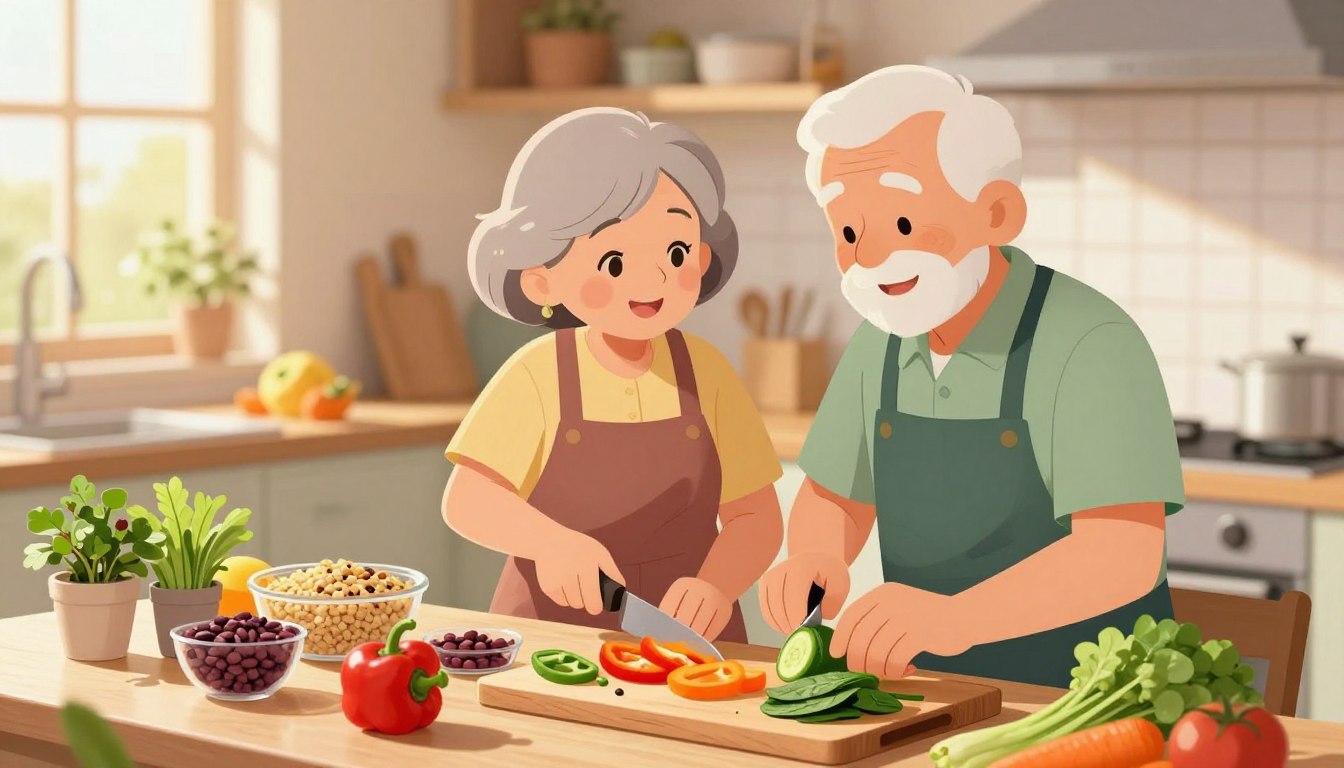
Surprising fact: many U.S. shoppers now lean on store brands, rotisserie chicken, pre-cut produce, and frozen heat-and-eat entrees to keep grocery costs down — and some ready meals sell for under $5.
Groceries are up, and families often worry: “Mom’s portions are shrinking, the food is saltier, and balance is slipping.”
This short guide shows simple, heart-smart staples — protein, frozen vegetables, whole grains, and small flavor boosters — and how to turn them into easy weekly meals that reheat well.
It’s for older adults living independently and busy adult children who want to help without taking away independence.
No fancy recipes. No specialty-store runs. No shame. Stock a few reliable ingredients and eating well gets easier on low energy days.
Convenience can be care: frozen veggies, store brands like Great Value, and rotisserie chicken support good health. A friendly daily check-in from JoyCalls can also help keep appetites and routines on track.
Save this page. Build a repeatable grocery list to use week after week. Learn more about supporting daily habits and tech that helps, like medication reminder apps and voice-first check-ins.
Key Takeaways
- Many shoppers rely on store brands and ready options to save money.
- Focus on a few reliable ingredients to make balanced, reheat-friendly meals.
- Convenience items can still support heart-smart health goals.
- JoyCalls offers gentle daily check-ins to support routines and reduce worry.
- Keep a simple, repeatable grocery list to make good eating easier.
Why senior nutrition on a budget matters right now
When money is tight and health changes, every grocery decision matters. Fixed incomes and rising prices make simple, healthy habits urgent. Chronic conditions can turn cheap choices into risky ones.

What changes with age: protein, fiber, and appetite
Appetite often shrinks. Portions get smaller. That means each bite must deliver more nutrients.
Protein at most meals helps preserve muscle and keeps energy steady. Add eggs, yogurt, beans, or canned fish.
Try JoyCalls Free
No app or new device needed. Start with a free 7-day trial.
Fiber supports digestion. Oats, beans, fruit, and vegetables are easy, filling picks. Drain and rinse canned beans to cut sodium before use.
Heart-smart eating to support blood pressure
Lowering sodium and choosing whole foods helps blood pressure and overall blood health.
- Swap to low-sodium marinara.
- Use frozen vegetables instead of salty sides.
- Pick yogurt and fruit over packaged sweets.
You don’t need perfection—just repeatable habits each day that make eating simpler.
“Dad snacks, but doesn’t really eat.” — a common worry adult children share.
Check with a clinician when there are special restrictions like kidney disease, diabetes, or swallowing issues. And if helpful, set up a gentle check-in routine, such as a caregiver check-in schedule, to keep meals steady and supported.
Cheap protein staples that make meals satisfying
Protein anchors a simple plate—small swaps can keep meals filling and steady energy all day.
Eggs and easy egg-based plates
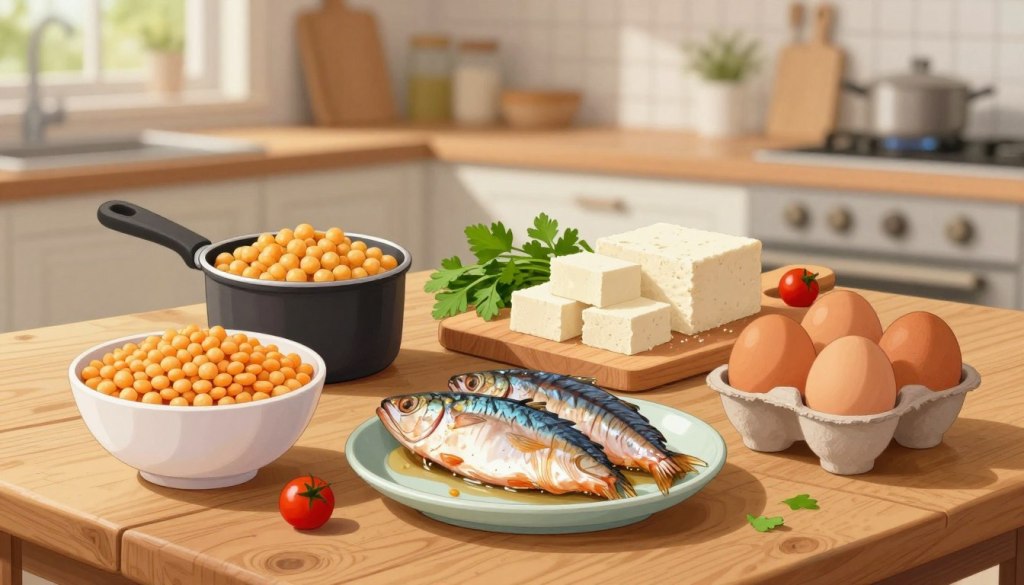
Eggs are a top, no-fuss option. A dozen can cost as little as $2.46 at many stores.
Try scrambled with spinach, a quick veggie omelet, or egg on toast. Breakfast-for-dinner works when motivation is low.
Chicken pieces and the rotisserie shortcut
Thighs and drumsticks are forgiving and often cheaper than breasts. A rotisserie chicken stretches to make tacos, soups, salads, and sandwiches across 3–4 meals.
Ground turkey and canned tuna as swaps for salmon
Ground turkey is great in sauces and bowls. Canned tuna, mackerel, or sardines are pantry-friendly fish options when salmon feels pricey.
Beans, lentils, and the simple rinse trick
Beans and lentils add fiber plus protein. Dried is cheap; canned is quick. Drain and rinse canned beans to cut sodium (Duyff et al., 2011).
Try JoyCalls Free
No app or new device needed. Start with a free 7-day trial.
Yogurt and low-fat dairy snacks
Pick plain or vanilla tubs for cost per serving. Pair yogurt with banana, oats, or frozen berries for an easy snack or small meal.
- Senior-friendly tips: use pre-cooked proteins, batch cook, and portion leftovers into clear containers so the fridge has options not random boxes.
- Caregiver note: keep a few protein staples visible and easy to reach—open cans, labeled tubs, or single-serve packs reduce friction.
Affordable vegetables and fruits that stretch your grocery dollars
Simple fruit and vegetables can stretch a grocery list and still deliver real nutrients. Frozen produce often matches fresh in nutrition and lasts longer on the shelf. That saves trips and time.
Frozen vegetables like broccoli and spinach for fast, nutrient-rich dinners
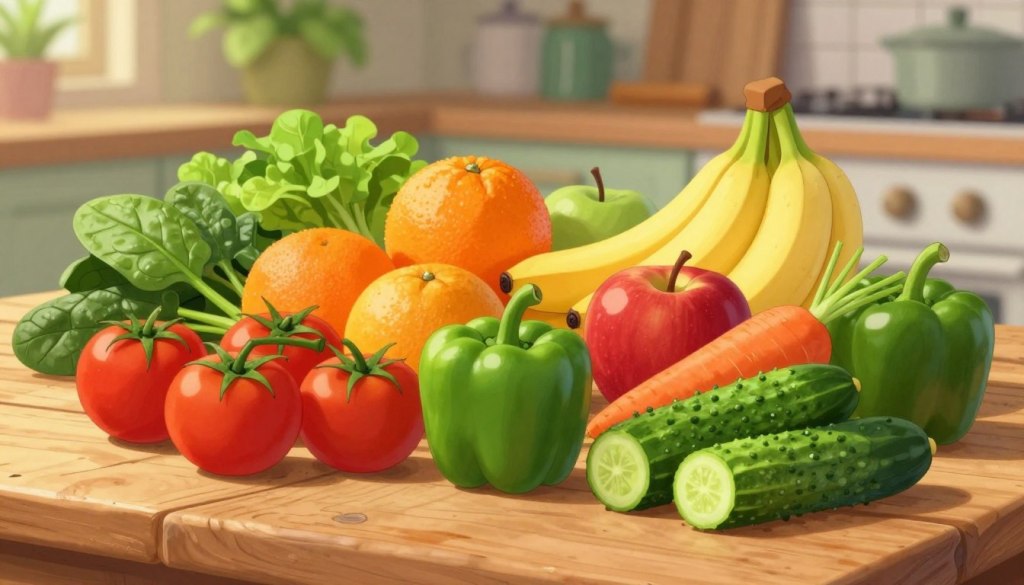
Frozen broccoli and spinach are already washed and chopped. They cut waste and heat quickly. Toss them into pasta, soup, or eggs for a fast, nutrient boost.
Keep two or three bags in rotation so a simple stir-in is ready when energy is low.
Budget fresh produce picks often priced well in U.S. stores
Cabbage, carrots, apples, and bananas store well and stretch across days. Pre-cut slaw mixes, baby carrots, or steam-in-bag veggies help when mobility is limited.
Frozen berries and canned fruit in juice as cost-smart swaps
Frozen berries brighten oatmeal or smoothies. Canned fruit in juice (drained) works great in yogurt parfaits. Flavor with cinnamon or vanilla instead of sugary sauces.
- Caregiver tip: If a parent resists vegetables, add small amounts to familiar dishes—pasta, omelets, or soup—so changes feel gentle and easy.
- Heart-healthy note: Choose lower-sodium canned options and use spices instead of salt to boost flavor.
Whole grains and low-cost carbs for energy and digestion
Carbohydrates aren’t the enemy. Whole grain choices and starchy vegetables give steady energy and help digestion. Pair them with protein and a little fat to make plates more satisfying through the day.
Oats and simple breakfast upgrades
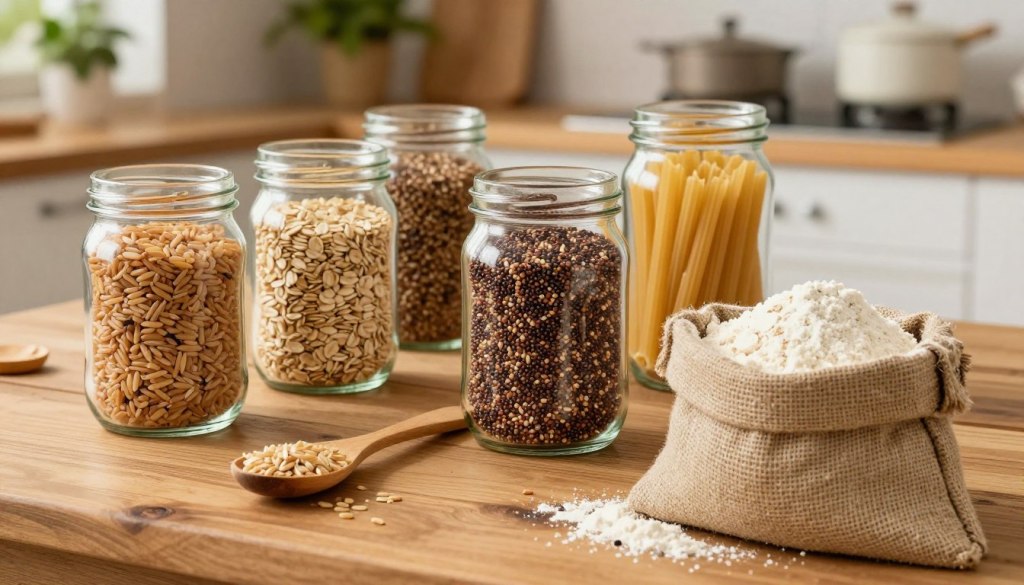
Oatmeal is a warm, filling breakfast base. Top with banana, frozen berries, raisins, or cinnamon apples. Make overnight oats if cooking feels like too much.
Whole grain bread and tortillas—quick lunch ideas
Use whole grain bread or tortillas for tuna toast, turkey wraps, or an egg sandwich. These options are fast, filling, and travel well when needed.
Brown rice, pasta, and potatoes for easy meal ideas
Cook a big pot of brown rice or a tray of roasted potatoes once and use leftovers across meals. Add marinara, salsa, or canned tomatoes as a simple sauce to change flavors fast.
Barley, bulgur, and hearty grain bowls
Barley and bulgur are cheaper quinoa alternatives. They work well in soup and warm bowls and feel hearty without extra fuss. Cook until soft and add broth to ease chewing.
- Senior-friendly tip: choose softer grains and well-cooked pasta to make chewing easier.
- Caregiver note: keep a few predictable staples visible to cut decision fatigue and make dinner time simpler.
| Grain | Best use | Texture | Quick pairing |
|---|---|---|---|
| Oats | Breakfast, overnight oats | Soft | Banana, raisins, cinnamon |
| Brown rice | Bowls, reheats well | Slightly chewy | Leftover proteins, salsa |
| Barley/Bulgur | Soup, grain bowls | Hearty, soft when cooked | Broth, canned tomatoes |
For more cheap healthy options that pair well with grains, see cheap healthy foods.
Healthy fats and flavor boosters that keep food enjoyable
Small tweaks to fat and flavor can bring appetite—and joy—back to the table. Flavor is care. When taste fades, people eat less. A few pantry staples fix that fast.
When to reach for olive oil vs other oils
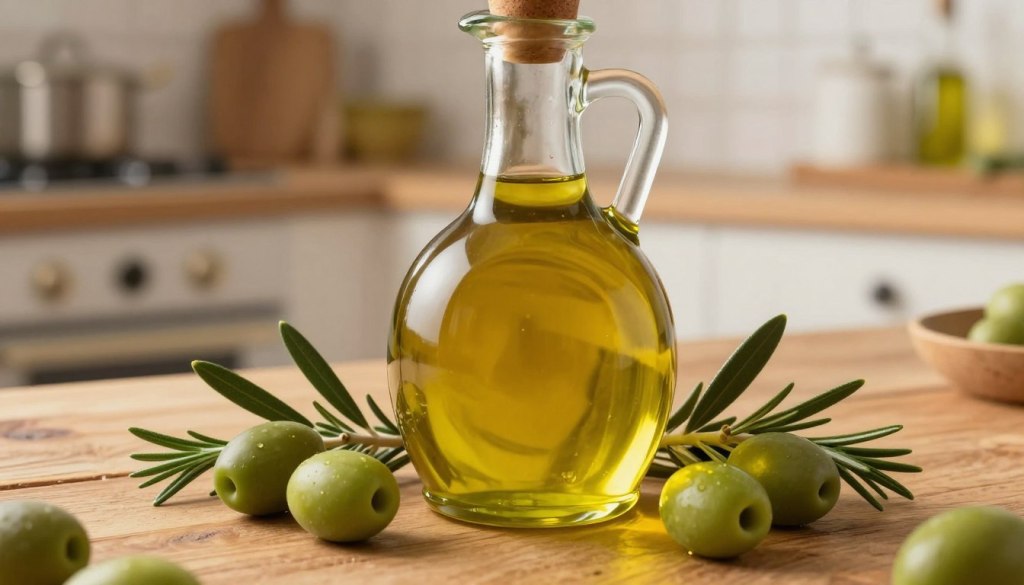
One good bottle on the counter covers many needs. Use olive oil for dressings, light sautéing, and finishing dishes. It adds a warm, familiar note to pasta and vegetables.
Choose canola or vegetable oil for high-heat tasks like frying. No judgment—just options that protect flavor and stretch a bottle.
Onions, canned tomatoes, salsa, and marinara: flavor fast
Onions and canned tomatoes turn simple ingredients into comforting dishes. Add canned tomatoes to soups or use salsa to brighten grain bowls and beans.
Make pasta with low-sodium marinara and frozen greens for a quick, heart-smart dinner. If a sauce feels salty, dilute with extra vegetables or a splash of water.
Dried herbs, spices, and a simple dressing formula
- Starter spice rack: Italian blend, garlic powder, chili powder, cinnamon, black pepper.
- Simple dressing: 3 parts olive oil to 1 part vinegar or lemon + a pinch of salt and dried herbs.
- Measure oil so it lasts—one tablespoon can add big flavor without waste.
Caregiver tip: If a parent leans on salt, try onion, garlic, herbs, citrus, and salsa first. These lift eating without risking blood pressure. Want heart-friendly inspiration? Try these heart-healthy dinners. And consider gentle reminders like text-message reminders to keep routines on track.
Budget meals for seniors built from staples
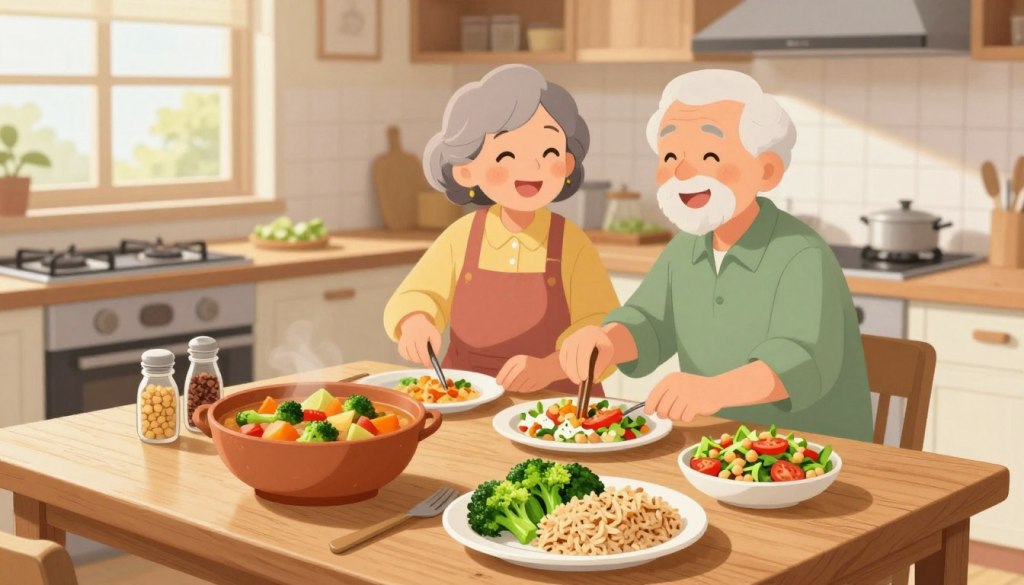
Okay—let’s turn those staples into easy, reliable dinners you can repeat all week. These ideas use simple ingredients and little hands-on time. They freeze well and reheat without fuss.
One-pot veggie pasta
Cook pasta with low-sodium marinara and frozen spinach or broccoli. Everything simmers together. Add ground turkey or canned tuna for protein. Leftovers keep well and reheat in minutes.
Sheet-pan chicken and vegetables
Roast thighs or drumsticks with quartered potatoes and a frozen veg mix. Toss with herbs and a splash of oil. One pan. Minimal standing. Swap veggies based on sales.
Slow cooker chicken stew
Combine chicken, carrots, onions, potatoes, and low-sodium broth. Set on low and forget it. Cools, then freezes in portions. Great when hands-off time matters.
Tex‑Mex burrito bowls
Build bowls with rice, rinsed black beans, corn, salsa, and leftover chicken. Rinse canned beans to cut sodium. Add a squeeze of lime to lift flavor.
Quick stir-fry
Stir-fry a frozen vegetable blend with rice or noodles and any protein on hand. Ready in under 15 minutes. Use soy or a simple sauce to brighten the plate.
Simple green smoothies
Blend spinach or kale with banana and yogurt. Add oats or peanut butter for more calories. Gentle on the throat and good when appetite is low.
| Dish | Key ingredients | Why it works |
|---|---|---|
| One-pot pasta | Pasta, marinara, frozen greens | Fast, leftover-friendly |
| Sheet-pan chicken | Chicken, potatoes, mixed vegetables | Low effort, full plate |
| Slow cooker stew | Chicken, carrots, onions, potatoes, broth | Set-and-forget, freezes well |
| Tex‑Mex bowls | Rice, black beans, corn, salsa, chicken | Customizable, stretches protein |
Caregiver tip: Portion into clear containers, label with day and time, and keep one or two grab-and-heat options for low-energy nights. These simple meal ideas help keep appetite steady and dinner predictable.
Meal planning tips that make healthy eating cheaper and easier
A simple plan that repeats each week removes decision fatigue and keeps plates predictable. Start small. Predictable patterns help appetite, energy, and health without extra effort.
Build a repeatable weekly routine
Map 2–3 breakfasts, 2 lunches, and 2–3 dinners and rotate them. Pick one breakfast most days — oatmeal, yogurt, or eggs — to secure protein and fiber.
Plan two easy snacks to add calories quietly: a banana, a yogurt cup, or whole grain toast with peanut butter.
Smart shopping in the U.S.
Choose store brands like Great Value and pre-cut produce when chopping leads to waste. Watch unit prices to spot true savings.
Lean on freezer staples: frozen broccoli, spinach, berry mixes, and veggie blends stretch a list and cut trips.
When cooking is hard: better convenience options
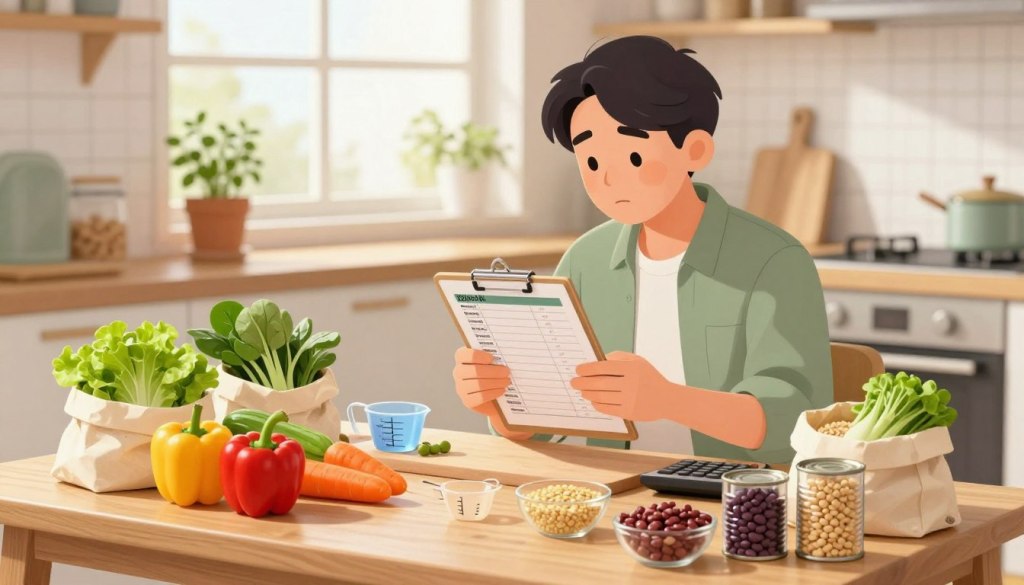
It’s normal to have low-energy days. Pain, grief, or fatigue can make the stove feel like a mountain. Heat-and-eat meals from Healthy Choice, Amy’s, or store brands can bridge the gap.
Better convenience checklist: pick lower-sodium and higher-protein entrees, add a side of frozen veg or a piece of fruit, and keep whole grain toast or a banana nearby.
- Freezer-first list: frozen broccoli/spinach, frozen berries, frozen veggie blends, extra soup or stew portions.
- Stretch rotisserie chicken into tacos, salads, and soup to make more dinners from one purchase.
If a parent skips meals when alone, a friendly nudge helps. JoyCalls offers gentle daily check-ins and caregiver alerts. Sign up: https://app.joycalls.ai/signup. Talk to Joy now: 1-415-569-2439.
Conclusion
A short list of reliable groceries can turn worry into steady plates.
Start small. Keep a few proteins, two frozen vegetables, a grain, and simple flavor boosters visible. These staples unlock easy, repeatable meals and steady nutrition.
Choose whole foods more often. Rinse canned beans to cut sodium. Batch-cook and freeze portions to save time and reduce waste. Learn more tips at Eating Well on a Budget.
If you worry about a parent, support can look like grocery lists, labeled freezer dishes, and a friendly check-in. Start by picking five staples and plan two repeat dinners this week.
Get help today: Sign up for JoyCalls or call 1-415-569-2439. A gentle voice and daily check-ins can keep meals steady and bring caregiver peace of mind. Read a quick routine guide here.
Steady plates. Steady check-ins. One day at a time.