


Shock: the brain is about 75% water, and small drops in that balance can change thinking fast.
You get a call: your parent sounds foggy, “not making sense,” or just isn’t themselves. Your mind jumps to dementia, depression, or a medication mix-up.
Before you panic, consider a simple cause that mimics cognitive decline. Mild dehydration can trigger sudden confusion, forgetfulness, fatigue, dizziness, irritability, and headaches.
This piece will show what to watch for at home, quick hydration checks, how much water to aim for, and when to seek urgent care. You’re not overreacting to check fluids first—it’s one of the safest first steps.
Need support now? Talk to Joy now: 1-415-569-2439. Set up daily check-ins with JoyCalls: sign up for JoyCalls. For more on overlapping signs, see symptoms that mimic dementia.
Key Takeaways
- Small drops in body water can cause major thinking changes in seniors.
- Look for tiredness, dizzy spells, dry mouth, dark urine, and mood shifts.
- Try quick home hydration checks and encourage steady water intake.
- Daily check-ins from JoyCalls can spot early shifts before they worsen.
- Call 1-415-569-2439 for help setting up consistent support now.
Why dehydration can look like cognitive decline in older adults
Small, sudden shifts in thinking often arrive without warning. The brain needs fluid to work well. When the brain (about 75% water) loses even a little of that balance, focus and memory can get shaky.
The brain is about 75% water: why hydration affects memory and focus
Think of the brain like a sponge that needs moisture to flex. Mild loss of water may cause forgetfulness, trouble concentrating, and poor decision-making. These changes can show up quickly and feel dramatic to family members.

Symptom overlap with dementia and depression that can mislead families
Caregivers often hear, “Mom is just being stubborn.” But it may be her body asking for water. Low fluid can cause low energy, irritability, trouble talking, and missed steps in tasks—symptoms that mirror dementia or depression.
There’s a blind spot in the health system: medications get detailed review, while advice on staying hydrated is often brief. Families aren’t diagnosing. They’re watching for patterns and taking a safe, first step: offer fluids and note changes.
- Quick takeaway: Before assuming permanent decline, check simple hydration steps first.
- For more on how fluid affects thinking, see brain and fluid research.
- Build a daily check-in habit with tools like JoyCalls’ quick routine to catch shifts early.
Who’s most at risk for dehydration and sudden confusion
Some adults lose thirst signals as they get older, and danger can sneak up fast. Older adults may not feel thirsty even when the body needs more fluids. That quieter thirst puts them at higher risk.
Every day we lose water just by breathing and sweating—often 8–12 cups. On a hot day, raised temperature and extra sweating can tip the balance quickly.

Common health and daily risks
- Conditions that raise risk: diabetes, swallowing difficulty, memory loss that leads to missed drinks.
- Medications and some medical problems change how the body holds fluid.
- People with heart failure or kidney limits may need special fluid plans—so “just drink more” isn’t always right.
- Worries about incontinence often make seniors drink less, which can make thinking worse.
Quick check-in question: “How much have you had to drink so far today?” and “When did you last pee?”
Note: Watch the day and temperature. If intake doesn’t match losses, the risk dehydration rises fast.
dehydration confusion elderly: signs to watch for at home
When someone you care about seems off for a few hours, start with simple checks. Watch for a pattern of small changes rather than one loud symptom.

Mental and mood changes
Look for: brief confusion, sudden forgetfulness, more irritability, or risky choices from a usually cautious person.
Balance and energy changes
Notice dizziness when standing, light-headedness, unusual sleepiness, or fatigue that doesn’t match activity. These can raise fall risk quickly.
Body clues to check
Sticky or dry mouth, dry skin, headaches that get worse with movement, constipation, and muscle cramps are useful body signals to watch for.
Urine changes in plain words
Peeing less, strong-smelling urine, or dark yellow urine can be an early warning. Pale yellow is the usual goal.
- Home checklist: note a cluster of signs over a few hours, not just one sign.
- If thirst isn’t obvious, don’t wait for them to ask—offer small sips of water or another drink.
- Try a simple action today: give a few teaspoons every 5–10 minutes and watch for clearer alertness.
“If you’re scared this is dementia—pause. Check hydration first. It’s a common, fixable piece.”
| Sign type | What to watch for | Immediate action |
|---|---|---|
| Mental/mood | Sudden forgetfulness, irritability, poor decisions | Offer a calm chat and small sips of water |
| Energy/balance | Dizziness, unusual sleepiness, fatigue | Have them sit, rest, and sip slowly |
| Body/urine | Dry mouth, muscle cramps, dark or strong urine | Encourage fluids; note any urine change |
Want a quick how-to if a parent insists they already took their meds? See what to do when your parent says they already took the.
Quick hydration checks caregivers can do today
A few quick checks at home can tell you if low fluid intake is behind sudden changes. These are low-tech, calm steps you can do now.
The urine color and frequency check
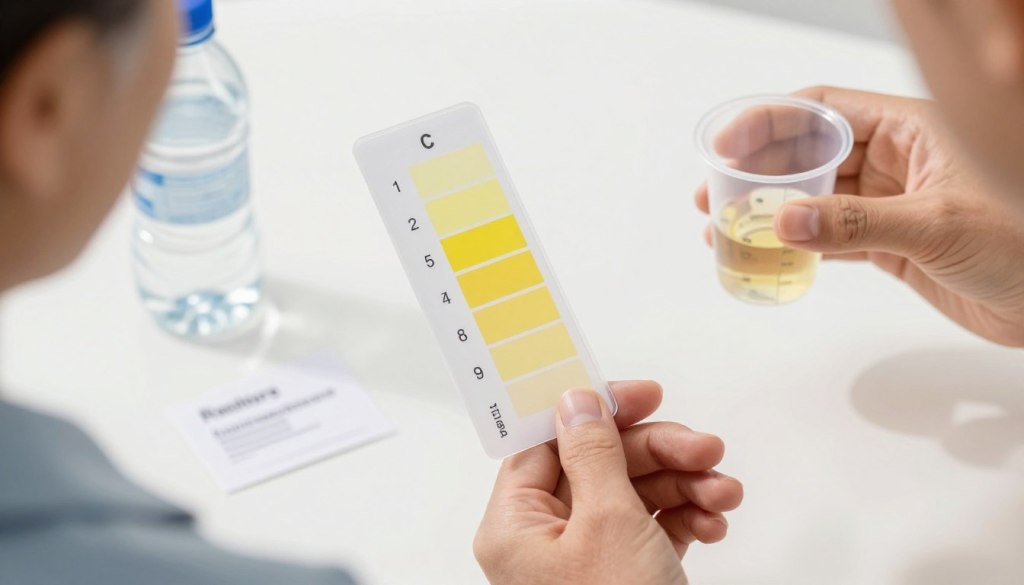
Look at pee color and how often they go. Pale yellow is reassuring. Dark, apple-juice color or far fewer trips to the bathroom can mean low fluid intake.
- Note number of bathroom trips in a day.
- Compare color to a simple goal: pale yellow.
The skin “pinch test” (skin turgor)
Gently pinch the forearm or back of the hand. If the skin stays tented instead of quickly smoothing, that can be a sign the body needs more fluids.
Behavior baseline: spotting “not acting like themselves” early
Write down normal routines: morning energy, appetite, mood, and usual talk. Small changes—sleepiness, odd words, or less interest—are big clues when paired with other signs.
Make sure, don’t assume. Set checks at breakfast, mid-afternoon, and evening to track fluid intake throughout day.
Tip: Set a labeled water bottle nearby and use brief check-ins or a service like caregiver check-in schedule. For more background on risk and simple guidance, learn more about fluid risks.
“A quick look today can prevent a bigger worry tomorrow.”
How much should seniors drink per day, and when “more” isn’t safer

Clear, small goals for drinking can change a shaky morning into a steady day.
Daily targets that work in real life
Many adults do well aiming for about 9 cups per day for women and 12 cups per day for men. A common guidance range is roughly 2–3 liters (8–12 cups) of fluids per day.
What counts as fluid?
Water is best, but other drinks and watery foods add up. Soups, smoothies, and fruit count toward total fluid intake. Sip slowly—steady drinking absorbs better than chugging.
Safety note: when to check with a doctor
More isn’t always safer. People with heart failure or certain kidney conditions may need limits. Use this caregiver script: “Let’s ask your doctor what a safe fluid intake per day is for your health.”
“Break the goal into small wins: one cup on waking, one with each meal, and a few between.”
| Goal | Simple routine | When to call a clinician |
|---|---|---|
| 9–12 cups per day | Wake cup, 3 meals, 3 snacks | Swelling, breathlessness, dialysis or kidney limits |
| 2–3 liters (8–12 cups) | Sip every 15–30 minutes while awake | Follow doctor advice for heart failure |
| Fluids count | Soups, yogurt, fruit, tea add up | Ask about meds that change water needs |
Steady intake helps prevent dehydration and can reduce sudden thinking or energy drops. For more on tips to keep a daily habit, see how older adults can avoid dehydration.
How to treat mild dehydration-related confusion step by step
Start by bringing them somewhere cool and calm before anything else. Comfort matters. Loosen tight clothing and lower room temperature if it’s warm.

Move, sip, and watch
Offer very small sips of water or a gentle oral rehydration drink every few minutes. Slow sipping helps the body absorb fluid without upsetting the stomach.
Replace electrolytes when needed
Consider a balanced electrolyte option to restore sodium, potassium, and magnesium. Practical choices: an oral rehydration solution, a sports drink, milk, or a banana. These help muscles and the nervous system recover.
Hydrating foods that count
When appetite is low, offer soups, yogurt, watermelon, gelatin, or broth-based bowls. These add nutrition and fluids in an easy way.
What to limit
Avoid alcohol and too much caffeine. These can worsen losses and mask real symptoms.
- Medications: give pills with a full glass of water unless a clinician advised limits.
- Watch for improvement: clearer speech, steadier walking, and brighter alertness within a few hours.
- If signs persist or worsen, seek medical advice right away.
“You’re not trying to fix everything at once. You’re helping their body catch up.”
| Step | Action | Watch for |
|---|---|---|
| 1 | Cool space & loosen clothes | Less sweating, calmer breathing |
| 2 | Small sips every 5–10 minutes | Less dizziness, clearer speech |
| 3 | Electrolytes & hydrating foods | Steadier walking, less muscle cramp |
When confusion is an emergency: signs you should seek urgent care or ER
A sudden change in a loved one’s awareness can signal a serious medical issue. It’s safer to get help fast than to wait and worry all day.

Red flags to act on now
- Worsening confusion — new disorientation about place or time, or thinking that keeps getting worse.
- Fever ≥101°F (38.3°C) — a high temperature plus mental change may mean infection and needs prompt care.
- Heart or breathing concerns — rapid heartbeat, palpitations, shortness of breath, or trouble breathing require immediate evaluation.
- Dehydration complications — no urine for eight hours, repeated vomiting or diarrhea, fainting, or severe weakness.
- Severe pain — new chest or belly pain with altered thinking.
What to do while you get help
Move them to a cool, quiet spot. Offer small sips of safe fluids if they can swallow. Use cool, wet towels on the neck and forehead to lower temperature.
“If you’re debating it, that’s usually your sign to call a clinician or go in.”
| Situation | Immediate action | Why urgent |
|---|---|---|
| Worsening mental state | Call 911 or urgent care | May indicate stroke, infection, or low fluid/ electrolytes |
| High temperature (≥101°F) | Seek urgent evaluation | Fever can worsen mental status and hide serious infection |
| Heart or breathing trouble | Go to ER immediately | Risk of cardiac or respiratory collapse |
| No urine / repeated vomiting | Urgent care or ER visit | May need IV fluids or hospital monitoring |
Note: Moderate to severe fluid loss in older adults can require IV fluids in the hospital. Don’t treat dangerous signs as a wait-and-see problem.
Hydration strategies for seniors with dementia (and the people who care for them)
Making fluids easy to reach reduces one more daily struggle for people with memory loss. Start with empathy. It helps both the person and the caregiver.

Why dementia raises the risk
Forgetfulness, trouble sensing thirst, and limits in communication all cut into regular fluid intake. Medications, swallowing difficulty, and worries about incontinence make the problem worse.
Practical ways to make drinking simple
Keep labeled bottles in view. Use light cups, straws, or sippy cups when coordination is a challenge. Avoid twist caps that are hard to open.
Build gentle routines and variety
Offer a small drink with every meal and about once an hour while awake. Small sips add up. Rotate flavored water, herbal tea, smoothies, and warm options to boost interest.
Support meds, track, and troubleshoot
Have them swallow pills with a full glass of water unless a clinician advises limits. Use a simple chart or phone reminders to make sure intake happens across the day and shifts.
- Troubleshoot: ask about swallowing difficulty, schedule bathroom breaks, and check if cups were spilled.
- Need help keeping a routine? JoyCalls daily check-ins can prompt drinks and alert you when someone sounds more tired or off than usual.
For safe medication routines and tips, see our medication tips.
“Small, visible steps make drinking less of a battle and more of a habit.”
Conclusion
Before big medical labels land, look for small, fixable causes at home. Low fluid can mimic dementia or depression, and catching it early protects overall health.
Notice signs dehydration → do quick at-home checks → start gentle rehydration → escalate fast for red flags like fever, trouble breathing, fainting, or no urine for eight hours.
Daily prevention is simple care: steady water, hydrating foods, and brief routines matter more than one large drink. Nutrition, sleep, meds, and heat all play a part in good health for seniors and older adults.
Make sure your support system uses the same plan. Set out a visible bottle, aim for pale-yellow urine, and add a quick check-in question to your daily call.
Talk to Joy now: 1-415-569-2439 to set up daily check-ins, or sign up for JoyCalls: https://app.joycalls.ai/signup. You don’t have to do this alone—small routines make care safer and calmer.