


Surprising fact: studies summarized by WesleyLife show 17–28% of older adults in the U.S. are chronically dehydrated—dehydration often leads to hospital visits.
“My mom says she’s fine… but she barely drinks water all day.” This is common and not about stubbornness.
Low thirst means the body’s usual cue to sip fades with age. By the time an older adult notices thirst, Cleveland Clinic warns, early dehydration may already be underway.
When thirst signals are quiet, the dehydration risk rises. Small changes in routine, food choices, and gentle reminders can protect health and make hydration easier.
This guide shows how thirst changes with aging, signs to watch for, daily water targets, routines that work, medication influences, and next steps if dehydration is suspected.
If you need help now: Talk to Joy at 1-415-569-2439 or sign up for JoyCalls at https://app.joycalls.ai/signup for daily check-ins and caregiver summaries ❤️
Key Takeaways
- 17–28% of older adults face chronic dehydration—it’s common and serious.
- Low thirst means cues fade with age; waiting for thirst raises dehydration risk.
- Simple routines and water-rich foods improve hydration without policing.
- Watch for subtle signs and review meds that affect fluid balance.
- JoyCalls offers daily check-ins and summaries to help with care—call 1-415-569-2439 or sign up to get started.
Why thirst changes with age in older adults
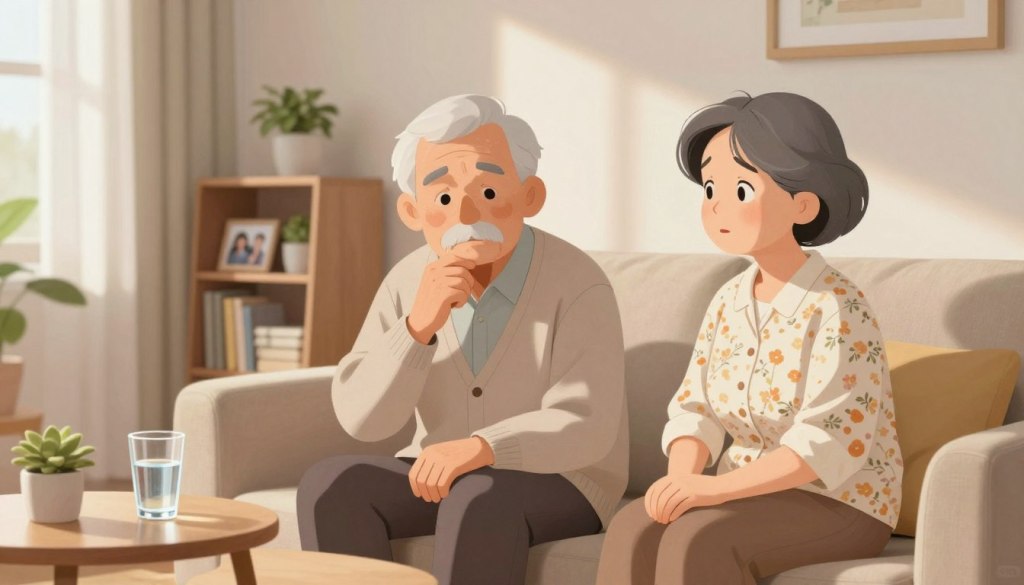
With time, adults carry less water inside them, so their internal safety net for fluids gets smaller.
The drop in total body water comes from changes in body composition. Fat replaces some muscle, and muscle holds more water. That means the body has less buffer when fluids fall.
Reduced reserves and faster dehydration
The idea of “fluid reserves” is simple. Think of them as small savings for a hot day or a missed meal. As the reserves shrink, the risk that mild losses become real dehydration rises quickly.
Kidney changes that matter
Kidney function often declines with aging. Kidneys may not hold water as well or concentrate urine as effectively. That shifts daily fluid balance and raises the chance of becoming dehydrated during stress or illness.
- Smaller water stores → less cushion.
- Weaker kidney conservation → more day-to-day loss.
- Thirst can arrive late—after dehydration has started.
“When an older adult finally notices thirst, early dehydration may already be underway.”
| Cause | How it affects the body | Practical tip |
|---|---|---|
| Less total body water | Lower fluid reserve; faster dehydration | Offer small drinks often; add water-rich foods |
| Kidney aging | Poorer water conservation; more urine changes | Schedule fluids; monitor urine color |
| Weaker thirst signal | Drinking delayed; signs may mimic normal aging | Use reminders or daily check-ins to prompt sipping |
For more on how lower body water raises risk, see this Cleveland Clinic summary. To learn simple check-in routines that help with meals and hydration, try this daily check-in guide.
Try JoyCalls Free
No app or new device needed. Start with a free 7-day trial.
Next: We’ll explain why many older people don’t notice thirst and how that gap increases dehydration risk.
Why seniors don’t feel thirsty and why it raises dehydration risk
A faded urge to sip can push water intake to the end of the day—if it happens at all. This “quiet thirst” pattern means many skip small drinks until evening, or forget them entirely.

How low thirst delays drinking water throughout the day
Small misses add up. No drink with pills. A light lunch. A long nap. Each skipped sip reduces total fluid by evening.
If you only ask, “Are you thirsty?” you may get a quick “no.” That answer can mask a slow decline in intake.
How dehydration contributes to hospital admissions in U.S. older adults
Dehydration can escalate fast. Less body water plus delayed sipping lowers blood volume. Circulation and blood pressure can wobble.
That can stress the heart. Dizziness, palpitations, and fainting may follow. In the U.S., studies link chronic dehydration to a notable share of hospital admissions—WesleyLife estimates 17–28% of older adults are affected, and major clinics report dehydration as a common cause of hospitalization for people 65+.
“Simple habits can stop small misses before they become medical issues.”
- Caregiver reality check: asking once is not enough—use timed prompts or check-ins.
- Preventive step: offer small cups across the day and add water-rich foods.
- Learn more: read practical hydration tips at hydration and older adults.
Common signs of dehydration in seniors to watch for
Sometimes the earliest warning signs of low fluids are quiet—a slight headache, dull eyes, or fewer trips to the bathroom. Notice small shifts and act early.
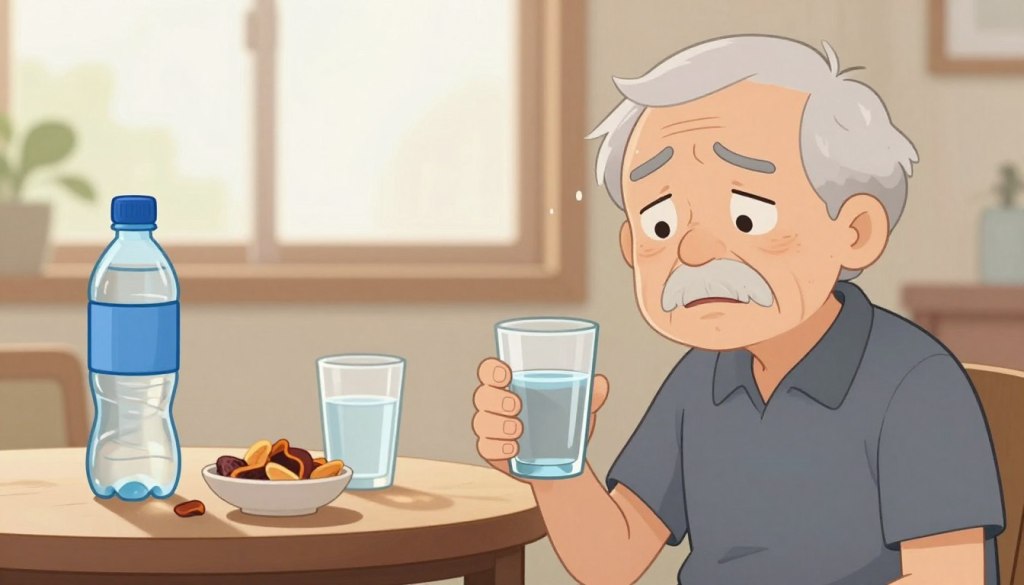
- Thirst or dry mouth may be mild or absent. Don’t rely only on asking.
- Urine: pale yellow is normal. Dark, strong-smelling, or far fewer trips to the toilet can signal dehydration.
- Dizziness, palpitations, or fainting—changes in blood pressure and heart rate need prompt attention.
- Low skin turgor: pinch the forearm. If skin stays tented, pair that with other signs before acting.
“If a person seems confused or unusually sleepy, check fluids—these can look like normal aging but hide dehydration.”
Also watch eyes (red, burning, or sunken), headaches, constipation, fatigue, and muscle cramps. Mood and thinking can shift—irritability or confusion may worsen with dementia.
| Sign | What to look for | When to call |
|---|---|---|
| Urine | Dark color or strong smell; fewer voids | If no urine for 8+ hours or very dark |
| Circulation | Dizziness, fainting, fast pulse; blood pressure drops | Any fainting or rapid heart changes |
| Skin & Eyes | Poor turgor, dry skin, sunken or irritated eyes | If paired with confusion or weakness |
| Other | Headache, cramps, heat intolerance, low sweating | If symptoms worsen or include severe confusion |
Note: high blood sugar and diabetes can raise fluid loss through extra urination, so watch intake and urine closely. Small checks matter—catching early dehydration prevents bigger problems.
Try JoyCalls Free
No app or new device needed. Start with a free 7-day trial.
Daily hydration targets and how to personalize fluid intake
Knowing a starting goal for liquids helps you spot when a day needs extra care. Use a clear target as a baseline. Then change it for activity, weather, or health.

General guidance: typical daily cups
Starting points: WesleyLife suggests about 9 cups of water per day for women and about 12 cups for men. These are general targets, not prescriptions.
Why targets vary
Body size, weight, and composition change what someone needs. Routine matters too — a quiet morning is different from a busy one.
If a person ate little, had caffeine, or skipped meals, their intake should be higher that day.
When to increase intake
- Hot weather or heavy sweating raises needs.
- Exercise and fever add fluid loss.
- Caffeine or alcohol can increase risk and may require extra water.
When to be cautious
Some health conditions limit how much fluid a clinician will recommend. Heart failure and reduced kidney function often need tailored limits.
“Ask the care team for a daily range and clear red flags like sudden weight gain or growing shortness of breath.”
| Who | Typical cups/day | When to adjust |
|---|---|---|
| Women | ~9 cups | Heat, exercise, caffeine, illness |
| Men | ~12 cups | Same as above; larger body size raises needs |
| With kidney or heart conditions | Provider-set range | Follow clinician limits; report swelling or weight gain |
Caregiver tip: Ask for a simple daily fluid intake range and which signs to watch. Once you have a realistic target for the day, the next step is building routines that stick.
How to prevent dehydration with simple routines that work
Small, steady sips across the day are the simplest way to keep a steady fluid balance. Short, regular drinks suit people who cannot finish an 8-ounce glass at once.
Make hydration an all-day habit
Set a gentle schedule: water with morning meds, a few sips mid-morning, a drink at each meal, a hydrating snack in the afternoon, and smaller sips in the evening. Use reminders on a watch or phone for consistent prompts.
Flavor, foods, and smart drink choices
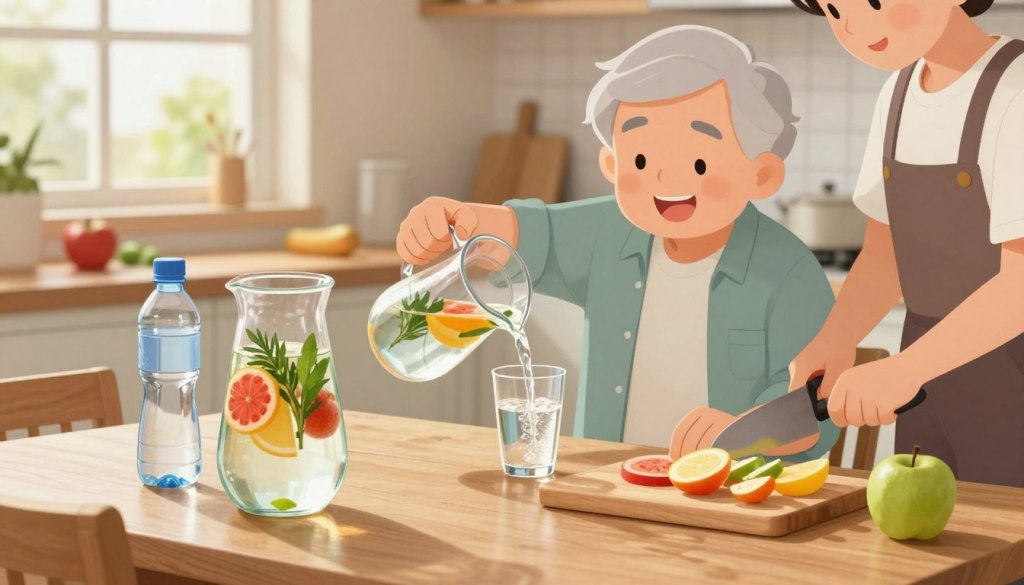
Add lemon, cucumber, or berries to make water more appealing. Eat soups, yogurt, smoothies, and high-water produce like melon or cucumber to “eat your water.” Milk and oral rehydration solutions help retain fluid. Juice can work, but watch sugar for diabetes.
Balance diuretics, tech, and heat
Pair coffee with water and limit alcohol. Use apps like WaterMinder or a smart bottle for nudges. Plan outdoor activity before 10 a.m. or after 4 p.m. and cool down with shade or damp towels when heat rises.
“You’re not running a contest—just keeping someone steady and clear-headed.”
| Strategy | Why it helps | Quick tip |
|---|---|---|
| Small sips throughout day | Easy on digestion; better uptake | Set hourly 2–3 sip reminders |
| Flavor add-ins | Makes water more memorable | Slice lemon or berries in a pitcher |
| Hydrating foods | Boosts fluid without forced drinking | Offer soup or yogurt as snacks |
| Tech & scheduling | Reduces caregiver load | Try HidrateSpark or WaterMinder |
For practical routines to prevent dehydration, read how to avoid dehydration. To pair meds and reminders, see medication reminders for helpful approaches.
Medical and medication factors that make dehydration more likely
Some medicines and chronic conditions act like hidden drains on the body’s water supply. They can speed up fluid loss without an obvious warning. That makes keeping a steady routine more important than asking if someone is thirsty.

Blood pressure drugs and diuretics
These can make you pee more. Diuretics and some blood pressure meds increase urine output. That raises the risk of dehydration unless fluid intake is planned around dosing.
Diabetes and high blood sugar
When blood sugar is high, extra sugar pulls water into the urine. People may urinate more and need extra fluids.
Dark urine or a change in bathroom habits can be an early clue of rising fluid loss.
Dementia and swallowing problems
Memory or swallowing issues create real barriers. A person may refuse drinks, forget they had one, or fear choking.
Clinician-approved options — thickened liquids, soups, or smoothies — make safe sipping possible.
“Ask your pharmacist: which medications raise urination or dehydration risk, and what should we watch for?”
| Driver | What it does | Care tip |
|---|---|---|
| Medications | Raise urine output or change blood pressure | Review med list with clinician |
| Diabetes | High sugar → more urine → more fluid loss | Monitor urine color and sugar control |
| Swallowing & memory | Refusal or unsafe drinking | Offer small sips, texture options |
You’re not failing as a caregiver. These are common issues in older adults. A simple med-list hydration check and a clear care plan make this manageable.
The Hidden Reasons Seniors Avoid Drinking Enough Water — and How Families Can Make Hydration Easier

For many older adults, low thirst is only part of the problem. A senior may also avoid drinking because water feels boring, bathroom trips feel tiring, swallowing feels uncomfortable, or they worry about accidents. Sometimes the issue is not “forgetfulness” at all. It is friction.
Friction means small obstacles that make drinking less likely. A glass is across the room. The bottle cap is hard to open. The bathroom is far away. The drink is too cold. The caregiver says, “You need to drink more,” and the senior feels corrected instead of supported.
The goal is not to force water. The goal is to make hydration feel easy, safe, dignified, and natural.
Start with a “hydration friction audit”
Before changing anything, observe one normal day. Do not judge. Just notice where drinking breaks down.
Ask:
- Is water within arm’s reach during most of the day?
- Can they lift the cup comfortably?
- Do they avoid drinking before naps, outings, or bedtime?
- Do they dislike the taste of plain water?
- Are they worried about urinary urgency or incontinence?
- Do they cough, choke, or clear their throat after drinking?
- Do they drink better with meals than between meals?
- Do they drink more when someone joins them?
This simple audit often reveals the real problem. A person may not need more lectures. They may need a lighter cup, a warmer drink, a bathroom plan, or a more respectful reminder.
Make the drink physically easier to use
Small design changes can raise fluid intake without making the senior feel managed.
Use cups that are lightweight, easy to grip, and not too large. A huge bottle can feel overwhelming. A small cup that gets refilled often may feel more achievable. For shaky hands, try a handled mug, a lidded cup, or a straw cup if swallowing is safe.
Keep drinks in predictable places: bedside table, favorite chair, dining table, and medication area. If the person uses a walker, make sure drinks are placed where they do not create a fall risk.
Also check temperature. Some seniors prefer room-temperature water because very cold drinks can be uncomfortable. Others drink more when beverages are warm, such as herbal tea, warm lemon water, broth, or milk.
Address bathroom fears directly
Many older adults quietly reduce fluids because they fear accidents, frequent urination, or nighttime bathroom trips. This is especially common for people with mobility issues, arthritis, bladder urgency, or a history of falls.
Instead of saying, “You still need to drink,” say:
“I understand why you don’t want to keep running to the bathroom. Let’s make drinking easier without making you uncomfortable.”
Practical fixes include scheduling more fluids earlier in the day, reducing large drinks close to bedtime, improving bathroom lighting, using non-slip mats, keeping a commode nearby if appropriate, and discussing bladder urgency with a clinician.
Do not ignore this fear. If a senior believes drinking water will lead to embarrassment or danger, reminders alone will not work.
Use “hydration anchors” instead of random reminders
Random reminders can feel nagging. Hydration anchors feel more natural because they attach drinking to things the person already does.
Good anchors include:
- After brushing teeth
- With morning medication
- Before coffee or tea
- At the start of every meal
- After using the bathroom
- Before a daily TV show
- After a walk
- With an afternoon snack
- When taking evening medication
The wording matters. Instead of “Drink water now,” try:
“Let’s have a few sips before your tea.”
“Here’s your lunch drink.”
“Let’s keep your mouth from getting dry before your walk.”
This makes hydration part of the rhythm of the day, not a separate chore.
Offer choices, not commands
Many seniors resist hydration reminders because they sound like control. Choice protects dignity.
Instead of asking, “Do you want water?” ask:
“Would you prefer water, tea, or diluted juice?”
“Do you want the blue cup or the mug?”
“Would you like this now or after your show?”
“Would warm water feel better than cold?”
These small choices make the senior an active participant. That matters. Older adults are more likely to cooperate with routines that respect independence.
Build a caregiver-friendly tracking system
Tracking does not need to be complicated. A simple paper chart near the kitchen can work better than an app.
Use categories like:
Morning: 2 small drinks
Lunch: 1 drink plus soup or fruit
Afternoon: 1 drink
Dinner: 1 drink
Evening: small sips if appropriate
Caregivers can also track patterns, not just ounces. For example:
- Drinks more with warm beverages
- Refuses large glasses
- Drinks better with company
- Avoids fluids after 6 p.m.
- Coughs after thin liquids
- Drinks less on shower days or appointment days
These notes are useful for families, home aides, nurses, and doctors.
Watch for swallowing problems
If an older adult coughs, chokes, has a wet-sounding voice, pockets liquid in the mouth, or avoids drinking because it “goes down wrong,” do not simply push more fluids. Swallowing trouble needs professional guidance.
Ask a clinician or speech-language pathologist whether texture changes are needed. Some people do better with thicker liquids, smoothies, yogurt, soups, or supervised small sips. Safety comes first.
Create a “high-risk day” plan
Some days require extra attention. Hydration risk rises during hot weather, fever, vomiting, diarrhea, poor appetite, long appointments, travel, or medication changes. Older adults can become dehydrated more quickly because they generally have lower body water and may take medicines that increase fluid loss.
For high-risk days, prepare in advance:
- Place drinks in every main room.
- Offer smaller sips more often.
- Add hydrating foods like soup, melon, yogurt, oranges, or smoothies.
- Reduce outdoor heat exposure.
- Check urine color and frequency.
- Watch for confusion, dizziness, unusual sleepiness, or weakness.
- Contact a clinician early if symptoms appear.
This plan helps families act before the situation becomes an emergency.
Make hydration social
Many seniors drink more when hydration feels like companionship instead of care management.
Have tea together. Share fruit. Sit for five minutes with a glass of water. Call during the afternoon and say, “I’m having a drink too — let’s both take a few sips.”
For seniors living alone, scheduled check-ins can help because they combine conversation with gentle prompts. A reminder feels less clinical when it comes inside a warm daily interaction.
Keep the goal realistic
The best hydration plan is the one the person will actually follow. A senior who dislikes plain water may still improve with tea, broth, milk, fruit, soups, or diluted juice. A person who refuses full glasses may accept three sips at a time. A person who hates being reminded may respond better to drinks placed nearby without comment.
Progress may look small, but small improvements matter. One extra cup in the morning, soup at lunch, and a few evening sips can reduce the chance of dehydration more than a perfect plan that no one follows.
The most caring approach is simple: remove obstacles, respect preferences, watch patterns, and make drinking feel like part of normal life. Hydration should not feel like a battle. It should feel like support.
Hydration Mistakes Families Commonly Make With Seniors — and What Works Better Instead
Even loving families sometimes approach hydration in ways that accidentally make older adults drink less. The intention is good, but the strategy creates resistance, stress, or confusion. Seniors often value dignity, routine, independence, and comfort more than people realize. When hydration feels forced, monitored, or medicalized, many quietly withdraw from the process.
The solution is not stricter supervision. The solution is smarter support.
This section focuses on the most common hydration mistakes caregivers make — and the practical approaches that tend to work better in real life.
Mistake #1: Waiting Until a Senior Says They’re Thirsty
This is one of the biggest misconceptions around hydration in older adults.
Many seniors do not experience thirst normally because the body’s thirst signaling becomes weaker with age. That means dehydration may already be developing before they feel the urge to drink. Some older adults may also confuse thirst with fatigue, dizziness, dry mouth, or weakness.
Waiting for a senior to request water is often too late.
What works better
Use proactive hydration instead of reactive hydration.
Offer fluids consistently throughout the day in small, manageable amounts. Think in terms of rhythm, not emergencies.
A much better approach is:
- A drink after waking up
- Fluids with medications
- Drinks with meals and snacks
- Small sips during activities
- Hydrating foods during the day
This creates steady hydration without overwhelming the person.
The goal is not “drink a huge amount now.” The goal is “keep the body supported all day long.”
Mistake #2: Treating Hydration Like a Lecture
Many seniors become frustrated when every conversation turns into:
“You need to drink more water.”
Repeated instructions can start to feel parental or controlling, especially for independent older adults. Some seniors may resist simply because they feel they are losing autonomy.
Others may feel embarrassed if multiple family members constantly monitor them.
What works better
Keep hydration emotionally neutral and supportive.
Instead of:
“You haven’t finished your water again.”
Try:
“I brought your favorite tea.”
“Would some fruit water taste good right now?”
“Let’s both take a hydration break.”
The difference seems small, but emotionally it matters a lot.
Supportive language reduces defensiveness. It preserves dignity while still encouraging healthy behavior.
Mistake #3: Offering Only Plain Water
Many seniors dislike plain water, especially if medications leave a metallic taste in the mouth or reduce appetite.
Others say water feels “heavy,” “boring,” or “hard to drink.”
Families sometimes unintentionally create a false choice:
“Drink plain water or you’re unhealthy.”
But hydration can come from many sources.
What works better
Expand hydration options safely and thoughtfully.
Hydrating choices can include:
- Herbal teas
- Warm lemon water
- Coconut water (if medically appropriate)
- Milk
- Broths
- Smoothies
- Diluted fruit juice
- Water infused with cucumber, mint, or berries
- Yogurt drinks
- Soups
- High-water fruits like watermelon, oranges, grapes, and strawberries
Many seniors drink significantly more when fluids are enjoyable instead of clinical.
Taste matters.
Texture matters.
Comfort matters.
Hydration improves when drinking feels pleasant.
Mistake #4: Giving Huge Glasses of Water
A large glass can feel intimidating or physically uncomfortable for some older adults. Seniors with smaller appetites or swallowing fatigue may look at a giant bottle and immediately feel discouraged.
Some also worry about sudden urgency or bladder leakage after drinking large amounts at once.
What works better
Use “micro-hydration.”
This means smaller amounts more frequently.
Examples:
- Half-cups instead of full glasses
- Three sips every 20–30 minutes
- Small cups placed around the home
- Mini hydration breaks during TV shows or meals
This approach feels easier psychologically and physically.
Over time, these small amounts add up substantially.
Mistake #5: Ignoring Medication Side Effects
Some medications increase dehydration risk significantly.
Common examples include:
- Diuretics (“water pills”)
- Certain blood pressure medications
- Laxatives
- Some diabetes medications
- Sedatives
- Antihistamines
- Certain antidepressants
Some medicines increase urination. Others reduce saliva, create dry mouth, suppress appetite, or cause nausea.
Families often focus only on water intake without considering why hydration suddenly became difficult.
What works better
Review medications regularly with a healthcare professional.
Ask questions like:
- Could this medicine increase dehydration risk?
- Does timing matter?
- Should fluid intake change during hot weather?
- Are electrolyte-containing drinks appropriate?
- Is dry mouth medication-related?
Keeping a medication list visible for caregivers can also help everyone stay coordinated.
Mistake #6: Overlooking Mild Dehydration Symptoms
Many people expect dehydration to look dramatic. But in seniors, the earliest signs are often subtle.
Mild dehydration can appear as:
- Irritability
- Increased confusion
- Sleepiness
- Poor concentration
- Low energy
- Dry lips
- Constipation
- Headaches
- Weakness
- Reduced appetite
- Dizziness when standing
Unfortunately, these symptoms are sometimes mistaken for “normal aging.”
What works better
Pay attention to changes, not just emergencies.
Ask:
- Are they acting differently today?
- Are they less talkative?
- More tired?
- More confused?
- Eating less?
- Moving slower?
Early intervention matters.
Offering fluids early may help prevent hospital visits later.
Mistake #7: Forgetting That Environment Affects Hydration
Older adults are more vulnerable during:
- Summer heat
- Humid weather
- Heated indoor environments
- Illness
- Travel
- Long medical appointments
- Physical therapy sessions
- Social events
- Power outages
- Poor sleep
Some seniors may also avoid drinking during outings because they fear unfamiliar bathrooms or mobility challenges.
What works better
Adjust hydration plans based on the day.
For example:
On hot days:
- Increase fluid reminders
- Use cooling foods
- Avoid prolonged outdoor heat
- Offer fluids before thirst appears
On travel days:
- Pack easy-open drinks
- Schedule hydration breaks
- Encourage small frequent sips
During illness:
- Monitor urine color and energy levels
- Increase fluids gradually
- Consider electrolyte support if medically appropriate
Hydration planning should change with circumstances.
Mistake #8: Assuming Coffee or Tea “Don’t Count”
Many caregivers incorrectly believe caffeinated drinks completely cancel hydration.
While excessive caffeine can contribute to fluid loss in some cases, moderate tea or coffee intake can still contribute to overall fluid intake for many older adults.
If a senior happily drinks tea but refuses water, that tea may still help support hydration.
What works better
Use preferred beverages strategically.
For example:
- Pair morning tea with a glass of water
- Serve herbal tea in the evening
- Add milk-based drinks for both calories and hydration
- Use favorite beverages to build routine
The best fluid is often the one the senior will consistently drink.
Mistake #9: Failing to Make Hydration Visible
Out of sight often means out of mind.
This is especially true for seniors with mild cognitive decline, vision problems, depression, or low motivation.
A hidden bottle in the kitchen does not help someone sitting in the living room for hours.
What works better
Create a hydration-friendly environment.
Place drinks:
- Near favorite chairs
- Beside the bed
- Near medications
- At dining spaces
- On walker trays
- In visible cups with bright contrast colors
Visual cues matter more than many people realize.
Convenience increases consistency.
Mistake #10: Ignoring Emotional and Social Factors
Loneliness, grief, depression, and anxiety can reduce hydration dramatically.
A senior living alone may simply lose interest in eating and drinking regularly. Others may stop caring about routines after losing a spouse or experiencing isolation.
In these situations, dehydration is not only physical. It is emotional too.
What works better
Connect hydration with companionship.
Examples include:
- Tea together every afternoon
- Shared snack times
- Video-call hydration check-ins
- Group meals
- Community center lunches
- Friendly reminder calls
Even brief social interactions can improve appetite and fluid intake.
Sometimes the issue is not forgetting to drink.
Sometimes the issue is feeling disconnected.
A Practical Daily Hydration Routine for Seniors
Families often ask:
“What does a realistic hydration routine actually look like?”
Here is a practical example that feels manageable instead of overwhelming.
Morning
- Small glass of water after waking
- Tea or coffee with breakfast
- Fruit such as melon or oranges
Mid-morning
- Half-cup of water or herbal tea
- Yogurt or smoothie if appetite is low
Lunch
- Water with meal
- Soup or hydrating vegetables
Afternoon
- Tea, diluted juice, or flavored water
- Light snack with high-water fruit
Dinner
- Moderate fluid intake with meal
- Avoid excessive intake immediately before bed if nighttime urination is a concern
Evening
- Small sips as needed
- Moisturizing dry mouth if present
This approach feels natural instead of forced.
The Most Important Thing Families Should Remember
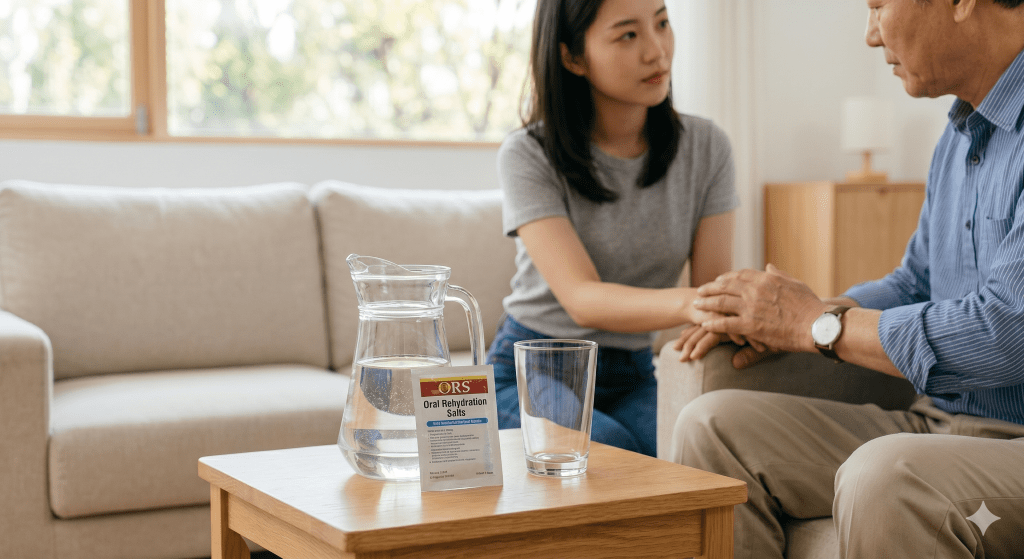
Hydration support is not about pressure.
It is about removing barriers.
Older adults are far more likely to drink enough when hydration is:
- Easy
- Comfortable
- Enjoyable
- Visible
- Respectful
- Social
- Predictable
The strongest hydration routines are built with empathy, not control.
When families stop treating hydration as a battle and start treating it as a daily support system, seniors often become more willing, more comfortable, and more consistent with drinking fluids.
And in many cases, those small consistent improvements can protect energy levels, cognition, mobility, mood, and overall quality of life far more than people expect.
How Technology, Smart Habits, and Daily Routines Can Prevent Dehydration in Older Adults
One of the biggest myths about dehydration in seniors is that prevention has to be complicated. Many families imagine they need strict schedules, expensive monitoring devices, or constant supervision. In reality, the most effective hydration strategies are often simple systems that quietly support better habits every day.
For older adults, consistency matters more than intensity.
A few thoughtful changes in routine, environment, communication, and technology can dramatically reduce dehydration risk while still protecting independence and dignity.
This section focuses on practical, modern, and highly actionable ways seniors and caregivers can build hydration into daily life without making it feel stressful or overwhelming.
Why Routines Matter More Than Motivation
Many people rely on motivation to stay hydrated:
“I should drink more water.”
But seniors often face barriers that make motivation unreliable:
- Reduced thirst signals
- Fatigue
- Memory issues
- Depression
- Mobility limitations
- Medication side effects
- Bathroom concerns
- Reduced appetite
That is why routines are far more powerful than reminders alone.
A routine removes decision-making.
When hydration becomes automatic, older adults no longer need to constantly remember or feel thirsty to drink enough fluids.
Create a “Hydration-by-Habit” Lifestyle
The easiest way to improve hydration is to attach fluids to existing daily habits.
This works because the brain remembers routines more reliably than isolated instructions.
Instead of asking:
“Did you drink water today?”
Build hydration into activities already happening naturally.
Examples of hydration-linked habits
Morning
- Drink water immediately after brushing teeth
- Keep a bedside cup ready before sleeping
- Pair tea or coffee with a glass of water
Meals
- Always place fluids at the table before food arrives
- Serve soups, yogurt, or fruit alongside meals
- Encourage a few sips before standing up after eating
Medication Times
Medication schedules are excellent hydration anchors because they already happen consistently.
For example:
- Morning pills = half-glass of water
- Afternoon medication = tea break
- Evening medication = small hydration check
Entertainment Habits
Link drinking to favorite activities:
- During TV commercial breaks
- Before starting a movie
- During crossword or puzzle time
- Before phone calls
The less mental effort hydration requires, the more successful the routine becomes.
Use Technology Without Making Seniors Feel Monitored
Technology can help significantly — but only when it feels supportive instead of intrusive.
Many seniors dislike devices that make them feel controlled or treated like patients. The best tools blend quietly into daily life.
Helpful hydration technologies for seniors
Smart reminder devices
Voice assistants like Alexa or Google Assistant can give gentle reminders:
“It’s time for your afternoon tea.”
This feels warmer and less clinical than alarms or repeated family instructions.
Some seniors respond better to conversational prompts than loud alerts.
Medication and hydration reminder apps
Simple apps can help caregivers track:
- Fluid intake
- Medication timing
- Bathroom patterns
- Symptoms like dizziness or confusion
The key is simplicity.
Overly complicated apps often create frustration rather than consistency.
Smart water bottles
Some bottles glow or track fluid intake automatically. These can help tech-friendly seniors who enjoy measurable goals.
However, they work best for independent older adults who already feel comfortable with technology.
Video call check-ins
For seniors living alone, short daily calls can improve hydration indirectly.
A family member might say:
“Did you bring your tea today?”
This creates accountability without pressure.
Even emotional connection itself can improve appetite and drinking habits.
Build a Hydration-Friendly Home Environment
Sometimes dehydration is not caused by forgetfulness at all.
It is caused by the environment.
Older adults are much more likely to drink fluids when hydration is easy, visible, comfortable, and safe.
Keep drinks within reach
A senior with arthritis, balance issues, or fatigue may avoid drinking simply because getting up feels difficult.
Place beverages:
- Beside favorite chairs
- Near the bed
- On walker trays
- At dining spaces
- Near medication stations
Accessibility matters enormously.
Improve bathroom safety
Some seniors intentionally reduce fluids because they fear:
- Falling at night
- Incontinence
- Urgency
- Difficulty reaching the bathroom
This is extremely common and often hidden.
Simple improvements can reduce this fear:
- Nightlights
- Clear walking paths
- Raised toilet seats
- Grab bars
- Non-slip mats
- Nearby commodes if appropriate
Hydration improves when bathroom use feels safer and less stressful.
Choose senior-friendly drinkware
Heavy glasses, difficult bottle caps, or slippery containers can discourage fluid intake.
Helpful alternatives include:
- Lightweight cups
- Handled mugs
- Straw cups
- Easy-open bottles
- Spill-resistant containers
Small physical frustrations can quietly reduce hydration over time.
Use Food as Part of the Hydration Strategy
Many families focus only on beverages, but food contributes meaningfully to hydration too.
This is especially important for seniors who:
- Dislike drinking large amounts
- Have swallowing difficulties
- Experience appetite loss
- Become full quickly
Hydrating foods can provide both fluids and nutrition simultaneously.
Best high-water foods for seniors
Fruits
- Watermelon
- Strawberries
- Oranges
- Grapes
- Peaches
- Pineapple
Vegetables
- Cucumbers
- Tomatoes
- Lettuce
- Zucchini
- Celery
Easy hydration meals
- Soups
- Broths
- Smoothies
- Yogurt bowls
- Oatmeal
- Stewed fruits
These foods support hydration gently throughout the day.
Understand the Connection Between Dehydration and Cognitive Health
Dehydration affects more than thirst.
Even mild dehydration can worsen:
- Concentration
- Mood
- Alertness
- Memory
- Energy
- Balance
In older adults, dehydration-related confusion is sometimes mistaken for dementia progression or sudden cognitive decline.
A senior who becomes unusually sleepy, confused, withdrawn, or irritable may actually need fluids.
This is especially important because dehydration can contribute to:
- Falls
- Hospitalization
- Urinary tract infections
- Delirium
- Weakness
Families should treat hydration as part of brain health, not just physical health.
Seasonal Hydration Planning for Seniors
Hydration needs change throughout the year.
Many families only focus on summer dehydration, but winter dehydration is also common because seniors may feel less thirsty in cold weather while indoor heating dries the body out.
Summer hydration strategies
During hot weather:
- Offer fluids before outdoor activities
- Increase hydrating foods
- Avoid prolonged heat exposure
- Encourage lightweight clothing
- Monitor for dizziness or weakness
Older adults may overheat faster because aging bodies regulate temperature less efficiently. (nia.nih.gov)
Winter hydration strategies
During colder months:
- Offer warm fluids regularly
- Use herbal teas and soups
- Monitor dry indoor air
- Watch for reduced fluid habits
Many seniors unintentionally drink far less in winter because they do not feel sweaty or thirsty.
Recognize Emotional Dehydration Triggers
Hydration problems are sometimes emotional before they are physical.
Events that may reduce fluid intake include:
- Grief
- Loneliness
- Depression
- Anxiety
- Loss of independence
- Chronic pain
- Fear of being a burden
A senior who loses interest in eating and drinking may actually be struggling emotionally.
Families should pay attention to:
- Social withdrawal
- Reduced appetite
- Lack of motivation
- Skipping routines
- Fatigue
Hydration support should include emotional support too.
The Role of Caregivers: Gentle Guidance, Not Constant Control
Caregivers often carry enormous responsibility and worry.
When dehydration becomes a concern, families sometimes react by:
- Constantly reminding
- Monitoring every sip
- Correcting the senior repeatedly
- Expressing frustration
Unfortunately, this can create tension and resistance.
Older adults usually respond better to encouragement than pressure.
Better communication examples
Instead of:
“You never drink enough.”
Try:
“I made your favorite tea.”
Instead of:
“You need more water.”
Try:
“Let’s take a quick hydration break together.”
Instead of:
“You’re dehydrated again.”
Try:
“I want to help you feel more energetic today.”
Tone matters.
Hydration is more successful when seniors feel cared for rather than managed.
A Realistic Hydration Goal Is Better Than a Perfect One

Some seniors will never enjoy drinking large amounts of water.
That is okay.
The goal is improvement and consistency, not perfection.
Even small sustainable changes can help:
- One extra cup daily
- More soup at lunch
- Better hydration during heat
- Improved routines around medication
These changes may lower the risk of:
- Fatigue
- Constipation
- Falls
- Hospital visits
- Confusion
- Weakness
Consistency protects health more effectively than occasional extreme effort.
When Families Should Seek Medical Advice
Hydration issues should never be ignored if a senior experiences:
- Sudden confusion
- Severe weakness
- Dizziness
- Fainting
- Very dark urine
- Inability to keep fluids down
- Rapid breathing
- Chest discomfort
- Reduced urination
- Persistent vomiting or diarrhea
Older adults can deteriorate more quickly from dehydration than younger people.
Early medical attention matters.
The Most Sustainable Hydration Strategy Is One That Feels Human
The best hydration systems do not feel like medical treatment.
They feel like ordinary life.
A warm cup of tea during conversation.
Fruit shared during lunch.
A glass of water beside a favorite chair.
A gentle reminder from someone who cares.
Older adults deserve hydration support that protects both health and dignity.
When families focus on comfort, accessibility, routine, and emotional connection, hydration becomes easier — not because seniors are forced to drink, but because the environment naturally supports better habits every single day.
What to do when dehydration is suspected

Spotting dehydration early gives you the best chance to help quickly and calmly. Start with easy, safe steps at home for mild cases, and know which signs mean you need urgent care.
Steps for mild dehydration
Move the person to a cool, shaded spot and loosen tight clothing. Small actions make big differences.
Offer small sips of plain water or a low-sugar oral rehydration drink. Do not push large gulps — slow, steady intake helps the body absorb fluids without upsetting the stomach.

Replacing electrolytes simply
Electrolytes — sodium, potassium, and magnesium — help the body hold fluids and support blood volume and the heart.
Good, familiar options include sports drinks like Gatorade, milk, fruit juice, bananas, or even a small splash of pickle juice if salt is safe. These drinks restore electrolytes and fluids together.
Check medical limits first if the person has heart or kidney issues, or if a clinician has set fluid or sodium limits.
Emergency signs and when to act fast
Call 911 right away if you see confusion, fainting, very rapid breathing, palpitations, or no urine for 8+ hours. These are signs dehydration may be severe and could need IV fluids.
What to do while waiting for help
- Keep them cool with damp towels and shade.
- If swallowing is safe, offer tiny sips slowly — not a mouthful at once.
- Do not give alcohol or extra caffeine; these can worsen fluid loss.
- Gather meds and a brief history to tell emergency staff.
“If your gut says something’s off, it’s okay to get help — dehydration can move fast in older adults.”
For guidance on talking through care decisions and daily checks, see this helpful post on what to do when a parent says they already took their medicine: how to handle medication conversations.
Conclusion
Hydration works best as a gentle habit, not an afterthought.
Key takeaway: older adults often lose the urge to drink, so plan for steady sips, water-rich foods, and simple routines to help prevent dehydration.
Know the signs. Set realistic daily fluid targets. Use small cups, mix drinks and foods, and adjust around heat or medical conditions.
Start with two habits this week — for example, a glass of water with morning meds and a hydrating lunch like soup or fruit.
For ongoing support, daily check-ins can give reminders, mood notes, and caregiver summaries. Learn more about using daily check-ins for missed check-ins here.
If you need help now, talk to Joy at 1-415-569-2439 or sign up at https://app.joycalls.ai/signup. ❤️