

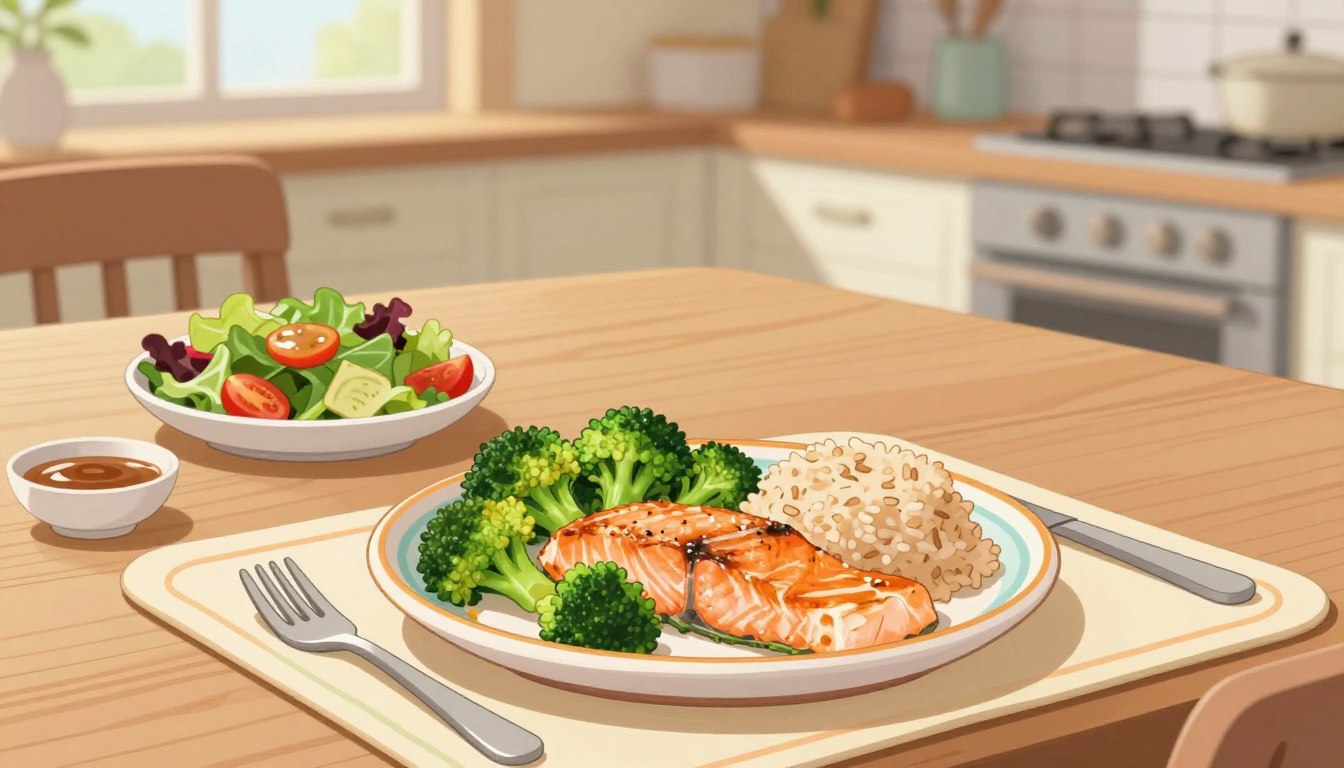
More than 25% of people over age 65 live with diabetes. That fact can turn dinner into another worry for busy families.
You’re juggling work, kids, and a parent’s health. Dinner becomes one more worry.
This short guide promises one thing: simple, repeatable diabetes meals for seniors using the plate method—no math, no stress. Small steps beat perfection.
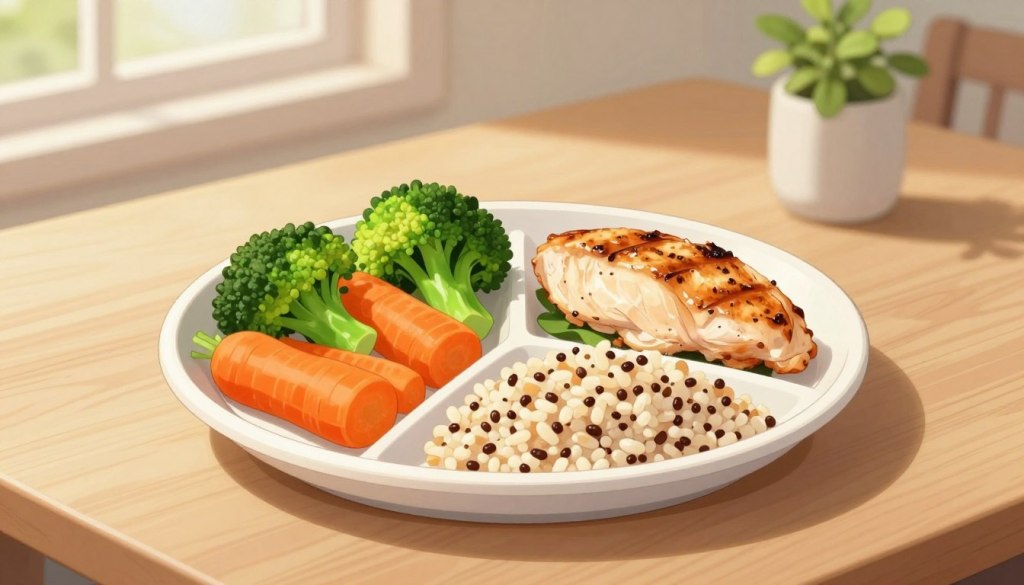
The plate method uses a 9-inch dish to balance veggies, protein, and carbs. It helps bring blood sugar closer to normal and lowers complication risk without weighing or counting.
If you want gentle support, JoyCalls makes daily check-ins and caregiver summaries. Sign up at JoyCalls or talk now: 1-415-569-2439.
Read on to learn what to put on the plate, what to limit, and easy ways to build a full day of meals. We’ll also link a helpful planner to get you started: create your plate.
Key Takeaways
- Use a 9-inch plate: half veggies, quarter lean protein, quarter quality carbs.
- Consistency matters more than perfect portions.
- Simple swaps protect blood sugar and overall health.
- JoyCalls can add daily human-style check-ins and peace of mind.
- This guide shows easy grocery choices and quick meal ideas.
Why diabetes-friendly eating matters for older adults today
Small food choices shape an older adult’s day more than we often realize.
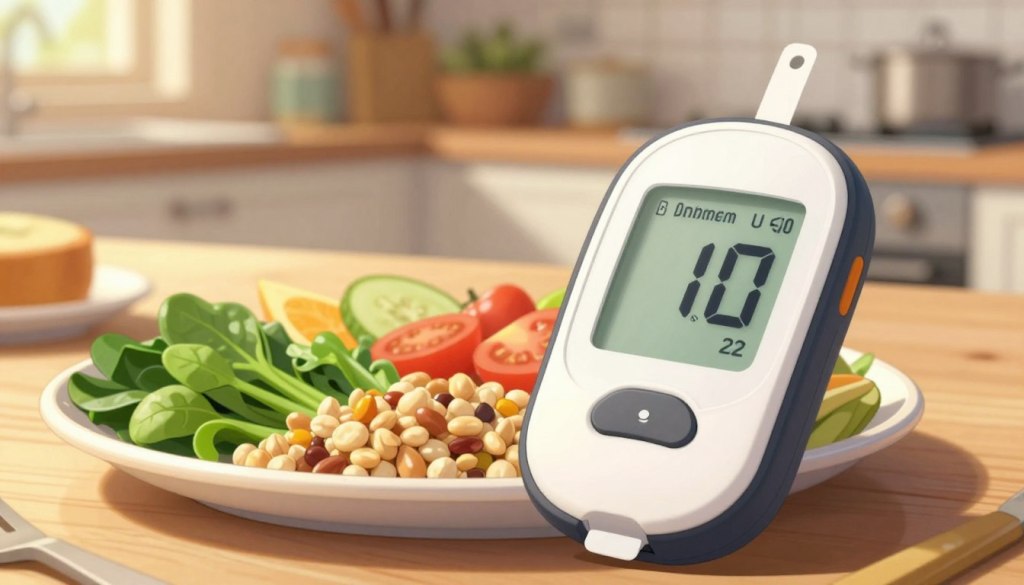
After we eat, carbs become glucose. That raises blood sugar and shifts energy and mood hour to hour. Big swings in sugar can cause fatigue, irritability, or confusion. Steadier blood levels mean clearer thinking and fewer crash afternoons.
Long-term risks and realistic wins
Uncontrolled high sugar raises the risk of heart, kidney, vision, and nerve problems. Adults with this disease are about 2–4 times more likely to die from heart disease. Small daily choices add up.
There’s no single “perfect” approach
The american diabetes association notes people respond differently. There isn’t one magic diet. The ADA lists several recognized meal patterns. Work with an RDN or care team to find what fits your parent’s meds, weight, and appetite.
- Practical alternative: use the plate method + regular routines + clinician guidance.
- Real reassurance: favorites can stay—use smarter portions and steadier timing.
| What food does | Short-term effect | Long-term risk | Care action |
|---|---|---|---|
| Carbs → glucose | Energy rise then fall | Blood vessel stress | Balance plate and timing |
| High sugar swings | Fatigue, confusion | Heart, kidney, nerve, vision | Consult RDN and monitor |
| Steady choices | Clearer thinking | Lower complication risk | Routine + plate method |
Want a short read on healthy eating and how it helps? See this healthy eating overview. Need a simple check-in routine to keep things steady? Try this caregiver check-in schedule.
How to use the Simple Diabetes Plate Method for balanced meals
One nine-inch plate can take the guesswork out of healthy eating and calm a busy kitchen. The approach is simple. It removes measuring and keeps meals consistent. That helps steady blood and avoid big sugar swings.
Start with a nine-inch plate for easy portion control
Smaller plate, easier portions. Use a 9-inch plate so portions look full and satisfying. This helps when eyesight or measuring is a hassle.
Fill half with non-starchy vegetables for fiber and nutrients
Make half the plate non-starchy vegetables. They add fiber, volume, and nutrients. They fill the stomach without spiking blood sugar.
Fill one-quarter with lean protein to support muscle and satiety
Choose lean protein at one-quarter of the plate. Protein helps preserve muscle and reduces snacking between meals. Aim for fish, poultry, beans, or low-fat dairy.
Fill one-quarter with quality carbohydrates to steady blood sugar
Pick whole grains, beans, or small fruit portions for the carb quarter. These quality carbohydrates digest slower and help steady sugar.
Choose water or low-calorie drinks to avoid added sugar
- Water first.
- Unsweetened tea or coffee next.
- Avoid sugary drinks that spike blood sugar.
| Plate section | Portion | Examples |
|---|---|---|
| Vegetables | Half | Broccoli, spinach, mixed salad |
| Protein | One-quarter | Salmon, turkey, lentils |
| Carbs | One-quarter | Brown rice, quinoa, a small baked potato |
“We’re not removing carbs—we’re placing them.”
Quick reminder: If on insulin or other meds, keep plate timing consistent and check with a clinician about portions.
Building diabetes meals for seniors with the right foods
A small shopping list and a few habits can simplify healthy food choices every week.
Start with a rotate-all-week list of vegetables that are easy to buy and cook. Try broccoli, bell peppers, zucchini, leafy greens, cauliflower, and cucumbers. These add vitamins, color, and volume without heavy carbs.

High-fiber carbohydrates that digest more slowly
Pick whole grains and legumes that slow digestion. Oats, barley, quinoa, brown rice, beans, lentils, and chickpeas keep blood sugar steadier compared to white bread or plain rice.
Lean proteins and fatty fish choices
Lean protein builds strength and limits snacking. Use poultry, eggs, tofu, low-fat Greek yogurt, and cottage cheese.
Include salmon and sardines a few times weekly. Their omega-3s support heart health and overall nutrition.
Healthy fats and simple portion cues
Healthy fats help with fullness but add calories. Use a thumb-sized scoop of nut butter, a small handful of nuts, or a drizzle of olive oil. Avocado and seeds are great in moderation.
Smart fruit choices and pairing tips
Fruit isn’t off-limits. Pair fruit with protein or fat—apple with cheese, berries with yogurt—to reduce quick sugar rises. Watch portions: a small piece or half-cup is often enough.
- Keep grab-and-build staples: bagged salad, frozen vegetables, low-sodium canned beans, microwave brown rice.
- Colorful produce adds vitamins and fiber that matter with age.
| Category | Examples | Serving cue | Why it helps |
|---|---|---|---|
| Non-starchy vegetables | Broccoli, leafy greens, peppers, zucchini | Half the plate | Low calories, high vitamins and fiber |
| Whole grains & legumes | Oats, quinoa, brown rice, lentils, beans | Quarter plate or ½ cup cooked | Slow-digesting carbs, more fiber |
| Protein & fatty fish | Poultry, eggs, salmon, sardines, tofu | Quarter plate or palm-sized | Supports muscle and heart health |
| Healthy fats & fruit | Avocado, nuts, olive oil; berries, apple | Thumb of fat or small handful; ½ cup fruit | Promotes fullness; adds vitamins |
“Keep staples ready and rotate veggies—simple choices make steady progress.”
Foods and drinks to limit to help manage blood sugar
Some everyday foods quietly push blood sugar up without much notice. We want steady days, not sudden crashes. Below are common traps and simple swaps that protect both blood and heart health.
Common high-sugar and refined carb traps
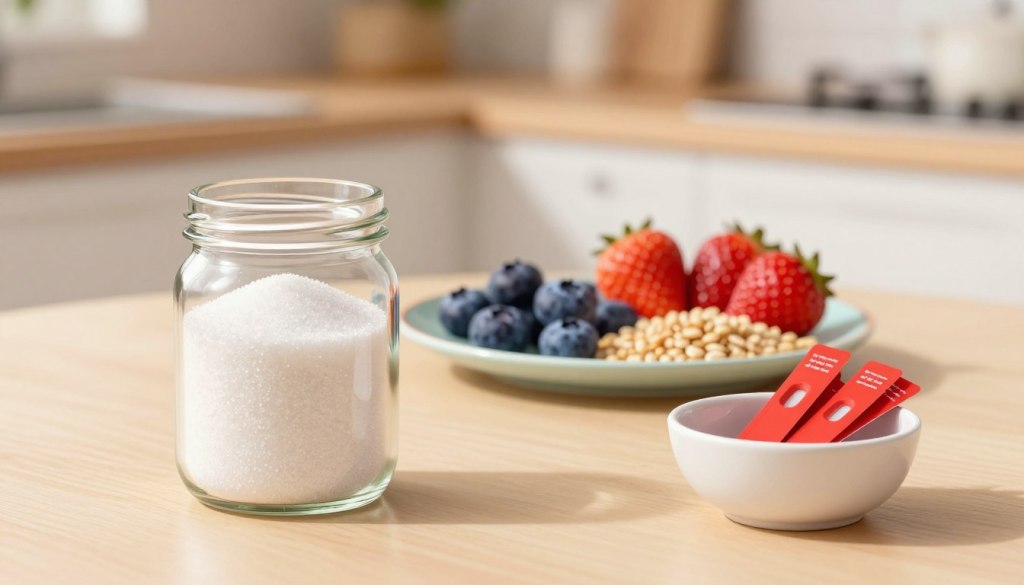
Watch sneaky sugar in soda, sweetened tea, flavored coffee, and fruit drinks. These cause fast spikes and offer little nutrition.
Refined carbs—white bread, pastries, many packaged snacks—have stripped fiber. That means quicker digestion and a sharper rise in blood sugar.
Processed, fried, and high-sodium foods
Fried foods and processed items (bacon, sausage, deli meats) add unhealthy fats and salt.
Combined with this condition, these foods raise the risk of heart disease. Aim to limit them and watch calories.
Alcohol and insulin interactions
Alcohol can interact with insulin and some meds, causing low blood sugar. Enjoying a drink is okay, but never on an empty stomach.
Hydrate while drinking and check with a clinician about safe limits.
“This isn’t about taking everything away—it’s about making room for choices that help steady your day.”
- Realistic swaps: sparkling water instead of soda; whole-grain bread instead of white; bake or roast rather than fry.
- Limit processed meats; choose lean, lower-sodium proteins.
- For extra support, try a simple daily check-in routine to keep habits steady.
Daily routines that improve diabetes management beyond the plate
A steady routine helps keep blood sugar and mood on more even ground. Small timing rules and simple habits support better management and clearer days.

Meal timing strategies
Eat at regular times and allow 2–3 hours between eating to let blood glucose settle. This helps especially when taking medication.
Try this simple day: breakfast, lunch about 4–5 hours later, dinner, and one planned snack window mid-afternoon. A predictable plan reduces accidental grazing.
Hydration tips
Before reaching for a snack, ask: am I hungry or thirsty? Drink a glass of water or a zero-calorie beverage first. Thirst often feels like hunger.
Light movement after eating
A gentle 10–15 minute walk, light stretch, or tidy-up after food can lower post-meal blood sugar levels. Small activity beats none.
Plan ahead with easy staples
Keep tuna packets, canned beans, frozen vegetables, pre-cooked chicken, and microwave grains on a backup shelf. Batch-cook one protein and one grain each week.
“Tiny routines make big differences in a busy day.”
- Need help keeping routines? A short daily check-in routine can remind people about meals, water, and walks.
- For eating guidance, see healthy eating guidance.
Want extra support? Sign up at JoyCalls or talk now: 1-415-569-2439.
Simple meal plan ideas for a full day of diabetes-friendly eating
A simple, repeatable day of food takes the guesswork out of feeding someone you love. Use a mix-and-match template so the caregiver and the older adult both feel confident. Repeat the pattern and swap favorites each week.
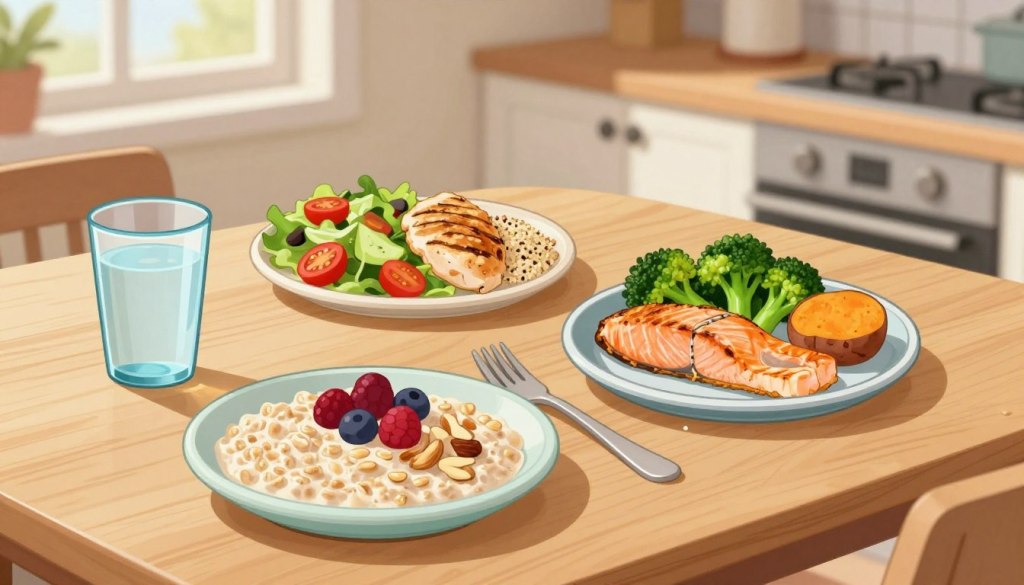
Breakfast options that focus on protein and fiber
Veggie egg scramble + one slice whole-grain toast + a few raspberries.
Greek yogurt with walnuts.
Oatmeal stirred with a spoon of nut butter.
Each choice pairs protein and fiber to steady the morning.
Lunch ideas with whole grains, vegetables, and healthy fats
Turkey and avocado whole-grain wrap with hummus and raw veggie sides.
Big salad topped with beans and a palm-sized protein.
Leftover bowl: grain + veg + protein.
Keep one or two wrapped options in the fridge so the best choice is the easiest choice.
Dinner combos that balance carbs, protein, and non-starchy vegetables
Use the plate method: half non-starchy vegetables, quarter protein, quarter grains or starchy beans.
Baked cod + lentils + sautéed kale.
Salmon + roasted broccoli + quinoa is another easy combo.
Snack pairings with protein, healthy fats, and fiber
Cottage cheese with berries.
Cheese + a couple slices of whole-grain toast or a small apple slice.
Hummus or guacamole with carrots or celery.
Nut butter with apple slices or celery sticks.
| Meal | Sample option | Portion cue |
|---|---|---|
| Breakfast | Veggie egg scramble + whole-grain toast | One small bowl eggs; one slice toast |
| Lunch | Turkey + avocado wrap + hummus | One wrap; small handful raw veggies |
| Dinner | Baked cod + lentils + kale | Palm-sized protein; ½ cup cooked grains/legumes |
| Snack | Cottage cheese + berries | Small bowl or ½ cup cottage cheese |
“If you’re not there at lunchtime, set up the fridge so the best choice is the easiest choice.”
Conclusion
A clear, repeatable plate plan can ease daily feeding decisions and reduce stress.
Steadier blood sugar supports energy, mood, and independence. It also lowers long-term risks to the heart and kidney.
The how is simple: a 9‑inch plate + smart food choices + consistent timing and light activity. This beats complicated tracking for most families.
No single perfect diet exists. The American Diabetes Association recommends individualized plans. Bring this plate method to the next clinic visit and ask how it fits medications or insulin timing.
You don’t have to do this perfectly to help. Repeatable habits matter more than perfection.
Need ongoing peace of mind? Sign up for JoyCalls: https://app.joycalls.ai/signup. Talk to Joy now: 1-415-569-2439.