

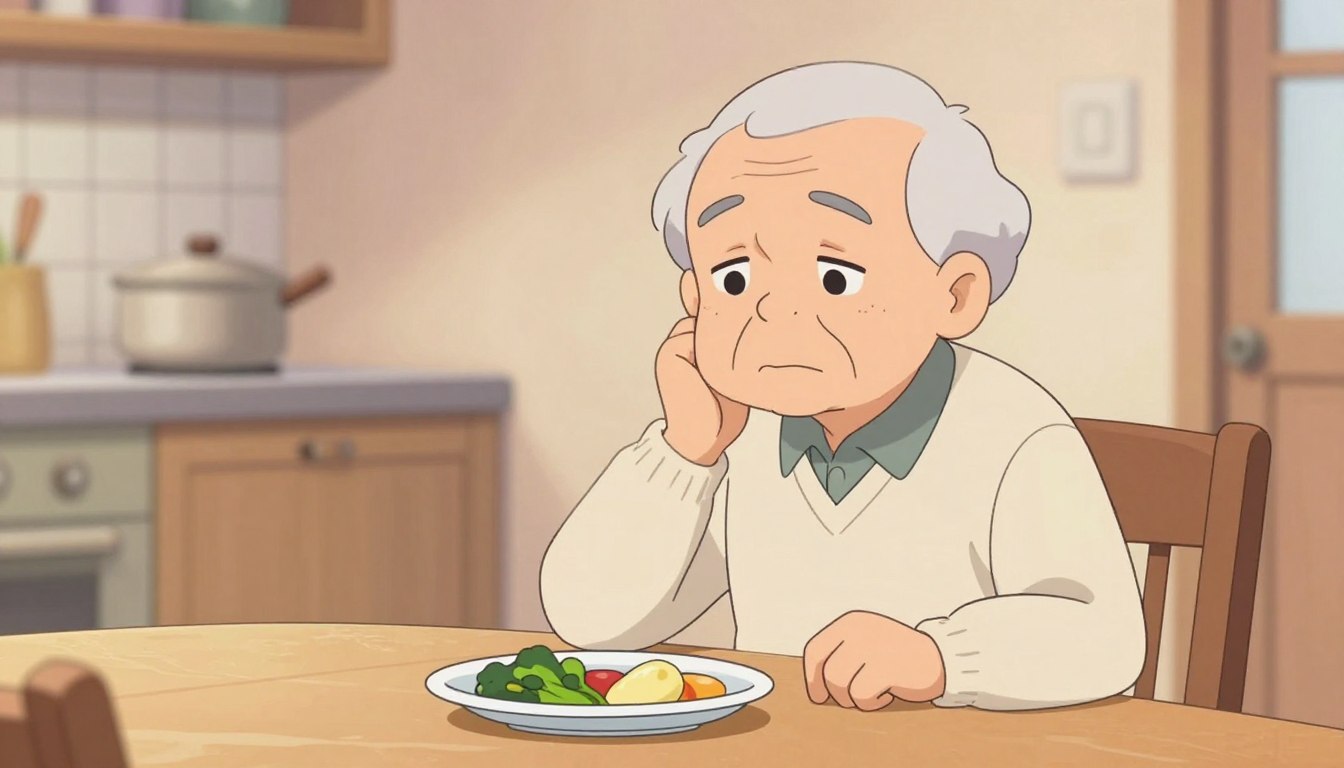
Surprising fact: about a quarter of older adults face anorexia of aging, which can quietly speed up health changes.
“You make a plate… and they barely touch it.” If this sounds familiar, you are not alone. That moment can feel worrying and heavy for a loved one and for you.
This short guide offers practical, low-pressure steps to support eating without turning meals into a battle. We explain simple reasons for appetite loss in plain terms—medical, emotional, and routine-based—and show gentle fixes.
Expectations: Occasional off days happen. But steady patterns of loss deserve attention because weight and strength affect bones, muscles, brain, and independence.
We promise small, powerful meal ideas so every bite counts and clear signs for when to loop in a clinician. JoyCalls can help busy families stay connected with daily check-ins and caregiver summaries—extra support, not medical care.
Key Takeaways
- Name the worry: noticing little eaten is common and stressful.
- Appetite can drop with age for many reasons—medical and emotional.
- Smaller, nutrient-dense meals help make each bite count.
- Watch for sudden weight loss; contact a clinician if it appears.
- JoyCalls offers daily check-ins and summaries to help families stay informed.
Why Low Appetite Happens in Older Adults
“It’s rarely stubbornness. It’s usually a signal.” When a parent eats less, it often reflects real body and life shifts. Understanding common causes helps you respond with care, not frustration.

Anorexia of aging and fading hunger cues
Anorexia of aging describes how appetite and hunger signals soften over time, even in otherwise healthy older adults. For many, regular meals feel less urgent and portions shrink naturally.
Sense changes: taste, smell, texture
Flavor blends taste, smell, texture, and temperature. When taste or smell dulls, foods taste flat. Medications can make this worse and lead to silent meal skipping.
Activity, digestion, and daily signals
Less movement and a slower metabolism cut calorie needs and hunger cues. Digestion can slow too, so large plates cause discomfort and avoidance.
Emotional and social factors
Grief, loneliness, anxiety, or depression can drain interest in food. Often several factors stack up and deepen a small loss into a bigger problem.
| Factor | How it affects eating | Caregiver clue |
|---|---|---|
| Sensory change | Food tastes flat | Favorites lose appeal |
| Lower activity | Less hunger across the day | Fewer steps, less movement |
| Emotional | Decreased interest in meals | Withdrawing from shared meals |
For more on anorexia of aging, see this overview.
Why Low Appetite in the Elderly Can Become a Health Risk
When food intake drifts down over weeks, the body starts using muscle and stored energy. That slow slide can turn a brief change in eating into real health trouble.
Unintended weight loss, muscle loss, and weakness
Unintended weight loss often means muscle is shrinking too. Low protein intake for several weeks makes strength fall. That affects simple tasks like standing, carrying groceries, or climbing steps.
Higher fall risk and slower recovery from illness
Less strength + slower reaction time + dehydration = higher fall risk. Falls lead to broken bones and long recoveries. Poor intake also makes healing slower after illness or surgery.
Nutrient deficiencies and reduced immune resilience
Missing key nutrients cuts the body’s defense and slows wound healing. Energy drops. Mood and focus can fade. Small gaps in nutrition add up fast.
- Caregiver checkpoint: clothes fit looser, more fatigue, or shrinking meals daily — act soon.
- Simple wins: boost calories with protein and healthy fats; keep meals small and frequent.

| Sign | What it means | What to do |
|---|---|---|
| Unintended weight loss | Muscle and fat loss | Increase protein-rich snacks; track weight weekly |
| Weakness or balance change | Higher fall risk | Consult clinician; add strength-focused meals |
| Less interest in food | Missing nutrients | Offer nutrient-dense mini-meals; try smoothies or soups |
Acting early helps. Small, steady changes often restore weight, muscle, and energy. For practical tips on nutrition for older adults, see common nutrition challenges.
Spot the Warning Signs That Call for a Doctor’s Advice
Trust your instincts: sudden eating changes often signal a health issue, not stubbornness. If meals shrink quickly or a loved one loses noticeable weight, seek medical advice.
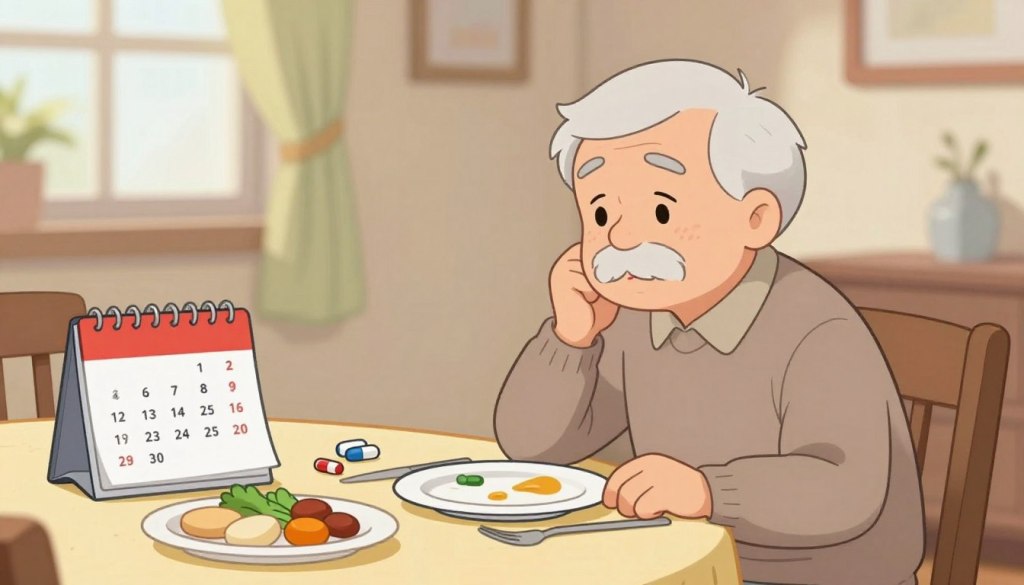
Don’t-wait moments
- Sudden appetite drop or dramatic weight loss that seems unexplained.
- Persistent difficulty eating for more than a few days.
- New avoidance of whole food groups (meat, fruit, or vegetables).
Red flags families can miss
Watch for: unusual fatigue, confusion, dry mouth or signs of dehydration. These can progress fast and require prompt care.
What to bring to the visit
Document 3–7 days of meals and approximate intake. Note fluids, bowel changes, and any nausea or drowsiness after medication time.
| What to record | Why it matters | How a doctor uses it |
|---|---|---|
| Daily meals & approximate portions | Shows intake trends | Guides nutrition and weight plans |
| Timing of medications and symptoms | Links side effects to meals | Helps adjust meds or schedule |
| Fluid intake & bowel notes | Detects dehydration or GI issues | Directs tests or hydration plans |
Bring a full list of medications and supplements so the doctor can check side effects and absorption. You’re not overreacting—your instincts are information.
Extra eyes/ears: Sign up for JoyCalls (daily check-in calls) so you get summaries and alerts if something seems off. Or talk to Joy now at 1-415-569-2439 for help coordinating care.
Try JoyCalls Free
No app or new device needed. Start with a free 7-day trial.
For more on recognizing eating issues and what to ask, see a practical guide on appetite loss warning signs and advice on talking about medications.
Create a 14-Day Appetite Support Plan That Families Can Actually Follow
Low appetite in an older adult is easier to manage when the family stops guessing and starts observing. A clear two-week plan gives everyone a calmer way to respond. It helps you notice patterns, test small changes, and decide when a doctor, dietitian, dentist, pharmacist, or speech-language pathologist should be involved.
The goal is not to force food. The goal is to make eating easier, safer, more appealing, and more predictable.
Start With One Baseline Week
Before changing everything at once, spend three to seven days learning what is really happening. Many families say, “Mom barely eats,” but when they track the day, they may discover something more specific: she eats better in the morning, skips meals after medication, avoids meat because chewing is tiring, drinks very little, or eats more when someone sits with her.
Use a simple notebook or phone note. Track only what matters:
- What time food was offered
- What was eaten and roughly how much
- Fluids taken during the day
- Mood before meals
- Any nausea, coughing, pain, constipation, fatigue, or confusion
- Medication timing
- Weight once or twice a week, if appropriate
Do not make the log feel like a test. Avoid comments like, “You only ate three bites.” Instead, write it down privately. Seniors can feel embarrassed when every bite is watched. The quieter and more respectful the tracking is, the more useful it becomes.
At the end of the baseline week, look for patterns. Does appetite improve after a walk? Is breakfast easier than dinner? Are large plates discouraging? Is the person too tired by evening? Does food taste bland? Is dry mouth making meals unpleasant? These clues help you choose the right support instead of trying random fixes.
Choose One Main Goal at a Time
Families often try to solve appetite, hydration, weight, strength, medication side effects, loneliness, and meal prep all at once. That becomes overwhelming for the senior and the caregiver.
Pick one main goal for the next 14 days. For example:
- “Add one nourishing snack every afternoon.”
- “Make breakfast more consistent.”
- “Increase fluids between meals.”
- “Add protein to the foods already being eaten.”
- “Reduce dinner pressure and shift more nutrition earlier in the day.”
- “Make meals easier to chew.”
- “Schedule a medication review if appetite dropped after a prescription change.”
A small goal is not a weak goal. It is often the most effective one. Low appetite usually improves through steady, low-pressure repetition, not one dramatic change.
Build a Daily Eating Rhythm Around Energy Levels
Many older adults do not have the same appetite all day. Some eat best in the morning. Others do better after rest. Some lose interest when meals are delayed or when they are already tired.
Use the person’s strongest eating window. If breakfast is the best meal, make it count. Add eggs, yogurt, nut butter, cheese, soft paneer, oatmeal with milk, or a smoothie. If lunch is better than dinner, make lunch the main meal and keep dinner light. There is no rule that the largest meal must happen at night.
A helpful rhythm may look like this:
- Morning: small protein-rich breakfast
- Mid-morning: drink or soft snack
- Lunch: most complete meal of the day
- Afternoon: easy snack
- Evening: light, comforting meal
- Before bed: warm milk, yogurt, pudding, or another gentle option if suitable
This structure removes the pressure from any one meal. If lunch is small, the day is not “ruined.” There is another chance later.
Use the “First Five Bites” Strategy
When appetite is low, the first few bites matter most. Make them count.
Instead of serving a large balanced plate and hoping it gets eaten, offer the most nutrient-dense item first. This may be egg, yogurt, lentils, fish, chicken, tofu, beans, cottage cheese, or a fortified smoothie. Once the person has had a few useful bites, add fruit, vegetables, grains, or soup.
This approach is especially helpful when seniors get full quickly. It respects limited appetite while protecting strength.
For example:
- Serve scrambled egg before toast.
- Offer Greek yogurt before fruit.
- Give lentil soup before plain broth.
- Serve soft chicken salad before crackers.
- Offer a smoothie before tea or coffee.
This does not mean vegetables and grains are unimportant. It simply means that when intake is very small, protein and calories should not be left until the end of the meal.
Make the Plate Look Manageable
A full plate can feel like a burden. Seniors may look at it and think, “I can’t finish this,” before they even start.
Use smaller plates, bowls, cups, and portions. A small serving can feel achievable. The person can always ask for more. This protects dignity and reduces mealtime tension.
Try this rule: serve half of what you think they should eat. If they finish it, offer a little more casually. Say, “There’s a bit more if you’d like,” rather than, “Good, now eat more.”
The language matters. Encouragement should feel like support, not supervision.
Create a “Yes List” of Reliable Foods
When appetite is poor, decision-making can become tiring. Asking, “What do you want to eat?” may sound caring, but it can feel like too much work.
Create a short “yes list” of foods the person usually accepts. Keep it visible for caregivers and family members. Include foods by category:
Easy breakfasts: oatmeal with milk, eggs, yogurt, soft toast, smoothie
Soft proteins: fish, lentils, beans, paneer, tofu, minced chicken, cottage cheese
Comfort meals: soup, stew, khichdi, mashed potatoes, rice and dal, pasta, soft casseroles
Quick snacks: cheese, banana, pudding, nut butter toast, hummus, egg muffins
Drinks: milk, smoothies, lassi, soups, oral nutrition drinks if recommended
Update the list weekly. Appetite changes, and preferences may shift. A food that worked last month may not work now. That is not failure; it is information.
Use Gentle Meal Scripts
How families talk about food can either reduce stress or increase resistance. Repeated reminders like “You have to eat” or “You’re not eating enough” may make the senior feel controlled.
Use calm, choice-based language:
- “Would you prefer soup or yogurt first?”
- “Do you want this in a bowl or a cup?”
- “Would a few bites feel okay right now?”
- “Should we save the rest for later?”
- “Would you like company while you eat?”
- “Is the taste okay, or should I add lemon or herbs?”
Avoid arguing at the table. If the person refuses, pause and try again later. Sometimes appetite returns after rest, a short walk, mouth care, or a change in temperature or texture.
Assign Family Roles Clearly
Low appetite can become stressful when everyone is worried but no one is coordinating. One person buys groceries, another gives advice, another calls the doctor, and another keeps asking the senior to eat. This can feel chaotic.
Assign simple roles:
- One person tracks meals and weight.
- One person handles grocery refills.
- One person speaks with the doctor or pharmacist.
- One person checks in socially during or after meals.
- One person prepares two or three easy backup foods.
This reduces caregiver burnout and prevents the senior from receiving too many mixed messages.
If family members live far away, a daily phone call can help. The call does not need to focus only on food. In fact, it is often better if it does not. A warm conversation can improve mood, reduce loneliness, and create a natural opening: “Did you have your soup today?” or “What tasted good this morning?”
Prepare Backup Foods Before They Are Needed
Low appetite days are harder when the refrigerator is empty or the only available foods require cooking. Keep a small set of backup options ready.
Good backup foods are easy to serve, easy to chew, and easy to enrich. Examples include:
- Single-serve yogurt
- Boiled eggs
- Soft cheese
- Ready soup
- Cooked lentils or beans
- Smoothie ingredients
- Mashed vegetables
- Rice, oats, or soft grains
- Nut butter
- Fortified milk
- Pudding or custard
- Soft fruit
- Hummus
- Shredded chicken or fish
Batch-cook one or two base foods each week. A pot of soup, lentils, stew, or soft grain can be portioned into small containers. Small containers are important because they feel less intimidating and reduce waste.
Watch for Hydration Without Filling Them Up Too Early
Fluids matter, but timing matters too. Some seniors fill up on tea, coffee, or water before meals and then cannot eat. Others avoid drinking because they worry about frequent bathroom trips.
Offer small sips throughout the day rather than large amounts at meals. Use nourishing fluids when appropriate: milk, smoothies, soups, or yogurt-based drinks. Keep water nearby, but do not let plain fluids replace food if weight loss is a concern.
Also watch for signs that low fluid intake is becoming a problem: darker urine, dizziness, dry mouth, constipation, confusion, or unusual tiredness. These signs should be discussed with a clinician, especially if they appear suddenly.
Add Movement Before Meals When Safe
A short, gentle movement routine can sometimes wake up appetite. This does not need to be exercise in a formal sense. It may be a five-minute walk, seated leg movements, light stretching, or standing near a sunny window.
Movement can also improve mood and digestion. Keep it safe and realistic. If the person has balance problems, dizziness, recent falls, pain, or shortness of breath, ask a clinician or physical therapist what is appropriate.
A simple routine may be:
- Open curtains in the morning.
- Sit upright for a few minutes.
- Walk slowly around the room or hallway.
- Do gentle arm circles or ankle movements.
- Rest briefly.
- Offer breakfast or a snack.
The point is to help the body transition into the day, not to tire the person out.
Reduce Hidden Barriers Around the Meal
Sometimes appetite is not the real issue. The meal may be too hard to access.
Check practical barriers:
- Is the chair comfortable?
- Is the table the right height?
- Are utensils easy to hold?
- Is the lighting good?
- Is the room too noisy?
- Is the food too hot, cold, dry, tough, spicy, or bland?
- Are dentures secure?
- Is the person embarrassed by spilling?
- Is opening packages difficult?
- Is there enough time to eat slowly?
Adaptive utensils, non-slip mats, handled cups, divided plates, and easy-open containers can make meals feel less tiring. These small changes protect independence. They also reduce the feeling of being “fed” or managed.
Use a Weekly Review, Not Daily Panic
Do not judge success by one meal. Appetite naturally changes from day to day. A senior may eat poorly at breakfast but better at lunch. They may have one low day followed by a better day.
Review progress weekly. Ask:
- Is total intake slightly better?
- Is weight stable?
- Is energy improving?
- Are there fewer skipped meals?
- Is the person drinking more?
- Are meals calmer?
- Is there less conflict?
- Did we identify a pattern?
- Do we need professional help?
If nothing improves after two weeks, or if weight loss, weakness, dehydration, confusion, swallowing trouble, or pain appears, it is time to involve a healthcare professional. Waiting too long can make recovery harder.
Know When the Plan Needs Medical Support
A home plan is useful, but it should not replace medical care. Appetite loss can be linked to infections, medication side effects, constipation, depression, dental problems, swallowing issues, poorly controlled chronic conditions, or other health concerns.
Seek professional guidance if:
- Appetite drops suddenly
- Weight loss is noticeable
- The person is weaker than usual
- Meals trigger coughing or choking
- There is ongoing nausea, vomiting, diarrhea, or constipation
- The person seems confused or dehydrated
- Food refusal is linked with sadness, grief, or withdrawal
- Pain is affecting eating
- A new medication was recently started
- The person is skipping most meals
Bring the food and symptom log to the appointment. It gives the doctor a clearer picture and helps avoid vague conversations. Instead of saying, “She isn’t eating,” you can say, “For six days, she ate best before noon, skipped dinner four times, coughed with thin liquids twice, and felt nauseated after her evening pills.” That level of detail is much more useful.
A Simple 14-Day Action Plan
Here is a practical way to begin.
Days 1–3: Observe quietly
Track meals, fluids, symptoms, mood, and medication timing. Do not pressure. Look for patterns.
Days 4–5: Choose one priority
Pick the most useful goal: more protein, better breakfast, more fluids, softer foods, less loneliness, or medication review.
Days 6–10: Make one change daily
Add one small snack, improve one meal, adjust the eating environment, or prepare backup foods.
Days 11–14: Review and decide
Check whether intake, energy, mood, or weight is improving. If not, arrange professional support.
This plan gives families structure without making the senior feel controlled. It also turns worry into action.
Final Thought: Make Eating Feel Safe, Not Supervised
Low appetite in the elderly is not solved by pressure. It is supported through patience, comfort, observation, and the right help at the right time. Seniors need to feel respected, not monitored. They need food that fits their body, their energy, their memories, and their daily routine.
When families approach appetite loss as a shared care plan instead of a mealtime battle, everything becomes calmer. The senior feels more in control. Caregivers feel less helpless. And small improvements become easier to notice, repeat, and build on.
How to Make Food More Appealing When Appetite Has Dropped

When an older adult says, “I’m not hungry,” the problem is not always hunger itself. Sometimes food no longer smells exciting, tastes the same as before, feels too dry, looks overwhelming, or takes too much effort to eat. In these cases, the best support is not to push bigger meals. It is to make food feel easier, warmer, more familiar, and more rewarding.
Focus on Aroma First
Smell is closely tied to appetite. Warm foods often smell more inviting than cold foods. If a senior is eating less, try serving meals that release a gentle aroma: soup, lightly toasted bread, warm dal, baked vegetables, stews, soft rice dishes, or cinnamon oatmeal.
Avoid overpowering smells if the person feels nauseated. Strong fried, fishy, or heavily spiced smells may reduce appetite. The key is to notice what works for that person.
A simple tip: warm the food just before serving, then let the senior smell it before the plate is placed down. This small sensory cue can help the body prepare to eat.
Improve Taste Without Adding Too Much Salt
Many older adults find food bland because taste sensitivity may reduce with age, medications, dry mouth, or illness. Instead of only adding salt, use flavor boosters.
Try:
- Lemon juice
- Fresh herbs
- Ginger
- Garlic
- Mild spices
- Roasted cumin
- Black pepper
- Yogurt-based dips
- Tomato-based sauces
- A small amount of pickle or chutney, if suitable
For seniors with blood pressure, kidney, heart, or fluid-related restrictions, always follow medical advice on salt. Flavor can still be improved with herbs, acidity, aroma, and texture.
Use Familiar Foods as the Base
Appetite often improves when food feels emotionally familiar. A senior may reject a “healthy” meal but accept a childhood dish, festival food, family recipe, or comfort meal.
Start with familiar foods and quietly enrich them. For example:
- Add milk powder to porridge.
- Add ghee, olive oil, or butter to rice or vegetables, if suitable.
- Add paneer, tofu, lentils, egg, or shredded chicken to soft meals.
- Add nut butter to smoothies or toast.
- Add yogurt to soups, dips, or soft rice dishes.
This works better than suddenly introducing unfamiliar “nutrition foods” that may feel clinical or unappealing.
Make Meals Social Without Making Them Noisy
Loneliness can reduce appetite. Many seniors eat better when someone sits nearby, even if that person is not constantly talking about food.
Try a calm mealtime routine:
- Sit with them for 10–15 minutes.
- Eat something small together.
- Keep conversation light.
- Avoid discussing illness, weight, or unfinished food.
- Keep the TV off if it distracts them, or use soft background music if it relaxes them.
The message should be: “You are not alone,” not “I am watching how much you eat.”
Offer Choice, But Not Too Many Choices
Too many options can feel tiring. Instead of asking, “What do you want to eat?” offer two clear choices.
For example:
- “Would you like soup or curd rice?”
- “Would you prefer tea with toast or yogurt with fruit?”
- “Should I make this softer or keep it as it is?”
- “Do you want to eat now or after 20 minutes?”
This gives the senior control without overwhelming them.
Use Visual Contrast on the Plate
Food that looks pale or plain may not feel inviting. Add color and contrast where possible.
For example:
- Add chopped herbs to soup.
- Add fruit to yogurt.
- Add a colorful chutney or dip.
- Serve dal with a small spoon of ghee or coriander.
- Add soft cooked carrots, pumpkin, peas, or beetroot to a meal.
The plate does not need to look fancy. It simply needs to look alive and easy to start.
Respect Food Fatigue
Sometimes seniors stop eating because the same foods are served too often. Even a favorite food can become tiring.
Rotate flavors, temperatures, and formats. If the person likes yogurt, serve it as plain yogurt one day, smoothie the next, raita another day, and fruit yogurt later. If they like lentils, try soup, dal, khichdi, soft patties, or lentil stew.
The nutrition may be similar, but the eating experience feels different.
Keep Portions Small and Refillable
A large portion can create pressure. A small portion creates a sense of success.
Serve a small amount first. If the person eats it, offer more without making it a big event. Say, “There’s a little more if you feel like it.”
This keeps the meal calm and protects dignity.
End With Comfort, Not Criticism
Even if the senior eats very little, end the meal kindly. Do not say, “That’s all?” or “You hardly ate.” Instead, say, “Thank you for trying. We can keep the rest for later.”
This matters because the memory of the meal affects the next meal. If every meal ends in disappointment, the senior may begin avoiding food even more.
Practical Takeaway
When appetite drops, food must do more than provide nutrition. It must feel manageable, familiar, pleasant, and safe. Small changes in smell, taste, texture, choice, company, and presentation can make eating feel less like a task and more like care.
The Hidden Emotional Reasons Seniors Stop Eating—and What Families Can Do About Them

When people think about poor appetite in older adults, they usually focus on physical causes such as illness, medication side effects, digestive issues, or changes in taste and smell. While these factors are important, they are not the whole story.
For many seniors, appetite is deeply connected to emotions, routines, relationships, and a sense of purpose. A person may have access to nutritious food, experience no significant medical problems, and still show little interest in eating.
Understanding these emotional and social influences can help families address the real problem rather than focusing solely on the food itself.
Why Appetite Is About More Than Hunger
Eating is not just a biological need. It is also a social and emotional experience.
Think about how often food is connected to:
- Family gatherings
- Cultural traditions
- Celebrations
- Daily routines
- Friendships
- Caregiving
- Comfort and familiarity
Over a lifetime, meals become intertwined with memories and relationships. As people age, many of these connections change. Retirement, loss of loved ones, health challenges, reduced mobility, and social isolation can all affect the desire to eat.
A senior may not consciously say, “I am lonely, so I do not want lunch.” Instead, they may simply lose interest in meals altogether.
Recognizing this connection is one of the most important steps toward improving appetite.
The Impact of Loneliness on Appetite
Loneliness is one of the strongest predictors of poor eating habits in older adults.
Many seniors spend large portions of the day alone. Meals that were once shared with a spouse, family members, friends, or coworkers become solitary experiences.
Over time, this can lead to:
- Skipped meals
- Reduced portion sizes
- Less interest in cooking
- Less motivation to shop for groceries
- Greater reliance on convenience foods
- Irregular eating schedules
Preparing an entire meal for one person can feel emotionally exhausting. Some seniors begin asking themselves:
“Why bother cooking?”
When that feeling becomes frequent, nutritional intake often declines.
Signs That Loneliness May Be Affecting Eating Habits
Families should pay attention to clues such as:
- The senior eats more when visitors are present.
- Appetite improves during holidays or family gatherings.
- Meals are frequently skipped when alone.
- The refrigerator contains very little prepared food.
- The senior expresses boredom around mealtimes.
- Weight loss coincides with social withdrawal.
These signs suggest that the issue may be partly emotional rather than purely physical.
Practical Ways to Reduce Mealtime Isolation
The good news is that appetite often improves when meals become social again.
Helpful strategies include:
Schedule Regular Meal Calls
A family member can call during breakfast or lunch.
The conversation does not need to focus on food. Simply having someone to talk to can make the meal more enjoyable.
Video calls are even better because they create a feeling of shared presence.
Encourage Community Meals
Many senior centers, community organizations, religious groups, and local programs offer shared dining opportunities.
Eating with others can increase both food intake and emotional well-being.
Arrange Family Meal Rotations
If multiple relatives live nearby, consider rotating shared meals throughout the week.
Even one or two communal meals each week can make a meaningful difference.
Explore Companion Programs
Some communities offer volunteer visitor programs specifically designed to reduce isolation among older adults.
These visits often improve mood and encourage healthier eating routines.
Grief Can Quietly Reduce Appetite
Loss is common in later life.
A senior may experience:
- The death of a spouse
- The loss of close friends
- Reduced independence
- Changes in physical abilities
- Relocation from a long-time home
Grief affects far more than emotions. It can influence sleep, energy, concentration, motivation, and appetite.
Many older adults who have recently lost a spouse report that eating alone feels emotionally painful.
Meals may remind them of what they have lost.
This is especially common when the spouse previously handled cooking, grocery shopping, or meal planning.
How Families Can Help During Grief
Rather than focusing only on food intake, acknowledge the emotional experience.
Helpful approaches include:
- Sharing meals whenever possible.
- Cooking favorite family recipes together.
- Encouraging storytelling around meals.
- Creating positive new meal traditions.
- Offering support without forcing conversation.
Sometimes the goal is not simply getting someone to eat more. It is helping them reconnect with experiences that once brought comfort and meaning.
Depression and Appetite Loss
Depression is not a normal part of aging.
However, it can become more common due to health changes, isolation, bereavement, chronic pain, and reduced independence.
One of the most common symptoms of depression is reduced interest in activities that were once enjoyable—including eating.
Warning signs may include:
- Persistent sadness
- Loss of interest in hobbies
- Withdrawal from social activities
- Sleep changes
- Low energy
- Feelings of hopelessness
- Significant appetite changes
Families sometimes mistake these symptoms for normal aging.
This can delay treatment and worsen nutritional problems.
When Professional Support Is Important
If appetite loss occurs alongside emotional symptoms, encourage a conversation with a healthcare provider.
Many treatment options may help, including:
- Counseling
- Support groups
- Medication when appropriate
- Community engagement programs
- Behavioral health services
Addressing emotional health often improves nutritional health at the same time.
Loss of Independence Can Reduce Motivation to Eat
Many seniors value independence deeply.
When everyday tasks become difficult, frustration can build.
Challenges may include:
- Difficulty driving to the grocery store
- Trouble carrying shopping bags
- Difficulty standing long enough to cook
- Arthritis that makes food preparation painful
- Vision problems
- Mobility limitations
Over time, food preparation may begin to feel overwhelming.
As a result, meals become smaller, less frequent, and less nutritious.
Make Eating Easier, Not More Complicated
Families can help by reducing effort rather than increasing pressure.
Consider:
- Grocery delivery services
- Prepared healthy meals
- Pre-cut fruits and vegetables
- Batch cooking assistance
- Easy-to-open packaging
- Adaptive kitchen tools
The easier food becomes to access, the more likely it is to be eaten.
The Importance of Maintaining Purpose
Many seniors spent decades caring for others.
They cooked meals, raised families, worked careers, and supported their communities.
After retirement or major life transitions, some people struggle with a reduced sense of purpose.
This can indirectly affect appetite.
People often take better care of themselves when they feel connected to meaningful activities.
Encourage Activities That Create Daily Structure
Purpose does not have to involve major commitments.
Small activities can make a significant difference:
- Gardening
- Volunteering
- Reading groups
- Religious participation
- Walking clubs
- Community events
- Learning opportunities
- Caring for a pet
- Helping with family projects
These activities create routine, social interaction, and a reason to maintain energy and health.
Why Mealtime Pressure Often Backfires
Families naturally worry when a senior eats less.
Unfortunately, constant reminders can create tension.
Comments such as:
- “You need to eat more.”
- “You hardly touched your food.”
- “Just finish the plate.”
may unintentionally increase resistance.
The senior may begin associating meals with stress rather than enjoyment.
Instead, focus on creating positive experiences around food.
Offer encouragement, not criticism.
Provide options, not ultimatums.
Support, rather than pressure, is usually more effective.
Build Positive Mealtime Experiences Again

One of the best long-term strategies is helping meals become enjoyable.
Simple ideas include:
- Playing favorite music during meals.
- Eating outdoors when weather allows.
- Using favorite dishes and table settings.
- Preparing beloved family recipes.
- Celebrating small milestones.
- Inviting grandchildren or friends to join occasionally.
Positive experiences can gradually rebuild interest in food.
A Helpful Reminder for Caregivers
When appetite declines, families often feel responsible for fixing it immediately.
This pressure can create frustration on both sides.
Remember that eating behavior is influenced by many factors beyond the plate itself.
Sometimes improving appetite starts with:
- Reducing loneliness
- Addressing grief
- Supporting mental health
- Restoring routine
- Encouraging social connection
- Creating meaningful daily activities
Food is important, but the environment surrounding food matters too.
The Bigger Picture
A low appetite is not always a sign that a senior dislikes the food being offered. Sometimes it reflects loneliness, grief, depression, loss of independence, or a lack of meaningful social connection.
Families who understand these deeper influences are often able to make more lasting improvements than those who focus only on meal size.
By supporting emotional well-being alongside physical nutrition, caregivers can help older adults regain not only their appetite but also a greater sense of comfort, connection, and quality of life.
Make Mealtimes Easier With Simple Routine and Environment Tweaks
Small, steady routines can gently reawaken hunger and make meals easier to manage. Predictable times and a peaceful setting help the body remember hunger cues. That lowers pressure and makes food feel less like a task.
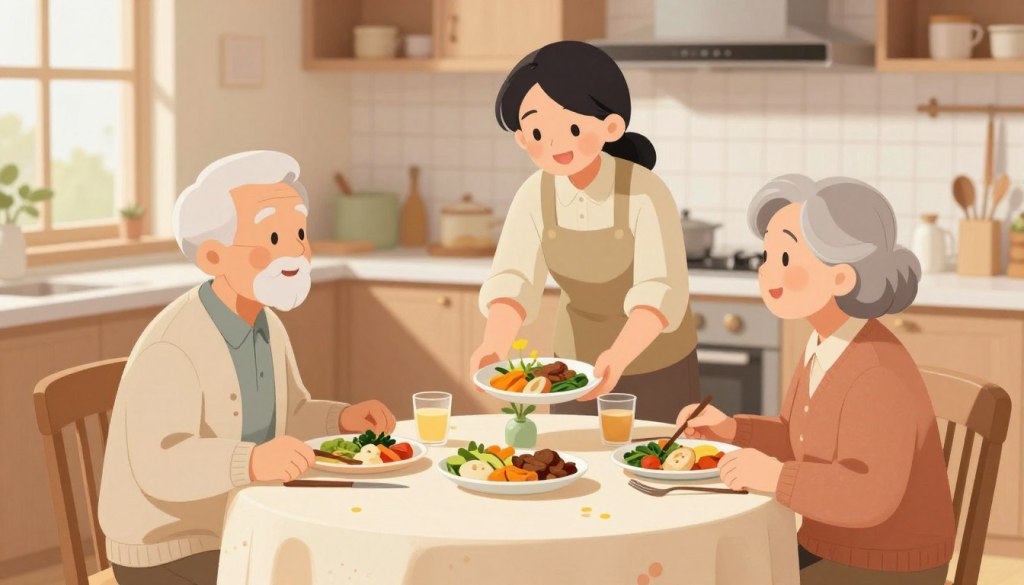
Set consistent times and small snacks
Try a simple structure: breakfast, lunch, dinner, plus two mini snacks. Smaller servings, more often, reduce overwhelm.
This routine trains the day and can improve appetite over weeks. Aim for “something nourishing” rather than a perfect plate.
Create a calm, pleasant setting
Turn off the TV. Clear clutter. Good lighting and comfy seating make meals inviting.
Use colorful plates or familiar cups to make foods look appealing. A calm table helps encourage eating without pressure.
Use social eating and nostalgia
Shared meals with family, neighbors, or meal programs give company and routine. Try one nostalgia meal a week—an old favorite tied to happy memories.
Offer choices and gentle prompts like, “Want a little bowl, or a half sandwich?” This gives control and reduces resistance.
Quick care tip
- Keep mealtimes steady to build habits.
- Offer small portions often to ease changes in intake.
- Use companionship to encourage eating and reduce loneliness.
Extra support: Regular check-ins can anchor the day and help your loved one keep routines. See a simple caregiver check-in schedule to fit mealtimes into care plans.
Build High-Impact Meals When Every Bite Matters
When every bite counts, choose foods that pack the most nutrition into small, friendly portions. The goal is more nutrition per bite, not bigger plates. That makes eating less tiring and more effective.

Protein-first ideas that support muscle
- Eggs or hard-boiled egg halves—easy, portable, and rich in protein.
- Greek yogurt or cottage cheese with fruit—gentle on the mouth and high in protein.
- Soft beans, flaked fish, or shredded chicken—add to salads, soups, or toast.
Small boosts of healthy fat
Avocado slices, a spoon of nut butter, or an olive oil drizzle add calories in tiny amounts. These help prevent unintended weight loss without large portions.
Easy textures: smoothies, soups, stews
Blended smoothies with milk/yogurt and protein powder or creamy soups let nutrients pass with less chewing.
Finger foods and mini-meals for grazing
- Cheese cubes, half sandwiches, hummus with soft pita.
- Banana with peanut butter or small egg muffins—grab-and-go options for busy caregivers.
Boost taste without extra salt
Use herbs, lemon, garlic, vinegar, and warm spices to lift flavor. Strong tastes can restore interest even when taste fades.
Hydration that counts
Broth-based soups, melon, oranges, and cucumber add fluids plus nutrients. These reduce dehydration risk while feeding the body.
Quick shopping & prep tip: Batch a hearty soup or stew once, portion and reheat. For more practical ideas on nutrient-dense foods, see simple nutrition tips.
Pair this plan with regular check-ins so meals happen reliably. JoyCalls offers a daily check-in routine that helps keep meals and fluids on track.
Address Chewing, Swallowing, and Dental Problems Without Stress
Chewing or swallowing trouble can make meals feel exhausting rather than nourishing. That hidden reason often explains steady appetite loss and falling intake.

Dentures, dry mouth, and mouth pain that reduce intake
Tooth pain, loose dentures, or dry mouth turns eating into work. Small fixes—cleaning, an adjustment, or a dental check—can restore comfort fast.
Soft, moist textures and safe preparation
Choose soft, moist foods that keep dignity. Try yogurt, scrambled eggs, soups, stews, mashed vegetables, and smoothies.
Prep tips: chop tiny, shred meat, add sauces, or puree favorite meals. Same flavor; easier chewing and swallowing.
When swallowing difficulty may be dysphagia and who can help
If coughing during meals, a sense of food sticking, or repeated chest infections occur, ask for help. Dysphagia affects about 10%–33% of older adults and needs attention.
Who to call: a speech-language pathologist (SLP) checks swallowing safety. A registered dietitian (RDN) plans tasty, nutrient-dense swaps that protect weight and health.
Dry mouth strategies
- Use mouth moisteners or saline sprays and sugar-free gum to stimulate saliva.
- Offer hydrating foods: melon, broth, pudding, and soft fruit.
- Keep sips nearby and offer small, frequent bites.
Practical step: schedule a dental and denture review first. If swallowing looks risky, stop pushing and seek clinical guidance.
| Problem | Typical effect | Simple care fix |
|---|---|---|
| Tooth pain or missing teeth | Avoids chewy foods; smaller intake | Soft proteins, chopped meals, dentist visit |
| Ill-fitting dentures | Pain, slipping, reduced pleasure | Denture adjustment; shred or puree foods |
| Dry mouth | Thick saliva, trouble swallowing | Mouth moisteners, sugar-free gum, hydrating foods |
| Possible dysphagia | Coughing, choking, infections | SLP evaluation; RDN meal plan |
For medication-related mouth changes or taste effects, review drugs with a pharmacist and see our medication conversation tips. Small, gentle steps protect dignity and get meals back to being pleasant.
Review Medications and Chronic Conditions That Affect Appetite
Sometimes the reason a loved one eats less is hidden in their pillbox or medical notes. Changes often follow a new prescription or a dose change. You don’t have to guess—ask.

Common medication side effects
Many medications cause nausea, constipation, dry mouth, drowsiness, or taste changes. These small effects can create big loss appetite over weeks.
How chronic conditions shape options
About nine in ten older adults have one or more chronic conditions. Diabetes, heart or kidney concerns, and dementia often add restrictions. Those limits can cause a lack of variety and lower interest in meals.
Questions to bring to a clinician or pharmacist
- Which medications reduce appetite or cause nausea?
- Do any drugs affect nutrient absorption (diuretics, laxatives, ACE inhibitors)?
- Can timing or dose be adjusted to ease side effects?
- Which foods or supplements are safe with current conditions?
Small-serving, nutrient-dense foods and supplements
Choose easy, high-nutrient options: eggs, yogurt, beans, fish, avocado, nut butters, and soft whole grains. When intake stays low, oral nutrition supplements can bridge gaps. Use them as a bridge, not a meal replacement.
| Issue | Likely effect | Practical fix |
|---|---|---|
| New medication | Sudden loss appetite or taste change | Review timing; ask pharmacist about alternatives |
| Constipation or dry mouth | Skips meals; less fluid | Add hydrating foods; adjust meds with clinician |
| Diet restrictions from conditions | Lack of variety, less motivation | Swap in allowable nutrient-dense mini-meals |
Follow up: reassess after changes. What works for one loved one may not work for another, and small tweaks often restore eating and health.
Conclusion
Helping someone eat well again often starts with one small, simple change you can try this week. A tiny step builds momentum and eases stress for both of you.
Path forward: set steady times, offer smaller high-impact portions, favor comfortable textures, and bring friendly company to the table. These moves boost strength and make meals feel easier.
Watch for danger signs: sudden weight shifts, deep fatigue, muscle weakness, or avoiding whole foods need prompt medical attention. Trust your gut and call a clinician when things change fast.
Pick one clear goal this week—one protein upgrade, one shared meal, or one flavor boost. Small, steady gains add up.
Your loved one doesn’t need perfect meals. They need steady care, patience, and a little company. Sign up for JoyCalls: https://app.joycalls.ai/signup. Or talk to Joy now at 1-415-569-2439 for daily check-ins, summaries, and alerts that help busy families stay informed.
FAQ
What is “anorexia of aging” and is it normal for older adults to eat less?
How do changes in taste and smell affect interest in food?
Could lower activity and a slower metabolism explain less hunger?
Do loneliness, grief, or depression affect eating patterns?
What are the main health risks when an older person eats significantly less?
When should I call a doctor about a sudden drop in eating?
What should we note before a medical visit about eating problems?
How can mealtime routines improve eating for a loved one?
What are high-impact foods when every bite counts?
How can I boost calories and protein without large portions?
What if chewing, dentures, or dry mouth make eating hard?
Which medications commonly reduce appetite or change taste?
How do chronic conditions limit food choices and nutrition?
When are oral nutrition supplements a good option?
What simple hydration strategies support eating and health?
How can caregivers encourage eating without nagging or stress?
Who on the care team can help with persistent eating problems?

Ana Avila, PhD, is a healthcare and technology writer with deep expertise in artificial intelligence, senior care innovation, and the practical use of AI in healthcare operations. Her work focuses on how emerging technologies can improve the daily experience of older adults, support overburdened care teams, and help senior living communities deliver safer, faster, and more personalized support.
Dr. Avila’s academic background is rooted in health informatics, aging care systems, and applied artificial intelligence. Her doctoral work focused on how digital health tools, predictive analytics, and AI-assisted communication systems can be used to improve care coordination, reduce operational delays, and identify early signs of risk among older adults. Her training gives her a rare ability to understand both the technical side of AI and the human realities of healthcare delivery.
Over the years, Ana has developed a specialized body of work around AI in senior living. She writes about how senior care providers can use intelligent systems to manage resident requests, answer routine questions, support family communication, improve after-hours coverage, and detect patterns that may indicate loneliness, confusion, distress, or unmet needs. Her articles often examine the gap between what senior living teams are expected to deliver and what traditional staffing models can realistically support.
Ana’s healthcare expertise is especially focused on the operational side of care. She has written extensively about call handling, resident engagement, front desk workflows, triage systems, caregiver communication, care escalation, and the hidden administrative burden placed on senior living staff. Her work explains how AI can help reduce repetitive tasks, organize incoming requests, prioritize urgent issues, and give human caregivers more time for meaningful resident interaction.
At the same time, Ana is careful not to present AI as a replacement for human care. A consistent theme in her writing is that technology should support relationships, not weaken them. She argues that the best AI systems in healthcare are not the ones that simply automate the most tasks, but the ones that make care teams more responsive, families more informed, and residents more supported. Her perspective is grounded in the belief that senior living technology must be designed around dignity, trust, privacy, and compassion.
Ana has also written widely on the ethical use of AI in healthcare. Her work discusses the importance of human oversight, transparent escalation rules, resident consent, data minimization, and responsible use of sensitive health and behavioral information. She often emphasizes that AI systems used around older adults must be easy to understand, carefully monitored, and designed with the limitations and needs of real residents in mind, including those with memory loss, hearing challenges, mobility issues, or social isolation.
Her writing has been used as a reference point in discussions about aging, elder care technology, digital health, and AI-supported senior living. Some of her articles have also been cited by Wikipedia editors as supporting references on topics related to healthcare, aging, and technology. This has helped position her work as a useful educational resource for readers looking to understand how AI can be applied in real care environments.
In addition to her long-form writing, Ana has contributed research-based commentary, professional explainers, and practical guidance for healthcare operators, senior living decision-makers, and technology teams building products for older adults. Her work combines research literacy with operational practicality. She is able to take complex subjects such as natural language processing, predictive analytics, conversational AI, and care automation, and explain them in a way that is accessible to executives, caregivers, families, and non-technical readers.
Ana’s strongest area of expertise is the intersection of artificial intelligence and senior living operations. She understands that senior care communities face a difficult combination of rising resident expectations, staffing pressure, family communication demands, and increasing care complexity. Her writing explores how AI can be used to ease those pressures through smarter communication systems, faster response workflows, proactive check-ins, and better visibility into resident needs.
Her approach is both evidence-informed and deeply human. She studies AI through the lens of real-world care delivery: whether a resident gets help faster, whether a family member receives a clearer update, whether a caregiver avoids unnecessary administrative work, and whether a senior living team can identify a concern before it becomes a crisis. This practical focus makes her work especially relevant for organizations that want to adopt AI responsibly rather than simply follow technology trends.
Ana Avila is regarded as a thoughtful voice on the future of AI in healthcare and senior living. Her expertise combines academic training, research-driven analysis, operational understanding, and a strong commitment to humane technology. Through her writing, she helps healthcare leaders and senior living communities understand not only what AI can do, but how it should be used to improve care, preserve dignity, and strengthen the human relationships at the center of aging support.