


Surprising fact: many U.S. adults eat about 15g of fiber per day, while the goal is 25–30g. That gap often shows up as slow, uncomfortable digestion at home.

Picture this: your parent is uneasy and going less often. They avoid talking about it. That’s normal — constipation is common and usually manageable with simple food-first steps.

This short guide explains the basics in plain English. You’ll learn how to add more grams to a day without turning meals into a strict diet.

We link regularity to real life: less straining, less bloating, smoother outings and sleep. Expect clear tips on types of fiber, easy U.S. shopping picks, and quick meal templates that work on busy days.

If you’re coordinating care from afar, you’ll get ideas you can text or drop into a grocery list. The aim is steady progress: small changes, consistent timing, and listening to the body. Comfort matters as much as hitting a number.

Key Takeaways

  • A typical U.S. intake is below the recommended goal; small increases help.
  • Food-first steps can reduce constipation and improve daily comfort.
  • Easy swaps and simple meal templates make progress realistic.
  • Caregivers can support with lists, texts, and gentle routines.
  • Learn more practical advice and tools at JoyCalls.

Why constipation is more common in older adults

With time, the body’s digestive rhythm can quiet down. Food may move more slowly through the gut. That slower movement can leave the bowel feeling like it’s “stuck.”
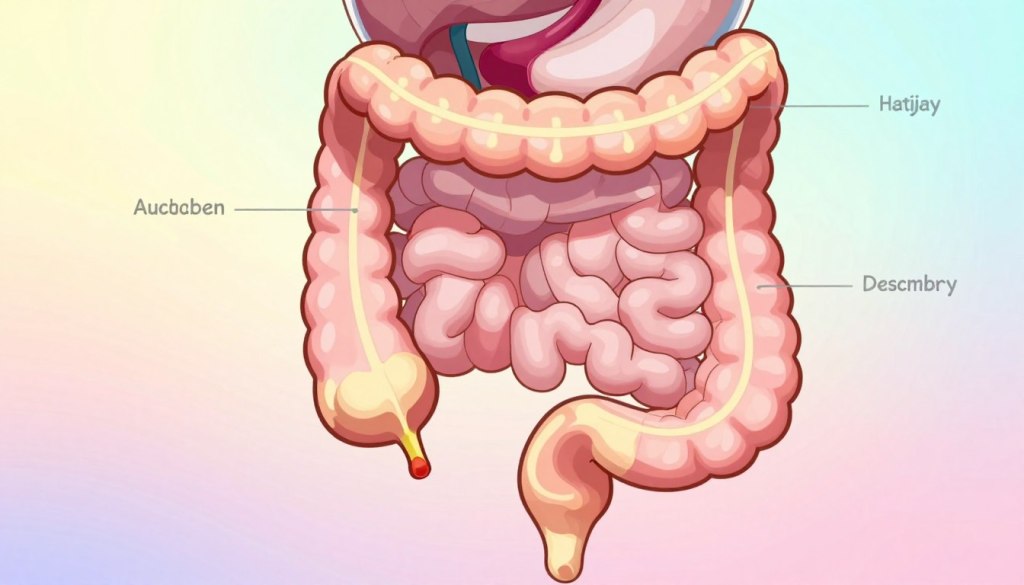
A detailed anatomical illustration of the human bowel, specifically focusing on the colon and rectum, displayed in a clear, educational style. In the foreground, a labeled diagram of the bowel structure, with bright colors for clarity. The middle ground features subtle annotations that indicate various sections, such as ascending colon and descending colon, in a professional font. The background should have a soft gradient in pastel colors to create a calming atmosphere, symbolizing health and well-being. Use soft, diffuse lighting to enhance the visibility of the details, with a slight overhead angle to give depth to the illustration. The overall mood is informative and supportive, suitable for readers seeking knowledge about digestive health.

How slower digestion affects daily comfort

People often notice straining, hard stools, or fewer trips to the bathroom each week. Small changes show up in big ways: “I don’t feel like eating,” “my belly feels tight,” or “I’m nervous to go out.” Those worries are real.

Why diet changes can reduce helpful nutrients

Appetites shrink. Chewing gets harder. Convenience meals and refined grains creep in. Over time, these shifts lower the intake of plant-based foods and key nutrients that support digestion.

  • Caregivers may pick easy meals that are lower in whole grains and produce.
  • That’s normal. It happens when routines change.
  • A simple plan helps: add a few high-fiber items and swap whole grains slowly.

Care advice: small swaps can improve comfort without an overhaul. Understanding different types of fiber makes it easier to choose foods that actually ease constipation. Next, we’ll explain those types and how they help health.

What dietary fiber is and how it supports digestive health

Simple plant parts in our meals do heavy lifting inside the gut, even if we don’t digest them. Dietary fiber is the name for that plant material. It moves slowly and helps the digestive system stay steady.
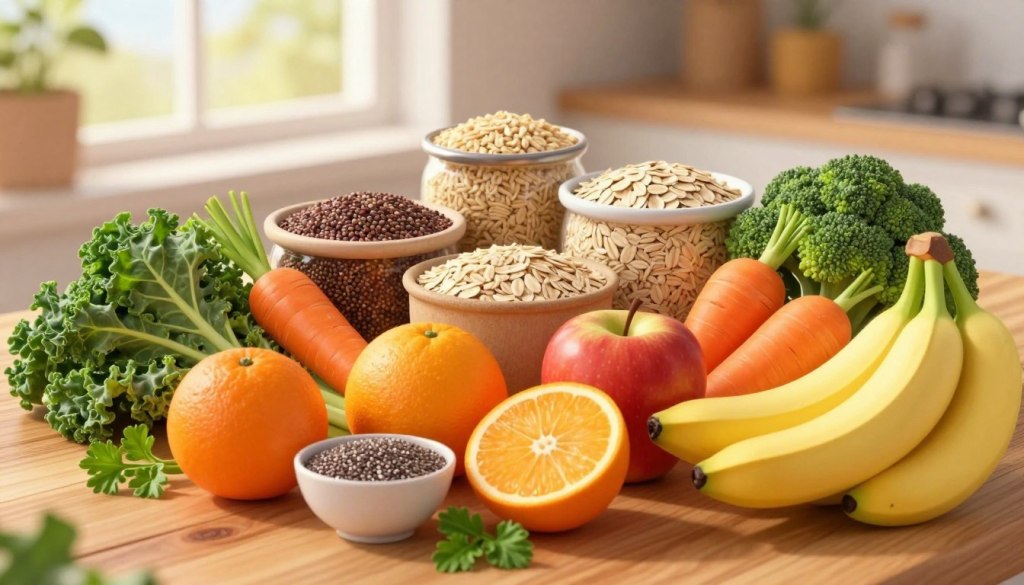
A close-up view of a variety of whole foods rich in dietary fiber, arranged artfully on a wooden table. The foreground showcases vibrant fruits like oranges, apples, and bananas alongside a mix of colorful vegetables such as kale, carrots, and broccoli. A small bowl of chia seeds and a few sprigs of fresh herbs add texture and detail. In the middle ground, include whole grains like quinoa and oats in rustic containers, highlighting their natural hues. In the background, soft, diffused natural light filters through a window, casting a warm glow over the scene, creating an inviting and healthy atmosphere. No human subjects are present, ensuring focus remains on the food.

Soluble options that help bulk and blood sugar

Soluble fiber soaks up water and forms a soft gel. That makes stools easier to pass and can lower blood cholesterol. It also helps with blood sugar control by slowing how fast sugars enter the blood.

Insoluble: the roughage that keeps things moving

Insoluble fiber adds structure. Think of it as gentle scrubbing material that speeds transit time. When constipation is frequent, this type is often the missing piece.

Resistant starch: the cook-cool trick

Resistant starch behaves like both types. It feeds helpful gut bacteria and supports sugar control. Try this: cook rice, potatoes, pasta, or beans, cool them in the fridge, and reheat later. The resistant starch rises after cooling and stays even after reheating.

“Mix types across the day — you don’t need to memorize the science. Small changes add up.”

  • Dietary fiber: plant parts your body can’t break down fully.
  • Mix soluble, insoluble, and resistant starch across meals.
  • Small swaps steady digestion and energy over time.
Type Main action Common foods Practical tip
Soluble Holds water, forms gel; supports cholesterol and blood sugar Oats, apples, beans, psyllium Add oatmeal or a small apple at breakfast
Insoluble Adds bulk, speeds transit Whole grains, wheat bran, vegetables Include a side salad or whole-grain toast
Resistant starch Feeds gut bacteria; helps sugar control Cooled rice, potatoes, pasta, beans Cook-cool-reheat meals to boost resistant starch

fiber for seniors: how many grams per day do you need?

A simple goal helps — roughly 25 to 30 grams each day. Most people in the U.S. get about half that, roughly 15 grams, which explains common slow digestion and discomfort.

The 25–30 grams/day target and why many fall short

Aim for 25–30 grams from food, not pills. That target supports regularity and overall health. Busy schedules and refined meals explain why intake often stays low.

How to increase grams gradually to avoid gas

Add 3–5 grams every few days. Move week-by-week. Small steps cut down on gas and cramping.

How much soluble fiber to include

Within the total, aim for about 6–8 grams of soluble fiber each day. Choose oats, beans, barley, apples, or oranges to hit that mark.

  • Practical check: “Did I include a fruit, a vegetable, and a whole grain today?”
  • Track a few days to learn what a high-fiber intake day looks like, then relax.
  • Different medical conditions change needs; we’ll cover safety and personalization next.

Want trusted background on boosting intake in older adults? See this overview at increased fiber and older adults.

High-fiber foods that relieve constipation without feeling like a “diet”

You don’t need a special plan—just familiar foods that help digestion. Keep meals simple. Pick items from any U.S. grocery aisle. Small swaps add grams without stress.

A vibrant assortment of high-fiber foods arranged on a rustic wooden table. In the foreground, a colorful variety of beans, lentils, and whole grains lie alongside a fresh bowl of mixed berries and sliced kiwi. In the middle, showcase an array of leafy greens such as kale and spinach, complemented by vibrant bell peppers and crunchy carrots. In the background, soft morning light filters through a window, illuminating the scene with a warm glow, enhancing the fresh, appetizing appearance of the foods. Capture the mood as inviting and cheerful, perfect for inspiring healthy eating habits. Use a shallow depth of field to keep the focus on the colorful foods while softening the background elements.

Fruits that pull their weight

Raspberries pack about 8g per cup. An avocado can add roughly 10g on its own. Apples and pears are best with the skin. Oranges bring soluble help and a sweet option.

Vegetables that help the digestive system

Spinach, kale, carrots, peas, broccoli, and sweet potato fit into soups, sides, and sheet-pan dinners. Peas (½ cup) and a medium sweet potato each add about 3–4g.

Beans and legumes

Lentils, chickpeas, and black beans give 7–8g per half cup. They supply protein and key nutrients that support regularity without a restrictive plan.

Whole grains that add grams fast

Oats, barley, bulgur, buckwheat, and brown rice are the quickest swaps. Try oatmeal at breakfast or whole-grain toast to boost totals with little fuss.

“Mix items across the day. Variety makes this easy and gentle on the gut.”

Group Example Typical grams Tip
Fruits Raspberries, avocado 8g; ~10g Add to yogurt or toast
Vegetables Peas, sweet potato 3–4g Include in soups or sides
Beans Lentils, chickpeas 7–8g Make chili or grain bowls
Whole grains Oats, barley, brown rice Varies by serving Swap white rice with brown rice

Quick note: Foods naturally contain both soluble and insoluble types, so mix items across the day. For trusted background on choices, see high-fiber food tips.

How to build a constipation-fighting day of meals

A simple daily blueprint can turn three meals into steady support for digestion. Keep choices familiar. Aim for small, repeatable swaps that fit routines and saved time.

A bright, inviting breakfast scene featuring a wholesome, fiber-rich meal spread out on a rustic wooden table. In the foreground, a colorful bowl of oatmeal topped with fresh berries and sliced bananas, alongside a glass of orange juice. In the middle, a plate of whole-grain toast with avocado and a sprinkle of chia seeds, with a side of Greek yogurt garnished with granola. The background includes a sunny kitchen with soft, natural light streaming through a window, highlighting green plants on the windowsill. The atmosphere is warm and cozy, conveying a sense of health and well-being, perfect for promoting a nutritious start to the day.

Breakfast ideas

Choose a high-fiber cereal with at least 5g per serving. Try oatmeal or oat bran sprinkled on yogurt. Add a piece of fruit and a slice of whole-grain bread to round out the plate.

Lunch and dinner templates

Build simple meals: bean-and-vegetable soup, a big salad with chickpeas, or chili with black beans. Make grain bowls with whole grains, roasted veggies, and a scoop of beans.

Snack swaps that steady intake without extra sugar

Pick berries instead of cookies. Try an apple with peanut butter, hummus with carrot sticks, or whole-wheat crackers and cheese. These small moves raise daily totals without spiking sugar.

“Let’s just add one fiber food per meal today.”

Prep tip: Cook a pot of lentil soup or a batch of brown rice once and use it across the day. This prep once, eat twice trick saves time and keeps the plan doable. For more meal examples, see a helpful 7-day meal plan.

Whole grains and brown rice: smart swaps that add fiber grams quickly

Small, steady swaps to grains can add helpful grams without changing meals. Start with one whole grain choice at each meal. That keeps changes gentle and realistic.

A tasteful arrangement of whole grains and brown rice in a warm, inviting kitchen setting. In the foreground, display a variety of whole grains, such as quinoa, barley, and bulgur, in rustic wooden bowls, alongside a steaming bowl of brown rice. In the middle, a woven basket holds a selection of grains with grains spilling gently out, creating a natural feel. The background features soft, diffused sunlight filtering through a kitchen window, illuminating rustic shelves lined with jars of grains and pasta. The atmosphere should be warm and inviting, evoking a sense of comfort and homeliness. Use a shallow depth of field to focus on the grains, creating a soft bokeh effect in the background. The overall mood should be wholesome and inspiring.

Reading labels to find the highest grams per serving

Check the Nutrition Facts for “grams” of fiber per slice or serving. Pick the loaf or cereal that gives more grams without changing taste too much.

Simple label rule: choose the product with higher grams per serving while keeping familiar brands.

Mixing brown rice with white rice to ease the switch

Start mixing brown rice with white rice at a 25/75 ratio. Move to 50/50 after a week or two. Texture and flavor stay close to what people expect.

Meal idea: use mixed rice in burrito bowls, stir-fries, or soup sides so no one feels put on a diet.

“One small swap each meal adds up over time.”

Swap Start ratio Impact (approx. grams) Quick tip
White toast → Higher-fiber bread 1 loaf (use at breakfast) +2–3 grams per slice Toast first to build confidence
White rice → Mixed rice 25% brown : 75% white +1–2 grams per cup Use in bowls or soups
Refined cereal → Whole-grain cereal Swap one serving +3–5 grams per bowl Keep same milk and fruit
  • Quick tip: include one whole grain each meal.
  • Take your time and make swaps feel like small wins.

Fiber, blood sugar, and heart health: benefits beyond regularity

What we eat does more than move the bowels—it shapes long-term heart and blood health. Small food choices can help everyday comfort and long-term outcomes.
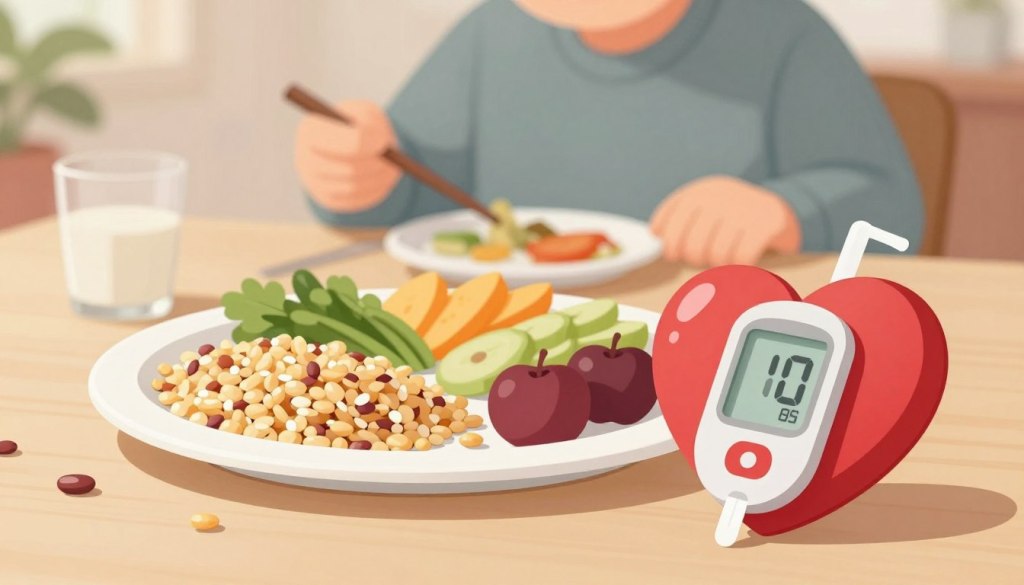
A serene, informative illustration focusing on the relationship between blood sugar, heart health, and fiber. In the foreground, place a heart symbol intertwined with a stylized glucose meter displaying a balanced reading, suggesting healthy blood sugar levels. In the middle ground, showcase a plate of fibrous foods like whole grains, beans, and fruits, arranged attractively to emphasize their benefits. In the background, a soft, blurred image of an elderly person enjoying a meal, dressed in modest casual clothing, adds a relatable element. The lighting should be warm and inviting, evoking a sense of comfort. Aim for a clean, minimalistic style that communicates the importance of fiber in promoting heart and metabolic health, capturing a friendly, educational atmosphere.

How soluble choices support blood sugar control in diabetes care

Soluble components slow how quickly sugar enters the blood. That steadying effect can improve blood sugar control over time.

This matters in diabetes care. One bowl of oats, a serving of beans, or an apple with skin can lower spikes and make medication timing easier.

Why a high intake links to lower heart risk and other conditions

Research shows high fiber eating patterns are tied to lower risk of heart disease, diabetes, diverticular disease, and some cancers.

Dietary habits that include oats, barley, lentils, apples, and oranges support cholesterol and overall heart health. Over weeks, small changes add up.

  • Reframe: it’s more than relief—it’s long-term care and protection.
  • Practical picks: oats/oat bran, barley, beans, lentils, apples, oranges.
  • Worried about meds, picky tastes, or tummy upset? Move slowly and track progress.

“One bowl of oatmeal, one cup of berries, one serving of beans—small moves with big payoff.”

Hydration, movement, and timing: making fiber work better

Small habits—like a warm drink after breakfast—help move a day toward steadier digestion.

Why water matters: plant parts in food hold fluid in the gut to soften stools. Without enough liquid, stools can harden and constipation may worsen. A simple rule: add fluids as you add grams.

A cozy kitchen scene illustrating hydration and digestion, focusing on a glass pitcher filled with fresh water alongside bowls of colorful, fibrous fruits and vegetables like fiber-rich apples, leafy greens, and bright orange carrots. In the foreground, a senior person in modest casual clothing is seen pouring water into a glass, emphasizing the importance of hydration. The middle ground features a wooden dining table with a healthy spread of high-fiber foods, while in the background, soft natural light flows through a window, creating a warm and inviting atmosphere. The overall mood is friendly and supportive, encouraging healthy habits. The camera angle is slightly angled down to capture both the person and the food composition effectively.

Practical hydration and movement cues

Try one glass with breakfast, a cup of soup at lunch, and herbal tea in the afternoon. Keep a small cup near medications when that fits the plan.

Move a little after meals. Short walks, light stretching, or seated leg lifts can boost bowel motility. These actions help the body use increased dietary choices.

Timing and a gentle routine

Many people get the best results with a consistent morning routine: breakfast, a warm drink, then a brief walk. No pressure—just predictable signals to the body at the same time each day.

  • Caregiver tip: ask two quick questions daily—“Did you have a drink with meals?” and “Did you walk for five minutes?”
  • Small check-ins work better than lectures. Celebrate small wins.

“A warm cup and a short walk can make a big difference.”

Safety note: If there is severe pain, blood, or a sudden change in bowel habits, seek care right away. Section 11 will explain when to call a health care provider.

When fiber isn’t enough: supplements, added fibers, and what to know

When food tweaks stall, caregivers often ask, “What’s next?” Start with a calm check. See if meal upgrades and hydration have had enough time to work.

A neatly arranged table displaying a variety of dietary supplements aimed at enhancing fiber intake, featuring colorful bottles of fiber capsules, fiber powder in a jar, and packets of added fiber mix, all set on a light wooden surface. In the foreground, a measuring scoop of fiber powder rests next to the jars, while a soft-focus, green plant in a pot provides a natural backdrop in the middle. The background is softly blurred with warm, natural lighting, creating an inviting atmosphere. Capture the scene with a slight overhead angle to emphasize the products while keeping the focus sharp on the supplements. The overall mood should convey health, positivity, and accessibility, suitable for seniors considering dietary options.

Food first vs. supplements: why sources matter

Whole foods bring vitamins, minerals, and steady relief that single pills do not. Aim to boost plate-based choices before reaching for supplements.

Added fibers like inulin: benefits and limits

Some packaged products add inulin or other isolated fibers. The FDA allows certain added fibers only when a health benefit is shown. That benefit may not always be constipation relief.

  • Supplements can help some people, especially when intake targets are hard to meet.
  • They may interact with meds or certain medical conditions. Talk to a clinician first.
  • Inulin can support calcium absorption, but it isn’t a guaranteed fix for constipation.

“Try food upgrades first. If progress stalls, discuss supplements with a provider and track results over a week.”

Safety tips and when to talk to a health care provider

A sudden change in bathroom habits can signal a bigger health issue. Talk with a clinician if symptoms are new, severe, or last more than a few days. This keeps care timely and protects dignity.

A warm and inviting health care setting that emphasizes safety and guidance. In the foreground, a friendly, middle-aged health care provider dressed in professional attire, attentively discussing dietary advice with a senior patient. The middle section features a table filled with colorful, fresh fruits and vegetables, emphasizing fiber-rich options like apples, leafy greens, and whole grains. In the background, a cozy clinic environment with soft, natural lighting filtering through large windows, creating a calm and reassuring atmosphere. The image should evoke a sense of trust and support, highlighting the importance of communication with health care providers regarding dietary choices for seniors. The overall composition should be well-balanced, focusing on the interaction between the provider and patient.

Medical conditions, medications, and sudden changes

Don’t wait to call a health care team when you see warning signs. Seek help for: sudden changes in bowel habits, persistent constipation despite diet shifts, severe belly pain, unexplained weight loss, or any blood in the stool.

How medical needs can change the approach

Some prescriptions slow the bowel. Other conditions need a different plan than adding more fiber. Bring a short note to appointments listing recent food changes, intake estimates, hydration, and what got better or worse.

Adjusting advice for diabetes, heart, or digestive issues

People with diabetes or heart concerns may benefit from more soluble choices like oats, beans, and barley. Increase servings slowly to protect comfort and blood control. If you have chronic digestive issues, follow clinician guidance before large changes.

Get extra support between appointments: Sign up for JoyCalls

Daily check-ins can spot subtle shifts in time and life. Sign up for JoyCalls to get summaries and alerts when you need them: Sign up for JoyCalls.

Talk to Joy now: 1-415-569-2439

If you want practical help right away, call 1-415-569-2439. Care is a team effort—family, clinicians, and simple check-ins protect comfort, privacy, and health.

“Kindness, routine, and a quick note at the clinic make medical decisions easier.”

Need daily routine ideas between visits? See a helpful example of a daily check-in routine to guide conversations and spot changes early.

Conclusion

Start today with one tiny swap and give it a few days. Small, steady changes at meals often ease constipation and improve digestion over time.

Aim toward 25–30 grams per day. Focus on food-first choices: whole grains, fruits, vegetables, and beans. Mix soluble options to help cholesterol and blood sugar, and add fluids so plant parts work well.

Caregivers: your calm check-ins and simple swaps are real care. Try adding one high‑fiber item at breakfast and one at lunch, then reassess comfort in a few days.

If symptoms are severe or do not improve, ask a health care provider for advice and adjust the plan together.

FAQ

What makes constipation more common as people get older?

As we age, digestion often slows down. Muscles in the gut move food more slowly, appetite and meal patterns can change, and some medications reduce bowel activity. All of this makes stool harder to pass and can leave older adults feeling uncomfortable more often.

How does slower digestion affect daily comfort and bowel habits?

Slower transit means stool stays in the colon longer and becomes drier. That can cause straining, bloating, and less frequent bowel movements. Simple daily routines like walking and regular meal times help keep the system moving.

Why do diet changes over time reduce fiber intake?

Aging brings appetite shifts, dental issues, and food preferences that favor softer, lower-fiber choices. Ready-made meals and fewer whole foods can cut daily grams of dietary fiber without someone noticing.

What is dietary fiber and how does it support digestive health?

Dietary fiber includes plant parts our body can’t fully digest. Different types do different jobs: some bulk up stool, some feed gut bacteria, and some slow sugar absorption. Together they ease bowel movements and support gut health.

What does soluble fiber do for stool, cholesterol, and blood sugar?

Soluble fiber absorbs water and forms a gel. That softens stool and helps it move. It also binds cholesterol and slows sugar uptake, which supports heart health and blood sugar control in people with diabetes.

How does insoluble fiber help keep things moving?

Insoluble fiber adds “roughage” that increases stool bulk and speeds transit through the intestines. That reduces constipation and helps maintain regularity with less straining.

What is resistant starch and how can cooking help blood sugar control?

Resistant starch resists digestion in the small intestine and ferments in the colon, feeding healthy bacteria. Cooking then cooling starchy foods—like rice or potatoes—boosts resistant starch and can blunt glucose spikes after meals.

How many grams per day should older adults aim for?

A common target is about 25–30 grams per day. Many people in the U.S. fall short. A steady, gentle increase helps reach the goal without upsetting the gut.

How should I increase grams of fiber to avoid gas and cramping?

Add fiber slowly over weeks. Pair changes with extra water, smaller portions at first, and gentle activity like walking. These steps reduce gas and make the change comfortable.

How much soluble fiber should be part of the total intake?

Aim for a mix of soluble and insoluble sources. Getting a few grams of soluble fiber at each meal—through oats, beans, fruit, or barley—supports digestion and blood sugar control.

Which fruits relieve constipation without feeling like a “diet”?

Berries, apples (with skin), pears, oranges, and avocado are tasty choices. They add natural sweetness plus water and grams of fiber that help soften stool.

What vegetables help the digestive system most?

Dark leafy greens, carrots, peas, broccoli, and sweet potato are high-impact picks. They supply bulk, nutrients, and gentle stimulation for the bowel.

How can beans and legumes help with both fiber and nutrients?

Lentils, chickpeas, and black beans pack soluble and insoluble fiber plus protein and minerals. They add grams quickly and make meals more filling and heart-healthy.

Which whole grains add grams fast?

Oats, barley, bulgur, buckwheat, and brown rice raise daily fiber counts without fuss. They work well in bowls, soups, or breakfast dishes.

What does a constipation-fighting day of meals look like?

Breakfast: high-fiber cereal or oat bran with fruit. Lunch: a hearty grain bowl or soup with beans and vegetables. Dinner: whole grain or brown rice with roasted veggies and a salad. Snack: fruit, nuts, or whole-grain crackers.

How can I make breakfast more bowel-friendly?

Choose high-fiber cereal, oat bran, or whole-grain toast. Add fruit like berries or sliced pear and a spoonful of nut butter for calories and extra bulk.

What are simple lunch and dinner templates that help?

Soups with lentils or beans, salads topped with chickpeas and whole grains, chili with mixed beans, and grain bowls with veggies all boost daily intake while staying comforting and familiar.

What snack swaps increase fiber without extra sugar?

Swap chips for air-popped popcorn, cookies for an apple with peanut butter, or yogurt for Greek yogurt topped with berries and a sprinkle of bran.

How do I read labels to pick the highest fiber bread or cereal?

Look at the grams per serving. Choose items with 3+ grams per slice or serving. Prefer whole-grain ingredients listed first: oats, whole wheat, barley, or bran.

Can I mix brown rice with white rice to make the switch easier?

Yes. Start with a mix—half white, half brown—then gradually increase the brown portion. This eases taste and texture changes while adding grams slowly.

How does a high-fiber diet help blood sugar and heart health?

Soluble fiber slows glucose absorption and helps lower LDL cholesterol. Over time, that supports diabetes care and lowers risk for heart disease and related conditions.

Why does hydration matter when increasing dietary fiber?

Fiber absorbs water. Drinking more fluids keeps stool soft and prevents blockages. Aim for regular sips throughout the day, especially when boosting intake.

When should I try supplements or added fibers?

Try food-first strategies first. If progress stalls or you have trouble eating enough whole foods, a fiber supplement or added fibers like inulin may help—but discuss options with a clinician.

What should I know about added fibers like inulin?

Added fibers can feed gut bacteria and increase regularity, but some people get gas or bloating. Start low and monitor symptoms. They aren’t a cure-all for constipation.

When is fiber not enough and I should see a provider?

Seek care for sudden changes, blood in stool, severe pain, unexplained weight loss, or if a laxative becomes necessary often. These signs need medical attention.

How do medical conditions and medicines change the approach?

Conditions like diabetes, heart disease, or IBS and some medications can affect gluten, fluid, and fiber needs. Adjustments are common—work with a clinician to tailor intake safely.

How can JoyCalls help between appointments?

JoyCalls checks in daily, notices habit changes, and sends summaries and alerts to caregivers. That extra layer of support helps families spot problems early and keeps older adults connected and cared for.

How do I talk to Joy now?

Call 1-415-569-2439 to learn more, sign up, or get immediate help setting up daily check-ins and caregiver alerts. It’s a simple step toward safer, kinder daily care.

Other Articles related to this article:

Medication Adherence Tips From Pharmacists (Simple, Proven)
Medication Reminders for Diabetes, BP, and Heart Meds (Systems That Stick)
Remote Medication Monitoring for Elderly Parents (What’s Realistic)
Medication Errors at Home: The Most Common Mistakes (And Fixes)
Side Effects vs Nonadherence: What Caregivers Should Watch For
The Best Time to Take Meds: Building a Habit Around Meals
Automatic Pill Dispensers: Do They Really Improve Adherence?
Medication Refills: Simple System to Never Run Out
How to Talk to a Stubborn Parent About Taking Meds
Polypharmacy in Seniors: Managing Too Many Meds Safely
Medication Reminders for Vision or Hearing Problems (Easy Fixes)
Medication Adherence for Dementia: Routines That Reduce Stress
Blister Packs and Bubble Packs: Are They Worth It for Seniors?
Pharmacy Sync: How to Align Refills on the Same Day
How to Keep an Updated Medication List (Template + Tips)
Text Message Medication Reminders for Seniors (Pros and Cons)
AI Medication Reminders: What They Can and Can’t Do
Medication Adherence for Seniors: Why Doses Get Missed
Post-Hospital Medication Plan: Avoiding Confusion After Discharge
Best Medication Reminder Methods (No Smartphone Needed)
Phone Call Medication Reminders: Do They Work Better Than Apps?
Pill Organizer 101: How to Choose the Right One for Seniors
Medication Management for Seniors Living Alone (Safety Plan)
Weekly Pill Planner Setup (Step-by-Step, 10 Minutes)
Daily Check-In Routine for Seniors Who Hate Being Checked On
How to Create a Medication Schedule That Actually Works
Medication Adherence Checklist for Caregivers (Fully Explained + Printable)
What to Do When Your Parent Says “I Already Took The Medicine”
How to Prevent Double Dosing in Seniors
Medication Reminder Apps for Seniors: What’s Actually Easy
How to Help Elderly Parents Remember Their Meds (Simple System)
Daily Check-In Routine for Seniors With Hearing Issues (Make It Easier)
Weekly Review: How to Spot Patterns From Daily Check-Ins
How to Start a Daily Check-In Routine in One Day (Fast Setup)
Daily Phone Check-In Services for Seniors: What to Look For
AI Check-In Calls for Seniors: How They Work (And What They Don’t Do)
The Best Daily Check-In Apps and Tools (And Simple No-App Options)
Daily Check-In Routine That Builds Real Connection (Not Just Monitoring)
How to Share Daily Caregiving Updates With Siblings (Without Miscommunication or Drama)
How to Set Boundaries With Daily Check-Ins (So It Doesn’t Take Over Your Life)
Daily Mood Check-Ins for Seniors: What to Watch For
Daily Check-In Routine After Hospital Discharge (First 14 Days)
How Often Should You Check In on Elderly Parents?
Daily Check-In Routine for Meals and Hydration (Quick Method)
Daily Check-In Routine for Seniors Living Alone (Safety + Connection)
How to Track Daily Check-Ins Without Feeling Like a Spreadsheet
Daily Check-In Routine for Medication Adherence (Without Nagging)
How to Build a Check-In Routine That Seniors Won’t Resist
Caregiver Check-In Schedule Template (Daily + Weekly)
Daily Check-In Routine for Elderly Parents (Simple Plan)
The 2-Minute Daily Check-In Script (No Awkward Talk)
The “No Answer” Escalation Plan for Daily Check-Ins
Daily Check-In Routine for Chronic Conditions (BP, Diabetes, COPD)
Daily Check-In Routine for Fall Risk (What to Ask Daily)
Daily Wellness Check Calls: What to Ask (7 Questions)
Daily Check-In Routine for Long-Distance Caregivers
What to Do If Your Parent Misses a Check-In (Step-by-Step)
Daily Check-In Routine for Dementia: Simple, Calm, Consistent
Daily Check-In Text vs Phone Call: Which Is Better for Seniors?
Morning vs Evening Check-Ins: What Works Best for Seniors
Caregiver Guilt: When You Can’t Be There to Keep Them Company
Senior Loneliness and Anxiety: Why They Feed Each Other
Does an AI Companion Help Senior Loneliness? What to Expect
How to Build a “Circle of Care” to Reduce Isolation (Neighbors, Friends, Family)
Volunteering for Seniors: The Best Way to Feel Connected Again
Loneliness in Men vs Women After 65: What Changes?
Senior Centers vs Community Groups: What Works Better for Loneliness?
“No One Needs Me”: How Purpose Reduces Loneliness in Aging
How to Make Phone Calls Feel Less “Check-In” and More Like Real Connection
Loneliness in Assisted Living: Why It Still Happens and What Helps
Loneliness or Depression? How to Spot the Difference in Older Adults
The Health Risks of Loneliness in Seniors (Heart, Brain, Immunity)
Loneliness in Older Adults: Signs, Causes, and What Helps
Loneliness in Seniors Without Smartphones: Low-Tech Ways to Stay Connected
Best Hobbies for Lonely Seniors (Easy to Start, Low Energy)
Social Isolation vs Loneliness: What’s the Difference in Seniors?
Retirement Loneliness: Why It Happens and How to Fix It
How to Help Seniors Make Friends After 60 (Practical Steps)
How to Create a Weekly Social Routine for an Elderly Parent
After a Spouse Dies: Loneliness in Widowhood (What Actually Helps)
How to Tell If Your Aging Parent Is Lonely (Even If They Say They’re Fine)
The “Quiet Withdrawal” Problem: When Seniors Stop Calling Back
How Often Should You Talk to Your Elderly Parents to Prevent Loneliness?
How to Help a Parent Who Refuses Social Activities
How to Help a Lonely Elderly Parent When You Live Far Away
Social Isolation in Seniors Living Alone: A Safety + Loneliness Plan
Senior Loneliness at Night: Why Evenings Feel Worse
Daily Check-In Calls for Seniors: Do They Reduce Loneliness?
Conversation Ideas for Seniors Who Feel Lonely (No Awkward Small Talk)
Loneliness and Dementia: Does Being Alone Speed Up Memory Loss?
Best Low-Tech Safety Devices for Seniors Living Alone
Home Safety Setup for Long-Distance Caregiving (Room-by-Room)
How to Track Meals and Hydration From Another City
Caregiver Guilt When You Live Far Away (How to Cope)
Smartwatch vs Phone Check-Ins: What Works Better for Seniors?
Scams Targeting Seniors: How to Protect Parents Remotely
When It’s Time for Assisted Living (Long-Distance Decision Guide)
How to Choose a Paid Caregiver When You Live Far Away
Weekly Care Plan Template for Aging Parents
Fall Risk: How to Reduce It When You’re Not There