

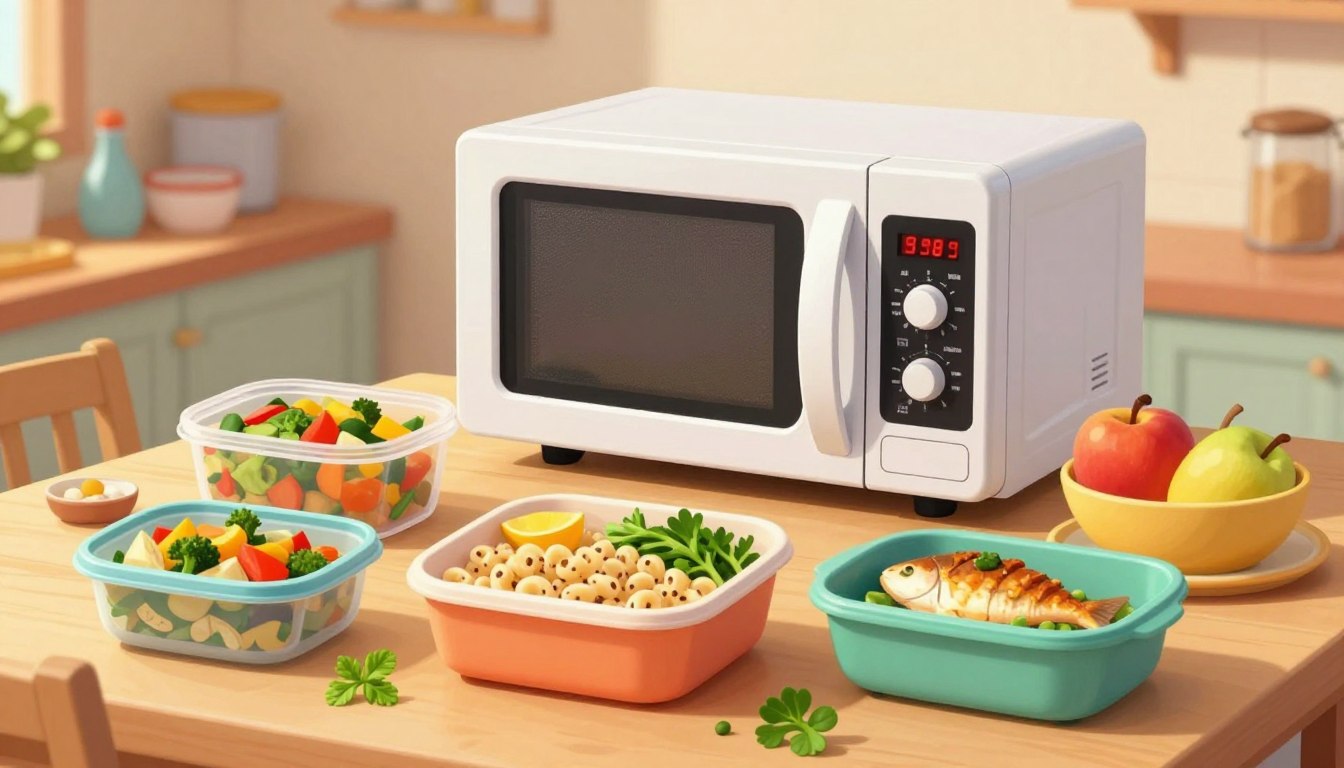
Did you know nearly one in three older adults skip a planned lunch when caregivers juggle work, kids, and errands? That real moment—“Did Mom eat today?”—hits hard. You want food that helps, not harms.
Quick scene: You call at 3 p.m., hoping a ready meal warmed at home was simple and safe. You worry about salt, chewing, and meds. You do not have endless time.
This buyer’s guide shows how to read labels, spot protein and fiber wins, and skip high-sodium traps. We’ll cover three decision buckets: nutrition, texture, and logistics. You’ll learn which items support appetite and which to avoid.
Care in-between: while you handle shopping and planning, JoyCalls can check in daily and send summaries so you stop guessing. Sign up: https://app.joycalls.ai/signup or talk to Joy now: 1-415-569-2439.
Key Takeaways
- Prioritize low-sodium and high-protein choices.
- Match texture to chewing ability and appetite.
- Watch interactions with meds and specific diets.
- Use delivery and storage plans that keep food safe.
- JoyCalls offers daily check-ins and caregiver alerts.
- Simple label reading saves time and boosts nutrition.
Why microwave meals can be a smart choice for seniors at home
Small conveniences in the kitchen can make a big difference to daily eating habits. Less standing. Less chopping. Fewer hot pans. That adds up to more eating and less strain.

Convenience in minutes when cooking feels hard
Predictable prep in minutes helps keep lunch on the table. A short routine cuts skipped lunches and late-night snacking when energy dips.
Supporting independence and peace of mind
Picking a meal, heating it, and eating on one’s schedule supports dignity. It lets a person remain independent while still getting proper nutrition.
Caregivers gain calm too. Reliable routines lower worry, especially when you live far away and can’t check the fridge daily.
When a delivery service beats grocery runs
Delivery often makes sense when driving is hard, weather is bad, or batch cooking becomes tiring. A scheduled plan can match appetite and health needs.
- Quick wins: less prep, less risk.
- Routine: stops skipped eating.
- Next up: fresh vs frozen vs refrigerated and how to pick a plan.
You’re not alone. Many families start with convenience and then upgrade to nutrition-focused choices once they know what to look for.
microwave meals for seniors: what “healthy” really means on the label
Look past packaging claims and focus on a few label numbers that truly matter for daily nutrition. Quick checks save time and keep eating consistent.
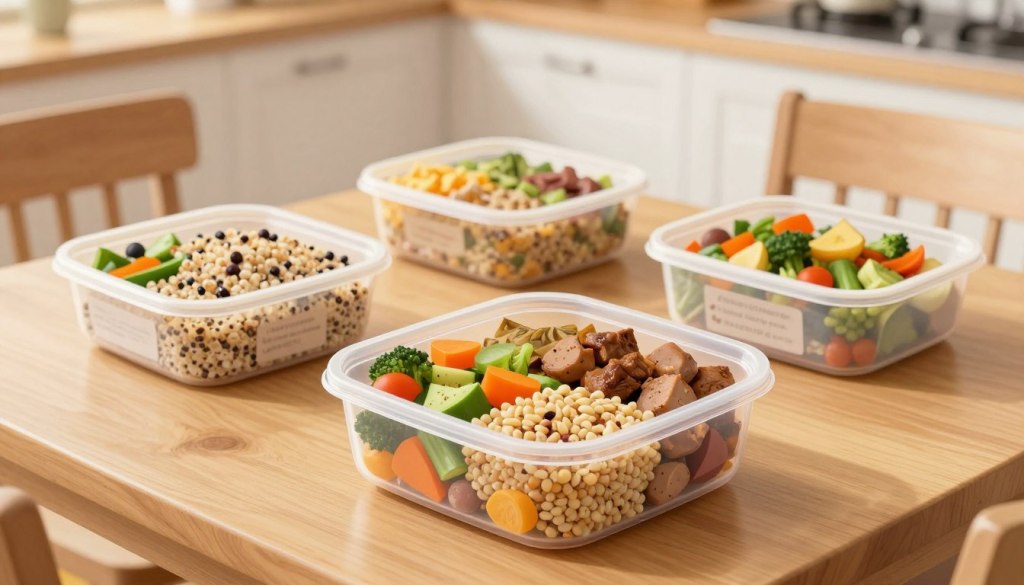
Look for dietitian-approved or medically tailored options
Dietitian-approved often means portion sizes and nutrient targets were reviewed by a professional. Medically tailored options are made for specific needs—post-hospital recovery, diabetes, or renal plans.
“When recovery matters, a medically tailored meal can cut guesswork and support healing.”
Prioritize heart-friendly nutrition with lower sodium
Sodium adds up fast. A good rule: aim for items near 600 mg or less per serving. That aligns with AHA-style guidance and reduces daily risk.
Choose recognizable ingredients and balanced portions
Scan the ingredient list. If it reads like a chemistry quiz, it’s likely ultra-processed. Look for whole-food names first.
- Label basics: sodium, protein, fiber, added sugars, ingredient length.
- Portion balance: protein + vegetable + a modest carb avoids overeating and blood-sugar swings.
- Texture matters: softer, easy-to-chew options reduce fatigue and make eating more likely.
Shopper mindset: the best menu is the one the person will eat every day. Taste and comfort matter as much as nutrition.
Learn how to pick wisely: choose a healthy frozen meal and match choices to real needs.
Ingredients and nutrition features to prioritize when you buy
Choose ingredients that protect appetite and heart while keeping dinner simple and tasty.
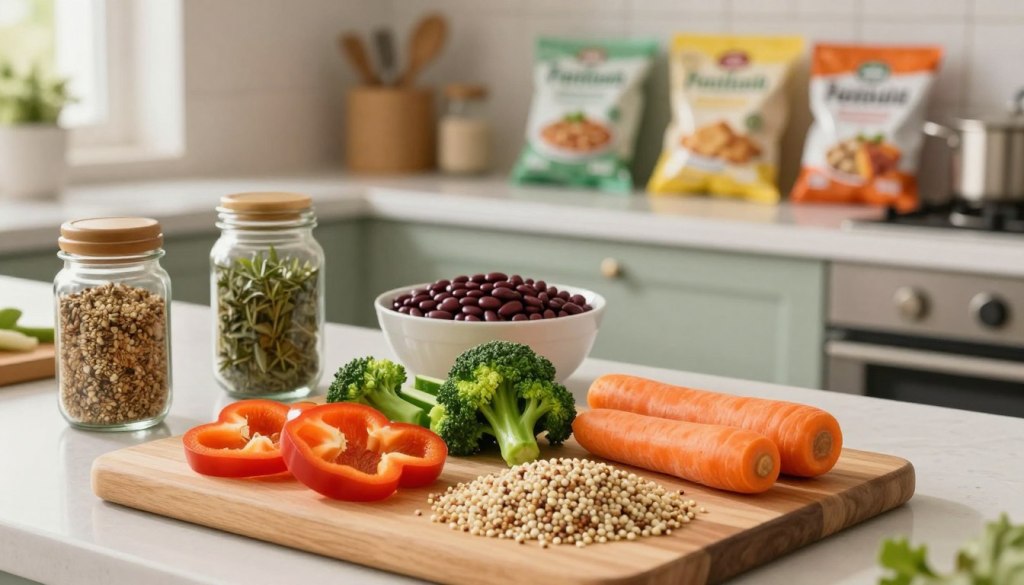
Start with a few clear rules. Look for short ingredient lists, lean protein, and fiber-rich sides. Aim for flavor without salt so eating stays enjoyable.
Low-sodium benchmarks to shop toward
A useful cap is 600 mg or less of sodium per meal. That number keeps a single serving reasonable when you think about heart health across a full day.
Lean proteins and cholesterol-friendly choices
Pick proteins labeled 90% lean or higher. They support strength while keeping saturated fat lower. This helps older adults keep muscle without adding excess cholesterol.
Try JoyCalls Free
No app or new device needed. Start with a free 7-day trial.
Fiber-forward sides and vegetables
Choose beans, whole grains, and colorful vegetables. Fiber supports regularity and steadier energy. It also makes the plate more filling without extra fat.
Flavor without excess salt
Good brands use herbs, citrus, vinegar sauces, and mild spice blends. These build taste so a customer won’t add salt at the table.
- Quick checklist to screenshot: ≤600 mg sodium • 90%+ lean protein • fiber sides (beans, grains, veg) • simple, recognizable ingredients.
- Dinner reality: repeatable, tasty choices beat perfect but unused meals.
- Buyer tip: if a meal tastes flat, people add salt. Opt for naturally flavored options instead.
| Feature | What to look for | Why it matters |
|---|---|---|
| Low sodium | 600 mg or less per meal | Protects heart and blood pressure across the day |
| Lean protein | 90% lean or named cuts (chicken, turkey, fish) | Supports strength with lower cholesterol impact |
| Fiber sides | Legumes, whole grains, vegetables | Improves regularity and steady energy |
| Flavoring | Herbs, citrus, vinegar, spice blends | Keeps taste without extra salt |
Want more picky-shopper help? Read a practical guide on frozen picks at healthy frozen meal choices or learn how check-ins can support eating routines at JoyCalls check-in timing.
Microwave meals to avoid or limit for senior health needs
Not every ready option is a safe pick. Some convenience trays trade long shelf life for heavy salt, sugar, and preservatives. That can make eating harder instead of easier.

High-sodium choices that work against heart health
Watch the sodium. Many packaged dinner items top 800–1,000 mg per serving. That adds up fast when snacks or soup are eaten the same day.
Ultra-processed red flags
Look for very long ingredient lists, words like “modified,” and sweet or bright sauces. These often mean heavy additives and low real food content.
Portion pitfalls and medical-fit problems
Oversized trays push calories and sodium. Tiny portions leave people hungry and reaching for sugary snacks later.
- Tip: If a favorite meal is borderline, split it into two smaller plates.
- Balance: Choose a low-sodium breakfast or lunch that day to protect the heart and blood pressure.
- Ask: Confirm a meal fits diabetes, renal, or other doctor-directed needs before buying.
“Taste matters. The best long-term choice supports health while still feeling comforting.”
Microwave safety and packaging: what to check before heating
Start with the box: a fast glance at packaging and temps can make reheating worry-free.

Container checks and “poke the film” directions
Quick pre-heat routine: confirm the container says it is microwave-safe, poke the film or vent as directed, and heat to a safe internal temp. A typical heat time is about 5 minutes for many trays.
- Check labels — no metal or cracked plastic.
- Poke or vent the film exactly where it shows.
- Let the tray rest briefly after heating to avoid steam burns.
Vacuum-sealed trays, insulated shipping, and dry ice basics
Vacuum sealing locks in freshness. Insulated boxes and dry ice keep products cold during delivery so items reach your door safely.
If a box arrives warm, do not store. Call the delivery company or customer support right away.
When oven heating may be a better option
Use the oven or a skillet when you want crisp texture or more even heat. Some dishes dry out in a short blast, and gentle oven heating can fix that.
“Safe heating is mostly about following the label and not rushing—especially when time is tight.”
Tip: a quality service includes clear directions and responsive help if anything arrives damaged. That gives caregivers and customers real peace of mind.
Fresh vs frozen vs refrigerated: storage, shelf life, and planning meals
Pick storage that matches your rhythm. Fresh-style options arrive ready to eat and usually taste brighter. Refrigerated trays sit in the fridge and can cut the need to shop every few days.
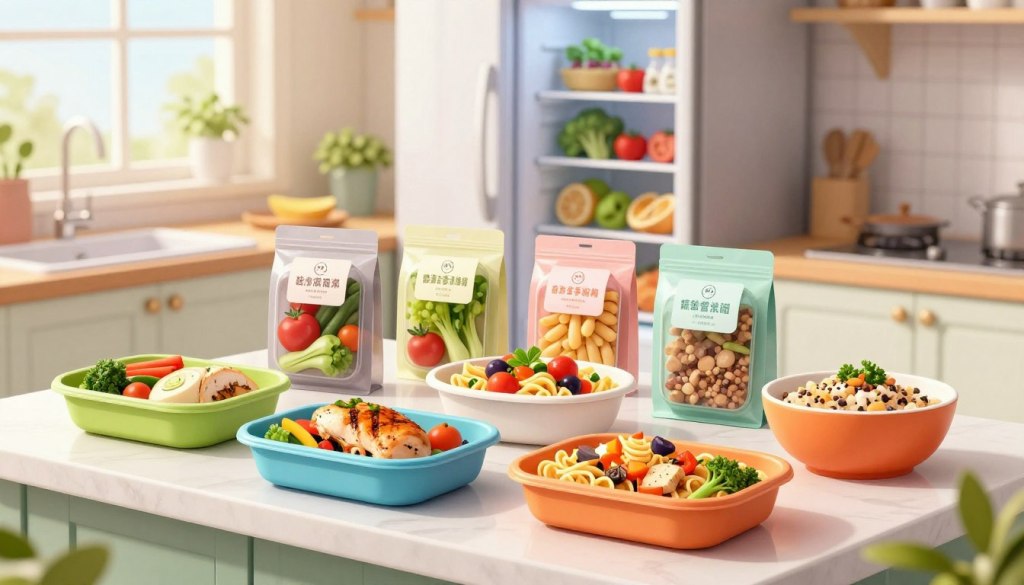
Refrigerated windows: Mom’s Meals notes items last at least 14 days when chilled. MealPro offers about 7 days in the fridge and can be frozen up to 3 months.
Freezer flexibility
Use the freezer as backup. Freeze extras to keep options on hand if a delivery is late or appetite changes. Frozen goods give longer shelf life and let you spread costs over time.
Easy planning rhythm
- Map a week: label favorites and set one low-effort meal each day.
- Keep two frozen picks for gaps.
- Mix plans: refrigerated staples plus frozen extras bring peace of mind at home.
Food safety note: store items promptly after delivery, follow “use by” guidance, and avoid refreezing fully thawed trays if the brand advises against it.
“Predictable food choices cut decision fatigue and help someone eat more often.”
How to Build a Safer Microwave Meal Routine for Seniors Living Alone
Choosing the right microwave meal is only half the job. The real difference comes from building a simple daily routine around it. For many seniors, the challenge is not just “Is this meal healthy?” It is also, “Will I remember to eat it?” “Can I heat it safely?” “Will it taste good enough that I actually finish it?” and “Will my family know if I skipped lunch again?”
A good microwave meal routine should be easy, repeatable, and forgiving. It should work on tired days, low-appetite days, busy caregiver days, and days when memory, vision, balance, or hand strength are not at their best. The goal is not to create a perfect meal plan. The goal is to make eating safer and more consistent without making the senior feel watched, corrected, or dependent.
This section focuses on practical systems seniors and families can use at home.
Start With a “Two-Minute Meal Check” Before Buying Anything
Before ordering a box of meals or filling the freezer, take two minutes to understand what the senior actually needs during the week. Many families skip this step and end up buying meals that look healthy but do not fit real life.
Ask these five questions:
- Which meal gets skipped most often?
- Is the senior eating alone or with someone else?
- Are there chewing, swallowing, dental, or appetite issues?
- Are there medical diet instructions from a doctor, dietitian, or discharge plan?
- Can the senior safely remove a hot tray from the microwave?
These answers matter because the “best” microwave meal is not the same for every person. A senior who skips lunch may need lighter, easy-to-finish midday meals. Someone recovering from illness may need more protein. A person with sore gums may need softer textures. A person with shaky hands may need containers that are easier to grip and open.
This quick check also prevents overbuying. Instead of ordering twenty different meals at once, start with a smaller trial set. Choose three to five meals for the most difficult eating moments of the week. For example, if dinner is usually fine but lunch is often missed, focus on lunch options first. If breakfast is steady but evenings are tiring, keep easy dinners ready.
A helpful rule is: solve the weakest meal first. Do not try to redesign the whole diet in one week.
Create a “Default Plate” for Low-Energy Days
Many older adults do not skip meals because they dislike food. They skip meals because making decisions feels tiring. A freezer full of choices can become overwhelming, especially when appetite is low.
A “default plate” solves this problem. It is a pre-decided meal combination that requires almost no thinking.
A strong default plate includes:
- One microwave entrée with protein
- One soft vegetable or fiber-rich side
- One drink nearby
- One simple add-on if appetite allows
For example, a senior may choose a chicken-and-rice microwave meal, add microwavable green beans, and keep a glass of water or milk nearby. Another person may prefer a lentil bowl with a side of applesauce or yogurt. The meal does not need to be fancy. It needs to be reliable.
Caregivers can help by labeling two or three meals as “easy lunch,” “soft dinner,” or “high-protein choice.” Large labels are especially helpful for seniors with vision changes. Use simple words, not long instructions.
Avoid labels that sound controlling, such as “must eat” or “doctor-approved only.” Better labels feel supportive: “Good lunch,” “Easy on teeth,” “Light dinner,” or “Protein boost.”
The goal is to remove friction. When the senior opens the fridge or freezer, the next step should be obvious.
Make the Microwave Setup Senior-Friendly
A healthy meal is not helpful if the heating process feels unsafe. Many seniors struggle with more than the microwave itself. The problem may be bending into a low freezer, peeling tight plastic film, reading small print, carrying a hot tray, or remembering the standing time after heating.
A safer setup starts with placement.
Keep frequently used meals at waist or chest height when possible. Avoid storing daily meals in the bottom freezer drawer if bending is difficult. If frozen meals must stay low, place the most-used items in a front basket so the senior does not need to dig.
Next, simplify the microwave area. Keep the counter clear. Place a sturdy, heat-safe plate nearby. Add an easy-grip oven mitt or silicone mat. If the microwave buttons are hard to read, use small high-contrast stickers for the most-used buttons, such as “2 min,” “start,” and “stop.” Some families also write a simple heating note on a card near the microwave.
A good card might say:
“Heat meal. Let it sit. Use mitts. Check that middle is hot.”
That is enough. Long instructions often get ignored.
For seniors with memory changes, avoid relying only on package directions. A caregiver can pre-mark meals with larger notes: “Heat 3 minutes, stir, heat 1 more minute.” Keep the wording consistent. Repetition builds confidence.
Use the “Hot Middle” Rule Before Eating
Microwave meals can heat unevenly. The outside may feel hot while the middle is still cool. This is especially common with dense foods such as casseroles, pasta dishes, rice bowls, mashed potatoes, and meals with thick sauces.
Teach one simple safety rule: check the middle.
After heating, the senior should let the food stand for the time listed on the package, then gently stir or cut into the center. If the center is still cool, heat again in short bursts. A food thermometer is ideal for some households, but not every senior will use one consistently. At minimum, the food should be steaming hot throughout, not just warm at the edges.
Caregivers can also choose meals that are easier to heat evenly. Bowls, stews, soft vegetables, and saucy dishes often reheat more evenly than large blocks of meat or layered dishes. Meals that allow stirring partway through heating are often safer and more pleasant to eat.
Steam burns are another concern. Seniors should open film away from the face and hands. If opening tight plastic is difficult, transfer the food to a microwave-safe dish before heating, if the product instructions allow it. A wide, shallow dish can also make the meal easier to stir and eat.
Build Meals Around Appetite, Not Just Nutrition Numbers
Nutrition labels matter, but appetite matters too. A meal with excellent sodium, protein, and fiber numbers does not help if it stays untouched.
Older adults may eat less because of medication side effects, loneliness, grief, dental discomfort, constipation, taste changes, or low mood. Some may feel hungry but get full quickly. Others may lose interest in food when eating alone.
This is why microwave meals should be chosen for both nutrition and emotional comfort. Familiar foods can be powerful. A senior who grew up eating soups, rice dishes, pasta, potatoes, stews, or soft cooked vegetables may accept these more readily than trendy bowls or unfamiliar spices.
Instead of asking, “What is the healthiest meal?” ask, “What will be eaten on a normal Tuesday?”
For low appetite, smaller meals can work better than large trays. A senior may do well with half a meal now and the rest later, as long as leftovers are stored safely and reheated properly. Another strategy is to add small nutrition boosters without increasing meal size too much.
Helpful add-ons may include:
- Greek yogurt
- Cottage cheese
- Scrambled egg
- Soft beans
- Peanut butter on toast
- Avocado
- Fruit cup packed in juice
- Low-sodium soup
- Milk or fortified milk alternative
These add-ons are not meant to complicate the routine. They are backup tools for days when the main meal is too small.
Keep a “No-Cook Backup Shelf”
Even the best microwave plan can fail. The power may go out. The senior may feel too tired to heat food. A delivery may arrive late. The freezer may be empty. A caregiver may forget to reorder.
Every senior living alone should have a small no-cook backup shelf. This does not replace meals, but it protects against skipped eating.
Good backup items are easy to open, easy to chew, and shelf-stable. Consider items like low-sodium tuna packets, soft fruit cups, nut butter, whole-grain crackers, protein shakes recommended by a clinician, shelf-stable milk, unsweetened applesauce, oatmeal cups, or ready-to-eat soups that can be heated if desired.
Choose packaging carefully. Pull tabs and tear-open packets are helpful only if the senior can open them. If arthritis or weak grip is an issue, test the packaging before buying in bulk. Keep an easy-grip opener nearby.
Place backup foods in one visible area. Do not scatter them across the pantry. Label the shelf clearly: “Easy meals if tired.” This helps the senior use the food without feeling like they are in an emergency.
Caregivers can check this shelf weekly. If the same items remain untouched for months, replace them with foods the senior actually likes.
Plan for Hydration Alongside Microwave Meals
Microwave meal planning often focuses on food and forgets fluids. That is a mistake. Some seniors eat less when they are mildly dehydrated. Others confuse thirst with fatigue. Some avoid drinking because they worry about bathroom trips, especially at night.
Pair each microwave meal with a drink. This is a simple habit that supports hydration without turning it into a lecture.
Place a drink next to the meal before heating or while the meal is resting. Water is fine, but it does not have to be the only option. Depending on medical needs, suitable drinks may include milk, diluted juice, herbal tea, broth, or an oral nutrition drink recommended by a healthcare professional.
For seniors who resist drinking, use smaller cups. A large glass may feel like too much. A small cup finished consistently is better than a large cup ignored all day.
Caregivers can also create “drink stations” in common areas: one by the favorite chair, one near medications, and one near the microwave. The easier the drink is to see and reach, the more likely it is to be used.
Watch for Meal Fatigue Before It Causes Skipped Eating
Meal fatigue happens when the senior gets bored with the same meals, even if they are technically healthy. This can show up as half-eaten trays, complaints that food “has no taste,” extra snacking, or sudden refusal of a meal that used to be a favorite.
The fix is not always a new meal service. Sometimes a small rotation is enough.
Create three meal categories:
- Reliable favorites
- Soft or gentle meals
- New trial meals
Reliable favorites are the meals the senior usually finishes. These should make up the core of the plan. Soft or gentle meals are for dental pain, illness, or low-energy days. New trial meals keep variety alive, but they should be introduced slowly.
A practical ratio is 70% favorites, 20% gentle backups, and 10% new meals. This gives variety without making the week unpredictable.
Flavor add-ons can also help. Keep low-sodium, senior-friendly options nearby, such as lemon juice, black pepper, garlic powder, salt-free seasoning blends, mild salsa, plain yogurt, or herbs. Avoid pushing spicy sauces unless the senior enjoys them and tolerates them well.
Taste changes are common with age. Food may need more aroma, warmth, moisture, or color to feel appealing. Adding a soft side, a small garnish, or a familiar condiment can make a microwave meal feel more like a real plate instead of a tray.
Create a Gentle Meal Tracking System
Families often want to know whether an older loved one has eaten. Seniors, however, may not want to feel monitored. The best tracking systems are simple and respectful.
One low-pressure method is the “meal magnet” system. Place three magnets on the fridge labeled breakfast, lunch, and dinner. After eating, the senior moves the magnet to the other side. A caregiver can check during a visit or video call without asking too many questions.
Another method is a paper meal card. It can have three boxes per day: breakfast, lunch, dinner. The senior checks a box after eating. Keep the card large, clear, and nonjudgmental.
For families using daily calls, a gentle question works better than interrogation. Instead of asking, “Did you eat your healthy meal?” try:
“What sounded good today?”
“Was lunch easy to heat?”
“Did the meal taste okay, or should we switch that one?”
“Would you like lighter dinners this week?”
These questions invite conversation. They also uncover useful patterns. If a senior repeatedly says the tray was hard to open, the issue is packaging. If they say the meal was too much, the issue may be portion size. If they say nothing tastes good, appetite, medication, dental issues, or mood may need attention.
The purpose of tracking is not to catch mistakes. It is to notice patterns early.
Know When a Microwave Meal Plan Needs Medical Input
Microwave meals are convenient, but they should not replace medical guidance when health needs are specific. Families should involve a clinician, dietitian, or care team when the senior has kidney disease, heart failure, diabetes with frequent highs or lows, swallowing difficulties, significant weight loss, poor appetite after hospitalization, or pressure sores.
Also pay attention to warning signs. Call a healthcare professional if the senior is regularly skipping meals, losing weight without trying, coughing during meals, struggling to swallow, feeling dizzy, showing signs of dehydration, or leaving most food uneaten.
A meal plan should support health, not hide a deeper problem. Sometimes the issue is not the meal itself. It may be dental pain, depression, medication side effects, constipation, loneliness, or difficulty using the kitchen safely.
Caregivers should treat microwave meals as one part of a larger care routine. Food, medication, hydration, movement, mood, and social contact are connected. When one area slips, the others often follow.
A Simple Weekly Routine Families Can Start This Week
Here is a practical weekly system that works for many households:
On Sunday or delivery day, choose five easy meals and two backup meals. Put the easiest options at eye level in the fridge or freezer. Label them by use: “Monday lunch,” “easy dinner,” or “soft meal.”
Each morning, place one meal in the fridge to thaw if the instructions allow it. Confirm there is a drink available. Check that the microwave area is clear and that mitts or a towel are nearby.
At mealtime, use the same heating steps every time: read the label, vent if needed, heat, let stand, check the middle, and use caution with steam.
After eating, mark the meal as done using a magnet, card, call, or simple family update. If a meal is skipped, do not scold. Ask what got in the way and adjust the plan.
At the end of the week, review three things: which meals were finished, which meals were avoided, and which part of the process felt difficult. Then reorder based on what actually worked.
This is how microwave meals become more than convenience. They become a dependable support system. For seniors, that can mean fewer skipped meals, less stress in the kitchen, and more confidence at home. For caregivers, it means fewer unanswered worries and more useful information about daily well-being.
A good routine does not need to be complicated. It needs to be kind, clear, and easy to repeat.
Common Eating Challenges Seniors Face—and How Microwave Meals Can Help
Many conversations about senior nutrition focus on nutrients, calories, sodium levels, protein intake, and healthy ingredients. While those factors are certainly important, they do not always address the real reasons older adults struggle to eat well.
In many cases, the challenge is not knowing what healthy food looks like. The challenge is being able to prepare, access, enjoy, and consistently consume that food every day.
A senior may fully understand the importance of eating nutritious meals but still skip lunch because standing in the kitchen feels exhausting. Another may have a refrigerator full of healthy options but lack the motivation to cook for one person. Someone else may struggle with arthritis, making meal preparation frustrating and painful.
This is where thoughtfully chosen microwave meals can provide more than convenience. They can remove barriers that prevent seniors from maintaining consistent nutrition.
The key is understanding the specific challenges older adults face and using microwave meals strategically to address them.
When Cooking Starts Feeling Like Hard Work
One of the biggest changes many seniors experience is the gradual increase in effort required to prepare meals.
Tasks that once seemed simple may become physically demanding:
- Standing for extended periods
- Chopping vegetables
- Opening jars
- Lifting heavy pots
- Carrying groceries
- Cleaning dishes
- Monitoring multiple items on the stove
Even seniors who remain active and independent can find themselves avoiding cooking simply because it requires too much energy.
Unfortunately, when meal preparation becomes difficult, eating habits often deteriorate.
Many older adults begin:
- Skipping meals
- Replacing meals with snacks
- Eating less variety
- Relying on highly processed convenience foods
- Ordering takeout frequently
Microwave meals can help bridge this gap.
Instead of spending 45 minutes preparing lunch, a senior can have a balanced meal ready in minutes.
This preserves energy for activities that contribute more meaningfully to quality of life, such as:
- Walking
- Socializing
- Hobbies
- Family time
- Exercise
- Rest and recovery
The goal is not to eliminate cooking entirely.
Many seniors still enjoy cooking occasionally.
The goal is to remove the pressure of having to cook every single meal.
Living Alone Changes Eating Habits More Than Most Families Realize
One of the most overlooked nutritional challenges among seniors is social isolation.
People often eat differently when they are alone.
Research consistently shows that many older adults consume fewer calories and less variety when dining by themselves.
There are several reasons for this:
Meals Feel Less Important
When preparing food for a family, there is a purpose behind the effort.
When cooking for one person, some seniors begin asking:
“Why go through all that work?”
As a result, meals become smaller and less balanced.
Motivation Declines
Cooking can be enjoyable when it is shared.
Without companionship, meal preparation may start to feel like a chore.
Many seniors eventually choose convenience over nutrition simply because the reward feels smaller.
Appetite May Decrease
Loneliness can directly affect appetite.
Some seniors genuinely feel less hungry when they spend long periods alone.
Others lose interest in food entirely.
Microwave meals can help by reducing the effort needed to eat something nutritious.
When preparing a healthy meal requires only a few minutes, seniors are often more likely to follow through.
Family members can also help create positive meal experiences by:
- Scheduling regular video lunches
- Sharing meal photos
- Eating together during visits
- Discussing favorite meals during phone calls
Sometimes improving nutrition is not about changing the food.
It is about making meals feel meaningful again.
Managing Arthritis and Limited Hand Strength
Arthritis affects millions of older adults.
Pain, stiffness, and reduced grip strength can transform simple kitchen tasks into major obstacles.
Common frustrations include:
- Opening containers
- Peeling vegetables
- Cutting ingredients
- Stirring heavy pots
- Carrying cookware
- Washing dishes
Many seniors quietly adapt by eating less complicated foods.
Unfortunately, this often means sacrificing nutritional quality.
Microwave meals can significantly reduce physical strain because they eliminate many of these repetitive tasks.
However, not all microwave meals are equally senior-friendly.
When shopping, look for:
Easy-Open Packaging
Packages should open without requiring excessive force.
Avoid products with:
- Extremely tight seals
- Difficult plastic films
- Complex multi-step preparation
Lightweight Containers
Meals should be easy to lift safely.
Heavy containers increase the risk of spills and burns.
Minimal Handling Requirements
The best microwave meals require:
- Heating
- Resting
- Eating
Nothing more.
Reducing hand strain can make daily nutrition substantially easier and less frustrating.
How Vision Changes Can Affect Meal Choices
Many seniors experience age-related vision changes.
These may include:
- Reduced contrast sensitivity
- Difficulty reading small print
- Trouble distinguishing similar colors
- Lower night vision
- Increased sensitivity to glare
These challenges can impact food choices more than families often realize.
A senior may avoid certain meals simply because:
- Instructions are difficult to read
- Expiration dates are hard to see
- Cooking directions seem confusing
- Packaging labels are too small
To make microwave meals safer:
Use Large-Print Labels
Consider adding simple stickers such as:
- Lunch
- Dinner
- High protein
- Easy meal
- Soft texture
Improve Kitchen Lighting
Good lighting can dramatically improve confidence.
Focus on:
- Countertops
- Microwave controls
- Refrigerator shelves
Organize Meals Consistently
Store similar meals together.
Predictable organization reduces confusion and frustration.
Small adjustments often make meal preparation feel significantly more manageable.
Supporting Seniors Recovering From Illness or Surgery
Recovery periods create unique nutritional challenges.
Older adults recovering from:
- Hospitalization
- Surgery
- Infection
- Injury
- Rehabilitation
often need more nutrition than usual.
At the same time, they frequently have less energy to prepare meals.
This creates a difficult situation.
The body requires fuel for healing, yet the person may feel too tired to cook.
Microwave meals can play an important role during recovery because they provide quick access to food without requiring extensive effort.
When selecting meals during recovery, prioritize:
Protein
Protein supports:
- Muscle maintenance
- Tissue repair
- Immune function
Calories
Some recovering seniors unintentionally lose weight.
Meals should provide adequate energy.
Hydration Support
Consider meals with:
- Soups
- Stews
- Vegetables with higher water content
Easy Digestion
Immediately after illness, simple foods may be better tolerated than heavily seasoned or rich meals.
Recovery is often temporary.
Microwave meals can serve as a practical bridge until strength and stamina improve.
Preventing the “Snack Instead of Meal” Habit
Many seniors gradually develop a pattern of replacing meals with snacks.
This may happen because:
- Snacks are easier
- Appetite is reduced
- Cooking feels inconvenient
- Eating alone feels unappealing
The problem is that snacks rarely provide the balanced nutrition found in a complete meal.
A day that includes:
- Crackers
- Cookies
- Chips
- Candy
- Toast
may leave important nutritional gaps.
Microwave meals can help interrupt this cycle.
One useful strategy is creating a simple rule:
“When it’s mealtime, start with a meal.”
Snacks can still have a place in the day.
However, lunch and dinner should ideally include:
- Protein
- Vegetables
- Fiber
- Complex carbohydrates
Having microwave meals readily available makes following this rule much easier.
Addressing Fear of Kitchen Accidents
Some seniors become anxious about cooking after:
- Falls
- Minor burns
- Forgetting food on the stove
- Near misses
This fear can significantly reduce food intake.
A person may begin avoiding cooking altogether.
Microwave meals offer a safer alternative because they generally eliminate:
- Open flames
- Hot stovetops
- Boiling liquids
- Extended cooking times
That said, safety remains important.
Encourage seniors to:
- Use microwave-safe containers
- Allow food to rest after heating
- Use oven mitts when needed
- Open steaming packages carefully
- Keep pathways clear
Reducing anxiety around meal preparation often increases confidence and independence.
Recognizing the Early Warning Signs of Nutritional Decline
Families often notice nutritional problems only after significant weight loss occurs.
Unfortunately, nutritional decline usually begins much earlier.
Watch for signs such as:
Changes in Food Purchasing
The refrigerator becomes emptier.
Fresh foods disappear.
Meals become less varied.
Reduced Portion Sizes
A senior begins leaving food unfinished consistently.
Increased Reliance on Convenience Snacks
Meals are replaced with:
- Crackers
- Cookies
- Chips
- Sweet treats
Fatigue
Low energy can sometimes reflect inadequate nutrition.
Clothing Becoming Looser
Unexpected weight loss should never be ignored.
Microwave meals alone will not solve every nutritional issue.
However, they can be an effective tool for preventing minor problems from becoming major concerns.
Creating a Nutrition Safety Net for Independent Aging
Many older adults value independence above all else.
They want to:
- Stay in their own homes
- Maintain routines
- Make their own decisions
- Preserve dignity
Microwave meals can support these goals when used thoughtfully.
Rather than viewing them as a compromise, families can think of them as a nutrition safety net.
A nutrition safety net means:
- Healthy meals are always available.
- Preparation is simple.
- Food remains accessible on difficult days.
- Nutrition does not depend entirely on energy levels.
- Independence remains protected.
This approach allows seniors to continue making their own choices while reducing the risk of skipped meals and poor nutrition.
The most successful meal plans are not necessarily the most sophisticated.
They are the ones that work consistently.
For many seniors, having reliable microwave meals available can mean the difference between regularly eating balanced meals and struggling to meet daily nutritional needs.
Ultimately, the goal is not perfection.
The goal is making healthy eating easier, safer, and more sustainable throughout the aging journey.
How Caregivers Can Help Seniors Use Microwave Meals Without Taking Away Independence
For many seniors, food is deeply personal. Meals are connected to routine, culture, comfort, dignity, and control. That is why conversations about microwave meals should be handled carefully. Families may see microwave meals as a simple solution, but an older adult may see them as a sign that they are losing independence.
The best caregiver approach is not to take over. It is to make eating easier while allowing the senior to stay involved in decisions.
Microwave meals can support independence when seniors choose what they like, understand how meals fit into their routine, and feel respected throughout the process. The goal is not to manage every bite. The goal is to quietly remove obstacles so the senior can continue eating safely and consistently.
Start With Collaboration, Not Correction
Many seniors resist food help because it feels like criticism. A statement like “You are not eating properly” may be true, but it can feel embarrassing or controlling.
A better approach is collaborative.
Instead of saying:
“You need healthier meals.”
Try:
“Would it help to keep a few easy meals ready for days when cooking feels tiring?”
Instead of saying:
“You keep skipping lunch.”
Try:
“Lunch seems like the hardest meal to manage. Should we find something easier for that time of day?”
This small change in language matters. It protects dignity and keeps the senior involved.
Caregivers should ask about preferences before buying meals. Important questions include:
- Which foods feel comforting?
- Which meals are too heavy?
- Which textures are easiest?
- Which flavors are enjoyable?
- Which foods cause discomfort?
- Which meal of the day feels hardest?
A microwave meal plan is more likely to succeed when it is built around the senior’s real preferences, not just around what the family thinks is healthy.
Do a Trial Week Before Stocking the Freezer
Families often buy too many meals at once. This can lead to waste, frustration, and freezer clutter.
A better strategy is a one-week trial.
Choose five to seven meals with different textures and flavors. Include familiar foods, one or two higher-protein options, and at least one soft or gentle meal. Ask the senior to rate each meal simply:
- Would eat again
- Maybe
- No
Avoid making the rating system too complicated. The purpose is to learn quickly.
At the end of the week, keep the winners and remove the meals that did not work. A meal that is nutritionally impressive but disliked should not become part of the regular rotation. Seniors are more likely to eat meals they enjoy.
Caregivers should also observe practical issues:
- Was the package easy to open?
- Were the instructions readable?
- Was the portion too large or too small?
- Did the food heat evenly?
- Was the tray easy to carry?
- Did the senior finish most of the meal?
These details are just as important as nutrition facts.
Organize the Kitchen for Confidence
A senior-friendly kitchen does not need to be redesigned completely. Small changes can make microwave meals much easier to use.
Start with visibility. Meals should be easy to find. Avoid stacking too many frozen trays on top of each other. If the senior has to dig through the freezer, the meal may not get used.
Use bins or sections:
- Breakfast
- Lunch
- Dinner
- Soft meals
- High-protein meals
- Backup meals
Labels should be large and simple. Use dark writing on light labels for better visibility.
Next, reduce unnecessary steps. Keep microwave-safe plates, bowls, napkins, utensils, and oven mitts near the microwave. If the senior needs to walk across the kitchen several times, the process becomes harder and less safe.
Also check the microwave itself. Buttons should be readable. The door should open easily. The microwave should not be placed too high or too low. Seniors should not need to reach above shoulder height to remove hot food.
A safe setup helps the senior feel capable. That confidence is important.
Make Meal Reminders Gentle and Respectful
Some seniors need reminders to eat, especially if they live alone, have memory changes, or lose track of time. However, reminders can feel irritating if they sound like orders.
A good reminder sounds warm, normal, and nonjudgmental.
Examples:
“Lunch might be a good time to try the soup you liked.”
“Don’t forget there’s an easy pasta meal in the fridge.”
“Would you like to heat the chicken meal before your afternoon rest?”
For seniors who use phones, a simple reminder can help. Keep the wording friendly:
“Time for lunch. Choose something easy.”
For seniors who prefer paper, a daily meal note on the fridge may work better.
Caregivers can also connect reminders to existing routines:
- After morning medication
- After a walk
- Before a favorite TV show
- After a phone call
- Before evening medication
Meal routines are easier to remember when they are attached to something already familiar.
Watch for Problems Without Hovering
Caregivers need to monitor nutrition, but seniors often dislike feeling watched. The balance is delicate.
Instead of asking detailed questions every day, look for quiet clues:
- Meals remaining uneaten
- Expired food in the fridge
- Repeatedly unfinished trays
- Weight changes
- Low energy
- Increased irritability
- More frequent dizziness
- Empty snack packages replacing meals
When you do ask questions, focus on problem-solving rather than blame.
Try:
“Was this meal too salty?”
“Was the tray hard to open?”
“Was the portion too much?”
“Would a softer meal be easier this week?”
“What would make lunch less annoying?”
These questions make it easier for seniors to be honest.
If several meals are skipped in a week, do not assume stubbornness. Look deeper. The issue may be appetite, pain, depression, medication side effects, dental problems, swallowing difficulty, constipation, or loneliness.
Respect Cultural and Personal Food Preferences
Healthy eating should not erase a senior’s food history. Many older adults have strong emotional connections to traditional meals, family recipes, religious food practices, or regional flavors.
Microwave meals may feel unacceptable if they are too unfamiliar.
Caregivers can improve acceptance by choosing meals that resemble foods the senior already enjoys. For example, someone who likes rice-based meals may prefer rice bowls, lentil dishes, vegetable curries, or stews. Someone who enjoys classic comfort foods may prefer soups, mashed potatoes, pasta, or roasted-style meals.
When possible, add familiar sides or toppings:
- Plain yogurt
- Pickles or chutney in small amounts
- Herbs
- Lemon
- Soft bread
- Rice
- Mild sauces
- Cooked vegetables
These small additions can make a packaged meal feel more personal.
Respect also means avoiding food battles. If a senior strongly dislikes a meal, replace it. The purpose is nourishment, not winning an argument.
Use Microwave Meals to Support Social Connection

Microwave meals are often seen as a solitary option, but they can also support connection.
Families can create small rituals around them:
- A weekly call during lunch
- A shared “same meal” dinner from different homes
- A caregiver visit where both people eat together
- A simple review of favorite meals
- A rotating family member check-in around mealtime
This matters because seniors often eat better when meals feel social.
Even a short call can make a difference. The conversation does not need to focus on nutrition. It can simply make the meal feel less lonely.
Caregivers should avoid turning every call into a food inspection. Instead, make the meal part of a normal conversation.
Know When to Step In More Actively
Independence is important, but safety comes first. There are times when caregivers may need to become more involved.
Consider additional support if the senior:
- Frequently forgets to eat
- Leaves meals in the microwave
- Burns food often
- Struggles to open packaging
- Cannot safely remove hot trays
- Loses weight unintentionally
- Eats mostly snacks
- Has trouble swallowing
- Seems confused about food storage
- Keeps spoiled food
- Has repeated falls or dizziness
In these cases, microwave meals may still help, but they may need to be paired with stronger support. That could include meal delivery, caregiver visits, occupational therapy, dietitian guidance, medical evaluation, or daily check-in calls.
The goal is not to remove independence suddenly. The goal is to match support to current needs.
Build a Plan That Can Change Over Time
A senior’s needs may change from month to month. A meal plan that works after surgery may not be right six months later. A person who once enjoyed spicy meals may later prefer milder foods. A senior who could handle frozen trays easily may eventually need refrigerated meals or pre-plated portions.
Caregivers should review the plan regularly.
Ask:
- Are meals still being eaten?
- Are portions still appropriate?
- Is chewing or swallowing changing?
- Is the senior bored with the options?
- Is the microwave still safe to use?
- Are there new medical instructions?
- Is more help needed?
This review does not need to be formal. A short monthly conversation is often enough.
Microwave meals work best when they remain flexible. They should adapt to the senior, not the other way around.
The Caregiver’s Real Goal: Make Eating Easier, Not Perfect

It is easy for families to become overly focused on creating the perfect diet. But perfection is rarely realistic.
A senior who eats a reasonably balanced microwave meal is often better off than one who skips a freshly cooked meal because it was too much effort.
The caregiver’s role is to make healthy choices easier, safer, and more appealing.
That means:
- Offering choices
- Respecting preferences
- Reducing kitchen difficulty
- Keeping meals visible
- Watching for warning signs
- Encouraging without pressuring
- Adjusting when something does not work
Microwave meals are not a failure of caregiving. Used wisely, they can be a practical tool for preserving independence, reducing skipped meals, and supporting better daily nutrition.
The most important question is not, “Is this meal perfect?”
The better question is, “Does this help the senior eat safely, regularly, and with dignity?”
If the answer is yes, then the meal is doing something valuable.
Choosing a senior meal delivery service in the United States
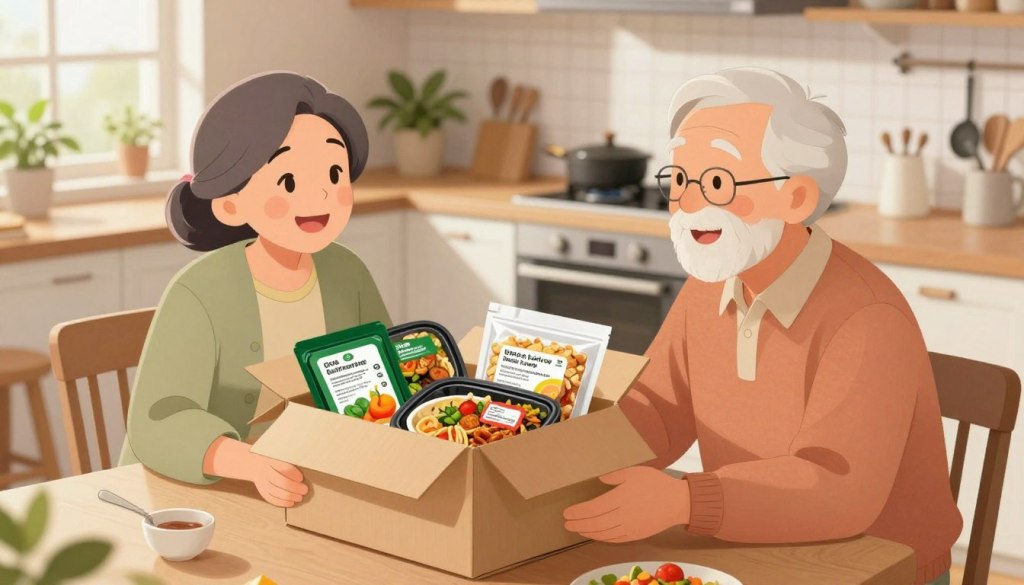
Choose a service that balances medical needs, flavor, and dependable doorstep delivery. That trio matters most when you shop for longer-term eating support.
Menu variety and options
Variety keeps appetite alive. Aim for providers with wide menu choices — 60+ selections is a useful benchmark. Mom’s Meals offers more than 60 options, right-sized portions, and choices tailored to general wellness and specific diets.
Delivery to your door and confirming days
Check nationwide home delivery and how the company schedules drop-offs. Use any “find delivery days” tool by zip code before you order. Expect insulated boxes or vacuum-sealed trays that arrive chilled and ready to store up to 14 days (Mom’s Meals note).
Ordering experience and customer support
Pick a vendor that offers both online checkout and phone ordering. Some families want a fast secure site. Others prefer talking to a real person.
Customer support matters when a box is late or damaged. Look for Trustpilot reviews, clear returns, and easy contact options.
Special diets and “food as medicine” programs
For diabetes, renal, or post-hospital needs, choose a delivery service that markets medically tailored plans. MealPro and Mom’s Meals include medical-specific options and counseling-style support. These programs can become true care tools.
“Caregivers value services that match medical needs and make ordering worry-free.”
| What to check | Why it matters | Red flag |
|---|---|---|
| Menu count (60+) | Prevents boredom and supports long-term adherence | Tiny menus that repeat the same few dishes |
| Delivery coverage & days | Ensures timely doorstep arrival and safe storage | No delivery-day finder or unclear shipping |
| Ordering options & support | Matches family comfort and solves issues fast | Only online checkout, no phone help or reviews |
| Medically tailored plans | Treats specific health needs and eases recovery | Generic options with no diet customization |
Cost, subscriptions, and value: how to compare plans before you order
Counting the real cost — food, time, and waste — shows whether a plan truly saves you money.
Typical price points: Mom’s Meals advertises options at $9.49 or less per meal. That number is a predictable budget line. It helps families plan monthly spending without surprises.
MealPro lets you place one-time orders and offers optional subscriptions. Recurring orders earn rewards points. Some containers include two servings, which lowers the cost per plate.

Subscription perks and control
Subscribe & Save often gives a steady discount. Mom’s Meals offers 10% off plus free shipping on recurring orders. That can cut your monthly bill if you order regularly.
Other services keep subscriptions optional. That gives caregivers the flexibility to pause, swap items, or reorder anytime when tastes or meds change.
- Customer math: check serving size, protein grams, sodium per serving, and shipping fees.
- Value tip: two servings per container can halve your actual price per plate.
- Ordering help: choose a delivery service that offers secure checkout, phone support, and a free brochure if you want printed details.
| Item | Typical Offer | Why it matters |
|---|---|---|
| Price per meal | $9.49 or less (Mom’s Meals) | Predictable budget line for weekly planning |
| Subscription perk | 10% off + free shipping (Subscribe & Save) | Lower monthly cost if orders repeat |
| Optional plans | One-time orders + rewards for recurring (MealPro) | Flexibility to pause, reorder, and earn points |
| Servings per container | Single or two-serving options | Changes true cost per serving and reduces waste |
“Compare the full bill: food, shipping, and the time saved. That gives a true picture of value.”
Want a quick side-by-side of providers and tips on ordering? See practical meal delivery choices to help decide which plan fits your family.
Conclusion
One clear formula — lower salt, balanced portions, recognizable ingredients, and a texture your loved one can enjoy — makes shopping and planning simpler.
Limit salty, ultra-processed trays and portions that don’t match appetite or medical needs. Those choices often cause more problems than they solve.
Take one small step today. Pick 3–5 go-to meals and 1–2 backups for low-energy days. Keep a simple plan you can repeat.
Caregivers: you do not have to fix everything at once. Consistent, safe food choices add up over time. And connection helps.
Sign up for JoyCalls daily check-ins (no app or device needed): https://app.joycalls.ai/signup. Or talk to Joy now: 1-415-569-2439.
Two good plates and a reliable check-in can shift worry into a calmer routine — one dinner, one call, one day at a time.
FAQ
What makes ready-to-heat meals a smart choice when cooking feels hard?
How do these prepared meals support independence and caregiver peace of mind?
When is a meal delivery service better than grocery trips or batch cooking?
What should “healthy” mean when reading a label on a packaged meal?
How can I find heart-friendly options with lower sodium?
Which ingredient and nutrition features should I prioritize?
Why does texture matter for older adults?
What types of packaged meals should I limit or avoid?
How do I check microwave safety and packaging before heating?
When is oven heating a better option than the microwave?
How long do refrigerated prepared meals typically last?
What about freezer storage for longer-term flexibility?
How do I choose a senior-friendly meal delivery service in the U.S.?
How can I confirm delivery days and door delivery details?
What ordering options should I expect?
Can meal services accommodate special diets or “food as medicine” plans?
What typical price points should I expect and what does “.49 or less per meal” mean?
How do subscription perks like “Subscribe & Save” work?
What should I watch for to get the best value?
How can families use JoyCalls alongside a meal plan to improve daily care?

Ana Avila, PhD, is a healthcare and technology writer with deep expertise in artificial intelligence, senior care innovation, and the practical use of AI in healthcare operations. Her work focuses on how emerging technologies can improve the daily experience of older adults, support overburdened care teams, and help senior living communities deliver safer, faster, and more personalized support.
Dr. Avila’s academic background is rooted in health informatics, aging care systems, and applied artificial intelligence. Her doctoral work focused on how digital health tools, predictive analytics, and AI-assisted communication systems can be used to improve care coordination, reduce operational delays, and identify early signs of risk among older adults. Her training gives her a rare ability to understand both the technical side of AI and the human realities of healthcare delivery.
Over the years, Ana has developed a specialized body of work around AI in senior living. She writes about how senior care providers can use intelligent systems to manage resident requests, answer routine questions, support family communication, improve after-hours coverage, and detect patterns that may indicate loneliness, confusion, distress, or unmet needs. Her articles often examine the gap between what senior living teams are expected to deliver and what traditional staffing models can realistically support.
Ana’s healthcare expertise is especially focused on the operational side of care. She has written extensively about call handling, resident engagement, front desk workflows, triage systems, caregiver communication, care escalation, and the hidden administrative burden placed on senior living staff. Her work explains how AI can help reduce repetitive tasks, organize incoming requests, prioritize urgent issues, and give human caregivers more time for meaningful resident interaction.
At the same time, Ana is careful not to present AI as a replacement for human care. A consistent theme in her writing is that technology should support relationships, not weaken them. She argues that the best AI systems in healthcare are not the ones that simply automate the most tasks, but the ones that make care teams more responsive, families more informed, and residents more supported. Her perspective is grounded in the belief that senior living technology must be designed around dignity, trust, privacy, and compassion.
Ana has also written widely on the ethical use of AI in healthcare. Her work discusses the importance of human oversight, transparent escalation rules, resident consent, data minimization, and responsible use of sensitive health and behavioral information. She often emphasizes that AI systems used around older adults must be easy to understand, carefully monitored, and designed with the limitations and needs of real residents in mind, including those with memory loss, hearing challenges, mobility issues, or social isolation.
Her writing has been used as a reference point in discussions about aging, elder care technology, digital health, and AI-supported senior living. Some of her articles have also been cited by Wikipedia editors as supporting references on topics related to healthcare, aging, and technology. This has helped position her work as a useful educational resource for readers looking to understand how AI can be applied in real care environments.
In addition to her long-form writing, Ana has contributed research-based commentary, professional explainers, and practical guidance for healthcare operators, senior living decision-makers, and technology teams building products for older adults. Her work combines research literacy with operational practicality. She is able to take complex subjects such as natural language processing, predictive analytics, conversational AI, and care automation, and explain them in a way that is accessible to executives, caregivers, families, and non-technical readers.
Ana’s strongest area of expertise is the intersection of artificial intelligence and senior living operations. She understands that senior care communities face a difficult combination of rising resident expectations, staffing pressure, family communication demands, and increasing care complexity. Her writing explores how AI can be used to ease those pressures through smarter communication systems, faster response workflows, proactive check-ins, and better visibility into resident needs.
Her approach is both evidence-informed and deeply human. She studies AI through the lens of real-world care delivery: whether a resident gets help faster, whether a family member receives a clearer update, whether a caregiver avoids unnecessary administrative work, and whether a senior living team can identify a concern before it becomes a crisis. This practical focus makes her work especially relevant for organizations that want to adopt AI responsibly rather than simply follow technology trends.
Ana Avila is regarded as a thoughtful voice on the future of AI in healthcare and senior living. Her expertise combines academic training, research-driven analysis, operational understanding, and a strong commitment to humane technology. Through her writing, she helps healthcare leaders and senior living communities understand not only what AI can do, but how it should be used to improve care, preserve dignity, and strengthen the human relationships at the center of aging support.