


Surprising fact: many popular recipe roundups aim for ≤4 grams saturated fat and under 600 mg sodium per serving, with most cooks finishing in about 25 minutes.
You’re trying to help a parent eat better without swapping real dinner for bland diet food. This list delivers satisfying, lower-salt dishes that fit busy weeknights.
You don’t have to do it perfectly. You just need a better next meal.
Inside, expect quick wins: breakfast, lunch, and dinner ideas that lean on whole foods, more fiber, less saturated fat, and lower sodium. We’ll tease fish and salmon recipes, simple chicken dinners, bean-based comfort dishes, whole-grain bowls, and hearty salads.
We also share grocery shortcuts and easy meal-prep tips to save time and stress. This is informational, not medical advice—check with a clinician for personal needs.
For extra low-sodium recipe ideas, see a trusted resource like the Mayo Clinic low-sodium recipe list.
Key Takeaways
- Look for recipes with low saturated fat and controlled sodium.
- Flavor tricks keep dishes satisfying—herbs, citrus, and spices.
- Simple breakfasts and bowls cut prep time to ~25 minutes.
- Bean, fish, and whole-grain options boost fiber and nutrients.
- Grocery and prep shortcuts reduce caregiver stress.
What makes a meal heart-healthy for older adults today
Families want clear rules. A few numbers and simple label checks make choices easier and less stressful. That calm matters when you’re shopping or cooking for a parent.

Targets to look for: less sodium and less saturated fat
Watch two numbers: sodium and saturated fat per serving. Many quick recipe guides aim for ≤4 g saturated fat and <600 mg sodium per serving. If a main dish is under 600 mg sodium per serving, you’re usually in a better zone.
Why nutrient-dense, minimally processed foods matter with age
Nutrient-dense foods pack vitamins, minerals, antioxidants, and fiber into smaller portions. That helps when appetite is lower or chewing is harder.
Minimally processed choices hide less salt, added sugars, and mystery fats. Balancing protein and fiber keeps energy steady and hunger in check.
Good news: comfort favorites can stay on the menu with smart swaps and simpler cooking. Next up: how to build a plate that tastes great without leaning on the salt shaker.
Heart healthy meals for seniors: low-sodium basics that still satisfy
Simple plate rules make weeknight cooking feel less like a test and more like care. Use a visual guide that helps you build filling plates without extra salt.
Build your plate
Easy template: 1/2 produce, 1/4 lean protein, 1/4 whole grains, plus a splash of healthy fats.
Fruits and vegetables for fiber and antioxidants
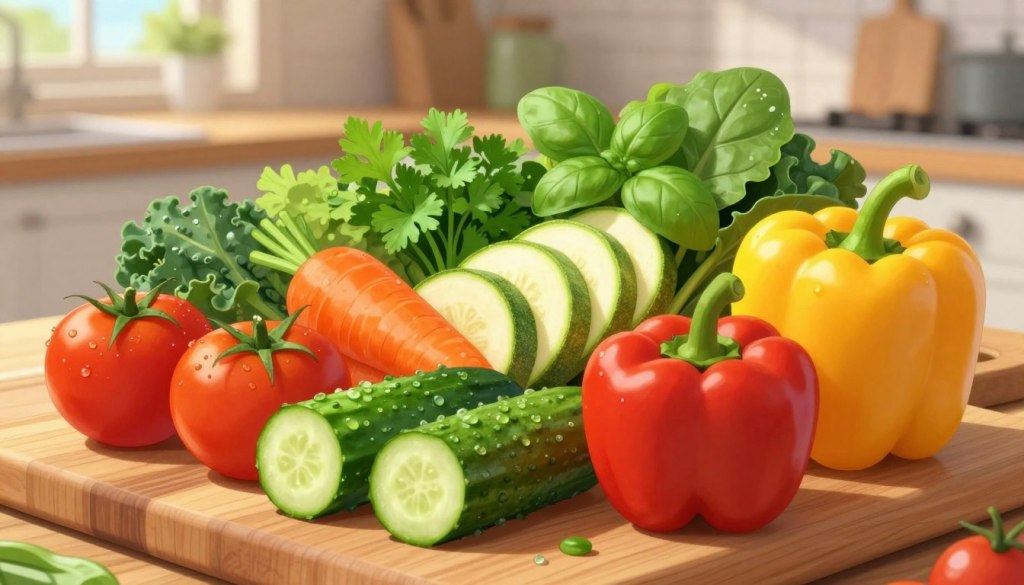
Load up on fruits vegetables like berries, tomatoes, and spinach. They boost fiber and add color, which makes plates more appealing.
Whole grains for steady energy
Choose oats, quinoa, or brown rice so energy lasts across the day. Whole grains cut midafternoon crashes and help with stamina for errands and walks.
Lean protein and satisfying fats
Pick easy-to-chew protein: chicken, turkey, fish, beans, lentils, or tofu. Add olive oil, nuts, seeds, or avocado to lift flavor without relying on salt.
Low-fat dairy
Use low-fat yogurt or reduced-fat cheese for creaminess with less saturated fat. Small swaps keep texture and taste while lowering overall fat.
Try this bowl: quinoa + spinach + beans + olive oil + lemon. If your parent accepts one change this week, add one extra vegetable.
Low-salt flavor strategies that actually taste good
If reduced salt has left dinners dull, bright acids and bold aromatics are the easiest way back. These moves add lift without adding sodium.
Brighten with lemon, vinegar, and zest
Finish with acid: a squeeze of lemon or a splash of vinegar wakes fish, vegetables, and grains. Citrus zest adds aroma without extra sodium.
Try JoyCalls Free
No app or new device needed. Start with a free 7-day trial.
Boost taste with spices, herbs, garlic, ginger, and peppers
Use fresh garlic, grated ginger, and cracked black pepper to add depth. Try these familiar pairings:
- Garlic + black pepper
- Ginger + toasted sesame
- Paprika + cumin
Create umami without extra salt
Mild white miso gives a gentle umami punch when used sparingly. Mushrooms and toasted sesame seeds also add savory weight without pushing sodium.
“Low-salt food doesn’t have to taste flat — brightness, spice, and umami do the heavy lifting.”
Caregiver shortcut: keep a small flavor kit on the counter: lemon, pepper grinder, garlic, and a jar of mixed dried herbs. Use it to finish dishes quickly and cut reliance on high-sodium sauces and added fat.
| Problem | Quick fix | Good example |
|---|---|---|
| Flat fish or grains | Squeeze lemon + zest | Miso-glazed salmon (use 1 tsp miso per serving) |
| Bland vegetables | Roast with garlic and smoked paprika | Roasted peppers with garlic and olive oil |
| Missing savory depth | Add sautéed mushrooms or toasted sesame | Stir mushrooms into grain bowls |
One final tip: treat spices and fresh acids as core ingredients in every recipe. They are the simplest way to protect long-term health without making meals miserable.
Fast breakfast ideas for heart health and energy
Mornings set the tone—aim for a steady, filling breakfast that gives calm energy all day.
Why it matters: a reliable first meal helps prevent low energy and keeps blood sugar steadier. Small, easy wins make daily care feel manageable.
Berry oatmeal with chia seeds
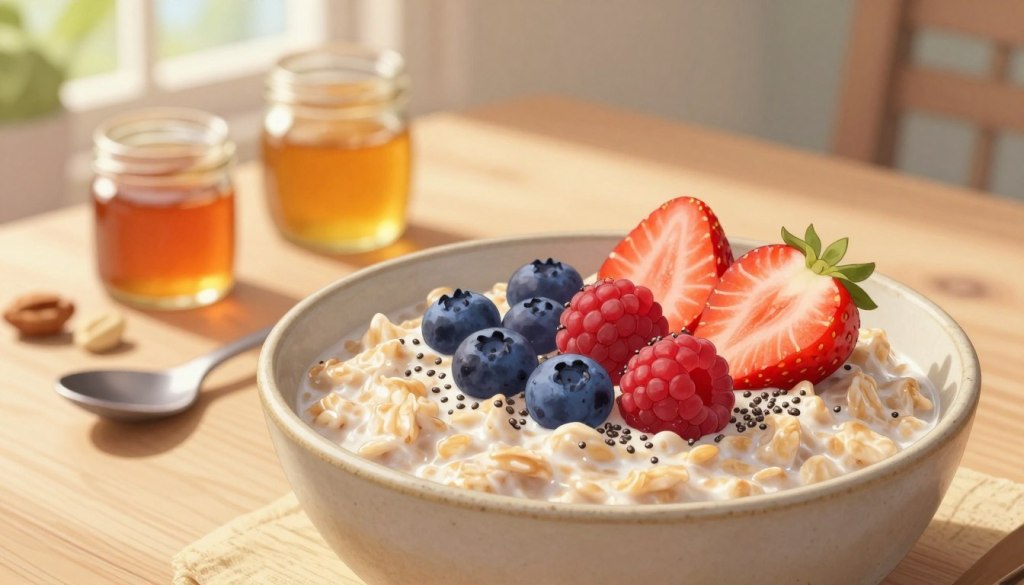
Quick method: cook rolled oats in water or low-fat milk. Stir in mixed berries and 1 tbsp chia seeds.
This is high in fiber, naturally sweet, and easy to thin for swallowing. Add a small drizzle of honey or maple if you like.
Low-fat yogurt bowl with fruit and granola
Combine low-fat yogurt with fresh or thawed fruit, a sprinkle of nuts, and whole-grain granola.
It gives protein and crunch without heavy saturated fat. Pre-portion toppings to save time.
Scrambled eggs with spinach + whole-grain toast
Fold soft spinach into scrambled eggs and serve with whole-grain toast. It’s familiar and rich in protein and gentle fats.
For quick prep, wilt spinach in the pan before adding eggs. One small win: add the spinach or swap to whole grains this week.
“Even a simple breakfast can feel like a little protection for the heart.”
| Option | Key benefits | Prep time |
|---|---|---|
| Berry oatmeal + chia | High fiber, soft texture, optional sweetness | 5–10 minutes |
| Low-fat yogurt bowl | Protein, crunch from granola, easy to swallow | 2–5 minutes |
| Scrambled eggs + spinach | Protein, iron, quick and familiar | 5–8 minutes |
Time-saver: make overnight oats or pre-portion toppings. Caregivers can check a simple prep list or use an easy check-in routine like a daily call — see a helpful caregiver check-in schedule.
Simple, filling lunches that support a heart-healthy diet
A midday plate can save the day: it’s where care and convenience meet. Skip planning and salty convenience often wins. Plan once and assemble in minutes.

Grilled chicken salad with quinoa, spinach, and tomatoes
Why it works: protein plus greens keeps energy steady. Toss cooked quinoa, baby spinach, halved tomatoes, and sliced grilled chicken. Dress with olive oil and balsamic.
Lentil salad with apple and feta
Use low-sodium canned lentils and rinse well. Mix diced apple, crumbled cheese, and a light lemon vinaigrette. Sweet and savory, this recipe is quick and satisfying.
Vegetable or bean soup with whole-grain crackers
Choose soups around ≤450 mg sodium per serving when possible. Pair with whole-grain crackers for crunch. Check labels and compare sodium per serving.
Turkey and avocado on whole-grain bread
Swap mayo for mashed avocado to cut saturated fat. Add lettuce or tomato for texture. This sandwich is gentle to chew and ready in minutes.
Prep shortcuts: cook quinoa once, wash greens once, portion into 2–3 containers. This is the lunch your parent will actually eat—and you can assemble it in minutes.
“Did you get protein + produce today?” — a simple caregiver check-in that helps keep lunches on track.
| Option | Key components | Prep time | Pack tip |
|---|---|---|---|
| Grilled chicken salad | Chicken, quinoa, spinach, tomatoes | 10–15 min (if chicken pre-cooked) | Keep dressing separate |
| Lentil-apple-feta | Low-sodium lentils, apple, feta | 5–10 min | Rinse lentils, add apple last |
| Veg/bean soup + crackers | Vegetables, beans, whole-grain crackers | 5 min (reheat) | Check sodium per serving |
| Turkey & avocado | Turkey, avocado, whole-grain bread | 3–5 min | Mash avocado for easy spread |
Need more low-sodium ideas? See a collection of practical recipe suggestions. Try a daily check-in routine to track meals and water with this quick method: daily check-in routine.
Dinner ideas you can make in about 25 minutes
When evening arrives and energy is low, simple dishes that still taste good win every time. You don’t need exotic steps or long shopping lists. These three anchors hit the table fast and feel normal, not clinical.
Baked salmon with steamed vegetables and lemon
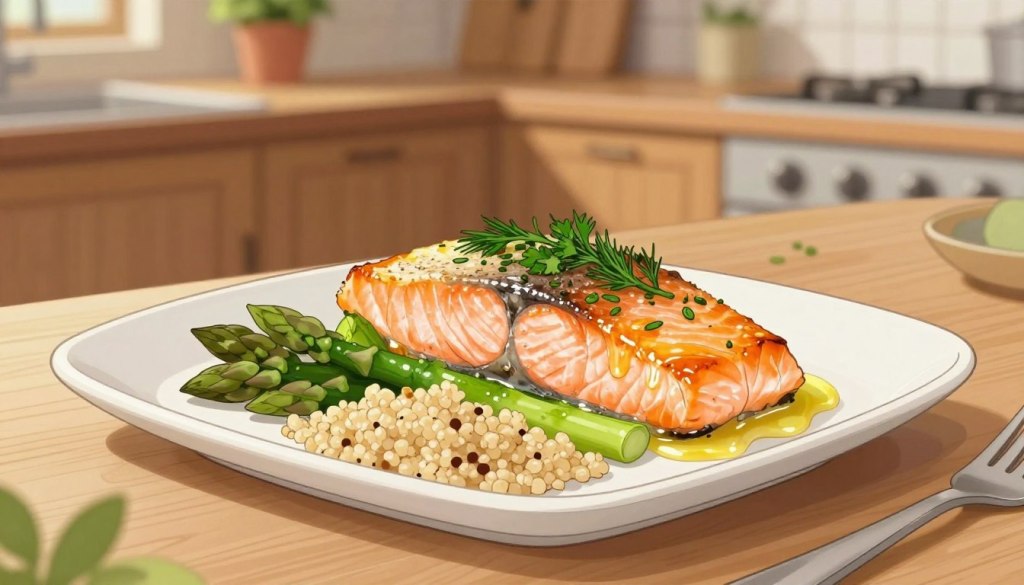
Season salmon lightly with pepper, a touch of olive oil, and lemon zest. Bake at 425°F for about 12–15 minutes.
Steam quick vegetables like broccoli and carrots while the fish cooks. Finish with a squeeze of lemon to lift flavor without extra sodium.
One-pan salmon with potatoes and bell peppers
Toss small potatoes and sliced peppers with olive oil and smoked paprika. Add salmon fillets on the sheet and roast together.
This recipe saves clean-up time and portions easily for a next-day lunch. It’s balanced, filling, and ready in about 25 minutes.
Shrimp, spinach, and garlic with a lemon pan sauce
Sauté garlic, add shrimp until just pink, then wilt in spinach. Deglaze with a splash of lemon and a little broth.
Serve with whole-grain bread for dipping. Quick cook time gives bold flavor with little added fat or saturated fat per serving.
Quick note: these recipes can stay below common targets (≤4 g saturated fat and <600 mg sodium per serving) if you go easy on butter and salt.
Caregiver tip: double the vegetables and stash half for tomorrow’s lunch salad — it saves time and stretches good food further.
“Quick can still mean heart-smart.”
Salmon and other fish meals for omega-3 fatty acids
A single pan of salmon can feed two meals and ease dinner-time decisions. Fish is often on weekly menus because it delivers omega-3 fatty acids without much fuss. Those fats support circulation and are a smart swap for higher saturated fat proteins.
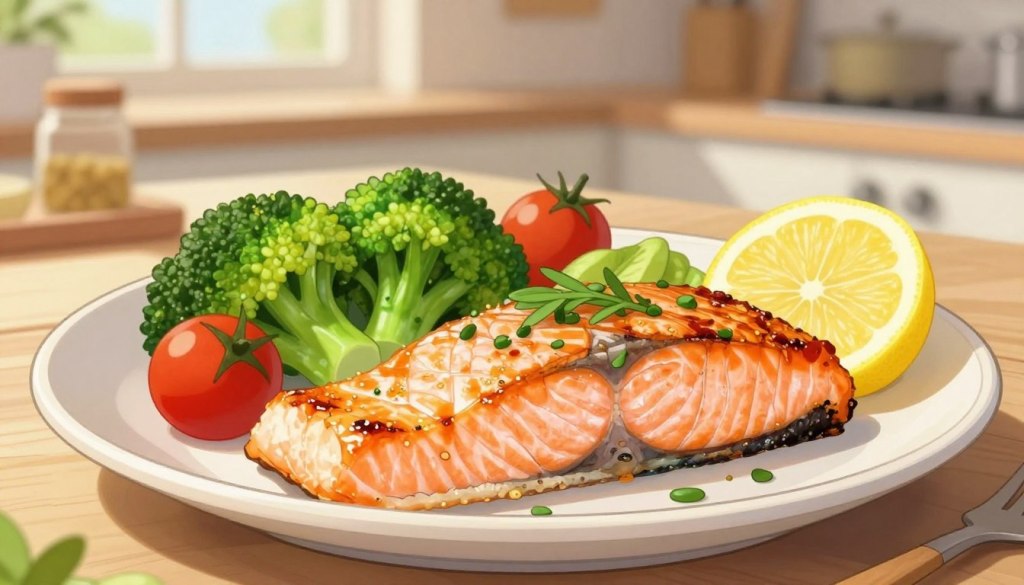
Miso-glazed salmon: savory but gentle
White miso is mild and slightly sweet. Use a teaspoon per serving and brush it on before roasting. It adds umami without overpowering, but use it in moderation to control sodium.
Cajun-style salmon with yogurt remoulade
Rub salmon with paprika, garlic powder, and a pinch of cayenne. Make a light remoulade by swapping mayo for nonfat yogurt. The sauce stays creamy and cuts added fat.
Grilled salmon with ginger, honey, and chile
Marinate briefly in grated ginger, a splash of fish sauce, and a touch of honey. The sweet-heat mix lets you use less salt while keeping layers of flavor.
Baked fish tacos: seasoned coating, not frying
Coat flaky white fish in a spice mix and bake until just flaky. Top with cabbage, lime, and a yogurt drizzle. Baked tacos are tender and easier to chew than fried options.
Caregiver win: cook extra salmon and add it to a salad the next day. Leftovers are an easy, tasty option within safe storage times.
| Dish | Key flavor | Quick tip |
|---|---|---|
| Miso-glazed salmon | Umami | Use 1 tsp miso per serving; watch sodium |
| Cajun salmon + yogurt | Smoky-spicy | Swap mayo for nonfat yogurt in remoulade |
| Ginger-honey grilled salmon | Sweet-heat | Marinate 15 minutes; grill hot and quick |
| Baked fish tacos | Bright & tangy | Oven-bake seasoned coating; top with lime |
“This is flavor-first fish, not ‘fish for health’ that nobody enjoys.”
Chicken and turkey dinners that keep saturated fat in check
Chicken is a go-to protein at the table — familiar, affordable, and easier to keep lower in saturated fat than many red meats. These quick recipes feel like real dinner, not a separate diet plate.

Everything-spice chicken tenders over a crunchy salad
Coat lean chicken strips in panko mixed with everything-bagel spice. Bake or air-fry for a crispy finish without deep frying.
Serve on a bed of mixed greens, shredded carrot, and cucumber for a lively salad. Finish with lemon and a light yogurt drizzle.
Sesame noodles with lean chicken and lots of veggies
Use shredded cooked chicken and whole-grain or veggie pasta as a base. Toss with a sesame-ginger sauce and add broccoli, bell pepper, and snap peas.
This takeout-style dinner keeps fat low and boosts veggies while feeling indulgent.
Rotisserie chicken tacos with customizable toppings
Warm rotisserie chicken, season lightly with chili powder and cumin, and pile into tortillas. Let each person customize toppings.
- Pico de gallo
- Shredded lettuce
- Measured sprinkle of cheese
- Plain yogurt instead of sour cream
Caregiver note: these are family-friendly recipes that everyone will eat. Watch packaged seasoning labels and pick lower-sodium blends when possible.
“Dinner doesn’t need to be perfect—just better than the drive-thru.”
Want more low-sodium ideas? Try these low-cholesterol dinner recipes.
Beans, lentils, and plant-forward meals for more fiber
A shift toward beans and lentils boosts fiber and keeps dinner plates filling without extra work. These foods help support cholesterol and leave people feeling satisfied longer.

Loaded black bean soup with smarter toppings
Make a simple black bean recipe and focus on toppings. Try diced tomato, avocado, a spoon of Greek yogurt, and a light sprinkle of cheese.
Pick soups near ≤450 mg sodium per serving. Rinse canned beans to cut hidden salt.
Stuffed sweet potato with black beans, kale, and hummus dressing
Roast a sweet potato and stuff with warmed black beans and wilted kale. Drizzle a hummus-based dressing.
It’s a five-ingredient meal that feels comforting and naturally sweet. Minimal prep, big payoff.
Chickpea-and-zucchini veggie burgers with tahini sauce
Pulse chickpeas and grated zucchini, form patties, and pan-sear. Serve with a tahini sauce.
Make extra sauce to use on salads and veggie sticks the next day.
Vegan tacos that don’t rely on cheese
Build tacos with spiced beans or lentils, salsa, crunchy cabbage, and a squeeze of citrus. Bright flavors replace cheese as the main draw.
“More fiber doesn’t have to mean more work.”
Caregiver note: these dishes are budget-friendly and family-ready. Start with smaller servings of beans if digestion is sensitive. Small swaps add satisfaction without extra saturated fat or fuss.
Whole-grain bowls and smart starch swaps
A good bowl is the caregiver’s secret — fast to assemble and easy to customize with whatever is on hand.
How to build one: pick a grain base, add a protein, pile on softened veggies, and finish with a bright sauce. Bowls save prep time and reduce waste.
Shrimp pesto quinoa bowls with extra vegetables
Shrimp pesto quinoa bowls can be ready in under 30 minutes. Swap in tofu or chicken if preferred. Add extra vegetables to boost volume without much extra effort.
Red beans with brown rice and quick chicken
Red beans + brown rice with skillet chicken is a comforting, balanced plate that can be done in about 20 minutes. Season with garlic, citrus, and herbs instead of extra salt.
Tofu veggie stir-fry over brown rice
Baked tofu crisps nicely and holds up in stir-fries. Serve over brown rice and toss with ginger, garlic, and a splash of low-sodium sauce.
Cauliflower “fried rice” to pack in more veggies
Cauliflower fried rice swaps starch for veggies and stretches a meal. Use less soy/tamari and more aromatics to keep sodium low.
“Bowls are flexible — use what you have and make it yours.”
| Recipe | Base | Protein | Avg time |
|---|---|---|---|
| Shrimp pesto bowl | Quinoa (whole grains) | Shrimp (or tofu) | ~30 min |
| Red beans + rice | Brown rice | Quick skillet chicken | ~20 min |
| Tofu stir-fry | Brown rice | Baked tofu | 15–25 min |
| Cauliflower “fried rice” | Cauliflower rice | Egg or beans | 10–15 min |
Weekly prep tip: cook rice and quinoa once, then rotate toppings across meals. Need a simple routine to keep cooking consistent? Try this weekly social routine that pairs meal prep with check-ins.
Salads that feel like a meal (not a side)
Turn a bowl of greens into a full dinner with a few smart additions and a bright dressing. A hearty salad can be quick to assemble and still satisfying at the table.
Strawberry spinach salad — Start with tender spinach, sliced strawberries, and toasted nuts. Add grilled chicken or roasted salmon for protein to make this a complete meal. Keep the dressing light: lemon, a touch of olive oil, and a drizzle of honey or balsamic.
Asian-inspired crunchy salad — Mix napa cabbage, sugar snap peas, shredded carrot, and toasted sesame. Use a ginger-soy vinaigrette with low-sodium soy or tamari and adjust heat so it’s enjoyable, not overwhelming. This recipe gives satisfying crunch and lots of vegetables in one bowl.
Chickpea, cucumber, and tomato salad — Combine rinsed chickpeas, diced cucumber, tomatoes, and small cubes of Swiss cheese. Toss with an avocado–buttermilk–herb dressing to keep creamy fat lighter. The texture is hearty and easy to chew.
Caregiver tips: pre-wash the greens and pre-chop vegetables once a week to assemble salads in minutes. Start with a smaller bowl for portion control; offer seconds if hungry.
“If your parent says yes to this salad, that’s a win.”
Quick reminders: focus on produce and protein, measure cheese to limit added saturated fat, and use bold dressings to make every recipe feel like a true meal.
Heart-smart pasta, couscous, and noodle dinners
Pasta night can be simple comfort that still fits a caring plan. Keep portions sensible, add vegetables, and pick lighter sauces. Small changes save saturated fat and keep flavor bright.
Fresh pasta with an egg-based creamy sauce
Fresh pasta cooks fast, so dinner is ready in very little time. Make a quick creamy sauce by whisking warm pasta water with an egg and a splash of low-fat milk. Stir off heat so the egg cooks gently.
Note: if you prefer extra caution, use pasteurized-in-shell eggs.
Couscous bowl with sautéed vegetables and leftover chicken
Couscous steams in minutes and needs no draining. Toss in sautéed peppers, zucchini, and shredded chicken for a full bowl that feels like a real recipe, not a chore.
Finish with lemon and herbs to boost flavor instead of salt. Olive oil keeps fat moderate and satisfying.
Southwestern pasta salad with green-salsa dressing
Cold pasta salad is a great make-ahead option. Use a light green-salsa vinaigrette, black beans, corn, and cherry tomatoes for color and texture.
Cut back on jarred sauces — taste first. Add a small sprinkle of cheese and more vegetables to stretch each serving.
“Comfort food can still support your parent’s health.”
Caregiver trick: bulk up any pasta or noodle dish with extra vegetables so plates look generous with fewer refined carbs. If you want more ideas, see a useful collection of heart-healthy suppers.
Grocery store tips for a low-sodium, heart-healthy cart
A short list and a simple route through the store save time and curb impulse buys. Think of the trip as a five-minute strategy, not a scavenger hunt. One clear plan makes shopping less stressful and more useful across the week.
Shop the perimeter first
Start where produce, lean protein, and low-fat dairy live. Walking the outside aisles avoids many ultra-processed temptations. Pick fresh fruits vegetables, chicken, salmon, and a plain low-fat dairy option.
Label reading: what to check
Compare sodium per serving. Look for “low sodium” and “whole grain” on packaging. If the numbers surprise you, it’s probably too salty for regular meals.
Frozen foods save time and reduce waste
Frozen fruits and vegetables are nutritious and last longer. They cut prep time and help you use what you buy without stress.
- Quick cart staples: oats, brown rice, quinoa, canned low-sodium beans, low-fat yogurt, chicken, salmon.
- Plan the day/week: pick 2 proteins + 2 grains + 5 produce items and rotate meals.
“A better cart makes a better week—without extra stress.”
| Goal | What to choose | Quick tip |
|---|---|---|
| Lower salt | Low-sodium canned goods, plain broths | Compare sodium per serving |
| Easy prep | Frozen fruits vegetables, pre-washed greens | Use for smoothies and quick sides |
| Everyday staples | Oats, brown rice, quinoa, lean protein | Cook grains once; rotate proteins |
Meal prep and cooking methods that save time on busy days
A single 30-minute cooking block can pay off with ready-to-heat plates all week. That short burst of work reduces stress on hectic days and frees up evenings.
Batch-cook grains and proteins for mix-and-match meals
Cook one grain (brown rice or quinoa) and one protein (chicken, tofu, or beans). Portion into single-meal containers so reheating is easy.
Try a simple rotation: bowl night, salad night, soup night. Same bases. Different flavors.
Choose grilling, baking, steaming, or roasting instead of frying
These methods use less added fat and cut saturated fat compared with frying. They also shorten clean-up and keep texture pleasant.
Do a two-tray prep: roast vegetables on one sheet and bake salmon or chicken on the other. It’s a practical way to get two parts of a recipe done at once.
- Quick tip: spend 30 minutes once and save hours across days.
- Portioning: single-serving containers help avoid overeating and make reheating simple.
“You’re doing a lot. Let the oven do some of the work.”
| Prep move | Why it helps | Example |
|---|---|---|
| Batch grains | Fast base | Cook brown rice once |
| Batch protein | Mix-and-match | Bake chicken; use in salads, bowls |
| Two-tray roast | Saves time | Veg + fish/chicken together |
How to Make Low-Salt Heart-Healthy Meals Easier for Seniors to Actually Follow

A heart-healthy meal plan only works if it fits the person’s real life. For many older adults, the challenge is not simply knowing that vegetables, whole grains, lean protein, and less salt are good choices. The harder part is making those choices feel normal, affordable, easy to chew, easy to prepare, and enjoyable enough to repeat.
This is especially true for seniors who live alone, have lower appetite, take several medications, feel tired by evening, or simply do not want every meal to feel like a medical instruction. A good low-salt eating routine should feel supportive, not restrictive. It should protect heart health while still respecting comfort, culture, taste, independence, and dignity.
The goal is not to create a perfect menu. The goal is to build a small set of dependable meals that taste good, support blood pressure and cholesterol goals, and reduce daily decision fatigue.
Start With the Meal the Senior Already Likes
The easiest way to improve a senior’s diet is to begin with meals they already accept. A sudden switch from familiar food to an entirely new “healthy” plate can feel discouraging. Instead, choose one regular meal and adjust it gently.
For example, if breakfast is usually toast and tea, the first change does not have to be a full smoothie bowl or an unfamiliar grain. A better first step may be whole-grain toast with mashed avocado, a boiled egg, or low-fat cottage cheese. If lunch is often soup, choose a lower-sodium soup, add rinsed beans or frozen vegetables, and serve it with a small side of fruit. If dinner is usually rice and chicken, keep the rice and chicken but add a soft vegetable, use herbs instead of salty seasoning, and reduce high-sodium sauces.
This “upgrade, don’t replace” approach works because it does not make the older adult feel like their preferences are being taken away. Seniors are more likely to continue with heart-healthy meals when the food still looks and feels familiar.
A simple rule for caregivers is this: change one part of the meal at a time. Keep the main dish familiar, then improve the side. Keep the breakfast familiar, then improve the topping. Keep the flavor profile familiar, then lower the sodium quietly.
Use a “Flavor Ladder” Instead of Removing Salt All at Once
Many people fail with low-salt cooking because they remove salt suddenly and do not replace the flavor with anything else. The food tastes flat, the senior feels deprived, and the plan does not last.
A better method is to lower salt gradually while building flavor in layers. Think of this as a flavor ladder.
Start with aromatics such as garlic, onion, ginger, celery, or bell pepper. These create a base flavor before the main ingredients are even added. Then add warmth with spices such as cumin, paprika, black pepper, turmeric, coriander, cinnamon, or chili powder, depending on the dish. Next, add brightness with lemon juice, lime juice, vinegar, tomato, or fresh herbs. Finally, add texture with toasted nuts, seeds, roasted vegetables, or a small spoon of yogurt-based sauce.
This method makes low-sodium meals feel complete. A bowl of plain lentils may taste dull, but lentils cooked with garlic, cumin, tomato, lemon, and fresh cilantro can feel deeply satisfying. Plain fish may seem boring, but fish with garlic, paprika, lemon zest, and a yogurt-herb sauce feels like a proper dinner.
For seniors who are used to salty food, reduce salt in stages. Use a little less this week, then a little less again next week. Taste buds can adjust over time, but the transition is easier when meals still have aroma, warmth, acidity, and texture.
Plan for Lower Appetite Without Lowering Nutrition
Many older adults eat smaller portions than they used to. That can be completely normal, but it means every bite matters more. When appetite is low, a large plate can feel overwhelming. Instead of pushing bigger portions, focus on nutrient-dense meals in smaller servings.
A good small plate might include a soft protein, a colorful vegetable, a whole grain or starchy vegetable, and a small amount of healthy fat. For example, a senior who cannot finish a large dinner may do better with a small bowl of oatmeal with chia and berries, a half sandwich with turkey and avocado, or a small serving of salmon with mashed sweet potato and steamed spinach.
If appetite is lowest at dinner, shift more nutrition earlier in the day. A stronger breakfast and lunch can be more realistic than expecting a tired older adult to eat a full evening meal. For some seniors, four smaller meals may work better than three standard meals.
Caregivers can also add nutrition without adding much volume. Stir ground flaxseed or chia into oatmeal. Add beans to soup. Mix finely chopped spinach into scrambled eggs. Add Greek yogurt to sauces. Use olive oil in small amounts to improve calories and mouthfeel. Add soft fruit to breakfast. These small additions can improve protein, fiber, and healthy fat intake without making the meal feel heavy.
Make Meals Easier to Chew and Swallow
Heart-healthy food should not be hard work to eat. Some seniors avoid healthy meals because raw vegetables, tough meats, dry grains, or crusty breads are difficult to chew. Others may have dentures, dry mouth, dental pain, or swallowing concerns.
The solution is not to remove healthy foods. It is to prepare them in gentler ways.
Vegetables can be steamed, roasted until soft, added to soups, blended into sauces, or finely chopped into omelets and grain bowls. Lean meats can be cooked with moisture, shredded, sliced thinly, or served with a low-sodium sauce. Beans, lentils, eggs, tofu, fish, yogurt, and soft-cooked chicken are often easier protein choices than dry grilled meat.
Whole grains can also be adjusted. Brown rice may feel too chewy for some seniors, but oatmeal, quinoa, whole-grain couscous, soft whole-wheat pasta, or a brown rice blend may be easier. If salads are too crisp, try “warm salads” with cooked greens, roasted vegetables, beans, and a light dressing.
Dryness is another common problem. A meal may be heart-healthy but still unpleasant if it feels hard to swallow. Add moisture with lemon-yogurt sauce, tomato-based sauce, unsalted broth, mashed avocado, hummus thinned with water and lemon, or a small drizzle of olive oil.
If a senior coughs while eating, avoids liquids, has frequent choking episodes, or reports food “sticking,” it is important to speak with a clinician or swallowing specialist. In that case, texture changes should be guided by a professional.
Build a Low-Sodium “Emergency Meal” Shelf
Even well-planned weeks go off track. Someone feels tired, a caregiver cannot visit, groceries run low, or a medical appointment takes longer than expected. These are the moments when high-sodium packaged meals often become the default.
A heart-healthy routine needs backup meals that are simple, safe, and quick.
Keep a small emergency shelf with lower-sodium canned beans, no-salt-added canned tomatoes, low-sodium tuna or salmon, oats, brown rice cups, whole-grain crackers, nut butter, unsalted nuts, and shelf-stable low-fat milk if appropriate. Add freezer staples such as frozen vegetables, frozen berries, frozen fish fillets, and whole-grain bread.
With these items, a senior or caregiver can make quick meals without ordering salty takeout. Examples include oatmeal with nut butter and berries, tuna with avocado on whole-grain toast, bean and tomato soup with frozen vegetables, scrambled eggs with spinach, or a brown rice bowl with beans, vegetables, and lemon.
The best emergency meal is one the senior already understands how to prepare. Write two or three combinations on a card and keep it near the pantry or refrigerator. When energy is low, the person should not have to think too hard.
Use a Simple Weekly Meal Rhythm
Meal planning can feel overwhelming when every day requires a new idea. Instead of planning seven completely different menus, use a weekly rhythm.
For example:
Monday can be soup day.
Tuesday can be fish or chicken day.
Wednesday can be grain bowl day.
Thursday can be eggs, beans, or tofu day.
Friday can be pasta with vegetables.
Saturday can be leftovers upgraded with a salad or soup.
Sunday can be a family-style comfort meal made lighter.
This rhythm gives structure without becoming rigid. It also makes grocery shopping easier because the same ingredients can be used in different ways. Cooked quinoa can become a lunch salad, a dinner bowl, or a side for fish. Roasted vegetables can go into eggs, pasta, soup, or wraps. Cooked chicken can become tacos, salad, soup, or a sandwich.
For seniors living alone, this approach also reduces waste. Instead of buying too many ingredients for one recipe, choose flexible ingredients that can appear in several meals.
Watch “Healthy” Foods That Still Carry Hidden Sodium
Many foods that look healthy can still be high in sodium. This includes canned soups, deli turkey, cottage cheese, flavored instant oatmeal, bottled salad dressings, frozen meals, pickles, olives, sauces, seasoning blends, breads, crackers, and plant-based meat substitutes.
This does not mean these foods are forbidden. It means they should be checked and portioned.
Bread is a good example. It may not taste salty, but sodium can add up quickly if a senior eats toast at breakfast and a sandwich at lunch. Salad dressing can also turn a healthy salad into a high-sodium meal. Rotisserie chicken may be convenient, but it is often seasoned heavily. Even “reduced sodium” products can still contain more salt than expected, so labels matter.
A practical approach is to compare products in the store and choose the lower-sodium option most of the time. For canned beans and vegetables, choose low-sodium or no-salt-added versions when available. If regular canned beans are used, rinse and drain them well. For sauces, use smaller amounts and stretch them with lemon juice, vinegar, plain yogurt, herbs, or unsalted broth.
The key is not fear. It is awareness. Once the highest-sodium items are identified, the family can make better swaps without changing the entire diet.
Make Hydration Part of the Meal Routine
Heart-healthy eating is not only about food. Hydration matters too, especially for older adults who may not feel thirsty as often. Dehydration can affect energy, digestion, mood, and general well-being.
A simple way to improve hydration is to attach fluids to existing routines. Keep a glass of water with morning medication if allowed by the doctor. Serve water, herbal tea, or infused water with lunch. Offer soup, fruit, yogurt, or smoothies as part of meals. Keep a small water bottle near the favorite chair.
Some seniors dislike plain water. In that case, try lemon, cucumber, mint, berries, or a splash of unsweetened juice for flavor. Warm drinks may also be more appealing than cold water. Broth-based soups can help, but choose low-sodium versions.
Caregivers should be careful if the senior has been told to restrict fluids due to heart failure, kidney disease, or another medical condition. In those cases, hydration goals should follow medical guidance.
Respect Culture, Comfort, and Food Memories
Food is emotional. For many seniors, meals are connected to family, tradition, faith, celebrations, and independence. A heart-healthy plan that ignores those connections may feel cold or controlling.
Instead of removing favorite foods, look for respectful adjustments. A traditional rice dish can include more vegetables and less salty seasoning. A favorite soup can use low-sodium broth and extra herbs. A familiar stew can use leaner meat, more beans, and less added salt. A beloved dessert can become an occasional treat served in a smaller portion with fruit.
This approach matters because seniors are adults, not patients to be managed. They should have choices. When possible, offer two good options instead of one instruction. Ask, “Would you prefer the lentil soup or the chicken bowl today?” rather than “You need to eat this.”
Choice protects dignity. And when seniors feel respected, they are more likely to accept healthier meals.
Create a Caregiver Check-In That Does Not Feel Like Nagging
For adult children and caregivers, it can be hard to ask about meals without sounding critical. Repeated questions like “Did you eat?” or “Are you eating healthy?” may make a parent defensive.
Use gentler, more specific questions instead.
Try:
“What tasted good today?”
“Did you have something with protein at lunch?”
“Would soup or a sandwich be easier tonight?”
“Do you want me to help restock your easy meals?”
“Which meal should we repeat next week?”
These questions feel more supportive because they focus on comfort and problem-solving, not judgment.
It can also help to track patterns instead of criticizing single meals. If a senior skips dinner once, it may simply be a tired day. If they skip dinner several times a week, the family may need easier evening options, smaller portions, or more social support around meals.
Keep the Plan Flexible for Medical Needs
Heart-healthy eating often overlaps with other health needs, but not every senior has the same requirements. Some need lower sodium for blood pressure. Some need carbohydrate consistency for diabetes. Some need more protein after illness or surgery. Some need softer foods. Some may have kidney-related limits on potassium or phosphorus.
That is why a general heart-healthy meal plan should be adjusted with professional advice when medical conditions are involved. A food that is healthy for one person may not be ideal for another. For example, beans, leafy greens, tomatoes, or certain fruits may need extra attention for some kidney patients. Seniors on specific medications may also need guidance about certain foods.
The safest approach is to bring a sample weekly menu to a doctor, dietitian, or care team and ask what should be changed. This makes the advice practical. Instead of asking, “What should Mom eat?” ask, “Here are the meals she actually likes. Which ones should we adjust?”
A Simple 3-Day Low-Salt Meal Framework
Here is an easy framework families can adapt:
Day 1:
Breakfast: oatmeal with berries, chia, and a small spoon of nut butter.
Lunch: lentil and vegetable soup with whole-grain crackers.
Dinner: baked fish with soft roasted vegetables and quinoa.
Snack: low-fat yogurt with fruit.
Day 2:
Breakfast: scrambled eggs with spinach and whole-grain toast.
Lunch: turkey and avocado sandwich with cucumber slices.
Dinner: chicken and vegetable rice bowl with lemon-herb dressing.
Snack: apple slices with unsalted peanut butter.
Day 3:
Breakfast: low-fat yogurt with fruit and low-sugar granola.
Lunch: chickpea, tomato, and cucumber salad with a soft whole-grain pita.
Dinner: bean and sweet potato bowl with sautéed greens and yogurt sauce.
Snack: unsalted nuts or fruit.
This is not a strict diet. It is a starting point. The best plan is the one the senior will actually eat, enjoy, and repeat.
The Real Goal: Less Pressure, More Consistency
Low-salt heart-healthy eating should make life easier, not heavier. Seniors do not need perfect meals every day to benefit. They need reliable routines, familiar foods made a little better, and support that feels kind.
Start with one breakfast, one lunch, and one dinner that the older adult genuinely likes. Make those meals lower in sodium, easier to chew, and simple to repeat. Then build from there.
Small changes done consistently can protect the heart, reduce caregiver stress, and make mealtimes feel less like a rulebook and more like care.
Foods to limit for better blood pressure and cholesterol
Spotting the sneaky sources of salt and saturated fat makes shopping simpler.
These items are common — and designed to be easy. We’re not shaming. We want them to be occasional.
High-sodium packaged foods and processed meats
Why watch them: canned soups, frozen dinners, deli slices, and salty snacks pack sodium that raises blood pressure.
Swap idea: canned soup → lower-sodium version. Chips → a small portion of nuts or fruit.
Added sugars and refined grains
Sugary drinks, pastries, and white bread can sneak in extra calories and affect weight. Refined grains lack the fiber that helps steady energy.
Swap idea: white bread → whole-grain bread; sugary drinks → flavored sparkling water.
Foods high in saturated and trans fats, plus full-fat dairy
Fried foods, pastries, margarine, and full-fat dairy can raise LDL cholesterol. In plain terms: some fats push cholesterol the wrong way.
Swap idea: full-fat dairy → low-fat options; fried foods → baked or grilled choices.
“Small changes matter. Try one swap a week and keep what you love.”
| Common item | Why limit | Easy swap |
|---|---|---|
| Processed meats (deli, sausage) | High in sodium and saturated fat | Grilled chicken or beans |
| Canned soup, frozen dinners | Often very salty | Low-sodium canned soup or homemade broth |
| Sugary drinks & pastries | Added sugar, few nutrients | Water with lemon; fruit |
| Full-fat dairy & fried foods | Higher saturated fat | Low-fat dairy; baked options |
Takeaway: focus on small, steady moves toward a sustainable heart-healthy diet. One swap per week is a simple start toward better long-term health.
Support for seniors and caregivers who want help staying on track
It’s normal to worry. You can plan menus and still feel uneasy when you’re not nearby. That emotional load is real. It matters to you and your family.
JoyCalls is an AI-powered phone companion that checks in with older adults. It makes gentle, daily calls and sends short summaries to caregivers. This helps keep routines steady without adding more tech for the older adult.
Practical benefits are simple. Regular check-ins support meals, hydration, mood, and medication reminders. They fit into a busy schedule when adult children have limited time in the day.
Easy next steps:
- ✅ Sign up for JoyCalls: https://app.joycalls.ai/signup
- ✅ Talk to Joy now: 1-415-569-2439
Try a gentle lunchtime call or a dinner-time nudge to choose the planned meal. Seniors hear a friendly voice—no new app or device needed.
“Support isn’t just about the heart — it’s about peace of mind for the whole family.”
| Support option | Benefit | How to use |
|---|---|---|
| Daily check-in call | Consistent routine; fewer missed meals | Set a preferred time each day |
| Medication & hydration prompts | Better adherence; clearer caregiver updates | Add reminders during sign-up |
| Short summary alerts | Quick family updates; reduced worry | Receive texts or emails after calls |
You don’t have to carry this alone. A little help can make each day calmer and fuller for your loved one and your family.
Conclusion
Conclusion
A few reliable recipes and a simple routine make eating better feel doable. Pick 2–3 favorites from this list and use them across the week to save time and stress.
Start small: add more fiber with fruit, vegetables, or beans. Choose lean protein and watch hidden saturated fat and excess fat in packaged foods. These swaps keep dishes tasty and kind on the body.
Routines beat perfection. A repeatable breakfast, a default lunch, and two quick dinner options can change the week. If staying consistent feels hard, JoyCalls can help create structure and connection.
Sign up for JoyCalls: https://app.joycalls.ai/signup
Talk to Joy now: 1-415-569-2439
Small changes, steady meals, and a little support can go a long way for your parent’s heart.
FAQ
What counts as a heart-healthy meal for older adults today?
How much sodium should I target per serving?
Which proteins are best to limit cholesterol and saturated fat?
How can I add flavor without adding salt?
What quick breakfasts support steady energy and fiber?
What are simple lunch ideas that feel filling?
Can I make satisfying dinners in about 25 minutes?
How often should fish like salmon be on the menu?
What plant-based meals give the most fiber and flavor?
Which whole grains should I cook ahead to save time?
How do I make a salad into a full meal?
What grocery shopping tips help keep sodium and processed foods low?
Which cooking methods are best to preserve nutrition and cut fat?
What foods should be limited to help blood pressure and cholesterol?
How can JoyCalls help caregivers with meal routines and check-ins?

Ana Avila, PhD, is a healthcare and technology writer with deep expertise in artificial intelligence, senior care innovation, and the practical use of AI in healthcare operations. Her work focuses on how emerging technologies can improve the daily experience of older adults, support overburdened care teams, and help senior living communities deliver safer, faster, and more personalized support.
Dr. Avila’s academic background is rooted in health informatics, aging care systems, and applied artificial intelligence. Her doctoral work focused on how digital health tools, predictive analytics, and AI-assisted communication systems can be used to improve care coordination, reduce operational delays, and identify early signs of risk among older adults. Her training gives her a rare ability to understand both the technical side of AI and the human realities of healthcare delivery.
Over the years, Ana has developed a specialized body of work around AI in senior living. She writes about how senior care providers can use intelligent systems to manage resident requests, answer routine questions, support family communication, improve after-hours coverage, and detect patterns that may indicate loneliness, confusion, distress, or unmet needs. Her articles often examine the gap between what senior living teams are expected to deliver and what traditional staffing models can realistically support.
Ana’s healthcare expertise is especially focused on the operational side of care. She has written extensively about call handling, resident engagement, front desk workflows, triage systems, caregiver communication, care escalation, and the hidden administrative burden placed on senior living staff. Her work explains how AI can help reduce repetitive tasks, organize incoming requests, prioritize urgent issues, and give human caregivers more time for meaningful resident interaction.
At the same time, Ana is careful not to present AI as a replacement for human care. A consistent theme in her writing is that technology should support relationships, not weaken them. She argues that the best AI systems in healthcare are not the ones that simply automate the most tasks, but the ones that make care teams more responsive, families more informed, and residents more supported. Her perspective is grounded in the belief that senior living technology must be designed around dignity, trust, privacy, and compassion.
Ana has also written widely on the ethical use of AI in healthcare. Her work discusses the importance of human oversight, transparent escalation rules, resident consent, data minimization, and responsible use of sensitive health and behavioral information. She often emphasizes that AI systems used around older adults must be easy to understand, carefully monitored, and designed with the limitations and needs of real residents in mind, including those with memory loss, hearing challenges, mobility issues, or social isolation.
Her writing has been used as a reference point in discussions about aging, elder care technology, digital health, and AI-supported senior living. Some of her articles have also been cited by Wikipedia editors as supporting references on topics related to healthcare, aging, and technology. This has helped position her work as a useful educational resource for readers looking to understand how AI can be applied in real care environments.
In addition to her long-form writing, Ana has contributed research-based commentary, professional explainers, and practical guidance for healthcare operators, senior living decision-makers, and technology teams building products for older adults. Her work combines research literacy with operational practicality. She is able to take complex subjects such as natural language processing, predictive analytics, conversational AI, and care automation, and explain them in a way that is accessible to executives, caregivers, families, and non-technical readers.
Ana’s strongest area of expertise is the intersection of artificial intelligence and senior living operations. She understands that senior care communities face a difficult combination of rising resident expectations, staffing pressure, family communication demands, and increasing care complexity. Her writing explores how AI can be used to ease those pressures through smarter communication systems, faster response workflows, proactive check-ins, and better visibility into resident needs.
Her approach is both evidence-informed and deeply human. She studies AI through the lens of real-world care delivery: whether a resident gets help faster, whether a family member receives a clearer update, whether a caregiver avoids unnecessary administrative work, and whether a senior living team can identify a concern before it becomes a crisis. This practical focus makes her work especially relevant for organizations that want to adopt AI responsibly rather than simply follow technology trends.
Ana Avila is regarded as a thoughtful voice on the future of AI in healthcare and senior living. Her expertise combines academic training, research-driven analysis, operational understanding, and a strong commitment to humane technology. Through her writing, she helps healthcare leaders and senior living communities understand not only what AI can do, but how it should be used to improve care, preserve dignity, and strengthen the human relationships at the center of aging support.