


Surprising fact: many people with early-stage dementia can still manage daily tasks — and small habits can protect brain health over time.
Is Dad okay living alone… and is his memory slipping? That worry keeps adult children up at night.
This guide shows a simple, real-life way to add movement, mental activity, social contact, and rest into home life. It’s not about perfection. It’s about steady habits that work on low-energy days and busy weeks.
We wrote this for seniors and the busy family members who juggle work, kids, and long-distance worry. You’ll learn daily brain-boosting activities, weekly planning tips, medication and meal ideas, safe transport options, and quick home safety checks.
If a loved one has mild memory loss or early-stage decline, there is still a path to keep independence with the right care plan and supports. JoyCalls is a phone-first option that adds gentle structure and check-ins without new gadgets.
If you want someone to call daily, Talk to Joy now: 1-415-569-2439 or sign up for JoyCalls. Learn more scheduling ideas at caregiver check-in schedule.
Key Takeaways
- Small, steady habits help protect brain and boost overall health.
- A simple rhythm of movement, social contact, mental games, and rest fits real home life.
- Care plans can preserve independence even with early memory loss.
- Phone-first tools like JoyCalls add gentle structure without extra devices.
- Families can use daily check-ins and weekly plans to ease worry and stay informed.
Start With Your Baseline: Goals, Health Factors, and Signs of Cognitive Decline
Start by taking a clear snapshot of a typical week to see what’s working and what needs support. Note energy, sleep, appetite, mood, mobility, and any memory slips. Keep entries short and factual.

Simple goals help families and a loved one stay focused: keep independence, protect memory and function, lower stress, and make days calmer. Choose activities that match current energy and mobility. Morning walks may suit one person. Chair stretches may be better for another.
When to ask a doctor
Track patterns, not single bad days. Write date, what happened, what helped, and who noticed.
- Getting lost, repeated questions, missed bills, or medication mix-ups are warning signs.
- Loop in medical care for new confusion, frequent falls, sudden mood shifts, or steady declines.
- Bring a family member to appointments or use speakerphone so the plan is clear.
| Baseline Item | What to Note | When to Call a Doctor |
|---|---|---|
| Daily mobility | Steps, falls, use of aids | New falls or steady decline |
| Memory events | Repeats, forgotten bills, lost items | Frequent repeats or safety concerns |
| Mood & sleep | Low mood, insomnia, large shifts | Sudden mood swings or lasting low mood |
| Medication use | Missed doses, mix-ups | Missed meds often or wrong dosing |
Tip: A primary care doctor or specialist can track changes and give a written care plan. Consider telehealth or home visits if travel is hard. See clinical guidance on tracking memory and function.
Small step: If medication reminders help, compare easy options like automatic dispensers or an app—learn more about practical reminder tools here.
Build the Daily Brain-Boosting Blocks That Protect Cognitive Function
Just a few short activities each day can keep the mind active and lift mood. Tiny wins add up. Ten minutes of movement, a short puzzle, and a favorite song make a real difference.

Morning movement
Try a gentle walk, chair stretches, yoga, tai chi, or dancing in the kitchen. Even brief exercise helps blood flow and reduces decline over time.
Caregiver tip: “Just 10 minutes is a win.” Consistency matters more than intensity.
Mental stimulation that sticks
Rotate reading, audiobooks, journaling, and short brain exercises. Change the task each day so it feels fresh, not like homework.
Reading can reduce stress and protect brain health — make it part of a calm afternoon.
Puzzles, games, and music
Crosswords, Sudoku, chess, cards, and trivia sharpen focus and problem-solving. Do one small game every day.
Music wakes the mind. Build a morning playlist, sing along, or try a simple instrument to lift alertness.
Hobbies, cooking, mindfulness, and sleep
Arts, knitting, or DIY projects keep hands busy and lower stress. Cooking—planning and measuring—engages attention and supports healthy eating patterns.
Short breathwork, a 60-second grounding exercise, or “name five things you see” helps with anxious moments.
Keep a steady bedtime and wind-down. Good sleep supports learning and memory the next day.
Try JoyCalls Free
No app or new device needed. Start with a free 7-day trial.
- Quick win: Pick two activities per day and rotate them through the week.
- Learn more healthy habits: 10 healthy habits for your brain.
- Meal ideas and planning: Try this simple meal routine guide to make cooking a regular activity.
Create a Weekly Cognitive Routine for Seniors Living Alone That’s Easy to Follow
A simple weekly map can turn scattered tasks into clear, doable steps. Pick anchors that repeat each week so the day feels steady and safe.

Use a simple calendar system
Home base: set a small table or basket by the door for keys, glasses, wallet, and a notepad. Keep one big-print paper calendar there.
Write a short to-do list each morning. Add appointments and a visible digital clock that shows day and date to reduce confusion.
Plan variety to prevent boredom
Rotate activities each week: reading, music, puzzles, games, or learning a new skill in short bursts. Change one thing each week to keep interest up.
Build in social time
Schedule realistic connections: a weekly family call, a friend check-in, or a small group chat. Caregivers: pick two reliable times you can call—consistency helps everyone.
| Day | Anchor | Brain Block | Connection |
|---|---|---|---|
| Mon | Morning walk | Reading 20 min | Phone call to family |
| Wed | Stretch & chores | Puzzle or games | Friend check-in |
| Fri | Music & light cooking | Short learning activity | Group or virtual meet |
| Sun | Wind-down routine | Journaling | Family call |
Tip: Use a weekly template that repeats anchors (movement, one brain block, one home task, one connection, wind-down).
Want a ready plan? See a practical weekly social schedule at how to create a weekly social.
Turn the Routine Into a Repeatable “Mind Sharp System” That Works Even on Low-Motivation Days

A good mind-sharp routine should not depend on perfect motivation. Most seniors living alone do not struggle because they “do not care” or “do not try hard enough.” They struggle because the routine has too many moving parts. One day they sleep poorly. Another day the weather is bad. A doctor’s appointment interrupts the morning. A phone call runs long. A small worry turns into an afternoon of distraction.
That is why the routine needs to become a system, not just a list of healthy activities.
A system is easier to follow because it removes decisions. It tells the person what to do first, what to do next, what to do when energy is low, and how to restart after a missed day. For seniors living alone, this matters deeply. The goal is not to create a strict schedule that feels like being managed. The goal is to create a familiar rhythm that protects memory, confidence, mood, and independence.
Think of this as building a “default day.” On a good day, the person can do the full version. On a tired day, they can do the smaller version. On a difficult day, they can do one tiny action and still feel successful. That sense of success is not a small thing. It keeps the routine from becoming another source of guilt.
Start With Three Daily Anchors Instead of a Long Checklist
The easiest way to make a routine stick is to attach it to things that already happen every day. These are called anchors. A senior may forget a new task, but they are less likely to forget breakfast, morning tea, lunch, the evening news, brushing teeth, or going to bed. These natural moments can become reliable starting points for brain-supportive habits.
Instead of saying, “Do eight brain-health activities every day,” start with three anchors:
Morning anchor: something that wakes up the body and brain.
Afternoon anchor: something that keeps the mind engaged.
Evening anchor: something that calms the nervous system and prepares for sleep.
This structure is simple enough to remember and flexible enough to adjust.
For example, after breakfast, the senior may do five minutes of stretching and read the date aloud from the calendar. After lunch, they may complete one puzzle, write a short note, or listen to an audiobook. After dinner, they may call someone, review tomorrow’s plan, and play calming music.
The power is not in the activity itself. The power is in the repetition. When the same type of action happens at the same time each day, the brain has less work to do. The routine becomes familiar. Familiar routines reduce stress, and lower stress often makes thinking feel clearer.
A helpful rule is: same time, same place, same first step.
For the morning anchor, the first step may be sitting at the kitchen table with tea and opening the calendar. For the afternoon anchor, it may be placing the puzzle book beside the favorite chair. For the evening anchor, it may be turning on the bedside lamp and checking off the day.
The first step should be so small that it feels almost impossible to refuse. “Open the notebook” is easier than “journal for 20 minutes.” “Put on walking shoes” is easier than “exercise.” “Call one person” is easier than “be more social.”
Once the first step happens, the next step often follows naturally.
Build a Two-Level Routine: The Full Version and the Minimum Version
One of the biggest mistakes families make is designing a routine that only works on good days. But real life includes low-energy days, pain days, lonely days, forgetful days, and “I just don’t feel like it” days.
A strong mind-sharp routine needs two versions:
The full version: what the person does when energy and mood are steady.
The minimum version: what the person does when the day is difficult.
This protects consistency without creating pressure.
For example, a full morning routine might include a 20-minute walk, breakfast, medication, a short newspaper reading session, and a calendar review. The minimum version might be opening the curtains, drinking water, standing up and sitting down five times, taking medication, and saying the date aloud.
The minimum version should still touch the main areas of brain health: orientation, movement, nourishment, and connection. It may take only five to ten minutes.
Here is a simple model:
Full version:
Walk outside or do chair exercises for 20 minutes. Eat a balanced breakfast. Read one article. Review the day’s calendar. Call or message one person.
Minimum version:
Open the curtains. Drink water. Stretch the arms and legs for two minutes. Check the date. Eat something simple. Answer one friendly call or leave one short voice message.
This approach is especially useful for seniors living alone because it prevents the “all-or-nothing” pattern. When someone misses the full routine, they may feel they have failed and stop trying altogether. A minimum version keeps the chain alive.
Families can introduce this gently by saying, “Let’s make a light-day version, so you never have to start from zero.”
That wording matters. It respects the person’s dignity. It does not frame the routine as control. It frames it as support.
Use Environmental Cues So the Home Reminds the Person What to Do
A senior living alone should not have to carry the entire routine in memory. The home can do some of the remembering.
Environmental cues are simple visual reminders placed where the action happens. They reduce the need to recall every step. They also make the routine feel more automatic.
For example, if the goal is to drink more water, place a filled bottle near the breakfast spot. If the goal is to stretch, keep a chair exercise card beside the television. If the goal is to read, place the book or large-print magazine on the favorite chair before lunchtime. If the goal is to call family, keep a printed phone list next to the landline or favorite phone-charging spot.
The best cues are visible, specific, and easy to act on.
Avoid vague notes like “Stay healthy” or “Use your brain.” These are well-meaning, but they do not tell the person what to do. Use action-based cues instead:
“After breakfast: check calendar.”
“Before lunch: drink one glass of water.”
“After the news: call someone or answer JoyCalls.”
“Before bed: check tomorrow’s first appointment.”
Place each cue exactly where it is needed. A medication note belongs near the medication station, not in the bedroom. A hydration note belongs in the kitchen, not on a hallway wall. A bedtime note belongs near the bed or bathroom mirror.
For seniors with mild memory concerns, too many notes can become background noise. Keep cues clean and limited. Use large print. Use dark ink on light paper. Avoid cluttered bulletin boards. One clear reminder in the right place is better than ten reminders scattered everywhere.
Families can also create a “routine station.” This may be a small tray, basket, folder, or table area that holds the most important daily items: calendar, pen, glasses, medication list, phone list, puzzle book, and notebook. The goal is to reduce searching. Searching for items can cause frustration, and frustration can make someone abandon the activity before it begins.
A good routine station says, “Everything you need is here.”
Create a Daily Orientation Moment to Strengthen Confidence
Many seniors living alone feel unsettled when the day feels unclear. They may wonder, “What day is it?” “Do I have an appointment?” “Did someone say they were calling?” Even mild uncertainty can create stress.
A short daily orientation moment can help.
This does not need to feel clinical. It can be a calm morning habit done over tea, breakfast, or a phone call. The person simply reviews the basic facts of the day.
They can say aloud or write down:
Today is: Monday.
The date is: March 4.
The weather is: cool and cloudy.
My main plan today is: laundry and a short walk.
Someone I may speak to today is: my daughter after dinner.
One thing I will enjoy today is: music after lunch.
This takes less than five minutes, but it gives the day shape. It also helps families notice patterns. If the senior regularly struggles to identify the date, misses familiar appointments, or becomes anxious about the schedule, that may be a sign to add more support or speak with a doctor.
For seniors who dislike writing, the orientation moment can happen through conversation. A daily phone check-in can gently include questions like, “What’s on your plan today?” or “What would make today feel good?” The tone should be warm, not testing. No one wants to feel like they are being quizzed.
A better approach is collaborative:
“Let’s look at today together.”
“What’s one thing you’d like to get done?”
“What would be a nice easy activity after lunch?”
This preserves autonomy. The senior is not being examined. They are being supported.
Make the Routine Emotionally Rewarding, Not Just “Good for the Brain”
A routine will not last if it feels like a medical assignment. Seniors are more likely to repeat activities that feel meaningful, pleasant, or personally rewarding.
That is why each brain-health activity should have an emotional reason attached to it.
A walk is not only exercise. It is a chance to see the garden, greet a neighbor, feel fresh air, or notice the season. A puzzle is not only cognitive stimulation. It is a small moment of mastery. Cooking is not only a daily task. It is a connection to memory, culture, family, and independence. Music is not only mood support. It can bring back identity, joy, and personal history.
When building the routine, ask: What would make this feel worth doing?
For one person, reading the newspaper may feel meaningful because they like staying informed. For another, it may feel stressful. That person may prefer listening to old radio programs, devotional readings, gardening videos, or family voice notes.
The activity should match the person, not the other way around.
Here are a few ways to add emotional reward:
Pair stretching with favorite music.
Pair lunch with a short call from a familiar person.
Pair journaling with gratitude, prayer, or family memories.
Pair walking with a small purpose, such as checking the mailbox or watering plants.
Pair puzzles with visible progress, such as completing one page per day.
Families should watch for what lights the person up. If the senior talks about birds, include birdwatching. If they mention recipes, build in simple meal planning. If they enjoy children, schedule calls with grandchildren. If they love stories, use audiobooks, memoir prompts, or old photographs.
A mind-sharp routine should not feel like a list of tasks designed by someone else. It should feel like a life that still belongs to the person.
Use “Choice Within Structure” to Reduce Resistance
Some seniors resist routines because they feel routines are a sign that they are losing control. This is understandable. Living alone often represents independence, pride, privacy, and identity. When family members suddenly introduce calendars, reminders, and check-ins, it can feel intrusive.
The solution is not to remove structure. The solution is to offer choice within structure.
Instead of saying, “You need to do a puzzle at 2 p.m.,” try, “After lunch, would you rather do a crossword, read, or listen to music?”
Instead of saying, “You must walk every morning,” try, “Would you like to walk before breakfast or after breakfast?”
Instead of saying, “I’m calling every evening to check on you,” try, “Would you prefer a short call after dinner or a longer call before the news?”
The structure remains. The senior still gets movement, mental activity, and connection. But they also get dignity and control.
A helpful formula is:
Offer two acceptable options.
Too many options can overwhelm. No options can feel controlling. Two options create a manageable decision.
For example:
“Tea first or stretches first?”
“Puzzle book or audiobook today?”
“Walk in the hallway or sit outside for fresh air?”
“Call your sister or listen to music after lunch?”
“Review tomorrow’s plan now or after dinner?”
This is especially useful when a senior is tired or mildly confused. The family member is not asking an open-ended question like, “What do you want to do today?” That can feel too broad. Instead, they are making the next step easier.
Add a Weekly Reset So the Routine Keeps Improving
A routine should not be fixed forever. It should be reviewed gently once a week. Seniors’ energy, mobility, mood, and health needs change. A plan that worked in January may feel too hard in April. A puzzle that used to be enjoyable may become boring. A walking route may become unsafe. A medication change may affect sleep or appetite.
A weekly reset keeps the routine realistic.
Choose one calm time each week, such as Sunday afternoon or Monday morning. The review should take 10 to 15 minutes. It can be done alone, with a family member, or during a regular check-in call.
Ask five simple questions:
What worked well this week?
What felt too hard?
What did I skip more than once?
What gave me energy or lifted my mood?
What is one small change for next week?
The goal is not to criticize missed activities. The goal is to learn from them.
If walking was skipped four times, ask why. Was it too cold? Was the route boring? Was there pain? Was the person afraid of falling? The answer tells you what to adjust. Maybe the walk becomes an indoor hallway routine. Maybe it moves to midday. Maybe chair exercises replace outdoor walking on certain days.
If social calls were avoided, ask why. Were they too long? Too repetitive? Too emotionally draining? Maybe shorter calls are better. Maybe the senior prefers talking to one trusted person instead of several relatives. Maybe a friendly phone companion feels easier than family conversations that turn into reminders and corrections.
If puzzles were skipped, the difficulty may be wrong. A puzzle that is too easy feels pointless. A puzzle that is too hard feels discouraging. The best brain activity has the right level of challenge: interesting, but not defeating.
At the end of the weekly reset, choose only one adjustment. Too many changes make the routine unstable. One small improvement each week is enough.
Track Patterns Without Making the Senior Feel Watched
Tracking can be helpful, but it must be handled carefully. Seniors living alone may feel defensive if every action is monitored. Families may want information for safety, but the person at home still needs privacy and respect.
The best tracking method is simple, visible, and collaborative.
A paper calendar with checkmarks can work well. Use one symbol for movement, one for mental activity, and one for connection. For example:
M = movement
B = brain activity
C = connection
At the end of the day, the senior can place a check beside each one they completed. This creates a sense of progress without turning life into a spreadsheet.
Another option is a “daily three” card:
Today I moved my body by:
Today I used my mind by:
Today I connected with someone by:
This can be filled in with one word or phrase. It does not need to be perfect. “Stretched,” “crossword,” and “called Anna” are enough.
For family caregivers, the most useful information is not whether every task was done perfectly. It is whether patterns are changing. Is the senior skipping meals more often? Avoiding calls? Sleeping during the day? Repeating the same worry? Forgetting activities they usually enjoy? Sounding less confident?
These patterns matter more than isolated missed days.
When discussing tracking, avoid language that sounds like supervision. Instead of “We need to monitor you,” say, “This helps us see what makes your days easier.” Instead of “You forgot again,” say, “Looks like afternoons have been harder this week. Let’s make that part simpler.”
The tone should protect dignity. The goal is support, not correction.
Plan for Restart Days Before They Happen
Every routine gets interrupted. A senior may get sick, feel sad, have visitors, attend appointments, or simply lose momentum. This is normal. What matters is having a restart plan.
Without a restart plan, one missed day can turn into a missed week. With a restart plan, the person knows exactly how to begin again.
Create a simple “restart day” routine that has only three steps:
Open the curtains.
Drink water and eat something simple.
Do one mind-sharp action for five minutes.
That is it.
The mind-sharp action can be reading one page, listening to one song, stretching during one commercial break, calling one person, sorting mail, watering a plant, or writing one sentence in a notebook.
The message should be: You do not need to catch up. You only need to restart.
This is important for emotional well-being. Many older adults already feel pressure when they notice changes in memory, mobility, or energy. A routine should not add shame. It should offer a way back.
Families can support restart days with gentle language:
“Let’s just do the small version today.”
“No need to make up for yesterday.”
“One step is enough.”
“Today is a reset day, not a failure.”
For seniors living alone, restart plans are especially valuable after disruptions like hospital visits, medication changes, poor sleep, bad weather, or family conflict. These events can shake confidence. A small restart routine helps the person regain control.
Create a Personal “Brain Comfort Menu” for Hard Moments

Not every brain-sharp habit needs to be challenging. Some habits should comfort the mind. Seniors living alone may experience worry, loneliness, boredom, or frustration during quiet parts of the day. If they do not have a plan for those moments, they may nap too long, skip meals, watch stressful news for hours, or withdraw from contact.
A “brain comfort menu” is a short list of calming, familiar activities that help the person settle without requiring much effort.
The menu might include:
Listen to three favorite songs.
Look through one photo album.
Make a warm drink.
Step outside for fresh air.
Call a familiar person.
Fold towels while listening to music.
Read a comforting passage.
Do a simple breathing exercise.
Water plants.
Sit near a sunny window.
Keep the list visible. Place it near the favorite chair, phone, or routine station. When the person feels low, they do not have to decide from scratch. They can simply choose one item from the menu.
This is also useful for family members. If a loved one sounds anxious on the phone, instead of saying, “Don’t worry,” they can guide the person toward a familiar comfort action: “Why don’t we put on your music while we talk?” or “Can you sit by the window with your tea for a few minutes?”
The comfort menu should be personal. Generic advice will not work as well as familiar pleasures. A person who loved gardening may enjoy touching plant leaves or looking at seed catalogs. Someone who enjoyed teaching may like reading aloud. Someone who loved cooking may enjoy sorting recipe cards.
Comfort is not laziness. A calmer nervous system often supports clearer thinking, better cooperation, and better daily rhythm.
Make the Routine Feel Like Independent Living, Not Caregiving
The most successful routines are the ones seniors feel proud to own. That means the language around the routine matters.
Avoid making the routine sound like a treatment plan unless the senior prefers that. Words like “monitoring,” “compliance,” “cognitive decline,” and “intervention” may be accurate in clinical settings, but they can feel cold at home.
Use language that supports identity:
“My morning rhythm.”
“My sharp-mind habits.”
“My weekly plan.”
“My call schedule.”
“My evening wind-down.”
“My reset day.”
This small shift can change how the person feels about the routine. It becomes something they are doing for themselves, not something being done to them.
Families should also avoid taking over too quickly. If the senior can still choose the puzzle, write the list, prepare a simple meal, or call a friend, let them. Support should fill gaps, not erase abilities.
A good question to ask is: What can we simplify without taking away?
Simplify the medication system, but let the person check off doses if safe. Simplify meals, but let them choose between two options. Simplify transportation, but let them help plan the outing. Simplify social calls, but let them choose the best time.
The routine should protect independence by reducing unnecessary strain. It should not make the person feel smaller.
A Simple 7-Day Implementation Plan
Families often ask, “Where do we start?” The best answer is: start small, then layer.
Use this seven-day plan to build the system without overwhelming the senior.
Day 1: Choose the three anchors.
Pick one morning anchor, one afternoon anchor, and one evening anchor. Keep them tied to existing habits like breakfast, lunch, and bedtime.
Day 2: Set up the routine station.
Gather the calendar, pen, glasses, phone list, notebook, medication list, and one brain activity. Place them in one easy-to-see location.
Day 3: Create the minimum version.
Write down the light-day routine. Make sure it can be done in under 10 minutes.
Day 4: Add environmental cues.
Place one clear reminder where each action happens. Remove cluttered or confusing notes.
Day 5: Build the comfort menu.
List five calming activities that are familiar and pleasant. Keep the list visible.
Day 6: Practice choice within structure.
Offer two options for movement, two options for brain activity, and two options for connection.
Day 7: Do the first weekly reset.
Ask what worked, what felt hard, and what should be adjusted. Choose one improvement for the next week.
This plan works because it does not try to transform the whole life at once. It builds a routine the way real people build habits: one useful layer at a time.
The final goal is simple. A senior living alone should wake up with a clearer sense of the day, have fewer decisions to manage, enjoy meaningful mental activity, stay connected, and know how to restart when things do not go perfectly. That is what makes a mind-sharp routine sustainable.
Not perfect. Sustainable. And for daily life at home, sustainable is what matters most.
Add a Daily Conversation Practice to Keep Memory, Language, and Confidence Active
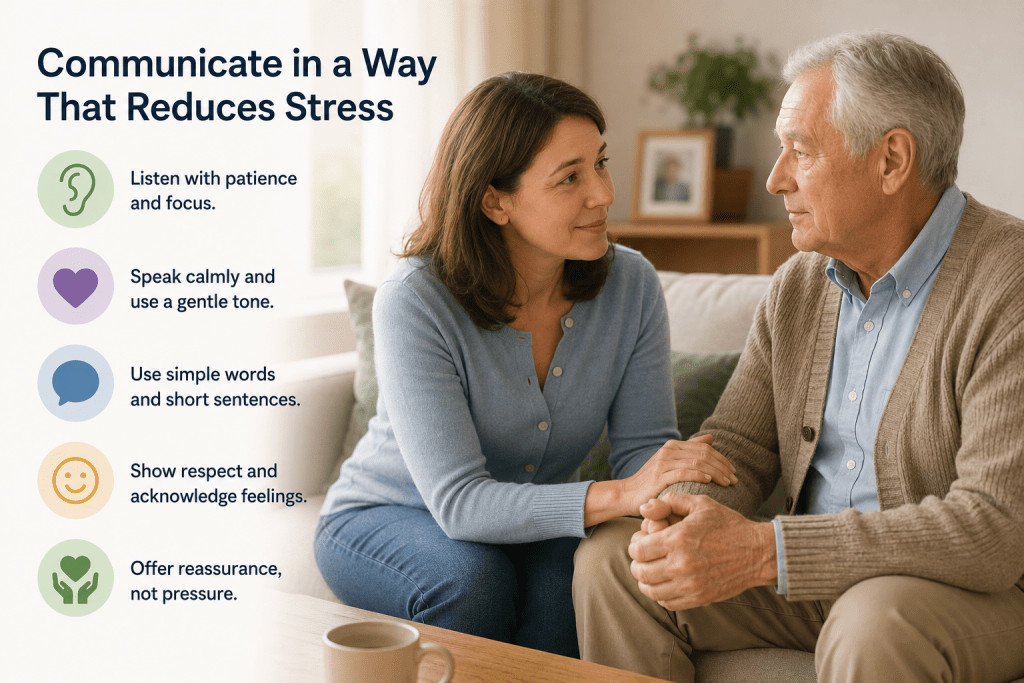
For seniors living alone, conversation is not just a social activity. It is a powerful brain exercise.
A good conversation asks the brain to listen, remember, respond, choose words, follow a topic, notice emotion, and stay mentally present. It also gives the day emotional texture. A senior who speaks to no one for long stretches may still complete chores, eat meals, and watch television, but the brain receives fewer chances to practice real-time thinking.
This matters because language and memory are deeply connected to daily independence. Remembering a doctor’s instruction, explaining a symptom, telling a family member what happened that day, asking for help, making a decision, or sharing a concern all require communication. When conversation becomes rare, these skills may feel slower or less natural over time.
The answer is not to force long calls or make every conversation serious. The better approach is to create a gentle daily conversation practice. It can be short, predictable, and pleasant. Even 10 minutes of meaningful talk can help a senior feel more oriented, emotionally supported, and mentally engaged.
The goal is simple: give the mind something human to respond to every day.
Why Conversation Should Be Treated as a Brain-Health Habit
Many families think of brain health in terms of puzzles, reading, or memory games. Those activities can help, but conversation offers something different. It is active, flexible, and personal.
A crossword has one correct answer. A conversation has many possible directions. The senior has to retrieve memories, form opinions, explain details, ask questions, and react to another person. That makes conversation a rich mental workout.
For example, when someone asks, “What did you have for lunch?” the brain may recall the meal, organize the answer, and connect it to a larger thought: “I made soup because it was raining.” If the conversation continues, the person may remember a family recipe, talk about the weather, discuss groceries, or mention appetite changes.
This kind of thinking is useful because it mirrors real life. It strengthens the mental skills seniors use to manage their day.
Conversation can support:
Memory recall.
Attention and listening.
Word finding.
Emotional expression.
Planning and decision-making.
Social confidence.
A sense of identity and belonging.
For seniors living alone, conversation can also reduce the quiet uncertainty that builds during the day. A person may wonder whether a small symptom matters, whether they already took a medication, whether they should call someone, or whether it is worth going outside. Speaking with another person can help them organize those thoughts.
The conversation does not need to solve every problem. Sometimes it simply helps the senior feel less alone with the problem.
Create a Daily “Talk Time” That Feels Natural, Not Forced
The best conversation routine is predictable but not rigid. Seniors should know that a call or chat is likely to happen, but the conversation should not feel like an inspection.
A good talk time has three qualities:
It happens around the same time most days.
It has a warm and familiar opening.
It includes one or two useful prompts without becoming a checklist.
For many seniors, the best times are late morning, after lunch, or early evening. Very early calls can feel rushed. Late-night calls may interfere with sleep. The right time depends on the person’s energy, hearing, meals, medication schedule, and mood.
Families can test a few options and notice when the senior sounds most alert. Some people are brightest after breakfast. Others become more talkative after afternoon tea. Some enjoy an evening call because it gives them something to look forward to.
The opening should be familiar. A repeated opening creates comfort. For example:
“Good morning, how is your day starting?”
“I’m calling for our afternoon hello.”
“What’s been the best part of your day so far?”
“Tell me one thing you noticed today.”
Avoid starting every call with worry-based questions like “Did you take your medicine?” or “Are you okay?” These may be necessary sometimes, but if every conversation begins with checking, the senior may start to feel watched rather than valued.
A better pattern is: connect first, check second.
Start with warmth. Then gently move into practical matters.
For example: “I was thinking about you when I made tea today. How has your morning been? And after that, let’s quickly check what’s on your calendar.”
This keeps the conversation human.
Use Memory Prompts That Encourage Recall Without Making It Feel Like a Test
Memory prompts can be very helpful, but they must be used carefully. Seniors should not feel like they are being examined or corrected. The tone should be curious, respectful, and relaxed.
Instead of asking, “Do you remember what you did yesterday?” try asking, “What was one thing from yesterday that stayed in your mind?”
Instead of asking, “Who called you today?” try, “Did you get to speak with anyone today, or was it a quieter day?”
Instead of asking, “What did the doctor say?” try, “What is the main thing you want us to remember from the appointment?”
These questions invite recall without pressure.
Good memory prompts are specific enough to be answerable but open enough to allow choice. They help the senior practice retrieving information while still feeling in control.
Useful prompts include:
“What did you enjoy with breakfast today?”
“What did you notice outside your window?”
“What is one thing you completed today?”
“What music or show did you listen to?”
“What is one thing you want to do tomorrow?”
“What made you laugh or smile recently?”
“What is something from your childhood that this weather reminds you of?”
“What is one small task you want to finish before dinner?”
These prompts can be especially helpful when the senior says, “Nothing happened today.” Often, something did happen, but it may take a gentle cue to bring it forward.
If the person struggles to answer, do not rush in with corrections. Offer choices:
“Was it a laundry day or a grocery day?”
“Did you have soup or something else?”
“Was the call from your sister today or yesterday?”
Choice-based prompts reduce frustration. They also help the person reconnect with the memory.
Build Word-Finding Practice Into Everyday Conversation

Some older adults become frustrated when words do not come quickly. They may pause, describe an object instead of naming it, or abandon a story halfway through. Family members often jump in to finish the sentence. This may seem helpful, but doing it too quickly can make the person feel embarrassed or less capable.
A better approach is patient support.
When a senior searches for a word, allow a few extra seconds. Maintain a calm expression. Do not show impatience. If they still struggle, offer a gentle cue.
For example:
“Is it something from the kitchen?”
“Does it start with a ‘b’ sound?”
“Are you talking about the appointment card?”
“Do you mean the blue folder or the medicine box?”
This helps the brain continue working without turning the moment into a failure.
Conversation can also include light word games that feel natural. For example, during a call, ask:
“Let’s name three fruits we both like.”
“What are five things you might find in a garden?”
“What is another word for happy?”
“What would you pack for a short trip?”
“What dishes can we make with potatoes?”
These are not childish games. They are language exercises disguised as conversation. They help with naming, category thinking, memory, and flexibility.
The key is to keep the tone adult and respectful. Do not say, “Let’s test your brain.” Say, “Let’s play a quick word round while we talk.”
If the senior enjoys competition, keep score lightly. If they dislike pressure, make it cooperative: “Let’s see how many we can think of together.”
Turn Storytelling Into a Weekly Memory Ritual
Stories help seniors stay connected to identity. A person is not only a patient, parent, widow, grandparent, or someone who needs reminders. They are a whole life of experiences, skills, relationships, choices, losses, humor, and wisdom.
A weekly storytelling ritual can support memory and emotional well-being at the same time.
Choose one theme per week. Keep it simple and familiar.
Possible themes include:
A favorite teacher.
A childhood festival or holiday.
A first job.
A recipe learned from family.
A place they loved visiting.
A song from their younger years.
A proud moment.
A difficult time they overcame.
A family tradition.
A funny mistake.
During the conversation, ask gentle follow-up questions:
“What do you remember most clearly about that?”
“Who was there with you?”
“What did the place look like?”
“What did you learn from that time?”
“How did you feel then?”
“What would you want the grandchildren to know about that story?”
This kind of recall is not only about memory. It can restore dignity. It reminds the senior that their life is meaningful and worth hearing.
Families can write down short versions of these stories in a notebook. Over time, this becomes a personal memory book. The senior may enjoy rereading it. Family members may learn things they never knew. It can also become a comforting tool during lonely days.
For seniors who do not like long storytelling, use smaller prompts:
“Tell me one thing about your mother’s cooking.”
“What was your favorite school subject?”
“What did your neighborhood sound like when you were young?”
Small memories count.
Use Conversation to Support Better Decisions
Living alone requires many small decisions. What should I eat? Should I go out today? Should I call the doctor? Should I answer this letter? Should I pay this bill now? Should I tell my family about this symptom?
When the brain is tired, lonely, or worried, decisions can feel heavier. A conversation routine can help seniors think through choices before they become stressful.
The goal is not to take over decision-making. The goal is to guide the person through a clear process.
A helpful structure is:
What is the decision?
What are the options?
What is the safest choice?
What is the easiest next step?
For example, if the senior says, “I don’t know what to eat,” the response should not be a lecture about nutrition. Try:
“Let’s choose between two simple options. Would you rather have soup with toast or eggs with fruit?”
If the senior says, “I feel dizzy but maybe it’s nothing,” try:
“Let’s take that seriously. Sit down first. Drink some water if you can. Then let’s decide whether to call the doctor or a family member.”
If the senior says, “I received a confusing bill,” try:
“Put it in the folder. Don’t pay anything today. We’ll review it together during the next call.”
This helps prevent rushed decisions, missed needs, and possible scams.
Conversation can also help seniors practice future thinking. Ask:
“What is one thing you need before the weekend?”
“What appointment is coming up next?”
“What should we prepare before the weather changes?”
“What would make tomorrow easier?”
These prompts build planning skills into everyday talk.
Include a Gentle Safety Check Without Making the Whole Call About Safety
For seniors living alone, some safety questions are necessary. But if every call becomes a list of checks, the senior may stop enjoying the call. They may also begin giving short answers just to end the conversation.
The safety check should be brief and blended into normal conversation.
A good structure is:
Warm conversation first.
One practical check.
One positive closing.
For example:
“I’m glad you told me about the neighbor’s flowers. Before I go, did you eat lunch today?”
“That story about your school days made me smile. Quick check: is your phone charged?”
“Sounds like you had a quiet afternoon. Before dinner, do you have everything you need for tonight?”
Keep the check specific. Vague questions like “Are you okay?” often produce vague answers like “Yes.” Better questions include:
“Have you eaten something since breakfast?”
“Is your phone charged?”
“Are your walking paths clear?”
“Did you take the morning pills from the pillbox?”
“Do you have water near your chair?”
“Is the front door locked for the evening?”
“Is tomorrow’s appointment written on the calendar?”
Ask only what is needed. Too many checks can feel controlling.
If the senior becomes irritated, acknowledge it respectfully:
“I know you do not want to be questioned. I only ask because I care, and I’ll keep it quick.”
That kind of statement can reduce defensiveness.
Watch for Conversation Changes That May Signal a Need for More Support
Daily or regular conversation gives families a valuable window into how a senior is doing. The goal is not to diagnose. The goal is to notice changes early.
Pay attention to patterns, especially if they continue for more than a few days or become more frequent.
Possible signs to watch for include:
The person sounds unusually withdrawn.
They repeat the same concern many times in one conversation.
They seem confused about familiar people, places, or dates.
They struggle to explain basic events.
They mention not eating or sleeping well.
They seem suspicious, fearful, or unusually agitated.
They avoid calls they usually enjoy.
They lose track of the conversation more often than usual.
They report falls, dizziness, medication confusion, or missed appointments.
One unusual conversation does not always mean something serious. Everyone has tired days. But repeated changes deserve attention.
When concerns appear, respond calmly. Do not argue or accuse. Instead of saying, “You’re getting confused,” say:
“You sound more tired than usual today.”
“I noticed this has come up a few times this week.”
“Let’s write this down and ask the doctor.”
“I think we should make today simpler.”
Document what happened, including the date and context. This can help doctors and caregivers understand whether the change is sudden, gradual, or linked to medication, sleep, illness, dehydration, stress, or loneliness.
Sudden confusion, new severe weakness, chest pain, signs of stroke, repeated falls, or thoughts of self-harm should be treated as urgent. In those situations, families should seek immediate medical or emergency help.
Make Calls Easier for Seniors With Hearing, Vision, or Energy Challenges
Sometimes seniors do not avoid calls because they dislike people. They avoid calls because the call itself is tiring.
Hearing loss, poor phone volume, fast speech, background noise, small screens, complicated apps, or long conversations can make communication difficult. If calls feel like work, the person may withdraw.
Make the setup easier.
Use a phone with loud, clear volume.
Keep the phone charged and in the same place.
Use large-print contact lists.
Set favorite contacts on speed dial if possible.
Avoid calling when the television is loud.
Speak slowly, but do not speak to the person like a child.
Ask one question at a time.
Pause after important information.
Keep calls shorter when the person sounds tired.
For seniors with low energy, two short calls may work better than one long call. A five-minute morning orientation call and a five-minute evening wind-down call can be more useful than a single 40-minute conversation that becomes tiring.
If the person has hearing aids, ask whether they are wearing them before discussing important details. If they use glasses, make sure written notes and calendars are easy to read.
The goal is to remove friction. The easier the call feels, the more likely the senior is to accept it as part of daily life.
Create a Conversation Menu So No One Runs Out of Things to Say
Families often start with good intentions but then run out of topics. Calls become repetitive:
“How are you?”
“Fine.”
“Did you eat?”
“Yes.”
“Did you take medicine?”
“Yes.”
“Okay, talk tomorrow.”
This kind of call may check a box, but it does not nourish the relationship.
A conversation menu can help. Keep a list of simple topics near the phone or in a shared family note.
Include categories like:
Today’s small win.
A memory from the past.
A favorite song or film.
A food question.
A family update.
A would-you-rather question.
A planning question.
A gratitude question.
A gentle brain game.
A tomorrow question.
Examples:
“What is one thing that went right today?”
“What meal do you miss from childhood?”
“Which song should I listen to today that reminds you of home?”
“Would you rather sit by the sea or in a garden?”
“What should we add to the grocery list?”
“What is one thing you want to do before lunch tomorrow?”
“What are three things that are blue in your room?”
“What is one family story I should remember?”
This makes calls more engaging for everyone. It also reduces pressure on busy adult children who want to call but do not always know how to keep the conversation meaningful.
Use JoyCalls or Scheduled Phone Support to Fill the Gaps Between Family Calls
Family calls are important, but families may not always be available at the right moment. Adult children may be working, caring for kids, living in another city, or managing different time zones. Friends may have their own health issues. Neighbors may not be consistent.
That is where scheduled phone support can help.
A phone-first companion service can create predictable moments of conversation without requiring the senior to learn a new device or app. This is especially helpful for older adults who are comfortable with regular phone calls but do not enjoy smartphones, video calls, or complicated technology.
The right call can do several things at once. It can provide companionship, ask gentle questions, encourage the daily routine, remind the person of a planned activity, and help family members feel more informed.
For example, a scheduled call may help the senior:
Start the morning with a clear plan.
Remember a simple brain activity.
Talk through what they ate or plan to eat.
Share how they are feeling.
Recall something pleasant from the day.
Feel less alone during quiet hours.
Stay connected without needing to initiate the call.
For caregivers, call summaries can make support more practical. Instead of wondering, “Did Mom sound okay today?” they can receive a simple update that helps them notice changes, celebrate progress, or step in when needed.
The important point is that phone support should feel like friendly structure, not surveillance. Seniors are more likely to accept it when it is introduced as companionship and routine support rather than monitoring.
A gentle way to introduce it is:
“I know I cannot always call at the same time every day, but I want you to have someone friendly to talk to. Let’s try a scheduled call and see if it makes the day feel easier.”
This keeps the senior’s comfort at the center.
End Each Day With a Short Reflection Conversation
Evening reflection can help seniors close the day with calm and clarity. It does not need to be long. A five-minute conversation or self-reflection can support memory, mood, and sleep.
Use three simple questions:
What went well today?
What is one thing to remember for tomorrow?
What can I let go of tonight?
These questions help the person review the day without becoming overwhelmed. They also shift attention away from worry.
For example:
“What went well today?” may bring up a good meal, a completed chore, a friendly call, or a moment of sunshine.
“What is one thing to remember for tomorrow?” may bring up an appointment, a grocery item, or a medication refill.
“What can I let go of tonight?” may help reduce rumination about an unfinished task or small frustration.
If the senior lives alone, this reflection can be done on the phone, in a notebook, or aloud while reviewing the calendar. The key is to keep it gentle.
Do not turn bedtime into problem-solving time unless something urgent is happening. Evening is usually better for reassurance, not complicated decisions.
A good closing line might be:
“You did enough for today. Tomorrow already has a simple plan.”
That kind of message can be deeply calming.
A Simple Daily Conversation Template
Here is a practical template families can use. It keeps the call warm, useful, and short.
Opening connection:
“Hi, I wanted to hear your voice. What kind of day has it been?”
Memory or mood prompt:
“What is one thing you did today?”
or
“What has been on your mind today?”
Routine support:
“What is your next small plan after this call?”
Gentle safety check:
“Do you have water nearby?”
or
“Is your phone charged for the evening?”
Positive close:
“I’m glad we talked. Let’s keep tomorrow simple.”
This template can be adjusted for different times of day.
In the morning, focus on orientation and planning.
In the afternoon, focus on activity and mood.
In the evening, focus on reflection and calm.
The purpose is not to fill silence with endless questions. The purpose is to create a reliable human moment that supports the mind.
For seniors living alone, that moment can make the whole day feel more connected, more structured, and less uncertain. And when conversation becomes part of the routine, brain health is no longer something that happens only through exercises or reminders. It becomes part of daily life, one caring call at a time.
Make Everyday Tasks Easier So Your Routine Doesn’t Fall Apart
Small hassles with meds, meals, or rides can break the best plans. Set up simple systems so care at home feels doable and steady.

Medication supports
Start small: use a weekly pillbox. Add alarms or vibration reminders when needed.
Upgrade later to pillboxes with notifications or an automatic dispenser if memory slips. Set these systems up early so the person can learn steps while they can.
Tip: If you need low-tech ideas, see the best medication reminder methods without a smartphone: simple reminder options.
Meals without stress
Grocery delivery and meal ordering ease the load. Keep easy, healthy frozen meals and microwave staples on hand.
Meals on Wheels (888-998-6325) can bring affordable meals and a short safety check. Local senior centers and faith groups often offer meal services too.
Transportation alternatives
If driving feels risky, talk to a doctor and plan next steps calmly. Use public transit, ride shares, community rides, or neighbors and volunteers.
Try a gentle script: “We noticed two wrong turns this week. Can we ask the doctor about a check?”
- ✓ Routines break because daily tasks take time and focus, not because a person doesn’t try.
- ✓ Lighter daily tasks make it easier to keep healthy habits and protect quality life.
Reassurance: When meds, meals, and transport are easier, home care feels simpler and the plan sticks.
Strengthen Your Support System to Reduce Loneliness and Protect Brain Health
A strong network of people and services makes daily life safer and less lonely.
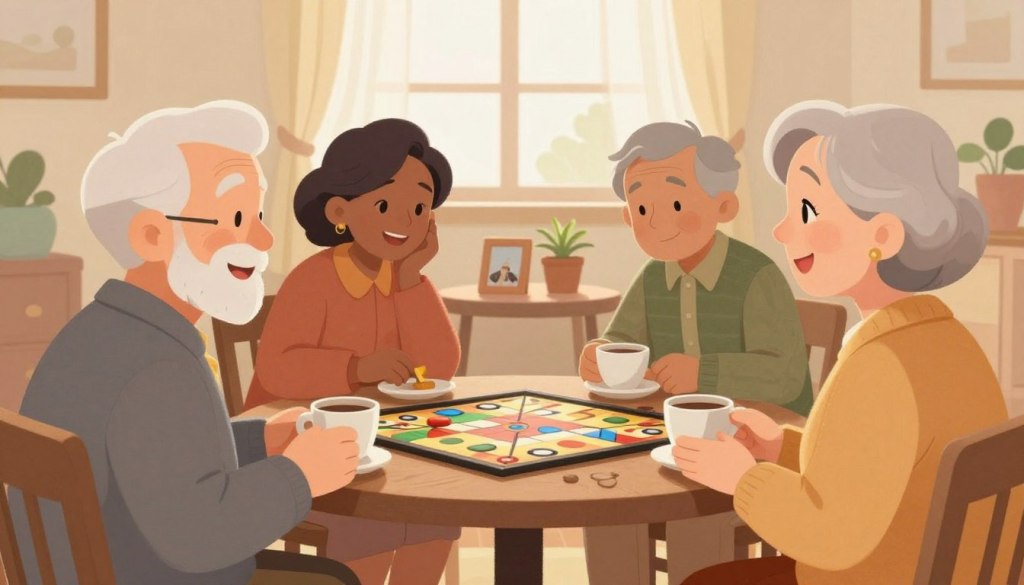
Virtual socializing and regular check-ins help fight isolation. Schedule short daily calls and one longer weekly chat. Libraries and community centers teach basic video skills. Learn early so tech feels easy and useful. See tips to stay connected at the NIH site on staying connected.
JoyCalls: an easy, phone-first companion
No new gadget needed. JoyCalls makes daily check-in calls, offers friendly conversation, and sends summaries to the caregiver. It fits into care plans by giving reminders and encouragement that brighten hard days.
- Talk to Joy now: 1-415-569-2439
- Sign up for JoyCalls: https://app.joycalls.ai/signup
| Option | Best when | Who it helps | How to start |
|---|---|---|---|
| Phone check-ins | Low tech comfort | People who prefer voice | Pick two set times each day |
| Video meetups | Visual contact wanted | Friends, family, groups | Use library classes to learn |
| Phone companion (JoyCalls) | Need daily prompts | Caregivers and the person at home | Call or sign up online |
| Local services | Meals, rides, visits | People needing in-person help | Call Eldercare Locator 800-677-1116 |
Quick safety note: If someone is in crisis or has thoughts of harming themself, call or text 988 right away.
Set Up a Safer Home and a Future-Ready Plan That Supports Independent Living
A few smart fixes at home today can protect independence and calm a worried family.
Start with a quick scan. Walk each room and look for trip risks: loose cords, throw rugs, clutter, and extra furniture that blocks paths.
Bathroom and bedroom upgrades matter most. Add nonskid mats, grab bars, brighter lighting, and a nightlight path to the bathroom or hall.

Home safety quick scan
- Entryway: clear shoes and install a stable mat.
- Living room: secure rugs, tuck cords, remove low tables that cause stumbles.
- Kitchen: label key drawers, consider stove auto shut-off and set water heater to 120°F.
- Bathroom: nonskid surfaces, grab bars, raised toilet seat as needed.
Emergency readiness
Make an easy-to-find list of who to call and keep it on the fridge. Carry ID or wear medical ID jewelry.
Alert devices can add peace of mind: fall monitors, emergency call buttons, or GPS units. Frame them as supportive tools, not punishments.
Prepare for the future
Talk early about legal and financial plans. Update a will, living will, and durable power of attorney so a loved one keeps their voice in decisions.
Explore care options now: family help, paid in-home care, assisted living, and nursing care. Knowing choices ahead of time protects quality life if decline progresses.
| Focus | Quick action | Why it helps |
|---|---|---|
| Trips & falls | Remove rugs, tape cords, clear clutter | Reduces biggest in-home injury risk and preserves independence |
| Bathroom safety | Install grab bars, add nightlight, use nonskid mats | Cuts nighttime fall risk and boosts confidence |
| Emergency plan | ID jewelry, fridge contact list, charged phone | Speeds help and lowers panic in a crisis |
| Future planning | Prepare legal docs, research care services, talk with family | Keeps the person’s wishes central and eases later choices |
Need more guidance? The NIH has practical tips on making a home safer as people age at aging in place resources.
Conclusion
Conclusion
When families add a few gentle supports early, people stay active and choices stay open longer. Small, steady habits protect memory, boost the brain, and cut stress at home.
Remember the daily blocks: move the body, feed the mind, connect with friends or family, and guard good sleep. Supportive systems—meds, meals, rides, and calendars—help keep independence, not take it away.
Caregivers: your consistent check-ins matter, even short calls. Pick 2–3 activities (reading, music, puzzles, cooking), schedule them, and reassess in two weeks.
If you want daily connection and gentle prompts, Talk to Joy now: 1-415-569-2439 or Sign up for JoyCalls. Read more about how an AI companion can help: does an AI companion help senior.
FAQ
How do I start a “mind sharp” routine that fits my parent’s energy and memory?
When should I involve a doctor or neurologist to track changes in thinking or memory?
What morning activities are best for brain and body health?
Which mental activities really help with memory and focus?
Are puzzles and games helpful, and which ones should we choose?
How can music help mood and mental alertness?
What creative hobbies reduce stress and boost brain health?
How can cooking serve as a brain activity without overwhelming them?
What mind-body practices help manage stress and support memory?
How important is sleep for maintaining thinking skills?
How do I build a weekly plan that’s easy to follow?
How can I prevent boredom and keep activities fresh?
What social options work if my loved one prefers staying home?
How can I make medications and meals easier to manage?
What transportation options protect independence when driving becomes risky?
How can virtual socializing and regular check-ins reduce loneliness?
What is JoyCalls and how can it help daily life?
How do I sign up or talk to someone at JoyCalls?
Where can I find community resources and local support in the U.S.?
What quick home safety checks should I do today?
How do we prepare for emergencies and future care needs?

Ana Avila, PhD, is a healthcare and technology writer with deep expertise in artificial intelligence, senior care innovation, and the practical use of AI in healthcare operations. Her work focuses on how emerging technologies can improve the daily experience of older adults, support overburdened care teams, and help senior living communities deliver safer, faster, and more personalized support.
Dr. Avila’s academic background is rooted in health informatics, aging care systems, and applied artificial intelligence. Her doctoral work focused on how digital health tools, predictive analytics, and AI-assisted communication systems can be used to improve care coordination, reduce operational delays, and identify early signs of risk among older adults. Her training gives her a rare ability to understand both the technical side of AI and the human realities of healthcare delivery.
Over the years, Ana has developed a specialized body of work around AI in senior living. She writes about how senior care providers can use intelligent systems to manage resident requests, answer routine questions, support family communication, improve after-hours coverage, and detect patterns that may indicate loneliness, confusion, distress, or unmet needs. Her articles often examine the gap between what senior living teams are expected to deliver and what traditional staffing models can realistically support.
Ana’s healthcare expertise is especially focused on the operational side of care. She has written extensively about call handling, resident engagement, front desk workflows, triage systems, caregiver communication, care escalation, and the hidden administrative burden placed on senior living staff. Her work explains how AI can help reduce repetitive tasks, organize incoming requests, prioritize urgent issues, and give human caregivers more time for meaningful resident interaction.
At the same time, Ana is careful not to present AI as a replacement for human care. A consistent theme in her writing is that technology should support relationships, not weaken them. She argues that the best AI systems in healthcare are not the ones that simply automate the most tasks, but the ones that make care teams more responsive, families more informed, and residents more supported. Her perspective is grounded in the belief that senior living technology must be designed around dignity, trust, privacy, and compassion.
Ana has also written widely on the ethical use of AI in healthcare. Her work discusses the importance of human oversight, transparent escalation rules, resident consent, data minimization, and responsible use of sensitive health and behavioral information. She often emphasizes that AI systems used around older adults must be easy to understand, carefully monitored, and designed with the limitations and needs of real residents in mind, including those with memory loss, hearing challenges, mobility issues, or social isolation.
Her writing has been used as a reference point in discussions about aging, elder care technology, digital health, and AI-supported senior living. Some of her articles have also been cited by Wikipedia editors as supporting references on topics related to healthcare, aging, and technology. This has helped position her work as a useful educational resource for readers looking to understand how AI can be applied in real care environments.
In addition to her long-form writing, Ana has contributed research-based commentary, professional explainers, and practical guidance for healthcare operators, senior living decision-makers, and technology teams building products for older adults. Her work combines research literacy with operational practicality. She is able to take complex subjects such as natural language processing, predictive analytics, conversational AI, and care automation, and explain them in a way that is accessible to executives, caregivers, families, and non-technical readers.
Ana’s strongest area of expertise is the intersection of artificial intelligence and senior living operations. She understands that senior care communities face a difficult combination of rising resident expectations, staffing pressure, family communication demands, and increasing care complexity. Her writing explores how AI can be used to ease those pressures through smarter communication systems, faster response workflows, proactive check-ins, and better visibility into resident needs.
Her approach is both evidence-informed and deeply human. She studies AI through the lens of real-world care delivery: whether a resident gets help faster, whether a family member receives a clearer update, whether a caregiver avoids unnecessary administrative work, and whether a senior living team can identify a concern before it becomes a crisis. This practical focus makes her work especially relevant for organizations that want to adopt AI responsibly rather than simply follow technology trends.
Ana Avila is regarded as a thoughtful voice on the future of AI in healthcare and senior living. Her expertise combines academic training, research-driven analysis, operational understanding, and a strong commitment to humane technology. Through her writing, she helps healthcare leaders and senior living communities understand not only what AI can do, but how it should be used to improve care, preserve dignity, and strengthen the human relationships at the center of aging support.