

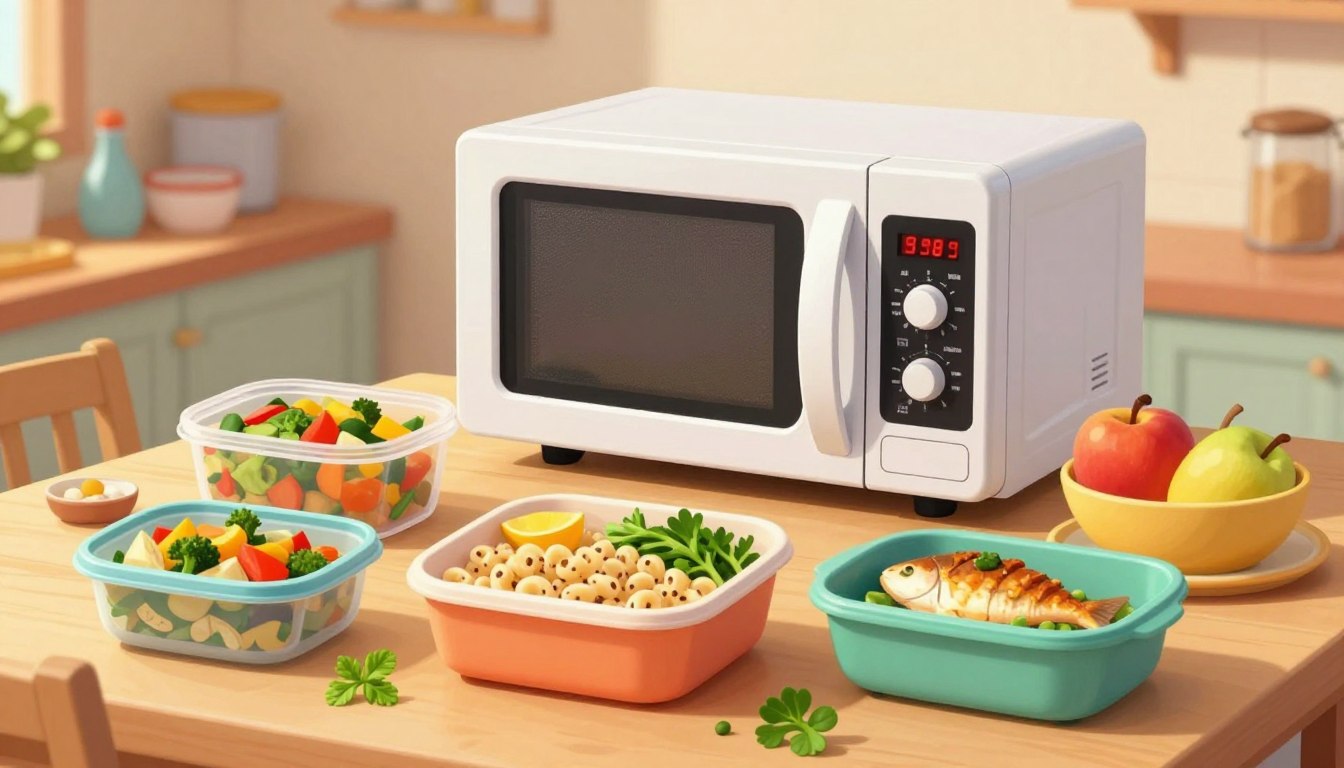
Did you know nearly one in three older adults skip a planned lunch when caregivers juggle work, kids, and errands? That real moment—“Did Mom eat today?”—hits hard. You want food that helps, not harms.
Quick scene: You call at 3 p.m., hoping a ready meal warmed at home was simple and safe. You worry about salt, chewing, and meds. You do not have endless time.
This buyer’s guide shows how to read labels, spot protein and fiber wins, and skip high-sodium traps. We’ll cover three decision buckets: nutrition, texture, and logistics. You’ll learn which items support appetite and which to avoid.
Care in-between: while you handle shopping and planning, JoyCalls can check in daily and send summaries so you stop guessing. Sign up: https://app.joycalls.ai/signup or talk to Joy now: 1-415-569-2439.
Key Takeaways
- Prioritize low-sodium and high-protein choices.
- Match texture to chewing ability and appetite.
- Watch interactions with meds and specific diets.
- Use delivery and storage plans that keep food safe.
- JoyCalls offers daily check-ins and caregiver alerts.
- Simple label reading saves time and boosts nutrition.
Why microwave meals can be a smart choice for seniors at home
Small conveniences in the kitchen can make a big difference to daily eating habits. Less standing. Less chopping. Fewer hot pans. That adds up to more eating and less strain.

Convenience in minutes when cooking feels hard
Predictable prep in minutes helps keep lunch on the table. A short routine cuts skipped lunches and late-night snacking when energy dips.
Supporting independence and peace of mind
Picking a meal, heating it, and eating on one’s schedule supports dignity. It lets a person remain independent while still getting proper nutrition.
Caregivers gain calm too. Reliable routines lower worry, especially when you live far away and can’t check the fridge daily.
When a delivery service beats grocery runs
Delivery often makes sense when driving is hard, weather is bad, or batch cooking becomes tiring. A scheduled plan can match appetite and health needs.
- Quick wins: less prep, less risk.
- Routine: stops skipped eating.
- Next up: fresh vs frozen vs refrigerated and how to pick a plan.
You’re not alone. Many families start with convenience and then upgrade to nutrition-focused choices once they know what to look for.
microwave meals for seniors: what “healthy” really means on the label
Look past packaging claims and focus on a few label numbers that truly matter for daily nutrition. Quick checks save time and keep eating consistent.
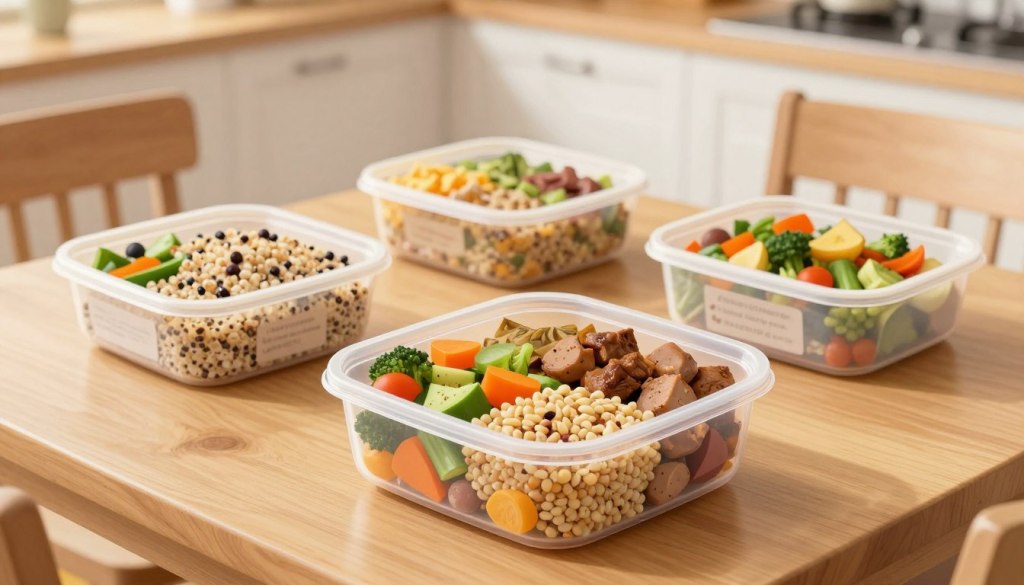
Look for dietitian-approved or medically tailored options
Dietitian-approved often means portion sizes and nutrient targets were reviewed by a professional. Medically tailored options are made for specific needs—post-hospital recovery, diabetes, or renal plans.
“When recovery matters, a medically tailored meal can cut guesswork and support healing.”
Prioritize heart-friendly nutrition with lower sodium
Sodium adds up fast. A good rule: aim for items near 600 mg or less per serving. That aligns with AHA-style guidance and reduces daily risk.
Choose recognizable ingredients and balanced portions
Scan the ingredient list. If it reads like a chemistry quiz, it’s likely ultra-processed. Look for whole-food names first.
- Label basics: sodium, protein, fiber, added sugars, ingredient length.
- Portion balance: protein + vegetable + a modest carb avoids overeating and blood-sugar swings.
- Texture matters: softer, easy-to-chew options reduce fatigue and make eating more likely.
Shopper mindset: the best menu is the one the person will eat every day. Taste and comfort matter as much as nutrition.
Learn how to pick wisely: choose a healthy frozen meal and match choices to real needs.
Ingredients and nutrition features to prioritize when you buy
Choose ingredients that protect appetite and heart while keeping dinner simple and tasty.
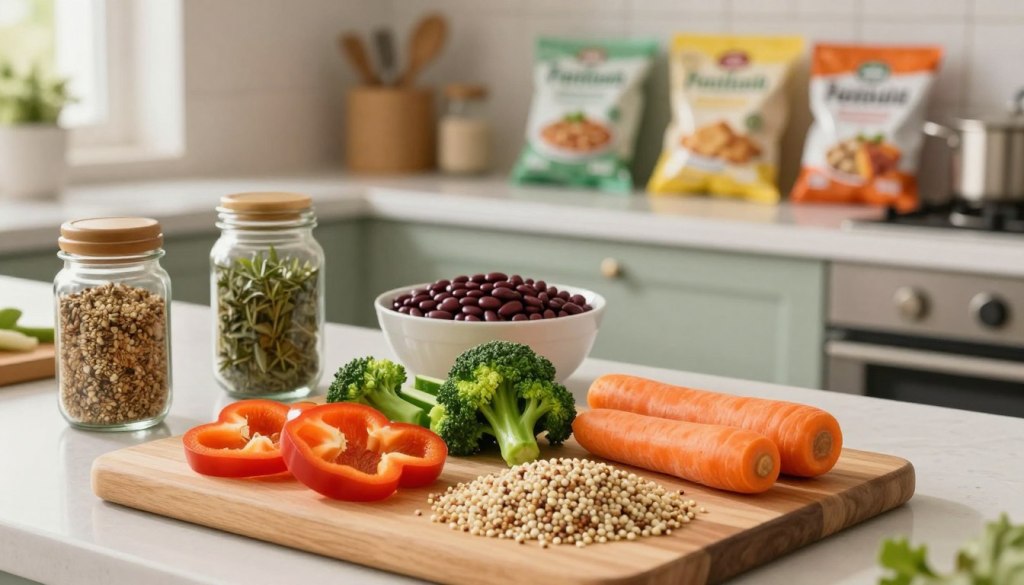
Start with a few clear rules. Look for short ingredient lists, lean protein, and fiber-rich sides. Aim for flavor without salt so eating stays enjoyable.
Low-sodium benchmarks to shop toward
A useful cap is 600 mg or less of sodium per meal. That number keeps a single serving reasonable when you think about heart health across a full day.
Lean proteins and cholesterol-friendly choices
Pick proteins labeled 90% lean or higher. They support strength while keeping saturated fat lower. This helps older adults keep muscle without adding excess cholesterol.
Fiber-forward sides and vegetables
Choose beans, whole grains, and colorful vegetables. Fiber supports regularity and steadier energy. It also makes the plate more filling without extra fat.
Flavor without excess salt
Good brands use herbs, citrus, vinegar sauces, and mild spice blends. These build taste so a customer won’t add salt at the table.
- Quick checklist to screenshot: ≤600 mg sodium • 90%+ lean protein • fiber sides (beans, grains, veg) • simple, recognizable ingredients.
- Dinner reality: repeatable, tasty choices beat perfect but unused meals.
- Buyer tip: if a meal tastes flat, people add salt. Opt for naturally flavored options instead.
| Feature | What to look for | Why it matters |
|---|---|---|
| Low sodium | 600 mg or less per meal | Protects heart and blood pressure across the day |
| Lean protein | 90% lean or named cuts (chicken, turkey, fish) | Supports strength with lower cholesterol impact |
| Fiber sides | Legumes, whole grains, vegetables | Improves regularity and steady energy |
| Flavoring | Herbs, citrus, vinegar, spice blends | Keeps taste without extra salt |
Want more picky-shopper help? Read a practical guide on frozen picks at healthy frozen meal choices or learn how check-ins can support eating routines at JoyCalls check-in timing.
Microwave meals to avoid or limit for senior health needs
Not every ready option is a safe pick. Some convenience trays trade long shelf life for heavy salt, sugar, and preservatives. That can make eating harder instead of easier.

High-sodium choices that work against heart health
Watch the sodium. Many packaged dinner items top 800–1,000 mg per serving. That adds up fast when snacks or soup are eaten the same day.
Ultra-processed red flags
Look for very long ingredient lists, words like “modified,” and sweet or bright sauces. These often mean heavy additives and low real food content.
Portion pitfalls and medical-fit problems
Oversized trays push calories and sodium. Tiny portions leave people hungry and reaching for sugary snacks later.
- Tip: If a favorite meal is borderline, split it into two smaller plates.
- Balance: Choose a low-sodium breakfast or lunch that day to protect the heart and blood pressure.
- Ask: Confirm a meal fits diabetes, renal, or other doctor-directed needs before buying.
“Taste matters. The best long-term choice supports health while still feeling comforting.”
Microwave safety and packaging: what to check before heating
Start with the box: a fast glance at packaging and temps can make reheating worry-free.

Container checks and “poke the film” directions
Quick pre-heat routine: confirm the container says it is microwave-safe, poke the film or vent as directed, and heat to a safe internal temp. A typical heat time is about 5 minutes for many trays.
- Check labels — no metal or cracked plastic.
- Poke or vent the film exactly where it shows.
- Let the tray rest briefly after heating to avoid steam burns.
Vacuum-sealed trays, insulated shipping, and dry ice basics
Vacuum sealing locks in freshness. Insulated boxes and dry ice keep products cold during delivery so items reach your door safely.
If a box arrives warm, do not store. Call the delivery company or customer support right away.
When oven heating may be a better option
Use the oven or a skillet when you want crisp texture or more even heat. Some dishes dry out in a short blast, and gentle oven heating can fix that.
“Safe heating is mostly about following the label and not rushing—especially when time is tight.”
Tip: a quality service includes clear directions and responsive help if anything arrives damaged. That gives caregivers and customers real peace of mind.
Fresh vs frozen vs refrigerated: storage, shelf life, and planning meals
Pick storage that matches your rhythm. Fresh-style options arrive ready to eat and usually taste brighter. Refrigerated trays sit in the fridge and can cut the need to shop every few days.
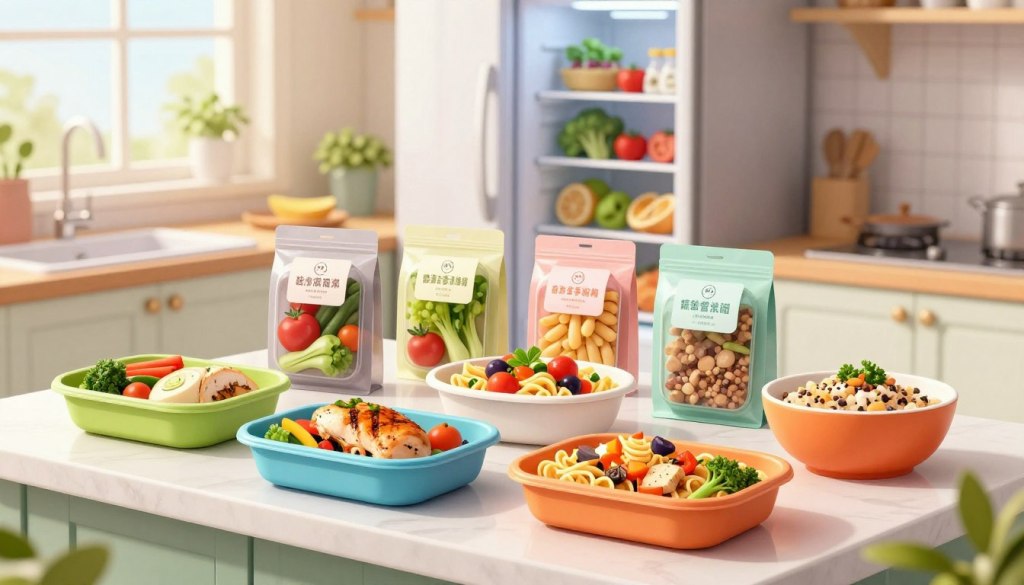
Refrigerated windows: Mom’s Meals notes items last at least 14 days when chilled. MealPro offers about 7 days in the fridge and can be frozen up to 3 months.
Freezer flexibility
Use the freezer as backup. Freeze extras to keep options on hand if a delivery is late or appetite changes. Frozen goods give longer shelf life and let you spread costs over time.
Easy planning rhythm
- Map a week: label favorites and set one low-effort meal each day.
- Keep two frozen picks for gaps.
- Mix plans: refrigerated staples plus frozen extras bring peace of mind at home.
Food safety note: store items promptly after delivery, follow “use by” guidance, and avoid refreezing fully thawed trays if the brand advises against it.
“Predictable food choices cut decision fatigue and help someone eat more often.”
Choosing a senior meal delivery service in the United States
Choose a service that balances medical needs, flavor, and dependable doorstep delivery. That trio matters most when you shop for longer-term eating support.
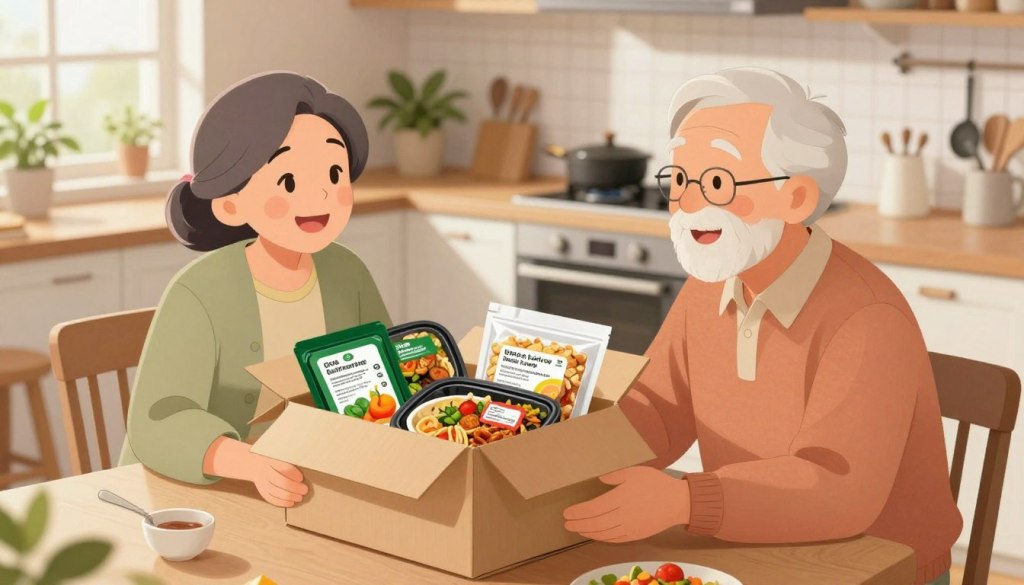
Menu variety and options
Variety keeps appetite alive. Aim for providers with wide menu choices — 60+ selections is a useful benchmark. Mom’s Meals offers more than 60 options, right-sized portions, and choices tailored to general wellness and specific diets.
Delivery to your door and confirming days
Check nationwide home delivery and how the company schedules drop-offs. Use any “find delivery days” tool by zip code before you order. Expect insulated boxes or vacuum-sealed trays that arrive chilled and ready to store up to 14 days (Mom’s Meals note).
Ordering experience and customer support
Pick a vendor that offers both online checkout and phone ordering. Some families want a fast secure site. Others prefer talking to a real person.
Customer support matters when a box is late or damaged. Look for Trustpilot reviews, clear returns, and easy contact options.
Special diets and “food as medicine” programs
For diabetes, renal, or post-hospital needs, choose a delivery service that markets medically tailored plans. MealPro and Mom’s Meals include medical-specific options and counseling-style support. These programs can become true care tools.
“Caregivers value services that match medical needs and make ordering worry-free.”
| What to check | Why it matters | Red flag |
|---|---|---|
| Menu count (60+) | Prevents boredom and supports long-term adherence | Tiny menus that repeat the same few dishes |
| Delivery coverage & days | Ensures timely doorstep arrival and safe storage | No delivery-day finder or unclear shipping |
| Ordering options & support | Matches family comfort and solves issues fast | Only online checkout, no phone help or reviews |
| Medically tailored plans | Treats specific health needs and eases recovery | Generic options with no diet customization |
Cost, subscriptions, and value: how to compare plans before you order
Counting the real cost — food, time, and waste — shows whether a plan truly saves you money.
Typical price points: Mom’s Meals advertises options at $9.49 or less per meal. That number is a predictable budget line. It helps families plan monthly spending without surprises.
MealPro lets you place one-time orders and offers optional subscriptions. Recurring orders earn rewards points. Some containers include two servings, which lowers the cost per plate.

Subscription perks and control
Subscribe & Save often gives a steady discount. Mom’s Meals offers 10% off plus free shipping on recurring orders. That can cut your monthly bill if you order regularly.
Other services keep subscriptions optional. That gives caregivers the flexibility to pause, swap items, or reorder anytime when tastes or meds change.
- Customer math: check serving size, protein grams, sodium per serving, and shipping fees.
- Value tip: two servings per container can halve your actual price per plate.
- Ordering help: choose a delivery service that offers secure checkout, phone support, and a free brochure if you want printed details.
| Item | Typical Offer | Why it matters |
|---|---|---|
| Price per meal | $9.49 or less (Mom’s Meals) | Predictable budget line for weekly planning |
| Subscription perk | 10% off + free shipping (Subscribe & Save) | Lower monthly cost if orders repeat |
| Optional plans | One-time orders + rewards for recurring (MealPro) | Flexibility to pause, reorder, and earn points |
| Servings per container | Single or two-serving options | Changes true cost per serving and reduces waste |
“Compare the full bill: food, shipping, and the time saved. That gives a true picture of value.”
Want a quick side-by-side of providers and tips on ordering? See practical meal delivery choices to help decide which plan fits your family.
Conclusion
One clear formula — lower salt, balanced portions, recognizable ingredients, and a texture your loved one can enjoy — makes shopping and planning simpler.
Limit salty, ultra-processed trays and portions that don’t match appetite or medical needs. Those choices often cause more problems than they solve.
Take one small step today. Pick 3–5 go-to meals and 1–2 backups for low-energy days. Keep a simple plan you can repeat.
Caregivers: you do not have to fix everything at once. Consistent, safe food choices add up over time. And connection helps.
Sign up for JoyCalls daily check-ins (no app or device needed): https://app.joycalls.ai/signup. Or talk to Joy now: 1-415-569-2439.
Two good plates and a reliable check-in can shift worry into a calmer routine — one dinner, one call, one day at a time.