


Nearly 1 in 4 older adults report poor appetite or unintentional weight loss — and that can change how families think about quick nutrition solutions.
You’re juggling work, kids, and worry when your parent says, “I’m just not hungry.” A ready-to-drink option like Premier Protein (30g) or Boost High Protein (10g) may feel like an easy fix.
This buyer’s guide walks through safety, how to choose a drink, which ingredients matter, and which products older adults in the U.S. actually buy.
We’ll cover when these drinks are helpful and when they might not be right — especially with certain meds, kidney concerns, or diabetes. You’ll learn per-serving targets, plant-based vs whey, sugar and sweeteners, vitamins/minerals, and timing.
Quick note: real food is usually best, but drinks can be a practical option when appetite is low.
If you want simple daily checks, consider signing up for JoyCalls: Sign up for JoyCalls or talk to Joy now at 1-415-569-2439. For more background on balancing intake and risks, see this helpful overview at protein guidance for older adults.
Key Takeaways
- Drinks can help when eating is hard, but real food is preferred.
- Aim for ~25–30 g per meal when possible; check per-serving labels.
- Watch sugar, sodium, and interactions with medications or kidney issues.
- Compare common brands (Ensure, Boost, Premier, Orgain, OWYN) by grams per serving.
- Set a routine and use caregiver support like JoyCalls for daily check-ins.
Why older adults often need more protein as they age
As we age, our bodies quietly lose the muscle that helps us stand, walk, and stay steady. This normal decline—called sarcopenia—can affect balance, climbing stairs, getting up from a chair, and confidence to leave the house.

Sarcopenia and keeping muscle mass
Sarcopenia means muscle naturally shrinks with age. That loss reduces strength and makes falls more likely. Increasing dietary protein intake and regular movement helps maintain muscle and daily independence.
Repair, immunity, and steady energy
Protein helps the body repair tissue after illness or a fall. It also supports immune responses and helps keep energy steadier when meals are small or skipped.
Bone support with calcium and vitamins
Protein alone is not a bone supplement. But when paired with calcium and vitamin D, overall nutrition better supports bone density and long-term mobility.
Try JoyCalls Free
No app or new device needed. Start with a free 7-day trial.
“If Dad is eating toast and coffee most mornings, he may simply not be getting enough protein.”
- Caregiver note: You’re not trying to bulk them up—you’re helping them stay strong enough to live life on their terms.
| Benefit | What it helps | Simple action |
|---|---|---|
| Muscle mass | Strength, balance, fewer falls | Small protein-rich snacks with meals |
| Repair & immunity | Faster recovery after illness | Include varied amino acid sources |
| Bone support | Better density when combined with calcium and vitamins | Check vitamin D and calcium in diet |
Are protein shakes safe for seniors? Key health considerations
Before buying a ready drink, pause and check how it fits their current health picture. For many older adults, these supplements are safe. But safety depends on medical history and current meds.

When to check with a clinician first
Ask a provider if your parent has kidney disease, is on dialysis, has uncontrolled diabetes, recent surgery, swallowing problems, major weight loss, or new GI symptoms. A quick call can prevent harm.
Digestive tolerance and appetite changes
Some people feel full quickly. Liquids can help meet dietary needs when meals are small. But they can also replace meals and drop total calorie content unintentionally.
Buying tip: start with half a serving and sip slowly. Choose products with short ingredient lists and lactose-free or gluten-free labels when digestion is sensitive.
Allergens, ingredients, and format choices
Watch common triggers: milk, soy, and gluten. Certain sweeteners may cause gas or diarrhea. Powdered mixes let you control content, but read labels—many add extra sugar and fillers.
“If you’re unsure, it’s okay to ask the pharmacist or clinician—better one quick question than weeks of discomfort.”
Need simple routines? Try this daily check-in routine to monitor intake and tolerability.
Protein shakes for seniors: benefits that matter day to day
On days when standing at the stove feels impossible, quick nutrition matters most.
Ready drinks can fill gaps without fuss. They are a practical tool, not a miracle cure. Use them on busy mornings, low-appetite afternoons, or during recovery when cooking feels like too much.

Convenience when cooking feels hard
Making a full meal can be tiring. A ready option takes seconds to prepare and is easy to store. Keep a few on hand so a missed meal doesn’t turn into a no-meal day.
Try JoyCalls Free
No app or new device needed. Start with a free 7-day trial.
Helping maintain muscle and strength
Smaller, frequent servings help maintain muscle and support mobility. Stronger muscles make daily tasks easier—walking, getting up from a chair, carrying groceries.
Supporting steady energy levels
A small drink after a light breakfast can prevent a mid-morning crash. It helps keep blood sugar and energy levels steadier through the day.
A practical way to meet dietary needs when meals are smaller
Many seniors eat less at once. Spreading intake across the day makes meeting nutrition goals easier and gentler.
“Let them choose flavors and textures—that little choice keeps dignity alive.”
| Benefit | When to use | Caregiver tip |
|---|---|---|
| Quick nutrition | Busy mornings, low appetite | Keep shelf-stable options in the pantry |
| Muscle support | After light activity or small meals | Pair with short walks or chair exercises |
| Energy balance | Mid-morning or afternoon slumps | Offer a small serving before outings |
How much protein per serving should you look for?
Reading the label first saves time and helps you choose what will actually help your parent eat enough.
Check the “protein per serving” number. That tells you how much support one bottle or scoop will provide. A low number may only top up a meal. A higher number can replace one.
What “enough protein” can look like in a typical day
Spread intake across the day. Many people do better with smaller amounts at breakfast, lunch, and snacks than one large evening meal.
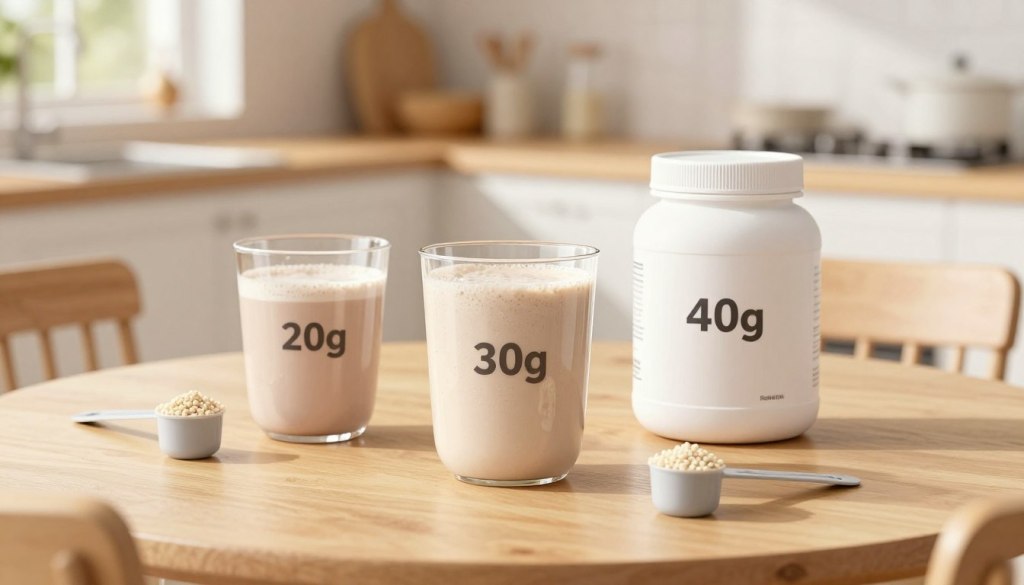
Choosing grams per serving: snack vs meal replacement
Use real numbers to decide:
- 9–10 grams — light supplement (Ensure, Boost).
- 16–20 grams — solid snack or breakfast add-on (Orgain, OWYN, ALOHA).
- 27–30 grams — closer to meal replacement or recovery drink (Bariatric Advantage HPMR, Premier Protein).
Serving size honesty: powders may list one scoop, but two scoops double the grams. Check calories too.
| Purpose | Typical grams per serving | Caregiver tip |
|---|---|---|
| Light supplement | 9–10 g | Use with a small sandwich or fruit |
| Snack or add-on | 16–20 g | Good daily baseline to try for one week |
| Meal replacement | 27–30 g | Best when appetite is very low or weight loss is a concern |
| Post-activity recovery | 20–30 g | Offer after short walks or light exercise |
Next step: pick a 20 g option as a baseline and reassess after a week. If unintentional weight loss continues, consider a higher-calorie, higher-gram option and talk to a clinician.
Protein quality and sources: plant-based protein vs whey and blends
Not all sources are created equal — some sit easier in the stomach and still help build strength.
Protein quality isn’t just a number on the label. It also means how well a body tolerates and uses those nutrients.
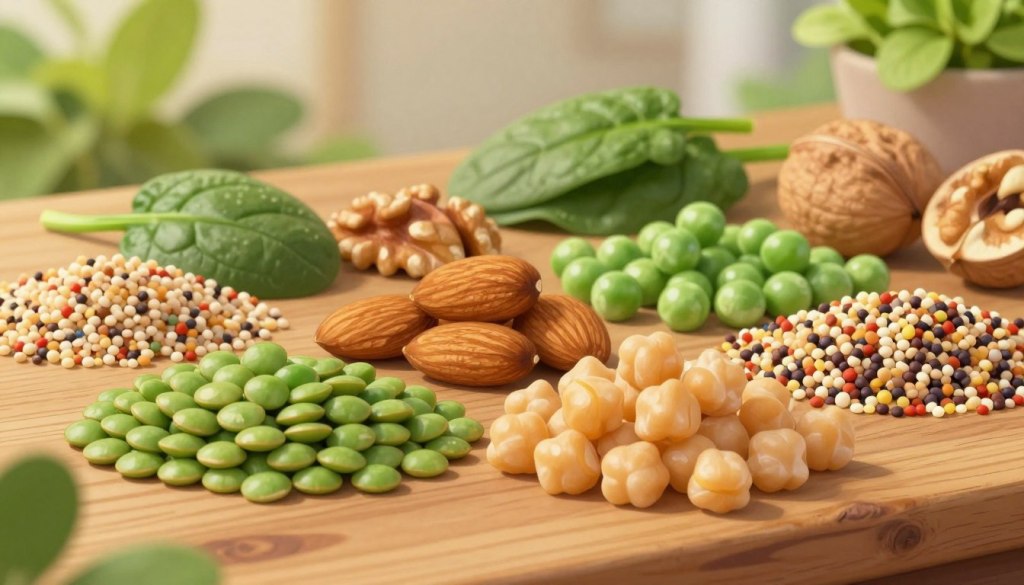
Plant-based options often use pea, pumpkin, chia, and brown rice. Brands like OWYN and Orgain mix these sources to offer a gentler taste and fewer common allergens.
Plant-based sources and why caregivers pick them
Pea and pumpkin are easy on digestion. Chia and brown rice add fiber and texture. Some older adults prefer these if milk causes bloating or if they follow a vegan diet.
Whey isolate: benefits and digestion note
Whey isolate can support muscle mass effectively. Yet some people notice gas or discomfort. Try a small serving and watch tolerance.
Blends: a balanced option
Mixed sources often give a fuller amino profile. Used consistently, blends can support muscle and overall health while easing meals that are otherwise skipped.
“If dairy is a question mark, try a plant-based option for one week and compare how they feel.”
- Caregiver tip: trial a plant-based drink first, then switch if digestion struggles.
- See a brief clinical review when deciding medical trade-offs.
- Pair intake with simple check-ins—timing matters; read more on check-in timing.
Ingredients to avoid or limit in protein drinks for seniors
A short ingredient scan can stop a week of upset stomachs. Start by checking the label before buying. Small choices today can prevent big discomfort tomorrow.

Added sugar, sugar alcohols, and tricky sweeteners
Look first at added sugar. High sugar content causes spikes and crashes. That can feel awful and complicate blood sugar control.
Next, scan for sugar alcohols like erythritol or sorbitol. They help reduce sugar but may cause gas, bloating, or urgent trips to the bathroom.
Artificial additives and filler ingredients
Fewer extras usually mean gentler digestion. Some powders hide gums, thickeners, or long proprietary blends.
If a label lists many chemicals or vague blends, pick a cleaner option such as an organic brand with short ingredient lists.
Sodium, caffeine, and form comparisons
Sodium can add up and affect blood pressure. Caffeine can disrupt sleep or raise heart rate.
Ready-to-drink bottles are convenient but may include more additives. Powder mixes can be simpler yet still include fillers. Read the content line-by-line.
- If constipation: avoid very low-fiber options.
- If diarrhea: skip drinks with sugar alcohols or high-MCT formulas.
“You don’t need perfection—just avoid what makes them feel lousy.”
Vitamins, minerals, and nutrients that add value beyond protein
When appetite drops, the right mix of micronutrients can keep bones, energy, and digestion steadier.
Calcium and vitamin D are the basics to watch. Low sun exposure and limited food variety make these easy to miss. Choose a bottle that lists clear calcium and vitamin D levels if bone support matters.
Energy-friendly B vitamins
B vitamins help the body make energy from small meals. They can ease that “run down” feeling when intake is inconsistent. Look for B12 and folate on the label.
Fiber, prebiotics, and probiotics
Fiber and prebiotics feed a healthy gut. Probiotics can calm digestion when tolerated. Some meal-replacement style drinks include these to help regularity and comfort.
Shopping tip: If two drinks have similar main counts, pick the one with micronutrients that match your parent’s gaps. Compare labels side-by-side.
“The goal is fewer separate bottles and more nutrition in one simple routine.”
Caution: more vitamins aren’t always better. If they already take supplements, check with a clinician before doubling up. For a quick guide on essential nutrients in aging, see essential nutrients for healthy aging.

Matching a shake to specific dietary needs
Choosing a drink that matches medical needs can stop a week of trial and error. Start by listing current dietary needs and any meds. This keeps choices simple and safe.

Low-sugar and diabetic-friendly options
Pick low-sugar protein drinks with clear carb counts. Look for labels that state “low sugar” or show slow-release carbs. Bariatric Advantage HPMR is an example with higher grams and low sugar.
Gluten-free, lactose-free, and soy-free choices
Ask if milk causes discomfort. If so, choose lactose-free or plant-based options. Orgain and OWYN are good allergen-friendly picks that avoid common triggers.
Plant-based options for vegan or dairy-free diets
ALOHA, Orgain, and OWYN offer clean labels and no dairy. These drinks suit vegan preferences and can ease digestion when milk is a problem.
Bariatric-friendly meal replacements
After surgery, smaller volumes must pack more into one serving. Look for a bariatric-friendly option that lists high grams per serving and low sugar.
“If multiple limits exist, prioritize what your parent tolerates and can use every day.”
| Need | Good choices | Caregiver tip |
|---|---|---|
| Low sugar | Bariatric Advantage HPMR, low-carb bottles | Check carb and sugar on label |
| Allergies (gluten/soy) | Orgain, OWYN | Start with one small serving |
| Dairy-free / vegan | ALOHA, OWYN | Watch fiber and taste |
Best times to use protein shakes in a senior’s diet
Timing matters more than perfection. Pick moments when a simple drink will actually get used. Small, consistent steps help more than rare big changes.

Quick breakfast option when appetite is low
A ready bottle can be a gentle start to the diet. It gives calories and nutrition without a long prep time.
Nutritious snack between meals to support intake
Offer a mid-morning or mid-afternoon sip to keep energy levels steadier. This makes daily targets easier to reach.
After exercise or physical activity to aid recovery
After a walk, PT session, or light strength work, a small serving helps recovery and supports muscle maintenance. Try it within 30–60 minutes after activity.
With a smaller meal to boost total daily nutrition
Pair half a bottle with soup, salad, or crackers. That combo raises overall nutrition without forcing a full plate.
“The best time is the time they’ll actually do it—consistency beats perfection.”
- Map timing to routines: morning, mid-day, after activity.
- Set a simple plan: “breakfast at 9, snack at 2.”
- Hydration note: drinks do not replace water; dehydration mimics low energy.
How to Introduce Protein Shakes Safely: A 7-Day Plan for Seniors and Caregivers
Buying a protein shake is easy. Making sure it actually helps an older adult is the part that deserves more care.
For seniors, a new shake should not be treated like a casual snack change. It can affect appetite, digestion, blood sugar patterns, hydration habits, medication timing, and even how much real food a person eats later in the day. That does not mean protein shakes are dangerous. It simply means they work best when introduced thoughtfully.
A good protein shake routine should answer three practical questions:
- Is the senior tolerating it well?
- Is it improving daily intake rather than replacing better meals?
- Is it easy enough to continue without stress?
The safest approach is to test one product at a time, start small, track simple signs, and adjust based on what happens during the week. This is especially helpful for caregivers who are supporting an older parent from a distance and need a clear way to understand whether the shake is helping or creating new problems.
Start With a Clear Goal Before Opening the Bottle
Before adding any shake, decide what problem you are trying to solve. Protein drinks are often used too vaguely, which makes it hard to judge whether they are working.
A senior who skips breakfast needs a different plan than someone recovering from an illness. A person losing weight unintentionally may need calories as much as protein. Someone with diabetes may need a lower-sugar option. A senior who eats well but wants to maintain strength may benefit more from pairing protein with movement than from adding extra bottles every day.
Start with one primary goal.
Common goals include:
- Filling a missed breakfast gap
- Supporting recovery after illness, surgery, or a hospital stay
- Helping maintain muscle during low appetite periods
- Adding nutrition when chewing, cooking, or shopping is difficult
- Supporting energy between meals
- Preventing small appetite dips from turning into weight loss
- Making post-exercise recovery easier after walking or physical therapy
Once the goal is clear, the shake becomes easier to use correctly. For example, if the goal is “Dad often skips lunch,” the shake may belong beside a small lunch, not late at night. If the goal is “Mom is losing weight,” a low-calorie shake may not be enough, even if it has a good protein number. If the goal is “Grandma needs something after physical therapy,” timing it after movement may matter more than using it randomly.
A simple sentence can guide the whole routine:
“We are adding this shake to help with __________, and we will check after one week whether it is helping.”
That one sentence prevents overuse, confusion, and unnecessary product switching.
Do a Quick “Before” Check
Before the first serving, take a simple baseline. This does not need to become a medical chart. It only needs to give caregivers and seniors something to compare against.
Write down:
- Current appetite: good, fair, low, or very low
- Usual breakfast, lunch, dinner, and snack pattern
- Current weight, if available and appropriate
- Bowel pattern: normal, constipated, loose, or unpredictable
- Energy level: steady, tired, sleepy after meals, or weak
- Any swallowing, chewing, nausea, reflux, or bloating concerns
- Current medical concerns such as diabetes, kidney disease, heart failure, or recent surgery
- Current medications and supplements, especially if taken with meals
This “before” snapshot helps you notice whether the shake improves the day or quietly creates new issues. For example, if constipation worsens after starting a low-fiber, high-protein drink, that matters. If lunch intake drops because the morning shake is too filling, that matters too. If energy improves and meals remain steady, that is a useful sign.
For seniors who live alone, the baseline can be even simpler:
“How hungry were you today?”
“Did the shake sit well?”
“Did you still eat your next meal?”
“Any stomach trouble?”
These questions are easy to ask during a daily call and can reveal patterns quickly.
Day 1: Start With Half a Serving
The first day is not about reaching a perfect protein target. It is about tolerance.
Start with half a serving, especially if the senior has a sensitive stomach, low appetite, diabetes, lactose intolerance, constipation, reflux, or a history of not liking supplements. Half a bottle or half a scoop mixed into milk, water, or a smoothie is usually easier to judge than a full serving.
Serve it at a low-pressure time. Mid-morning often works well because it is far enough from breakfast to be useful and early enough that you can watch for discomfort during the day. Avoid starting a new shake right before bedtime. If it causes reflux, gas, or fullness, the senior may sleep poorly and reject it the next day.
Ask the senior to sip slowly rather than drink it quickly. A fast drink can feel heavy, especially when appetite is already low. Sipping also helps with taste acceptance. Many older adults dislike overly sweet or thick drinks at first, and a slower pace gives them more control.
On Day 1, watch for:
- Bloating
- Nausea
- Loose stools
- Constipation
- Reflux
- Coughing or choking while drinking
- Unusual sleepiness
- Blood sugar changes, if monitored
- Reduced appetite at the next meal
If the shake causes discomfort, do not immediately assume all protein drinks are unsuitable. The issue may be serving size, sweetness, lactose, sugar alcohols, fiber amount, thickness, or timing.
Day 2: Pair the Shake With a Small Food Item
On the second day, avoid letting the shake stand alone unless the senior truly cannot manage food. Pairing it with a small food item keeps the routine more balanced and reduces the chance that the drink replaces meals.
Good pairings include:
- Half a banana
- Toast with peanut butter
- A boiled egg
- A small bowl of oatmeal
- Crackers and cheese
- Yogurt
- Soup
- A small sandwich
- Fruit and nuts, if chewing is comfortable
The goal is not to create a large meal. The goal is to keep the body used to real food while using the shake as support. This is important because some seniors begin relying on drinks too heavily. Over time, that may reduce food variety, fiber intake, chewing activity, and enjoyment of meals.
For seniors with poor appetite, a few bites plus a few sips is still a win. Caregivers should avoid turning the shake into a command or a test. A calm approach works better:
“Let’s try a little with your toast and see how it feels.”
That tone protects dignity and makes the routine easier to continue.
Day 3: Check Whether It Is Affecting Meals
By the third day, the main question is not just “Did they drink it?” It is “What happened afterward?”
A shake is helpful when it adds nutrition without making the rest of the day worse. It may be less helpful if it causes the senior to skip the next meal, feel too full for dinner, or drink less water.
Ask:
- Did breakfast, lunch, or dinner become smaller than usual?
- Did the shake reduce cravings for nourishing foods?
- Did the senior feel comfortably satisfied or overly full?
- Was there more energy or less interest in food?
- Did the shake make medication timing easier or harder?
- Did it lead to less water intake?
If the senior is using a high-protein, low-calorie drink but still losing weight, the plan may need more calories. If the senior is using a high-calorie drink but has diabetes, the sugar and carbohydrate load may need closer review. If the senior is drinking it too close to dinner and then refusing dinner, move it earlier.
A useful caregiver rule is this:
A shake should fill a nutrition gap, not create a meal gap.
Day 4: Adjust Texture and Temperature
Many seniors reject protein drinks because of texture, not nutrition. Thick, chalky, overly sweet, or cold drinks may be difficult to enjoy. Small changes can improve acceptance without switching brands immediately.
Try these adjustments:
- Serve it chilled if the taste feels too sweet at room temperature.
- Pour it over ice if the senior likes thinner drinks.
- Blend with a few berries if the flavor feels artificial.
- Mix powder with milk, lactose-free milk, or fortified plant milk instead of plain water.
- Use a smaller cup so the serving feels less overwhelming.
- Serve with a straw if that makes sipping easier.
- Divide one serving into two smaller portions.
- Choose vanilla or unflavored options if chocolate feels too heavy.
- Avoid very thick shakes if swallowing is uncomfortable unless a clinician has advised a specific texture.
For seniors with swallowing problems, coughing during meals, or a history of aspiration, do not casually thin or thicken drinks without professional guidance. Swallowing safety is different from ordinary preference. In that case, a speech-language pathologist or clinician should guide the safest texture.
For most seniors, however, simple presentation changes can make a big difference. A small chilled glass may feel more pleasant than a large bottle placed on the table like a medical task.
Day 5: Link the Shake to a Routine That Already Exists
A protein shake is easier to continue when it attaches to something the senior already does.
Good routine anchors include:
- After morning medication, if medically appropriate
- With the morning newspaper or TV program
- After a short walk
- After physical therapy exercises
- During a mid-afternoon phone call
- With a small lunch
- After grocery delivery
- Before leaving for an appointment, if meals are often missed
Avoid creating a routine that depends on perfect motivation. Seniors, like everyone else, are more likely to continue habits that fit naturally into their day.
For caregivers, this is also where gentle reminders help. Instead of asking, “Did you drink your protein shake?” which can sound like monitoring, try:
“What did you have with your shake today?”
“Was vanilla still okay, or are you getting tired of it?”
“Did it feel better in the morning or afternoon?”
“Did it sit well today?”
These questions feel more conversational and less controlling. They also give better information.
Day 6: Decide Whether the Serving Size Is Right
By Day 6, you can decide whether to keep the serving small, increase it, split it, or stop.
Keep the current serving if:
- Appetite is stable or better
- Digestion is comfortable
- Meals are not being skipped
- Energy is steadier
- The senior accepts the taste
- The routine feels easy
Consider increasing slowly if:
- The senior is still missing meals
- Weight loss is continuing
- The current serving is tolerated well
- A clinician or dietitian has suggested higher intake
- The shake is being used after activity or during recovery
Consider splitting the serving if:
- A full bottle feels too heavy
- The senior gets full quickly
- Dinner intake drops
- Reflux appears
- Blood sugar patterns are easier with smaller portions
- The senior prefers sipping at two different times
Consider changing products if:
- Bloating, diarrhea, or constipation continues
- The senior dislikes the taste after several tries
- The sugar, sodium, or allergen profile does not fit
- The shake is too low in calories for the goal
- The shake is too high in calories for the goal
- It does not match dietary restrictions
Consider stopping and asking for medical advice if:
- There is coughing or choking while drinking
- There is vomiting, severe diarrhea, or significant stomach pain
- Blood sugar becomes difficult to manage
- Swelling, shortness of breath, or sudden weight changes appear
- The senior has kidney disease and protein goals are unclear
- The shake replaces most meals for more than a short period
- Weight loss continues despite adding nutrition
A protein shake should make care simpler, not more confusing. If the routine creates more worry each day, it needs adjustment.
Day 7: Review the Results With a Simple Scorecard
At the end of one week, review the shake like a practical tool. Do not judge it by the label alone. Judge it by the senior’s real-life response.
Use this simple scorecard:
Taste: Did they willingly drink it?
Tolerance: Any bloating, reflux, diarrhea, constipation, nausea, or discomfort?
Meal impact: Did it support meals or replace them?
Energy: Did they seem steadier, more alert, or less fatigued?
Routine fit: Was it easy to remember and prepare?
Medical fit: Did it align with diabetes, kidney concerns, sodium needs, allergies, swallowing safety, and medications?
Caregiver confidence: Did it reduce worry or create new uncertainty?
If most answers are positive, continue for another week and keep observing. If results are mixed, adjust one thing at a time. Change the timing, serving size, or flavor before changing everything. If results are poor, stop and choose a better-matched option or speak with a clinician.
The most important part is not finding the “best” shake on the first try. It is building a safe, respectful process that helps the senior get more nourishment without pressure.
A Practical Daily Tracking Template
Caregivers do not need a complicated spreadsheet. A small note on the fridge, a shared phone note, or a daily check-in question is enough.
Use this format:
Time taken:
Morning / afternoon / evening
Amount:
Half serving / full serving / skipped
Taken with:
Alone / breakfast / lunch / snack / after activity
How it felt:
Fine / too filling / bloating / reflux / loose stool / constipation / disliked taste
Next meal:
Normal / smaller / skipped
Energy today:
Better / same / worse
Caregiver note:
Continue / adjust timing / reduce serving / try different type / ask clinician
This kind of tracking is especially helpful when siblings, paid caregivers, or remote family members are involved. It keeps everyone focused on observations rather than opinions.
For example, instead of saying, “Mom doesn’t like protein shakes,” the note may show, “Mom disliked chocolate cold but finished half a vanilla shake with oatmeal.” That is much more useful.
How Seniors Can Stay in Control of the Routine
A nutrition routine works better when the older adult feels respected. Even when caregivers are worried, the senior should have choices wherever possible.
Offer choices such as:
- “Would you prefer vanilla or strawberry?”
- “Do you want it with breakfast or after your walk?”
- “Would half a glass feel better?”
- “Do you want it cold or over ice?”
- “Should we try this for one week and decide together?”
This matters because food is personal. Appetite changes can already feel frustrating or embarrassing. Turning nutrition into a daily argument can make seniors resist even helpful options.
A caring approach sounds like support, not supervision.
Instead of:
“You have to drink this because you need protein.”
Try:
“Let’s see if this helps you feel steadier during the day. We can adjust it if it does not feel right.”
That small shift protects independence.
When a Protein Shake Is Not Enough
Protein shakes can help, but they should not hide bigger health changes.
Families should look beyond the bottle if they notice:
- Ongoing unintentional weight loss
- New weakness or frequent falls
- Difficulty chewing or swallowing
- Depression, grief, loneliness, or loss of interest in food
- Memory problems affecting meals
- Trouble shopping or cooking
- Poor denture fit or mouth pain
- New nausea, diarrhea, constipation, or abdominal pain
- Food insecurity or limited access to groceries
- Medication side effects that reduce appetite
- Repeated skipped meals
- Reliance on shakes because no one is checking meal routines
In these cases, the shake may be useful, but it is not the whole solution. The senior may need a dental check, medication review, swallowing evaluation, dietitian support, grocery help, companionship, or a more structured daily routine.
Food intake is often connected to mood, memory, mobility, and social connection. A senior who eats poorly may not simply “need protein.” They may need easier meals, better-fitting dentures, help opening containers, reminders, company at mealtime, or medical evaluation.
The Bottom Line: Test, Watch, Adjust
The safest way to use protein shakes for seniors is not to guess. Start with a clear reason, introduce one product slowly, watch how the body responds, and make small adjustments.
A good shake routine should be:
- Easy to follow
- Comfortable to digest
- Matched to health needs
- Supportive of real meals
- Flexible enough to change
- Respectful of the senior’s preferences
For many older adults, a protein shake can be a practical bridge on days when appetite, cooking, or energy is low. But the real value comes from how it is used. A thoughtful one-week trial can tell you more than any label on the shelf.
How to Choose the Right Protein Shake Based on a Senior’s Daily Routine

A protein shake should fit the senior’s life, not the other way around.
Many families start by comparing brands, protein grams, flavors, or prices. Those details matter, but they are not the best first step. The better question is: What does a normal day actually look like for this older adult?
A senior who wakes up hungry but gets tired by dinner needs a different routine from someone who forgets lunch, struggles with chewing, or feels too full after a few bites. A shake that works beautifully for one person may be completely wrong for another simply because the timing, portion size, or purpose does not match their day.
The goal is not to force a nutrition product into the schedule. The goal is to identify the weakest point in the day and use the shake there.
If Breakfast Is the Weakest Meal
Breakfast is one of the most common problem areas for older adults. Some wake up with little appetite. Others have coffee and toast but very little protein. Some take morning medications and feel queasy afterward. Others live alone and simply do not feel motivated to prepare food early in the day.
If breakfast is consistently light, a protein shake can be useful — but it should not automatically replace breakfast.
A better approach is to build a “minimum breakfast plate.” This means choosing one easy food plus part or all of a protein shake.
Examples include:
- Half a protein shake with oatmeal
- A boiled egg with a few sips of shake
- Toast with peanut butter and a small shake
- Yogurt with fruit and a protein drink on the side
- A banana and half a ready-to-drink bottle
- Soft scrambled eggs with a few ounces of shake
This is more practical than expecting a senior to suddenly eat a large breakfast. It also keeps chewing, fiber, and food variety in the routine.
For caregivers, the key question is:
“Can we make breakfast better without making it feel like a burden?”
If the answer is yes, the shake is doing its job.
If Lunch Gets Skipped
Lunch is often missed because the day becomes distracting. Appointments, fatigue, errands, loneliness, or lack of cooking energy can all interfere. Some seniors also feel that preparing lunch for one person is not worth the effort.
In this case, the shake should be placed where lunch normally disappears.
A helpful lunch strategy is the “shake plus small savory item” method. This keeps the meal from becoming too sweet and gives the senior a more complete eating experience.
Good lunch pairings include:
- Soup and a protein shake
- Half a sandwich and a shake
- Cottage cheese with fruit and a shake
- Crackers, cheese, and a shake
- Lentil soup and a shake
- Soft rice, dal, or beans with a small shake
- Tuna or egg salad with a few sips of shake
This approach works especially well for seniors who dislike large meals but can manage small combinations.
Avoid giving a very sweet shake as the only lunch every day unless there is a specific reason. Over time, that can become boring and may reduce interest in normal meals. A protein drink can support lunch, but it should not make the day feel like a medical diet.
If Dinner Appetite Is Low
Some seniors eat reasonably well earlier in the day but lose appetite by evening. This can happen because of fatigue, medication effects, low mood, digestive issues, or simply a shift in hunger patterns.
If dinner is the weakest meal, do not wait until dinner to solve the problem. A large shake too close to bedtime may cause fullness, reflux, or poor sleep.
Instead, consider moving nutrition earlier.
A useful pattern is:
- Main meal at lunch
- Protein shake mid-afternoon
- Light dinner in the evening
This works because the senior gets more nutrition before exhaustion sets in. Dinner can then be smaller without becoming nutritionally empty.
Examples of lighter dinners include:
- Soup with toast
- Soft khichdi or rice and lentils
- Eggs and vegetables
- Yogurt with fruit
- A small portion of fish or chicken with soft vegetables
- Porridge or oatmeal
- Cottage cheese and fruit
The shake should support the daily total, not pressure the senior into eating heavily at night.
If the Senior Feels Full Quickly
Some older adults want to eat but become full after a few bites. In this case, a full protein shake may be too much at once.
The best solution is usually to split the serving.
Instead of one full bottle, try:
- One-third in the morning
- One-third in the afternoon
- One-third after light activity
Or:
- Half with breakfast
- Half as an evening snack
This is gentler on appetite and digestion. It also reduces the risk of the shake replacing a full meal.
For seniors who feel full quickly, avoid serving the shake immediately before meals. It may ruin the little appetite they have. Offer it after a meal, between meals, or at a time when a meal is already unlikely.
The caregiver’s goal should be small wins repeated consistently.
A few extra ounces every day can matter more than one large serving that creates discomfort.
If Chewing Is Difficult
Chewing problems are common but often under-discussed. Dentures may not fit well. Teeth may be painful. Dry mouth may make food hard to swallow. Some seniors avoid meat, nuts, raw vegetables, and other protein-rich foods because they are simply too difficult to manage.
In this situation, protein shakes can be genuinely helpful, but they should be part of a broader soft-food strategy.
Useful soft protein options include:
- Yogurt
- Cottage cheese
- Scrambled eggs
- Soft fish
- Dal or lentil soup
- Bean puree
- Smooth nut butter
- Soft tofu
- Hummus
- Well-cooked minced chicken
- Protein-fortified oatmeal
- Milk or fortified plant milk
A shake can fill gaps, but it should not delay dental care. If chewing has suddenly become difficult, the senior may need a dental appointment, denture adjustment, or oral health review.
Caregivers should watch for signs such as:
- Avoiding meat
- Taking unusually long to finish meals
- Pocketing food in the cheek
- Complaining that food is “too hard”
- Eating mostly tea, toast, biscuits, or soft sweets
- Losing weight despite having food available
In these cases, the protein shake may help temporarily, but the underlying issue still needs attention.
If Swallowing Feels Unsafe
Swallowing trouble is different from chewing trouble. It needs more caution.
Warning signs include:
- Coughing while drinking
- Wet or gurgly voice after meals
- Frequent throat clearing
- Food or liquid “going down the wrong way”
- Recurrent chest infections
- Fear of drinking thin liquids
- Unexplained weight loss
- Taking very long to finish meals
If any of these are present, do not simply choose a thicker or thinner shake based on preference. Swallowing safety should be assessed by a qualified clinician. Some seniors need specific textures, and guessing can increase risk.
For this group, the action step is clear:
Use protein shakes only with medical guidance if swallowing problems are suspected.
This is one of the most important safety points for families. A shake can be nutritious and still be unsuitable if the texture is unsafe.
If the Senior Has Diabetes or Blood Sugar Concerns
For seniors with diabetes, the shake should be judged by more than protein grams. Carbohydrates, added sugar, fiber, timing, and portion size all matter.
A high-protein drink can still raise blood sugar if it contains a lot of sugar or fast-digesting carbohydrates. On the other hand, a very low-carb drink may not be appropriate if the senior is using it as a meal replacement and needs calories.
A practical approach is:
- Choose low added sugar.
- Check total carbohydrates, not just sugar.
- Look for some fiber if tolerated.
- Avoid using the shake as a dessert-like extra several times a day.
- Pair it with a small balanced meal when possible.
- Monitor blood sugar response when starting a new product.
- Ask a clinician or dietitian if readings change.
Timing can also help. Some seniors tolerate a shake better with food than alone. Others may do better with half a serving. The right answer depends on the person’s readings, medications, appetite, and total diet.
Caregivers should not rely on front-label claims such as “healthy,” “high protein,” or “low sugar” without checking the nutrition panel.
If the Senior Has Kidney Disease
Kidney disease is one of the clearest reasons to avoid guessing with protein shakes.
Some older adults need more protein. Others may need controlled protein depending on kidney function, dialysis status, overall health, and medical advice. A high-protein shake may be helpful for one person and inappropriate for another.
Families should ask the healthcare provider:
- How much protein is appropriate per day?
- Are there limits on potassium, phosphorus, sodium, or fluids?
- Is this shake safe with the senior’s kidney stage?
- Should the senior use a renal-specific nutrition drink instead?
- Are current lab values stable?
This is especially important because some shakes contain added minerals that may not suit kidney restrictions.
The safest advice is simple:
If kidney disease is present, do not start a high-protein shake without clinical guidance.
If the Senior Is Losing Weight
Unintentional weight loss should never be ignored. A protein shake may help, but the plan should focus on total nourishment, not protein alone.
Weight loss can happen because of low appetite, illness, depression, grief, medication side effects, dental problems, swallowing trouble, memory changes, digestive disease, or difficulty shopping and cooking.
If weight loss is the concern, ask:
- How much weight has been lost?
- Over what time period?
- Is appetite low or is food access the issue?
- Are meals being skipped?
- Is the senior eating less because of pain, nausea, or chewing problems?
- Are clothes becoming loose?
- Is there new weakness or fatigue?
A low-calorie protein shake may not be enough. The senior may need a higher-calorie option, more frequent snacks, fortified foods, or medical evaluation.
Helpful calorie-support strategies include:
- Add nut butter to smoothies.
- Use milk instead of water if appropriate.
- Add yogurt to blended drinks.
- Serve smaller meals more often.
- Add olive oil, ghee, or avocado to meals when suitable.
- Keep easy snacks visible.
- Offer food during social calls or family visits.
- Use shakes between meals rather than instead of meals.
If weight loss continues, it is time to speak with a clinician.
If the Senior Is Active or Doing Physical Therapy
Protein is most useful when paired with movement. Seniors do not need intense workouts to benefit. Walking, chair exercises, resistance bands, balance practice, and physical therapy can all increase the value of good nutrition.
For active seniors, a shake may work well after:
- A morning walk
- Physical therapy
- Chair exercises
- Light strength training
- Gardening
- A long outing
- A busy appointment day
The post-activity window is a practical time because appetite may be slightly better and the body can use protein for repair and maintenance.
A simple routine could be:
“Walk, rest, then have half a protein shake with a snack.”
This creates a positive connection between movement and nourishment. It also avoids the feeling that the shake is only for sickness or weakness.
If the Senior Lives Alone
When a senior lives alone, the biggest challenge may not be protein knowledge. It may be consistency.
Food routines can become irregular when no one is present. A senior may forget meals, skip cooking, avoid shopping, or eat the same low-protein foods repeatedly. Protein shakes can help because they are easy to store and prepare, but they should be part of a larger check-in system.
Practical ideas include:
- Keep 3–5 ready-to-drink bottles visible, not hidden in a cupboard.
- Place one near the breakfast area if morning meals are skipped.
- Use a weekly grocery list with preferred flavors.
- Mark bottles by day if memory is a concern.
- Ask during calls what the shake was paired with.
- Track whether the senior is still eating meals.
- Rotate flavors to prevent taste fatigue.
- Keep easy real-food proteins available too.
For families, the goal is not to micromanage. It is to create a simple environment where the better choice is easy.
If Taste Fatigue Sets In
Even a well-liked shake can become boring. Taste fatigue is common, especially when someone drinks the same flavor daily.
Before abandoning the routine, try small changes:
- Alternate two flavors.
- Serve chilled one day and blended the next.
- Mix vanilla with berries.
- Mix chocolate with banana.
- Use unflavored powder in oatmeal or soup if appropriate.
- Divide servings into smaller portions.
- Switch from ready-to-drink bottles to powder for flexibility.
- Try a less sweet option.
Seniors should not be expected to tolerate a flavor they dislike just because it is nutritious. Enjoyment matters. A routine that feels unpleasant will not last.
Final Caregiver Rule: Match the Shake to the Real Problem
Protein shakes are most helpful when they solve a specific daily challenge.
Use this guide:
- Weak breakfast: add half a shake with a small food.
- Skipped lunch: pair a shake with soup, toast, or a small savory meal.
- Low dinner appetite: move nutrition earlier in the day.
- Quick fullness: split the serving.
- Chewing difficulty: combine shakes with soft protein foods.
- Swallowing concerns: get clinical guidance first.
- Diabetes: check carbohydrates and monitor response.
- Kidney disease: ask a clinician before starting.
- Weight loss: focus on calories, meals, and medical causes too.
- Physical therapy: use the shake after activity.
- Living alone: make the routine visible and easy.
The best protein shake is not always the one with the highest protein count. It is the one that fits the senior’s health needs, daily rhythm, appetite, digestion, and preferences — and can be used consistently without stress.
Popular protein shake and protein drink options seniors actually buy
Choosing the right ready option often comes down to taste, availability, and how it fits daily routines.
Plant-based RTD picks: ALOHA and OWYN each deliver about 20g per bottle, and Orgain offers ~16g. These are often gluten-free and soy-free. Many caregivers pick them when dairy causes upset or when a cleaner ingredient list matters.
Mainstream nutrition bottles
Ensure Original (9g) and Boost High Protein (10g) are easy to find at pharmacies and grocery stores. They work well as a light supplement when appetite is low.
Higher-protein ready-to-drink options
Premier Protein stands out with ~30g per bottle. It’s a go-to when a single grab-and-go option needs to offer more support.
Specialty formulas and flavored picks
Bariatric Advantage HPMR targets higher needs (≈27g). Medical-grade formulas are available via retailers and clinics. Coffee-style choices like Chike (~20g) suit people who enjoy caffeine—check tolerance first.
“Taste wins. If they won’t drink it, the best label is useless.”
Quick buying tips:
- Try a variety pack to find a flavor they keep reaching for.
- Check labels for allergens and low-sugar cues.
- Pick what’s stocked locally or easy to reorder—consistency beats rarity.
| Brand | Protein per bottle | Sugar cue | Best use |
|---|---|---|---|
| ALOHA | 20g | Often low | Plant-based snack |
| Ensure Original | 9g | Moderate | Light supplement |
| Premier Protein | 30g | Low options | Meal replacement |
| Bariatric Advantage HPMR | 27g | Low | Post-surgery meal |
Caregiver support: making nutrition choices easier with JoyCalls
Small daily patterns often tell a bigger story about an older adult’s health. You can research labels and still lie awake wondering if they actually ate. A steady check-in system helps you stop guessing.
When you need a second set of eyes on nutrition, routines, and wellness check-ins
You don’t have to do this alone. JoyCalls makes short daily calls that notice missed meals, low appetite days, or bad reactions to a new drink. Those summaries arrive to you so small problems don’t become big ones.
Sign up for JoyCalls
How it helps: an AI phone companion calls older adults (no app needed), sends alerts to caregivers, and tracks patterns that affect nutrition and health. Routines become easier: breakfast checks, hydration nudges, mid-day snacks.
Talk to Joy now: 1-415-569-2439
“You don’t have to be perfect to be a great caregiver.”
Busy adult children: you can compare labels and still sleep better. Let a reliable service share the load and keep the focus on what your parent needs. Learn more at JoyCalls.
Conclusion
Conclusion
Choosing one dependable option and testing it for a week often beats hunting for the perfect product.
In short: well-selected protein choices can be safe and truly helpful for seniors when matched to health, digestion, and daily routine. Per-serving ranges vary widely (about 9g–30g), and plant-based or allergen-friendly bottles exist alongside higher‑gram meal replacements.
Buyer checklist: check grams per serving, added sugar or sweeteners, allergens, and whether a bottle is a snack or a meal replacement. Start small: try one option, note appetite, energy, and GI comfort, then adjust.
If chronic conditions or major weight change exist, loop in a clinician. And if you want daily support tracking routines, sign up for JoyCalls or talk to Joy now: 1-415-569-2439.
You’re not just buying protein—you’re buying a little more strength, steadiness, and peace of mind. Small, consistent choices can make a real difference.