


Surprising fact: Nearly 1 in 7 adults in the U.S. shows signs of chronic kidney disease, and small food choices can change how the body handles salts and minerals.
Picture this: you’re sitting at the table, trying to help your dad eat a meal that supports his health but still tastes like home. You want food that feels normal—not a list of rules.
This section explains why one plan doesn’t fit all. Needs shift as the kidneys filter differently over time. Lab results, symptoms, and stage guide what works best. A clinician or dietitian helps fine-tune the plan.
What to expect here: a clear list of nutrients to watch, low-potassium produce that makes plates easier, protein and fat picks, and simple meal ideas seniors actually enjoy.
Our goal is to lower organ stress while keeping energy, strength, and joy at the table. Flavor matters—smart seasoning and simple cooking keep meals comforting.
Support matters for busy adult children. If you want gentle daily check-ins and caregiver summaries, consider JoyCalls: sign up at https://app.joycalls.ai/signup or talk to Joy now at 1-415-569-2439.
Key Takeaways
- Personalized plans beat one-size-fits-all approaches.
- Small food swaps can ease salt and mineral balance.
- Flavor and comfort can stay in the menu with smart cooking.
- Watch protein, potassium, and portion size over time.
- Regular checks with a clinician or dietitian are essential.
- JoyCalls offers daily check-ins and caregiver summaries to help with care.
Before You Change Anything: What Seniors With Chronic Kidney Disease Need to Know
Before you swap a meal or cut a cup of coffee, pause and check the basics.
Safety first. Talk with the care team and review recent labs—especially potassium and phosphorus. What looks helpful in a recipe can become risky depending on results.

Many family caregivers feel overwhelmed by lists and rules. This brief guide focuses on what matters. Take one small change at a time so taste and routine can adjust.
- Check recent labs and medications.
- Watch weight, swelling, appetite, and new fatigue.
- Note bowel or blood pressure changes.
There is no one-size-fits-all eating plan. Early stages of kidney disease may allow more flexibility. Later stages often need tighter choices and closer monitoring. Food and drink choices can also affect treatments and how the body handles salts and minerals. Missed dialysis sessions (when applicable) can raise potassium, so diet and treatment adherence go together.
| Stage | Main focus | Care checkpoints | Action |
|---|---|---|---|
| Early | Preserve function | Weight trends, appetite | Work with a registered dietitian (NIDDK) |
| Later | Limit buildup | Swelling, blood tests | Tighten choices and monitor labs |
| Treatment phase | Treatment support | Dialysis adherence, meds | Coordinate food with care team |
Real goal: make changes that stick. Meals must be eaten to help health. Plan slowly, set realistic expectations, and keep care simple and steady.
Kidney friendly diet seniors: The Nutrients That Matter Most
Some foods change how the body holds fluid, heals, and uses energy—five nutrients matter most.

Sodium and fluid balance
Sodium often makes the body hold fluid. That can show up as swelling and higher blood pressure. Too much sodium adds stress to the heart and the organs that filter blood.
Potassium and muscle or heart risk
Potassium needs a narrow range. High potassium or low potassium can cause heart rhythm or muscle problems. Labs tell you what intake is safe for your parent.
Phosphorus, bones, and blood vessels
Phosphorus can build up when clearance falls. Over time it weakens bones and can harm blood vessels. Check ingredient labels for hidden phosphorus.
Protein: balance to avoid waste or malnutrition
Protein supports strength and healing. Too much creates waste the body must remove. Too little risks weight loss and frailty. Portion and quality matter.
Heart-healthy fats and calories
Unsaturated fat and modest calories help keep energy and protect the heart. When appetite drops, small calorie boosts from healthy fat can prevent unwanted weight loss.
- How to help keep it simple: ask the care team for a sodium limit, a potassium goal range, and levels phosphorus guidance.
- Match portions to those targets and pick a short list of go-to meals.
- For nutrition basics, see kidney nutrition guidance. For caregiver routines, try this caregiver check-in schedule.
Low-Potassium Fruits and Vegetables to Build Kidney-Friendly Plates
Simple produce swaps can make meals safer and keep plates bright and familiar.

Bell peppers, cabbage, and cauliflower: go-to picks
Bell peppers add crunch and sweetness with very low sodium. Per DaVita, 1/2 cup red bell pepper = 1 mg sodium, 88 mg potassium, 10 mg phosphorus.
Green cabbage is budget-friendly and mild: 1/2 cup = 6 mg sodium, 60 mg potassium, 9 mg phosphorus. Boiled cauliflower gives a creamy swap: 1/2 cup = 9 mg sodium, 88 mg potassium, 20 mg phosphorus.
Allium flavor boosters: garlic and onions
Garlic and onions lift taste so you use less salt. One clove garlic = 1 mg sodium, 12 mg potassium, 4 mg phosphorus. Half a cup onion = 3 mg sodium, 116 mg potassium, 3 mg phosphorus.
Try JoyCalls Free
No app or new device needed. Start with a free 7-day trial.
Fruit choices that fit
Choose fruit that’s sweet without the stress. A medium apple = 0 sodium, 158 mg potassium, 10 mg phosphorus. Berries, cherries, and red grapes offer variety: strawberries ~120 mg potassium; blueberries ~65 mg per 1/2 cup; cherries ~160 mg; red grapes ~88 mg.
Smart beverages
If blood sugar dips, apple, grape, or cranberry juice may be a lower-potassium option than orange juice—check with the care team. Cranberry cocktail (1/2 cup) = 3 mg sodium, 22 mg potassium, 3 mg phosphorus.
“Measure portions—half a cup is the guide. A big bowl can double the amount potassium quickly.”
- Grab-and-go list: bell peppers, cabbage, cauliflower, garlic, onions, apples, berries, cherries, red grapes.
- Use these foods to keep plates colorful and lower sodium without losing taste.
- For caregiver help with routines and reminders, consider practical tools like medication reminders from JoyCalls and its resources on medication reminders.
Reassurance: You’re not building a perfect plate. You’re choosing safer patterns that help keep health steady and meals worth sharing.
Protein and Healthy Fat Picks That Support Kidney and Heart Health

Keeping muscle and protecting the heart can fit on one plate with the right protein and fat choices.
Egg whites: low phosphorus, high-quality protein
Egg whites are a practical source of protein with less phosphorus than whole eggs. Per DaVita, 2 egg whites = 7 g protein, 110 mg sodium, 108 mg potassium, 10 mg phosphorus.
Use them in omelets or gentle scrambles to boost protein without adding extra mineral load.
Fish for omega-3s and heart protection
Fish like salmon provide anti-inflammatory omega-3s that may also protect heart health. AHA and ADA recommend fish at least twice a week.
Note portion size: 3 oz wild salmon = 50 mg sodium, 368 mg potassium, 274 mg phosphorus. Labs guide how often to serve this protein.
Olive oil: a simple swap for healthy fat
Olive oil is an easy cooking upgrade. One tablespoon has
- Plate formula: measured protein + low-potassium vegetables + a heart-healthy fat.
- If labs tighten, adjust portions and frequency — not necessarily ban foods.
- Caregiver tip: pair meal changes with routine check-ins and timing advice like check-in timing.
“Small swaps keep meals nourishing and comforting while you protect heart and kidney health.”
Meals and Snacks Seniors Actually Want to Eat
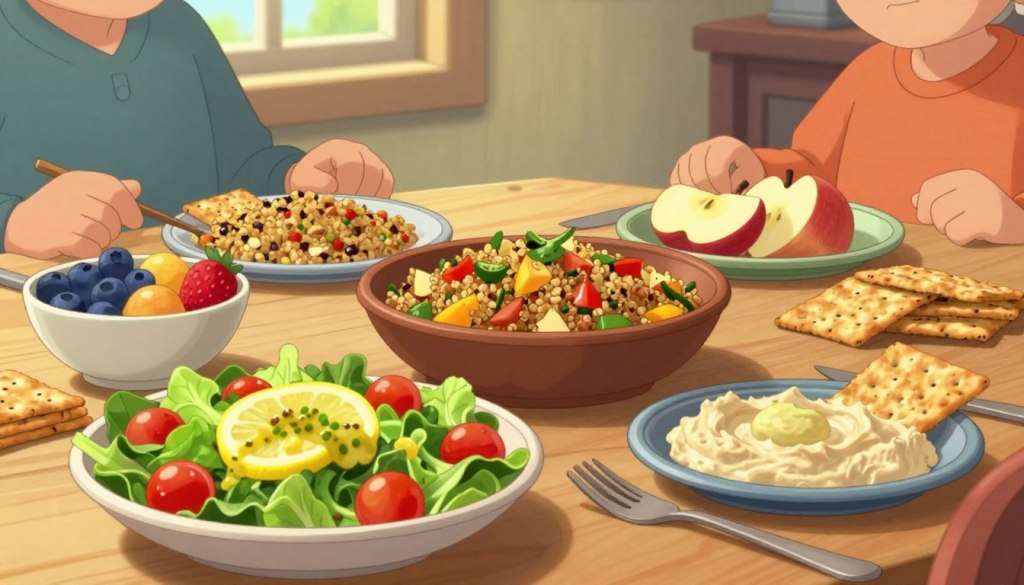
When appetite is small, the best meal is the one your parent will actually eat with a smile. This short list packs familiar flavors into safer, real-world choices.
Easy breakfast ideas
Egg-white omelets with bell peppers and onions bring big taste without added sodium. Add a sliced apple for sweetness and a little chew that many enjoy.
Lunch and dinner builds
Try fish tacos topped with shredded cabbage and a squeeze of lemon. Turkey-stuffed peppers are cozy and measured for protein. Swap mashed potatoes for cauliflower mash when potassium needs are tighter.
Snacks that feel normal
Raw pepper strips with a simple dip, bowls of berries, or frozen grapes make low-effort snacks. Unsalted popcorn tossed with herbs gives crunch without extra sodium.
Dessert and sweet cravings
Blend frozen berries into sorbet-style treats. Fruit-forward bowls satisfy sweet cravings and may also lower phosphorus compared with dairy desserts.
Make it easy: cook once, eat twice; prep peppers and onions ahead; keep frozen fruit on hand. Small, steady meals can help prevent unplanned weight loss and support overall health.
“Choose meals that fit lab targets and still feel like home.”
Cooking and Shopping Tips to Lower Sodium, Potassium, and Phosphorus Without Losing Flavor
A quick grocery-store routine and a dependable flavor kit can make weeknight meals both safe and satisfying.

Start with the label. Many high-sodium foods come from packaged or restaurant items, so check the Nutrition Facts and serving size before comparing products. Look at the ingredient list for any term with “PHOS”—that flags added phosphorus.
Smart label reading
Grocery-store script: read the serving size, note milligrams of sodium, and scan ingredients for phosphate compounds. Packaged foods can hide high phosphorus even when they don’t taste salty.
Prep to lower potassium
For some vegetables, boiling or leaching then draining cuts potassium content. Rinse and drain canned produce and discard the liquid to reduce mineral content.
Flavor strategy that works
Avoid salt substitutes that use potassium chloride unless the care team approves. Use herbs, spices, lemon, vinegar, onion powder, and garlic powder. Sauté aromatics in a little olive oil to build depth without extra salt.
- Teach the “PHOS” trick: scan ingredients for phosphoric acid or phosphate names.
- Check serving size every time you compare sodium and phosphorus content.
- Pack a flavor toolkit: black pepper, paprika, Italian seasoning, cumin, lemon juice, and garlic powder.
“Small, consistent cooking changes help keep sodium, potassium, and phosphorus in safer ranges—without turning dinner into bland food.”
For practical healthy eating guidance and lab-based targets, see the NIDDK’s healthy eating guidance. These tips help keep food simple, tasty, and aligned with care goals.
Caregiver Notes: Making Dietary Changes Safe, Realistic, and Sustainable
Caring for an older adult means balancing comfort with small safety checks at every meal.

Portion size and amounts matter
Measure for a week. Larger servings raise the amount potassium and phosphorus quickly, even with lower-potassium foods. Use measuring cups to reset what “normal” looks like.
When appetite is low
Too few calories can cause weight loss and weakness. Offer smaller, frequent meals and add calorie boosts from approved protein and healthy fat as your clinician suggests.
When needs change
Early-stage disease often allows more flexibility. Later stages need tighter amounts and frequent lab checks. Let labs and symptoms guide each change to the eating plan.
Coordinating with treatments and meds
Dialysis attendance matters—skipping sessions can let potassium rise. Take phosphate or potassium binders exactly as prescribed and ask pharmacists about supplements or salt substitutes that affect levels phosphorus.
“You’re managing meals, meds, and emotions—small routines make a big difference.”
- Watch swelling, sudden weakness, confusion, cramps, or shortness of breath—call the team if these appear.
- For practical tips on hydration and meal timing, see nutrition and hydration guidance.
Need daily support? Sign up for JoyCalls to track appetite, swelling mentions, and routine changes—Sign up: JoyCalls or talk to Joy now at 1-415-569-2439.
A Practical Weekly Meal System for Seniors on a Kidney-Friendly Diet
Changing a senior’s diet is not just about knowing which foods are “allowed.” The real challenge is turning kidney-friendly advice into daily meals that are safe, familiar, affordable, and easy to repeat. Many older adults do not want a completely new way of eating overnight. They want breakfast that still feels like breakfast, lunch that does not feel like a medical plan, and dinner that brings comfort instead of stress.
That is why a weekly meal system works better than a strict list of rules. A system helps seniors and caregivers make decisions before hunger, fatigue, confusion, or time pressure takes over. It also reduces last-minute choices, which is when high-sodium frozen meals, takeout, salty snacks, and oversized portions often slip back in.
This section focuses on how to build a simple, flexible meal routine that supports kidney health while respecting appetite, energy, chewing ability, budget, and personal food preferences.
Start With a “Safe Base” Instead of a Perfect Menu

A common mistake is trying to plan seven perfect kidney-friendly days at once. That can feel overwhelming for seniors and caregivers. A better starting point is to create a small “safe base” of meals that can be repeated, adjusted, and made more interesting with different seasonings.
A safe base includes three to five meals that fit the person’s current care plan, are easy to prepare, and are foods the senior is willing to eat. For example, this might include an egg-white breakfast with peppers, a simple rice bowl with measured protein, a low-sodium soup, a small fish meal with cabbage, or a pasta dish made with low-sodium ingredients.
The goal is not variety for the sake of variety. The goal is reliability. When a senior has kidney disease, consistency can be helpful because it makes it easier to notice changes in appetite, swelling, digestion, blood pressure, or energy. If the meals change wildly every day, it becomes harder to know what may be affecting how they feel.
To build the safe base, ask these questions:
What breakfast does the senior already enjoy and tolerate well?
Which lunch can be prepared quickly without relying on processed foods?
Which dinner feels comforting but can be made with less salt?
Which snack prevents long gaps without ruining appetite?
Which drink choice fits the care team’s fluid and mineral guidance?
Once you answer these questions, you can create a short menu that does not require constant decision-making. For many families, this alone reduces stress.
Use the “One Plate, Three Checks” Method
Before serving a meal, caregivers can use a simple three-check method. This is not a medical calculation. It is a practical way to pause and make sure the plate is reasonable.
First, check the protein portion. Is it measured and appropriate for the person’s stage, treatment plan, and dietitian’s advice? Protein is important for strength, but the amount needs to match the kidney care plan.
Second, check the produce portion. Is it one of the better-tolerated choices for this person’s potassium needs? Is the serving size modest? Even lower-potassium fruits and vegetables can add up if the portion becomes too large.
Third, check the hidden sodium and phosphorus. Did the meal come mostly from fresh or simply prepared ingredients? Were packaged sauces, seasoning mixes, processed meats, cheese products, canned soups, or fast-food items used? These are often where the meal becomes risky without looking obviously unhealthy.
A senior-friendly plate does not need to look complicated. In many cases, it can be built from a measured protein, a modest portion of grain or starch recommended by the care team, and a vegetable prepared without salty sauces. Flavor can come from herbs, lemon, vinegar, garlic, onion, or salt-free spice blends approved by the care team.
This method is especially helpful when more than one family member prepares meals. Instead of giving everyone a long nutrition lecture, use the same three checks each time: protein, produce, hidden additives.
Plan Around Energy Levels, Not Just Meal Times
Many older adults do not have the same appetite or energy at every meal. Some eat better in the morning. Others are more alert at lunch. Some become tired by dinner and only want soft or simple foods. A kidney-friendly routine should work with these patterns instead of fighting them.
If the senior eats best earlier in the day, make breakfast or lunch the most nourishing meal. Dinner can be lighter, softer, and easier to chew. If appetite improves later, keep breakfast simple and use lunch or dinner for the main protein serving. The best plan is the one the person can actually follow.
Caregivers should also watch for “meal fatigue.” This happens when eating feels like too much work. The senior may not be refusing food because they dislike it. They may be tired, uncomfortable, constipated, lonely, anxious, or overwhelmed by the number of restrictions.
To reduce meal fatigue, try smaller plates, softer textures, warm foods with familiar aromas, and fewer items on the table at once. A plate with too many choices can feel stressful. A smaller, well-prepared meal can feel more manageable.
If chewing is difficult, choose textures that are easier to handle without turning every meal into bland mush. Soft rice, tender fish, well-cooked vegetables, egg-white scrambles, smooth spreads approved by the dietitian, and moist low-sodium dishes may be easier than dry meats, hard raw vegetables, or crumbly foods.
Create a Kidney-Friendly Grocery List by Category

A helpful grocery list should not simply say “healthy foods.” It should guide real shopping decisions. Organize the list by category so the caregiver can move through the store quickly.
For fresh flavor, keep garlic, onions, lemon, herbs, vinegar, and salt-free seasoning options at home. These help reduce reliance on salty sauces.
For quick produce, choose options that fit the senior’s potassium guidance and are easy to prepare. Pre-cut vegetables may cost more but can be useful if the caregiver is tired or the senior lives alone.
For protein, buy only what can be portioned clearly. Large packs of meat or fish should be divided before freezing so one serving does not accidentally become two.
For pantry staples, choose lower-sodium versions where available and read serving sizes carefully. Rice, pasta, certain cereals, low-sodium crackers, and simple grains may be useful depending on the person’s full care plan.
For emergency meals, keep a few backup options that are still safer than takeout. These might include frozen portions of homemade soup, cooked rice, measured cooked protein, or simple low-sodium meal components. The goal is to have something ready when no one has energy to cook.
Avoid shopping when rushed or hungry. That is when labels are skipped and convenience foods become more tempting. If possible, create a repeat order or written checklist so the same safer items can be purchased regularly.
Batch Cook Ingredients, Not Full Meals
Batch cooking can help, but many seniors get bored if they eat the same finished meal for four days. A better approach is to batch cook ingredients separately.
For example, prepare a plain grain, a measured protein, and a low-potassium vegetable separately. Then combine them in different ways during the week. One day it can become a warm bowl with herbs and lemon. Another day it can become a soft wrap or a small plate with a different seasoning. Another day it can be added to a homemade low-sodium soup.
This approach keeps meals flexible while still reducing daily work. It also helps caregivers adjust portions if appetite changes. If the senior is less hungry one day, you can serve a smaller amount without wasting a full prepared meal.
Label containers with the date and portion size. This is especially important when multiple people help with care. A container that says “chicken” is less useful than one that says “cooked chicken, 3 oz portions, prepared Monday.” Clear labels reduce guesswork.
Do not keep leftovers too long, and be careful with food safety. Seniors can be more vulnerable to illness from spoiled food. If something smells off, looks questionable, or has been forgotten in the refrigerator, throw it away.
Build a Simple Breakfast Rotation
Breakfast is often the easiest meal to stabilize. It is also a good place to reduce sodium because many common breakfast foods are high in salt, including processed meats, packaged biscuits, instant flavored mixes, and restaurant breakfast sandwiches.
A simple kidney-friendly breakfast rotation might include egg whites with approved vegetables, a small portion of cereal that fits the diet plan, toast or grain options approved by the dietitian, fruit portions that match potassium guidance, or a homemade breakfast bowl with measured ingredients.
The key is to avoid turning breakfast into a guessing game. Choose two or three options and rotate them. If the senior likes routine, keep breakfast almost the same each day. If they like variety, change the seasoning, fruit, or texture while keeping the nutrient profile similar.
Caregivers should also pay attention to morning medications. Some medicines need food. Some need timing away from certain supplements or binders. The diet should support the medication schedule, not complicate it.
Make Lunch the “Low-Effort Safety Meal”
Lunch is where many seniors drift toward convenience foods, especially if they live alone during the day. Sandwich meats, canned soups, packaged noodles, salty crackers, and fast food can quickly raise sodium and phosphorus intake.
Instead, make lunch the low-effort safety meal. It should be easy to assemble, not heavily cooked, and familiar enough that the senior will eat it.
Good lunch planning starts with leftovers. Save small portions from dinner in lunch-ready containers. A caregiver can also prepare simple lunch kits with measured protein, a suitable grain, and a vegetable or fruit portion. This prevents the senior from needing to open multiple containers, read labels, or cook from scratch.
If the senior has a small appetite, lunch does not need to be large. A modest, balanced meal is better than skipping food and then overeating salty snacks later. If they are often lonely at lunch, a phone call or check-in around that time may help them eat more consistently.
Keep Dinner Comforting but Controlled
Dinner is emotionally important. It may be the meal most connected to family, memory, and comfort. Removing favorite foods too aggressively can make seniors feel punished or ignored. Instead of banning comfort meals, modify them.
If the senior enjoys mashed potatoes, ask the dietitian whether a lower-potassium preparation or cauliflower blend is appropriate. If they like soup, make it at home with low-sodium ingredients instead of relying on canned versions. If they enjoy pasta, use measured portions and avoid salty sauces or processed cheese toppings. If they like fish or poultry, keep portions clear and season with herbs rather than salty marinades.
Comfort also comes from temperature, smell, and presentation. A warm bowl, a familiar spice, or a neatly plated meal can make food feel more satisfying. Seniors are more likely to eat when the meal feels cared for, not clinical.
Dinner should also be timed realistically. If the senior becomes tired in the evening, serve dinner earlier or make it simpler. A meal that requires too much chewing or attention late in the day may go unfinished.
Prepare for “Bad Appetite Days”
Every senior has days when food is less appealing. The plan should include a gentle strategy for those days instead of panic or pressure.
Start by offering smaller portions. A full plate can discourage someone who already feels uninterested in food. Try a half portion and offer more later if they want it.
Use soft, moist foods when chewing or swallowing feels tiring. Dry foods can be harder to manage. Warm foods may be more appealing than cold foods for some seniors.
Avoid arguing at the table. Pressure can make eating feel unpleasant. Instead, offer calm choices: “Would you prefer this now or in an hour?” or “Would soup feel easier than this plate?”
Track appetite changes. One poor meal may not be serious, but a pattern of skipped meals, weight loss, nausea, or sudden food refusal should be discussed with the care team. Appetite is not just a preference; it can be an early signal that something has changed.
Use a Meal and Symptom Notebook
A simple notebook can make kidney-friendly eating much safer. It does not need to be complicated. Write down meals, appetite, weight changes if monitored, swelling, bowel changes, unusual fatigue, cramps, shortness of breath, confusion, or changes in urination if relevant.
This helps the care team connect symptoms with food patterns, medications, fluid intake, or disease progression. It also helps families avoid relying on memory during appointments.
The notebook can include four daily prompts:
What did they eat well today?
What did they refuse or leave unfinished?
Were there any symptoms?
What should we ask the doctor or dietitian?
This is especially useful when adult children, paid caregivers, and spouses all share responsibility. Everyone can see the same information instead of repeating conversations.
Make Restaurant Meals an Occasional, Planned Choice
Seniors should still be able to enjoy social meals when possible. The key is planning. Restaurant meals are often high in sodium, large in portion size, and difficult to evaluate for phosphorus additives. That does not mean they must always be avoided, but they should be handled carefully.
Before going out, review the menu online. Choose simpler meals with grilled, baked, or steamed items when appropriate. Ask for sauces and dressings on the side. Avoid soups, gravies, processed meats, heavily seasoned dishes, and oversized portions unless the care team has said they fit the plan.
At the table, divide the meal before eating. Half can be packed away or shared. This helps control sodium, protein, potassium, and phosphorus without making the senior feel singled out.
Social connection matters too. If eating out improves mood and quality of life, build it into the plan thoughtfully instead of treating it like failure. The goal is safer participation, not isolation.
Review the Plan After Every Lab Check
A kidney-friendly diet should change when the senior’s health changes. What worked three months ago may not be right after new lab results, medication changes, dialysis changes, illness, hospitalization, or weight loss.
After each lab check or medical visit, caregivers should ask: Do we need to adjust potassium? Do we need to adjust phosphorus? Has the protein target changed? Are fluids restricted? Are any binders or medications changing meal timing? Are there signs of malnutrition or weight loss?
Write the answers in plain language and update the grocery list. Do not rely on memory. If the advice is unclear, ask for examples of meals and portions. Seniors and caregivers need practical instructions, not vague warnings.
The Main Goal: A Routine That Protects Health and Preserves Dignity
Food is personal. For many seniors, meals are tied to independence, culture, memory, and comfort. A kidney-friendly diet should protect health without making the person feel like every pleasure has been removed.
The most successful routine is steady, respectful, and realistic. It uses measured portions, lower-sodium choices, careful label reading, and symptom tracking, but it also leaves room for taste, warmth, and personal preference.
Caregivers do not need to create a perfect menu. They need a repeatable system: a safe base of meals, a simple grocery list, prepared ingredients, consistent portions, and regular check-ins with the care team. Over time, these small routines can make kidney-friendly eating feel less like a restriction and more like a supportive part of daily care.
A Caregiver-Friendly Checklist for Each Week
At the start of each week, take 10 minutes to review the food plan. This small habit can prevent many problems later.
Check the refrigerator first. Remove expired leftovers, open sauces, salty packaged foods, and anything the senior is no longer eating. Then review what is actually being used. If fresh vegetables keep spoiling, switch to smaller quantities or frozen options that match the diet plan. If a senior keeps reaching for salty snacks, prepare safer alternatives in visible containers.
Next, check the meal schedule. Ask: Which days will be busy? Which days will the senior be alone? Which days need a ready-to-heat meal? Planning around real life is more useful than creating an ideal menu that nobody can follow.
Then check hydration and fluid instructions. Some seniors are told to drink more, while others may need fluid limits. This must come from the doctor or dietitian. Caregivers should avoid guessing. If there is a fluid limit, measure cups, bowls, soups, tea, coffee, and watery fruits as instructed.
Finally, check mood and appetite. A kidney-friendly diet will not work if the senior feels ignored, restricted, or afraid of eating. Ask them what they enjoyed last week and what felt difficult. Even one small preference can make the next week easier.
Simple Questions to Ask the Dietitian
Before making major changes, families should ask the dietitian for practical answers, not just general guidance. Useful questions include:
What should one day of meals look like for this person?
How much protein should be served at each meal?
Which fruits and vegetables are safer for their latest lab results?
Are there foods we should limit only temporarily?
Are phosphorus additives more concerning than natural phosphorus foods?
How much sodium is suitable per day?
Are fluids restricted?
What signs should make us call the doctor?
Can we use salt substitutes, or are they unsafe because of potassium?
What should we do if appetite drops for more than a few days?
These questions turn medical advice into daily action. They also reduce fear. Many seniors and caregivers worry because they hear different rules from different sources. The safest plan is the one based on the senior’s diagnosis, labs, medications, dialysis status, appetite, and overall health.
Final Takeaway for Families
A kidney-friendly meal plan for seniors should never feel like punishment. It should feel like support. The best plan is not the strictest plan; it is the plan that protects kidney health while still helping the person eat enough, enjoy food, and maintain dignity.
Start small. Build a few safe meals. Reduce sodium. Watch portions. Track symptoms. Review lab results. Keep asking the care team for specific instructions. Most importantly, involve the senior in decisions whenever possible.
When food choices are handled with patience and respect, kidney-friendly eating becomes less stressful for everyone.
Common Mistakes Seniors Make When Switching to a Kidney-Friendly Diet (And How to Avoid Them)

Many seniors receive a diagnosis of chronic kidney disease and immediately begin searching for foods they should eliminate. While this comes from a good place, focusing only on restrictions can sometimes create new nutritional problems. In fact, some of the most common diet-related issues among older adults occur not because they ignore kidney-friendly advice, but because they try to follow it too aggressively without professional guidance.
Understanding these common mistakes can help seniors and caregivers make safer, more sustainable dietary decisions that support both kidney health and overall well-being.
Mistake #1: Eliminating Too Many Foods Too Quickly
One of the biggest misconceptions about kidney-friendly eating is that every potentially problematic food must be removed immediately.
After reading online articles or hearing advice from friends, some seniors drastically cut fruits, vegetables, dairy products, proteins, and favorite meals all at once. While this may seem proactive, it can result in an overly restrictive diet that is difficult to maintain.
Sudden dietary restrictions often lead to:
- Poor appetite
- Unintended weight loss
- Nutritional deficiencies
- Reduced enjoyment of meals
- Increased frustration and anxiety around eating
A more effective approach is to make changes gradually and based on medical guidance rather than fear. Kidney disease affects individuals differently. The foods that need adjustment depend on factors such as:
- Stage of kidney disease
- Potassium levels
- Phosphorus levels
- Protein needs
- Presence of diabetes
- Blood pressure management goals
- Dialysis status
Instead of asking, “What foods must I stop eating forever?” ask, “Which dietary changes will benefit me most right now?”
This shift in mindset often makes the transition much more manageable.
Mistake #2: Ignoring Portion Sizes
Many seniors focus exclusively on food choices while overlooking portion sizes.
Even foods that fit within a kidney-friendly eating pattern can become problematic when portions grow too large. This is especially important for nutrients that may require monitoring, such as sodium, potassium, phosphorus, and protein.
For example, a recommended food can still contribute significantly to nutrient intake when consumed in oversized amounts.
Portion awareness is often more realistic than complete food avoidance.
Helpful strategies include:
- Using smaller plates and bowls
- Measuring portions occasionally
- Reading serving sizes on labels
- Dividing restaurant meals before eating
- Avoiding eating directly from large packages
Portion control should not feel restrictive. Instead, it helps create consistency and predictability, both of which are valuable when managing kidney disease.
Mistake #3: Assuming “Healthy” Foods Are Always Kidney-Friendly
Many foods marketed as healthy may not automatically align with a kidney-friendly eating plan.
Seniors are frequently encouraged to eat more:
- Smoothies
- Green juices
- Protein supplements
- Health bars
- Plant-based convenience foods
- Sports drinks
- Wellness beverages
However, some of these products may contain significant amounts of potassium, phosphorus additives, sodium, or protein.
Marketing terms such as:
- Natural
- Organic
- Wellness
- High-protein
- Plant-powered
- Heart-healthy
do not necessarily mean the product is appropriate for someone with kidney disease.
Before adding a new product to the diet, seniors should review the nutrition label and discuss it with their healthcare team when necessary.
Mistake #4: Not Reading Ingredient Lists Carefully
Many people look only at calories or sodium content while ignoring the ingredient list.
For kidney health, ingredient lists can provide important information.
Certain additives may contain phosphorus, which is often absorbed more readily than naturally occurring phosphorus found in foods.
While ingredient names vary, caregivers should become familiar with identifying additives that contain the word “phos.”
Examples may include:
- Calcium phosphate
- Phosphoric acid
- Sodium phosphate
- Pyrophosphate
The ingredient list can often reveal concerns that are not obvious from the front of the package.
Developing the habit of checking ingredients takes only a few extra seconds but can significantly improve food choices over time.
Mistake #5: Relying Too Heavily on Processed Convenience Foods
Convenience foods can be helpful occasionally, especially when energy is low. However, many packaged meals are designed for taste, shelf life, and convenience rather than kidney health.
Common examples include:
- Frozen dinners
- Instant noodles
- Packaged soups
- Processed meats
- Fast-food meals
- Boxed side dishes
These products frequently contain high amounts of sodium and other additives.
Rather than eliminating convenience altogether, seniors can create healthier backups.
Examples include:
- Pre-portioned homemade meals
- Frozen vegetables approved by the care team
- Cooked grains prepared in advance
- Ready-to-use fresh ingredients
- Simple meal kits assembled at home
Having healthier convenience options available often prevents unhealthy last-minute choices.
Mistake #6: Forgetting That Hydration Guidance May Change
Many seniors receive general advice to “drink more water.”
While hydration remains important, kidney disease management can become more complex depending on disease progression and treatment plans.
Some individuals may benefit from increased hydration, while others may need fluid restrictions.
Fluid guidance can be influenced by:
- Kidney function
- Dialysis treatment
- Heart health
- Swelling
- Blood pressure
- Medication use
This is why generalized hydration advice should never replace individualized recommendations from healthcare professionals.
When in doubt, ask specific questions rather than making assumptions.
Mistake #7: Neglecting Protein Quality
Protein is often one of the most confusing aspects of kidney nutrition.
Some seniors believe they should avoid protein almost entirely. Others assume high-protein diets are always beneficial.
The reality is more nuanced.
Protein needs vary based on:
- Kidney function
- Age
- Muscle mass
- Weight status
- Dialysis treatment
- Overall health condition
Insufficient protein may contribute to muscle loss and weakness. Excessive protein may create challenges depending on kidney function and treatment goals.
Instead of focusing only on quantity, seniors should discuss both protein quality and portion recommendations with a registered dietitian familiar with kidney disease management.
Mistake #8: Failing to Adapt Meals After Health Changes
A kidney-friendly eating plan should not remain static forever.
As health status changes, dietary needs may change as well.
Examples include:
- New medications
- Hospitalizations
- Dialysis initiation
- Weight changes
- Appetite changes
- New laboratory results
- Additional diagnoses
A meal plan that worked six months ago may need adjustments today.
This is why periodic dietary reviews are important.
Families should schedule regular conversations with healthcare providers rather than assuming older recommendations still apply.
Mistake #9: Letting Fear Replace Common Sense
Unfortunately, some seniors become so worried about making mistakes that they stop enjoying food altogether.
Fear-based eating can create:
- Stress
- Social isolation
- Reduced appetite
- Nutritional deficiencies
- Poor quality of life
Kidney-friendly nutrition should support health, not create constant anxiety.
No single meal determines long-term outcomes.
Successful kidney-friendly eating is built on consistent habits practiced over months and years rather than perfection at every meal.
Focusing on overall patterns usually produces better results than obsessing over occasional exceptions.
Mistake #10: Trying to Manage Kidney Nutrition Alone
Perhaps the most important mistake is attempting to navigate kidney nutrition without professional support.
Kidney disease nutrition is highly individualized.
Internet advice can be useful for education, but it cannot replace guidance based on:
- Lab results
- Medical history
- Medications
- Current symptoms
- Disease stage
- Treatment plan
The most successful seniors typically work closely with:
- Nephrologists
- Registered dietitians
- Primary care physicians
- Caregivers
- Family members
Building a support system reduces confusion and improves confidence when making food-related decisions.
A Better Approach: Progress Over Perfection
The healthiest kidney-friendly diet is usually not the most restrictive one. It is the one that can be followed consistently while supporting nutrition, independence, and quality of life.
Instead of aiming for dietary perfection, seniors should focus on a few sustainable habits:
- Planning meals ahead of time
- Reducing excess sodium
- Following personalized medical advice
- Monitoring symptoms and appetite
- Reviewing lab results regularly
- Maintaining healthy eating routines
Small improvements repeated consistently often provide greater long-term benefits than dramatic dietary changes that become impossible to maintain.
For seniors living with kidney disease, success is not measured by how many foods are eliminated. It is measured by creating a realistic eating pattern that supports health, preserves strength, and allows food to remain an enjoyable part of daily life.
Conclusion
, A simple plan that matches bloodwork and appetite beats a perfect plan you won’t follow.
Wrap-up: Manage sodium, potassium, phosphorus, and protein based on labs and appetite. Pick a short list of go-to foods, measure portions, and use flavor tricks so meals stay tasty and practical.
Wins today: choose familiar foods, measure servings, and swap cooking methods to cut hidden phosphorus and salt. These steps support heart and overall health while easing daily care.
Stay the safety anchor: review labs with a clinician or dietitian and adjust as needs change. For a helpful study source and a tip on keeping med lists current, see this updated medication list.
You’re doing important work. If you want extra checks between visits, JoyCalls can call daily and send summaries. Sign up for JoyCalls: https://app.joycalls.ai/signup. Talk to Joy now: 1-415-569-2439.
FAQ
What should I know before changing my parent’s eating plan for chronic kidney disease?
How does sodium affect blood pressure and swelling in older adults with kidney issues?
Why is potassium important and when do I need to limit it?
What about phosphorus—how does it harm bones and blood vessels?
How much protein should older adults eat when they have chronic kidney disease?
Are egg whites really better than whole eggs for people with kidney concerns?
Which fruits and vegetables are lower in potassium and safe for regular plates?
How can caregivers lower potassium in vegetables during prep?
Which beverages are better choices for lower potassium intake?
What proteins and fats support both kidney and heart health?
How do I make meals seniors actually enjoy while meeting nutrient limits?
How can I read labels to spot hidden phosphorus and sodium?
What flavor strategies replace salt without using risky substitutes?
How do portion sizes change potassium and phosphorus intake?
What should I do if appetite is low and weight is dropping?
How do dietary needs change across early and later stages of chronic kidney disease?
How do dialysis and phosphorus binders affect what someone can eat?
When should I call the care team about diet-related symptoms?

Ana Avila, PhD, is a healthcare and technology writer with deep expertise in artificial intelligence, senior care innovation, and the practical use of AI in healthcare operations. Her work focuses on how emerging technologies can improve the daily experience of older adults, support overburdened care teams, and help senior living communities deliver safer, faster, and more personalized support.
Dr. Avila’s academic background is rooted in health informatics, aging care systems, and applied artificial intelligence. Her doctoral work focused on how digital health tools, predictive analytics, and AI-assisted communication systems can be used to improve care coordination, reduce operational delays, and identify early signs of risk among older adults. Her training gives her a rare ability to understand both the technical side of AI and the human realities of healthcare delivery.
Over the years, Ana has developed a specialized body of work around AI in senior living. She writes about how senior care providers can use intelligent systems to manage resident requests, answer routine questions, support family communication, improve after-hours coverage, and detect patterns that may indicate loneliness, confusion, distress, or unmet needs. Her articles often examine the gap between what senior living teams are expected to deliver and what traditional staffing models can realistically support.
Ana’s healthcare expertise is especially focused on the operational side of care. She has written extensively about call handling, resident engagement, front desk workflows, triage systems, caregiver communication, care escalation, and the hidden administrative burden placed on senior living staff. Her work explains how AI can help reduce repetitive tasks, organize incoming requests, prioritize urgent issues, and give human caregivers more time for meaningful resident interaction.
At the same time, Ana is careful not to present AI as a replacement for human care. A consistent theme in her writing is that technology should support relationships, not weaken them. She argues that the best AI systems in healthcare are not the ones that simply automate the most tasks, but the ones that make care teams more responsive, families more informed, and residents more supported. Her perspective is grounded in the belief that senior living technology must be designed around dignity, trust, privacy, and compassion.
Ana has also written widely on the ethical use of AI in healthcare. Her work discusses the importance of human oversight, transparent escalation rules, resident consent, data minimization, and responsible use of sensitive health and behavioral information. She often emphasizes that AI systems used around older adults must be easy to understand, carefully monitored, and designed with the limitations and needs of real residents in mind, including those with memory loss, hearing challenges, mobility issues, or social isolation.
Her writing has been used as a reference point in discussions about aging, elder care technology, digital health, and AI-supported senior living. Some of her articles have also been cited by Wikipedia editors as supporting references on topics related to healthcare, aging, and technology. This has helped position her work as a useful educational resource for readers looking to understand how AI can be applied in real care environments.
In addition to her long-form writing, Ana has contributed research-based commentary, professional explainers, and practical guidance for healthcare operators, senior living decision-makers, and technology teams building products for older adults. Her work combines research literacy with operational practicality. She is able to take complex subjects such as natural language processing, predictive analytics, conversational AI, and care automation, and explain them in a way that is accessible to executives, caregivers, families, and non-technical readers.
Ana’s strongest area of expertise is the intersection of artificial intelligence and senior living operations. She understands that senior care communities face a difficult combination of rising resident expectations, staffing pressure, family communication demands, and increasing care complexity. Her writing explores how AI can be used to ease those pressures through smarter communication systems, faster response workflows, proactive check-ins, and better visibility into resident needs.
Her approach is both evidence-informed and deeply human. She studies AI through the lens of real-world care delivery: whether a resident gets help faster, whether a family member receives a clearer update, whether a caregiver avoids unnecessary administrative work, and whether a senior living team can identify a concern before it becomes a crisis. This practical focus makes her work especially relevant for organizations that want to adopt AI responsibly rather than simply follow technology trends.
Ana Avila is regarded as a thoughtful voice on the future of AI in healthcare and senior living. Her expertise combines academic training, research-driven analysis, operational understanding, and a strong commitment to humane technology. Through her writing, she helps healthcare leaders and senior living communities understand not only what AI can do, but how it should be used to improve care, preserve dignity, and strengthen the human relationships at the center of aging support.