

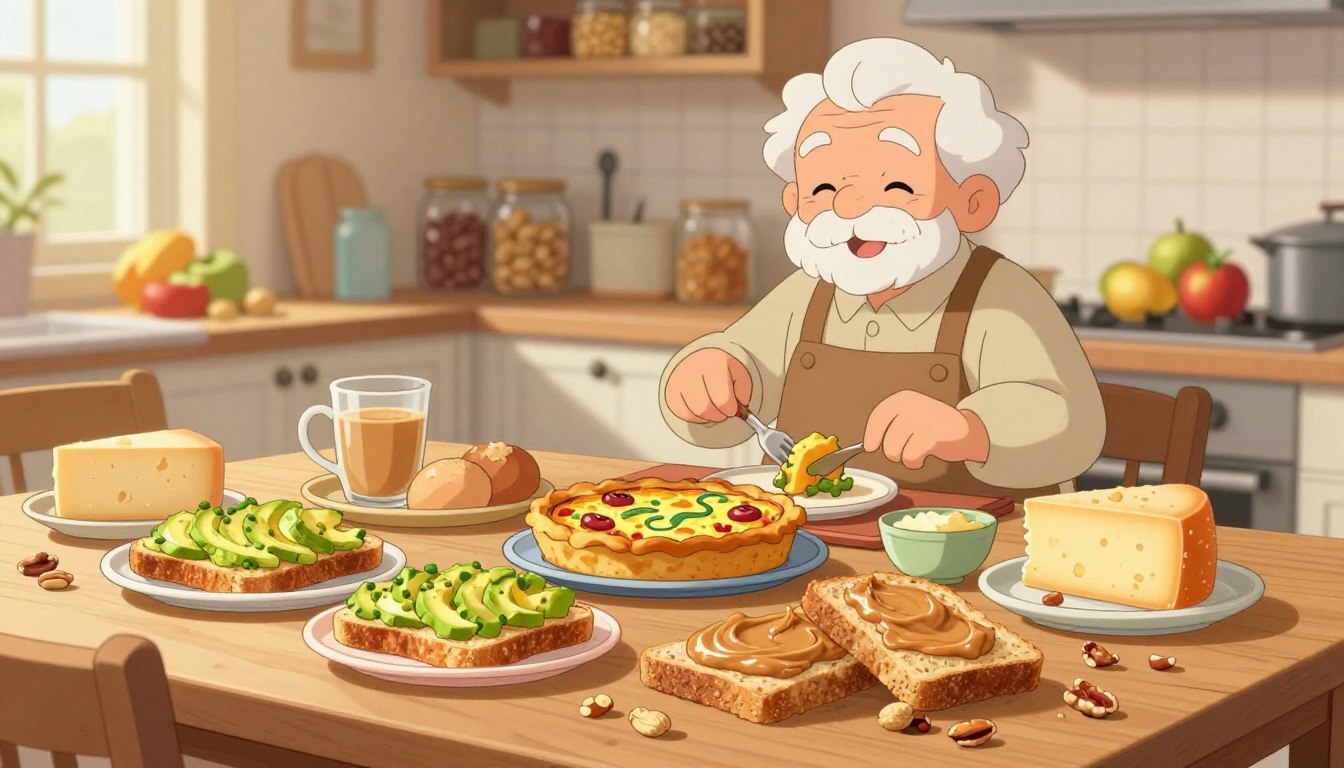
Did you know that unintentional weight loss affects up to one in four older adults living at home? That number can feel overwhelming when a parent begins to shrink away from meals.
Good news: gentle, steady weight gain is possible with simple choices that add calories and preserve strength. This guide focuses on calorie-dense, nutrient-rich options that are easy to eat and easy to keep on hand.
We’ll show snacks, drinks, and small add-ins that boost daily calories without giant portions. The goal is safe, steady weight gain that supports energy and muscle, not empty treats.
You don’t need gourmet meals. Repeatable pantry staples and quick combos make progress doable for busy caregivers. If you want a ready list of practical items and serving ideas, check this helpful resource: high-calorie snack and meal ideas.
Key Takeaways
- Small daily increases in calories add up over weeks.
- Choose foods that combine energy and protein to keep muscle.
- Pick easy-to-eat options and repeat what works.
- Focus on safety first—check with a doctor when weight drops quickly.
- Simple routines and tools can help caregivers stay consistent.
Why weight gain can be tough for older adults right now
It’s common for portions to shrink and appetite to slow—this quietly lowers daily energy intake.
Age-related appetite changes and reduced calorie intake
Caloric needs change with age. Many older adults eat about 500–700 fewer calories each day than in younger years. That gap can cause steady weight loss unless caregivers make a plan.
Lower taste and smell can make food less appealing
Taste and smell often fade. Favorite dishes can seem bland, and the joy around meals can vanish. Small tweaks in seasoning and texture help bring flavors back.
Medications, chronic conditions, and dental issues
Many prescriptions blunt appetite. Chronic illness saps energy. Dental pain or loose dentures can make chewing meat or nuts painful. These barriers cut calorie intake and make eating a chore.
Mood and memory changes that may reduce interest in meals
“They say they’re not hungry,” or “They take two bites and they’re done.”
Depression and memory loss blunt appetite and cause skipped meals. This is common and not a failure.
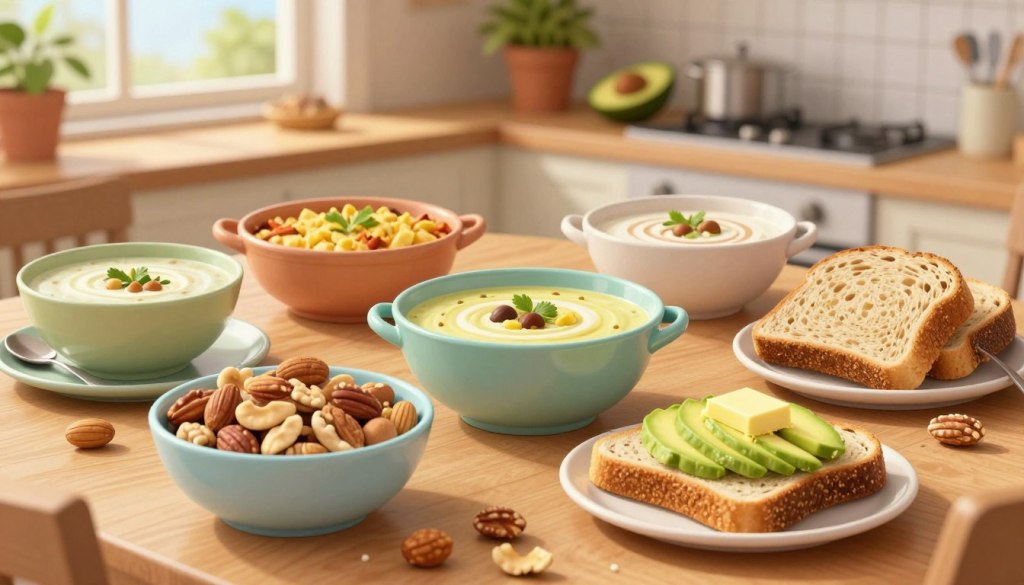
| Cause | How it affects eating | Caregiver tip |
|---|---|---|
| Lower appetite | Smaller portions, fewer calories | Offer frequent mini-meals |
| Taste loss | Food seems bland | Boost seasoning and texture |
| Dental issues | Hard to chew | Serve softer, nutrient-dense options |
| Mood & memory | Skipped or repeated meals | Create routine and gentle reminders |
Start with safety and a simple plan. Then add small, steady steps to increase calories and protect overall health and weight.
Before you increase calories, cover the safety basics
Safety first: a quick health check helps guide any plan to add calories.
When to contact a doctor about unintentional weight loss
Trust your gut. If weight drops quickly or without reason, call a clinician. Fast loss can signal an illness, a medication side effect, or dental pain that needs fixing.
Bring a short log to the visit: recent weights, skipped meals, meds, and appetite changes. This makes appointments more useful.
How to choose calorie-dense foods that are easy to chew and digest
Pick softer textures that ease eating. Good examples: yogurt, eggs, mashed potatoes, ground meats, and smoothies.
These choices raise daily intake without large portions. They also feel gentler on teeth and digestion.
Why protein and nutrient density matter for strength and quality of life
Calories matter, but protein matters more for muscle, balance, and recovery. Aim for foods that add energy and vitamins—think avocados, nut butter, fish, and full-fat dairy products.
| Choice | Texture | Protein (per serving) | Benefit |
|---|---|---|---|
| Greek yogurt | Soft | 15–20 g | Protein + calcium |
| Mashed potatoes with butter | Creamy | 3–6 g | Easy calories and comfort |
| Ground turkey | Soft | 20–22 g | Lean protein for strength |
| Smoothie with milk & nut butter | Drinkable | 10–15 g | Portable intake boost |
- Caregiver tip: keep meals simple and repeatable. Small steps each day add up to steady weight gain and better health.
High calorie foods for elderly that are nutrient-dense and easy to use
A starter kit of versatile pantry items helps add energy and protein each day. These picks are simple to buy, easy to prepare, and gentle to chew.
Nut butters: Easier to eat than raw nuts and rich in monounsaturated fat. Try a spoonful stirred into warm oatmeal, spread on toast, or blended with milk and fruit for a creamy smoothie that adds both taste and energy.
Avocados: Creamy and mild. Mash on toast, slice into sandwiches, fold into eggs, or blend into a smoothie. They add smooth texture without changing flavor much.
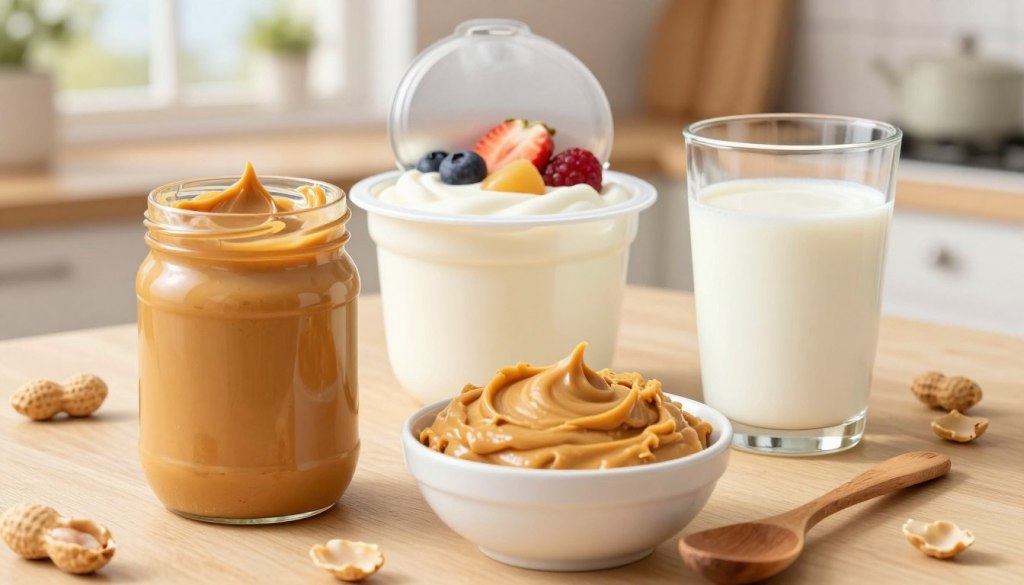
Full-fat dairy: Swap whole milk for skim, choose full-fat yogurt, and keep a few cheeses on hand. These small swaps can add 100–250 extra calories a day. Greek yogurt also brings protein, B‑12, and calcium.
Potatoes & whole-grain starches: Affordable staples that act as a blank canvas. Top a baked potato with butter, cheese, and cream or mash with milk and butter for a soft, filling side.
Coconut milk & oil: Stir coconut milk into soups, stews, and curries to enrich texture and calories. Use coconut oil in cooking when a light coconut flavor works. These are easy ways to boost energy without extra bites.
Tip: Match texture to dental comfort—smooth, mashed, shredded, or blended options usually win.
- Starter-kit checklist: peanut butter or mixed nut butter, ripe avocados, whole milk, Greek yogurt, a block of cheese, potatoes, and a can of coconut milk.
Protein-forward foods that support healthy weight gain
Think of protein as the helper nutrient that supports muscle, strength, and the ability to stay independent. Small, tasty choices packed with protein make each meal count without adding extra work.
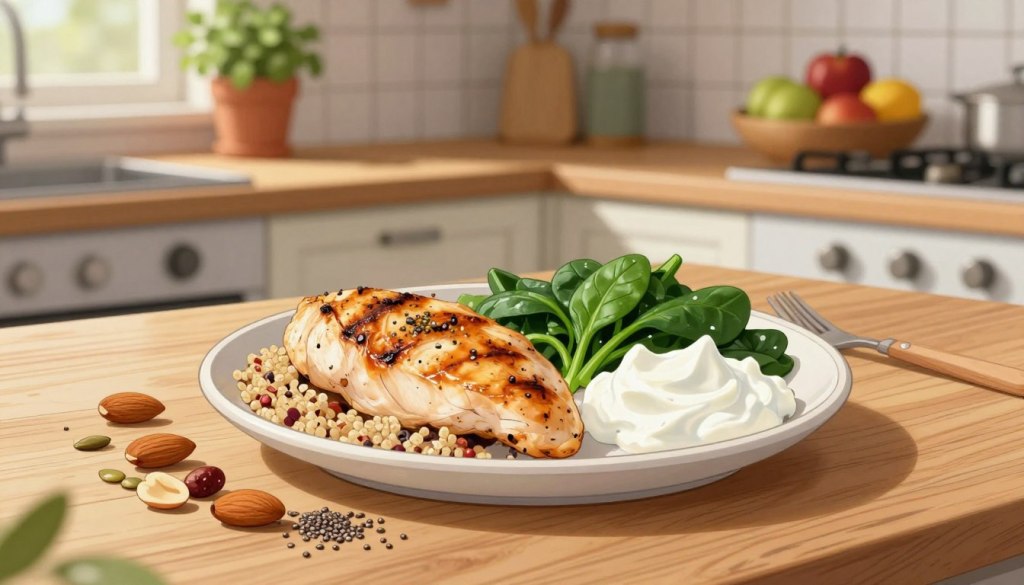
Eggs: an easy pick any time of day
Eggs cook fast and adapt to many tastes. Try scrambled with cheese, an omelet with avocado, or egg salad on soft bread.
They work for breakfast or a quick “breakfast for dinner” plate.
Poultry and pork made simple
Rotisserie chicken, ground turkey, and slow-cooker shredded pork are soft and gentle to chew.
These options add steady protein and are easy to mix into sandwiches, bowls, or mashed potatoes.
Beef and other red meat
Beef provides calories and leucine, which helps the body build and keep muscle.
Choose fattier cuts when extra energy is needed, and check with a clinician about portion size.
Salmon and oily fish
Fish delivers quality protein plus omega-3 fat that supports overall health.
Canned salmon is a pantry-friendly choice for salads, spreads, or sandwiches.
Cottage cheese and Greek yogurt
Soft dairy staples like cottage cheese and Greek yogurt pack a strong protein punch.
Add fruit, granola, or a spoon of nut butter to boost taste and energy.
“Start protein earlier in the day when appetite is better—small wins add up.”
| Food | Texture | Approx. Protein | Why it helps |
|---|---|---|---|
| Eggs | Soft | 6–8 g per egg | Versatile and quick |
| Chicken / Turkey | Tender | 20–25 g per serving | Easy to shred and add to meals |
| Beef (lean or fattier cut) | Varies | 22–26 g per serving | Calorie-dense; offers leucine |
| Salmon / Oily fish | Flaky | 20–22 g per serving | Protein + omega-3 fat |
| Cottage cheese / Greek yogurt | Creamy | 12–20 g per serving | Soft, easy snack or meal base |
- Caregiver note: prioritize protein earlier in the day if appetite fades later.
- Mix these ingredients into familiar dishes to increase intake without pressure.
Calorie-dense carbs that make meals more filling without huge portions
When appetite is low, denser carbs make each bite count and feel comforting. They add calories and comfort without large plates. That helps steady weight gain while keeping meals simple.

Rice bowls with easy add-ins
Rice is cheap and forgiving. Try microwave rice topped with an egg and cheese, shredded chicken with pesto, or canned salmon and olive oil. These mixes boost calories and protein in one bowl.
Whole-grain bread as a go-to vehicle
Whole-grain bread makes sandwiches, toast, or small open-faced snacks. Spread nut butter, mash avocado with cheese, or tuck soft protein inside. Half-sandwich portions feel less intimidating.
Beans, lentils, and quinoa
Legumes and quinoa are a two-for-one pick: complex carbs plus extra protein. Serve stews, pureed soups, or soft bowls to ease chewing and add steady energy.
Mashed potatoes made richer
Caregiver tip: enrich mashed potatoes with cream, butter, and shredded cheese for an easy energy boost. Keep texture smooth for dental comfort and offer seconds on small plates.
| Carb | Texture | Quick add-ins | Approx. kcal per serving |
|---|---|---|---|
| Rice | Fluffy | Egg, cheese, pesto | 250–350 |
| Whole-grain bread | Toasted/soft | Nut butter, avocado, cheese | 180–260 |
| Quinoa / Beans | Soft/creamy | Olive oil, shredded chicken | 200–300 |
| Mashed potatoes | Creamy | Cream, butter, cheese | 220–360 |
High-calorie drinks for seniors with low appetite
Sipping nutrient-dense beverages can be the easiest way to add extra energy on tough appetite days. Drinks are often accepted when plates are not. That’s okay. They help keep weight and strength steady.
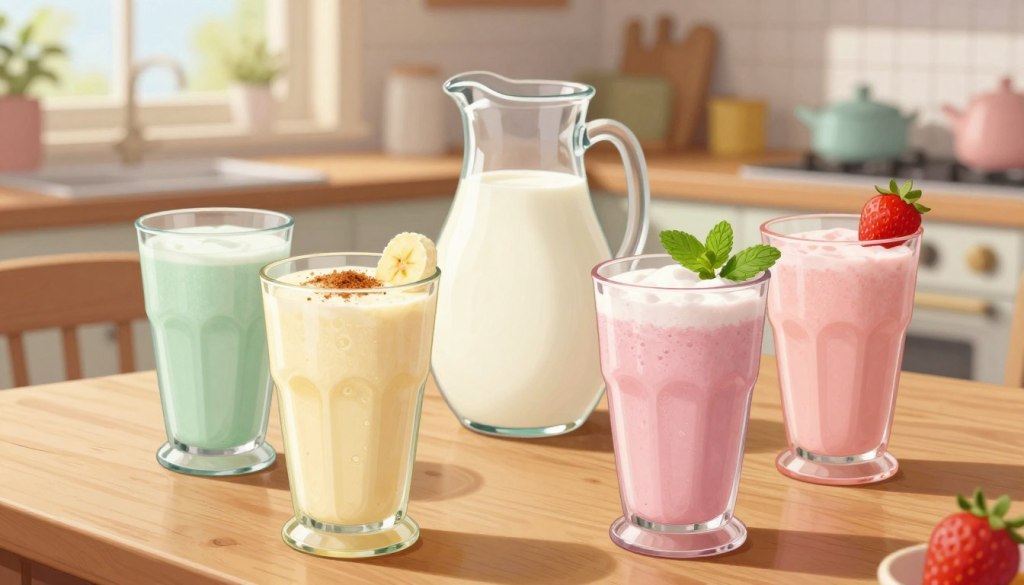
Whole milk with meals to add consistent daily calories
Whole milk is a simple baseline. An 8 oz glass has about 146 calories. Serve one with breakfast, lunch, and dinner and you add roughly 438 calories a day. Try lactose-free whole milk if digestion is an issue.
Smoothies with whole milk, yogurt, fruit, and nut butter
A smoothie is easier to sip than a big plate. Use whole milk, full-fat yogurt, a cup of fruit, and a spoon of peanut butter. This starter formula often lands between 400–600 calories. Prep frozen fruit packs so blending takes under two minutes.
Protein smoothies with optional powder for extra intake
If meals stay small, add protein powder to a smoothie. Pick familiar flavors—vanilla or chocolate—to keep taste steady. Protein boosts muscle support and makes each drink more filling.
Juice as a supplemental source when appropriate
Orange juice (8 oz ≈112 calories) can help on days when nothing else works. Use it as a supplement, not a meal replacement. Pair juice with a small snack that adds protein or fat for balance.
“When food feels like too much, a sip can be a kind yes.”
Snack ideas that add calories between meals
A few well-chosen nibbles each day can deliver hundreds of extra calories with little fuss. Think of snacks as mini-meals. They are a practical way to add about 300–500 calories per day without a fight at dinner.
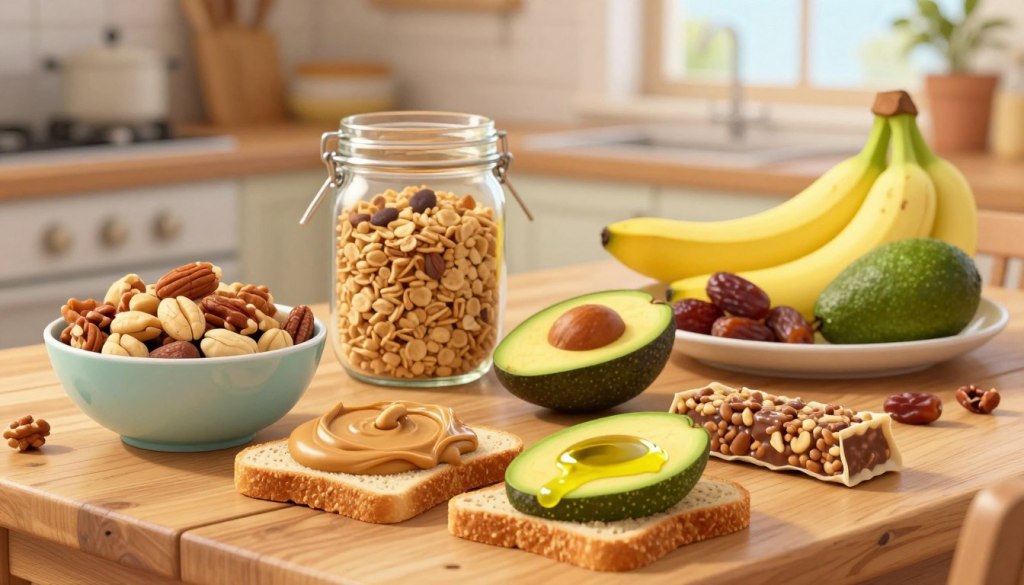
Mini-meal strategy: offer small portions several times a day. Keep options visible and easy to reach. A counter bowl or a fridge “snack box” helps, and a quick note can prompt memory.
Crackers & quick combos
Choose softer crackers if chewing is hard. Try these combos:
- Crackers + cheese
- Crackers + peanut butter
- Crackers + mashed avocado
Nuts, yogurt, trail mixes
Keep nut portions small. Chop nuts into yogurt to make them easier to eat.
Full-fat yogurt topped with fresh or dried fruit and granola is a familiar, sweet option. Trail mix with nuts and dark chocolate is handy—portion into small bags.
Bars paired with dairy
Pair a cereal or granola bar with a glass of milk or a dollop of yogurt. That adds protein and makes the snack more filling.
| Snack | Serving | Approx. kcal | Why it helps |
|---|---|---|---|
| Crackers + cheese | 4–6 crackers + 1 oz | 150–220 | Easy protein and fat |
| Full-fat yogurt bowl | 1 cup + toppings | 200–350 | Protein, calcium, fruit |
| Trail mix (DIY) | 1/4 cup | 150–200 | Portable energy |
| Granola bar + milk | 1 bar + 8 oz | 250–350 | Quick, familiar pairing |
Need more ideas? See these high-calorie snack ideas to expand the list.
Simple add-ins that increase calories without changing the meal much
A few easy add-ins make each bite count while keeping meals familiar. This is the quiet calorie approach—perfect when a senior feels overwhelmed by bigger plates.
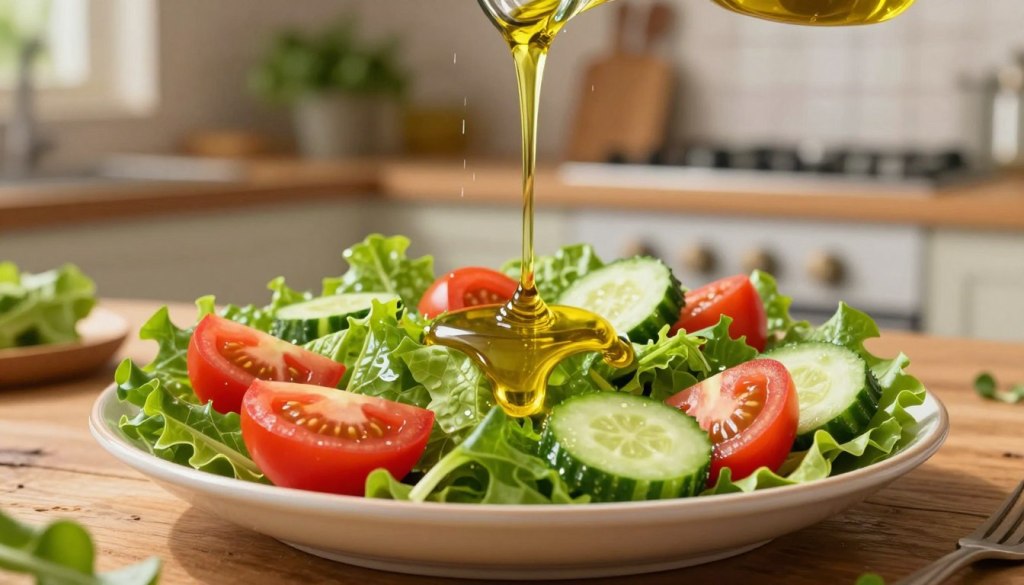
Olive oil drizzles
Keep a bottle by the stove or on the counter. A tablespoon adds about 100–120 calories and lifts flavor on vegetables, pasta, or soups.
Make a habit: a quick drizzle on a bowl before serving makes a measurable difference over a week.
Cheese “extras”
Sprinkle grated cheese on eggs, casseroles, and sandwiches. A slice or a small handful can add roughly 80–120 calories.
Tip: choose melting cheeses that add taste and soft texture for easier chewing.
Ground flaxseed or chia
Stir a tablespoon into oatmeal, yogurt, or smoothies. These seeds add fiber, healthy fat, and a discreet calorie boost with almost no change in texture when used lightly.
Pesto as a quick upgrade
Pesto is an instant way to enrich rice, pasta, toast, chicken, or fish. A spoonful brings flavor and energy without bulky portions.
Make a small jar and use it like a spread or sauce for easy reuse.
Sour cream or Greek yogurt swaps
Swap sour cream for full-fat Greek yogurt to keep creamy toppings while adding protein. Both add comforting texture and extra calories to baked potatoes, dips, or bowls.
“Caregiver note: pick one or two add-ins and use them daily — consistency beats trying to do everything at once.”
Want more ideas on how to raise intake gently? See this helpful guide on foods to gain weight: foods to gain weight.
Make meals more appealing so seniors actually want to eat
A calm mealtime routine gives both structure and comfort to someone who isn’t eating well. Speak gently: “They’re not refusing you—they’re struggling.” That shift reduces pressure and opens the door to small changes that help.

Stick to a mealtime schedule and keep portions smaller
Set a gentle rhythm: breakfast, mid-morning snack, lunch, mid-afternoon snack, dinner. Predictable times help appetite return.
Use small plates. Little portions feel doable. Offer seconds as a choice, not a demand.
Serve more frequent mini-meals and planned snacks
Mini-meals raise daily intake without big plates. Plan a simple snack between meals—yogurt, cheese on toast, or a small smoothie.
Boost flavor with seasonings and familiar comfort food
Lightly add herbs, lemon, gravy, or melted cheese if approved by a clinician. Familiar tastes often trigger appetite and improve taste perception.
Make food look inviting and easy to manage
Cut into bite-size pieces. Keep warm foods warm and soft foods safe for chewing. Presentation matters—bright plates, a napkin, and easy utensils help.
Get your loved one involved in simple kitchen tasks
Offer low-stress jobs: stirring oatmeal, sprinkling cinnamon, or choosing a fruit. Ownership often sparks interest and pride. Use breakfast as a key opportunity—whole milk, eggs, or oatmeal add usable calories early in the day.
“Small changes and a kind routine beat pressure every time.”
| Goal | Simple Action | Why it helps |
|---|---|---|
| Predictability | Fixed meal and snack times | Restores appetite rhythm |
| Manageable portions | Small plates, offer seconds | Reduces overwhelm and improves intake |
| Better taste | Add herbs, sauces, or cheese | Makes food more appealing |
Sample high-calorie meal combinations using everyday ingredients
Try a simple day of meals you can copy and repeat when decisions feel heavy. Use small swaps to add calories and protein without big plates.
Breakfast: whole‑milk oatmeal with nut butter and fruit
Warm oatmeal made with whole milk is soft and easy to finish. Stir a spoon of nut butter and a handful of fruit for extra energy and taste.

Lunch: sandwich on whole‑grain bread with cheese and avocado
Make a half sandwich with melted cheese and mashed avocado. Pair with a small bowl of soup to keep the portion manageable.
Dinner: chicken or beef with rice or potatoes plus added oil or pesto
Serve shredded chicken or tender beef over rice or mashed potatoes. Add a drizzle of olive oil or a spoon of pesto to raise calories without increasing portion size.
Snack: yogurt parfait with granola, dried fruit, and nuts
Layer full‑fat yogurt, granola, dried fruit, and a few chopped nuts in small cups. Pre‑make portions for grab‑and‑go snacks.
Drink: high‑protein smoothie with whole milk, yogurt, and peanut butter
Blend whole milk + yogurt + peanut butter for a smoothie that often reaches ~400–600 calories, depending on ingredients. Serve after a short walk when taste may be better.
Adjust textures—chopped, shredded, or mashed—to match today’s comfort level, not memories from years ago.
Build a circle of care to share these simple, repeatable meal ideas and ease caregiver decision fatigue.
Support for caregivers: keep nutrition on track with JoyCalls
You can’t be at every table, but small systems can keep meals and intake steady.
JoyCalls is an AI-powered phone companion that checks in with your parent daily. No app or extra device is needed. Calls are gentle. They remind your loved one about hydration and mealtimes without nagging.
- Daily check-ins that gently prompt a meal or snack.
- Simple prompts like: “Did you have breakfast?” “What did you eat?” “Any trouble chewing?”
- Summaries and alerts sent to you so patterns are easy to spot.
Those summaries let you catch skipped meals, low appetite days, or mood changes before weight loss becomes a crisis. JoyCalls is also a companion your parent can talk to. That connection can lift mood and support regular food intake.
“You can’t be there for every meal, but you can know when help is needed.”
| Feature | What it does | Caregiver benefit | Use case |
|---|---|---|---|
| Daily check-ins | Friendly voice prompts | Tracks meal timing | “Did you eat breakfast?” |
| Summaries & alerts | Email or text updates | Spot trends early | Notice skipped meals or low intake |
| Companion calls | Conversation and social support | Reduces loneliness | Short daily chat to lift mood |
Want to try it? Sign up now and give yourself one more tool to protect health and weight.
Sign up for JoyCalls: https://app.joycalls.ai/signup
Talk to Joy now: 1-415-569-2439
Conclusion
Conclusion
Tiny wins matter. Tiny changes—an extra snack, a richer side, a protein-packed drink—stack into steady weight gain over weeks.
Remember: 3,500 extra calories roughly equals about one pound. Start with safety checks. Pick easy-to-eat, calorie-dense choices and prioritize protein at each meal.
Try this simple routine: one energy-rich drink a day, one planned snack, and one add-in (olive oil, cheese, or nut butter) at a main meal. Personalize every step for chewing, digestion, and taste.
If staying on track feels hard, support is available. Sign up for JoyCalls: https://app.joycalls.ai/signup or talk to Joy now: 1-415-569-2439. Small, steady actions protect health and build confidence.