

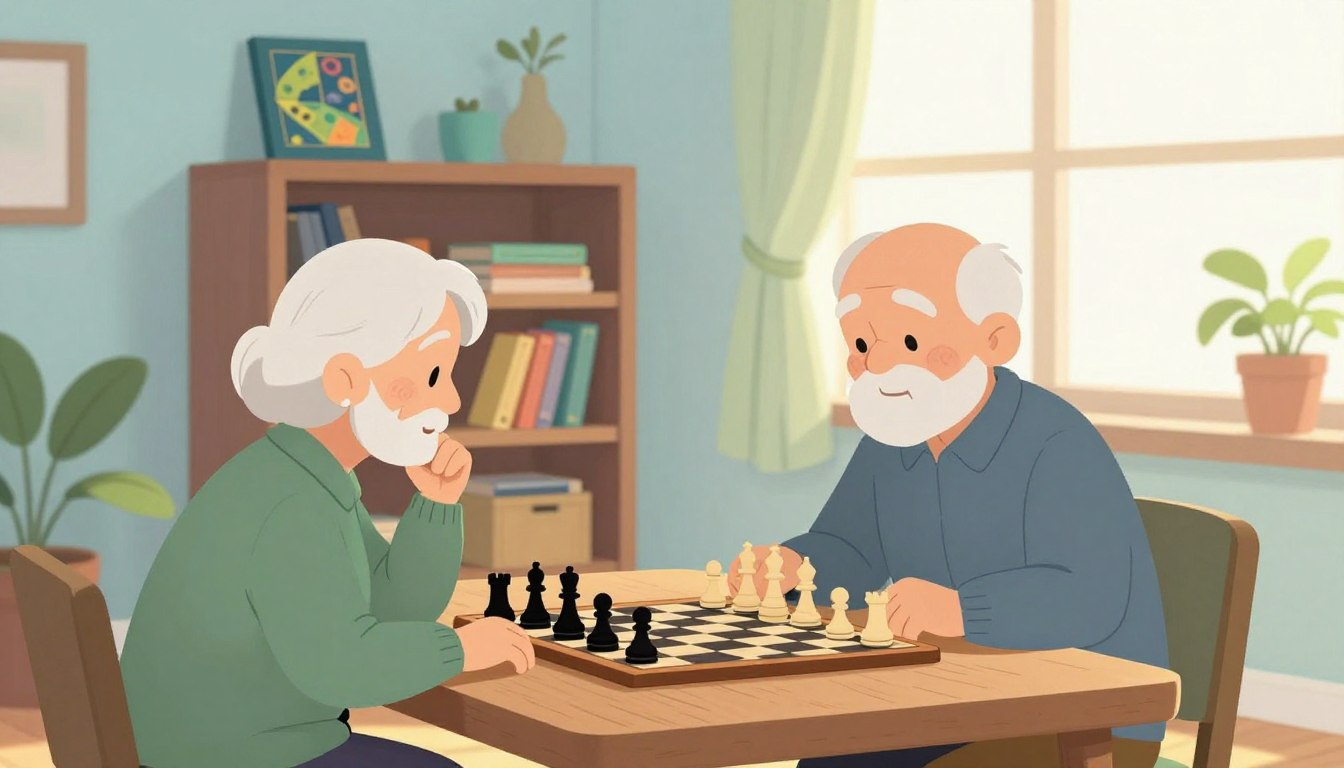
Surprising fact: small drops in body water can cause memory slips and confusion that look like dementia.
One afternoon an adult child notices a parent forgetting a name. They pause and ask, “Is this normal… or is it something more?” That moment sparks worry and a wish for simple, doable steps.
This short guide promises small daily changes that fit into real life. No fancy gear. No long routines. Just steady actions that add up.
We cover move, eat, sleep, learn, connect, protect, track numbers, and manage stress—each is a doable today step. You’ll see how progress matters more than perfection.
You don’t have to handle this alone. If you’re worried right now, Talk to Joy now: 1-415-569-2439. Or Sign up for JoyCalls to set up gentle daily check-ins and companionship.
We’ll also cover safety tips and when to loop in a health care provider. For hydration and thinking changes, see this practical guide: could it be dehydration?
Key Takeaways
- Small daily steps can support a sharper mind over time.
- Focus on movement, good sleep, food, social contact, and stress care.
- Progress beats perfection—tiny wins matter.
- JoyCalls can help with daily check-ins and peace of mind.
- Watch safety signs and seek a provider when changes are sudden.
Why brain health matters more with age
A quiet missed name at dinner can make anyone pause and worry about what’s normal. Small slips—slower recall, taking longer to find a word, or needing extra reminders—are common as people grow older. Those changes describe cognitive decline in plain terms.
What “cognitive decline” means vs. what isn’t normal aging
Normal change is mild and doesn’t stop daily life. Not normal: getting lost in familiar places, big personality shifts, or memory problems that interfere with cooking, bills, or safety. Those signs deserve a check with a professional.
How everyday habits can lower dementia and Alzheimer’s disease risk over time
Think of mental function as tied to blood flow, sleep, mood, and overall wellness. Good routines—movement, steady sleep, social contact, and managing health numbers—can lower long-term risk of serious decline and may reduce chance of dementia or Alzheimer disease.
You can’t change age or genes, but small actions stack in your favor. Noticing change is an act of care, not panic. Regular check-ins and simple daily routines help families spot patterns early.

Brain health habits for seniors you can start today
Start with what you already do and tuck a tiny new step beside it. That makes change easy and real. Pick actions that match abilities, medical conditions, and interests.
How to pick habits that fit your life
Choose a pace that feels safe now. If arthritis or balance issues limit movement, try seated stretches or a short, steady walk.
Match choices to meds and conditions. Ask your doctor when chest pain, dizziness, or big sleep problems happen.
Build consistency with small changes
- Pick-your-pace: start with 5–10 minutes. Add a bit each week.
- Anchor new steps to routines: after coffee, with meds, or before evening TV.
- Minimum viable habit: one veggie at lunch, a 10-minute post-breakfast stroll, screens off at 9 p.m., one call per week.
“Routines beat willpower — the best habit is the one you’ll actually keep.”
If questions come up, speak with a doctor or care team. Adult children can help by removing friction: map a nearby path, set out puzzles, or join JoyCalls for gentle daily check-ins.
Get moving to boost blood flow to the brain
A short walk or two each day can quietly change how your mind and body feel. Movement increases blood flow, which brings oxygen and fuel to brain cells.
A practical weekly target: aim for about 150 minutes of moderate physical activity each week if your doctor agrees. Start with five or ten minutes and add more over time.
Aim for activity that raises your heart rate
Choose movement that gets you slightly breathy but still able to talk. That level helps circulation and supports thinking over time.
Low-barrier activities you can do daily
- Hallway or garden walks.
- Chair-based exercises or light gardening.
- Dancing in the kitchen or a few laps around the block.
Walking as a simple, effective default
Walking is low-cost and easy to scale from 5 to 30 minutes. It’s one of the safest aerobic exercises and suits many older adults.
Add balance and mobility work to prevent falls
Try gentle yoga, tai chi, heel-to-toe steps near a countertop, or standing on one foot while holding a chair.
| Goal | Example | Minutes per session |
|---|---|---|
| Light activity | Hallway walk, chair stretches | 5–15 |
| Moderate activity | Brisk walking, dancing | 20–30 |
| Balance work | Tai chi, single-leg stands | 5–10 |
Safety tips: wear supportive shoes, stay hydrated, avoid icy routes, and pick flat, well-lit paths. Use a buddy system—walk with a friend or call someone while you move. Adult children can help by setting regular times and celebrating small wins like “three walks this week.”
“A few minutes today beats a promise for tomorrow.”
Eat for brain function with fewer processed foods and more plants
Small shifts at the grocery store can support clearer thinking over time. Food is steady support. What helps the heart usually helps the mind.

How Mediterranean- and MIND-style choices help
Mediterranean and MIND-style plans mean more plants, olive oil, nuts, and fish. They limit ultra-processed snacks, sweets, and heavy red meat. These patterns aid circulation and lower risk tied to diabetes, high cholesterol, and high blood pressure.
Build a brain-friendly plate
Aim for half vegetables, a protein (beans, lentils, or fish), and a side of whole grains. Add a handful of nuts or seeds and a drizzle of olive oil.
- Canned beans, frozen vegetables, and canned salmon are low-prep wins.
- Walnuts, pre-washed greens, and olive oil add flavor and healthy fats.
- Whole grains like brown rice or barley add fiber for steady blood sugar.
Make meals satisfying and simple
Use herbs, garlic, lemon, and spices to boost flavor. Try sheet-pan salmon and veggies, lentil soup, or veggie omelets. Snack plates with nuts and cut vegetables save time and keep energy steady.
“Small menu swaps protect circulation and make meals more enjoyable.”
Caregiver tip: set a recurring grocery delivery or a shared list so loved ones can help from anywhere. Learn more about the MIND-style diet and try diabetes-friendly meal ideas like the diabetes-friendly meals guide.
Sleep well to protect memory and mood
Late-night tossing and waking can quietly chip away at memory and mood. Good rest helps clear daily clutter and supports long-term brain function. When nights are short, people notice more forgetfulness, low energy, and irritability.

Why quality rest matters
Consistent rest helps cement memories and resets mood. Poor rest raises stress and makes day tasks harder. Many assume change equals aging when it can be simple sleep loss.
Evening routines that help
- Dim lights and quiet the room 30–60 minutes before bed.
- Limit screens and caffeine late in the day.
- Keep the bedroom cool and stick to a regular bedtime.
- Try morning sunlight to reset the internal clock.
When to talk with a provider
Seek care if there is loud snoring, gasping at night, waking exhausted, or daytime sleepiness that affects safety. Sleep apnea is common and treatable and can harm thinking if ignored.
| Evening habit | Why it helps | Small win |
|---|---|---|
| Dim lights | Signals the body to wind down | Lower lamp 1 hour before bed |
| Screen curfew | Reduces alerting blue light | Phones off 30–60 minutes early |
| Cool, quiet room | Supports uninterrupted rest | Set thermostat 2–3° lower |
| Consistent schedule | Stabilizes sleep-wake rhythm | Same bedtime 5 nights a week |
“A steady night makes a clearer day.”
Adult children can help by noting sleep patterns during calls and gently suggesting an appointment. Learn practical tips on sleep and older adults and set up a simple check-in cadence with a caregiver check-in schedule.
Challenge your mind with learning, puzzles, and games
Picking up a simple game each day gives the mind gentle, useful exercise. Treat mental play as movement: it’s not about being perfect. It’s about staying curious and engaged.

Try something new to build cognitive reserve
Learning builds extra pathways that help function later. Think of it as making backup routes the brain can use when tasks get harder.
Brain games that keep you engaged
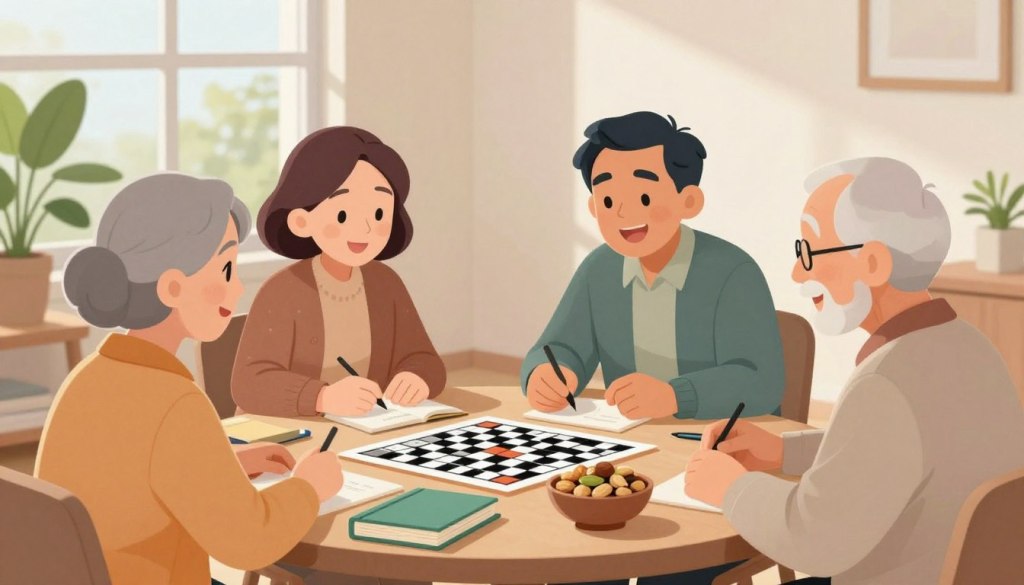
Choose fun puzzles and games, not tests. Try crosswords, sudoku, jigsaws, word searches, chess, or card games. A short daily puzzle beats a long, dreaded session.
Cross-train with different activities
Mix creative tasks with strategy games. Try a library class, a new recipe, basic watercolor, or a few Spanish phrases. Use your non-dominant hand for simple chores to add variety.
- Practical tip: keep a small “brain basket” with large-print books, a notepad, and a puzzle book at the table.
- Gift idea for adult children: give a museum pass or class and join when you can—time together matters.
“A little curiosity every day piles up into real gains over time.”
Consistent play and learning, alongside movement, sleep, and social ties, may help slow cognitive decline. Learn more about staying mentally active at the NIH cognitive health guide and explore hobby ideas at JoyCalls’ hobby guide.
Stay socially active to reduce isolation and support mental sharpness
A simple chat at the mailbox or a short walk with a neighbor can lift the whole day.
Isolation often sneaks in after retirement, a move, or loss. It raises stress, saps mood, and can slow thinking. Research shows regular social contact may lower dementia risk and brighten mood over time.

Everyday ways to add more connection to your day
- Say hello to a neighbor or chat with the cashier while you shop.
- Call a relative during a walk—short calls add up.
- Schedule a weekly coffee or game with friends.
Combine social time with movement or classes
Meet a friend for a mall lap or join a walking group. Community classes mix social contact and gentle activity. These double-duty options cut stress and make social time easier to keep.
Volunteer or join a club to build routine and purpose
Try a library desk shift, food pantry help, or a book club. Regular roles create structure and give people a reason to get up and out. Adult children can help by arranging rides or signing up for a shared class together.
“Small, steady connections matter more than big events.”
Talk to Joy now: 1-415-569-2439 if you want quick answers. To set up daily check-ins and gentle companionship, Sign up for JoyCalls. These calls can help older adults feel seen and give families peace of mind.
Protect your head and prevent falls at home and on the go
A single fall or a hard knock can change thinking and mood long after the moment passes. Even one injury may affect memory, speech, coordination, or emotions.
When helmets matter and why protection helps
Head protection is brain protection. Wear a helmet when biking, skiing, horseback riding, motorcycling, or using an ATV. Older people heal more slowly, so extra caution pays off.
Car safety and simple steps to lower injury chances
Use a seatbelt every ride, every time. Even short trips can end in crashes that cause lasting harm.
Quick home checklist: lighting, clutter, rugs, and stairs
| Area | Check | Small fix |
|---|---|---|
| Stairs & Hallways | Clutter-free, well lit | Clear path; add handrail |
| Floors & Rugs | No loose rugs or cords | Use non-slip pads; tape edges |
| Lighting | Bright bulbs; night lights | Install brighter bulbs; motion lights |
| Outdoors | Uneven sidewalks & steps | Slow down; use a cane or companion |
Safe feet, safe floors, safe lighting. Slow down on wet surfaces and avoid ladders when you can. A 20-minute safety sweep by an adult child during a visit can stop a life-changing event.
Preventing injuries protects long-term brain health and independence. For a practical checklist, see this preventing falls guide.
“Small fixes today can prevent a major setback tomorrow.”
Track and control the health numbers tied to cognitive decline risk
Tracking a few key numbers makes long-term protection practical, not scary. Start small. Focus on readings that show how well blood vessels are working: blood pressure, blood sugar, cholesterol, and weight.
Control blood pressure with a care plan
Consistent checks matter. Work with a provider to pick a goal and a simple routine. Taking meds as prescribed and staying active move the needle more than perfect weekends.
Manage diabetes and cholesterol with steady steps
Type 2 diabetes can be prevented or managed with balanced meals, daily movement, and medicines when needed. Small food swaps and short walks after meals help blood sugar and protect vessels that feed the brain.
Maintain a healthy weight with habits that last
Set realistic goals with a provider. Aim for changes you can keep: smaller plates, added veggies, and regular activity. Quick fixes fade; steady routines stick.
Track trends: use a home cuff, a simple notebook, or printed lab results. Share summaries with family or your care team so patterns are clear and action is timely.
“Protecting blood vessels today supports clearer thinking tomorrow.”
If you want practical hydration and kidney tips that tie into tracking numbers, see this hydration and kidney basics. Caregivers can help by scheduling visits, refilling meds, or setting gentle reminders—small help that keeps independence intact.
Manage stress and avoid harmful habits that increase dementia risk
When worry becomes a constant background hum, it can quietly change how the body and mind work.
How to spot chronic stress in daily life
Chronic stress is more than a bad day. It shows up as irritability, poor sleep, constant worry, headaches, low energy, or feeling mentally foggy.
Families often notice short temper, skipped meals, or trouble concentrating during calls.
Simple tools that fit into busy routines
- Two-minute deep breathing when tensions rise.
- Short walks or gentle stretching to shift the body.
- Music, gardening, crafts, or a warm shower to calm the mind.
- Try a hobby class or a weekly group to add joy and routine.
Quit smoking, moderate alcohol, and lean on support
Being smoke-free lowers long-term dementia risk. It’s never too late to ask a clinician about quit support.
Keep alcohol moderate. Heavy use raises risk and harms sleep and mood.
Support counts: talk to a friend, counselor, or faith leader. Small steps steady the path ahead.
“Reducing stress and risky habits may not fix everything at once, but each choice protects thinking over time.”
Conclusion
A few small steps this week can make later years clearer and calmer.
Keep it simple. Pick one or two steady habits—move more, eat plants, sleep well, play games, stay social, protect your head, watch key numbers, and ease stress. Tiny wins add up.
If you worry about a loved one, worry is love in disguise. Offer a ride, a weekly call, or help set a walking plan. Notice big changes in memory, safety issues, or rapid decline and talk with a clinician.
Talk to Joy now: 1-415-569-2439. Sign up for JoyCalls at https://app.joycalls.ai/signup to get daily check-ins, summaries, and gentle alerts. Need meal ideas? See a simple meal routine.
There’s still much you can do—today, this week, and all year—to protect memory and keep independence.