


Surprising fact: the brain is about 75% water, so even a small dip in fluids can change thinking fast.

You get a call: “Mom isn’t acting like herself.” You worry—age, dementia, depression, or something else?

Mild dehydration can cause tiredness, forgetfulness, dizziness, irritability, and sudden confusion. These signs often look like other problems.

This short how-to guide promises simple, practical steps to support steady water intake without guilt or complicated rules.

We explain why hydration affects memory, why older adults face higher risk, what symptoms to watch for, and an easy daily routine that fits real life.

Caregivers: small, steady support matters. JoyCalls can add a helpful layer—daily check-ins and gentle reminders. Talk to Joy now: 1-415-569-2439 or sign up for JoyCalls. Learn more in our post on confusion and hydration.

Safety note: worsening confusion or severe symptoms should prompt medical guidance right away.

Key Takeaways

  • Even mild fluid loss can change thinking and cause sudden confusion.
  • Watch for tiredness, dizziness, dry mouth, dark urine, and odd behavior.
  • Small, consistent drinks and hydrating foods help more than rare large amounts.
  • Use simple routines and reminders to keep fluids steady across the day.
  • JoyCalls offers daily check-ins and alerts to support busy families.

Why hydration matters for the aging brain and memory

A small drop in body fluids can quickly cloud clear thinking. The brain is mostly water, so even slight shifts in fluid balance affect attention and mental function. This happens fast and often shows up as tiredness, slow thinking, or irritability.

A serene and inviting scene focusing on hydration's impact on the aging brain. In the foreground, a clear glass of refreshing water sits alongside a few slices of lemon and mint leaves, symbolizing hydration. In the middle ground, an open book with pages fluttering gently, emphasizing the act of learning and memory. The background showcases a soft-focus image of an elderly person in professional attire, deep in thought, with a thoughtful expression as they contemplate the contents of the book. The warm, natural lighting creates an uplifting atmosphere, suggesting clarity and focus, while the angle is slightly elevated to provide depth and perspective, highlighting the connection between hydration and brain health.

The simple why

Water keeps nerve signals sharp. When fluid dips, the body prioritizes vital organs. The brain feels it first.

How small losses change thinking

Research shows that a 1–2% loss of total body water can impair cognitive performance. That threshold is easy to reach on a busy day. Sudden confusion can look like worsening dementia or depression, but it may be a temporary, fixable issue.

Before assuming the worst, ask: “When did they last drink water?” and “Has their urine been darker today?” These quick checks help caregivers spot reversible causes.

  • Alert signs: foggy focus, slower reaction time, poor decisions, low mood.
  • Care tip: offer small drinks often and watch for patterns rather than one-off episodes.
Factor What to watch for Why it matters
1–2% body fluid loss Headache, fuzziness, poor attention Impairs reaction time and clear thinking
Behavior change Irritability, confusion, unusual quietness Can mimic dementia but may be reversible
Reduced drinking Missed offers, fears about incontinence Leads to steady decline in daily function

For practical tracking, see a short guide on simple trackers that don’t need apps at hydration trackers. For deeper research on how small fluid changes affect cognition, review this summary at clinical research.

Why older adults are at higher risk of dehydration today

Older adults often lose the body cues that tell them to sip during the day. This change is not just forgetfulness. It’s a real shift in how the body signals need.

A concerned older adult sitting at a kitchen table, gently holding a glass of water, gazing thoughtfully. The person, a Caucasian male with gray hair, is wearing modest casual clothing, conveying a sense of contemplation. In the foreground, the glass reflects the soft morning light streaming through a nearby window, emphasizing the importance of hydration. In the middle, various hydration reminders, such as a half-empty water bottle and fruits, are scattered around the table. The background captures a cozy kitchen with warm wooden tones, plant accents, and sunlight filtering in, creating an inviting atmosphere. The overall mood conveys both a sense of urgency and care, highlighting the significance of staying hydrated as one ages. The image is bright and clear, with natural lighting to enhance the emotional connection.

Lower thirst signals, kidneys, and total body water

With age, the brain’s thirst alarm weakens. Kidneys also become less able to concentrate urine. Sarcopenia cuts total body water, so small shortfalls show up faster.

Medications, incontinence worries, and mobility

Many prescriptions alter fluid balance or raise bathroom frequency. Some people cut drinking to avoid accidents. Mobility limits—reaching a cup or getting to the toilet—make sipping harder.

Long-term care realities

In care homes, studies show about 38% meet lab markers for dehydration and 30% are near that range. Average daily fluid deficits range 700–1,800 mL. Half may face swallowing problems, which lowers intake.

  • Care tip: simple routines, frequent offers, and gentle reminders help reduce risk.
  • Want more on low thirst? Read this short guide on low thirst in older adults.

Signs and symptoms: when dehydration may be driving confusion

A sudden change in how someone acts can be a quick clue that fluids are low. Watch whether the change came on fast or over several hours.

A clinical setting depicting an elderly person showing signs of dehydration and confusion. In the foreground, a frail senior man with thin skin and dark circles under his eyes, sitting on a hospital bed with a look of bewilderment. He is wearing a simple, light-colored hospital gown. In the middle ground, a healthcare professional—dressed in a clean, white lab coat—leans in to assess the patient, with a concerned expression. The background features soft, diffused natural light coming through a window, casting gentle shadows, creating a calm atmosphere. The overall tone is serious yet compassionate, focusing on the impact of dehydration on cognitive function and health. No text or overlays present.

Cognitive and mood clues

Look for sharper short-term changes: more confusion, worse short-term recall, poor choices, or sudden agitation. Ask, “Is this new today?” and “Did it change quickly?”

Physical clues to check right away

Families often miss dry, sticky mouth, darker urine, fewer bathroom trips, light-headedness, headaches, or muscle cramps. These physical signs often come with mental fuzziness.

Digestive and daily-life impacts

Constipation, low energy, and a drop in the ability to handle daily tasks can all relate to low fluid intake. In people with dementia, these changes can appear within hours.

  • Quick caregiver checklist: sudden confusion or poorer decisions; mood shifts like irritability; less urine or darker color; dizziness or headaches; fewer steps in ADLs.
  • Simple script to try:

    “Let’s take a few sips together.”

    Reassess after a short time and offer a bit more.

  • Red flags — seek urgent care: worsening confusion, fever ≥101°F, trouble breathing, rapid heartbeat, vomiting/diarrhea, chest or belly pain, or no urine for 8 hours.

For related tips on preventing constipation and dizziness, see our guide on hydration and bowel health.

Dehydration and memory loss elderly: what research suggests about confusion and dementia risk

Research finds that even small drops in total body water can change thinking within hours. A 1–2% shortfall often reduces attention and mental performance before obvious signs appear.

Short-term effects

Mild cases often look like brain fog, slower responses, or trouble focusing. These changes may reverse after a few sips or a brief rest.

Severe outcomes

When fluids fall much further, serious problems can follow: delirium, hallucinations, or a condition called dehydration encephalopathy. These need urgent medical care.

The double-sided coin

People with early dementia may forget to drink. That reduced intake then worsens thinking. Caregivers see this loop in long-term care settings.

What researchers are studying

Scientists are exploring links to beta amyloid clearance, brain volume change, and possible influence on Alzheimer’s over time. Findings show associations, not a single cause.

“Check fluids when confusion spikes—it’s a simple step that can point to reversible causes.”

Issue Typical sign Why it matters
1–2% body water drop Poor attention, slower thinking Impairs daily tasks and decision making
Severe fluid loss Delirium, hallucinations May require emergency treatment
Cognitive impairment Missed drinks, reduced intake Forms a feedback loop that worsens function

For clinical summaries, see this review on long-term effects at clinical research. For practical kidney-focused guidance, read this hydration and kidney guide.

How to prevent dehydration throughout the day with a simple hydration target

Aim for a clear, doable goal: many adults do well with about 2,000 mL a day. Check with a clinician if someone has fluid limits for health reasons.
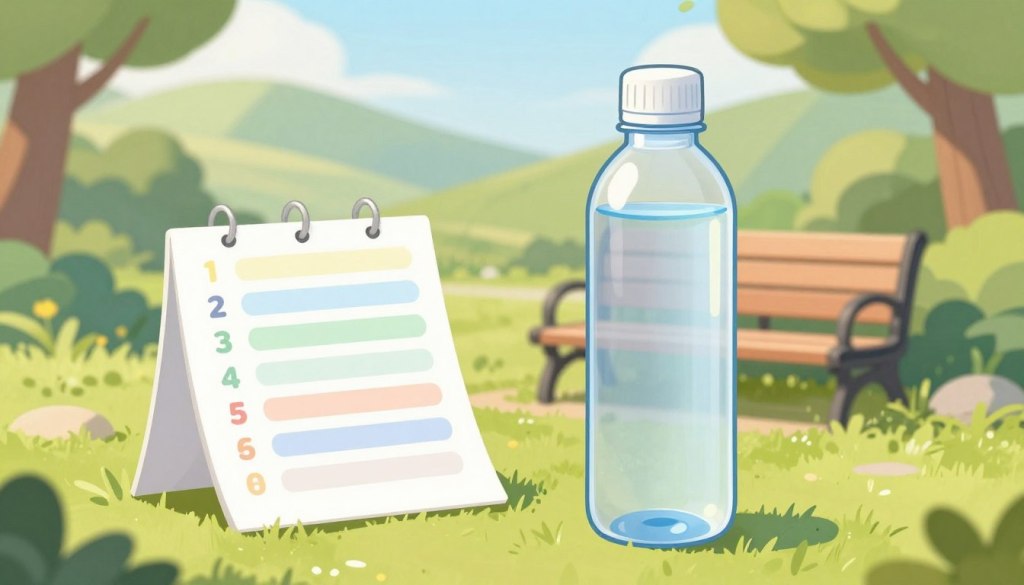
A serene outdoor setting depicting a clear, filled water bottle alongside a simple hydration tracking chart. In the foreground, the water bottle glistens in bright natural light, showcasing its freshness. The hydration chart features numbered water intake goals, designed with soft pastel colors for an inviting feel. In the middle ground, gentle greenery surrounds the scene, with a scenic park bench to subtly suggest relaxation and mindfulness around hydration. The background has a warm, sunlit landscape radiating tranquility, filled with trees and distant hills. The atmosphere is bright and uplifting, encouraging a sense of well-being and the importance of staying hydrated throughout the day. The composition emphasizes clarity and simplicity.

Set the target and build a routine

Turn a big goal into tiny steps. Offer small sips about once each hour while they are awake. Tiny offers feel less intrusive and add up fast. ✅

Make drinking easy and visible

Keep water in sight. Place a lightweight bottle by the chair, a cup by the bed, and a spare in the car. Use straws or spill-proof cups for shaky hands.

  • Hourly offers: a gentle prompt every hour while awake.
  • Pair with habits: meals, meds, TV time, walks, and phone calls.
  • Track simply: marked bottles, a fridge note, or a quick group text.

Small steps matter. Progress beats perfection. If yesterday was low, today is a fresh start. 🙂

“Aim for steady sipping through the day — it helps thinking, mood, and daily life.”

What to offer besides water: drinks, beverages, and high-fluid foods that help

Comforting drinks and juicy foods can quietly top up fluids all day. Some people don’t like plain water. That’s okay. The goal is total intake, not perfection.

A beautifully arranged table showcasing a variety of hydrating drinks for seniors, featuring vibrant, fresh fruit-infused water in clear glasses, a tall pitcher of herbal iced tea, and small bowls of high-fluid foods like watermelon and cucumber slices. In the foreground, add an elegant glass of coconut water with a slice of lime on the rim. The middle ground should display a soft-focus background of a cozy kitchen, with natural light filtering through a window, creating a warm and welcoming ambiance. Include subtle reflections on the table to enhance realism, and capture the scene with a shallow depth of field to draw attention to the drinks. Aim for a tranquil and inviting atmosphere that emphasizes health and hydration.

Appealing beverage choices

Give options: flavored water, seltzer or club soda, herbal tea, smoothies, and nutritional shakes work well. Warm cocoa or mild broth can be soothing in cooler months.

Offer small portions often. Let them pick temperature: warm, cool, or room temp makes a difference.

Foods that count toward hydration

Choose high-water foods: watermelon, oranges, cucumbers, grapes, and applesauce. Yogurt, Jell‑O, popsicles, and broth-based soups add easy fluid and calories.

Pair foods with a routine: soup at lunch, a smoothie as an afternoon snack, tea after dinner. That builds steady habits.

What to limit

Limit alcohol and excess caffeine. These can increase fluid needs and may worsen constipation or other health issues. Balance treats with extra water or a hydrating snack.

  • Care tip: offer choices, not commands; people respond better when they feel in control.
  • Quick benefit: steady fluids plus high-water foods help reduce constipation and boost overall health.

Caregiver strategies for dementia, swallowing issues, and long-term care settings

Care routines that include regular sip breaks make a real difference for people with cognitive decline.

A serene long-term care setting featuring a compassionate caregiver gently assisting an elderly person with dementia at a dining table. The caregiver, dressed in professional attire, is offering a glass of water with a bright, friendly smile, showcasing hydration strategies. In the foreground, close-up of the glass filled with clear water, with a few colorful fruits nearby for visual appeal. The middle ground includes a soft-focus view of the elderly individual, who appears engaged and calm, encouraging communication. The background displays a warm, inviting room with soft lighting, plants, and comfortable seating, promoting a nurturing atmosphere. The overall mood is supportive and caring, emphasizing the importance of hydration in dementia care.

For dementia: many people can’t sense thirst or remember to drink. Be proactive: offer small cups hourly, model sipping (“I’ll sip with you”), and praise effort rather than volume.

For dysphagia

Work with speech‑language guidance on safe, thickened liquids. Track total fluid so safety rules don’t cause a quiet drop in intake.

In long‑term care

Research shows daily deficits are common. Close gaps with snack + beverage rounds, assisted drinking, and lighter cups or straws to speed intake.

Tools that help

  • Consistent cup placement and labels.
  • A visible hydration chart with timestamps: morning, lunch, mid‑afternoon, dinner, evening.
  • Smart bottles or scheduled “drink breaks” during activities.

“Simple systems beat good intentions. Make drinking easy and visible.”

If you need extra support, JoyCalls offers daily check‑in calls and alerts. Talk to Joy now at 1-415-569-2439 or sign up for JoyCalls. For more on fluids and choices, see this guide to best drinks for seniors and this resource on dehydration in dementia.

Conclusion

When a loved one seems suddenly off, it’s okay to feel worried. Start with a few simple checks. Offer small sips of water and sit with them for a minute. This often calms confusion and protects short-term memory.

Practical takeaways: steady drinking throughout day helps mood, daily function, and long-term health. Aim for routine offers roughly totaling about 2 liters unless a clinician advises limits.

Watch for urgent signs: worse confusion, fever ≥101°F, no urine for 8 hours, trouble breathing, rapid heartbeat, severe vomiting or chest/abdominal pain. Seek care fast if any appear.

Caregivers need systems. Use visible cups, simple trackers, family check-ins, or JoyCalls for daily check-ins and summaries. Talk to Joy now: 1-415-569-2439. Sign up for JoyCalls.

For deeper science, see this hydromolecular review. For seasonal tips, read summer hydration tips.

FAQ

Can mild fluid loss really cause confusion or trouble concentrating in older adults?

Yes. The brain is mostly water, so even small drops in body fluid can reduce attention, slow thinking, and make someone seem confused or forgetful. Those changes can look a lot like early cognitive decline, but they often improve once fluids are restored. If you see sudden changes in thinking or mood, offer a drink and seek medical advice.

How can low fluid intake be mistaken for dementia or depression?

Low intake can bring on fatigue, slowed thinking, irritability and poor decision-making. These signs overlap with dementia and depression. Because the cause can be reversible, caregivers and clinicians should check hydration, medications, and recent illness before assuming progressive memory disease.

Why are older adults more likely to drink less during the day?

Aging lowers thirst signals and total body water. Kidneys change how they conserve fluid. Many older adults also take diuretics or other meds, worry about bladder control, or face mobility barriers to getting drinks. These issues together reduce daily intake.

What medication or health issues should raise hydration concerns?

Diuretics, some blood pressure meds, laxatives and anticholinergic drugs can affect fluid balance. Conditions like diabetes, fever, infections, vomiting, and swallowing problems increase risk. Caregivers should review medications with a clinician if dehydration is suspected.

What signs suggest that poor hydration is causing confusion rather than a chronic disease?

Watch for sudden onset of confusion, increased drowsiness, new agitation, dizziness, headaches, dry mouth, or darker urine. Constipation and reduced ability to do daily activities are common. Rapid improvement after fluids is a strong clue that hydration was the driver.

How much fluid should many older adults aim to drink each day?

A common target is about 2,000 mL (roughly 64–68 ounces) per day for many older adults, but needs vary by weight, health, medications, and climate. Always confirm targets with a clinician, especially when there are heart or kidney concerns.

What practical routine helps older adults meet a hydration goal?

Aim for a small drink about once an hour while awake. Keep a water bottle where they sit. Pair drinks with meals, medication times, TV breaks or walks. Use lightweight cups, straws, and visible reminders to make sipping easy and frequent.

What drinks and foods count toward daily fluid needs?

Water, flavored seltzer, herbal tea, milk, smoothies and oral nutritional shakes all add fluid. Foods like watermelon, oranges, cucumbers, yogurt, broth-based soups and popsicles contribute too. Offer variety to encourage intake.

Are there fluids to avoid or limit if someone is trying to stay hydrated?

Limit alcohol and high-caffeine drinks; both can promote fluid loss for some people. Very sugary beverages can affect appetite and blood sugar. Choose balanced, appealing options and discuss any restrictions with a clinician.

How do you manage hydration when someone has swallowing difficulties (dysphagia)?

Work with a speech-language pathologist and clinician to determine safe liquid thickness and textures. Track total fluid intake, use thickened beverages as prescribed, and offer fluids in small, frequent sips. Flavored options can improve acceptance.

What strategies help people with dementia who forget to drink or can’t tell you they’re thirsty?

Prompting and routine are key. Offer drinks at set times, place cups in sight, and use simple cues like labeled cups. Make drinking social—offer a cup during a phone check-in or mealtime. Small, frequent offers work better than one large serving.

How can long-term care facilities reduce daily fluid shortfalls?

Successful steps include scheduled beverage rounds, adding snacks with fluid content, assisted drinking, clear hydration charts, and staff training. Tools like lightweight pitchers, straws, and flavored options help. Regular audits of intake can close common deficits.

Can repeated episodes of low fluid status increase long-term dementia risk?

Research is ongoing. Short-term fluid loss clearly impairs thinking and can trigger delirium. Some studies suggest repeated severe episodes might affect brain health over time, possibly by disrupting clearance of proteins like beta amyloid, but more evidence is needed.

When should a caregiver call a doctor or seek emergency care for suspected fluid-related confusion?

Call a clinician if confusion is sudden, severe, or accompanied by fainting, very low urine output, very dark urine, high fever, rapid heartbeat, breathing trouble, or persistent vomiting. Emergency care is needed for severe weakness, unresponsiveness, or signs of delirium.

How can JoyCalls help families worried about an older adult who may not drink enough?

JoyCalls makes regular check-in calls that prompt daily drinking, log responses, and alert caregivers if patterns change. Our service reminds people to sip, offers friendly social connection, and sends summaries so you know when to step in. Call 1-415-569-2439 or sign up at https://app.joycalls.ai/signup to learn more. 😊

Other Articles related to this article:

Medication Adherence Tips From Pharmacists (Simple, Proven)
Medication Reminders for Diabetes, BP, and Heart Meds (Systems That Stick)
Remote Medication Monitoring for Elderly Parents (What’s Realistic)
Medication Errors at Home: The Most Common Mistakes (And Fixes)
Side Effects vs Nonadherence: What Caregivers Should Watch For
The Best Time to Take Meds: Building a Habit Around Meals
Automatic Pill Dispensers: Do They Really Improve Adherence?
Medication Refills: Simple System to Never Run Out
How to Talk to a Stubborn Parent About Taking Meds
Polypharmacy in Seniors: Managing Too Many Meds Safely
Medication Reminders for Vision or Hearing Problems (Easy Fixes)
Medication Adherence for Dementia: Routines That Reduce Stress
Blister Packs and Bubble Packs: Are They Worth It for Seniors?
Pharmacy Sync: How to Align Refills on the Same Day
How to Keep an Updated Medication List (Template + Tips)
Text Message Medication Reminders for Seniors (Pros and Cons)
AI Medication Reminders: What They Can and Can’t Do
Medication Adherence for Seniors: Why Doses Get Missed
Post-Hospital Medication Plan: Avoiding Confusion After Discharge
Best Medication Reminder Methods (No Smartphone Needed)
Phone Call Medication Reminders: Do They Work Better Than Apps?
Pill Organizer 101: How to Choose the Right One for Seniors
Medication Management for Seniors Living Alone (Safety Plan)
Weekly Pill Planner Setup (Step-by-Step, 10 Minutes)
Daily Check-In Routine for Seniors Who Hate Being Checked On
How to Create a Medication Schedule That Actually Works
Medication Adherence Checklist for Caregivers (Fully Explained + Printable)
What to Do When Your Parent Says “I Already Took The Medicine”
How to Prevent Double Dosing in Seniors
Medication Reminder Apps for Seniors: What’s Actually Easy
How to Help Elderly Parents Remember Their Meds (Simple System)
Daily Check-In Routine for Seniors With Hearing Issues (Make It Easier)
Weekly Review: How to Spot Patterns From Daily Check-Ins
How to Start a Daily Check-In Routine in One Day (Fast Setup)
Daily Phone Check-In Services for Seniors: What to Look For
AI Check-In Calls for Seniors: How They Work (And What They Don’t Do)
The Best Daily Check-In Apps and Tools (And Simple No-App Options)
Daily Check-In Routine That Builds Real Connection (Not Just Monitoring)
How to Share Daily Caregiving Updates With Siblings (Without Miscommunication or Drama)
How to Set Boundaries With Daily Check-Ins (So It Doesn’t Take Over Your Life)
Daily Mood Check-Ins for Seniors: What to Watch For
Daily Check-In Routine After Hospital Discharge (First 14 Days)
How Often Should You Check In on Elderly Parents?
Daily Check-In Routine for Meals and Hydration (Quick Method)
Daily Check-In Routine for Seniors Living Alone (Safety + Connection)
How to Track Daily Check-Ins Without Feeling Like a Spreadsheet
Daily Check-In Routine for Medication Adherence (Without Nagging)
How to Build a Check-In Routine That Seniors Won’t Resist
Caregiver Check-In Schedule Template (Daily + Weekly)
Daily Check-In Routine for Elderly Parents (Simple Plan)
The 2-Minute Daily Check-In Script (No Awkward Talk)
The “No Answer” Escalation Plan for Daily Check-Ins
Daily Check-In Routine for Chronic Conditions (BP, Diabetes, COPD)
Daily Check-In Routine for Fall Risk (What to Ask Daily)
Daily Wellness Check Calls: What to Ask (7 Questions)
Daily Check-In Routine for Long-Distance Caregivers
What to Do If Your Parent Misses a Check-In (Step-by-Step)
Daily Check-In Routine for Dementia: Simple, Calm, Consistent
Daily Check-In Text vs Phone Call: Which Is Better for Seniors?
Morning vs Evening Check-Ins: What Works Best for Seniors
Caregiver Guilt: When You Can’t Be There to Keep Them Company
Senior Loneliness and Anxiety: Why They Feed Each Other
Does an AI Companion Help Senior Loneliness? What to Expect
How to Build a “Circle of Care” to Reduce Isolation (Neighbors, Friends, Family)
Volunteering for Seniors: The Best Way to Feel Connected Again
Loneliness in Men vs Women After 65: What Changes?
Senior Centers vs Community Groups: What Works Better for Loneliness?
“No One Needs Me”: How Purpose Reduces Loneliness in Aging
How to Make Phone Calls Feel Less “Check-In” and More Like Real Connection
Loneliness in Assisted Living: Why It Still Happens and What Helps
Loneliness or Depression? How to Spot the Difference in Older Adults
The Health Risks of Loneliness in Seniors (Heart, Brain, Immunity)
Loneliness in Older Adults: Signs, Causes, and What Helps
Loneliness in Seniors Without Smartphones: Low-Tech Ways to Stay Connected
Best Hobbies for Lonely Seniors (Easy to Start, Low Energy)
Social Isolation vs Loneliness: What’s the Difference in Seniors?
Retirement Loneliness: Why It Happens and How to Fix It
How to Help Seniors Make Friends After 60 (Practical Steps)
How to Create a Weekly Social Routine for an Elderly Parent
After a Spouse Dies: Loneliness in Widowhood (What Actually Helps)
How to Tell If Your Aging Parent Is Lonely (Even If They Say They’re Fine)
The “Quiet Withdrawal” Problem: When Seniors Stop Calling Back
How Often Should You Talk to Your Elderly Parents to Prevent Loneliness?
How to Help a Parent Who Refuses Social Activities
How to Help a Lonely Elderly Parent When You Live Far Away
Social Isolation in Seniors Living Alone: A Safety + Loneliness Plan
Senior Loneliness at Night: Why Evenings Feel Worse
Daily Check-In Calls for Seniors: Do They Reduce Loneliness?
Conversation Ideas for Seniors Who Feel Lonely (No Awkward Small Talk)
Loneliness and Dementia: Does Being Alone Speed Up Memory Loss?
Best Low-Tech Safety Devices for Seniors Living Alone
Home Safety Setup for Long-Distance Caregiving (Room-by-Room)
How to Track Meals and Hydration From Another City
Caregiver Guilt When You Live Far Away (How to Cope)
Smartwatch vs Phone Check-Ins: What Works Better for Seniors?
Scams Targeting Seniors: How to Protect Parents Remotely
When It’s Time for Assisted Living (Long-Distance Decision Guide)
How to Choose a Paid Caregiver When You Live Far Away
Weekly Care Plan Template for Aging Parents
Fall Risk: How to Reduce It When You’re Not There