


Surprising fact: one in four people over 65 report memory slips that worry their family—small shifts that are easy to miss at home.
If you’re wondering whether Mom is just having “normal aging” moments—or something more—this checklist gives you a calmer way to watch patterns without panic.
This guide is a simple set of daily and weekly habits, not a diagnosis. It’s a way to build quick routines, simple tracking, and clear notes you can share with family or a clinician.
You call after work, and the story sounds… slightly different than yesterday. That small change is why consistent check-ins matter.
How to start today: pick three quick daily items, do them for seven days, then add one weekly review. For steady support, consider JoyCalls’ daily check-in calls and caregiver summaries. Talk to Joy now: 1-415-569-2439 or sign up for JoyCalls: Sign up for JoyCalls. For tips on simple tech for routines, see medication reminder options.
Key Takeaways
- Use small daily habits to spot trends over weeks and months.
- This is supportive monitoring, not a clinical test.
- Start with three daily checks for one week, then add a weekly review.
- JoyCalls offers phone check-ins, summaries, and gentle alerts.
- Share simple notes with family or clinicians to make visits clearer.
What this checklist supports and who it’s for
This short guide helps families spot small changes over weeks so you can act calmly and clearly.

Who this is for: people living independently, family members noticing little things, long-distance caregivers, and anyone wanting a simple baseline for daily function and safety.
Healthy aging vs. concerning changes at home
Healthy aging often looks like taking longer to recall a name or misplacing keys now and then.
Concerning changes include getting lost on familiar routes, repeated missed bills, or unsafe cooking mishaps.
How to use this to track memory, thinking, and daily function over time
Watch patterns, not single days. Note what changed, how often, and what time of day trouble appears.
- Focus on function: meds, money, appointments, meals, and tool use.
- Keep short notes you can share with a family member or clinician.
When to loop in family, caregivers, or a care team
Get a second set of eyes if you’re the only one seeing a trend. If safety risks appear—driving, stove, or finances—reach out sooner.
Bring your notes to a primary care visit. The Centers for Medicare & Medicaid Services includes routine cognitive screening in the Medicare Annual Wellness Visit, and many physicians use that moment to follow up.
Extra support: JoyCalls can act as an extra set of steady ears with daily check-ins and caregiver summaries. For a simple call schedule template, see caregiver check-in schedule.
Daily cognitive health checklist for older adults
Begin mornings with a short ritual to anchor time, plans, and one clear goal.
Simple anchors make the day easier to follow. Use the three daily moments below to spot change fast without stress.
Morning orientation and routine
- Confirm date and planned activity in one sentence.
- Pick clothes or set meds out the night before.
- Set a single “today’s goal” (one line).
Movement and balance for attention
Do 10 minutes of walking or chair exercises. Movement lifts mood and sharpens focus.
Social connection touchpoints
Make one short call or text. Try prompts like: “What was your favorite meal this week?” or “What did you see outside today?”
Hydration, meals, and medication organization
Keep a water bottle visible and a pill organizer by the sink. Missed meals or meds can look like worse memory.
Sleep-friendly habits
Stick to a bedtime, get bright light in the morning, and limit late naps for clearer mornings.
Quick mental “workout” ideas
- Listen to a favorite playlist for 10 minutes.
- Name five foods or cities aloud.
- Look at a photo and tell its story.
“Daily routine helps people use strengths, reduce worry, and ask the right questions when something changes.”
| Time | Action (minutes) | Why it helps |
|---|---|---|
| Morning | 5–10 | Orients day, lowers confusion |
| Midday | 10 | Boosts mood, supports attention |
| Evening | 5 | Prepares for sleep and next day |
| Weekly | 15–30 | Review meds, meals, and patterns |
Note: If you see ongoing change, a quick review with an assessment toolkit or a review of a meal routine for seniors can be helpful. Daily structure often improves function while you decide on next steps for mild cognitive impairment.

Weekly habits that strengthen memory and make changes easier to notice
A simple weekly routine can act as an early-warning system so small changes get noticed before they become bigger problems.
Try JoyCalls Free
No app or new device needed. Start with a free 7-day trial.
Pick two activities each week: one that challenges thinking and one that soothes the mind. Try a new recipe, a word game, or a short beginner class for the first. For calm, pick music, gardening, or gentle stretching.
Set a short review time to scan appointments, bills, and medication refills. Look for subtle signs like late payments, duplicate orders, or missed refill dates. These small slips often show up before bigger issues.
Do a 10-minute check-in with a friend or family member. Ask: “What are you noticing? Any new mood changes or repeated questions?” This reduces one-person bias and makes observations more reliable.
Keep a simple baseline journal: what happened / when / possible triggers. Track time-of-day patterns—morning clarity vs. evening confusion. The clearer your notes, the more useful they are for later evaluation and medical assessment.

Tip: Keep key docs—calendar, med list, and emergency contacts—in one place for quick weekly reviews. For ideas on timing, see a guide on best check-in times.
Red flags to watch for: signs of cognitive impairment, mild cognitive impairment, and dementia
Noticing small changes doesn’t mean a diagnosis — it means pay attention and collect concrete examples to share with a clinician.
Memory loss that disrupts daily life vs. normal forgetting
Normal forgetting is misplacing glasses and later finding them. That happens to everyone.
Memory loss that disrupts life looks different. Examples: forgetting the purpose of a trip, or asking the same question many times in one call.
Judgment and decision-making changes
Watch for unusual purchases, falling for scams, or trouble paying bills on time. These are both safety issues and possible signs of impairment.
Language and word-finding problems
New trouble finding words, losing your place in a sentence, or using the wrong word are red flags. Withdrawing from conversations is also important to note.
Trouble with tools, appliances, or learning a new gadget
Difficulty with familiar items like a microwave, TV remote, or any simple new tool can signal decline and create safety risks at home.
Repeating stories and missing appointments
Repeated stories, constant confusion about dates, or chronic missed appointments even with reminders deserve attention.
Remember: conditions that mimic dementia — medication side effects, dehydration, or sleep problems — can be treated. For more on common warning signs, see signs of dementia, and for how fluids and meals affect thinking, read this piece on hydration and meals.
“Keeping short, dated notes — even a simple drawing task like a quick clock sketch — creates visible evidence you can share with a doctor.”

At-home screening tools to discuss with your doctor (and how they fit into care)
A few quick at-home screenings give clear talking points for a clinic visit. These tests are meant to start a conversation with your physician, not to replace a full exam.
Mini-Cog and the Clock Drawing Test
What it is: a very short screening that pairs three-word recall with a simple clock drawing.
Why clinicians use it: it takes about 3 minutes, screens recall plus planning and visuospatial skills, and leaves a visible record you can keep.
GPCOG: patient questions and an informant interview
GPCOG blends brief patient questions with an optional informant interview. That second view helps capture real-world change when a loved one can report daily patterns.
AD8 and Short IQCODE: informant-focused tools
These are caregiver-friendly tests. They highlight changes in routine tasks, memory for appointments, bills, and learning new gadgets.
SAGE from Ohio State
How it works: pen-and-paper, four forms, takes about 10–15 minutes. Do it without help and don’t look at a clock or calendar. Bring the completed form to a doctor to be scored.
How these compare with MMSE and follow-ups
Mini-mental state examination (MMSE) is longer and often used in clinics. If a short screen raises concern, clinicians may follow with MoCA or SLUMS for a deeper look.
- Set expectations: a low score is a prompt for further assessment, not a diagnosis.
- Caregiver tip: write the tool name, date, and any score so trends are easy to spot over time.

For more on how basic needs like fluids affect thinking, see this piece on hydration and daily function.
Next steps after a screening: interpreting results, documenting scores, and getting an evaluation
When a screening raises a question, a few concrete moves make the path forward clearer and less scary.
Simple roadmap: document → schedule → bring specifics → ask for a plan. Do these in order and keep each step brief.
What to bring to a primary care visit
Bring a one-page timeline of changes with dates and short examples. Note missed bills, repeating questions, or safety events.
Include current meds, sleep changes, and any prior screening results or score sheets. If you used SAGE, bring the completed form for the physician to score.
How the Medicare Annual Wellness Visit often works
At the AWV, a clinician listens to concerns and may use a brief tool like Mini-Cog or GPCOG. If findings are concerning, they may refer for more testing or a specialist.
For clinician guidance on assessing changes, see this resource for primary care providers: assessing impairment in older patients.
Why early evaluation matters
Early evaluation helps with planning, safety, and treating reversible causes.
Referral to neurology, geriatrics, or a memory clinic is about clarity—not a final label. It rules out treatable problems and helps families plan next steps.
Track over time: note date, time of day, and triggers. Bring that journal so the doctor sees patterns, not single days.

“Small, dated notes and prior scores give your physician a clearer view than one conversation alone.”
| Action | What to bring | Why it helps |
|---|---|---|
| Document changes | One-page timeline & examples | Shows pattern over time |
| Bring scores | Completed SAGE or Mini-Cog result | Gives a baseline for comparison |
| Discuss referral | Medication list & recent labs | Helps rule out reversible causes |
If you’re juggling work and worry, JoyCalls can keep daily contact and send summaries to caregivers so examples are ready for your doctor. Ask your clinician for a clear follow-up plan after the visit.
Beyond Daily Habits: Creating a Personal Cognitive Resilience Plan for Long-Term Brain Health
A checklist is a powerful starting point for maintaining cognitive health, but lasting brain wellness requires more than simply checking off daily and weekly activities. Many older adults follow healthy routines yet still overlook subtle changes in memory, attention, decision-making, or mental energy that can affect their quality of life over time.
The most effective approach combines healthy habits with a proactive cognitive resilience plan. Cognitive resilience refers to the brain’s ability to adapt, recover from challenges, and continue functioning effectively despite age-related changes. While aging naturally affects certain aspects of thinking and memory, there are many ways seniors can strengthen their ability to stay mentally sharp, independent, and engaged.
Rather than waiting until noticeable problems appear, seniors and caregivers can use a structured approach to monitor cognitive well-being, reduce avoidable risks, and create an environment that supports brain function every day.
Learn to Recognize Changes That Deserve Attention
One of the biggest misconceptions about aging is that every memory problem is a normal part of growing older. While occasional forgetfulness is common, some changes may signal a need for further evaluation.
A useful cognitive health checklist should include regular self-observation.
Pay attention to whether you have recently experienced:
Increased Difficulty Following Conversations
It is normal to occasionally lose track during a fast-paced discussion. However, frequent difficulty following conversations, especially familiar topics, may indicate changes in attention, processing speed, or hearing.
Ask yourself:
- Do I often need people to repeat themselves?
- Am I losing track of conversations more frequently than before?
- Do group discussions feel overwhelming?
If these situations become more common, it may be helpful to discuss them with a healthcare provider and also evaluate hearing health, since untreated hearing loss can affect cognitive function.
More Frequent Misplacement of Everyday Items
Everyone misplaces keys occasionally. The concern arises when objects are repeatedly placed in unusual locations and become difficult to locate.
Examples include:
- Putting remote controls in the refrigerator
- Forgetting where important documents were stored
- Losing commonly used items several times per week
Tracking these occurrences can help identify patterns that may require attention.
Challenges Managing Familiar Tasks
Daily activities that once felt automatic may begin requiring more effort.
Watch for changes such as:
- Difficulty managing medications
- Trouble following familiar recipes
- Increased confusion while paying bills
- Problems organizing appointments
Noticing these changes early allows seniors to seek support before they significantly affect independence.
Create a Monthly Cognitive Self-Check Routine
Many people monitor blood pressure, weight, or physical fitness. Cognitive health deserves similar attention.
A monthly cognitive self-check can help identify trends before they become larger concerns.
Review Recent Memory Performance
Spend a few minutes asking:
- Have I been forgetting appointments more often?
- Do I remember recent conversations?
- Am I relying more heavily on notes or reminders than before?
The goal is not perfection but awareness.
Assess Attention and Focus
Consider:
- Can I read a book chapter without becoming distracted?
- Can I complete tasks without losing track of what I am doing?
- Has concentrating become noticeably harder?
Small changes may not be alarming, but consistent decline deserves attention.
Evaluate Problem-Solving Skills
Think about situations that required planning or decision-making during the past month.
Questions to ask include:
- Did I handle unexpected situations effectively?
- Was I able to make decisions confidently?
- Did I feel more mentally overwhelmed than usual?
Documenting observations in a journal can reveal meaningful patterns over time.
Design a Brain-Friendly Home Environment
Cognitive health is influenced not only by personal habits but also by the environments in which people spend their time.
Small environmental improvements can reduce mental fatigue and support cognitive functioning.
Reduce Unnecessary Clutter
Clutter creates visual distractions that compete for attention.
Consider:
- Keeping countertops organized
- Limiting excessive decorative items
- Creating designated locations for essential belongings
- Maintaining tidy workspaces
An organized environment often supports clearer thinking and reduced stress.
Improve Lighting Throughout the Home
Poor lighting can increase confusion, eye strain, and mental fatigue.
Helpful strategies include:
- Maximizing natural daylight
- Using bright task lighting for reading
- Ensuring hallways and staircases remain well illuminated
- Reducing shadows that may create visual confusion
Good lighting contributes to both cognitive comfort and physical safety.
Use Visual Cues and Memory Supports
Memory aids can support independence without creating dependency.
Examples include:
- Large wall calendars
- Whiteboards for reminders
- Medication organizers
- Clearly labeled storage areas
- Digital reminders for appointments
These tools reduce cognitive load and allow the brain to focus on more meaningful activities.
Protect Cognitive Health Through Better Stress Management
Stress affects more than emotional well-being. Chronic stress can influence memory, attention, sleep quality, and decision-making.
Many seniors underestimate the impact stress has on cognitive function.
Identify Personal Stress Triggers
Common triggers include:
- Health concerns
- Financial worries
- Caregiving responsibilities
- Social isolation
- Major life transitions
Recognizing triggers is the first step toward managing them effectively.
Build a Daily Recovery Practice
Recovery activities help regulate the nervous system and support cognitive performance.
Consider:
- Deep breathing exercises
- Meditation
- Prayer or spiritual reflection
- Gentle stretching
- Time spent outdoors
- Listening to calming music
Even ten to fifteen minutes per day can have meaningful benefits.
Avoid Constant Exposure to Negative News
Remaining informed is important, but excessive consumption of stressful news can increase anxiety and mental fatigue.
A healthier approach may involve:
- Limiting news intake to specific times
- Choosing reputable sources
- Balancing information with positive and meaningful activities
Mental well-being and cognitive well-being are closely connected.
Strengthen Your Cognitive Reserve Through Lifelong Learning
Researchers often use the term cognitive reserve to describe the brain’s ability to cope with age-related changes.
The more cognitive reserve people develop, the better equipped they may be to maintain function despite challenges.
Pursue New Learning Experiences
The brain benefits most when learning involves novelty.
Examples include:
- Learning a new language
- Taking online courses
- Studying local history
- Exploring photography
- Learning digital technology skills
The key is continuous challenge rather than passive repetition.
Rotate Cognitive Activities
Many seniors repeatedly engage in the same puzzles or games.
While familiar activities remain valuable, rotating challenges can stimulate different brain systems.
A monthly rotation may include:
- Word games
- Strategy games
- Memory exercises
- Creative writing
- Musical learning
- Problem-solving activities
Variety encourages broader cognitive engagement.
Teach Others What You Learn
Teaching strengthens understanding and memory.
Consider:
- Sharing skills with grandchildren
- Leading community workshops
- Helping peers learn technology
- Participating in mentoring programs
Teaching requires recall, organization, communication, and problem-solving—all beneficial for brain health.
Build a Strong Cognitive Support Network
Brain health is not a solo project.
Research consistently highlights the importance of meaningful social interaction in supporting cognitive function.
Maintain Regular Social Contact
Aim for consistent interaction throughout the week.
This may include:
- Family conversations
- Friend gatherings
- Community activities
- Volunteer work
- Religious participation
- Phone or video calls
The quality of interaction often matters more than the number of contacts.
Discuss Cognitive Health Openly
Many seniors avoid conversations about memory concerns because they fear judgment.
Instead, create a culture of openness with trusted family members and healthcare providers.
Early discussions often lead to earlier support and better outcomes.
Create a Cognitive Wellness Team
Think of cognitive health as a team effort.
A support team may include:
- Family members
- Friends
- Primary care physicians
- Specialists
- Community leaders
- Caregivers
Having trusted people who notice changes and offer encouragement can make a significant difference.
Develop an Action Plan for Cognitive Concerns
One of the most practical steps seniors can take is deciding in advance what they will do if concerns arise.
Waiting until problems become severe can delay access to valuable support.
Know When to Seek Professional Guidance
Schedule an evaluation if you notice:
- Significant memory decline
- Increased confusion
- Difficulty managing daily tasks
- Language difficulties
- Major changes in judgment or decision-making
Seeking help early does not automatically mean a serious condition is present. Many cognitive concerns have treatable causes.
Keep Important Health Information Organized
Maintain a record of:
- Current medications
- Medical conditions
- Healthcare providers
- Emergency contacts
- Recent cognitive observations
This information can support more effective healthcare discussions.
Focus on Action Rather Than Fear
The purpose of cognitive monitoring is not to create anxiety.
Instead, it empowers seniors to:
- Stay informed
- Make proactive choices
- Access support early
- Maintain independence longer
- Protect overall quality of life
The most successful cognitive health strategies combine healthy daily habits, meaningful social engagement, ongoing learning, and regular self-awareness.
By creating a personal cognitive resilience plan, seniors can move beyond simply maintaining brain health and begin actively strengthening it for the years ahead.
The Hidden Lifestyle Factors That Influence Cognitive Health More Than Most Seniors Realize
When people think about protecting their cognitive health, they often focus on memory exercises, puzzles, reading, or brain-training activities. While these habits can certainly contribute to mental stimulation, many seniors overlook several lifestyle factors that have a surprisingly powerful influence on how the brain functions every day.
In reality, cognitive health is not determined by a single activity. The brain is deeply connected to nearly every system in the body. Sleep quality affects memory formation. Nutrition influences concentration and mood. Physical movement improves blood flow to the brain. Social interaction supports emotional regulation and cognitive flexibility. Even hydration levels can affect attention and mental clarity.
Because these factors work together, seniors who focus only on mental exercises may miss opportunities to strengthen cognitive function through simple daily decisions. Understanding these hidden influences can help older adults create a more comprehensive approach to protecting brain health over the long term.
Why Cognitive Health Depends on More Than Just Mental Exercises
Many seniors assume that keeping the brain active means constantly challenging it with intellectual activities. While cognitive stimulation remains important, researchers increasingly recognize that brain health is influenced by a combination of physical, emotional, social, and environmental factors.
Think of cognitive health as maintaining a garden. Mental exercises are only one part of the process. The soil, sunlight, water, and overall environment matter just as much.
A person who completes crossword puzzles every day but experiences chronic sleep deprivation, social isolation, high stress, and poor nutrition may not achieve the same benefits as someone who supports their brain through multiple healthy lifestyle habits.
This broader perspective helps seniors identify opportunities for improvement that are often easier and more enjoyable than traditional brain-training activities.
Hydration: The Cognitive Health Habit Many Seniors Overlook
One of the simplest yet most underestimated contributors to cognitive performance is proper hydration.
As people age, the sensation of thirst often becomes less reliable. Many older adults may not feel thirsty even when their bodies need fluids. Certain medications can further increase the risk of dehydration.
Even mild dehydration can affect:
- Attention span
- Mental alertness
- Short-term memory
- Processing speed
- Mood stability
- Energy levels
Signs That Dehydration May Be Affecting Cognitive Function
Seniors should pay attention to symptoms such as:
- Increased confusion
- Difficulty concentrating
- Unusual fatigue
- Headaches
- Dizziness
- Irritability
These symptoms are sometimes mistaken for cognitive decline when they may actually be related to inadequate fluid intake.
Practical Hydration Strategies
To maintain healthy hydration levels:
- Start each morning with a glass of water.
- Keep a refillable water bottle nearby throughout the day.
- Drink fluids regularly instead of waiting for thirst.
- Include water-rich foods such as cucumbers, oranges, watermelon, and soups.
- Set reminders if fluid intake is frequently forgotten.
Small improvements in hydration habits can often lead to noticeable improvements in daily mental clarity.
Hearing Health and Cognitive Function
Hearing loss is another frequently overlooked factor in cognitive wellness.
Many seniors gradually adapt to hearing difficulties without realizing how much mental effort is required to compensate. When the brain must work harder to interpret sounds, fewer resources remain available for memory, comprehension, and attention.
Over time, untreated hearing challenges can contribute to:
- Social withdrawal
- Reduced engagement in conversations
- Mental fatigue
- Increased cognitive strain
Why Hearing Matters for Brain Health
Conversation is one of the most complex cognitive activities people perform.
Listening requires:
- Attention
- Language processing
- Memory
- Interpretation of social cues
- Decision-making
When hearing becomes impaired, these processes become more difficult and mentally exhausting.
Action Steps for Seniors
Consider scheduling regular hearing evaluations, especially if you notice:
- Frequently asking others to repeat themselves
- Difficulty hearing in group settings
- Increasing television volume
- Trouble understanding phone conversations
Supporting hearing health can help preserve social participation and reduce unnecessary cognitive load.
Protecting Cognitive Health Through Better Vision Care

Vision changes can also affect brain function in subtle ways.
When visual information becomes harder to process, the brain must dedicate additional effort to interpreting surroundings. This can increase fatigue and reduce available cognitive resources.
Cognitive Consequences of Poor Vision
Unaddressed vision problems may contribute to:
- Reduced reading frequency
- Lower participation in hobbies
- Increased isolation
- Reduced confidence during daily activities
- Higher stress levels
These effects can indirectly influence cognitive wellness over time.
Vision Care Habits Worth Including in a Cognitive Health Checklist
Helpful practices include:
- Scheduling regular eye examinations
- Updating prescription lenses when needed
- Ensuring adequate lighting throughout the home
- Using magnification tools when appropriate
- Addressing cataracts or other treatable vision conditions promptly
Clear vision supports greater engagement with the world, which in turn supports cognitive stimulation.
The Cognitive Benefits of Maintaining a Sense of Purpose
Purpose is often discussed in relation to emotional well-being, but its influence extends to cognitive health as well.
Many seniors experience significant life transitions after retirement, relocation, loss of loved ones, or changes in family roles. Without meaningful goals or responsibilities, daily routines may become less stimulating and less structured.
Research consistently suggests that individuals who maintain a strong sense of purpose often demonstrate better long-term health outcomes, including cognitive well-being.
What Purpose Looks Like in Later Life
Purpose does not need to involve major achievements.
Examples include:
- Caring for grandchildren
- Volunteering
- Supporting community organizations
- Learning new skills
- Creating art
- Mentoring younger generations
- Participating in faith communities
The common factor is having meaningful reasons to engage with life regularly.
Creating a Purpose Checklist
Ask yourself:
- What activities make me feel useful?
- What contributions do I enjoy making?
- Who depends on me?
- What goals am I currently working toward?
Regularly revisiting these questions can strengthen motivation and cognitive engagement.
How Routine Supports Mental Performance
The brain thrives on structure.
Consistent routines reduce unnecessary decision-making and help preserve mental energy for more meaningful tasks.
Benefits of Predictable Daily Structure
A well-organized routine can support:
- Memory
- Time management
- Reduced stress
- Better sleep patterns
- Increased productivity
This is particularly valuable for seniors who want to maintain independence and confidence.
Building a Brain-Friendly Routine
A simple framework may include:
Morning:
- Hydration
- Light movement
- Healthy breakfast
- Review daily plans
Afternoon:
- Social interaction
- Learning activity
- Physical activity
Evening:
- Relaxation
- Reflection
- Consistent bedtime routine
The goal is not rigidity but stability.
Emotional Health and Cognitive Function Are Closely Connected
Mental and emotional health significantly influence cognitive performance.
Feelings of loneliness, anxiety, grief, or depression can affect:
- Concentration
- Recall
- Motivation
- Decision-making
- Mental energy
Many seniors attribute these changes entirely to aging when emotional factors may play a substantial role.
Recognizing Emotional Warning Signs
Pay attention to:
- Loss of interest in favorite activities
- Persistent sadness
- Increased worry
- Withdrawal from social interactions
- Feelings of hopelessness
Addressing emotional challenges early can support both psychological and cognitive well-being.
Daily Emotional Wellness Practices
Helpful strategies include:
- Maintaining social connections
- Practicing gratitude
- Engaging in enjoyable hobbies
- Seeking counseling when needed
- Participating in support groups
Emotional health deserves the same level of attention as physical health.
Reducing Cognitive Overload in Everyday Life
Modern life presents constant streams of information, notifications, and decisions.
Even retired adults may experience cognitive overload from:
- Excessive screen time
- News consumption
- Complex schedules
- Multitasking
Signs of Cognitive Overload
Common symptoms include:
- Difficulty focusing
- Increased forgetfulness
- Mental fatigue
- Irritability
- Reduced productivity
Simplifying the Mental Environment
Strategies include:
- Limiting unnecessary commitments
- Reducing distractions
- Using written checklists
- Organizing important information
- Focusing on one task at a time
Protecting attention is an important part of protecting cognitive health.
Building Long-Term Cognitive Confidence
One overlooked aspect of brain health is confidence.
Many seniors become overly concerned about occasional memory lapses and begin doubting their abilities.
This can create a cycle where anxiety worsens performance.
Distinguishing Between Occasional Forgetfulness and Significant Changes
Everyone experiences moments such as:
- Forgetting a name temporarily
- Misplacing an item occasionally
- Walking into a room and forgetting the purpose
These experiences alone do not necessarily indicate serious cognitive decline.
Instead of focusing on isolated incidents, pay attention to overall patterns and functional abilities.
Strengthening Cognitive Confidence
Helpful approaches include:
- Celebrating successes
- Tracking improvements
- Continuing to learn new skills
- Staying socially active
- Maintaining realistic expectations about aging
Confidence encourages engagement, and engagement supports cognitive health.
A Whole-Person Approach to Brain Wellness
The strongest cognitive health strategies recognize that the brain does not operate in isolation.
Healthy cognitive aging is supported by:
- Hydration
- Nutrition
- Sleep
- Movement
- Hearing care
- Vision care
- Emotional well-being
- Social connection
- Purposeful living
- Consistent routines
Rather than searching for a single solution, seniors benefit most from a balanced lifestyle that supports the brain from multiple directions.
Small daily choices may seem insignificant in the moment, but over months and years they can create a strong foundation for maintaining mental sharpness, independence, confidence, and quality of life.
The goal is not perfection. The goal is creating conditions that allow the brain to function at its best for as long as possible.
How Families and Caregivers Can Support a Senior’s Cognitive Health Without Taking Away Independence
Cognitive health is often discussed as something seniors manage on their own through daily routines, memory exercises, nutrition, sleep, and social activity. However, family members, caregivers, friends, and community support systems can play a major role in helping older adults stay mentally active, emotionally secure, and confident in their independence.
The key is balance. Support should never feel controlling, dismissive, or infantilizing. Many older adults value independence deeply, and rightly so. A helpful support system should strengthen a senior’s ability to manage life, not make them feel as though decisions are being taken away.
The most effective approach is respectful partnership. Families can observe changes, create safer routines, encourage healthy habits, and offer help in ways that preserve dignity.
Start With Respectful Observation, Not Assumption
It is easy for families to become concerned after noticing forgetfulness. But occasional memory lapses can be part of normal aging. The National Institute on Aging notes that older adults may take longer to learn new things or forget things occasionally, while more serious memory problems may interfere with daily life.
Instead of assuming the worst, families should observe patterns.
Helpful questions include:
- Is the senior forgetting small details occasionally, or are they missing important appointments repeatedly?
- Are they still able to manage familiar tasks?
- Are changes sudden or gradual?
- Are memory issues affecting safety, finances, medication use, or nutrition?
- Has there been a recent illness, medication change, sleep disruption, grief, or major life event?
This kind of observation is more useful than reacting to a single incident.
Offer Help in a Way That Preserves Dignity
Seniors may resist help when it feels like criticism. A family member saying, “You keep forgetting things, so I need to manage this now,” can feel hurtful and threatening.
A better approach is collaborative language.
Instead of saying:
“You are forgetting your pills.”
Try:
“Would it help if we set up a weekly pill organizer together?”
Instead of:
“You cannot handle appointments anymore.”
Try:
“Would you like me to help put your appointments on a shared calendar so we both have them?”
Small wording changes can protect confidence and reduce defensiveness.
Create Shared Systems Instead of Constant Reminders
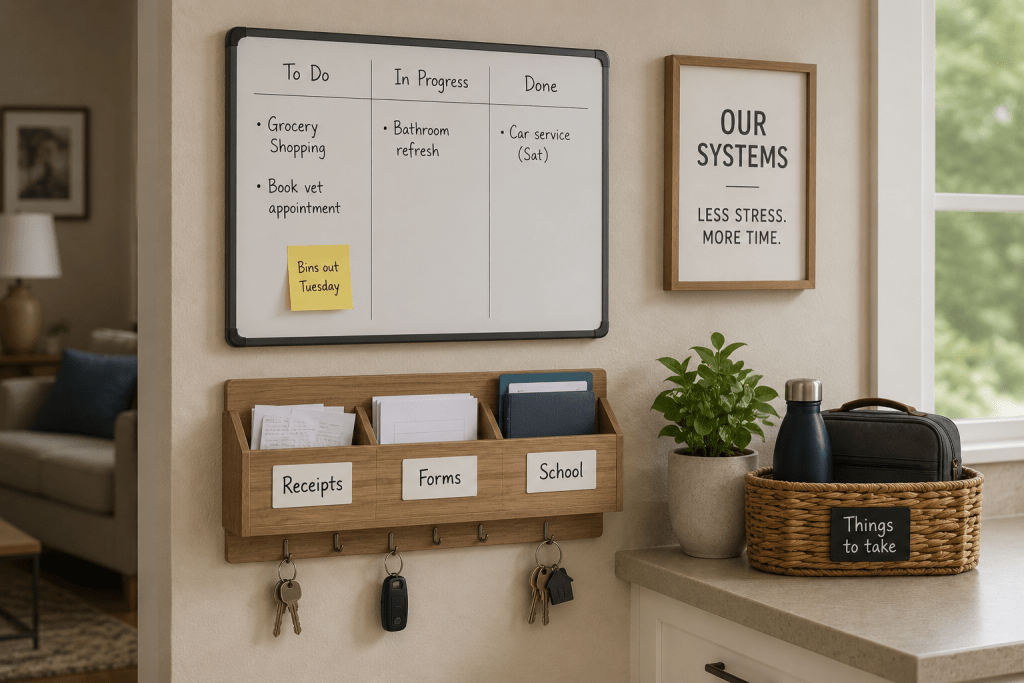
Repeated verbal reminders can feel frustrating for both seniors and caregivers. A better strategy is to create systems that reduce the need for repeated correction.
Useful tools include:
- A large wall calendar
- A medication organizer
- A written weekly routine
- Phone reminders
- A whiteboard near the kitchen
- Labeled drawers or cabinets
- A folder for medical papers
- A shared family calendar
These systems allow the senior to remain involved and independent while reducing mental load.
Know When Cognitive Changes Need Medical Attention
Families should take cognitive changes seriously when they interfere with everyday life. The CDC notes that Alzheimer’s disease is not a normal part of aging, and early diagnosis can help people access treatment and plan for the future.
A medical appointment may be appropriate if a senior is:
- Getting lost in familiar places
- Repeating the same questions frequently
- Struggling to manage bills or medications
- Showing major changes in judgment
- Having trouble following conversations
- Becoming confused about time or place
- Withdrawing from usual activities
- Showing sudden personality or mood changes
The goal is not to create fear. Many causes of memory problems may be treatable or manageable. A proper evaluation can help identify what is happening and what support is needed.
Encourage Movement Without Making It Feel Like Exercise
Physical activity supports brain health. The CDC explains that regular physical activity can help with thinking, learning, problem-solving, memory, anxiety, depression, and emotional balance.
However, some seniors dislike formal exercise routines. Families can make movement more natural and enjoyable.
Helpful ideas include:
- Walking together after meals
- Gardening
- Dancing to favorite music
- Light household tasks
- Chair exercises
- Stretching while watching television
- Visiting a park
- Walking inside a mall during bad weather
The best activity is the one the senior will actually enjoy and repeat.
Support Social Connection as a Cognitive Health Tool
Conversation, laughter, storytelling, and shared activities all stimulate the brain. Social connection also helps reduce loneliness, which can affect mood, motivation, and daily functioning.
Families can support social engagement by:
- Scheduling regular phone calls
- Encouraging visits with friends
- Helping seniors attend community events
- Supporting participation in faith groups
- Arranging video calls with relatives
- Encouraging clubs, classes, or volunteering
A senior does not need a crowded social calendar. Even a few meaningful interactions each week can make daily life feel more connected and mentally engaging.
Make Technology Easier, Not More Stressful
Technology can support cognitive health, but it can also become overwhelming. Families should simplify digital tools rather than adding too many apps.
Useful technology supports may include:
- One simple reminder app
- A shared digital calendar
- Video calling shortcuts
- Medication alerts
- Emergency contact buttons
- Voice assistants for reminders
- Large-font phone settings
Avoid introducing several tools at once. Teach slowly, write down steps, and let the senior practice without pressure.
Build a Weekly Family Check-In Routine
A weekly check-in can help families support cognitive health without constantly hovering.
The check-in can include:
- Reviewing upcoming appointments
- Checking medication refills
- Planning meals
- Discussing social plans
- Reviewing transportation needs
- Asking how the senior is feeling emotionally
- Looking for household safety concerns
This routine should feel like teamwork, not inspection.
A good opening question is:
“What would make this week easier for you?”
That question respects the senior’s voice and keeps the conversation practical.
Watch for Caregiver Overload Too
Supporting a senior’s cognitive health can be emotionally demanding. Caregivers may become anxious, impatient, or exhausted, especially if they are balancing work, family, and caregiving responsibilities.
Caregiver stress can affect the quality of support being offered. The Alzheimer’s Association and CDC’s Healthy Brain Initiative highlights caregiver support as an important part of broader brain health and dementia care planning.
Caregivers should consider:
- Sharing responsibilities with other family members
- Using respite care when available
- Joining caregiver support groups
- Speaking with a counselor
- Setting realistic expectations
- Taking breaks without guilt
A burned-out caregiver cannot provide calm, consistent support. Protecting the caregiver’s well-being also protects the senior’s well-being.
Keep the Senior Involved in Decisions
Whenever possible, seniors should remain active participants in decisions about their routines, healthcare, home environment, and support systems.
Ask:
- “What kind of reminder would feel helpful?”
- “Would you prefer a paper calendar or phone reminders?”
- “Who would you feel comfortable having at appointments?”
- “What activities do you want to keep doing?”
- “What kind of help feels respectful to you?”
These questions help preserve autonomy.
Create a Gentle Escalation Plan
Families should prepare for the possibility that support needs may change over time.
A gentle escalation plan may include:
- Step 1: Use calendars, notes, reminders, and routines.
- Step 2: Add weekly family check-ins.
- Step 3: Attend medical appointments together.
- Step 4: Arrange help with medications, meals, or transportation.
- Step 5: Discuss additional home care if needed.
Planning in stages prevents sudden, stressful decisions.
Final Thought: Support Should Feel Like Partnership
The best cognitive support does not make seniors feel watched, judged, or controlled. It helps them feel safer, more confident, and more connected.
Families and caregivers can make a meaningful difference by noticing changes early, encouraging healthy routines, simplifying daily systems, and keeping communication respectful.
Cognitive health is not only about memory. It is about dignity, independence, connection, and quality of life.
How to Design a Brain-Healthy Week: A Practical Framework for Staying Mentally Sharp After 60
Many cognitive health checklists focus on individual habits. They encourage seniors to exercise, eat well, stay social, and challenge their minds. While these recommendations are valuable, many older adults struggle with consistency because they view cognitive health as a collection of separate tasks rather than as part of an intentional lifestyle.
A more effective approach is to design an entire week around activities that naturally support brain function.
This framework shifts the focus away from isolated habits and toward creating a lifestyle that regularly stimulates memory, attention, creativity, emotional well-being, social engagement, and problem-solving. Instead of asking, “Did I complete my brain exercises today?” seniors can ask, “Did my week provide enough opportunities to keep my brain engaged and active?”
This mindset often feels less restrictive and more enjoyable because it emphasizes living well rather than constantly monitoring performance.
Why Weekly Variety Matters for Cognitive Health
The brain thrives on novelty, challenge, and engagement.
Many seniors settle into highly predictable routines after retirement. While routines provide stability, too much repetition can reduce opportunities for learning and mental stimulation.
A brain-healthy week includes a healthy balance of:
- Familiar activities
- New experiences
- Social interactions
- Physical movement
- Mental challenges
- Creative expression
- Rest and recovery
Each category stimulates different parts of the brain and contributes to overall cognitive resilience.
Think of it as cross-training for the mind.
Include One New Experience Every Week
Novelty is one of the brain’s favorite forms of stimulation.
When we encounter something unfamiliar, the brain must process new information, create connections, and adapt to changing circumstances.
This does not require major adventures.
Simple examples include:
- Trying a new recipe
- Visiting a different park
- Listening to a new podcast
- Learning a new card game
- Exploring a museum
- Taking a community class
- Using a new piece of technology
- Reading a book from an unfamiliar genre
The objective is not mastery. The objective is exposure to new experiences that encourage learning.
The “One New Thing” Rule
A simple cognitive health strategy is committing to one new experience every week.
Ask yourself:
- What have I never tried before?
- What have I been curious about?
- What would challenge me slightly without overwhelming me?
Small moments of novelty can accumulate into significant cognitive benefits over time.
Schedule Dedicated Social Time Instead of Waiting for It to Happen

One common challenge among older adults is that social interaction becomes increasingly passive.
Instead of actively creating opportunities for connection, many people wait for others to call, visit, or organize events.
Unfortunately, social engagement often declines when it depends entirely on chance.
Why Scheduled Connection Matters
Meaningful conversations activate multiple cognitive systems simultaneously.
The brain must:
- Listen
- Interpret information
- Recall memories
- Respond appropriately
- Read social cues
- Manage emotions
Few activities engage the brain as comprehensively as human interaction.
Weekly Social Goals
Consider scheduling:
- One family conversation
- One friend interaction
- One community activity
- One group-based hobby or class
Consistency matters more than frequency.
Even a small number of meaningful interactions can support long-term cognitive health.
Create a Weekly Learning Goal
Many seniors continue learning informally but never establish clear learning objectives.
A simple learning goal can provide direction and motivation.
Examples include:
- Learning five new words in another language
- Understanding a historical event
- Improving photography skills
- Learning how to use a smartphone feature
- Studying gardening techniques
- Exploring a musical instrument
Learning goals encourage curiosity, which remains one of the most powerful drivers of cognitive engagement.
Focus on Progress Rather Than Perfection
The purpose is not becoming an expert.
The purpose is maintaining an active learning mindset.
Even modest learning efforts can strengthen attention, memory, and problem-solving abilities.
Make Creativity a Weekly Priority
Creativity is often overlooked in discussions about cognitive health.
Many people assume creativity is reserved for artists, musicians, or writers.
In reality, creativity includes any activity that involves imagination, experimentation, or original thinking.
Examples include:
- Cooking
- Storytelling
- Crafting
- Photography
- Decorating
- Gardening design
- Music
- Journaling
- Creative problem-solving
Why Creativity Supports Brain Health
Creative activities encourage:
- Flexible thinking
- Pattern recognition
- Emotional expression
- Decision-making
- Memory retrieval
Creativity also introduces an element of enjoyment, which increases the likelihood that healthy habits will be maintained.
Balance Stimulation With Recovery
A common mistake is assuming that more activity always equals better cognitive health.
The brain also needs recovery.
Mental overload can contribute to:
- Fatigue
- Irritability
- Difficulty concentrating
- Poor sleep
- Reduced motivation
Schedule Recovery Intentionally
Recovery activities may include:
- Walking outdoors
- Listening to music
- Reading for pleasure
- Meditation
- Light stretching
- Quiet reflection
- Spiritual practices
Recovery is not laziness.
Recovery helps the brain consolidate information and restore mental energy.
Use Storytelling to Strengthen Memory

One powerful yet underutilized cognitive activity is storytelling.
Sharing personal experiences activates memory networks while strengthening social connections.
Practical Ways to Use Storytelling
Consider:
- Recording family stories
- Writing memoir entries
- Creating photo albums with captions
- Sharing childhood memories with grandchildren
- Participating in community history projects
These activities engage memory in a meaningful and emotionally rewarding way.
Give Your Brain Real-World Challenges
Many brain-training activities occur in artificial settings.
While puzzles and games have value, real-world challenges often provide broader cognitive benefits.
Examples include:
- Planning a family gathering
- Organizing a trip
- Managing a volunteer project
- Learning new technology
- Researching a major purchase
- Coordinating community events
These activities require planning, memory, attention, communication, and problem-solving simultaneously.
Build a Weekly Reflection Habit
Reflection helps transform experiences into learning opportunities.
At the end of each week, spend ten minutes asking:
- What challenged my mind this week?
- What new thing did I learn?
- Who did I spend meaningful time with?
- What activity brought me joy?
- What would I like to explore next week?
This simple practice increases self-awareness and encourages continued engagement.
Sample Brain-Healthy Week for Seniors
Monday: Learning Day
- Read about a new topic
- Watch an educational program
- Practice a new skill
Tuesday: Social Day
- Meet a friend
- Join a group activity
- Call family members
Wednesday: Creativity Day
- Journal
- Paint
- Cook a new recipe
- Work on a hobby
Thursday: Movement Day
- Take a long walk
- Attend an exercise class
- Garden outdoors
Friday: Purpose Day
- Volunteer
- Mentor someone
- Help a neighbor
Saturday: Exploration Day
- Visit a new location
- Attend a local event
- Try a new experience
Sunday: Reflection Day
- Review the week
- Plan the upcoming week
- Practice gratitude
This structure is flexible and can be adapted to individual preferences.
Focus on Engagement, Not Perfection
Many seniors become discouraged when they miss a workout, forget a habit, or fail to complete a checklist perfectly.
Cognitive health is not determined by perfection.
It is influenced by long-term engagement.
The most protective lifestyle is one that keeps people curious, connected, active, challenged, and purposeful.
Rather than asking whether every habit was completed flawlessly, ask whether the week included opportunities to learn, connect, move, create, contribute, and grow.
Over months and years, these experiences help create a rich cognitive environment that supports brain health, emotional well-being, independence, and overall quality of life.
Conclusion
Short, steady checks help families move from guesswork to useful facts. You don’t have to do this alone, and you don’t have to wait until things are “bad enough” to pay attention.
Daily routines cut confusion: steady sleep, movement, fluids, and social contact reduce avoidable brain fog and protect mood. Weekly reviews make subtle signs easier to spot when people compare notes.
Watch for red flags: repeated missed appointments, new money mistakes, worsening word-finding, or trouble with familiar tools—especially when safety at home is affected.
Next steps: bring dated notes to a doctor, ask about a brief test or assessment, and keep a simple baseline for comparison. For more on screening tool options see this review: assessment review, and for hydration tips see hydration guidance.
If you’ve been sitting on questions, this is your sign to take one small step today. Talk to Joy now: 1-415-569-2439. Sign up for JoyCalls: https://app.joycalls.ai/signup.
FAQ
What is the purpose of the Cognitive Health Checklist for Seniors (Daily and Weekly Habits)?
Who should use this checklist and when should I be concerned?
How do I use the checklist to track memory, thinking, and daily function over time?
When should I loop in family, caregivers, or a care team?
What morning routines help reduce confusion and support executive function?
Which movement and balance activities are best for attention and mood?
How can social connection protect memory and language skills?
What simple steps help avoid avoidable impairment from hydration, meals, and meds?
What sleep habits support learning and recall?
What are quick mental “workout” ideas that don’t feel like a test?
What weekly habits make changes easier to notice?
What red flags indicate possible mild cognitive impairment or dementia?
Which at-home screening tools can I discuss with a doctor?
How do the Mini-Cog and Clock Drawing Test compare with longer assessments?
What should I bring to a primary care visit after screening?
Does Medicare cover routine cognitive screening?
Why does early evaluation matter when symptoms seem mild?

Ana Avila, PhD, is a healthcare and technology writer with deep expertise in artificial intelligence, senior care innovation, and the practical use of AI in healthcare operations. Her work focuses on how emerging technologies can improve the daily experience of older adults, support overburdened care teams, and help senior living communities deliver safer, faster, and more personalized support.
Dr. Avila’s academic background is rooted in health informatics, aging care systems, and applied artificial intelligence. Her doctoral work focused on how digital health tools, predictive analytics, and AI-assisted communication systems can be used to improve care coordination, reduce operational delays, and identify early signs of risk among older adults. Her training gives her a rare ability to understand both the technical side of AI and the human realities of healthcare delivery.
Over the years, Ana has developed a specialized body of work around AI in senior living. She writes about how senior care providers can use intelligent systems to manage resident requests, answer routine questions, support family communication, improve after-hours coverage, and detect patterns that may indicate loneliness, confusion, distress, or unmet needs. Her articles often examine the gap between what senior living teams are expected to deliver and what traditional staffing models can realistically support.
Ana’s healthcare expertise is especially focused on the operational side of care. She has written extensively about call handling, resident engagement, front desk workflows, triage systems, caregiver communication, care escalation, and the hidden administrative burden placed on senior living staff. Her work explains how AI can help reduce repetitive tasks, organize incoming requests, prioritize urgent issues, and give human caregivers more time for meaningful resident interaction.
At the same time, Ana is careful not to present AI as a replacement for human care. A consistent theme in her writing is that technology should support relationships, not weaken them. She argues that the best AI systems in healthcare are not the ones that simply automate the most tasks, but the ones that make care teams more responsive, families more informed, and residents more supported. Her perspective is grounded in the belief that senior living technology must be designed around dignity, trust, privacy, and compassion.
Ana has also written widely on the ethical use of AI in healthcare. Her work discusses the importance of human oversight, transparent escalation rules, resident consent, data minimization, and responsible use of sensitive health and behavioral information. She often emphasizes that AI systems used around older adults must be easy to understand, carefully monitored, and designed with the limitations and needs of real residents in mind, including those with memory loss, hearing challenges, mobility issues, or social isolation.
Her writing has been used as a reference point in discussions about aging, elder care technology, digital health, and AI-supported senior living. Some of her articles have also been cited by Wikipedia editors as supporting references on topics related to healthcare, aging, and technology. This has helped position her work as a useful educational resource for readers looking to understand how AI can be applied in real care environments.
In addition to her long-form writing, Ana has contributed research-based commentary, professional explainers, and practical guidance for healthcare operators, senior living decision-makers, and technology teams building products for older adults. Her work combines research literacy with operational practicality. She is able to take complex subjects such as natural language processing, predictive analytics, conversational AI, and care automation, and explain them in a way that is accessible to executives, caregivers, families, and non-technical readers.
Ana’s strongest area of expertise is the intersection of artificial intelligence and senior living operations. She understands that senior care communities face a difficult combination of rising resident expectations, staffing pressure, family communication demands, and increasing care complexity. Her writing explores how AI can be used to ease those pressures through smarter communication systems, faster response workflows, proactive check-ins, and better visibility into resident needs.
Her approach is both evidence-informed and deeply human. She studies AI through the lens of real-world care delivery: whether a resident gets help faster, whether a family member receives a clearer update, whether a caregiver avoids unnecessary administrative work, and whether a senior living team can identify a concern before it becomes a crisis. This practical focus makes her work especially relevant for organizations that want to adopt AI responsibly rather than simply follow technology trends.
Ana Avila is regarded as a thoughtful voice on the future of AI in healthcare and senior living. Her expertise combines academic training, research-driven analysis, operational understanding, and a strong commitment to humane technology. Through her writing, she helps healthcare leaders and senior living communities understand not only what AI can do, but how it should be used to improve care, preserve dignity, and strengthen the human relationships at the center of aging support.