

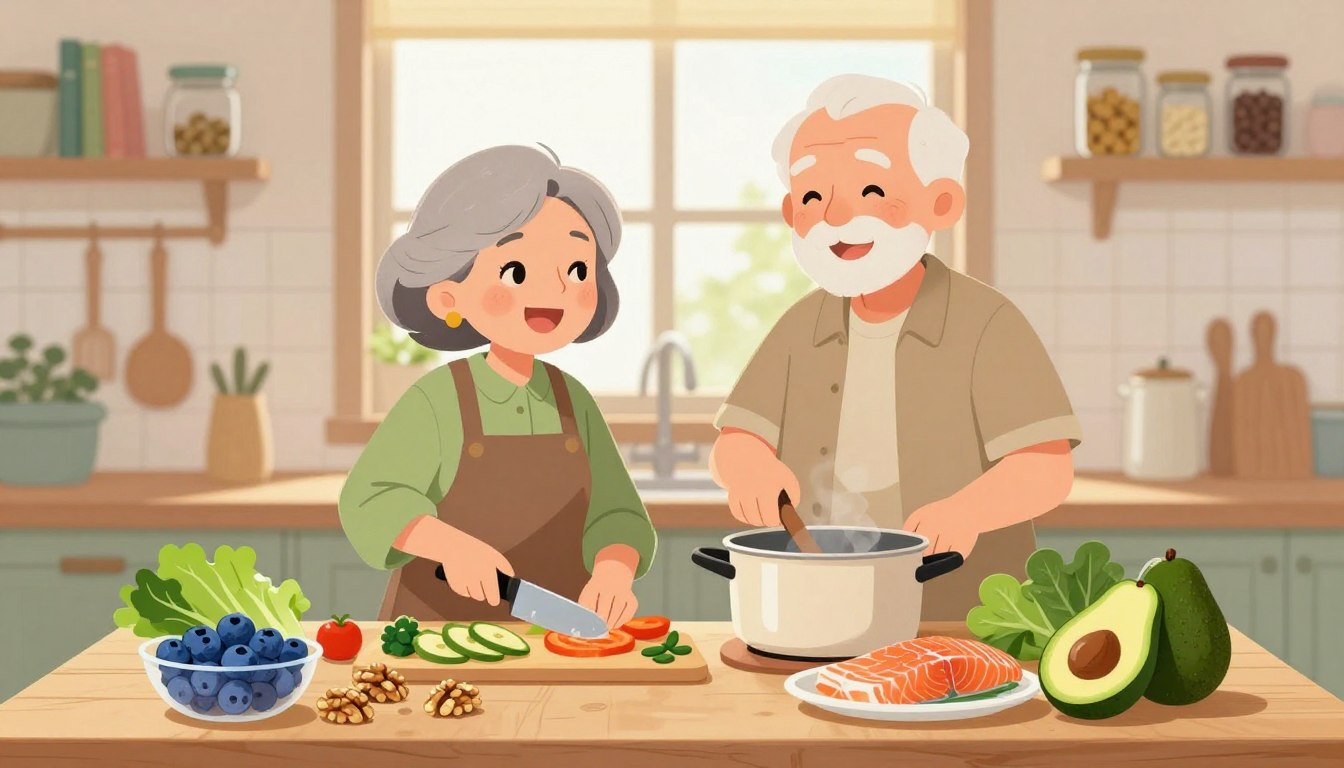
Surprising fact: studies show that shifting a few daily items can delay age-related decline by years, not months.
Are you a busy adult child quietly asking, “Is mom eating in a way that supports memory and focus?” You are not alone. Small, steady changes can add up.
This guide offers a realistic listicle approach — easy weekly adds using familiar grocery items many already enjoy. You’ll get a short “why it matters” note, a practical list of brain foods, simple swaps, and a full-day sample menu.
Good eating links to overall health. Heart care, steady energy, and regular movement affect how the mind feels day to day.
If a loved one lives alone, check-ins help. JoyCalls is a friendly daily phone companion that can prompt meals and reduce loneliness. Talk to Joy now: 1-415-569-2439. Sign up for JoyCalls.
These tips support function but are not a cure. Use them alongside clinical advice and consider the top 10 list at the top 10 list and practical ideas in the high-calorie guide.
Key Takeaways
- Small grocery swaps can support memory and focus over time.
- Focus on heart-healthy fats, steady protein, and easy-to-eat options.
- Daily check-ins help with regular meals and social connection.
- Use these tips with clinician guidance—this is supportive, not curative.
- Call Joy for friendly daily reminders: 1-415-569-2439.
Why brain health nutrition matters for aging adults today
A good diet does more than fill a plate. As we age, the mind grows more sensitive to inflammation, stress, and gaps in key nutrients. Those gaps can show up as foggier thinking or missed appointments.
How diet helps memory, focus, and overall function
Antioxidants limit cell damage from oxidative stress. Healthy fats (the organ is about 60% fat) help keep cell structure intact and support signals between cells. Steady blood flow delivers oxygen and nutrients where they’re needed.

What “brain-friendly” choices do in the body
In plain terms: antioxidants act like tiny shields. They reduce free radical damage that can harm cells over time.
Omega-3s help build cell membranes and lower inflammation. Flavonoid-rich berries can improve circulation and support memory. These effects together help protect brain health and slow age-related decline.
Food plus lifestyle habits that protect thinking as we age
- Move daily—walking and light exercise help blood and mood.
- Keep mentally active—reading, games, or classes matter.
- Stay social—regular connection reduces stress and isolation.
No single item prevents dementia. But a steady pattern of good choices lowers risk factors like high blood pressure and chronic inflammation.
Caregiver reality check: If a parent skips meals or repeats snacks, routines and gentle support help more than blame. Simple prompts and check-ins make healthy eating easier.
When memory worries rise, clinicians can check blood nutrient levels and use memory or cognitive assessments to guide care. Families who want more tips can read about cognitive health in older adults or try a simple meal routine tips plan to support daily habits.
Brain foods for seniors to add to your weekly routine
Think of this list as easy weekly switches that fit a busy schedule and support daily focus. Repeatable picks work better than complex rules. Caregivers and older adults both like simple, shop-ready items.
Salmon and other fatty fish: Aim for fish twice a week, per AHA guidance. Salmon supplies omega-3 fatty building blocks (DHA and EPA) that help cell signaling and memory.
Leafy greens like spinach, kale, and arugula bring folate, vitamin K, and antioxidants. Add them to omelets or soups to ease chewing and prep.

Cruciferous vegetables: Broccoli, cauliflower, and Brussels sprouts offer fiber and antioxidants. Roast until tender or steam for a softer bite.
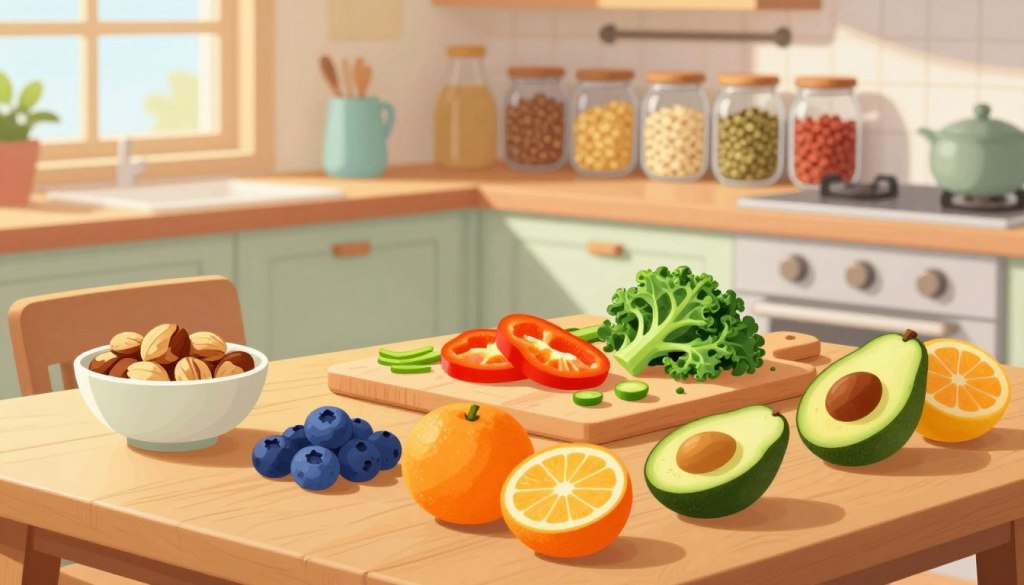
Dark berries—especially blueberries—supply flavonoids that help protect cells from oxidative damage. Frozen berries are budget-friendly and just as useful.
Eggs give choline and protein to help memory and steady energy. Try soft-scrambled or an egg salad for easy eating.
Nuts, especially walnuts, add healthy fats that aid inflammation control and vascular health. A small handful is a sensible portion; sprinkle on yogurt or oatmeal.
Try JoyCalls Free
No app or new device needed. Start with a free 7-day trial.
Extra-virgin olive oil, Greek yogurt, whole grains, moderate coffee, and a small piece of high-cocoa dark chocolate round out a weekly plan. These choices support steady energy, gut health, and blood flow while keeping meals simple and pleasant.
Simple, realistic ways to eat these items (without overhauling your diet)
Small, steady changes in meals make a big difference without upsetting routines. Start with one swap a week and keep the rest of the pantry. That gentle approach helps habits stick and reduces stress for caregivers and older adults.
Easy swaps that lower risk factors
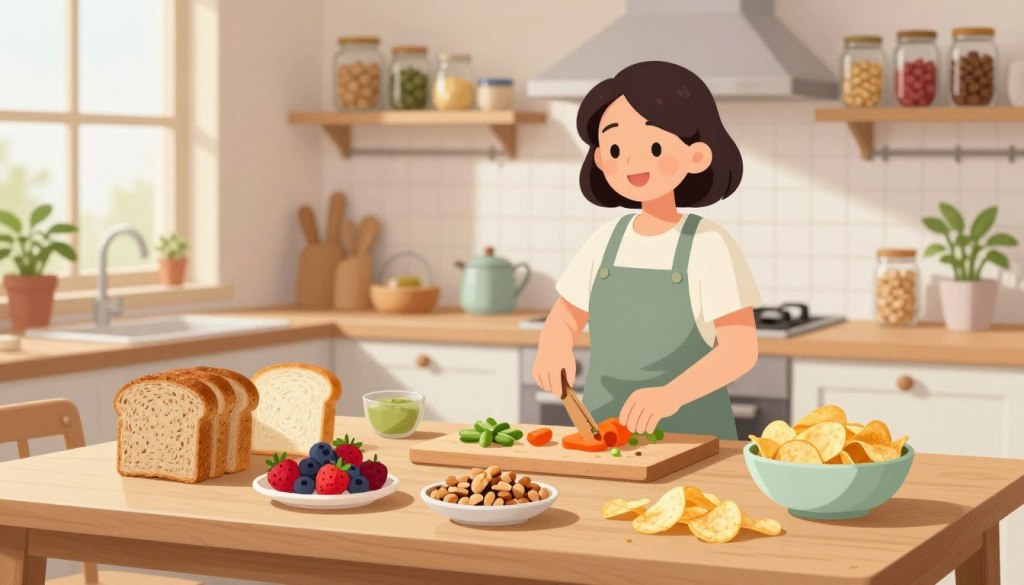
- Replace sugary desserts with berries or a yogurt bowl to cut added sugar and steady blood sugar.
- Swap fried snacks for a small handful of nuts to lower inflammation and support vascular health.
- Choose whole grains instead of refined ones—oats, brown rice, or whole-wheat toast help steady energy.
Senior-friendly prep ideas
Soft textures matter. Steam vegetables until tender, mash or purée soups, and serve eggs soft-scrambled or as an omelet for easy chewing.
Quick recipe ideas: sheet-pan salmon with roasted vegetables, microwave-steamed broccoli, Greek yogurt with frozen berries and walnuts, and a 5-minute olive oil + lemon dressing.
- Budget smart: use frozen berries, canned salmon, store-brand oil, and big tubs of plain Greek yogurt.
- Fermented foods and fiber support gut sources and mood. Moderate coffee and keep treats in moderation.
- Stress and sleep affect cravings. Keep meals simple and pleasant so changes last.
Caregiver tip: you don’t need to throw out everything. Try one change and celebrate it. For snack ideas that help when meals are skipped, see easy snack options.
How Seniors Can Turn Brain-Healthy Foods Into a Daily Routine That Actually Sticks
Knowing which foods support brain health is helpful, but the real benefit comes from eating them consistently. For many seniors, the challenge is not knowledge. It is appetite, energy, chewing comfort, grocery planning, medication timing, loneliness, budget, or simply not wanting to cook a full meal every day.
That is why a brain-friendly diet should feel simple, repeatable, and respectful of the older adult’s real life. The goal is not to create a “perfect” diet. The goal is to make nourishing choices easier to repeat, especially on days when energy is low or memory feels less sharp.
Start With a “Minimum Good Meal” Instead of a Perfect Meal
A helpful approach is to define a minimum good meal. This means having a simple meal formula that covers the basics even when cooking feels tiring.
A good formula is:
Protein + color + fiber + healthy fat
For example, a senior does not need to prepare a complicated salmon dinner every time. A simple plate could be scrambled eggs with spinach, whole-grain toast, and a drizzle of olive oil. Another option could be Greek yogurt with berries, walnuts, and oats. A third could be lentil soup with soft vegetables and a side of whole-grain crackers.
This formula protects against one of the biggest problems in senior nutrition: accidentally eating too little protein, fiber, or fresh food because meals become repetitive or snack-based.
Caregivers can make this easier by writing down five “minimum good meals” and placing the list on the fridge. These should be meals the older adult already likes. Familiarity matters. If a parent enjoys soup, build around soup. If they prefer toast, build around toast. If they like yogurt, make yogurt bowls more nutritious.
Build a Brain-Healthy Breakfast Anchor
Breakfast is often the easiest meal to standardize. A reliable breakfast can reduce decision fatigue and help seniors begin the day with steady energy.
A good breakfast anchor should include protein and slow-digesting carbohydrates. This helps avoid the quick rise and crash that can come from tea and biscuits, sweet cereals, pastries, or only toast with jam.
Simple options include:
Greek yogurt with berries, chia seeds, and walnuts.
Oatmeal cooked with milk, topped with ground flaxseed and soft fruit.
Eggs with spinach, mushrooms, or tomatoes.
Whole-grain toast with avocado and a boiled egg.
Cottage cheese with fruit and a small handful of nuts.
For seniors with a small appetite, breakfast can be split into two parts. For example, they may have tea and toast first, then yogurt with berries an hour later. This feels less overwhelming than a large plate.
The key is to avoid letting breakfast become only refined carbohydrates. Adding even one protein source can make the meal more supportive for focus, mood, and energy.
Use the “Two Additions” Rule for Lunch and Dinner
Instead of changing an entire meal, use the two additions rule. Keep the familiar meal, but add two brain-supportive ingredients.
If lunch is soup, add beans and leafy greens.
If dinner is rice, add vegetables and fish or lentils.
If the meal is toast, add egg and avocado.
If the senior enjoys pasta, add olive oil, vegetables, and tuna or chicken.
This method works because it does not make the older adult feel as if their usual foods are being taken away. It simply makes the plate stronger.
For caregivers, this is also easier than trying to redesign the whole diet. The question becomes: “What two helpful things can we add?” rather than “How do we make this meal perfect?”
Make Soft, Easy-to-Chew Versions of Brain Foods
Some seniors avoid healthy foods not because they dislike them, but because they are hard to chew, dry, tough, or tiring to prepare. This is especially common with raw vegetables, nuts, dense meats, and crusty breads.
The solution is to change the texture, not abandon the food.
Leafy greens can be cooked into soups, omelets, dals, stews, or pasta sauces. Berries can be mashed into yogurt or cooked into oatmeal. Nuts can be replaced with nut butters, finely ground walnuts, or smooth seed pastes. Fish can be baked until soft and flaked into rice, soup, or mashed potatoes. Beans and lentils can be softened into dips, spreads, or thick soups.
If swallowing is difficult, meals should be discussed with a clinician or speech-language specialist. Coughing during meals, frequent choking, wet-sounding voice after eating, or unexplained weight loss should not be ignored.
Brain-healthy eating should feel safe and comfortable. A food is only useful if the senior can eat it without stress.
Plan for Low-Appetite Days Before They Happen
Many older adults have days when they simply do not feel hungry. This may happen because of medications, low activity, mood changes, dental issues, digestive concerns, or illness. On such days, a large plate can feel discouraging.
Instead of forcing big meals, prepare small nutrient-dense options.
Good low-appetite choices include:
A smoothie with Greek yogurt, berries, nut butter, and oats.
A boiled egg with soft fruit.
A small bowl of lentil soup.
Whole-grain toast with peanut butter.
Cottage cheese or yogurt with mashed berries.
A small bowl of oatmeal with ground seeds.
The goal is to make every bite count. If the senior only eats a small amount, that small amount should contain protein, healthy fat, and useful nutrients.
Caregivers can keep a “low-appetite box” in the fridge or pantry. It may include yogurt, eggs, soft fruit, nut butter, cooked lentils, soup portions, and easy snacks. This reduces panic on difficult days.
Keep Hydration Part of the Brain-Health Plan
Food gets most of the attention, but hydration matters too. Even mild dehydration can make a senior feel more tired, foggy, constipated, dizzy, or irritable. Some older adults drink less because they do not feel thirsty, worry about frequent bathroom trips, or forget to drink water.
A simple hydration routine can help.
Place water where the senior already spends time: near the bed, favorite chair, medication area, and dining table. Pair drinking with existing habits, such as after waking, before medication, with every meal, after a walk, and during evening television.
Water does not have to be the only option. Unsweetened herbal tea, milk, soups, water-rich fruits, and diluted beverages can also support fluid intake. However, sugary drinks should not become the main source of hydration.
For seniors with heart failure, kidney disease, or fluid restrictions, hydration advice should follow medical guidance.
Make Snacks More Useful, Not Just More Frequent
Snacking is common among seniors, especially those who live alone or do not want to cook. The problem is not snacking itself. The problem is when snacks replace meals but provide very little nourishment.
A brain-friendly snack should ideally include protein, fiber, or healthy fat.
Better snack options include:
Apple slices with peanut butter.
Greek yogurt with berries.
A small handful of walnuts and fruit.
Whole-grain crackers with hummus.
Boiled egg with tomato.
Cottage cheese with soft fruit.
Roasted chickpeas, if chewing is comfortable.
Avocado on whole-grain toast.
Caregivers can pre-portion snacks into small containers. This helps prevent overeating nuts or packaged foods while making healthy choices easier to grab.
For seniors with diabetes, kidney disease, or other medical conditions, snack choices should match the care plan.
Use Familiar Flavors to Improve Acceptance
Older adults may resist food changes when the new meals feel unfamiliar, bland, or “medical.” Instead of introducing completely new dishes, use familiar flavors.
If the senior enjoys Indian food, add spinach to dal, use olive oil where suitable, include curd with berries, prepare fish curry with less oil, or add vegetables to upma, poha, khichdi, or pulao.
If they prefer Western meals, try vegetable omelets, tuna sandwiches on whole-grain bread, lentil soups, baked fish, oatmeal bowls, or salads with soft toppings.
If they like Mediterranean flavors, use olive oil, beans, herbs, yogurt, fish, and cooked vegetables.
The best diet is the one a person can actually enjoy. Taste matters. Food should still feel like comfort, not punishment.
Create a Weekly “Brain Food Basket”
A weekly brain food basket is a small list of staples that make healthy meals easier. It should not be too long.
A practical basket may include:
Eggs.
Plain Greek yogurt.
Frozen berries.
Leafy greens.
One fish option.
Lentils or beans.
Whole grains.
Walnuts or nut butter.
Extra-virgin olive oil.
Soft fruits.
Once these items are available, meals become easier to assemble. Frozen berries can go into yogurt or oatmeal. Eggs can become breakfast, lunch, or dinner. Lentils can become soup. Greens can be added to almost anything.
This is especially helpful for adult children who shop for an aging parent. Instead of buying random groceries, they can repeat the same supportive basket each week and adjust based on what was actually eaten.
Watch for Red Flags That Food Alone Cannot Fix
Diet can support brain health, but it cannot solve every memory, mood, or energy concern. Families should watch for signs that deserve medical attention.
These include sudden confusion, rapid memory changes, frequent missed meals, unexplained weight loss, dehydration, repeated choking, new difficulty using utensils, depression, medication mistakes, or a major change in appetite.
Sometimes the issue is not motivation. It may be dental pain, poorly fitting dentures, medication side effects, depression, loneliness, infection, vitamin deficiency, or an early cognitive change.
A caring approach is to ask: “What is making eating harder?” rather than “Why are you not eating properly?”
This keeps the conversation respectful and helps identify the real barrier.
Make Mealtimes Social When Possible
Many seniors eat better when meals include connection. Eating alone every day can reduce appetite and make meals feel like a task. A short call before lunch, a shared meal once or twice a week, or a gentle reminder can make a real difference.
Families can also create small rituals. For example, Sunday soup preparation, a weekly fish dinner, a morning yogurt bowl, or a daily evening fruit plate. These rituals make healthy eating feel familiar and emotionally comforting.
For seniors living alone, scheduled check-ins can help. A reminder to eat, drink water, or take out a prepared meal can support routine without making the person feel watched or pressured.
Keep the Goal Gentle: Better Patterns, Not Perfect Plates
The most important mindset is consistency over perfection. A senior does not need to eat every recommended food every day. What matters is the overall pattern across the week.
A helpful weekly target could be:
Leafy greens most days.
Berries several times a week.
Fish once or twice a week.
Eggs, beans, yogurt, or other protein daily.
Whole grains instead of refined grains when possible.
Nuts, seeds, or olive oil in small amounts.
Fewer fried foods, sugary snacks, and heavily processed meals.
This approach is realistic and kind. It allows room for favorite foods while gently improving the nutrition pattern.
Brain-healthy eating should not feel like a strict rulebook. It should feel like steady support: softer meals when chewing is hard, smaller meals when appetite is low, familiar flavors when change feels difficult, and simple routines when memory needs help.
For seniors and their families, that is the real win. Not a perfect diet, but a dependable way to nourish the body, support the mind, and make daily meals feel easier.
Hidden Factors That Can Make Brain-Healthy Eating More Effective for Seniors
Many articles about brain health focus almost entirely on what foods seniors should eat. While food choices certainly matter, nutrition does not work in isolation. The body’s ability to use those nutrients depends on several other factors that often receive much less attention.
A senior could be eating leafy greens, fish, berries, nuts, and whole grains regularly but still struggle with energy, concentration, memory, or mood if other parts of their lifestyle are working against them.
Brain health is influenced by a combination of nutrition, hydration, sleep quality, medication management, social engagement, physical activity, and daily routines. When these elements support one another, healthy eating becomes significantly more effective.
Understanding these hidden factors can help seniors and caregivers get more value from the nutritious foods already being consumed.
Why Consistency Matters More Than Occasional Healthy Eating
One of the biggest misconceptions about nutrition is that a few healthy meals can somehow compensate for weeks of poor eating habits.
The brain does not respond that way.
Brain cells rely on a steady supply of nutrients over months and years. Memory, focus, mood regulation, and cognitive resilience are supported by consistent habits rather than occasional “healthy days.”
This is encouraging news because it means seniors do not need dramatic dietary overhauls.
Small habits repeated regularly often outperform ambitious plans that are difficult to maintain.
For example:
- Eating berries three times per week is better than eating them daily for one week and then stopping.
- Choosing whole grains most days is more beneficial than switching diets completely for a short period.
- Drinking enough water every day matters more than trying to “catch up” occasionally.
Caregivers should focus less on perfection and more on creating routines that are realistic enough to continue indefinitely.
The question should be:
“Can we keep doing this six months from now?”
If the answer is yes, the habit is likely sustainable.
The Surprising Connection Between Sleep and Nutrition
Sleep and nutrition influence one another more than many people realize.
Poor sleep can increase cravings for sugary foods, reduce motivation to prepare healthy meals, worsen concentration, and increase fatigue.
At the same time, certain eating habits can either support or disrupt healthy sleep.
Nutrition Habits That May Improve Sleep Quality
Seniors often benefit from:
- Eating dinner at a consistent time
- Avoiding very large meals immediately before bed
- Limiting caffeine later in the day
- Staying hydrated throughout the day instead of drinking large amounts right before bedtime
- Including protein and fiber at evening meals
Stable blood sugar levels overnight may help reduce sleep disruptions caused by hunger or energy fluctuations.
Why Better Sleep Supports Brain Health
During sleep, the brain performs important maintenance functions.
Research suggests that sleep plays a role in memory consolidation, learning, emotional regulation, and the removal of metabolic waste products from brain tissue.
This means a senior’s brain-health strategy should never focus exclusively on food while ignoring sleep quality.
Both work together.
The Role of Physical Activity in Nutrient Utilization
Exercise is often discussed separately from nutrition, but they are deeply connected.
Movement helps support:
- Healthy circulation
- Blood flow to the brain
- Blood sugar regulation
- Mood stability
- Sleep quality
- Appetite regulation
Even modest activity can complement a brain-healthy diet.
The goal is not intense exercise.
For many older adults, beneficial movement may include:
- Walking
- Gardening
- Chair exercises
- Gentle stretching
- Tai chi
- Water aerobics
- Light resistance training
When physical activity and nutrition improve together, seniors often experience better energy and greater motivation to maintain healthy habits.
How Loneliness Can Affect Brain-Healthy Eating
Social isolation is one of the most overlooked barriers to good nutrition among older adults.
Many seniors report that cooking becomes less enjoyable when there is nobody to share meals with.
This can lead to:
- Skipping meals
- Reduced appetite
- Increased reliance on processed foods
- Less dietary variety
- Poor hydration
The issue is often emotional rather than nutritional.
A senior may know exactly what they should eat but feel little motivation to prepare it.
Strategies That Help
Families can support nutrition by creating more opportunities for connection around meals.
Examples include:
- Weekly family lunches
- Virtual meal dates
- Community senior centers
- Shared cooking sessions
- Group dining programs
- Scheduled phone calls during mealtimes
Even brief social interaction can make meals feel more meaningful.
This often improves food intake naturally without pressure.
Medication Side Effects That May Influence Nutrition
Many older adults take multiple medications, and some can affect eating habits in unexpected ways.
Potential effects include:
- Reduced appetite
- Dry mouth
- Changes in taste
- Nausea
- Constipation
- Drowsiness
- Digestive discomfort
When a senior suddenly loses interest in food, medications should be considered as a possible contributing factor.
Signs Worth Discussing With a Healthcare Professional
These include:
- Rapid weight loss
- Persistent nausea
- Difficulty swallowing pills
- New food aversions
- Significant changes in appetite
- Chronic digestive discomfort
Families sometimes assume these changes are a normal part of aging when they may actually be related to medication management.
Addressing the underlying issue may improve nutritional intake significantly.
Why Blood Sugar Stability Matters for Cognitive Function

Many seniors notice periods of fatigue, irritability, mental fog, or difficulty concentrating throughout the day.
In some cases, fluctuating blood sugar levels may contribute.
Meals built primarily around refined carbohydrates may lead to rapid spikes followed by drops in energy.
Examples include:
- Sugary breakfast cereals
- Pastries
- Sweet baked goods
- Candy
- Sugary beverages
These foods are not inherently forbidden, but relying on them frequently can make energy levels less predictable.
A More Balanced Approach
Pair carbohydrates with:
- Protein
- Fiber
- Healthy fats
For example:
Instead of eating fruit alone, pair it with yogurt.
Instead of plain toast, add eggs.
Instead of crackers alone, include hummus.
These combinations may help provide more stable energy throughout the day.
Making Healthy Eating Easier During Cognitive Changes
Some seniors experience mild cognitive changes that make meal preparation more difficult.
Challenges may include:
- Forgetting ingredients
- Skipping meals
- Difficulty following recipes
- Leaving food unfinished
- Reduced interest in cooking
The solution is often simplification rather than more complex nutrition plans.
Helpful Adaptations
Create a rotating list of simple meals.
Examples:
Monday: Vegetable omelet
Tuesday: Lentil soup
Wednesday: Fish and vegetables
Thursday: Yogurt bowl
Friday: Bean stew
Saturday: Whole-grain sandwich
Sunday: Family meal
Predictability reduces decision fatigue and supports independence.
Visual reminders can also help.
A simple checklist on the refrigerator may encourage regular eating and hydration.
The Importance of Protein as We Age
Protein is frequently associated with muscle health, but it also plays an important role in overall health and function.
Many seniors consume less protein than they realize.
Common reasons include:
- Smaller appetites
- Difficulty chewing meat
- Convenience foods replacing meals
- Reduced interest in cooking
Practical Protein Sources
Useful options include:
- Eggs
- Fish
- Greek yogurt
- Cottage cheese
- Lentils
- Beans
- Tofu
- Milk
- Chicken
- Soft cheeses
Including protein at each meal may help support strength, energy, and overall wellbeing.
The goal is not excessive protein intake but regular, consistent intake throughout the day.
Why Grocery Shopping Habits Matter More Than Willpower
Many nutrition challenges begin long before mealtime.
If nutritious foods are not available at home, healthy choices become much harder.
A strategic grocery routine can make brain-friendly eating almost automatic.
The Core Shopping Approach
Each shopping trip should include:
One leafy green.
One berry option.
One protein source.
One whole grain.
One healthy fat source.
One easy snack option.
This simple framework prevents overwhelm while ensuring important nutritional categories are represented.
Frozen foods can be especially useful.
Frozen berries, vegetables, and fish often provide convenience without sacrificing nutritional value.
Creating an Emergency Nutrition Plan

Every senior experiences difficult days.
There may be illness, fatigue, poor sleep, bad weather, low motivation, or emotional stress.
These are often the days when nutrition suffers most.
Having an emergency nutrition plan can help.
Keep Easy Backup Foods Available
Examples include:
- Frozen vegetable soups
- Greek yogurt
- Nut butter
- Eggs
- Frozen berries
- Oatmeal
- Whole-grain bread
- Canned beans
- Canned fish
These foods require minimal preparation while still supporting healthy eating goals.
The objective is not gourmet cooking.
The objective is preventing nutrition from collapsing during challenging periods.
Focus on Progress Rather Than Restriction
Many seniors become discouraged when nutrition advice feels like a list of things they must avoid.
A more productive approach is to focus on what can be added rather than removed.
Instead of thinking:
“I can’t eat that.”
Consider:
“What can I add to make this meal better?”
Perhaps:
- Add vegetables
- Add protein
- Add fruit
- Add healthy fats
- Add fiber
This mindset feels more positive and sustainable.
It also reduces the stress that often accompanies dietary changes.
The Long-Term Goal: Building a Brain-Supportive Lifestyle

Brain health is not determined by a single food, supplement, or meal plan.
It emerges from hundreds of small decisions repeated over time.
Healthy eating becomes more powerful when combined with:
- Adequate sleep
- Regular movement
- Social connection
- Proper hydration
- Medication awareness
- Consistent routines
- Ongoing mental engagement
Seniors who approach brain health as a lifestyle rather than a diet often find the process more manageable and enjoyable.
The most successful strategy is rarely the most complicated one.
It is usually the collection of simple habits that can be maintained year after year.
For older adults and caregivers alike, that should be the ultimate goal: creating a sustainable daily routine that supports cognitive wellbeing, independence, energy, and quality of life for the long term.
How Caregivers Can Support Brain-Healthy Eating Without Making Seniors Feel Controlled
For many seniors, food is deeply personal. Meals are connected to memories, independence, culture, comfort, and dignity. That is why caregivers need to approach brain-healthy eating with sensitivity. Even well-intentioned advice can feel controlling if it is delivered as correction.
A senior may resist dietary changes not because they do not care about their health, but because they feel their choices are being taken away. The goal should never be to police every bite. The goal is to make nourishing choices easier, more enjoyable, and more respectful.
Start With Partnership, Not Pressure
Instead of saying, “You need to stop eating this,” try asking, “What meals have been feeling good for you lately?” This opens a conversation rather than creating defensiveness.
Caregivers can also ask:
“What foods are easiest for you to prepare?”
“What feels too tiring to cook now?”
“Are there any foods you used to enjoy but have stopped making?”
“What would make meals simpler during the week?”
These questions help identify the real barriers. Sometimes the issue is not the food itself. It may be grocery access, low energy, dental discomfort, loneliness, or difficulty standing in the kitchen.
Preserve Favorite Foods While Improving the Plate
Brain-healthy eating does not require removing every familiar comfort food. In fact, doing so can backfire. A better approach is to keep favorite meals and improve them gently.
If a senior enjoys rice, add lentils, vegetables, fish, or eggs.
If they like sandwiches, use whole-grain bread and add avocado, tuna, hummus, or leafy greens.
If they enjoy sweets, pair a small portion with fruit or yogurt instead of banning it completely.
If they prefer traditional meals, adjust ingredients rather than replacing the meal.
This approach protects emotional comfort while improving nutrition.
Make the Environment Do Some of the Work
Healthy eating becomes much easier when the home environment supports it. Keep nourishing foods visible, accessible, and ready to eat.
Place washed fruit on the table.
Keep yogurt at eye level in the fridge.
Store nuts, seeds, or whole-grain snacks in easy-to-open containers.
Prepare soup, boiled eggs, chopped soft fruit, or cooked lentils in advance.
Move less nutritious packaged snacks to a less visible place.
This is not about restriction. It is about making the better choice the easier choice.
Avoid Food Shaming
Comments like “You should not be eating that” or “That is bad for your brain” can create guilt, frustration, or secrecy around food. Seniors deserve respect and autonomy.
A more helpful response is:
“Let’s add something nourishing with this.”
For example, instead of criticizing biscuits with tea, add a boiled egg, fruit, or a small bowl of yogurt nearby. Instead of objecting to toast, add peanut butter or avocado.
Addition usually works better than criticism.
Use Reminders Gently
Some seniors may forget meals, repeat snacks, or skip water unintentionally. Reminders can help, but they should feel supportive rather than intrusive.
Helpful reminders include:
A written meal schedule on the fridge.
Phone reminders for water and meals.
Pre-labeled containers for breakfast, lunch, and dinner.
A daily check-in call around mealtime.
A weekly meal plan with familiar options.
The tone matters. A reminder should communicate care, not surveillance.
Support Independence Wherever Possible
Even when caregivers help with shopping or cooking, seniors should remain involved in decisions. Ask them to choose between two meal options. Let them select fruits, snacks, or preferred vegetables. Invite them to help with simple tasks if they enjoy participating.
Small choices protect dignity.
For example:
“Would you prefer lentil soup or an omelet for lunch?”
“Should we get apples or berries this week?”
“Would you like fish on Tuesday or Thursday?”
These choices may seem small, but they help seniors feel respected.
Make Meal Prep Safer and Easier
Kitchen fatigue and safety concerns can affect nutrition. Seniors may avoid cooking if chopping, standing, lifting pots, or handling hot pans feels difficult.
Caregivers can help by simplifying the kitchen setup.
Use lightweight cookware.
Keep frequently used items within easy reach.
Buy pre-cut vegetables when useful.
Choose easy-open containers.
Use non-slip mats.
Prepare batch meals in small portions.
Keep emergency meals available.
The safer the kitchen feels, the more likely a senior is to continue eating well.
Watch for Emotional Changes Around Food
Changes in eating habits may reflect more than appetite. Grief, depression, anxiety, memory concerns, or loneliness can all affect food intake.
Warning signs include:
Skipping meals often.
Losing interest in favorite foods.
Eating the same low-nutrition foods repeatedly.
Sudden weight loss.
Avoiding family meals.
Forgetting food in the fridge.
Feeling overwhelmed by meal decisions.
These signs deserve patience and attention. Food support may need to be paired with emotional support, medical guidance, or social connection.
Create Shared Food Rituals
Rituals make healthy eating feel less like a task and more like a comforting rhythm.
Examples include:
A weekly soup-making day.
A Sunday family lunch.
A daily fruit bowl after dinner.
A morning yogurt routine.
A weekly fish meal.
A tea-time snack plate with nuts, fruit, and whole grains.
Rituals are powerful because they reduce decision-making. Over time, they become familiar habits.
Keep the Conversation Positive
The most effective caregivers focus on encouragement. Celebrate small wins.
“You had such a balanced breakfast today.”
“That soup has so many good ingredients.”
“It is great that you had fruit with your tea.”
“This meal looks nourishing and comforting.”
Positive reinforcement helps seniors feel capable rather than judged.
The Caregiver’s Goal: Support, Not Perfection
Caregivers cannot control every meal, and they should not try to. Brain-healthy eating is a long-term pattern, not a daily performance test.
Some days will include processed snacks. Some days appetite will be low. Some days cooking will not happen. That is normal.
The goal is to create a supportive system that makes nourishing meals easier most of the time.
When caregivers combine respect, patience, practical planning, and emotional sensitivity, seniors are more likely to accept healthy changes and maintain them.
Brain-healthy eating works best when it feels caring, familiar, and manageable. For older adults, that support can make the difference between knowing what to eat and actually being able to eat that way.
Common Brain-Healthy Eating Mistakes Seniors Should Avoid

Eating for brain health is not only about adding the right foods. It is also about avoiding small habits that quietly reduce the benefits of an otherwise healthy diet. Many seniors make these mistakes without realizing it, often because the habits feel normal, convenient, or harmless.
The good news is that most of these issues are easy to correct with small, realistic changes.
Mistake 1: Eating Too Little During the Day
Many older adults naturally eat smaller portions as they age. Appetite may reduce, digestion may slow down, or cooking may feel tiring. However, eating too little can affect energy, mood, strength, and concentration.
A senior who skips breakfast, has tea and biscuits for lunch, and eats a small dinner may not be getting enough protein, fiber, vitamins, or healthy fats.
Instead of forcing large meals, try smaller but more nourishing meals.
For example:
A small bowl of oatmeal with nuts and fruit is better than plain tea.
A boiled egg with toast is better than toast alone.
A small bowl of lentil soup is better than skipping lunch.
A yogurt bowl with berries is better than only biscuits.
The goal is not to eat more volume. The goal is to make each meal more useful.
Mistake 2: Depending Too Much on Tea, Coffee, and Biscuits
Tea or coffee can be comforting, especially for seniors who enjoy routine. The problem begins when tea-time snacks replace real meals.
Biscuits, rusks, cakes, and sweet packaged snacks may provide quick energy, but they usually do not offer enough protein, fiber, or healthy fats. This can lead to hunger, weakness, and energy dips later.
A better approach is to keep the tea ritual but improve the plate.
Add one nourishing item such as:
A boiled egg.
A small bowl of yogurt.
A handful of walnuts.
Fruit slices.
Whole-grain toast with peanut butter.
Hummus with crackers.
This keeps the comfort of tea time while making it more supportive for the brain and body.
Mistake 3: Avoiding Fats Completely
Some seniors avoid all fats because they believe fat is always unhealthy. This can lead to meals that are too dry, unsatisfying, and low in important nutrients.
The brain needs healthy fats. The key is choosing better sources and using them in sensible amounts.
Better fat sources include:
Olive oil.
Avocado.
Nuts.
Seeds.
Fatty fish.
Nut butters.
These are different from repeatedly eating fried snacks, processed meats, or foods high in trans fats.
A simple improvement is to add a small amount of olive oil to cooked vegetables, include walnuts in breakfast, or eat fish once or twice a week.
Mistake 4: Eating the Same Few Foods Every Day
Routine can be helpful, but too little variety may reduce nutrient intake. Some seniors fall into a pattern of eating the same toast, rice, biscuits, or porridge every day.
A simple way to improve variety is to rotate colors.
For example:
Green: spinach, broccoli, peas, leafy vegetables.
Blue or purple: blueberries, black grapes, eggplant.
Orange: carrots, pumpkin, sweet potatoes.
Red: tomatoes, strawberries, red peppers.
White or beige: beans, oats, cauliflower, yogurt.
The plate does not need to be colorful at every meal. But across the week, more color usually means a wider range of nutrients.
Mistake 5: Forgetting Protein at Breakfast
Breakfast is often carbohydrate-heavy. Many seniors eat toast, cereal, biscuits, poha, upma, or porridge without enough protein.
Adding protein helps make breakfast more balanced.
Useful options include:
Eggs.
Greek yogurt.
Milk.
Cottage cheese.
Lentils.
Beans.
Tofu.
Nut butter.
Even a small protein addition can improve the meal.
For example, oatmeal with milk and nuts is better than plain oatmeal. Toast with egg is better than plain toast. Upma with peanuts and vegetables is better than plain upma.
Mistake 6: Assuming Supplements Can Replace Food
Supplements may be useful when recommended by a doctor, especially if a senior has a deficiency. But they should not replace a balanced diet.
A capsule cannot provide the full combination of fiber, antioxidants, protein, minerals, and natural plant compounds found in whole foods.
For example, berries provide more than just one vitamin. Leafy greens provide many nutrients together. Fish contains protein and healthy fats. Beans provide fiber, minerals, and plant-based protein.
Supplements should support the diet when needed, not become the main strategy.
Mistake 7: Not Adjusting Food Texture
Some seniors stop eating healthy foods because they become difficult to chew or swallow. Raw salads, nuts, tough meats, and hard fruits may feel uncomfortable.
Instead of removing these foods completely, adjust the texture.
Cook vegetables until soft.
Use ground nuts instead of whole nuts.
Choose soft fruits.
Make lentil soups.
Flake fish into rice or soup.
Use yogurt-based smoothies.
Prepare soft stews instead of dry meats.
This makes brain-healthy eating more realistic and safer.
Mistake 8: Drinking Too Little Water
Dehydration can affect alertness, mood, digestion, and overall comfort. Many seniors do not feel thirsty as strongly as younger adults, so they may drink too little without realizing it.
A simple routine can help:
Drink water after waking.
Drink with every meal.
Keep water near the favorite chair.
Have soup or herbal tea during the day.
Eat water-rich foods such as melon, oranges, cucumber, and soups.
For seniors with medical fluid restrictions, follow the doctor’s advice.
Mistake 9: Keeping Healthy Foods Too Hard to Reach
Sometimes the problem is not motivation. It is access.
If fruit is hidden in the fridge drawer, it may be forgotten. If nuts are in a high cabinet, they may not be used. If vegetables are not washed, they may feel like too much work.
Make healthy foods visible and easy.
Keep fruit on the table.
Store yogurt at eye level.
Place nuts in small containers.
Keep soup portions ready.
Use clear containers for leftovers.
The easier a food is to see and use, the more likely it is to be eaten.
Mistake 10: Making Changes Too Quickly
Large diet changes can feel overwhelming. A senior who has eaten a certain way for decades may not want sudden restrictions.
A better approach is one change at a time.
Week one: Add protein to breakfast.
Week two: Add one fruit daily.
Week three: Add leafy greens three times a week.
Week four: Replace one refined grain with a whole grain.
Small steps are easier to accept and maintain.
The Best Strategy Is Gentle Consistency
Brain-healthy eating should not feel stressful. Seniors do not need perfect meals or strict rules. They need steady, nourishing habits that fit their appetite, culture, budget, chewing ability, and daily routine.
Avoiding these common mistakes can make the entire diet more effective.
A few small improvements repeated every week can support better energy, stronger routines, and a more brain-friendly way of eating.
Brain-boosting meal ideas for a full day
Start the day with a simple menu that cuts decision stress and still packs nutrients that help memory and mood. Below is a one-day template families can repeat to keep meals easy and nourishing.
Breakfast
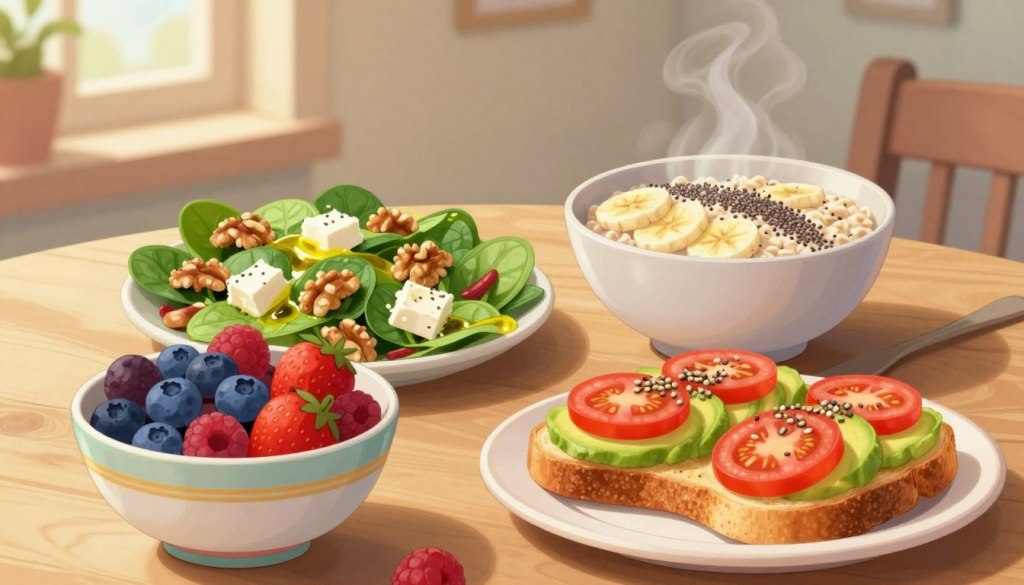
Scrambled eggs gently cooked with soft sautéed vegetables and a side of blueberries. This combo delivers protein and antioxidants to start the morning.
Snacks
Plain Greek yogurt with frozen berries or a small portion of mixed nuts (include walnuts). Both options are quick and support gut and healthy fat intake.
Lunch
A leafy greens salad (spinach, kale, arugula) with beans or chicken and an olive oil + lemon dressing. This meal helps steady blood flow and adds fiber.
Dinner
Baked salmon (or trout/sardines) with quinoa or other whole grains and roasted vegetables drizzled with olive oil. Fish supplies omega-3s and simple benefits without fuss.
Dessert
A small piece of high-cocoa dark chocolate (85%+) as a treat.
- Caregiver shortcuts: cook extra salmon, wash greens once for the week, portion nuts into small containers.
- Repeat this template to protect brain health and reduce planning stress. Learn more about smart meal choices at best food guidance and try heart-friendly ideas on simple meal plans.
Diet patterns that may help lower the risk of cognitive decline

You don’t need a perfect plan—just a pattern that tilts meals toward whole grains, vegetables, and healthy fats.
Mediterranean basics: Think fish, olive oil, beans, and whole grains most days. Add vegetables and moderate portions of lean protein. This pattern focuses on healthy fats and antioxidants that help support brain health and overall function.
MIND diet in plain terms: Prioritize leafy greens, berries, and nuts. Limit red meat, butter, cheese, sweets, and fried items. Research, including notes from Laura Wargo, RD (Northwestern Medicine), suggests this approach may help lower risk of cognitive decline over time.
Supplements: Omega-3 fatty acid or vitamin B12 supplements may be considered if tests show low levels. Food sources come first. Talk with a clinician before starting supplements.
How you’ll know it’s helping: Look for steadier focus, a brighter mood, and more consistent energy. Changes are gradual. Pair diet shifts with medical follow-up if you have dementia concerns.
Clinical tracking tools:
- Blood tests for nutrient levels (B12, vitamin D, omega-3 index)
- Memory tests and cognitive assessments
- Brain imaging when doctors think it helps diagnosis
| Pattern | Main focus | What to limit |
|---|---|---|
| Mediterranean | Fish, olive oil, vegetables, whole grains | Red meat, refined carbs, fried food |
| MIND | Leafy greens, berries, nuts, beans | Butter, cheese, sweets, processed snacks |
| Practical tip | Simple swaps and repeatable meals | Perfection—aim for most days, not every day |
If you’d like the clinical view on diet and prevention, see what we know about diet and.
Conclusion
A few repeatable choices each week make healthy eating simple and effective. Brain health improves when meals include fish, leafy greens, berries, eggs, nuts, olive oil, yogurt, and whole grains. These foods help memory, provide antioxidants, and lower inflammation.
Small steps count. Swap one snack, add a vegetable, or pick berries for dessert. A steady diet pattern that supports blood flow matters more than one perfect meal. If you notice signs of cognitive decline, talk with a clinician and check nutrient levels.
Stay kind and connected—meals are easier with company and gentle reminders. Talk to Joy now: 1-415-569-2439. Sign up for JoyCalls: https://app.joycalls.ai/signup. See simple prep and microwave meal tips at microwave meal tips.
FAQ
What are simple, realistic foods that support brain health in older adults?
How does nutrition help memory and focus as people age?
Can small diet changes make a real difference without a full overhaul?
What are senior-friendly ways to prepare these foods?
How often should these items appear in weekly meals?
Are there specific meal ideas for a full day that help keep thinking sharp?
Do diet patterns like the Mediterranean or MIND diet really lower risk of cognitive decline?
Should older adults take supplements like omega-3 or B12 instead of eating foods?
How will I know if better eating is helping brain health?
Are there drinks that help or harm cognitive health?
How can caregivers support an aging parent who’s resistant to change?

Ana Avila, PhD, is a healthcare and technology writer with deep expertise in artificial intelligence, senior care innovation, and the practical use of AI in healthcare operations. Her work focuses on how emerging technologies can improve the daily experience of older adults, support overburdened care teams, and help senior living communities deliver safer, faster, and more personalized support.
Dr. Avila’s academic background is rooted in health informatics, aging care systems, and applied artificial intelligence. Her doctoral work focused on how digital health tools, predictive analytics, and AI-assisted communication systems can be used to improve care coordination, reduce operational delays, and identify early signs of risk among older adults. Her training gives her a rare ability to understand both the technical side of AI and the human realities of healthcare delivery.
Over the years, Ana has developed a specialized body of work around AI in senior living. She writes about how senior care providers can use intelligent systems to manage resident requests, answer routine questions, support family communication, improve after-hours coverage, and detect patterns that may indicate loneliness, confusion, distress, or unmet needs. Her articles often examine the gap between what senior living teams are expected to deliver and what traditional staffing models can realistically support.
Ana’s healthcare expertise is especially focused on the operational side of care. She has written extensively about call handling, resident engagement, front desk workflows, triage systems, caregiver communication, care escalation, and the hidden administrative burden placed on senior living staff. Her work explains how AI can help reduce repetitive tasks, organize incoming requests, prioritize urgent issues, and give human caregivers more time for meaningful resident interaction.
At the same time, Ana is careful not to present AI as a replacement for human care. A consistent theme in her writing is that technology should support relationships, not weaken them. She argues that the best AI systems in healthcare are not the ones that simply automate the most tasks, but the ones that make care teams more responsive, families more informed, and residents more supported. Her perspective is grounded in the belief that senior living technology must be designed around dignity, trust, privacy, and compassion.
Ana has also written widely on the ethical use of AI in healthcare. Her work discusses the importance of human oversight, transparent escalation rules, resident consent, data minimization, and responsible use of sensitive health and behavioral information. She often emphasizes that AI systems used around older adults must be easy to understand, carefully monitored, and designed with the limitations and needs of real residents in mind, including those with memory loss, hearing challenges, mobility issues, or social isolation.
Her writing has been used as a reference point in discussions about aging, elder care technology, digital health, and AI-supported senior living. Some of her articles have also been cited by Wikipedia editors as supporting references on topics related to healthcare, aging, and technology. This has helped position her work as a useful educational resource for readers looking to understand how AI can be applied in real care environments.
In addition to her long-form writing, Ana has contributed research-based commentary, professional explainers, and practical guidance for healthcare operators, senior living decision-makers, and technology teams building products for older adults. Her work combines research literacy with operational practicality. She is able to take complex subjects such as natural language processing, predictive analytics, conversational AI, and care automation, and explain them in a way that is accessible to executives, caregivers, families, and non-technical readers.
Ana’s strongest area of expertise is the intersection of artificial intelligence and senior living operations. She understands that senior care communities face a difficult combination of rising resident expectations, staffing pressure, family communication demands, and increasing care complexity. Her writing explores how AI can be used to ease those pressures through smarter communication systems, faster response workflows, proactive check-ins, and better visibility into resident needs.
Her approach is both evidence-informed and deeply human. She studies AI through the lens of real-world care delivery: whether a resident gets help faster, whether a family member receives a clearer update, whether a caregiver avoids unnecessary administrative work, and whether a senior living team can identify a concern before it becomes a crisis. This practical focus makes her work especially relevant for organizations that want to adopt AI responsibly rather than simply follow technology trends.
Ana Avila is regarded as a thoughtful voice on the future of AI in healthcare and senior living. Her expertise combines academic training, research-driven analysis, operational understanding, and a strong commitment to humane technology. Through her writing, she helps healthcare leaders and senior living communities understand not only what AI can do, but how it should be used to improve care, preserve dignity, and strengthen the human relationships at the center of aging support.